







Search Results for: Ethiopia Guji
Ethiopia Guji Ana Sora Farm Natural Sidamo G1: Single Estate Lot 3 Flavor and Origin Interpretation
Located in the Guji region of Ethiopia, the Anasora Farm is a rare single-estate coffee production site in the country, covering about 250 hectares at an altitude of 1,900 to 2,350 meters. This Lot3 batch is processed using the African raised-bed single-layer slow sun-drying method, presenting a complex aroma of strawberry cookie, mixed berries, citrus, and florals, accompanied by maple-syrup-like sweetness and a solid, rich mouthfeel. The delicate blueberry aroma from high fermentation, the sweet, full-bodied coffee, and the typical Sidamo depth at medium temperatures give this bean a long finish and lingering sweetness. Front Street Coffee recommends it to enthusiasts who love sun-dried Ethiopian coffee. This article will outline the estate's background, trends in the Guji region, and relevant Oromo context to help readers fully understand the origins and story of this bean. [more…]
Flavor Analysis of Ethiopia Guji Zone Baha Natural G1 Coffee Beans and Discussion of the Regional System
In the landscape of Ethiopian specialty coffee, the Guji region is rising with strong momentum, becoming another star after Yirgacheffe. This article comprehensively reviews the flavor characteristics of Guji region Hambela natural G1 coffee beans, from the export system and regional terroir to processing method details. The article first analyzes the differences and traceability challenges among Ethiopia's three major coffee export systems, then focuses on the significance of the single-farm system for specialty coffee development. It subsequently delves into the geographical location, historical background, and ethnic customs of the Guji region, comparing its similarities and differences with the Yirgacheffe region, revealing Guji's potential as a future engine of innovation. Front Street Coffee recommends this natural G1, which presents typical Ethiopian flavors while possessing subtle unique characteristics, worthy of careful savoring by coffee enthusiasts. [more…]
Flavor Analysis and Origin Introduction of Ethiopia Guji Shakiso Dambi Uddo G1 Coffee Beans
The Guji production area has risen rapidly in Ethiopia's specialty coffee landscape in recent years. As its core micro-region, Shakiso frequently produces beans that astonish the industry, thanks to its superior terroir and processing techniques. This article focuses on the G1-grade coffee beans produced by the Gigesa processing station, thoroughly outlining their flavor performance under both washed and natural processing methods, and providing an in-depth introduction to the administrative divisions of Guji-Shakiso, the background of the processing station, and the development trajectory of the production area. Whether you want to understand the trends of Ethiopia's emerging production areas or are looking for the next specialty bean worth buying, this article offers valuable reference. Front Street Coffee will also recommend related products worth your attention. [more…]
Ethiopia: Sidamo and Guji: A Flavor Divide Between Two Major Producing Regions
Sidamo and Guji are the two specialty coffee regions in southern Ethiopia most often mentioned side by side. This article helps you clarify the flavor divide between them from four dimensions: history, geography, variety, and processing method. [more…]
Ethiopia Guji Region Specialty Coffee Beans: Variety Characteristics, Flavor Profile, and Pour-Over Recommendations
Guji has been a产区 in Ethiopia that has attracted much attention in the specialty coffee circle in recent years, and its Shakiso micro-region is especially known for producing high-quality coffee beans thanks to its superior terroir conditions. Starting from the reform of the ECX trading system, this article sorts out the administrative division and naming logic of Ethiopia's coffee-producing regions, focusing on the origin environment, processing methods, and flavor characteristics of Guji-Shakiso, and comparing the market changes of neighboring regions such as Yirgacheffe. The article also recommends the Guji-Hambela Huakui 2.0 coffee beans roasted by Front Street Coffee, balancing quality and value for money, suitable for pour-over enthusiasts to refer to when purchasing. [more…]
Ethiopia Guji G1 Natural Coffee Bean Flavor Analysis and Pour-Over Parameter Recommendations
Guji, as a rising star on Ethiopia's coffee map, has rapidly ascended to the ranks of core specialty coffee regions in recent years thanks to its outstanding flavor performance. From its early days under the Sidama region to being classified as a separate new category by the ECX in 2015, Guji's rise has followed a trajectory similar to that of Yirgacheffe. Hambela, as Guji's most representative sub-region, produces Huakui coffee beans that have become a favorite among domestic coffee enthusiasts thanks to their excellent sun-dried G1 quality. In this article, Front Street Coffee will systematically sort out the complete picture of this bean, from the region's historical evolution, terroir conditions, and the background of Hambela farms to the evolution of Huakui lots and specific brewing parameters, guiding you to a deeper understanding of Guji coffee's quality characteristics and brewing key points. [more…]
Shakisso in Ethiopia's Guji region: A full analysis of coffee beans from origin conditions to flavor performance
Ethiopia's administrative hierarchy consists of four levels: Region, Zone, woreda, and kebele, and the naming of local green coffee beans often follows this system as well. The Guji-Shakisso focused on in this article is located southeast of Yirgacheffe and, in terms of administrative division, falls under Oromia Region → Guji Zone → Shakisso woreda, making it a regional-type coffee origin. Thanks to its outstanding geographical conditions and cup performance, Guji is an independent ECX production region, and Shakisso is one of its much-watched micro-regions. This article will sort out its altitude, soil, processing methods, and flavor characteristics, and review Shakisso's impressive achievements on the international specialty coffee stage. Front Street Coffee also continues to pay attention to high-quality lots from this production area, bringing coffee lovers choices worth tasting. [more…]

Deep Dive into Ethiopia's Guji Region: The Flavor Code of Hambela, Shakiso, and Uraga
Guji is a highly regarded specialty coffee region in southern Ethiopia. Since being independently classified within the ECX trading system in 2010, it has quickly risen to fame thanks to its highly distinctive flavors. This article takes you deep into Guji's geographical environment, volcanic soil, and high-altitude climate, and analyzes the characteristics of its three sub-regions—Hambela, Shakiso, and Uraga—one by one. From the birthplace of "Huakui" to the stories of gold mining history and its rise through the TOH competition, and then to an analysis of the Trabocca flavor map, it presents the complex aromas and regional charm of Guji coffee in full. Front Street Coffee will also recommend noteworthy Guji beans for you. [more…]
Ethiopia Guji Region Coffee Flavor Analysis: From Yirgacheffe Gedeb Village to Shakiso—Grading and Regional Evolution
As the birthplace of coffee, Ethiopia's regional divisions and flavor profiles have always been a focal point for coffee enthusiasts. This article will provide an in-depth analysis of the rise of the Guji Zone, starting from the four-tier administrative system of Region, Zone, Woreda, and Kebele, to explain the positioning of Guji-Shakisso within Oromia Region→Guji Zone→Shakisso woreda. At the same time, using the Yirgacheffe Geddida Village washed G1 lot as an example, it will fully present the production background, varieties, processing methods, and flavor layers of smallholder farmer Alimbukato, and trace the historical context of Geddida Village's independence from the Worka Cooperative in 2012. The article also covers the scale, organic certification, and high-altitude terroir conditions of the Worka Cooperative, helping readers comprehensively understand why Ethiopia's Guji Zone has become a hotspot that cannot be ignored in specialty coffee in recent years. [more…]
A Detailed Guide to Specialty Coffee from Ethiopia's Guji Region: Flavor Characteristics of the Hambela, Shakiso, and Uraga Sub-Regions
Guji is one of the most recognizable producing regions in Ethiopia's specialty coffee landscape. It was separated from Sidama in 2010 and administratively belongs to the Oromia Region. Here, high mountains and deep valleys, fertile volcanic soil, and sharp temperature differences between day and night give rise to coffees with both floral and fruity notes. Guji encompasses several well-known sub-regions, including Hambela, Shakiso, and Uraga, among which Hambela is the birthplace of the "Huakui" coffee beans. This article systematically reviews Guji's geography and terroir, the flavor characteristics of its various sub-regions, and the origin background, processing methods, and brewing suggestions for Front Street Coffee Sidama Natural Huakui, helping coffee enthusiasts gain a comprehensive understanding of this region's unique charm. [more…]
Ethiopia Guji Region Coffee Bean Varieties, Flavor Profile, and Pour-Over Parameters Detailed Guide
Guji is a specialty coffee region in Ethiopia that has attracted much attention in recent years, having become independent from Sidama thanks to its distinctive floral and fruity flavors. This article systematically reviews the geographical environment of the Guji region, the terroir characteristics of sub-regions such as Hambela, Shakiso, and Uraga, and focuses on the Front Street Huakui coffee beans that made Guji famous—from the natural processing method at the Buku Abel processing station to the complete parameters for V60 pour-over, helping coffee lovers gain a comprehensive understanding of this region's unique charm and brewing key points. [more…]
Ethiopia Guji Region Coffee Flavor Analysis: Hambela, Shakiso, Uraga Sub-regions and Huakui Bean Characteristics
Guji is the second specialty coffee region in Ethiopia to become independent from Sidamo after Yirgacheffe, and it quickly rose to fame in just over a decade thanks to its highly recognizable regional flavors. Guji has complex terrain and deep volcanic soil, and its high altitudes and significant day-night temperature differences together create a rich array of aromatic compounds. Its sub-regions such as Hambela, Shakiso, and Uraga each have their own characteristics: Hambela is the birthplace of "Huakui," Shakiso is known for its lemon-honey profile, and Uraga stands out for its tea-like body and floral-fruity aroma. Front Street Coffee's Huakui comes precisely from naturally processed beans in the core Hambela production area. This article will provide a complete analysis of the flavor code of Guji coffee, from regional divisions and terroir conditions to processing methods and brewing parameters. [more…]
Ethiopia Guji Hambela: The Coffee Geography Evolution from Sidamo Separation to the Legend of Huakui
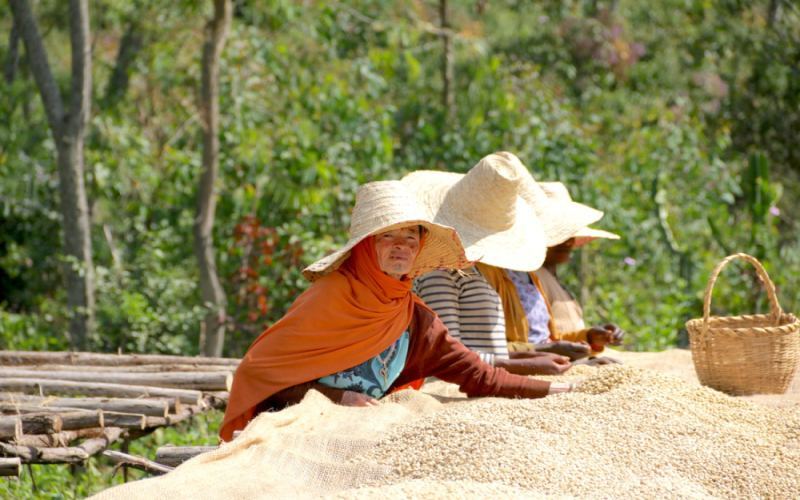
Ethiopia, as the birthplace of coffee, has a regional division far more complex than any administrative map. In the past, we were accustomed to labeling the origin of Huakui as "Sidamo," but today "Guji" has become the more common traceability information. Behind this change is the process by which the Guji region, relying on high altitude, fertile soil, and refined processing methods, became independent from Sidamo and rose rapidly. Hambela, as a star sub-region of Guji, is both a farm and a processing station, and gave birth to the Huakui series that has swept the specialty coffee world. Front Street Coffee will guide you through this evolution of coffee geography and retain detailed interpretations of products such as Huakui 8.0. [more…]
Terroir of Ethiopia's Guji Region: Pour-Over Flavor Profile and Brewing Parameters of Natural-Process Huakui Coffee Beans
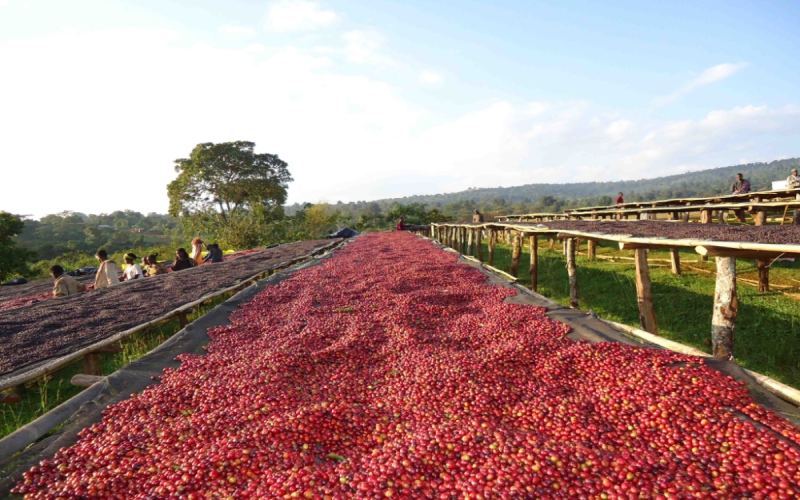
Guji is a specialty coffee region in Ethiopia that has performed impressively in recent years. Its fertile black soil, high altitude, and marked temperature differences between day and night nurture coffees with full-bodied flavor. Starting from a tasting experience of Front Street Coffee's natural Guji coffee, this article systematically reviews Guji's historical development from its separation from Sidama as an independent zone, its terrain and soil conditions, its natural processing workflow, and the characteristics of local heirloom varieties, and also includes Front Street Coffee's roasting curve and V60 three-pour brewing suggestions. Whether you want to understand the region's terroir or are looking for a natural-process bean with rich fruity aromas and prominent sweetness, this article can provide valuable reference. [more…]
Exploring Ethiopia's Guji Hambela: A Comprehensive Analysis of Buku Abel Processing Station's Huakui 7.0 Coffee Beans
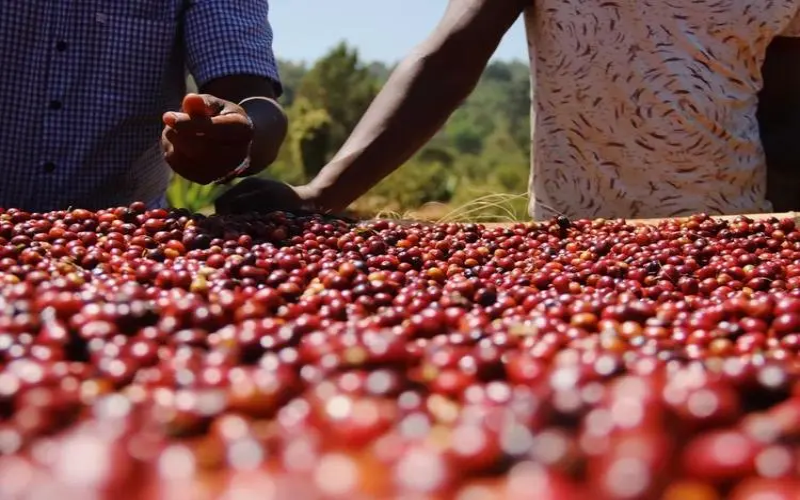
Ethiopia, as the birthplace of coffee, has nurtured tens of thousands of coffee varieties, and its Guji region became an independent zone in 2010 thanks to its unique flavors. The Buku Abel processing station in the Hambela sub-region is precisely the birthplace of the renowned Huakui coffee. From winning the TOH competition in 2017 to the launch of Huakui 7.0 today, this natural-process bean has undergone years of evolution. This article will guide you through the terroir characteristics of Guji and Hambela, the story of Huakui's rise to fame, and the specific information and brewing suggestions for Huakui 7.0 recommended by Front Street Coffee, suitable for every lover of African coffee. [more…]
Exploring Ethiopia's Guji Region: The Origins, Evolution, and 7.0 Flavor Analysis of Huakui Coffee
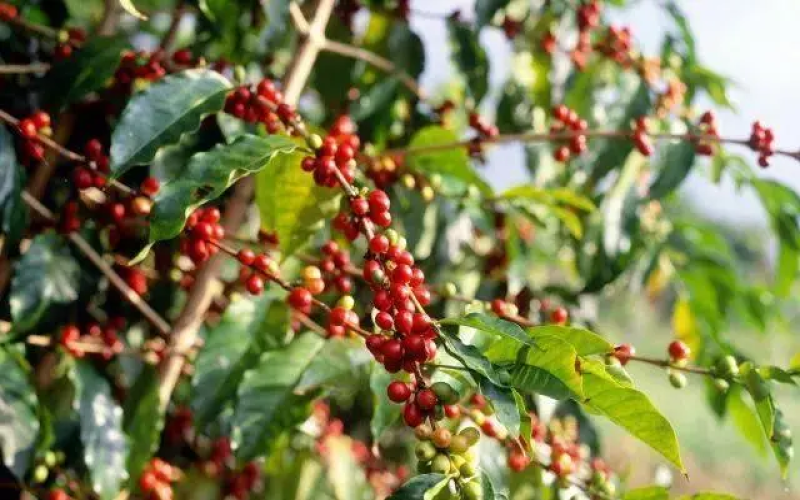
Ethiopia, as the birthplace of Arabica coffee, possesses the world's richest coffee gene pool. Among its regions, the Guji zone has risen to international prominence through its Hualkui coffee beans, becoming a focal point for coffee enthusiasts. This article will guide you through the diversity of Ethiopian coffee varieties, the independent journey of the Guji zone, and the evolution story of Hualkui coffee from its championship win in 2017 to its current 7.0 version. At the same time, we will share our brewing experience with the Hualkui 7.0 beans we sourced at Front Street, savoring its distinctive citrus, apricot, and passion fruit flavors. Whether you are a coffee novice or a seasoned enthusiast, you will gain a comprehensive understanding of Hualkui coffee. [more…]
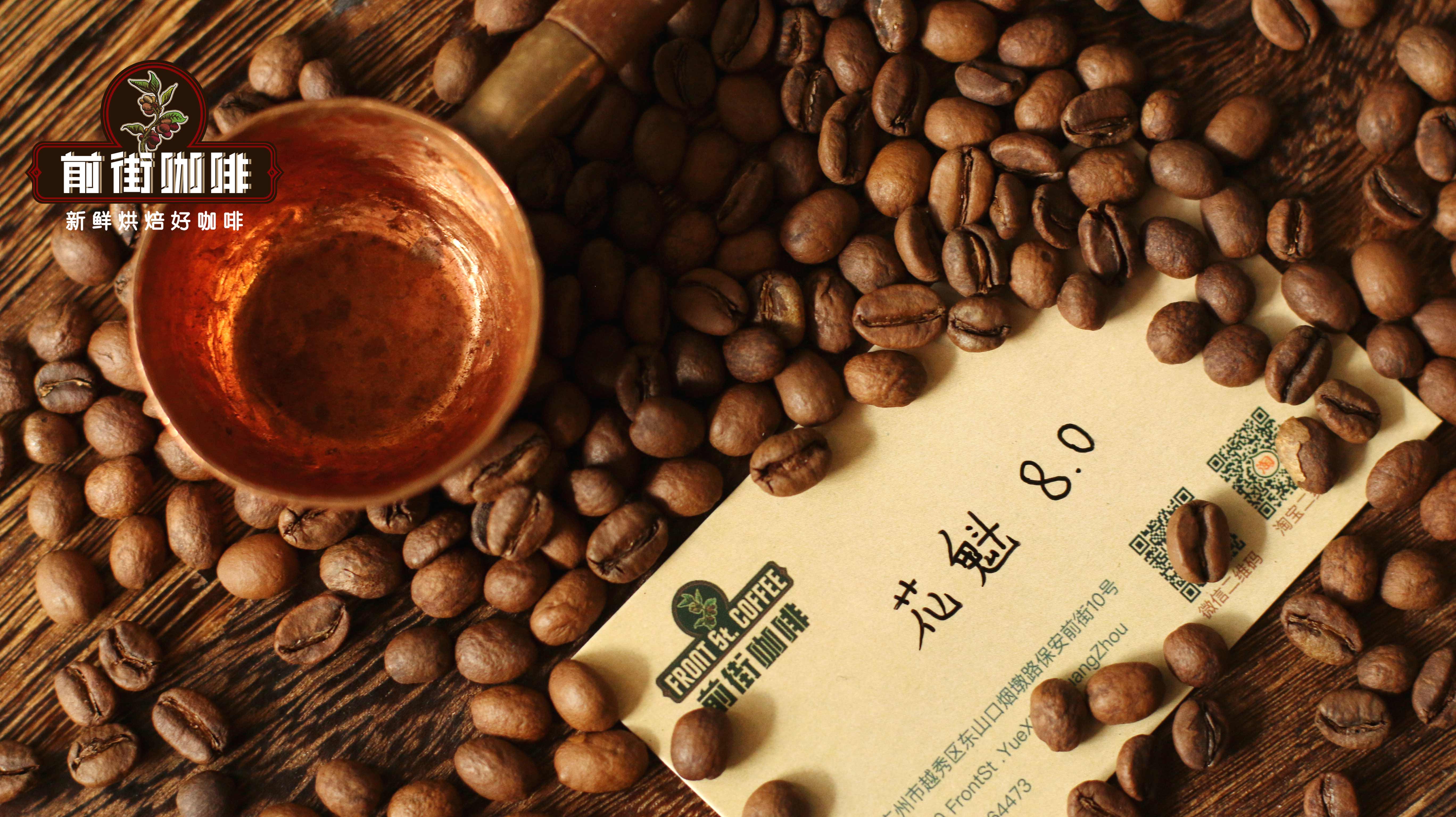
Where Do Sidamo Huakui Coffee Beans Come From? The Rise of the Guji Region and an Analysis of Flavor Differences from Yirgacheffe
As the birthplace of coffee, Ethiopia has a regional division far more complex than one might imagine. Huakui coffee beans have captured the hearts of many enthusiasts with their rich tropical fruit sweetness and delicate floral aroma, but their origin label has shifted from Sidama to Guji, and the two are even used interchangeably—behind this lies the story of Ethiopia's coffee region transformation. From the perspective of Front Street, this article sorts out the connections between Sidama, Guji, and Yirgacheffe, reviews the evolution of Huakui from its 2017 TOH championship to version 8.0, and provides a detailed explanation of the natural process at the Buku Abel processing station, a flavor comparison of each generation of Huakui, and Front Street's roasting and brewing recommendations. [more…]
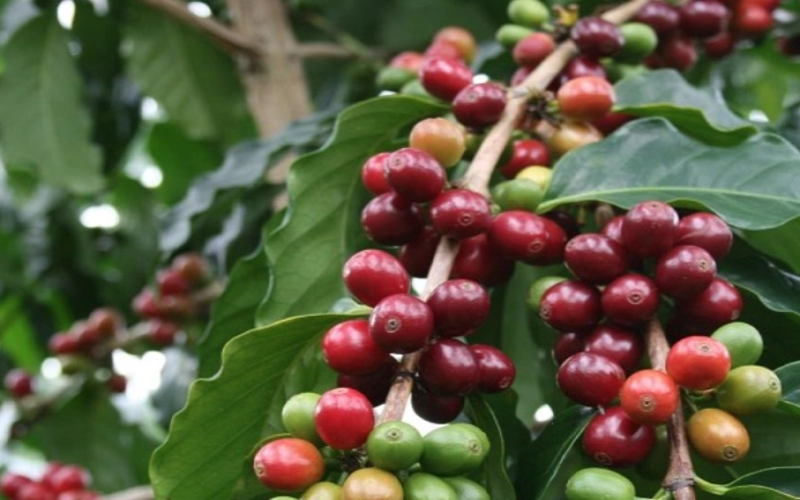
A Complete Guide to Ethiopian Coffee Regions: Flavor Comparison of Sidamo and Sidama, Yirgacheffe, Guji, Harrar, and Jimma
Ethiopia, as a genetic treasure trove of coffee, has nurtured countless stunning specialty coffee regions. From the administrative transition of Sidamo to Sidama, from the wetland settlement of Yirgacheffe to the rise of Guji as tomorrow's star, each region possesses unique terroir conditions and processing techniques. Beans such as Front Street Gudingding, Front Street Red Cherry, and Front Street Huakui are typical representatives of the flavors of different regions. This article will systematically sort out the flavor characteristics and historical context of Ethiopia's major coffee regions, taking you to deeply understand the unique charm of Sidamo, Sidama, Yirgacheffe, Guji, Harrar, Limu, and Djimma. [more…]
Ethiopia Guji Ana Sora Estate Dorothy Coffee Beans: An In-Depth Analysis of the Peach Oolong Flavor from Enzyme Washed Processing
Ethiopia, as the birthplace of coffee, has given rise to countless stunning specialty coffees. From the classic natural and washed processes to the enzyme-washed method that has attracted much attention in recent years, different techniques impart entirely different flavor expressions to coffee beans. The Dorothy coffee beans offered by Front Street Coffee are a representative work from the Annasola Estate in the Guji region. Processed using the enzyme-washed method, they present delicate floral notes, rich peach aroma, and an oolong tea-like sweet finish, altogether resembling a cup of white peach oolong tea. This article will provide an in-depth introduction to the background of the Annasola Estate, the processing method of Dorothy, and roasting and brewing suggestions, taking you through a comprehensive understanding of the unique charm of this popular fruit-tea-flavored coffee bean. [more…]
Ethiopia Guji Zone In-Depth Analysis: The Terroir Code of the Shakiso Micro-Region and the Traceability of 90+ Legendary Lots
Ethiopia, as the birthplace of coffee, has a regional division system like a precise pyramid, nested layer by layer from Region down to kebele. Southeast of Yirgacheffe lies a micro-region with an altitude exceeding 1,800 meters—Shakisso—where fertile black soil and significant day-night temperature differences nurture coffee flavors that astonish international specialty buyers. In 2010, Guji was made an independent region by the ECX, and Shakisso is the brightest star on this land. From the legendary 90+ bean Nekisse to Level Up's Flower Language, what terroir logic and processing techniques lie behind these repeatedly high-scoring coffees? Front Street Coffee will take you deep into Guji to uncover the unique charm and market value of Shakisso coffee. [more…]