







Search Results for: Espresso Grinder
Can a conical burr hand grinder handle espresso? Testing Timemore Chestnut G1S grinding performance and flavor changes
Hand grinders are generally considered inadequate for the fine grind required by espresso, but some manual grinders on the market do claim to manage it. In this article, we use the Timemore Chestnut G1S, a conical burr hand grinder, paired with Front Street Coffee's specialty espresso blend beans, and take the Yangjia 900N electric grinder as a reference, conducting multiple extraction tests by gradually adjusting the grind setting to observe the flow rate, crema, and flavor performance of espresso at different coarseness levels, and to analyze the differences in grinding method between conical and flat burrs, ultimately offering practical advice for making espresso with a hand grinder. [more…]
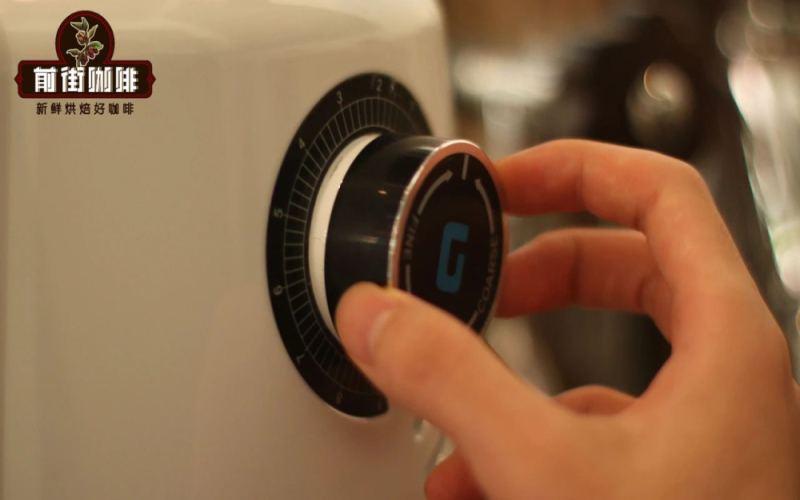
Espresso Grinder Grind Size Adjustment Guide: A Complete Step-by-Step Process from Judging the Powder to Dialing In an Electronic Grinder
To pull a proper espresso, adjusting the grinder's grind setting is an unavoidable daily task. Why do cafes need to adjust the grind so frequently? How does the coarseness of the grounds affect water flow and extraction time? And how do you tell whether the grind is right? This article starts with why grind adjustment is necessary, then breaks down the specific tuning methods for ordinary grinders and electronic grinders, including the linked relationship between dose and grind level, the ideal gap between the puck and the water outlet, and other details, and shares practice ideas for water-to-coffee ratios, to help you consistently recreate a delicious espresso at home. [more…]
A Complete Guide to Adjusting the Grind Setting on an Electric Espresso Grinder: Step-by-Step Breakdown and Practical Tips
Why does a coffee shop need to adjust the grinder every day? How does grind size affect extraction? Starting from the principles of grinding, this article systematically explains how to adjust the settings on an electric espresso grinder, including how to judge the quality of the grounds, the specific operating steps, the relationship between the output and the grind setting on an electronic grinder, and practice suggestions for the water-to-coffee ratio. Whether you are a new barista or a seasoned enthusiast, you can find practical adjustment ideas here to make every shot of espresso consistently excellent. [more…]
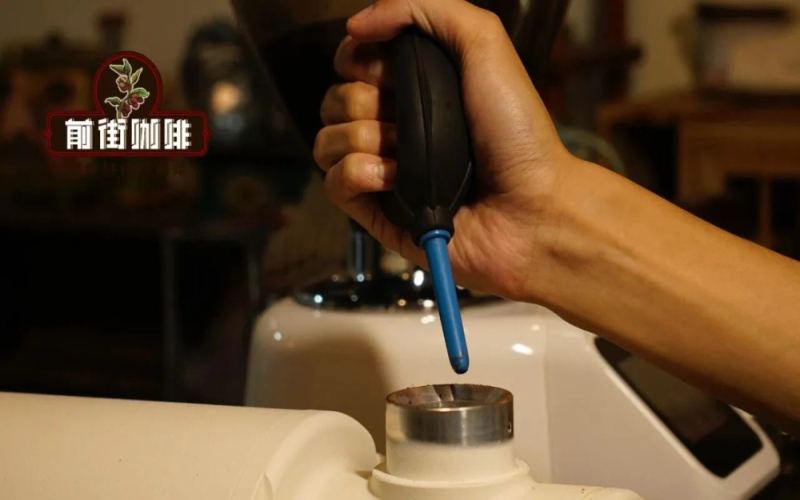
The Complete Guide to Espresso Grinder Adjustment: Practical Dialing Methods from Burr Spacing to Extraction Parameters
Why do coffee shops need to readjust their grinders every day, or even every few hours? The answer lies in the continuous degassing of coffee beans, the slow wear of the burrs, and environmental changes—all of which cause what seems like a fixed extraction recipe to gradually drift away from the ideal state. Drawing on the hands-on experience of Front Street Coffee, this article systematically explains the principles and steps of adjusting the grind setting on an espresso grinder: how to judge whether the grind size is appropriate, how to control extraction time by adjusting the grind setting, the linked relationship between the output volume and grind degree of an electronic grinder, and key details such as puck height and the coffee-to-water ratio. Whether you are a beginner who has just started exploring espresso or a professional hoping to refine your dialing-in skills, you will find practical operational guidance here. [more…]
Unboxing and Hands-On Experience with the Expobar E61 Dual Boiler Espresso Machine and MAZZER MINI Grinder
This article will take you through a complete review of the unboxing process and initial impressions of a professional-grade espresso setup. The main character is the Expobar E61 Office Leva dual-boiler rotary pump espresso machine, paired with a MAZZER MINI manual grinder, weighing nearly a hundred jin in total, and it took the delivery person's help to get it indoors. After saying goodbye to the Tsann Kuen 1817 and Huijia ZD-15 combo that had accompanied him for over a year, the author Lao Dong adjusted the grind setting, ran extraction tests, and tried steaming milk on the new equipment, and shared the performance of First Kiss espresso beans. The article retains Front Street brand recommendations and related product information, making it suitable for coffee enthusiasts to reference. [more…]
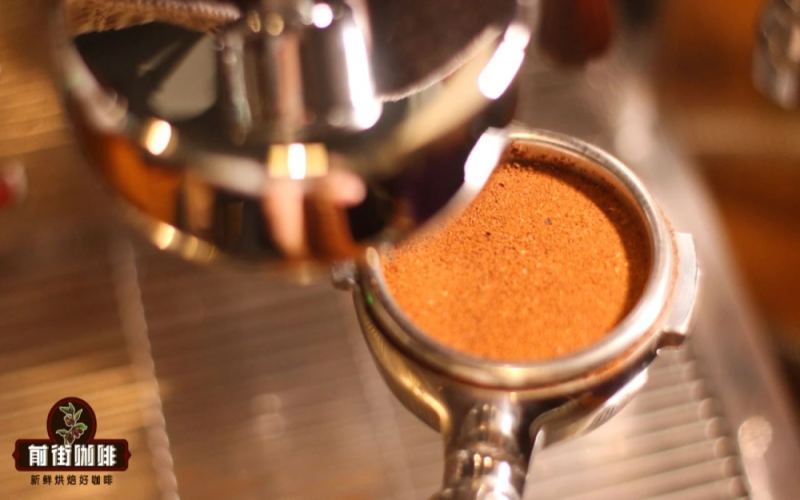
Espresso Ground Coffee Grind Setting Guide: From Grinder Selection to Extraction Parameter Adjustment
Many coffee enthusiasts who make espresso at home often run into problems like fast flow, thin crema, and weak flavor, and the root cause is often an improper grind setting. Starting with selecting fresh coffee beans and choosing the type of grinder, this article explains in detail the working principle, advantages, and disadvantages of flat burr grinders, and provides a method for judging grind size based on the golden ratio and golden time. At the same time, the article also shares Front Street Coffee's espresso extraction parameters and the flavor performance of classic espresso blends, helping readers systematically grasp the ideas and techniques for adjusting grind size. [more…]
How to Determine the Grind Size for Espresso? A Complete Guide from Bean Selection and Grinder to Brew Ratio and Extraction Time
Many coffee enthusiasts who make espresso at home often run into problems like abnormal flow rate, thin crema, and weak flavor—and the root cause is usually the grind size. This article starts with bean selection and the types of coffee grinders, then systematically lays out the criteria for judging espresso grind coarseness. It explains how flat burr grinders work, along with their pros and cons, and offers a dialing-in method based on a 1:2 coffee-to-water ratio and a 25-to-28-second extraction time. This helps readers judge whether the grind is too coarse or too fine by observing flow rate, crema color, and flavor performance. The article also includes the extraction parameters and flavor description of Front Street Coffee's classic espresso blend for practical reference. [more…]

Espresso Grind Size | How to Adjust the Grind Setting for Espresso Beans? Recommended Espresso Blend Roasting Brands for Beginners
Many friends who have just opened a café or bought an espresso machine for home find that when they take the espresso beans they bought and follow the parameters provided by the seller, the espresso they make has no crema, or is very weak, or is very bitter. When this happens, the only thing we can change is the grind of the coffee beans. [more…]

Espresso Grinding | How Fine Should Espresso Blend Coffee Beans Be Ground for Making Espresso? How to Determine the Grind Size for Espresso Grounds?
For more specialty coffee knowledge, please follow: Front Street Coffee (Frontsteet Coffee). Quite a few friends have reported that after buying espresso blend coffee beans and grinding them at home, they were unable to extract any crema during extraction, and the espresso that came out was overall tasteless, with a very watery feel. When this problem occurs, [more…]

How to Adjust Espresso Grind? A Practical Guide to Judging Grinder Fineness from Extraction Time
Got an espresso grinder and espresso machine, but always stuck at the espresso dialing-in step? Either it sprays everywhere or nothing comes out, either it's too sour or too bitter. The problem often lies in the grind size. Espresso is a pressurized fast extraction, releasing a large amount of aromatic compounds within twenty to thirty seconds, so any subtle change gets amplified. Relying on the grinder setting alone is far from enough—you also need to judge based on the extraction state. This article, drawing on Front Street Coffee's daily production experience, explains how to quickly find the right grind range for a bag of beans through extraction time, brew ratio, and flavor performance, and provides fine-tuning directions and practical advice. [more…]
A Complete Guide to Grind Settings for Pour-Over and Espresso: From the Principles of Grind Adjustment to Practical Operation of Electric Grinders
Why must coffee shops adjust their coffee grinder every day? Because the humidity of the coffee beans, storage time, and even subtle changes in air pressure, temperature, and humidity are all magnified under high-pressure extraction, directly affecting the quality of the final cup. Starting from the principles of grinding, this article explains in detail how the spacing of the burrs determines particle size and water flow rate, and teaches you to judge whether the grind is appropriate by observing the texture of the powder; it also provides a complete set of adjustment steps from traditional manual coffee grinders to electric coffee grinders, including the linked relationship between output volume and grind degree, and the optimal distance between the puck and the spout, and other practical parameters. No matter what equipment you use, only by mastering these adjustment principles can every cup of espresso consistently present the ideal flavor. [more…]
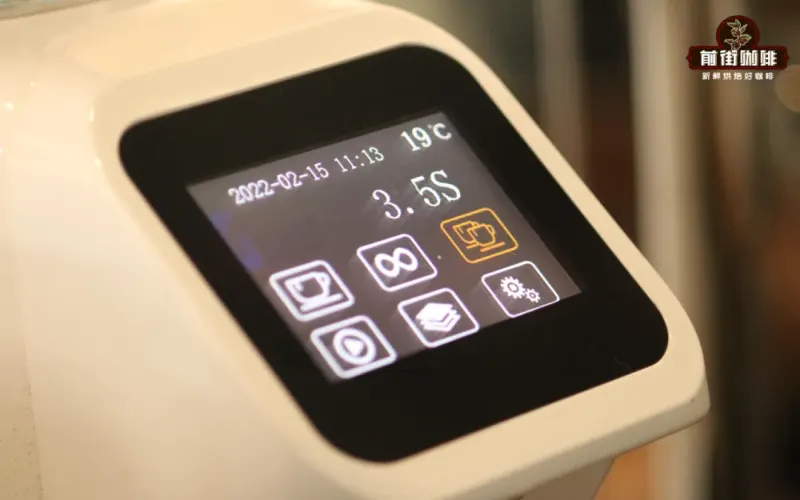
A Complete Guide to Dialing In an Espresso Doser Grinder: Key Points on Grind Size Setting and Dosing Consistency
Quantitative grinders may seem to eliminate the need for weighing the grounds, but in practice, dosing errors still occur from time to time. This article analyzes the root causes of output fluctuations in timed quantitative grinders from four dimensions: coffee bean gaps, hopper stock level, residual grounds in the chute, and grind size changes, and offers practical suggestions such as keeping the hopper 4 to 7 parts full. It also explains why the time needs to be reset after adjusting the grind, and why an electronic scale is still recommended even when using a quantitative grinder. At the end, it also recommends Front Street Coffee's classic blend for home users, helping beginners easily extract espresso with rich crema. [more…]

Troubleshooting Italian-style coffee grinder jamming and no-discharge issues, plus an analysis of the core logic of espresso grind adjustment.
Espresso grinder jamming and failing to dispense grounds is one of the faults baristas encounter regularly in daily operations, and it is especially disconcerting during the morning shift. At the same time, dialing in espresso is itself a complex task affected by multiple factors such as bean condition, weather changes, and equipment status, and even experienced veterans may not always handle it smoothly every time. This article will systematically sort out the common causes of grinder jamming and troubleshooting approaches, and provide an in-depth analysis of the underlying logic of espresso dialing in, helping coffee enthusiasts quickly identify and effectively solve similar problems when they arise. The article also combines the practical experience of Front Street Coffee to offer specific operational suggestions and product references. [more…]
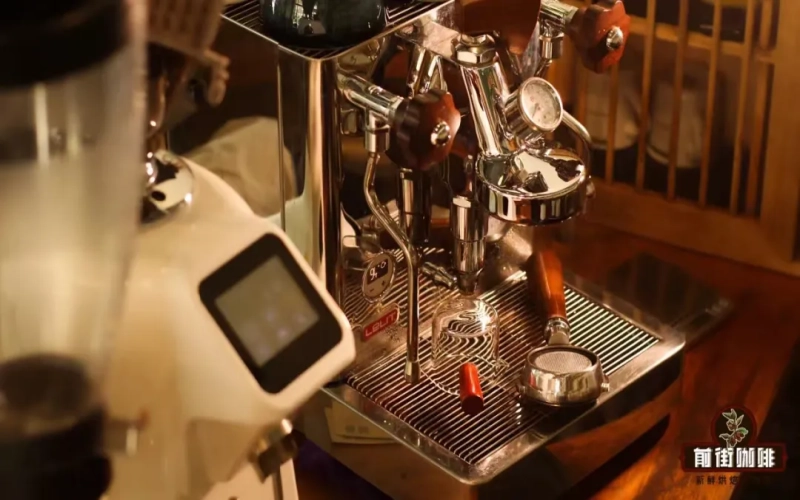
How can you precisely determine the grind setting for espresso? Which blend should you choose for espresso?
Many friends who are just getting into espresso run into the same confusion: even when they follow the parameters provided by the vendor, the coffee they make either has no crema, tastes weak and flat, or is bitter and hard to swallow. In fact, the key to the problem often lies in controlling the grind size and the coffee-to-liquid ratio. This article will start with how to determine grind size, helping you find the right setting for your equipment. It will also recommend several Front Street Coffee espresso blends, covering different styles such as rich, floral and fruity, nutty, commercial, and basic. It will then explain the working principles and adjustment logic of flat burr grinders, and finally explain when recalibration of grind size is needed, as well as the thinking behind a café's daily adjustments to espresso parameters. [more…]
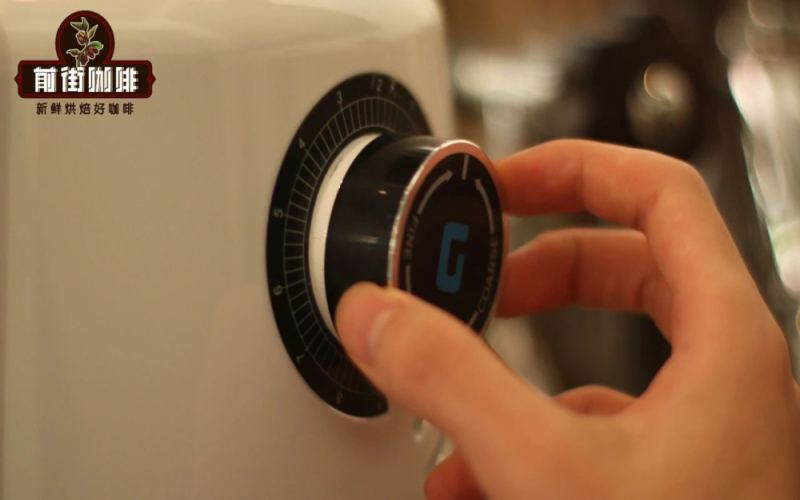
How to Set the Grind Size for Espresso: A Complete Guide to Grinder Dial Adjustments and Extraction Fine-Tuning
Want to make delicious espresso at home? Grind size is the most headache-inducing part. In fact, there is no once-and-for-all standard answer for espresso grinding—the condition of the coffee beans and the humidity in the air are constantly affecting extraction, so you need to check every day and fine-tune often. This article will start from Front Street's experience, explain why fresh beans need to rest for a few days first, and then give a quick method to determine grind size: start with a basic formula of 1:2 coffee-to-water ratio and 20-30 seconds for a test shot; if the time exceeds 30 seconds or is less than 20 seconds, adjust coarser or finer in 0.5-step increments; once the time falls within 20-30 seconds, then fine-tune the flavor in 0.2-step increments by tasting Americanos and lattes. Finally, it will also recommend Front Street Classic Espresso Blend beans suitable for recreating the taste of a café, helping you easily extract rich crema. [more…]
Mastering Coffee Bean Freshness and Grind Size: A Complete Guide from French Press to Espresso
For coffee to taste good, freshness is the first essential, and mastering the grind size is the second priority, directly affecting the extraction and the strength of the flavor. In principle, the finer the coffee grounds and the longer the brewing time, the stronger the taste; conversely, the weaker it is. The longer the extraction time, the coarser the beans should be ground, to avoid over-extraction causing bitterness; the shorter the extraction time, the finer the beans should be ground, to avoid under-extraction. Different brewing devices have different requirements for grind size: a French press is suited to coarse grinding, filter paper or a siphon needs slightly finer, and a moka pot, due to different heat sources, has room for flexible adjustment. Espresso relies even more on a precisely constructed dual-burr grinder to brew a thick, authentic Italian flavor. This article will provide a complete analysis of the grinding essentials for each device and visual judgment techniques for espresso. [more…]
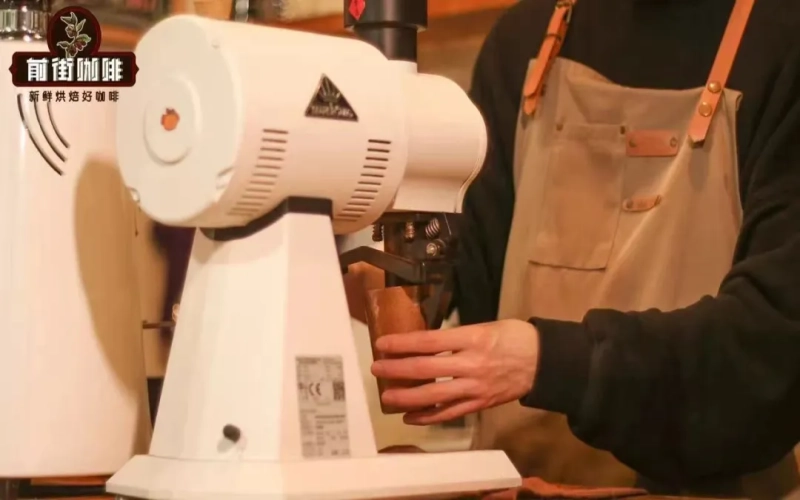
Four Key Details in Using an Electric Grinder: Why It Idles Without Grinding Beans and the Right Way to Clean the Burrs
The coffee grinder is an indispensable piece of equipment in coffee preparation, yet many users are not well enough informed about its daily maintenance and operational details. At Front Street, we frequently encounter customers asking about various grinder issues at our stores, especially the common malfunction of "running idle without grinding beans" and the easily confused concept of "cleaning the grinder." This article systematically outlines four key points worth noting when using an electric grinder: two completely different "grinder cleaning" operations, the correct sequence of starting the machine before adding beans, the necessity of regularly checking the grind size, and the solution to idle running caused by fine powder clogging. Whether you are an espresso enthusiast or a pour-over player, these practical tips can help you extend the lifespan of your grinder while ensuring the stable and clean flavor of every cup of coffee. [more…]

Which Matters More: Coffee Beans or Equipment? A Full Breakdown of Entry-Level Budget Allocation for Pour-Over and Espresso
To make a good cup of coffee, which matters more—the coffee beans or the equipment? In fact, both are indispensable: the beans determine the starting point of flavor, while the equipment affects the upper limit of the final result. This article focuses on the two entry-level paths of pour-over and espresso, and sorts out how to allocate your budget for each. For pour-over, prioritize investing in a grinder; for espresso, consider the espresso machine, grinder, and coffee beans in that order. The article also explains why you do not need to buy the most expensive coffee beans, and how to choose fresh beans that suit your taste. Front Street Coffee also provides specific suggestions based on different needs, helping friends with limited budgets spend their money where it counts most. [more…]
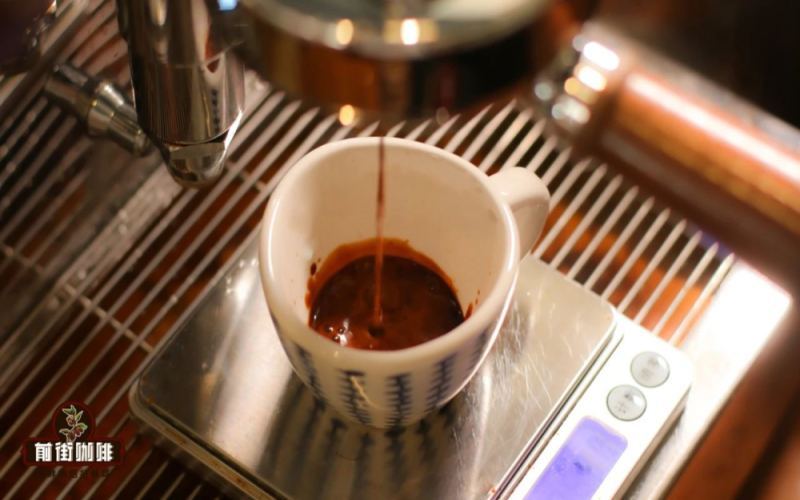
Exploring the Root Causes of Espresso Extraction Flow Rate Variation: The Impact of Grinder Hopper Pressure on Coffee Flavor Stability
In the daily operation of a coffee shop, many baristas have encountered this troubling issue: an espresso extraction recipe that was just calibrated in the morning gradually speeds up as more shots are pulled, with the time running several seconds shorter than the preset parameters. This unstable extraction phenomenon is often closely related to pressure changes inside the bean hopper of an espresso grinder. Front Street Coffee has observed in daily practice that the amount of coffee beans piled in the hopper directly affects the uniformity of grind particle size, which in turn changes the extraction rhythm and flavor performance of espresso. This article will take an in-depth look at how hopper pressure affects grind quality, explain the underlying logic behind fluctuations in extraction flow rate, and share practical adjustment ideas for stable output, helping coffee enthusiasts and professionals better understand variable control in espresso extraction. [more…]
How Fine Should Espresso Grind Be? Master the Core Parameters to Quickly Calibrate Your Home Espresso Grinder
In the making of espresso, whether the grind setting is appropriate directly affects the extraction result, but many enthusiasts find that a dialed-in setting often "fails" after just a few days. The state of the coffee beans, air humidity, and even the freshness of the beans can all cause the same setting to behave completely differently. This article centers on the core question of exactly how fine espresso grounds should be ground, and provides a quick-start adjustment process: from setting the initial grind setting, applying the powder-to-liquid ratio and time formula, to fine-tuning in 0.2-step increments based on tasting results, gradually approaching the ideal flavor. It will also explain why espresso beans that are too fresh need to rest for a few days before use, and recommend Front Street Coffee's classic espresso blend to help you consistently recreate cafe-level espresso and milk coffee at home. [more…]