







Search Results for: Embu Region

Kenya Embu Region EMBU Kirinyaga Coffee Beans: A Complete Analysis from Variety, Processing Method to Flavor and Brewing
The Embu region of Kenya is located near Mount Kenya, at an altitude of about 1,300-1,900 meters, with fertile volcanic soil, and tea is also an important local export crop. This region is dominated by smallholder farmers, and the fresh cherries are mostly handed over to washing stations under cooperatives for unified processing and export. The ENA factory uses hand sorting, multiple fermentation and scrubbing, and raised-bed drying for 14-21 days, making the flavor cleaner and more acidic. In terms of varieties, SL28 and SL34 originated from breeding in the 20th century for resistance to berry disease. SL28 belongs to the Bourbon genetic group, is drought-tolerant, and has a pure flavor; in the 1970s, Ruiru11 was introduced, which is resistant to leaf rust, tolerant to berry disease, and can be planted densely. The Kiri coffee beans recommended by Front Street Coffee come from the Embu ENA cooperative, at an altitude of 1,600-1,800 meters, with varieties SL28 and Ruiru11, washed processing, and flavors of berries, smoked plum, pomelo, and Earl Grey tea. This article also provides V60 staged brewing parameters and a flavor experience. [more…]

Why Does Kenyan AA Coffee Have a Tomato Flavor? A Comprehensive Analysis of Producing Regions, Grading, and Brewing Key Points
Kenya AA coffee is renowned for its bright fruit acidity and distinctive tomato-like flavor, making it one of the most recognizable presences in specialty coffee. This article systematically analyzes the origins of Kenyan coffee's flavor, from growing conditions and historical context to the top ten producing regions, the official grading system, and the K72 washed processing method. The baristas at Front Street Coffee combine cupping and pour-over practice with Kenyan Asaliya beans to share specific parameters and brewing techniques, helping enthusiasts understand this "most acidic coffee's" clean mouthfeel and its layers reminiscent of smoked plum and cherry tomato—ideal for readers who want to delve deeper into Kenyan coffee. [more…]

Kenya Thika Region Coffee: A Comprehensive Analysis of Growing Environment, History, Flavor Profile, and Grading System
Kenyan coffee is renowned for its clean and refreshing taste, substantial body, and bright fruit acidity, making it a classic region sought after by specialty coffee enthusiasts. This article starts from the Kiambu region where Thika is located, systematically outlining the growing conditions, historical context, distribution of the top ten producing regions, official grading system, and unique washed fermentation processes of Kenyan coffee. It also shares the brewing parameters for Front Street Coffee's Kenya Asalia, providing a comprehensive understanding of this East African coffee powerhouse from the colonial period to the specialty era. [more…]
Kenya Thika Region Coffee: A Detailed Guide to Growing Conditions, History, Flavor Characteristics, and Grading System
Kenyan coffee is famous for its clean, refreshing taste and bright fruit acidity, and is a classic origin in the minds of many coffee lovers. Starting from the Kiambu region, where Thika is located, this article systematically reviews the growing conditions, historical development, distribution of the top ten producing regions, and the official grading system of Kenyan coffee, and further analyzes how the K72 washed processing shapes its signature flavor. The article also uses Front Street Coffee's Kenyan Little Tomato as an example to share specific pour-over parameters and brewing steps, helping readers gain a comprehensive understanding of the coffee charm of this East African producing country. [more…]

Where Does the Sour Taste of Kenyan Coffee Come From? A Full Analysis of the AA, AB, and PB Grading System and the Flavors of the Ten Major Producing Regions
Kenyan coffee is renowned for its clean, crisp cup profile and bright fruit acidity, making it one of the most recognizable African beans in the minds of many coffee enthusiasts. Why is Kenyan coffee so acidic? This is inextricably linked to its high-altitude growing environment, volcanic soil, and unique washed processing method. This article will systematically outline the growing conditions and historical context of Kenyan coffee, introduce the ten major producing regions including Nyeri, Murang'a, and Kirinyaga one by one, provide a detailed explanation of the official grading standards such as AA, AB, and PB based on bean size, and analyze the causes of its signature acidity. At the end of the article, Front Street Coffee's pour-over parameters for Kenyan Asaliya are shared for practical reference. [more…]
An In-Depth Analysis of Kenyan AA Coffee: Origin Terroir, Grading System, and the Causes of Its Bright Fruit Acidity
On the African continent, beyond Ethiopia, Kenya is equally a presence that cannot be overlooked in the specialty coffee landscape. Anyone who has come into contact with specialty coffee, after experiencing how remarkably vivid coffee acidity can be, will almost always ask the same question: where does the coffee with the most prominent acidity come from? The brewers at Front Street Coffee often point to Kenya in their answer. Kenyan coffee is renowned for its clean and translucent cup, full and rounded body, and highly recognizable fruity acidity, conquering the taste buds of countless coffee lovers. This article will systematically review Kenya's coffee-growing terroir, historical evolution, characteristics of the top ten producing regions, and official grading standards. Using the washed fermentation process as an entry point, it will explain the reasons behind the formation of its signature flavors, and finally include the specific brewing recipe for Front Street Kenya Azalea for reference. [more…]
Kenya AA TOP Pour-Over Details and Flavor Origins: A Complete Guide from Regional Grading to Front Street Coffee Brewing Parameters
Kenyan coffee has always been celebrated for its clean, translucent, and intensely juicy acidity, and AATOP is among the most sought-after grades. Drawing on the experience of Front Street baristas, this article systematically covers Kenya's growing terroir, historical context, ten major producing regions, official grading standards, and explains why its washed fermentation process creates the signature bright fruit acidity. Finally, using Front Street Kenya Asalia as an example, it provides drip filter choices, water temperature ranges, grind assessment, and a three-pour brewing scheme for light-roast pour-over, helping enthusiasts recreate at home a cup of Kenyan coffee with solid sweet-tart balance and a tea-like finish. [more…]
A Comprehensive Guide to Kenyan Coffee Origins: Varieties, Washed and Natural Processing, and an Overview of Flavor Characteristics
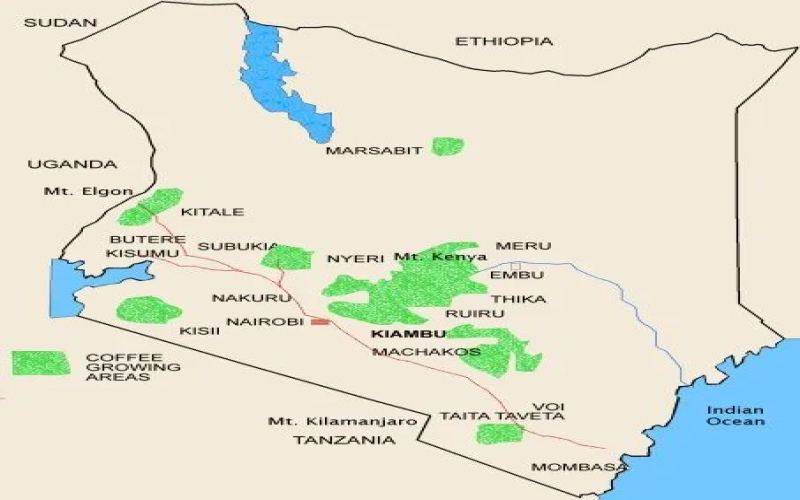
Kenya is a coffee origin that cannot be overlooked on the global specialty coffee map, renowned for its intensely bright acidity and complex layers. This article provides a systematic overview of Kenyan coffee cultivation, including the capital Nairobi, the port city of Mombasa, nearly 700,000 smallholder families, growing conditions at elevations ranging from 1,400 to over 2,000 meters, and varieties such as SL28, SL34, Ruiru 11, Batian, and K7. The article also outlines the main and secondary harvest seasons, the major growing regions in the central and western areas, and compares the flavor differences across counties such as Nyeri, Embu, and Thika. It focuses on analyzing the Kenyan-style 72-hour washed processing method (K72), detailing its process and advantages, while also introducing the lesser-seen traditional natural-processed Kenyan coffee, including the historical background and flavor profile of Missionary Bourbon. Finally, it includes two comparison bean information cards and brewing suggestions, making it ideal for coffee enthusiasts looking to gain a comprehensive understanding of Kenyan coffee. [more…]
A Complete Guide to Kenyan AA Coffee Pour-Over Parameters: Growing Region History, Grading Standards, and Brewing Flavor Characteristics
Kenya coffee is renowned for its clean, crisp mouthfeel and bright fruit acidity, and is widely recognized in the specialty coffee world as the representative of acidity. From the perspective of Front Street Coffee, this article systematically reviews Kenya's growing conditions and historical context, introduces the ten major producing regions one by one, including Nyeri, Murang'a, and Kirinyaga, and explains in detail how Kenya's official bean grading system and the K72 washed processing method shape its flavor. Finally, using Front Street Kenya Asalia as an example, it provides the dripper selection, water temperature range, grind assessment, and three-stage pouring plan for hand-brewing light-roast beans, helping coffee enthusiasts consistently brew layers reminiscent of smoked plum, cherry tomato, and yellow sugar. [more…]
Kenyan Coffee Flavor and Brewing Guide: AA Grading Standards and Analysis of Six Major Producing Regions
Kenyan coffee is famous for its bright acidity and intense berry flavors, and is a beloved favorite among many seasoned coffee enthusiasts. But do you know about its cultivation history, producing regions, and green bean grading? This article starts with the origins of Kenyan coffee, outlines the distinctive characteristics of its six major producing regions, explains the logic behind grading standards such as AA and PB, and shares brewing parameters and techniques recommended by FrontStreet Coffee, helping you gain a more comprehensive understanding of this East African coffee-producing country and find Kenyan beans that suit your taste. [more…]
Kenyan Coffee Origin Story and Flavor Analysis: From Planting History to the AA Grading System
Kenyan coffee is renowned for its clean, crisp cup and bright fruity acidity, making it a favorite among many specialty coffee enthusiasts. From the perspective of Front Street Coffee, this article systematically sorts through Kenya's coffee-growing conditions, historical context, distribution of its ten major producing regions, and unique grading system, while also providing an in-depth analysis of the factors behind its flavor. The article also includes Front Street's Kenyan Little Tomato brewing parameters to help readers gain a comprehensive understanding of the appeal of this East African coffee-producing country. [more…]
Kenyan Coffee Development History and Flavor Tasting Guide: A Complete Analysis from Planting Origins to Brewing Techniques
Kenyan coffee is renowned worldwide for its bright acidity and berry flavors, making it a favorite among many coffee connoisseurs. This article will take you through the history of Kenyan coffee cultivation from the late 19th century to the present, outline the terroir characteristics of six core production regions, explain the meanings of grading systems such as AA and PB, and share Front Street Coffee baristas' brewing parameters and techniques for Kenyan bean varieties. Whether you are a beginner just getting into specialty coffee or a seasoned enthusiast pursuing the ultimate flavor, you will gain practical knowledge and reference from this article. [more…]

A Complete Guide to Kenyan Coffee Beans: Origin Legends, Development History, Growing Regions, and Grading System
Kenyan coffee, with its bright and uplifting acidity, intense berry flavors, and robust juicy mouthfeel, has become the beloved favorite of countless coffee connoisseurs. From the late nineteenth century when French missionaries introduced coffee trees to this land, to today when the Nairobi auction has become one of the most transparent coffee trading platforms in the world, Kenyan coffee has traveled a unique path of development. This article will systematically review the cultivation history of Kenyan coffee, the terroir characteristics of its six core producing regions, and the green bean grading system based on bean size, while also sharing the specific parameters and techniques used by Front Street Coffee when brewing Kenyan beans, taking you through a comprehensive understanding of the charm of this East African coffee powerhouse. [more…]
Kenyan Coffee Past and Present: From Colonial Estates to the Auction System—A Full Breakdown of Regions, Grading, and Brewing
Kenyan coffee, with its bright and uplifting acidity, full-bodied berry flavors, and solid juicy mouthfeel, has become an irreplaceable presence in the hearts of countless coffee connoisseurs. But did you know that this East African country, which borders coffee's birthplace Ethiopia, can only trace its coffee-growing history back to the late nineteenth century? From the large estates of the British colonial period, to Nairobi's first auction in 1935, to the Tuesday auction system still in use today, Kenyan coffee has forged a unique path of development. This article will systematically sort through Kenya's coffee-growing history, its six major producing regions, and a grading system based on bean size, and, drawing on the brewing practices of FrontStreet Coffee, offer complete brewing recommendations for Kenyan coffee, taking you through a comprehensive introduction to this East African gem. [more…]
A Comprehensive Analysis of the Origins, Producing Regions, and Grading System of Kenya Coffee, the Pearl of East Africa
Kenyan coffee is world-famous for its bright acidity and rich berry flavors, and is a beloved favorite among countless coffee connoisseurs. But did you know that this land, which borders Ethiopia, the birthplace of coffee, can only trace its coffee-growing history back to the late nineteenth century? From its introduction by French missionaries to the large estates of the British colonial period, and now to today's transparent and efficient auction system, Kenyan coffee has taken a unique path of development. This article will take you through an in-depth look at the origins of Kenyan coffee cultivation, the characteristics of its six major producing regions, its green bean grading system, and the brewing methods recommended by Front Street Coffee, offering a comprehensive interpretation of the story behind this fine brew from East Africa. [more…]
Kenyan Coffee Washed vs. Natural Processing Methods Compared: Flavor Differences, Regional Characteristics, and Brewing Key Points
Kenya, as a representative producing country of African specialty coffee, presents radically different flavor directions in its washed and natural processing methods. This article approaches the topic from the angles of producing region distribution, cultivated varieties, and processing techniques, systematically sorting out the regional characteristics of Kenyan coffee, focusing on comparing the influence of the K72 washed method and natural processing on flavor, and combining specific bean offerings recommended by Front Street Coffee—Hania Estate French Missionary Bourbon natural beans and Asali Honey Processing Station AA TOP washed beans—to present the flavor performance and brewing suggestions of the two beans, helping coffee lovers gain a more comprehensive understanding of the diversity of Kenyan coffee. [more…]
An Analysis of the Differences Between Washed and Natural Processing Methods for Kenyan Coffee and Key Points for Pour-Over Brewing
Kenya, as a representative producing country of African specialty coffee, presents drastically different flavor directions between its washed and natural processing methods. Washed Kenyan coffee is renowned for its K72-hour cyclic fermentation process, shaping a bright, clean acidity and a full body; natural Kenyan coffee, due to high costs and large losses, is relatively rare, yet it brings solid sweetness and wild fruity aromas. This article will systematically compare the differences between these two processing methods, from regional terroir, processing techniques, and variety characteristics to brewing parameters, and will also include information cards for two comparison beans recommended by Front Street Coffee, helping enthusiasts understand the purchasing and brewing logic of Kenyan coffee. [more…]
In-Depth Analysis of Kenyan AA Washed Coffee: Comparing the K72 Double Fermentation Process with Sun-Dried Bourbon Flavors
Kenyan coffee is world-renowned for its bright and complex acidity, and the K72 washed processing method pushes this characteristic to the extreme. This article will take you deep into Kenya's coffee origins and variety composition, break down every step of the K72 double fermentation process in detail, and compare and taste the flavor differences brought by washed and natural processing methods. From the Asali Honey Processing Station in the Thika region to the French Mission Bourbon at Hania Estate, we will use two coffees of distinctly different styles as samples to analyze their aroma, acidity, sweetness, and aftertaste. Whether you are a beginner just getting to know Kenyan coffee or an experienced enthusiast looking for brewing inspiration, this article can provide you with valuable reference. [more…]
A Complete Analysis of Kenyan Coffee Regions: From SL Varieties to the K72 Washing Method and the Historical Thread of the Auction System
Kenya is located in the equatorial zone of East Africa, with the Great Rift Valley running north to south through the country. The plateaus within its borders have an average elevation of about 1,500 meters, providing exceptional terroir conditions for coffee cultivation. Coffee is Kenya's second-largest agricultural export after tea, grown mainly on volcanic plots at elevations of 1,600 to 2,100 meters from the capital Nairobi to the areas around Mount Kenya. This article systematically examines the varietal composition of Kenyan coffee, the microclimatic characteristics of each major producing county, the iconic K72 washed processing method, the green bean grading system, and the evolution of the auction system from the colonial period to the rise of smallholder cooperatives—taking you deep into the complete picture of this heavyweight of African specialty coffee. [more…]
Kenyan Coffee Bean Flavor Code: A Detailed Guide to K72 Washed Processing, SL28/SL34 Varieties, and Acidity Differences Across Growing Regions
Kenyan coffee stands out in the specialty coffee world with its powerful, full-bodied acidity, forming a sharp contrast to the crisp brightness of Ethiopia. From the establishment of the cooperative union in 1931 to the K72 72-hour washed fermentation, from the selection and breeding of SL28 and SL34 to the fine grading of AA, AB, and others, Kenya has built a complete specialty coffee system. This article systematically reviews the historical development of Kenyan coffee, cultivation models, flavor differences among major producing regions, and variety characteristics, and includes roasting and brewing suggestions for Front Street Coffee's Kenyan Asaliya coffee beans, bringing you a comprehensive understanding of the unique charm of this African producing region. [more…]