







Search Results for: Dual Dripper Brewing

What Exactly Is Double-Chamber Filter Paper? The High-Priced Yin-Yang Pot Filter Paper Pour-Over Method and Budget Alternatives
Front Street Coffee recently came across a uniquely shaped pour-over filter paper—the dual-chamber filter from Spain's Sibarist. Because its interior is divided in two by a partition, netizens have jokingly dubbed it the "double-flavor hot pot filter." The original design intent was to let coffee beans with different characteristics each be extracted separately in a single brew, but at 37.44 euros for 30 sheets—about 9.4 yuan per sheet—it really is staggering as a disposable consumable. Front Street Coffee decided to make a DIY alternative, using two 01-size filter papers in a 02 conical dripper to replicate the dual-chamber structure, and to explore the water temperature and other parameters that need to be considered when actually brewing with this kind of filter. This article will walk you through the dual-chamber filter's construction principle, its official pricing, how to make a DIY alternative, and the core considerations for using it, so you can see whether it's worth buying. [more…]
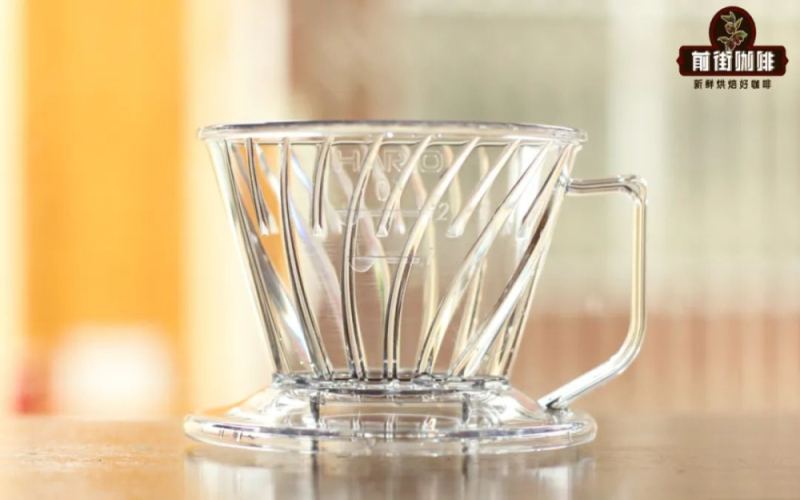
An In-Depth Analysis of the Hario Pegasus Dripper: Boat-Shaped Design, Trapezoidal Structural Differences, and Real-World Brewing Performance
In addition to the V60, Hario has also released a uniquely shaped Pegasus dripper. It resembles a trapezoidal dripper in appearance, yet has undergone significant improvements in its flow guides, base structure, and cup holder design. The spiral flow guides deliver a drainage speed close to that of the V60, while the flat-bottom dual-hole design makes extraction more even. Viewed from above, the oval base looks just like a little boat, which is how it came to be called the boat-shaped dripper. Front Street Coffee conducted a comparative brew using this dripper and the V60 with the same Finca El Diviso Sidra coffee beans; the flavor profiles were similar, but the Pegasus dripper produced a softer acidity. This article provides a complete breakdown of its structural features, filter paper compatibility, the purpose of the measurement lines, and the conveniences and drawbacks encountered in actual brewing. [more…]
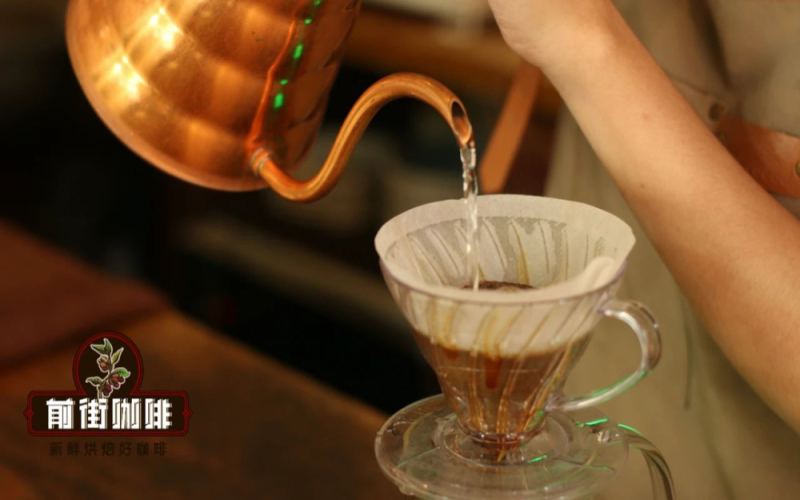
Smart Dripper Practical Guide: Operational Key Points and Parameter Analysis for Immersion Extraction
Among the many pour-over coffee devices, the Clever Cup, with its dual extraction mechanism of immersion and filtration, has become one of the easiest choices for beginners to master. It does not rely on complex pouring techniques; simply by controlling the water temperature, coffee-to-water ratio, and immersion time, you can consistently reproduce a cup of coffee with both clarity and body. Drawing on Front Street Coffee's hands-on experience, this article breaks down in detail the working principles of the Clever Cup, its suitable scenarios, and the complete steps and parameter recommendations for immersion extraction using Ethiopian Hualei beans, helping coffee enthusiasts quickly get started with this dripper that combines convenience and consistent output. [more…]
Colombia Finca El Paraiso Sakura Coffee Beans: A Dual Anaerobic Washed SOE Analysis from a COE Champion Estate
In the specialty coffee wave, Colombia's Finca El Paraiso stands out with its unique fermentation processing methods and outstanding flavors. Since taking over in 2008, farm owner Diego Samuel Bermúdez Tapia has continuously innovated microbial fermentation techniques, enabling Finca El Paraiso to set Colombia's record highest bid price in the COE auction. In this article, Front Street Coffee will provide an in-depth analysis of Finca El Paraiso's Sakura coffee beans, covering the origin background, the characteristics of the Castillo variety, the double anaerobic washed processing method, and the specific parameters and flavor performance of pour-over and SOE espresso extraction, giving you a comprehensive understanding of this Colombian specialty coffee that combines strawberry sweetness and tartness with spicy aromas. [more…]
The Complete Clever Cup Operation Guide: Extraction Principles, Parameter Settings, and a Detailed Lazy-Brewing Workflow
Among the many pour-over coffee devices, the Clever Dripper has become an ideal choice for beginners thanks to its dual extraction method of immersion and filtration. Drawing on Front Street's practical experience, this article systematically explains the Clever Dripper's working mechanism, approach to parameter configuration, and specific brewing steps. It covers how key variables such as water temperature, coffee-to-water ratio, grind size, and immersion time affect flavor, and uses Ethiopian Huakui coffee beans as an example to provide a complete operating plan with 15 grams of coffee, a 1:16 ratio, and a water temperature of 94°C, helping coffee lovers easily make a cup of immersion-brewed coffee with high clarity and rounded sweetness. [more…]

Why Is Pour-Over Coffee So Thin? The Causes and Effects of Bypass Water, and Two Techniques to Avoid It
Many coffee enthusiasts have encountered the situation during pour-over brewing where the coffee tastes watery and the flavors are bland, and this is often related to an frequently overlooked factor—bypass water. Bypass water comes in two types: actively added and passively generated. Hot americano or diluted pour-over liquid are active choices, whereas hot water that bypasses the coffee bed and falls directly into the server due to operational errors is passive bypass water. The latter simultaneously lowers the extraction yield and dilutes the coffee concentration, making the final cup taste thin. Based on Front Street's practical experience, this article outlines the dual effects of bypass water on coffee flavor and provides two of the most practical ways to avoid it: controlling the pouring circle's range and paying attention to the relationship between the water level and the coffee bed wall, helping you achieve consistent results in your daily brewing. [more…]
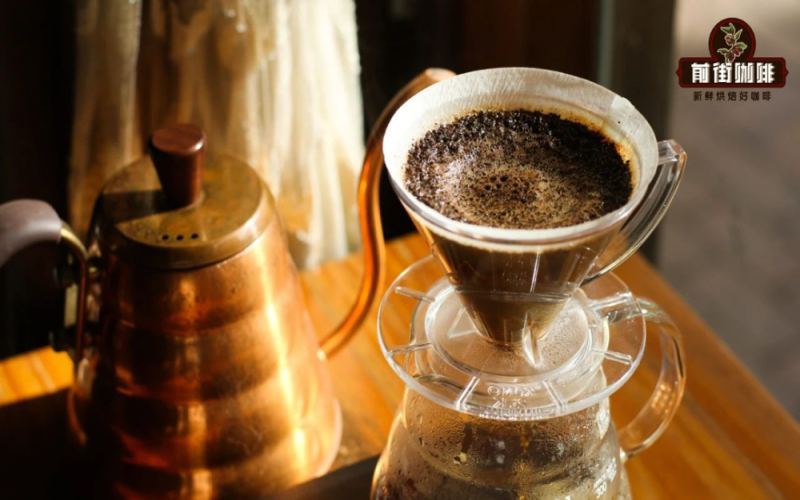
Detailed Guide to Mandheling Pour-Over Coffee-to-Water Ratio and Parameter Adjustment: Golden Mandheling Flavor Expression and Extraction Techniques
Mandheling is a highly recognizable coffee from the Sumatra region of Indonesia, known for its full-bodied mouthfeel and herbal, chocolate, and nutty aromas. This article focuses on the pour-over brewing of Front Street Golden Mandheling, explaining in detail the coffee-to-water ratio, grind size, water temperature, dripper selection, and three-stage pouring technique, helping coffee enthusiasts brew a Mandheling with a clean, sweet-forward, and multi-layered flavor profile while preserving its rich body. The article also covers the processing methods of Mandheling beans, the G1 grade screening standards, and its dual nature as both a single-origin pour-over and a suitable option for espresso blends, making it a useful reference for readers who want to systematically adjust Mandheling parameters. [more…]
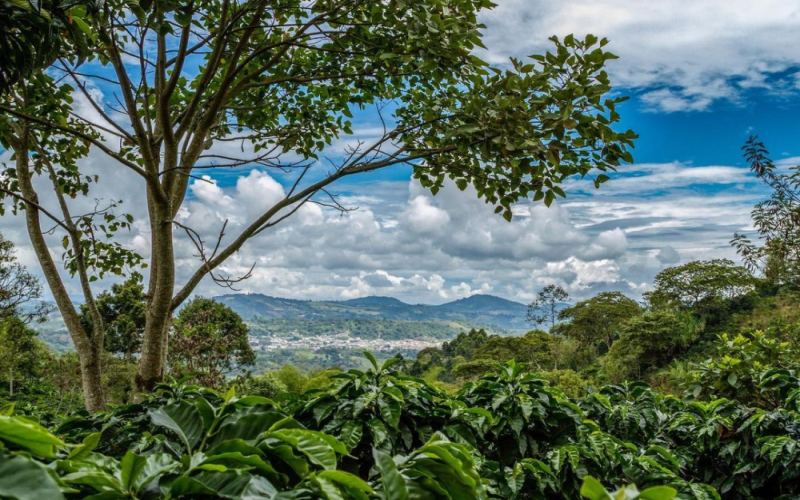
Flavor Characteristics and Brewing Tips of Colombian Huila Coffee, with Flavor Profiles of Each Producing Region and Front Street Coffee Roasting Suggestions
Colombia, with its advantageous location featuring dual ports on the Atlantic and Pacific, has coffee export transportation costs far lower than other South American countries. Its coffee-growing regions are distributed along the Eastern, Central, and Western Cordilleras, forming a specialty coffee map of Medellin, Santander, Huila, Cauca, Narino, and other areas, each with distinct terroir characteristics. This article systematically reviews the flavor differences among Colombia's main growing regions, with a focus on analyzing the taste characteristics of Huila coffee, and shares Front Street Coffee's roasting curves and three-stage brewing parameters for bean varieties such as Huila, Rose Valley, and Sakura, helping coffee enthusiasts consistently reproduce at home the rich, mellow flavor interwoven with nuts, chocolate, and caramel. [more…]
Yirgacheffe Coffee Bean Grading System and Variety Analysis: A Complete Guide from Regional Flavor to Front Street Brewing Parameters
Yirgacheffe is Ethiopia's most iconic specialty coffee region, renowned worldwide for its citrus florals and bright acidity. This article systematically reviews Yirgacheffe's regional origins, the characteristics of its heirloom varieties, the ECX grading system (including its dual standards of defect rate and cupping score), and the flavor differences between washed and natural processing methods. It also draws on Front Street Coffee's brewing experience to provide specific V60 extraction parameters and a staged pouring schedule, along with flavor descriptions of two beans: Front Street washed Kochere and natural Red Cherry. Whether you are a newcomer just discovering specialty coffee or a veteran looking for an everyday bean, you will find practical reference for both buying and brewing. [more…]
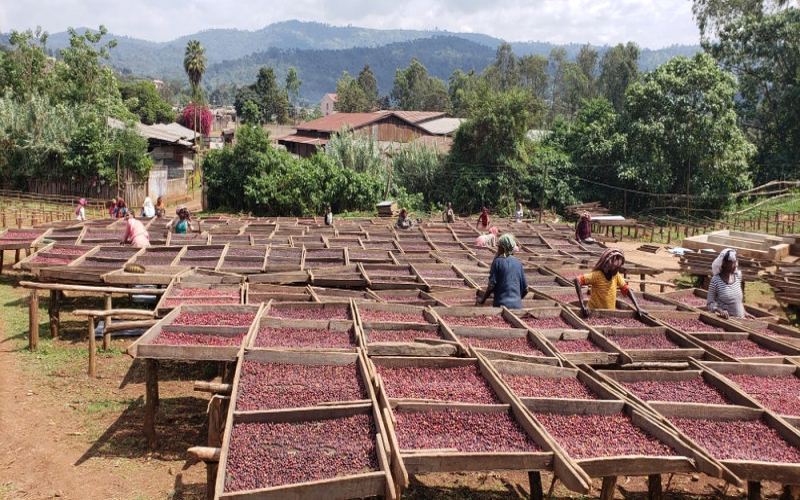
A Complete Guide to Yirgacheffe Konga Cooperative Natural Beans: From Origin Certification to Cupping and Brewing Parameters
The Yirgacheffe region in Ethiopia is home to numerous cooperatives, and the Konga Cooperative is one of the most representative. It is located in the Gedeo Zone at an altitude of over 1,800 meters, holds dual certifications in Fair Trade and organic farming, and won the national championship in the TOH natural category in the 2020 harvest season. This Konga Cooperative Wote Station natural G1, sourced by Front Street Coffee, uses local heirloom varieties and presents a complex flavor profile of citrus, jasmine, honey, and green tea. This article will provide a complete breakdown of this coffee's story, from the cooperative's background, soil characteristics, processing methods, and variety traits to Front Street's roast profile, cupping data, and V60 brewing recipe, offering coffee enthusiasts a practical reference for purchasing and brewing. [more…]
PWN Golden Mandheling Coffee Flavor Profile Analysis: A Full Overview of Indonesia Sumatra Origin, Ateng Variety, and Wet-Hulling Processing
Golden Mandheling is hailed as the crown jewel of Indonesian specialty coffee, but true Golden Mandheling comes exclusively from PWN. From the perspective of Front Street Coffee, this article systematically examines Golden Mandheling's growing conditions, varietal composition, processing methods, and roasting logic, with pour-over parameter recommendations included. It also covers PWN's historical origins, the dual impact of the wet-hulling process on flavor and defect rates, and why most Mandheling on the market is roasted to a medium-dark level. Whether you are a newcomer just discovering Mandheling or a seasoned enthusiast who prefers a full-bodied cup, you will find practical origin knowledge and brewing references here. [more…]
How Is the Ethiopian Sidama G1 Grade Assessed? A Full Analysis of the Relationship Between Huakui Coffee and the Guji Region
Sidamo is one of Ethiopia's most renowned specialty coffee regions, sharing equal fame with Yirgacheffe yet often overshadowed by the latter's halo. Starting from Sidamo's geographical environment and flavor characteristics, this article traces the independent journey of the Guji region, tells the complete story of Huakui coffee from TOH champion to domestic stardom in detail, and provides an in-depth analysis of Ethiopia's green coffee grading system—from the defect bean counting of the CLU era to the ECX's dual-dimensional scoring of physical and cup quality—helping readers understand the true meaning of the G1 grade. It also includes Front Street Coffee's brewing parameter recommendations for the 2025 new-crop Huakui, making it suitable for enthusiasts who want to gain a deeper understanding of the Ethiopian coffee system. [more…]
A Complete Guide to Guatemalan Antigua Coffee: Volcanic Soil, Processing Methods, and the Flora Flavor Profile
Guatemala's Antigua region, surrounded by volcanoes and blessed with a unique microclimate, produces coffee with a smoky, charcoal-roasted character that enthusiasts have dubbed "cigarette coffee." From its cultivation roots in the Mayan civilization era, to the meticulous management of the La Minita estate, and on to Front Street Coffee's Flower God coffee beans with their washed processing and medium-light roast, this supply chain carries a dual heritage of history and flavor. This article systematically examines Antigua's growing conditions, variety characteristics, and processing methods, as well as Front Street's brewing parameters and flavor performance, offering you a complete understanding of the appeal of this Central American specialty coffee. [more…]
A comprehensive analysis of the flavor characteristics and price factors of Jamaica Blue Mountain No. 1 coffee beans, from grading, varieties, and processing methods to brewing parameters.
In the specialty coffee world, Jamaican Blue Mountain coffee has long occupied a dual high ground in both price and reputation. It brings together all the qualities a good coffee should have—a rich, full-bodied taste and a delicate balance of sweetness, acidity, and bitterness. On the palate there is no unpleasant bitterness; instead, it presents just the right amount of acidity, and is therefore highly praised by coffee lovers. In this article, Front Street Coffee (FrontStreet Coffee) will systematically sort through the classification and grading of Jamaican Blue Mountain coffee, its growing conditions, its three major production regions, the characteristics of the Typica variety, and the differences between washed and natural processing methods. It will also share the brewing parameters and flavor performance of Front Street Jamaica Blue Mountain No. 1 coffee beans, and introduce methods for identifying authentic Blue Mountain coffee. [more…]
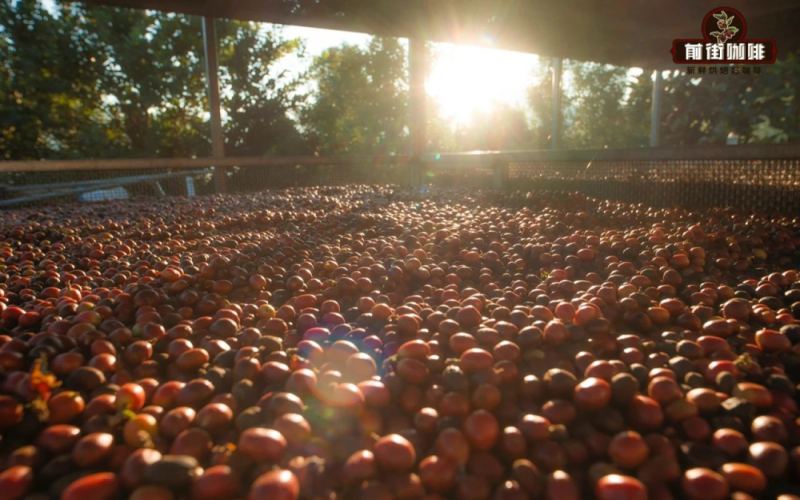
The Origin of the Name Yunnan Small-Bean Coffee and Authenticity Identification: A Full Analysis from Variety Evolution to Regional Flavor
Why is Yunnan coffee called "Xiaoli"? Behind this name actually lie the dual meanings of variety classification and historical change. As China's core coffee-producing region, Yunnan contributes 95% of the country's coffee output, and between the Catimor now planted on a large scale and the Typica introduced in the early days, what kind of inheritance and trade-offs exist? This article will systematically sort out the identity code of Yunnan Xiaoli coffee, from variety origins, regional terroir, and processing methods to brewing suggestions, while sharing key clues for identifying authenticity, and preserving Front Street Coffee's cultivation and production stories in Lincang and Baoshan, leading you to rediscover this touch of wild mountain flavor from southwestern China in your cup. [more…]
An Analysis of Colombia's Five Major Specialty Coffee Regions: Flavor Profiles and Roasting Recommendations for Huila, Cauca, Nariño, and More
Colombia enjoys a locational advantage with ports on both the Atlantic and Pacific oceans, giving it lower coffee shipping costs than other South American countries. Its specialty coffee regions are mainly distributed across the Eastern and Central Cordilleras, as well as the southern areas of Huila, Cauca, and Nariño. Due to differences in altitude, soil, and microclimate, each region presents a diverse range of flavors, from nutty chocolate to peach and rose. This article systematically reviews the varietal characteristics and cupping performance of five major producing regions—Medellín, Santander, Huila, Cauca, and Nariño—and includes Front Street Coffee's roasting curves and brewing parameters for coffee enthusiasts' reference. [more…]
Brewing Parameters and Origin Flavor Analysis of Costa Rica's巨石 Estate Anaerobic Black Honey Process Coffee Beans
Costa Rica, as the first country in Central America to cultivate coffee, has given rise to numerous specialty coffees thanks to its volcanic soil and microclimates. Located in the Brunca region, Hacienda Colossal is known for its anaerobic heavy honey processing method and Bourbon and Catuai varieties, with high-density beans and outstanding sweetness. The Hacienda Colossal Blueberry coffee beans brought by Front Street Coffee this time are a typical representative of this terroir. This article will review its regional background, variety characteristics, and processing techniques, and share Front Street's roasting records, cupping reports, and specific brewing suggestions, including V60 dripper, 90°C water temperature, 1:15 coffee-to-water ratio, and other parameters, providing coffee enthusiasts with a complete brewing reference. [more…]
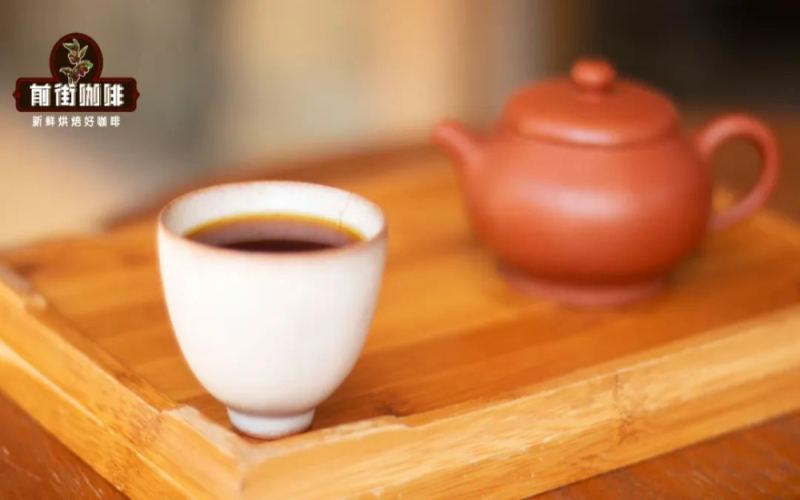
Can a purple clay teapot be used to extract coffee? Testing the feasibility and flavor performance of using a teapot instead of a dripper.
When teaware crosses over into the coffee realm, is brewing coffee with a Yixing clay pot a quirky gimmick or a viable approach? Front Street Coffee put this question to the test. Yixing clay pots, known for their dual-pore structure and slow heat dissipation, are often thought to absorb off-flavors and soften bitterness, while coffee's immersion extraction happens to share the same logic as a French press. This article documents the full process of brewing medium-dark roasted Paradise Bird, washed, and honey-processed beans in a 150ml Yixing clay pot, covering parameters such as coffee-to-water ratio, water temperature, grind size, and steeping time, along with TDS and flavor descriptions. The results show a prominent sweetness and a clean cup, but a general lack of body and complexity. If you're also curious whether a teapot can replace a dripper, this is worth a read. [more…]
Analysis of the Causes of Acidity in Colombian Coffee and Its Flavor Differences from Brazil, Plus the Characteristics of Major Producing Regions and Varieties
Colombia enjoys the advantage of dual ports on the Atlantic and Pacific, making its coffee transportation costs far lower than other South American countries. Its producing regions are mostly distributed in the high-altitude areas of the Andes Mountains, creating coffees known for excellent acidity and distinctive flavors. This article provides a detailed analysis of the sources of Colombian coffee's acidity, compares its flavor differences with Brazilian coffee, and introduces one by one the variety characteristics and cupping flavors of core producing regions such as Medellín, Santander, Huila, Cauca, and Nariño. It also includes roasting and brewing recommendations for several Front Street Coffee Colombian beans, helping coffee enthusiasts gain a deeper understanding of the terroir charm of this major South American coffee country. [more…]
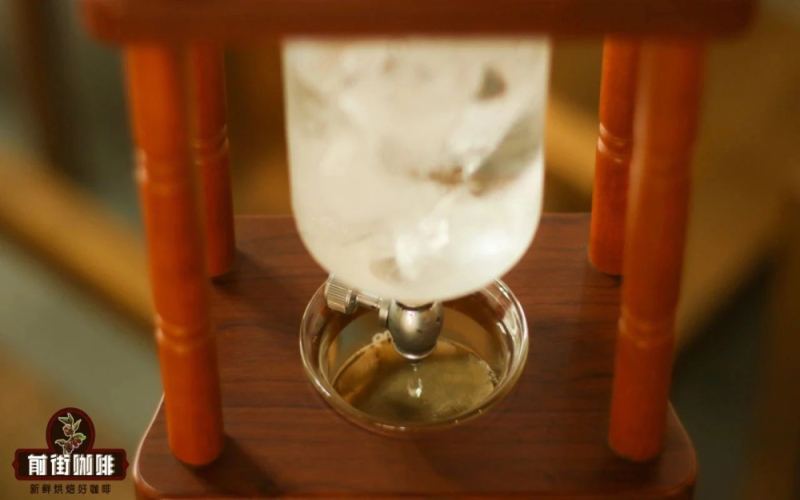
Make Cold Drip Coffee Without a Cold Drip Tower: A Simple Two-Dripper Method and Single-Origin Bean Selection Guide
Entering May, temperatures climb, and cold drip coffee becomes the top choice for beating the heat. However, professional cold drip towers are not cheap, yet are used infrequently, leaving many enthusiasts hesitant. This article will introduce a practical method for making 1-2 servings of cold drip coffee using just two drippers, with no additional equipment needed. At the same time, it will explain the principles of low-temperature extraction, flavor characteristics, detailed steps, and coffee beans suitable for cold drip. Front Street Coffee (FrontStreet Coffee) uses Panama Hartmann Estate red wine process coffee beans as an example to fully demonstrate the entire process from wetting the filter paper to resting and maturation, and shares the final flavor performance, providing coffee lovers with a reproducible home cold drip solution. [more…]