







Search Results for: Drip Rate
Complete Guide to Cold Brew Coffee Making: Standard Steps, Flow Rate Control, and Time Explained
Cold drip coffee, with its lengthy brewing process and unique layers of flavor, has always been a topic of interest among coffee enthusiasts. Completely different from cold brew, cold drip requires specialized equipment, precise control of the water drip rate, and subsequent fermentation and aging. This article will analyze in detail the standard steps for making cold drip coffee from four dimensions—grind size, drip speed, extraction ratio, and aging time—and answer the common question of "how long does it actually take to make a cup of cold drip?" At the same time, the article also compiles Front Street Coffee's practical experience and parameter recommendations in cold drip production, helping you understand the complete process of this low-temperature drip coffee in a more systematic way. [more…]
How to Make Cold Brew Coffee Taste Great? A Full Guide to Grind Size, Drip Rate, and Coffee Bean Selection
Cold brew coffee is loved by coffee enthusiasts for its rich yet refreshing flavor and its natural fermented, wine-like aroma, achieved by slowly dripping ice water through coffee grounds. Making cold brew is actually not complicated; the key lies in choosing the right equipment, controlling the grind size and drip rate, and selecting the right coffee beans. If the grind is too coarse, the flavor will be thin; if it's too fine, it will easily clog and cause water to pool, bringing out bitterness. Front Street Coffee recommends using a No. 20 standard sieve with 80-85% grind size, controlling the drip rate at about 7 drops per 10 seconds, with 60 grams of grounds taking about 6 hours. After dripping, it still needs to be placed in the refrigerator for low-temperature fermentation for 12 hours to reach optimal flavor. This article will explain in detail the brewing parameters and bean selection approach for cold brew coffee. [more…]
How Is Cold Brew Coffee Different from Iced Americano and Iced Pour-Over? A Complete Brewing Guide from Equipment Principles to Grind and Flow Rate
Ice drip coffee often sells for a higher price than iced Americano and iced pour-over in cafés, sometimes even in smaller portions—what is the reason behind this? Although it and cold brew both belong to low-temperature extraction, their production logic is completely different. Starting from Front Street's hands-on experience, this article will break down the four key variables of ice drip coffee—the equipment structure, grind calibration, drip rate, and coffee-to-water ratio, as well as the aging time—and provide specific parameter recommendations for light-roast and medium-roast beans. Whether you want to understand why ice drip coffee is expensive or are planning to get an ice drip pot and try it at home, this article can provide a clear operational reference. [more…]
Cold Brew Coffee Bean Selection Guide and Home Brewing Method: A Complete Analysis from Grinding, Flow Rate to Refrigerated Fermentation
Ice drip coffee, through its pure ice drip filtration and low-temperature fermentation process, presents a mellow, sweet, and refreshingly cool taste, making it a highly favored coffee beverage in summer. Starting from the store practices of Front Street Coffee, this article systematically sorts out the differences between the two common methods of low-temperature extraction—cold brew and ice drip—and explains in detail the structure of the ice drip pot, the choice of grind size, the control of drip speed and coffee-to-water ratio, as well as the grasp of refrigeration fermentation duration. At the same time, focusing on the two major directions of refreshing floral and fruity notes and rich fruity tea notes, it recommends two coffee beans suitable for making ice drip coffee, Front Street Elida Estate Catuai and Front Street Natural Huakui, helping enthusiasts recreate at home a clean-flavored, richly layered ice drip coffee. [more…]

Yirgacheffe Cold Drip Coffee | What is the extraction principle of cold brew coffee? How to make cold drip coffee with washed Yirgacheffe?
Still in the scorching summer of Guangdong, everyone is crazy about iced coffee. Even the cold brew coffee at Front Street Coffee's stores has been "swept clean." Many friends ask Front Street Coffee whether they can make cold brew coffee at home and how to do it. Next, Front Street Coffee will have a good chat about how to make a delicious cup of cold brew coffee. What is the principle of cold brew coffee? In understanding [more…]
A Complete Guide to Cold Brew Coffee: Key Parameters for Flow Rate, Grind, Ratio, and Aging Time
With its lengthy brewing process and distinctive flavor layers, ice drip coffee has become a representative of "slow work yields fine results" in the minds of many coffee enthusiasts. Unlike cold brew, ice drip relies on a dedicated device, extracting by having ice water drip through the coffee grounds one drop at a time, then undergoing refrigerated fermentation and aging to present a rich and smooth taste. Starting from Front Street's hands-on experience, this article breaks down in detail the four core variables of ice drip coffee—grind size, drip rate, extraction ratio, and aging time—and provides specific parameter recommendations to help you make a standard-quality ice drip coffee at home. [more…]
Ice Drip Coffee Flavor Characteristics and Complete Brewing Tutorial: A Detailed Guide to Equipment Selection, Drip Rate, Water-to-Coffee Ratio, and Brewing Parameters
Cold brew coffee, due to its unique low-temperature slow extraction process, presents a mellow, rich yet not astringent, smooth yet not bitter taste, and is deeply loved by coffee enthusiasts who pursue richness but fear bitterness. However, its production time is as long as 4 to 12 hours, and the equipment cost is not low, all of which are directly reflected in the selling price. This article will systematically introduce the flavor sources of cold brew coffee, the differences between the two structures of cold brew towers, the key points for using the ice chamber and the coffee powder cup, as well as the practical parameters shared by Front Street Coffee such as a 1:10 water-to-coffee ratio, pre-infusion, and 7 drops per 10 seconds, and will also include recommendations for coffee beans suitable for cold brew extraction, so that you can consistently make a clean cup of cold brew coffee at home. [more…]
Why Does Cold Brew Coffee Take 8 Hours? An Analysis of the Extraction Principle and Key Points of Drip Rate Control
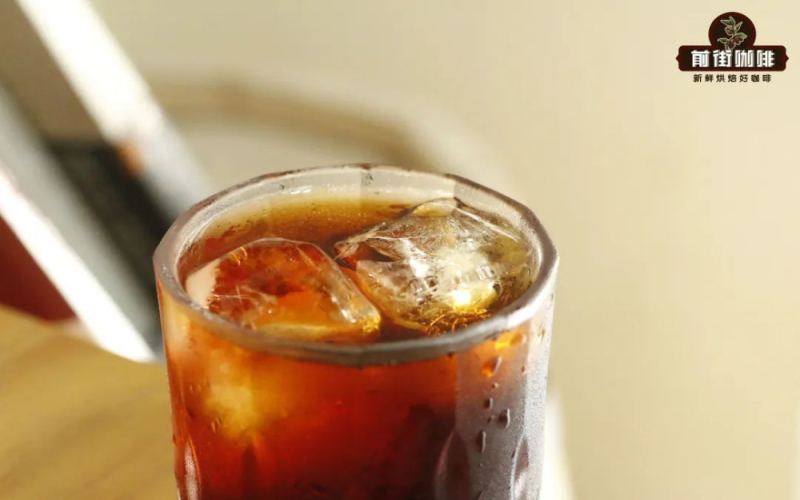
Cold brew coffee is often served in limited quantities at cafés, precisely because its production cycle usually exceeds eight hours. This type of coffee, which originated in Europe and gets its name from the Dutch invention of a distillation apparatus, is also called Dutch Coffee, distilled coffee, or water-drip coffee. It relies on condensed natural osmotic water pressure to let cold water drip through the coffee grounds one drop at a time, continuously extracting at a low temperature of about 5°C for several hours. The flavor of the finished product varies depending on the roast level, water volume, water temperature, drip rate, and grind coarseness. It has a rich, smooth, and refreshingly icy taste, making it the foundation for drinking straight in summer or for making iced coffee. Front Street Coffee's cold brew recipe also emphasizes the coordination between drip rate and grind. Below, we'll break down its extraction principles and time control. [more…]
How to Make Cold Brew Coffee? A Complete Guide to Steps and Parameters from Equipment Preparation to Refrigerated Aging
In the previous article we talked about how to make cold brew coffee; this time let's raise the difficulty a bit and try our hand at making ice drip coffee. The ice drip process is more tedious than cold brew and takes more time and effort, but the cleanliness and layered complexity of the final cup are often worth the wait. The illustrated tutorial below starts with a list of equipment, then gradually explains the key details of the coffee-to-water-to-ice ratio, filter paper placement, pre-wetting the coffee grounds, setting the drip rate, and refrigerated maturation, and also includes bean recommendations suitable for ice drip. You can adjust flexibly according to your own equipment and taste preferences to make a pot of ice drip that is yours alone. [more…]
What is the difference between ice drip coffee and cold brew iced coffee? Analyzing why ice drip is more expensive and tastier, from extraction principles to taste
Ice drip coffee, iced Americano, iced latte, and iced pour-over all belong to the iced coffee family, but ice drip coffee is often priced notably higher, and its brewing process is shrouded in mystery. Although both it and cold brew complete extraction at low temperatures, their principles and steps are completely different. Based on the actual experience of Front Street Coffee, this article breaks down one by one the four key factors of ice drip coffee—equipment requirements, grind size, drip rate, and extraction ratio and aging time—compares it with the convenient method of cold brew, and explains why ice drip coffee is cumbersome to make yet has a rich, smooth, and layered flavor. At the same time, combining specific products such as Front Street Red Cherry, Front Street Little Tomato, Front Street Sidra, and Front Street Strawberry Candy, it provides a complete timeline from brewing to drinking and the pattern of flavor changes for a standard cup of ice drip coffee, helping coffee lovers understand why ice drip coffee is expensive and where it tastes good. [more…]
Cold Brew Coffee Bean Recommendations | What is the extraction principle of cold brew coffee? How to make cold brew at home? How can coffee beginners choose single-origin beans for cold brew?
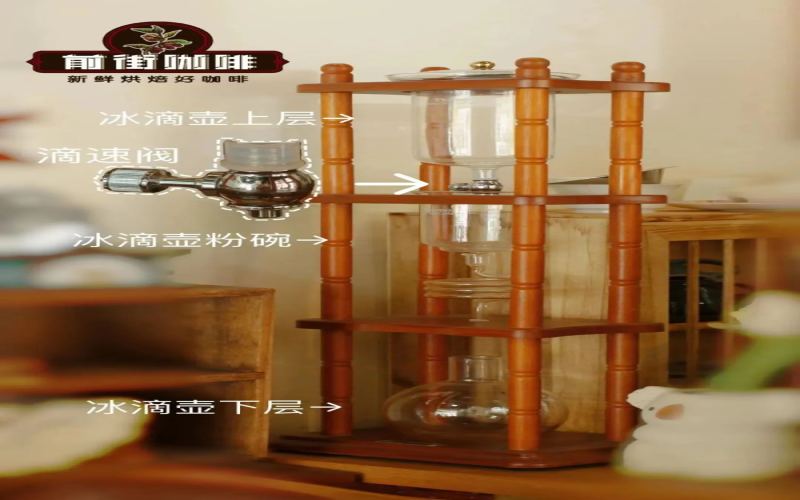
Ice drip coffee is made by slowly melting pure ice into small water droplets that evenly drip onto freshly ground coffee powder to extract the coffee essence, which is then naturally fermented through eight hours of refrigeration. Ice drip coffee has a mellow, pure taste, a pleasant balance of sweetness and acidity, and a refreshingly cool flavor, making it a must-have popular drink at Front Street Coffee every hot summer. What is the principle behind ice drip coffee? [more…]
Cold Brew Coffee Bean Selection Guide: From Flavor Pairing to Front Street Brand Recommendations and the Complete Home Brewing Process
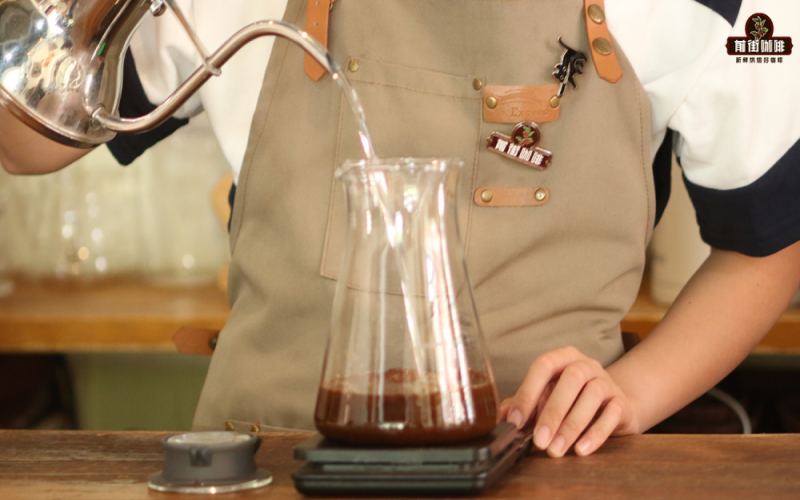
Cold brew coffee, with its sweet, full-bodied taste and low bitterness, is attracting more and more coffee lovers to try making it at home. But which beans to choose, how coarse to grind, and how to control the flow rate often leave people at a loss. This article starts with the difference between cold brew and ice drip, explains why low-temperature extraction produces less bitterness, and gives specific recommendations for floral and fruity coffee beans, including Front Street. Sun-Dried Huakui, Front Street. Washed Butterfly, Front Street. Strawberry Candy, Front Street. Mozart, and Front Street Xizhua, among other options. Then, using in-store practice as a reference, it explains in detail the structure of the ice drip pot, grinding standards, drip rate settings, coffee-to-water ratio, and filter paper placement and other key details, to help you consistently make a cup of clean-flavored ice drip coffee at home. [more…]
How to Choose the Grind Size for Drip Bag Coffee? Parameters for Each Roast Level, Brand Flavors, and DIY Steps
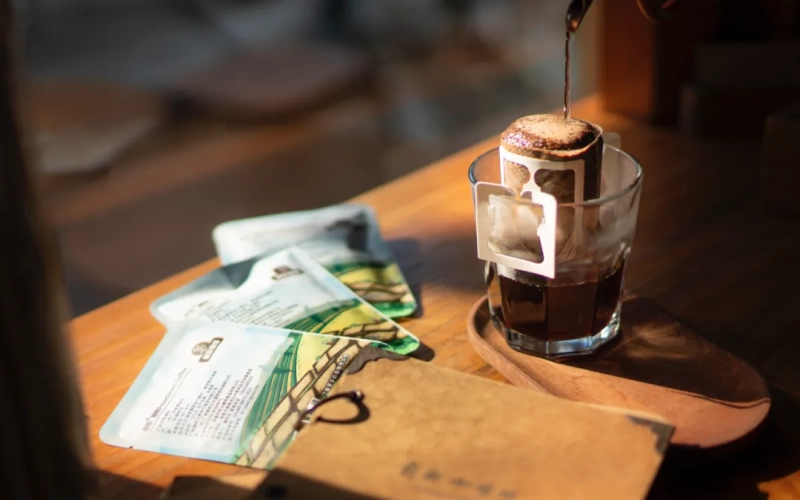
The grind size of drip bag coffee directly affects the extraction flow rate and the final flavor, and different roast levels need to be matched with different grinder setting parameters. This article will cover three categories—light-medium roast, medium-dark roast, and espresso blend—and provide the specific grind settings and sieving rate references for the EK43s and C40 grinders, and recommend corresponding products such as Front Street Yirgacheffe, Natural Huakui, Mandheling, Brazil Cerrado, and the classic espresso blend. At the same time, it provides a complete introduction to the entire homemade drip bag process, from bean selection and grinding, filling and sealing, to storage and optimal flavor period management, helping coffee enthusiasts make drip bags with stable flavor at home. [more…]
Cold Brew Drip Coffee Maker Practical Guide: From Extraction Principles to Coffee Bean Selection and Refrigeration Storage Tips
With its pure, smooth taste and unique fermented aroma, cold drip coffee has become a highly favored coffee beverage in summer. Starting from the hands-on practice at Front Street Coffee's stores, this article systematically sorts out the differences between cold drip and cold brew, the assembly structure of a cold drip tower, and the methods for setting grind size and drip rate. It also recommends three coffee beans suitable for making cold drip, and finally explains the optimal refrigeration period and flavor change patterns of cold drip coffee, helping enthusiasts recreate a cup of richly layered cold drip coffee at home. [more…]
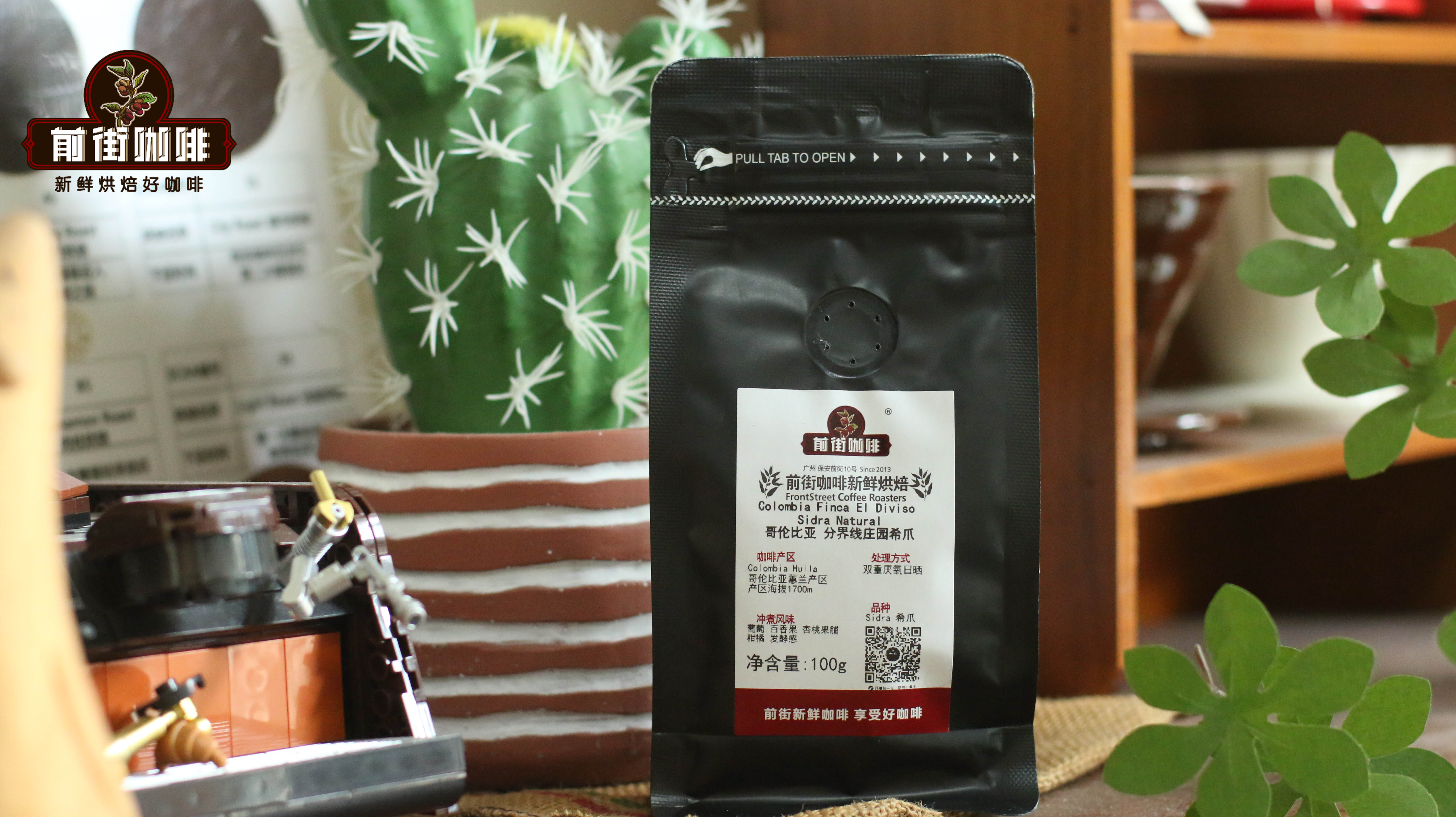
Ice Drip Coffee Beans | What are the techniques for making delicious ice drip coffee? What selected single-origin coffee beans are recommended for ice drip cold brew coffee?
Cold brew coffee refers to a method of slowly extracting coffee aromatic substances by evenly dripping ice water over coffee grounds under normal pressure. Since the low-temperature ice water does not easily extract the bitter substances from the coffee, and the slow flow rate greatly increases the extraction yield, cold brew has a rich but not bitter taste. If you choose a flavor that is more distinctive, [more…]

Ice Drip Coffee Powder-to-Water Ratio | How Long Does It Take to Make Ice Drip Coffee? What Coffee Beans Are Suitable for Ice Drip Cold Brew? What Is the Best Enjoyment Period for Ice Drip Cold Brew?
For more specialty coffee knowledge, please follow our WeChat official account: FrontStreet Coffee. In the heat of summer, iced coffee is one of the refreshing beverages to beat the heat. When you walk into a coffee shop, you may notice that the price of cold drip coffee is noticeably higher than that of regular iced coffee. Cold drip coffee, of course, [more…]
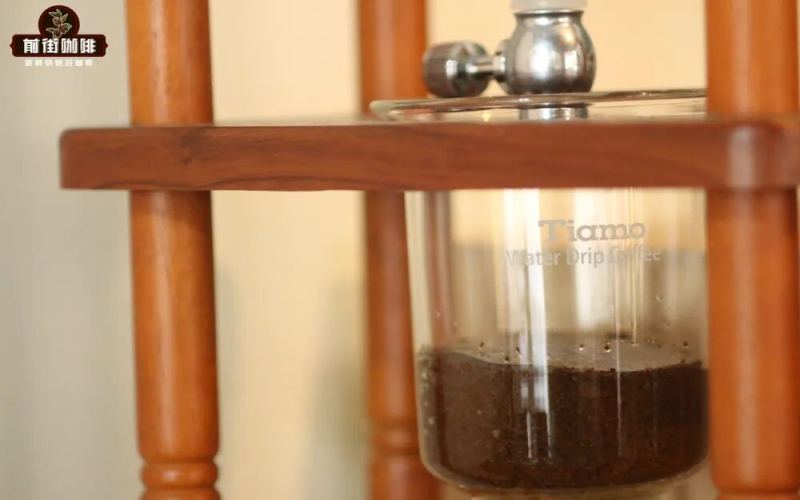
Cold Brew Coffee | Which coffee beans are suitable for cold brew coffee? What is the process for making cold brew coffee? How fine should the coffee grounds be ground for cold brew?
Making a delicious cold brew coffee requires attention to many details, such as the choice of cold brew coffee beans, grind size, coffee-to-water ratio, drip rate, storage and shelf life, and so on. So today Front Street will cover all these operational details in this article. 1. Coffee beans for making cold brew: both cold brew and ice drip belong to low-temperature extraction. [more…]
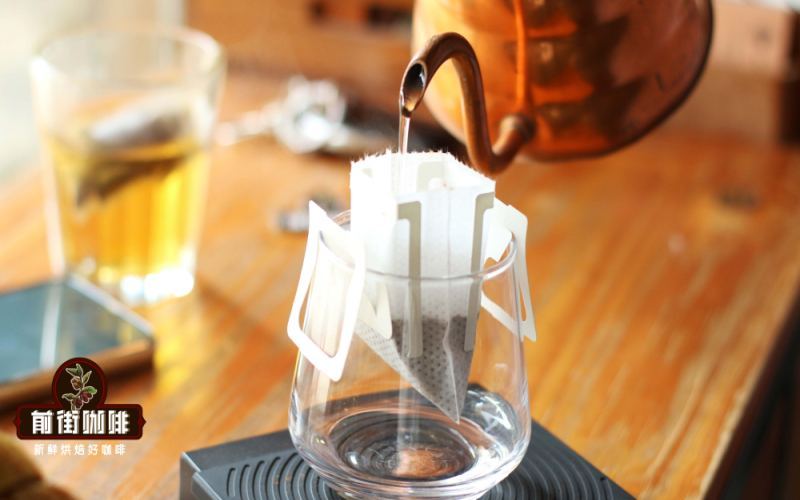
How to judge the grind size for drip bag coffee, how much coffee powder to put in a single pack, and the complete process for making your own drip bag coffee
Want to make your own drip coffee bags but aren't sure how coarse the coffee grounds should be or how many grams to put in each bag? Actually, the bar to making your own drip bags isn't that high—as long as you have a grinder, drip filter bags, a digital scale, and a sealer, you can get started. The grind size directly affects the flow rate during brewing, which in turn determines the strength and flavor of the coffee, so beans of different roast levels need to be matched with different settings. This article will walk you through the whole process of making your own drip bags, from tool preparation, grind parameter references, filling and sealing, to storage methods, and includes complete brewing steps, so you can easily make a smooth cup of drip coffee at home. [more…]
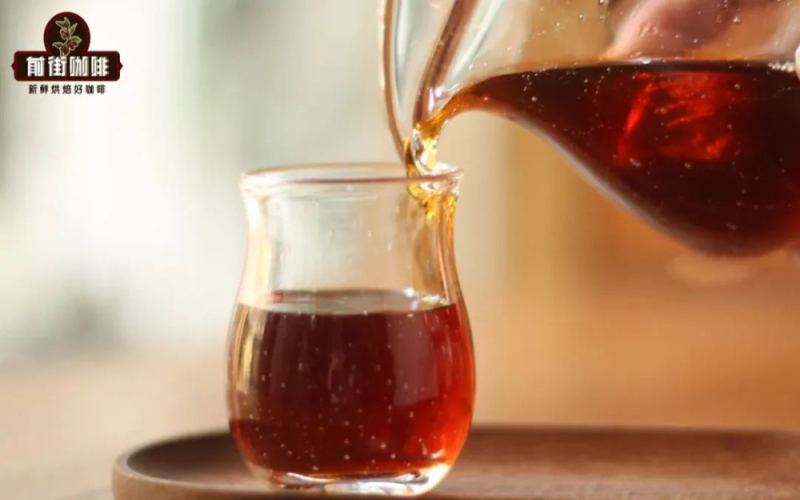
How to Use a Cold Drip Coffee Maker: From Equipment Structure to Brewing Ratios, a Detailed Guide to the Process and Pricing Logic
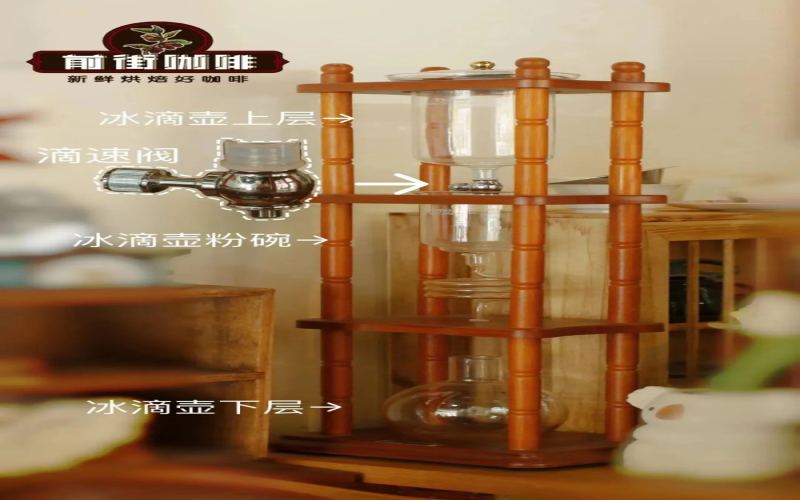
Ice drip coffee is the most ceremonial member of the cold brew family. It relies on a dedicated ice drip tower, letting ice water pass slowly through the coffee bed at a rate of one drop every 1 to 2 seconds, taking several hours or even more than ten hours to complete extraction. Compared with iced Americano or cold brew, ice drip coffee has a cleaner, clearer mouthfeel, often with a bright fruity acidity and fermented wine-like aroma. Taking the Tiamo three-tier ice drip tower as an example, Front Street Coffee uses a 1:10 coffee-to-water ratio, extracting 600 ml of coffee liquid from 60 g of grounds, then refrigerating and resting it for more than 8 hours. This article will begin with the structure of the ice drip tower and its operating parameters, and its differences from cold brew, then analyze the reasons why ice drip coffee is priced relatively high, helping enthusiasts understand this slow, careful brewing method. [more…]
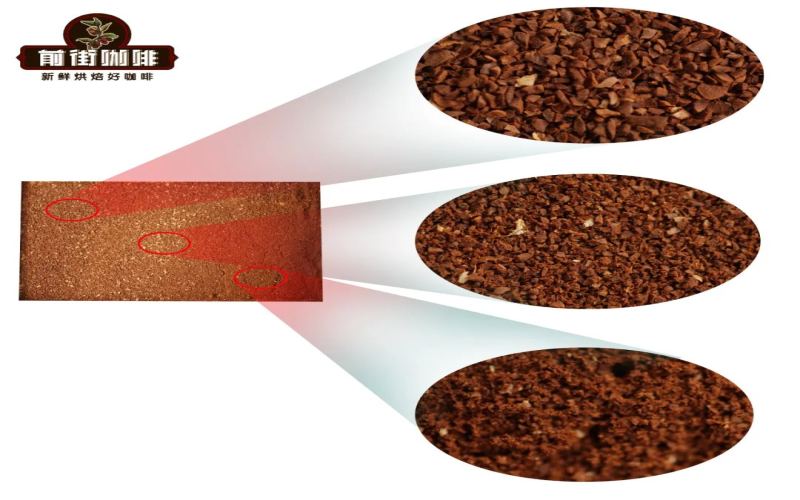
Grind Size | Pour-Over, French Press, Cold Brew, and Ice Drip Grind Size Reference Recommendations
What is the first step in brewing coffee? Grinding beans. In recent years, with the rise of the specialty coffee wave, more and more people have come to enjoy drinking coffee, and at the same time, more and more people hope to fully experience the beauty and leisure of drinking coffee, so they choose to buy coffee beans and brew them at home. And so at this point, a [more…]