








For more coffee origin information and coffee knowledge, please followCoffeeHuntersToutiao account
In the scorching summer, icy coffee is also one of the refreshing beverages. Walking into a coffee shop, you may wonder whycold drip coffeeis priced noticeably higher than regular iced coffee? Cold drip coffee is certainly not just iced coffee with a fancier name—its time-consuming extraction process and its wonderfully sweet, smooth, and aromatic flavor are what make it so special.
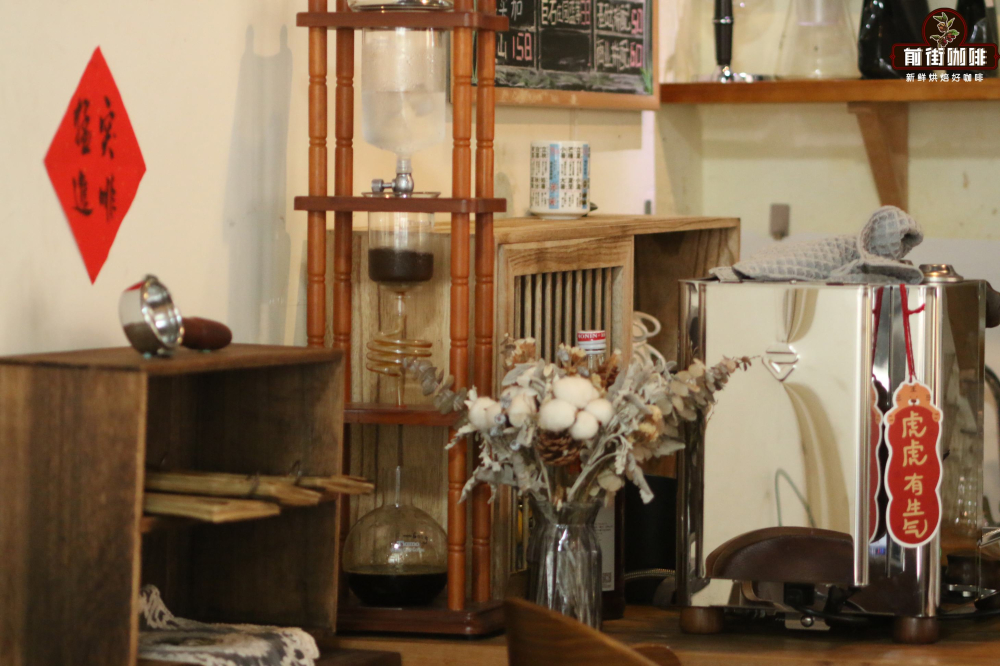
What iscold drip coffee?
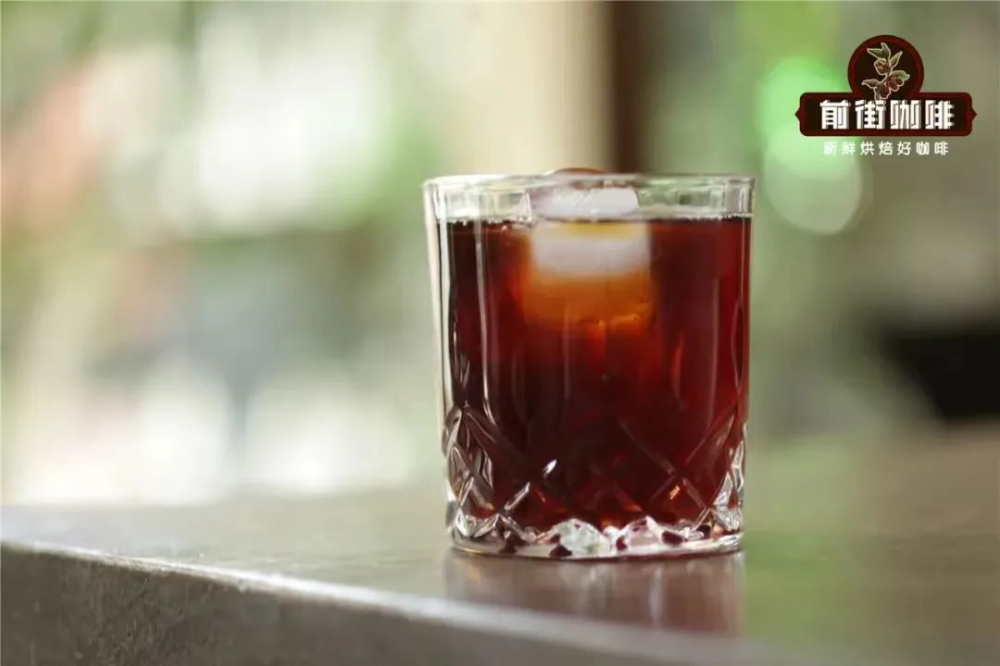
Cold drip coffee is a coffee extraction method that uses ice water for drip filtration. Different water temperatures brew different flavors of coffee. At low temperatures, the astringent compounds in coffee are less likely to dissolve, resulting in a rich yet not astringent, smooth yet not bitter, rounded taste—making it the top choice for making iced coffee.
Cold drip coffee's origin and principles
First, let's clarify the differences between three terms:
Cold drip coffee;
Cold brew coffee(Cold brew coffee);
Dutch Coffee.
Simply put, Dutch Coffee is a general term. Both cold drip coffee and cold brew coffee are types of Dutch Coffee preparation methods, both originating from Dutch Coffee. The definition of Dutch Coffee is: using cold water to brew coffee grounds.
"In the 1600s, Dutch sailors were transporting coffee back to Europe from their colony of Indonesia. Because there was no hot water on the ship, they couldn't drink hot coffee, so they came up with cold drip coffee. Coffee extracted with cold water has a mild, smooth taste and a delightful aroma—not just the sailors, but everyone loved it."

The above is a commonly heard origin story of cold drip coffee, but it was actually fabricated by Japanese coffee industry professionals to promote cold drip coffee pots—it's a marketing tactic.
In fact, in Western countries including the Netherlands, they mainly don't use the Japanese drip method (extracting with ice water dripping drop by drop), but rather the so-called "Cold-Brew" immersion method (soaking coffee grounds in cold water for an extended period). Moreover, in the West there is no such thing as "Dutch Coffee"—it was later coffee industry professionals who, after hearing the Japanese-style origin story of cold drip coffee, applied it for marketing purposes.
The basic principle of the cold drip coffee pot
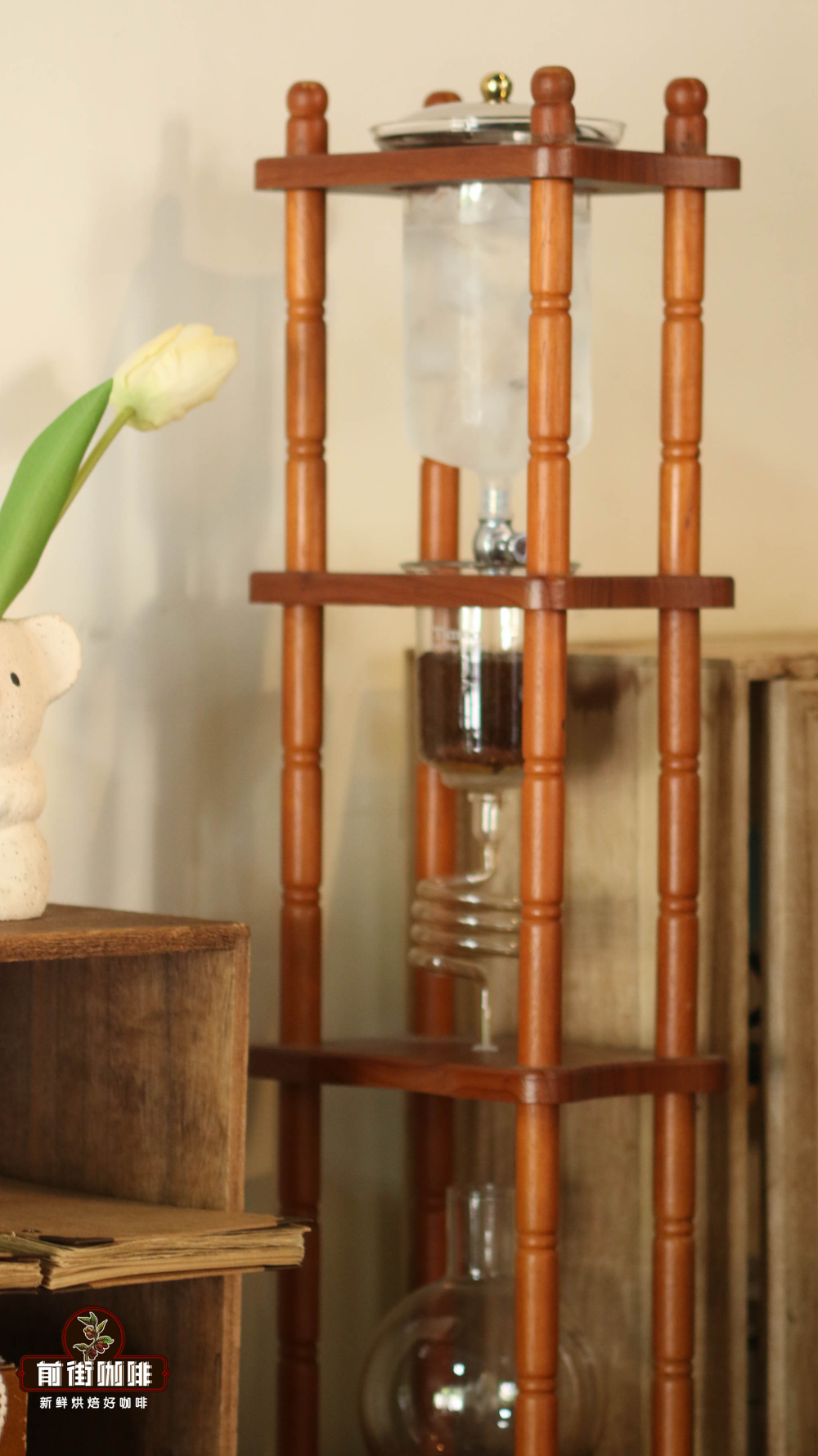
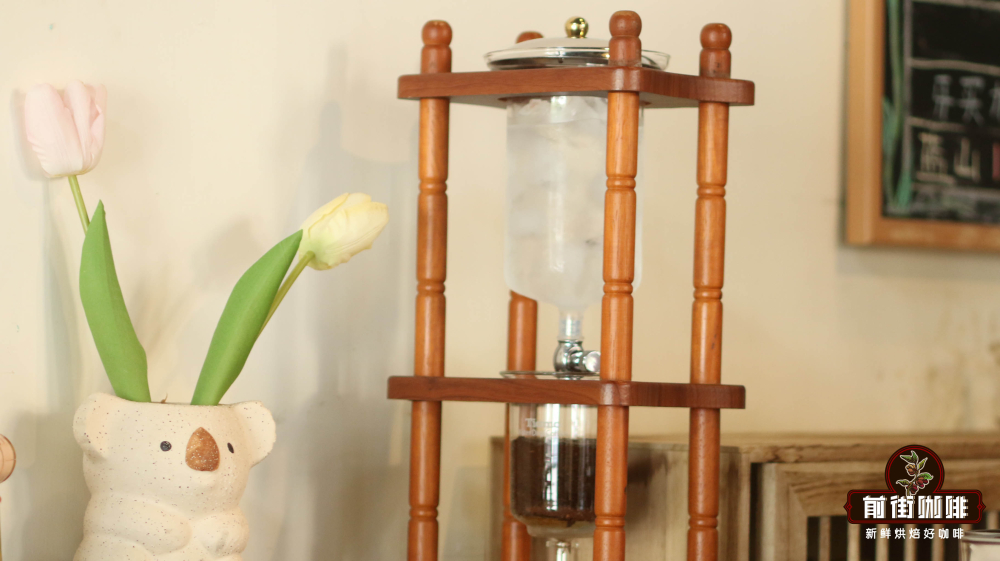
Cold drip coffee is coffee that is consumed after refrigerated maturation, which is why it's also called "the fine wine of coffee." The three-tier container holds ice-temperature water at zero degrees, coffee grounds, and the dripped coffee liquid in sequence from top to bottom, making it a continuous multi-extraction method.
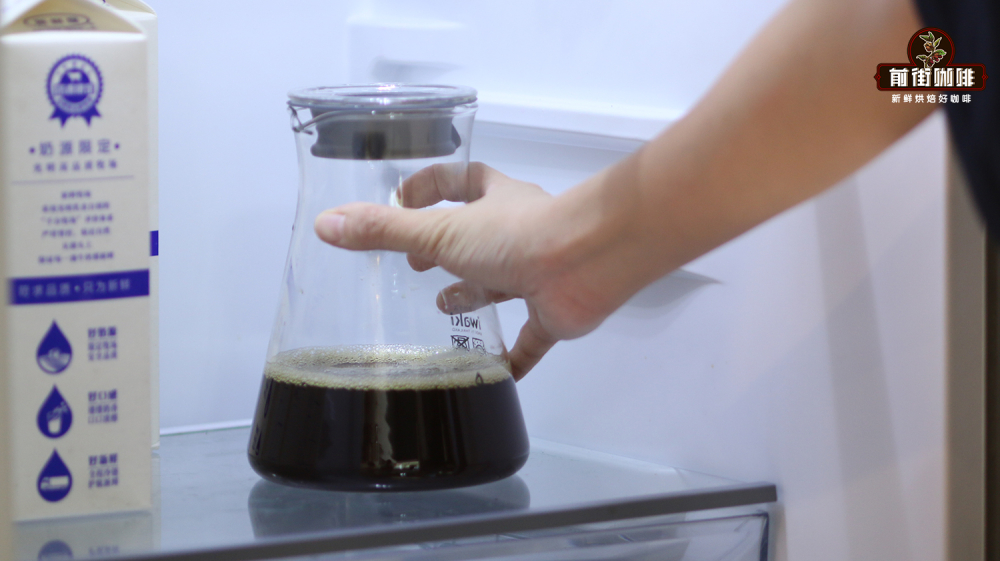
Even when cold drip coffee is extracted under identical conditions, the taste can vary greatly depending on the maturation period. During the maturation process of cold drip coffee, the molecules of coffee compounds become larger, making it smoother than when freshly extracted. Cold drip coffee extracted under the same conditions, left to mature for one day, one week, or ten days, will have different tastes and aromas—even personal preferences for maturation periods vary.
The best enjoyment period for cold drip coffee
Based on FrontStreet Coffee's daily experience in making and selling cold drip coffee, the best flavor of cold drip coffee is achieved within 24-72 hours after production when refrigerated. Generally, after exceeding 72 hours, although the coffee's mouthfeel may improve and become fuller, the aroma becomes increasingly weaker~ So we recommend drinking it within 72 hours after extraction is complete~
Recommended coffee beans suitable for making cold drip
Cold drip is a low-temperature extraction coffee. Low temperatures inhibit the release of heavy molecular compounds. Some dark-roasted coffee beans that are rich and sweet when extracted with hot water pour-over can become thin and tasteless when made into cold drip coffee. Therefore, cold drip coffee is better suited for making with medium-light to medium roast coffee beans.
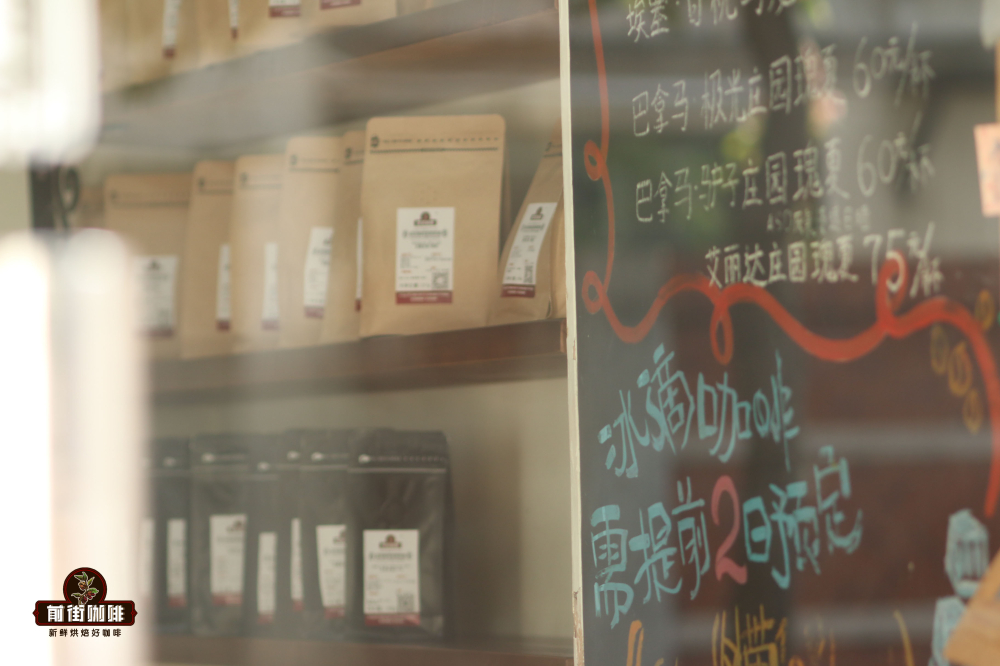
These roast levels typically retain more small and medium molecular sweet and sour compounds. Extended low-temperature extraction allows these compounds to be released more fully, resulting in coffee with a fresh, clean taste and a full, rich mouthfeel.
FrontStreet Coffee stores typically use their own freshly roasted coffee beans when making cold drip coffee. Only freshly roasted coffee beans have richer flavors and aromas. All coffee beans sold by FrontStreet Coffee are shipped within five days of completing the roast.
For making cold drip coffee, we recommend using the medium-light roasted "Front Street Ethiopia Natural Huakui Coffee Beans," which delivers a full mixed berry juice sensation, pleasant sweet and sour notes, a slight fermented fruit wine quality, and a black tea-like sweet finish.
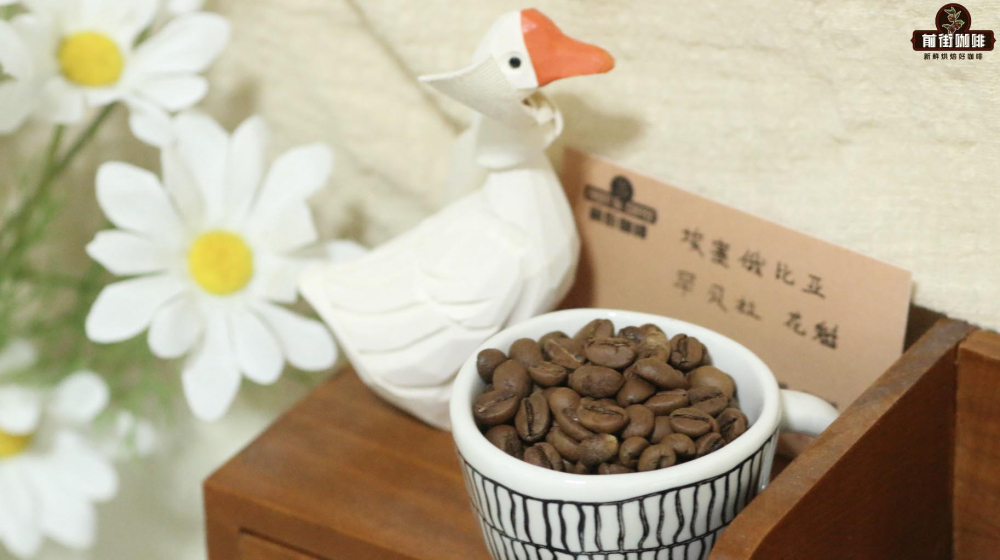
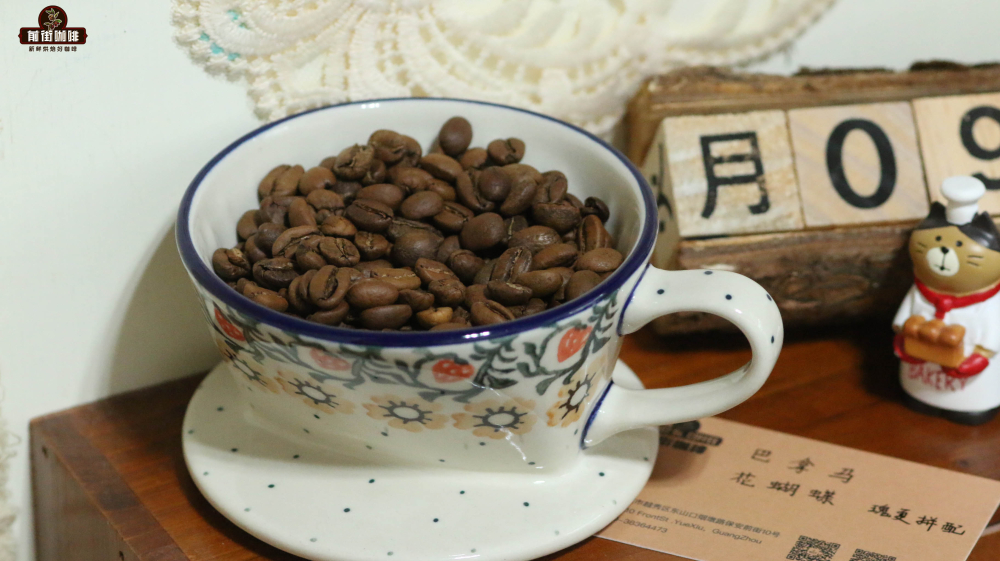
Alternatively, you can use the medium-roasted "Front Street Panama Butterfly Coffee Beans," which features the delicate fragrance of white flowers, the clean acidity of citrus fruits, a roasted sweet potato-like caramel sweetness, and a green tea-like sweet finish.
Steps for making cold drip coffee at home
1) Place the coffee grounds into the middle chamber.
Since cold drip coffee cannot extract large amounts of aromatic compounds from coffee grounds using high temperatures—especially the large-molecule aromatic compounds that medium-dark roasts emphasize, which are difficult to dissolve in ice water—it's common to use light-to-medium roasted coffee beans with rich floral and fruity aromas, pronounced sweet and sour notes, or wine-like qualities.
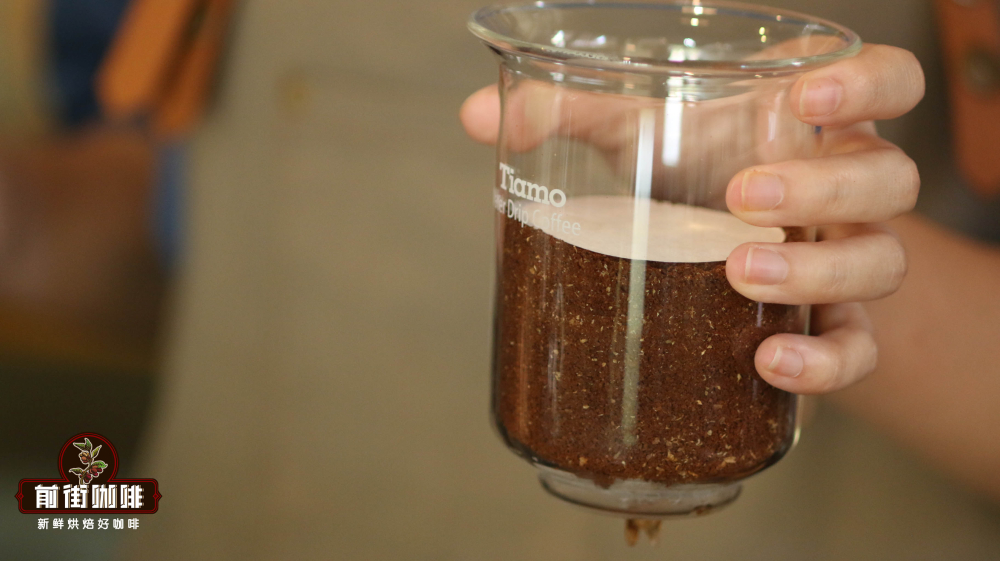
Therefore, the coffee grounds should be ground to a medium-fine consistency (75% passing through a Chinese No. 20 standard sieve / caster sugar particle size). After placing the coffee grounds, remember to put a circular filter paper on the surface to help distribute the water flow.
2) Place ice cubes in the upper chamber.
Use an ice-water mixture below 5°C for drip filtration. Special note: before starting the drip, the coffee grounds must be pre-wetted completely to avoid channeling, which would prevent water droplets from passing evenly through all the coffee grounds.
3) Control the drip flow rate.
Controlling the drip flow rate is a very important part of making cold drip coffee. If the water drips too fast, the extraction will be insufficient, and the coffee will be weak with no aroma. Conversely, if the flow rate is too slow, the coffee will ferment, producing sourness or an alcoholic taste. Based on experimental results, FrontStreet Coffee recommends adjusting the cold drip coffee pot's flow rate controller to the optimal rate: 7 drops per 10 seconds.

4) The extraction ratio for cold drip coffee
The water-to-coffee ratio for cold drip coffee is approximately 1:8 to 1:10. For 100 grams of coffee grounds, the ice + water mixture placed in the upper chamber should weigh approximately 800-1000 grams (recommended ice:water = 1:1).
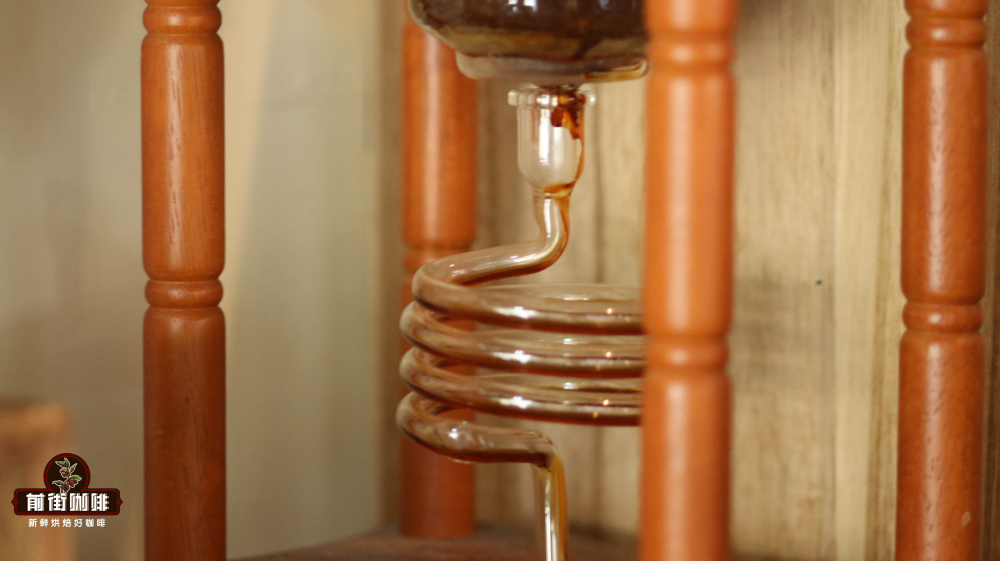
5) Wait for extraction.
The most distinctive feature of cold drip coffee is the long wait. Depending on the amount of coffee grounds and ice, you'll basically wait 3.5 to 12 hours!
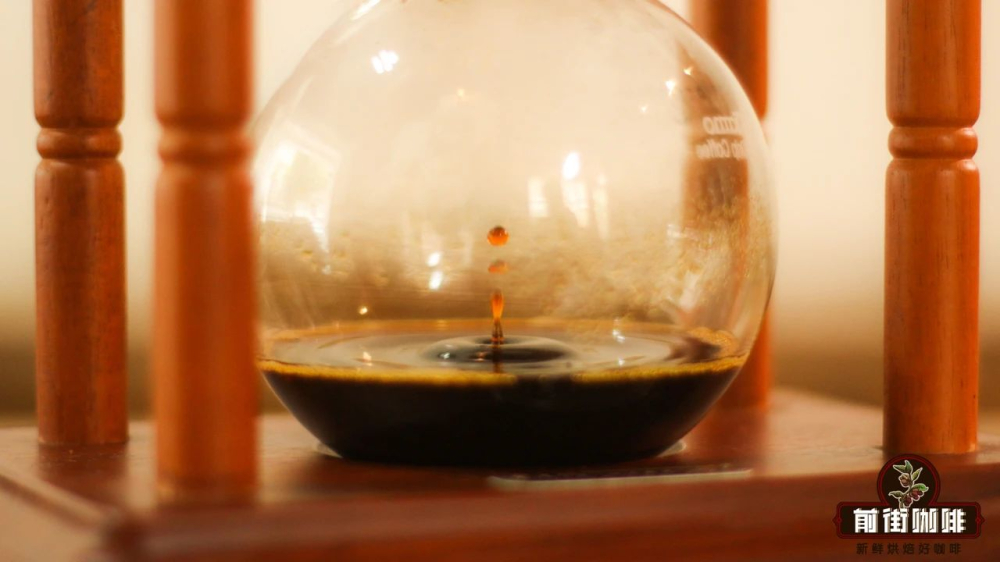
6) Refrigerate for storage.
After the cold drip process is complete, the coffee liquid is typically placed in a clean, sealed glass jar, tightly covered, and refrigerated for a period of time. This enhances the coffee's aroma, sweet and mellow notes, and fermented quality.
The above content is compiled by CoffeeHunters, a coffee news website.


