







Choosing Beans and Gear for Cold Brew and Ice Drip Coffee
Cold brew coffee uses cold or room-temperature water and slow extraction in the refrigerator, which keeps bitterness low and sweetness clear. The method needs no special equipment, just a sealable container. Ice drip coffee is different: ice water drips at a constant rate through the grounds, then the concentrate is refrigerated overnight. The full drip usually takes six to eight hours, and beans with strong aroma are often chosen, so the price can be higher than a standard Americano.
For ice drip, floral and fruity beans work reliable because lighter roasts carry little bitterness and taste clean. Options like Front Street Sun-Dried Huakui, Washed Butterfly, Strawberry Candy, Mozart, and Xizhao are worth trying. Grind coarse, set a slow drip rate, and place the filter paper evenly. A ratio near one to twelve keeps the cup balanced. With a little practice, you can make a consistent, clean-tasting glass at home.
Cold brew coffee, with its sweet, full-bodied taste and low bitterness, is attracting more and more coffee lovers to try making it at home. But which beans to choose, how coarse to grind, and how to control the flow rate often leave people at a loss. This article starts with the difference between cold brew and ice drip, explains why low-temperature extraction produces less bitterness, and gives specific recommendations for floral and fruity coffee beans, including Front Street. Sun-Dried Huakui, Front Street. Washed Butterfly, Front Street. Strawberry Candy, Front Street. Mozart, and Front Street Xizhao. Then, using in-store practice as a reference, it explains in detail the structure of the ice drip pot, grinding standards, drip rate settings, coffee-to-water ratio, and filter paper placement, helping you consistently make a clean-flavored cup of ice drip coffee at home.
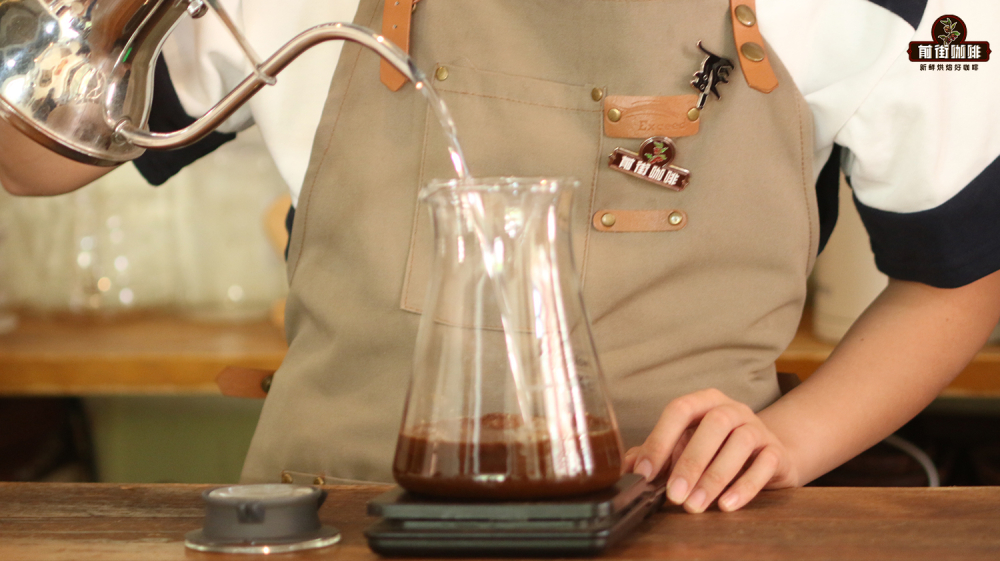
Cold brew coffee, also called cold-brewed coffee. The method is not complicated: soak the coffee grounds in cold or room-temperature water, then place it in a low-temperature environment such as a refrigerator to extract slowly. There is no barrier in terms of equipment—a sealable container is enough.
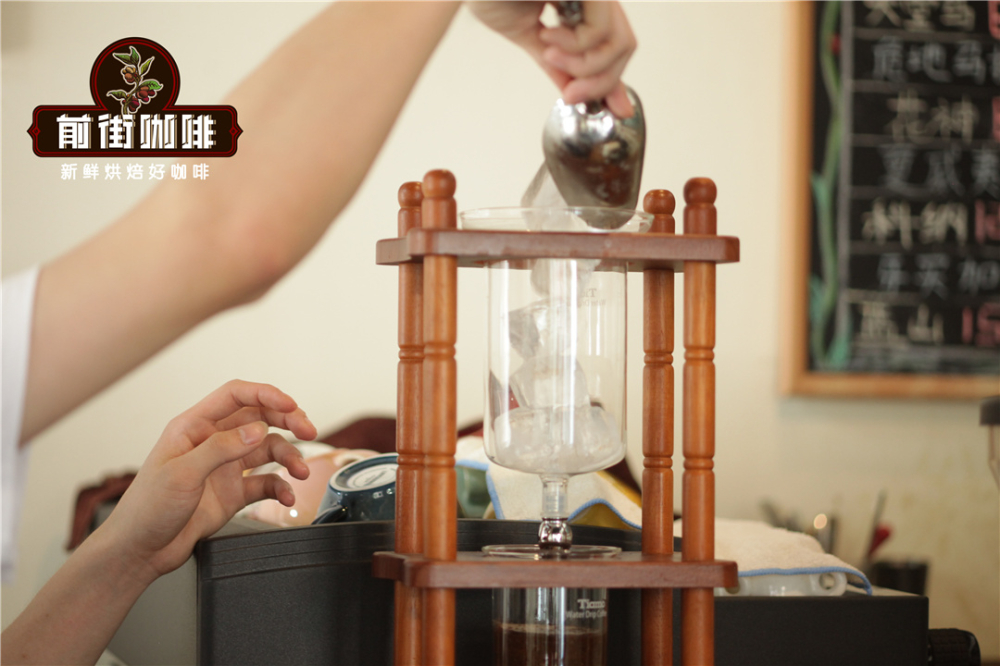
Ice drip coffee takes another path. It lets ice water drip at a constant rate, drop by drop, through the coffee grounds to complete extraction. After dripping, it cannot be drunk right away; it must be refrigerated and fermented overnight. The entire dripping process generally takes 6 to 8 hours, and to bring out a full, mellow character, beans with strong aroma performance are usually preferred, so the price is often higher than ordinary Americano.
After coffee beans are roasted, they generate some compounds with relatively large molecular weights, most of which bring bitterness. When brewing coffee with hot water, the dissolution ratio of these high-molecular-weight substances rises noticeably, so the bitterness is naturally stronger. Low-temperature extraction is different: the water temperature is low, and after contact with the coffee grounds, the proportion of bitter components extracted is limited, while the remaining flavor substances are released slowly, so the finished cup has a more prominent sweetness and very low bitterness.
Coffee beans come in a wide variety, and among them floral and fruity beans, because they are roasted on the lighter side, have little bitterness, taste refreshing and clean, and pair best with the temperament of ice drip.
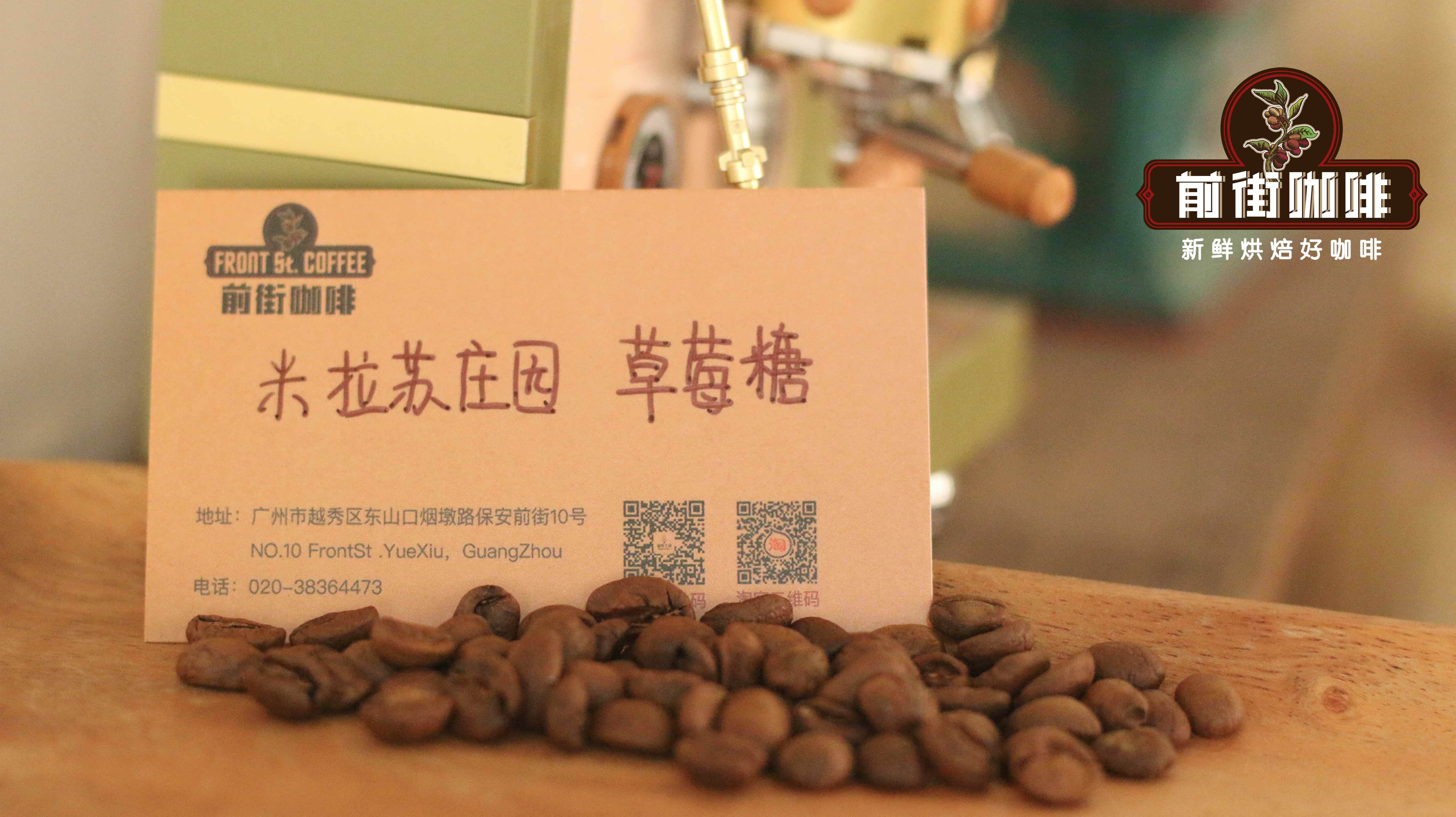
For ice drip, beans with a fresh floral aroma or rich fruity aroma are usually chosen. If you prefer floral notes, you can look at Front Street. Sun-Dried Huakui Coffee, Front Street. Washed Butterfly Coffee, and Front Street. Strawberry Candy Coffee; if you are more into rich fruitiness or a fermented style, Front Street. Mozart Coffee and Front Street Xizhao Coffee are good choices.
How to make ice drip coffee at home?
Many people, after being won over by the taste of ice drip coffee, buy an ice drip pot intending to make it themselves, only to run into all kinds of questions during operation. Below, Front Street demonstrates the ice drip coffee method using store output as the standard, and answers these common questions along the way.
Coffee equipment on the market is dazzling, but the structure of an ice drip pot ultimately comes down to three main parts: the upper pot that holds ice water, with a valve that can adjust the water drip speed; the filter cup that holds the coffee grounds; and the lower pot that catches the brewed liquid. What everyone sees at Front Street stores is the Tiamo HG2713, which has an additional glass ring-shaped flow-guiding tube. As for which one to buy, just decide according to your own needs and budget.
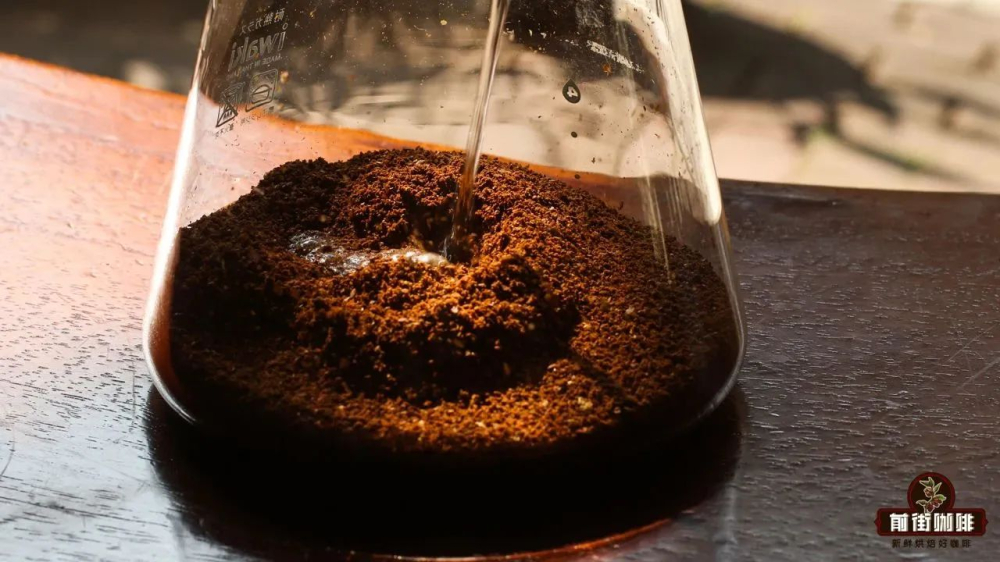
When Front Street makes ice drip coffee, the grind size is controlled at a passing rate of 80-85% through the Chinese No. 20 standard sieve, and the setting on the store's EK43s is 10. The reason is simple: if the grounds are too coarse, the coffee taste will be weak; if too fine, they easily clog the water path and cannot drain, resulting in bitter coffee. So choosing the right grind size is the key to the whole thing.
This time, the juicy Front Street. Kenya Small Tomato Coffee Beans are used for the demonstration. In a low-temperature environment, the extraction rate itself is slow, so the Front Street barista recommends grinding finer than for pour-over; here, a standard sieve passing rate of 85% is used.
The flow rate of ice drip, like pour-over, requires attention, except that it is measured in drops per second. The slower the drip, the longer the total time, and the more likely over-extraction becomes. Front Street generally operates at 7 drops every 10 seconds, though of course everyone can fine-tune according to their own taste preferences.
The coffee-to-water ratio is set at 1:10. Because the ice drip coffee produced by Front Street is diluted with ice cubes before drinking, the concentration needs to be higher. If making it at home, extracting at 1:10 to 1:12 is fine.
When Front Street makes ice drip, 60g of coffee beans are ground. First place a round filter paper in the powder cup, pour in the coffee grounds, then lay another filter paper on the surface, and then wet the grounds with water. This can both shorten the dripping time and avoid uneven extraction.
Fill the upper pot with an ice-water mixture, with a ratio of ice to water of 1:1, ultimately extracting 600g of coffee liquid. After dripping is complete, pour the coffee liquid into a sealed container and refrigerate for 12 hours. Take it out the next day and enjoy it with ice cubes according to your preference.
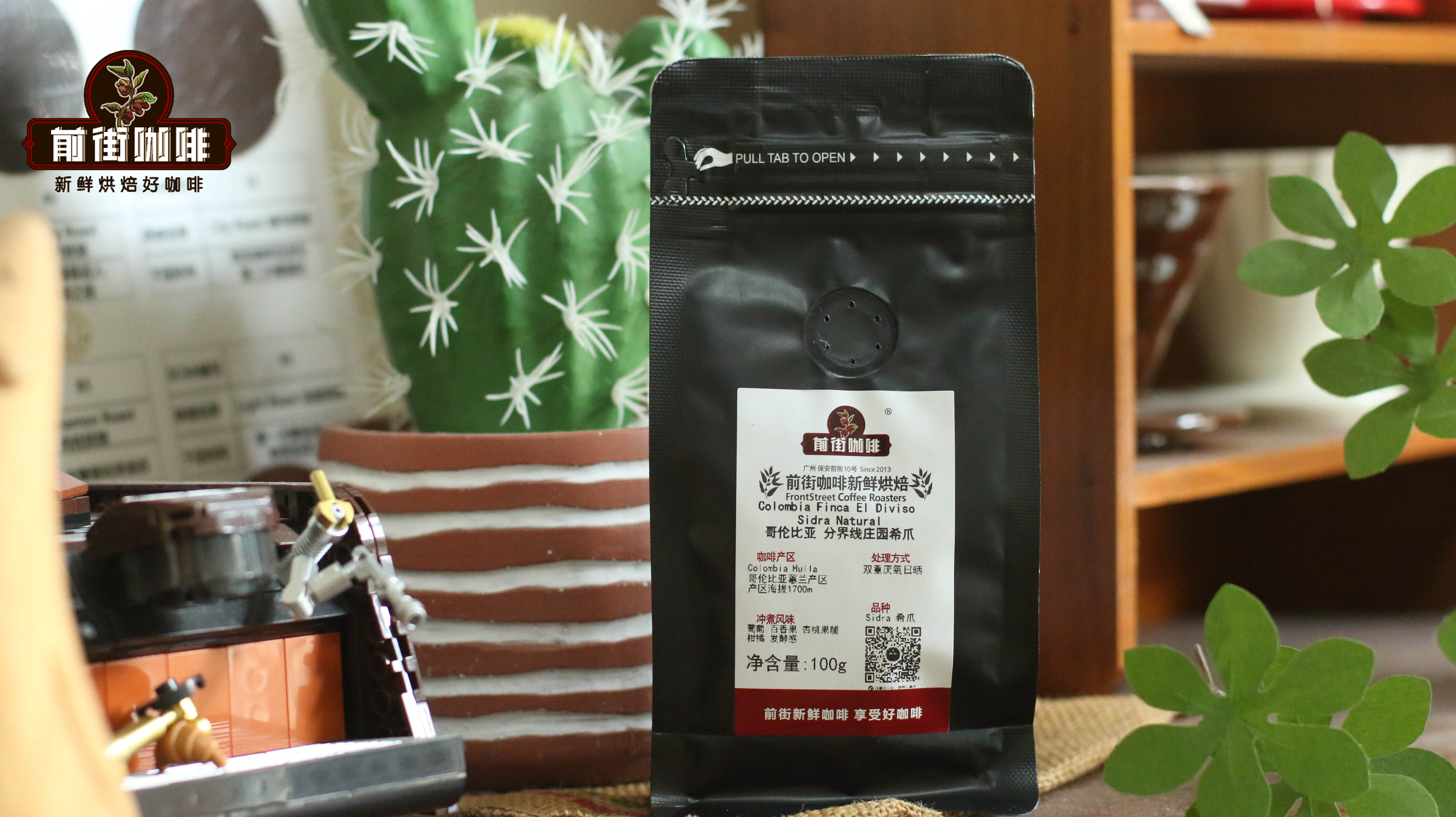
The Front Street. Strawberry Candy cold brew made this way has a faint pink floral aroma, a clear sweetness like preserved fruit and fruit candy, and a slight black tea finish at the end.
The above content is compiled by CoffeeHunters, a coffee news website.


