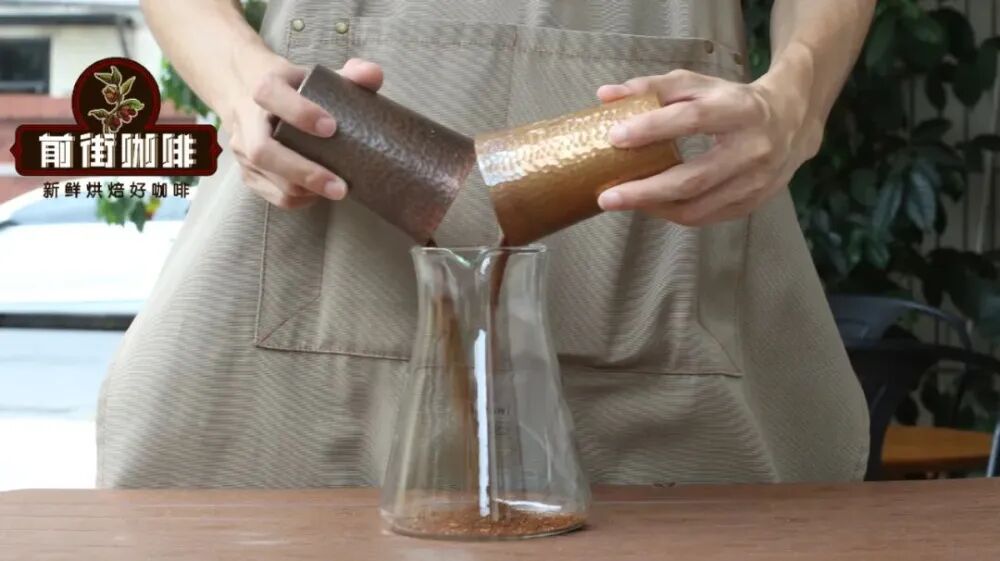
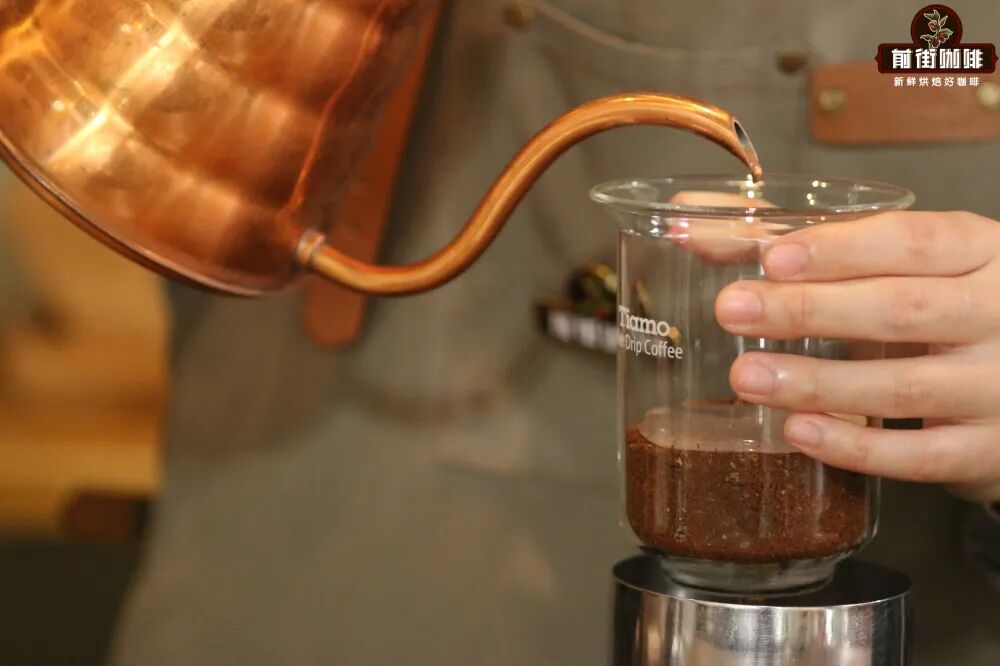
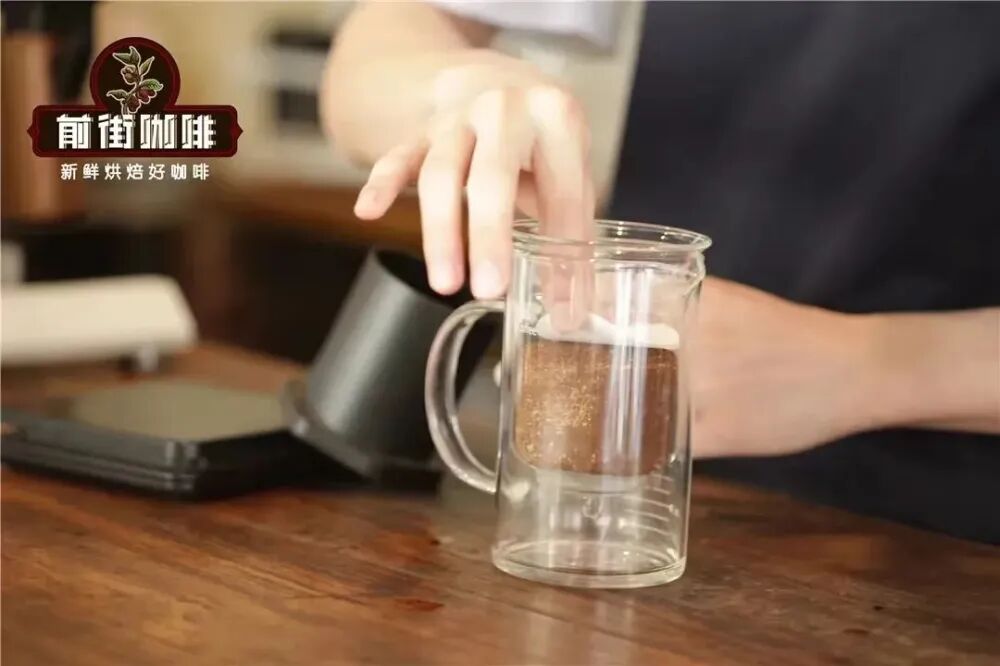
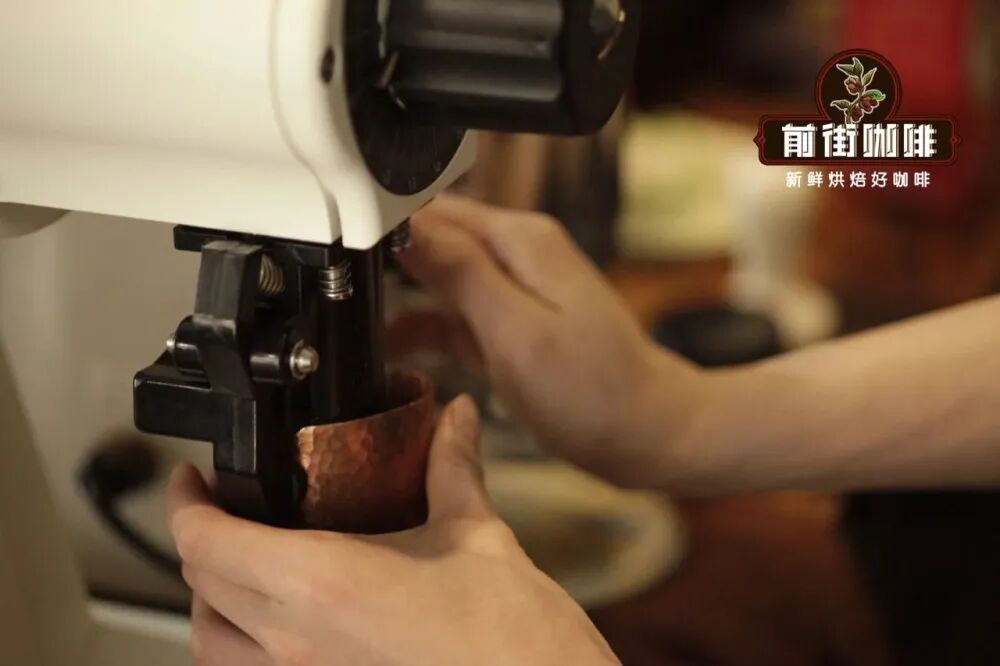
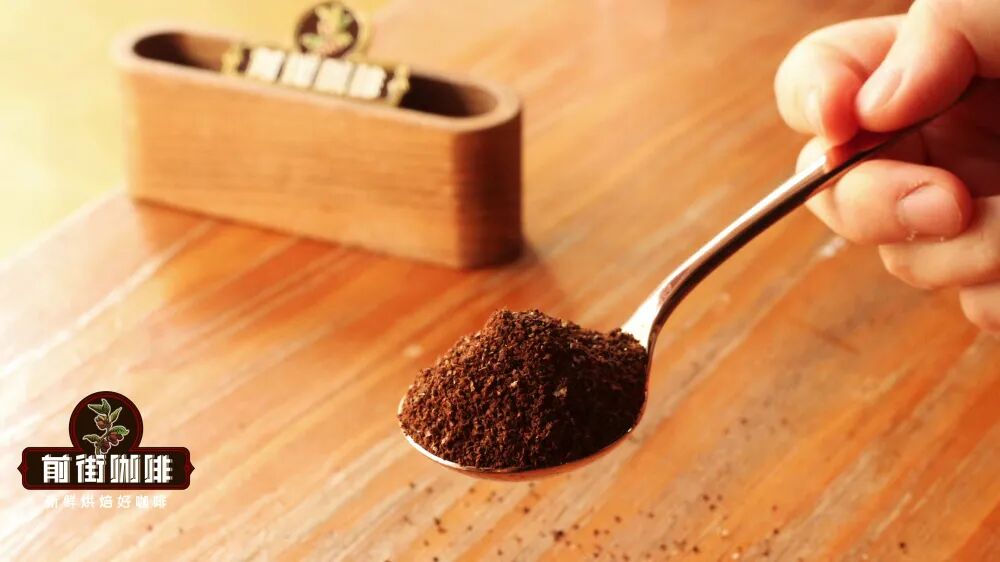
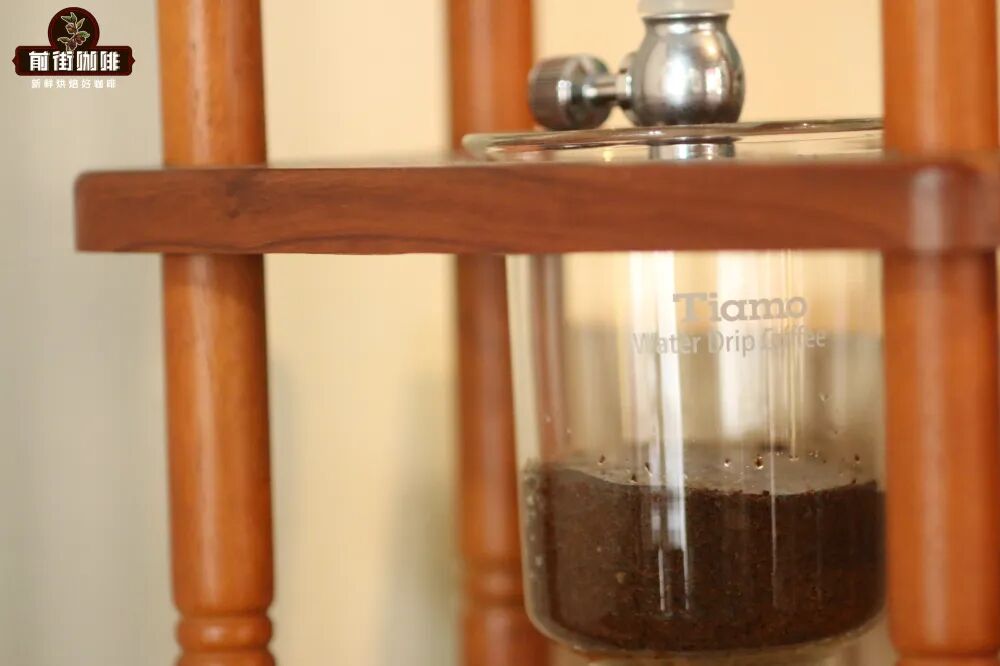
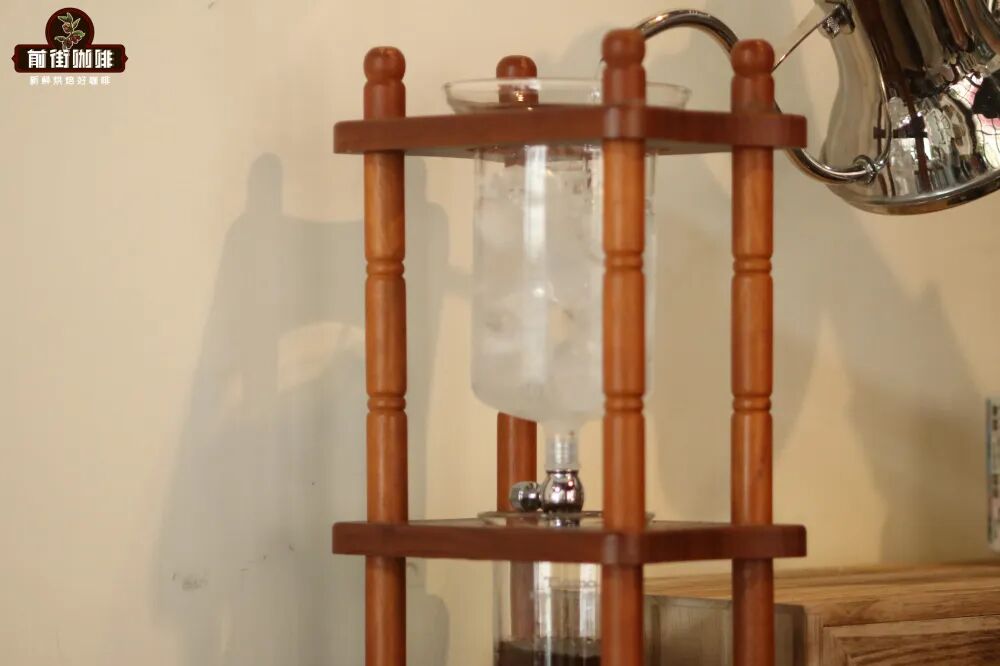
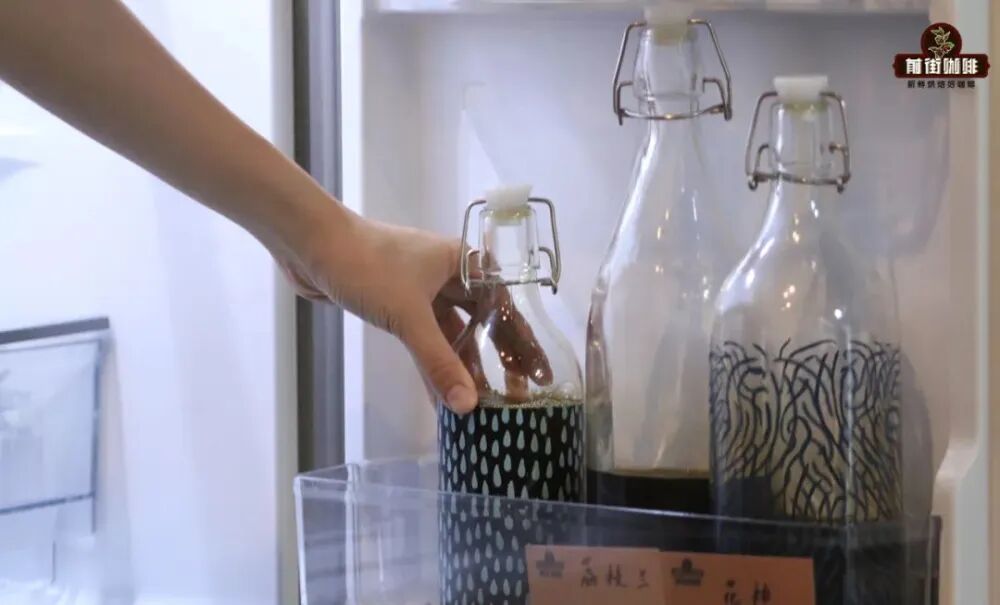
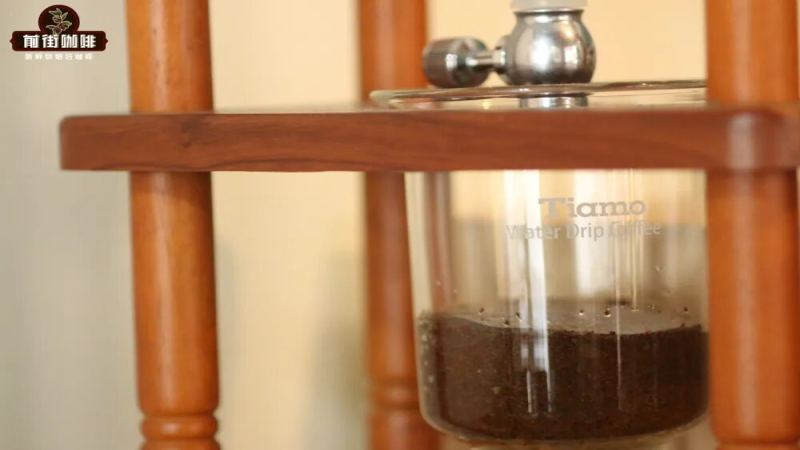
Making a delicious cold brew coffee requires attention to many details, such as the choice of cold brew coffee beans, grind size, coffee-to-water ratio, drip rate, storage and shelf life, and so on. So today Front Street will cover all these operational details in this article. 1. Coffee beans for making cold brewCold brew and ice drip are both low-temperature extraction brewing methods, where the water in contact with the coffee grounds stays between 0-7°C. The advantage of low-temperature extraction is its lower extraction efficiency, which reduces the release of large-molecule bitter compounds, so ice drip coffee is usually not very bitter and has rich sweet-and-sour flavors.Since ice drip cannot use high-temperature water to extract a large amount of aromatic substances from the coffee grounds—especially the large-molecule aromatic compounds that medium-dark roasts rely on, which dissolve poorly in ice water—it is usually made with light to medium roast coffee beans that have prominent floral and fruity notes, notable sweetness and acidity, or fermented aromas.Among these, single-origin coffee beans with unique flavors are recommended first. If you like highly sweet iced coffee, you can use Front Street Xizhua,Front Street Strawberry Candy, and Front Street Elto, beans rich in ripe fruit flavors; but if you prefer acidic coffee, you might start withFront Street Little Tomato, Front Street Guodingding, and Front Street Huakui. Of course, Front Street sometimes also blends two kinds of coffee beans together, hoping to create a more complex-tasting ice drip coffee. For example, today's recipe is 20g Front Street Strawberry Candy + 40gFront Street Red Cherry, and the resulting iced coffee carries candied fruit, sweet orange, and rose aromas, with a fresh lingering note of lemon and berries after drinking. Front Street suggests that coffee beans used for ice drip are best chosen within 45 days of the roast date, because during this period the coffee beans will have rich aromas, and the extracted coffee will show better flavor performance.2. The importance of leveling the coffee groundsWhen making ice drip coffee, we can tamp the grounds appropriately, but many people do not understand why ice drip coffee also needs tamping.The reason ice drip coffee needs tamping is not to compress it firmly, but to allow the coffee grounds to receive more even extraction. The specific method is simple: first gently tap the grounds so that the coffee powder in thefilter cylinderis distributed more evenly, then use a flat-bottom tamper to gently level it. Remember here to press lightly to level it, not to tamp it firmly like when extracting espresso.If you tamp too firmly, since ice drip coffee does not have the pressure of a coffee machine to extract, it can easily cause water to accumulate in the coffee bed and prevent the coffee liquid from filtering through. In addition, the filter paper or filter disc for ice drip is generally at the bottom, and unlike a coffee dripper it does not have venting ridges, so once the coffee grounds are soaked in water, the degassing effect is also affected, and uneven extraction is likely to occur.Before formally dripping with ice water, we can pre-wet it with ice water! The purpose of using ice water to "pre-infuse" is likewise to make the extraction more even. Because pre-wetting allows the coffee grounds to create "links" with one another, the dripping ice water can better pass through capillary action to evenly extract all the coffee grounds.4. Place a round filter paper on top of the coffee bedThe purpose of placing filter paper is likewise for more even extraction! After we wet the coffee grounds, we can place a sheet of filter paper on top of the coffee powder. This increases the contact area between the water droplets and the coffee grounds and ensures even extraction. If no filter paper is placed, then when the water droplets fall and touch the coffee grounds, a small pit will gradually be dripped into the surface of the coffee bed, and the water flow will follow this small pit downward instead of spreading outward. As a result, the coffee grounds in the entire powder container will not be fully wetted, causing insufficient extraction. Placing a layer of filter paper avoids this situation.5. Find the right coffee grind sizeThe grind size for Front Street ice drip coffee is generally 80-85% passing through a Chinese No. 20 standard sieve. We all know that if the coffee grounds are ground too coarse, the coffee taste will be weak, and if ground too fine, the coffee will be strong and bitter. Similarly, if the coffee grounds are too coarse there will be no flavor, while if the coffee grounds are too fine, they can easily clog and fail to drain properly, thereby making the coffee bitter, so choosing the right grind size is very important.This time Front Street uses the refreshing Kenya Little Tomato coffee beans for production. At low temperatures the extraction rate is lower, so Front Street suggests using a slightly finer grind than for pour-over. Here, a Chinese No. 20standard sievewith an 82% passing rate is used. For the store's ek43s grinder, the setting is 9.5, and for the hand grinder C40, 20-22 clicks.6. Control the drip rate and the coffee-to-water ratio This is similar to the flow rate of pour-over, but the flow rate of ice drip is calculated by drops per second. The slower the flow rate, the longer the total time required, and the easier it is to over-extract. Front Street generally uses 7 drops every 10 seconds for extraction, and each person can adjust the flow rate according to their own preference. The coffee-to-water ratio is 1:10. Since Front Street's ice drip coffee is served diluted with ice cubes, a higher concentration is used. If making it at home, you can extract at 1:12-1:14. To make ice drip, Front Street grinds 60g of coffee beans into powder, first places a round filter paper in the powder cup, then pours in the coffee grounds and wets and tamps them, and finally lays another sheet of filter paper before starting extraction. This both saves dripping time and avoids uneven extraction. Fill the upper pot with an ice-water mixture, that is, ice and water at 1:1, to extract a total of 600g of coffee liquid.7. Drink after refrigeration Front Street generally pours the finished ice drip coffee into a glass bottle with a sealing gasket and places it in the refrigerator to rest for 12 hours before drinking. Pouring it into the glass bottle can mix coffee liquids of inconsistent concentration, and choosing a container with good sealing performance ensures it will not be contaminated by the outside. The surface of a refrigerator may look clean, but in fact it has many microorganisms invisible to the naked eye. Placing it in the refrigerator for 12 hours of low-temperature fermentation will give the ice drip coffee an aromatic fermented scent, while the original flavors also become richer. Fermentation is very common in daily life, and uncontrolled fermentation will cause food to spoil and deteriorate. A low-temperature environment can effectively slow this process, and Front Street has also verified that ice drip coffee made from most coffee beans tastes most delicious after being chilled for 12 hours. The above content is compiled by CoffeeHunters, a coffee news website.