







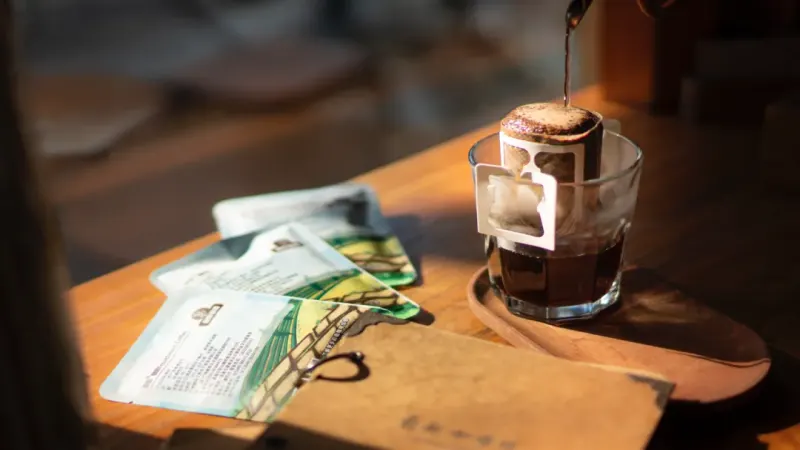
What grind size should drip bag coffee use at each roast level?
Grind size sets the flow rate and the final flavor of drip bag coffee, and each roast level needs its own setting. Light to medium roasts, with floral, fruity, honey, and tea notes, grind like fine granulated sugar, passing about 80 percent through a No. 20 sieve, which is setting 10 on an EK43s and 20 on a manual C40.
Medium and medium-dark roasts, described with nuts, caramel, dark chocolate, cocoa, or winey notes, need a medium coarseness: about 75 percent pass-through, setting 10.5 on the EK43s and 24 on the C40. Espresso blends or visibly oily beans sit darker still. Making drip bags at home needs only a grinder, filter bags, a scale, and a sealer, and learning how to use drip coffee machine routines well starts with matching grind to roast.
The grind size of drip bag coffee directly affects the extraction flow rate and the final flavor, and different roast levels require matching grind settings. This article will cover three categories—light-to-medium roast, medium-dark roast, and espresso blend—and provide specific grind settings and sieve pass-through rates for the EK43s and C40 grinders, along with recommended corresponding products such as Front Street Yirgacheffe, Sun-Dried Huakui, Mandheling, Brazil Cerrado, and Classic Espresso Blend. It also provides a complete walkthrough of the homemade drip bag process, from bean selection and grinding, to filling and sealing, to storage and peak-flavor management, helping coffee enthusiasts make consistently flavorful drip bags at home.
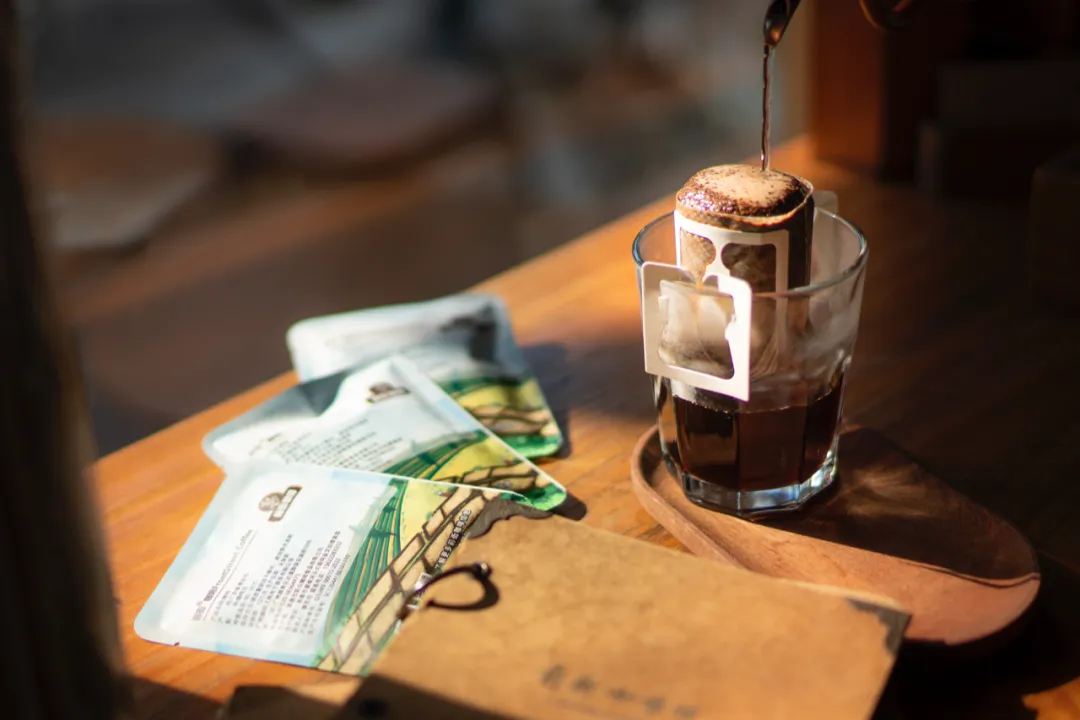
Making drip bags yourself doesn't require complicated equipment. Just prepare a grinder, drip filter bags, a digital scale, and a sealer, plus a small spoon for scooping grounds, and you're good to go.
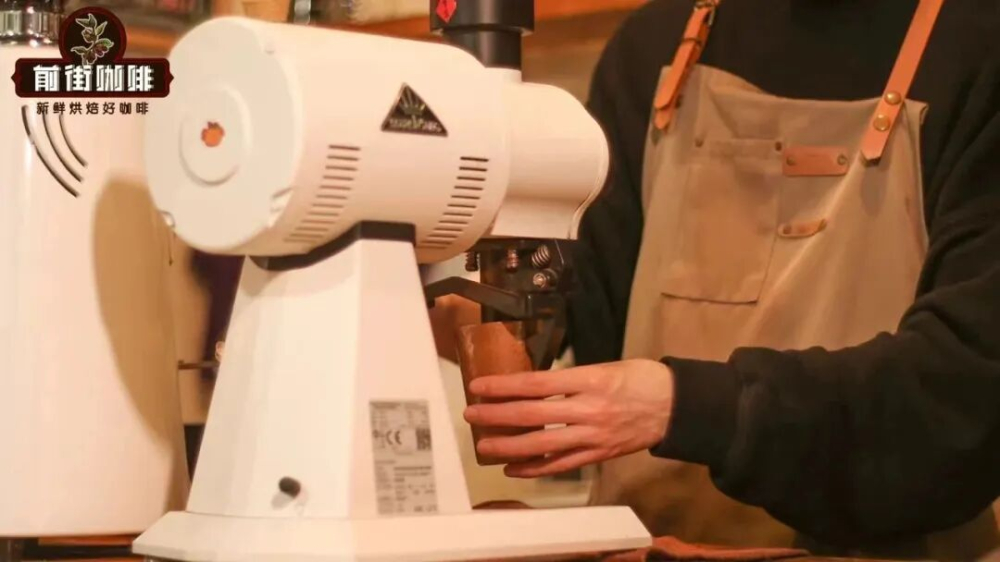
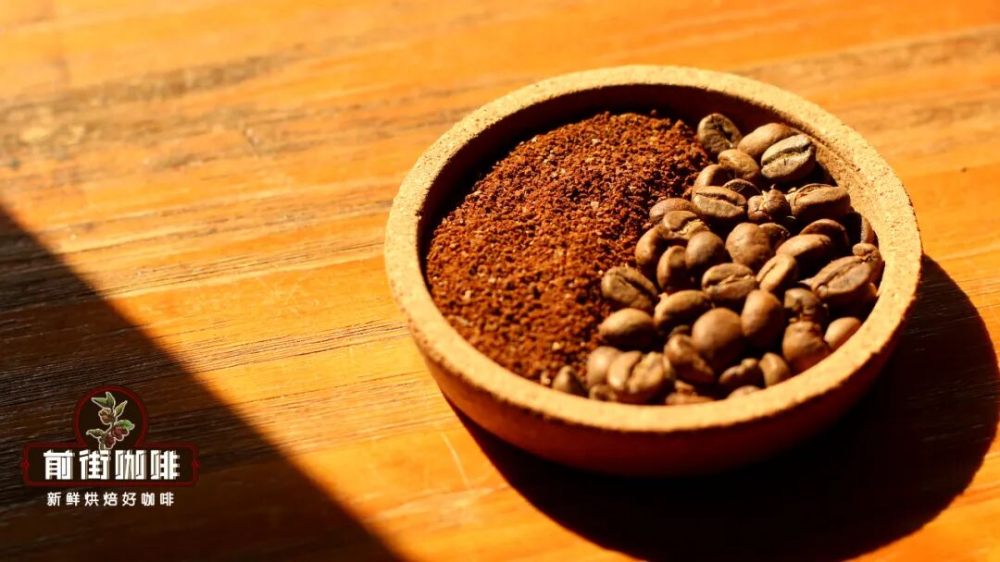
The first step is to pick a coffee bean that suits your taste, adjust the grinder to the grind setting for pour-over, and grind the beans into powder. The coarseness of the grind directly affects the water flow rate during brewing, which in turn influences the strength and flavor profile of the final product, so this step must be taken seriously.
Generally, if the coffee beans you've chosen are light to medium roast—such as Front Street Yirgacheffe Drip Bag or Front Street Sun-Dried Huakui Drip Bag—with flavor notes typically described as floral, fruity, honey, and tea-like, you should grind to a consistency like fine granulated sugar. Tested with the Chinese No. 20 standard sieve, the pass-through rate is about 80%, which translates to setting 10 on the electric EK43s grinder and 20 on the manual C40 grinder.
If the coffee beans you've bought are medium or medium-dark roast, with flavor descriptions often including nuts, caramel, dark chocolate, cocoa, or winey notes, you can choose Front Street Mandheling Drip Bag or Front Street Brazil Cerrado Drip Bag. In this case, a medium coarseness is needed. Again using the Chinese No. 20 standard sieve, the pass-through rate is about 75%, corresponding to setting 10.5 on the EK43s and 24 on the manual C40.
If you're using espresso blend beans, or you open the package and notice the bean surface is visibly oily—meaning it's a darker roast with intense flavor, such as Front Street Classic Espresso Blend—you must use a coarser grind, otherwise over-extraction is likely. Tested with the Chinese No. 20 standard sieve, the pass-through rate is about 70%, corresponding to setting 11 on the EK43s and 28 on the manual C40.
Here we've picked a very popular coffee bean: Front Street Sun-Dried Red Cherry. The meticulous sun-dried processing gives the Yirgacheffe Red Cherry a full-bodied berry sweetness and acidity. Tasting it at different temperatures, you can sense a gentle berry acidity, the fermented aroma of ripe fruit, a clear honey sweetness, and a black tea-like finish, with a smooth mouthfeel. The coarseness used in Front Street's daily brewing is fine granulated sugar particles, corresponding to setting 10 on the EK.
Step two: place the ground coffee powder on the digital scale you prepared in advance, take out a drip bag and open the bag mouth into a square shape, and carefully scoop the powder into the bag with a spoon at 10 grams per bag.
Step three: power on the sealing machine, clamp the heater at the sealing line position, and confirm the opening is completely sealed. Your homemade drip bag is now ready. The sealing temperature should not be too high, otherwise the non-woven fabric can easily be burned through.
To prevent moisture, Front Street recommends placing the finished drip bags into airtight sealed bags that block air, and storing them in a cool, dark place to prevent the loss of aromatic compounds.
Generally speaking, the optimal flavor period for coffee drip bags refers to the time from two days after roasting is completed until the flavor noticeably declines. The optimal flavor period for light-roast drip bags is about 2 to 3 weeks; for medium-roast drip bags, around 2 weeks; and for dark-roast drip bags, it should be kept within 2 weeks. Therefore, if you want to enjoy coffee at its best, Front Street recommends drinking it within two weeks.
The above content is compiled by CoffeeHunters, a coffee news website.


