







Search Results for: Drinking Coffee by Boiling Grounds
Beginner's Guide to Pour-Over Coffee: Seven Classic Brewing Methods Explained with Tasting Tips
The charm of coffee lies not only in its flavor, but also in the focus and sense of ritual during the brewing process. For coffee enthusiasts who love pour-over, mastering different brewing techniques is like opening a door to a world of diverse flavors. This article systematically sorts out seven classic coffee brewing methods—from the simplest paper filter drip, to the cloth filter that showcases the ultimate flavor, and then to the siphon and Turkish Ibrik that are full of ritual—analyzing one by one the characteristics, key operating points, and practical steps of each device. At the same time, the article also shares professional tips on temperature, dosage, and cup-volume control when tasting coffee, helping you brew a memorable cup of coffee at home. Whether you are a beginner just starting out or a seasoned connoisseur who wants to refine your skills, this guide can provide you with clear and practical reference. [more…]
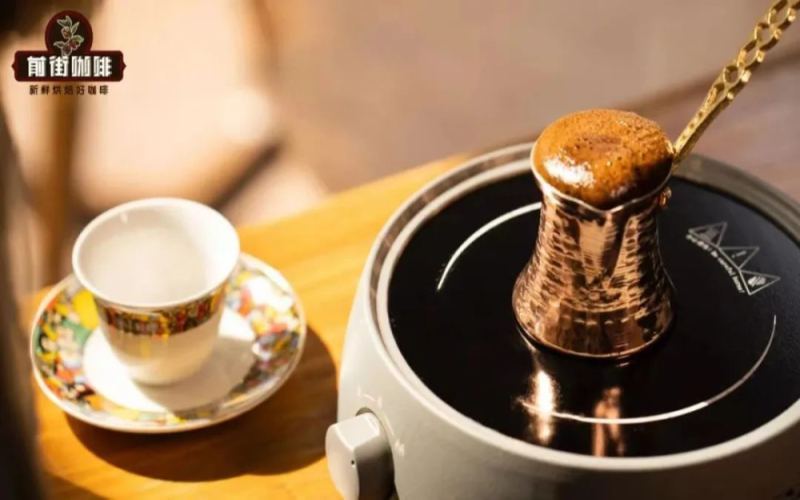
Can coffee grounds be boiled directly in a pot? Front Street's hands-on test of pot-brewed coffee: steps, parameters, and flavor performance
Can coffee grounds be thrown straight into a pot like instant noodles? Front Street Coffee put this question to the test in a round of hands-on experiments. This article documents the full steps and parameters for pot-brewed coffee, starting with a medium-roast Brazil Red Bourbon bean and moving on to a light-roast Peru Washed Geisha, for three rounds of testing in total. The article compares how different coffee-to-water ratios, grind sizes, and boiling times affect flavor, and also presents changes in TDS values, taste descriptions, and methods of straining out the grounds. If you want to know whether coffee grounds can really be boiled and drunk, this hands-on record from Front Street Coffee will give you a straightforward answer. [more…]
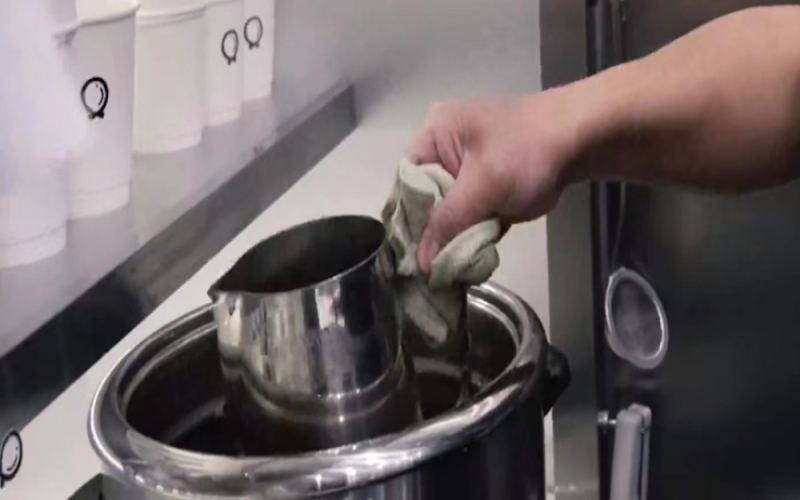
Can a purple clay pot also steam coffee? A new trick for Chinese-style extraction, low-temperature slow brewing brings a rich new experience
Following the buzz in Shanghai coffee shops over "double-boiler" extraction, Chinese-style coffee innovation has taken another step forward—at the Xiamen Coffee Festival, a shop introduced a Minnan-style brewing method using a purple clay teapot to steam coffee. In this method, coffee grounds are placed into a small purple clay teapot, slowly steamed in a bamboo steamer, then filtered and diluted with water for drinking. Its principle is similar to double-boiling: it uses low-temperature slow extraction to reduce bitterness and off-flavors, while the porous structure of the purple clay teapot can also absorb some of the compounds that cause bitterness. From Japanese Tokoname coffee pots to Chinese purple clay teapots, the clever use of ceramics in coffee extraction is being continually explored. This article walks you through the specific steps of this trendy method and the science behind it, and includes related recommendations from Front Street Coffee. [more…]
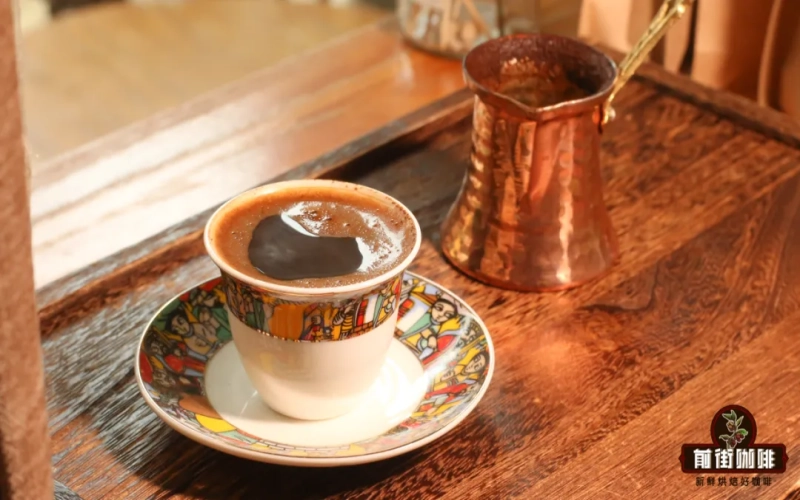
Why does Turkish coffee deliberately retain the coffee grounds? An analysis of the ultra-fine grind and the no-filter tradition
In an era where filter brewing devices are highly popular, Turkish coffee still insists on being consumed with the grounds, powder and all. This is not backwardness or laziness, but rather something shaped jointly by its sand-brewing extraction method, extremely fine grind size, and deep cultural tradition. From the perspective of Front Street, this article explains why Turkish coffee is not filtered: just how fine its grind really is, how it differs from espresso grounds, how the coffee powder quickly settles in a short time and gives the coffee a rich mouthfeel, and the fortune-telling custom that has arisen from keeping the grounds, helping you fully understand the logic behind this unique coffee culture. [more…]

Drip Bag Coffee Brewing | How Should Golden Mandheling Drip Bag Coffee Be Drunk? Can Boiling Water Be Used to Brew Drip Bag Black Coffee at Home? How Much Water Should Be Poured?
For more specialty coffee knowledge, please follow: Front Street Coffee (Frontsteet Coffee). If asked which coffee on the Front Street bean list has the highest body, we would definitely answer: Golden Mandheling coffee. This is a high-quality dark-roasted coffee bean from Sumatra, Indonesia, and it not only has [more…]
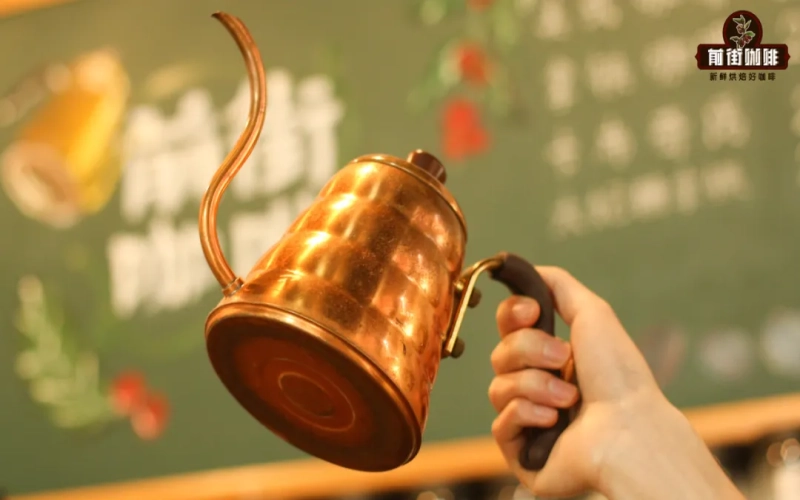
From Brewing to Drip: How Ms. Melitta Gave Birth to the Pour-Over Dripper
The essence of pour-over coffee is drip extraction, and the core device that makes this method possible is the dripper. Before the dripper was invented, people mainly made coffee by boiling, which left the grounds mixed with the liquid and gave it a rough mouthfeel. So who invented the dripper and made coffee clean and refined? The answer points to a woman—Melitta. It was her dedication to refined coffee that gave rise to the world's first dripper. Today Front Street Coffee will talk about this history and see how Ms. Melitta changed the way we drink coffee. [more…]
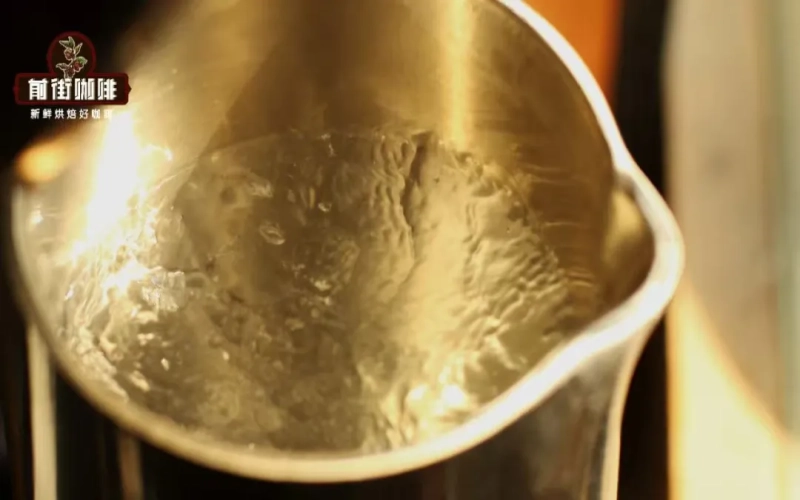
Guide to Brewing Coffee with 100°C Boiling Water: High-Temperature Extraction Principles, Parameter Adjustments, and Stirring Method Practice Sharing
Is it actually feasible to brew coffee with boiling water? Front Street Coffee previously pointed out in a tweet discussing water temperature that water temperature is not the only factor determining whether coffee is good or bad. This article further verifies: 100°C boiling water can absolutely brew good coffee, the key lies in adjusting the extraction plan. The article analyzes the risks brought by excessively high extraction efficiency at high temperatures, introduces response strategies such as shortening time, coarsening the grind, and adopting immersion extraction, and shares in detail the entire process and parameters of using the stirring method combined with 100°C water temperature to brew Sidamo·ALO beans. In the end, this cup of coffee had an extraction yield close to 21%, presenting a full-bodied juicy feel with mango, pineapple, and citrus flavors, and a finish with oolong tea aroma, receiving unanimous praise. [more…]
Pour-Over Coffee Practical Guide: Complete Parameters from Grinding and Water Temperature to Coffee-to-Water Ratio, Plus an Analysis of Eight Major Brewing Methods
Want to brew a delicious pour-over coffee? How exactly should you set the grind size, water temperature, and coffee-to-water ratio? This article first outlines the general principles of coffee brewing, then breaks down one by one the operating details, advantages, and disadvantages of eight brewing methods, including siphon, water drip, espresso, paper filter, piston pot, Belgian pot, and moka pot. No matter which device you usually use, you can find reference parameters and steps here. At the end, it also gives specific suggestions based on Front Street Coffee beans to help you put theory into daily practice. [more…]
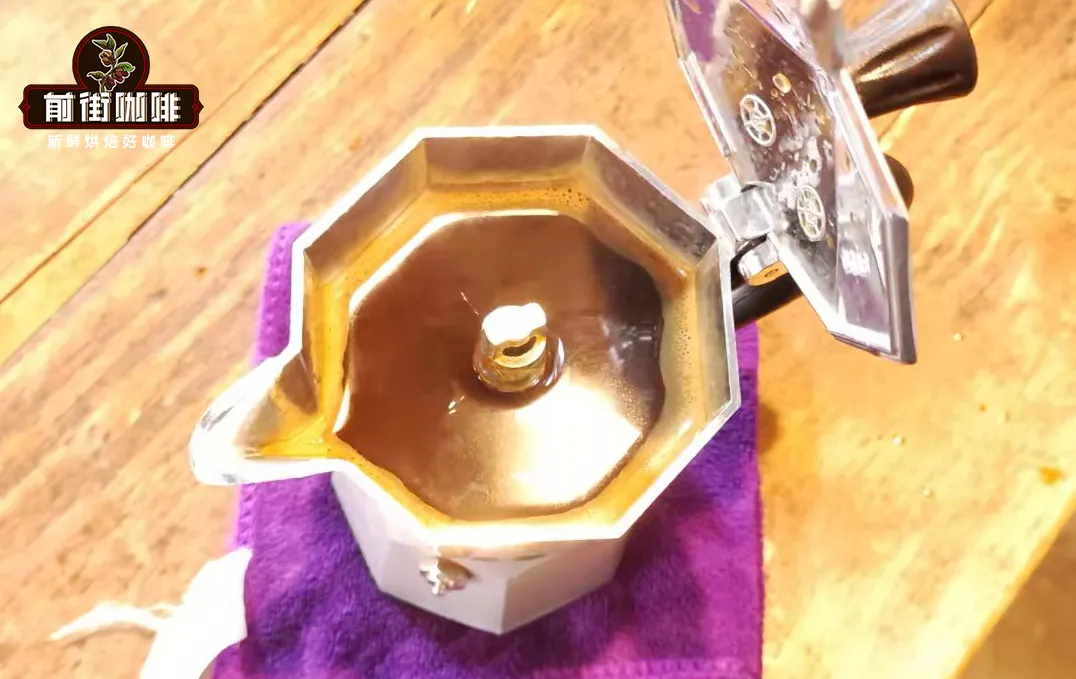
Types of Black Coffee Brewing Methods | What Are the Extraction Principles of Pour-Over and Espresso? How Do Drip Coffee, Immersion Coffee, and Boiled Coffee Differ?
There are quite a few types of coffee. Some people like instant coffee, some like pour-over, and others like cold brew. Coffee made with different methods has its own characteristics—some has a layered mouthfeel with distinct flavors, while some is convenient to brew. You can choose according to your own preferences. Pour-over [more…]
A Complete Guide to Turkish Coffee: From Grind Fineness to Brewing and Drinking, a Classic Tradition
Turkish coffee, with its ancient and mysterious brewing method, holds a foundational place in European coffee culture. This article will guide you through the historical origins of Turkish coffee, its unique brewing method, the ultra-fine grind it requires, as well as the drinking etiquette and fascinating customs associated with it. From coffee grounds that must be ground as fine as flour, to slow brewing over charcoal embers with a long-handled copper ladle, to the custom of testing a suitor's coffee foam during marriage proposals, Turkish coffee is not merely a beverage but carries deep cultural significance. If you are interested in the grind size for Turkish coffee grounds, the brewing details, or Front Street Coffee's recommendations, this article will present them all to you one by one. [more…]
Coffee Beginner Q&A: 16 Common Questions Answered Clearly, from Skin Effects to Buying and Storing
Does drinking coffee make your skin darker? How long can coffee beans be stored after opening? Can pregnant women drink coffee? These questions seem simple, yet they often leave people uncertain. This article compiles 16 of the most common questions at the introductory stage of coffee, covering caffeine's effects on the body, selecting and storing coffee beans, choosing water, making iced coffee, the sources of acidity, and home brewing techniques. Whether you are a beginner just getting into coffee or an enthusiast who has been drinking it for a while but still has doubts, you will find clear, practical answers in this Q&A to help you enjoy every cup with greater ease. [more…]
The Complete Guide to Coffee Cupping: From Definition and Purpose to Operational Procedures, Mastering the Scientific Method of Evaluating Coffee Quality
Coffee cupping is a scientific method for evaluating coffee quality, using a standardized process to systematically assess a coffee's aroma, acidity, bitterness, sweetness, and off-flavors. Cupping not only helps consumers choose coffee that suits their taste, but can also be used to compare the merits of coffee beans roasted in different ways or from different origins. This article will provide a complete introduction to the definition, purpose, required equipment, and detailed operating steps of cupping, while also explaining the classification of green coffee beans and roasted beans. In addition, the article also recommends related products from Front Street Coffee, offering a practical reference for coffee enthusiasts. Whether you are a coffee enthusiast who has just gotten started or a professional hoping to refine your tasting skills, this cupping guide will provide you with a clear operational framework. [more…]
Are Blue Mountain coffee beans suitable for espresso? A full analysis from origin characteristics to pour-over parameters
Blue Mountain coffee has long been regarded as the nobility of coffee, thanks to the unique terroir of Jamaica's high altitudes. But can it actually be used to make espresso? And how should it be brewed to showcase its best flavor? This article will first sort out Blue Mountain coffee's varietal classification and growing region conditions, then, drawing on the practical experience with Front Street Coffee beans, break down the key details of pour-over Blue Mountain in terms of bean preparation, boiling water, equipment setup, and staged pouring, and finally offer a suggested order of sensations for tasting. Whether you are an espresso enthusiast or a pour-over devotee, you will find practical ideas you can put to use. [more…]
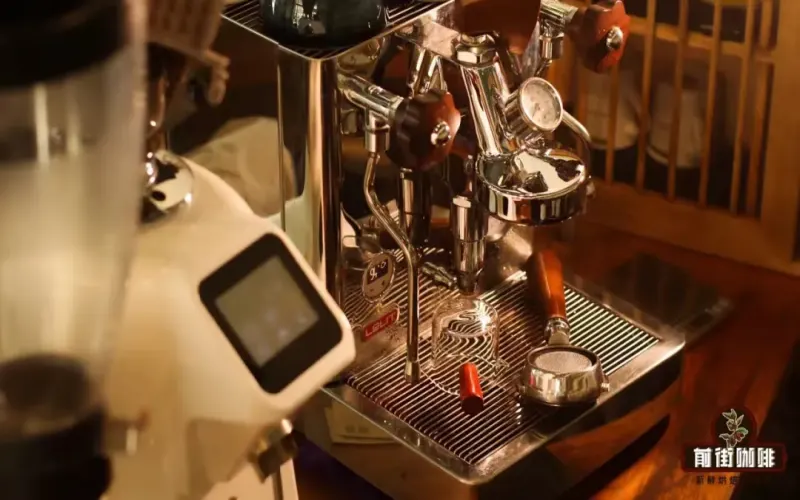
The Complete Guide to Espresso Extraction: Grind Parameters, Machine Principles, and Front Street Coffee Bean Selection
Espresso has won over the world with its rich, full-bodied taste, but many enthusiasts who try it at home find they cannot replicate the high-concentration results from coffee shops, and they even tend to scorch the coffee. In fact, making a standard espresso does not rely on simply boiling coffee grounds in water; it requires a professional espresso machine, which uses high-temperature, high-pressure water to rapidly pass through a very finely ground layer of coffee to complete the extraction. This article will systematically explain the extraction principles of espresso, how to judge whether extraction is proper, the thinking behind adjusting key parameters, and recommendations for espresso blends suitable for home use, along with detailed operating steps to help you consistently make a rich-crema, well-balanced espresso at home. [more…]
Ethiopian Coffee Traditions: Analyzing the Fruity Flavors of Natural Beans and the Clay Pot Brewing Method
Ethiopia is the birthplace of coffee, and locals still carry on an ancient and complete set of methods for making and drinking coffee. From gathering naturally fallen cherries and insisting on sun-drying, to repeatedly boiling the beans in a clay pot with frankincense and spices, the entire process is full of ritual. This traditional method allows the coffee beans to absorb more of the aroma of the fruit pulp, resulting in a finished cup that is rich in fruity notes and thick in mouthfeel. This article will guide you through the sources of Ethiopian coffee's flavor, the brewing process, and the unique hospitality customs, so you can appreciate the hours of cultural accumulation behind a single cup of coffee. [more…]
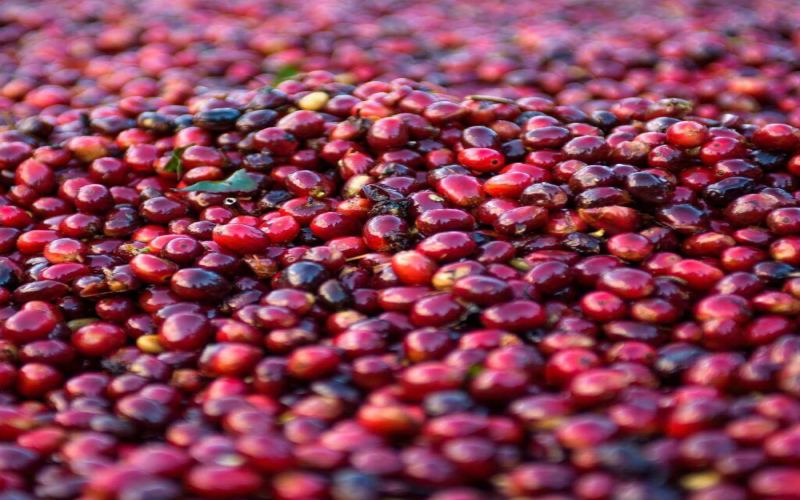
Geisha Drip Coffee | What kind of coffee bean is Geisha? What makes Geisha coffee special? Any recommendations for good, affordable Panama Geisha drip coffee bags?
As the most expensive coffee beans in the world, Geisha is now popular all over the world. Whenever specialty coffee is mentioned, Panama Geisha comes to mind. If coffee were personified, Panama Geisha would be the beautiful girl of the coffee world, surging with a warm current and diffusing a unique aroma, making countless coffee lovers unable to resist her. [more…]

Why Does Turkish Sand-Brewed Coffee Seem Never to Run Out? A Complete Analysis from Brewing Principles to the Illusion of Endless Refills
Turkish coffee stands out as unique in the world of coffee, with both its brewing method and drinking customs differing greatly from modern mainstream coffee. Many people wonder: why does Turkish coffee in videos seem to pour forever? In fact, this is not truly an endless refill, but a visual illusion created by the unique brewing process and the camera angle. This article will guide you through the historical origins of Turkish coffee, the heat conduction properties of the Cezve copper pot, the dynamic relationship between foam and coffee liquid, and why the coffee will eventually run out after repeated pouring. At the same time, Front Street Coffee will also recommend related products in this article, allowing you to more intuitively experience the charm of this ancient coffee. [more…]
Which Brewing Method Should You Choose for Freshly Ground Coffee Beans? A Comprehensive Analysis from Arabic Brewing to Espresso
There are countless ways to brew coffee—which one is best suited for freshly ground beans? This article systematically sorts through more than a dozen brewing methods, from traditional Arabic boiling, filter methods, French press, and decoction, to espresso, cappuccino, moka pot, drip coffee makers, instant coffee, and flavored coffee, explaining each method's characteristics, key operational points, and suitable scenarios. Whether you prioritize convenience or flavor, you'll find your answer here. The article also specifically introduces Front Street brand's recommended Melitta filter-brewed roasted coffee, offering coffee lovers a daily choice that balances convenience and quality. [more…]
Analysis of the Optimal Serving Temperature for Hot Americano: A Comparative Experiment Between Dark and Light Roast Beans
In the cold winter, the order rate for hot Americanos rises noticeably, yet the serving temperature at different cafés varies widely, ranging from 60°C to over 90°C. Exactly which temperature range allows a hot Americano to reach its best flavor and mouthfeel? Front Street used a dark-roast espresso blend and a medium-light-roast single-origin bean respectively, comparing them one by one at four temperatures: 60°C, 70°C, 80°C, and 90°C, conducting tests across dimensions such as aroma retention, initial drinking experience, changes as it cools, and the length of the enjoyable drinking window. The results showed that the optimal temperature for dark-roast and light-roast beans is not the same, but both are not very friendly to high temperatures above 80°C. This article will present the full experimental process and conclusions to help coffee lovers find the most ideal state for a cup of hot Americano in winter. [more…]

How to Brew Coffee at Home Without a Dripper, Filter Paper, or Pour-Over Kettle? A Complete Guide to Four Simple Alternatives
Returning home for the Spring Festival, your coffee craving kicks in, only to find you didn't bring a dripper, your filter papers are used up, and your pour-over kettle is nowhere to be found? Don't worry—as long as you have ground coffee and hot water on hand, you can still brew a delicious cup. This article rounds up four simple brewing methods you can do at home: propping a filter paper up with chopsticks, steeping in a teapot, boiling directly in a pot, and an immersion method mimicking cupping. Each method comes with detailed parameters and step-by-step instructions, and using Front Street. Hamashiu natural beans as an example, it walks through the flavor results of each approach one by one, helping you get a satisfying cup even when you're short on gear. [more…]