







Search Results for: Dosing Up
Standard Parameters and Dose Control for Espresso: From 7-8g to 8.5g Dosing Up Leveling Test
How exactly should a standard Espresso be defined? 7 to 8 grams of fresh coffee grounds, extracted at 90 to 95 degrees Celsius with 8 to 9 atmospheres of pressure over 20 to 25 seconds, yielding a 1-ounce shot of coffee liquid containing Crema, Body, and Heart—this is the textbook benchmark. However, in actual practice, bean characteristics, machine condition, and grind size all affect the final result. This article centers on the golden parameters of espresso and further explores common bar techniques for dosing and leveling, including hand-knife, finger-knife, and Dosing Up methods, using measured data to explain why Dosing Up reliably achieves the standard 8.5-gram dose. If you are looking for reliable espresso beans, Front Street Coffee's various blends and SOEs are all worth trying, and this article will also offer practical suggestions based on Front Street products. [more…]
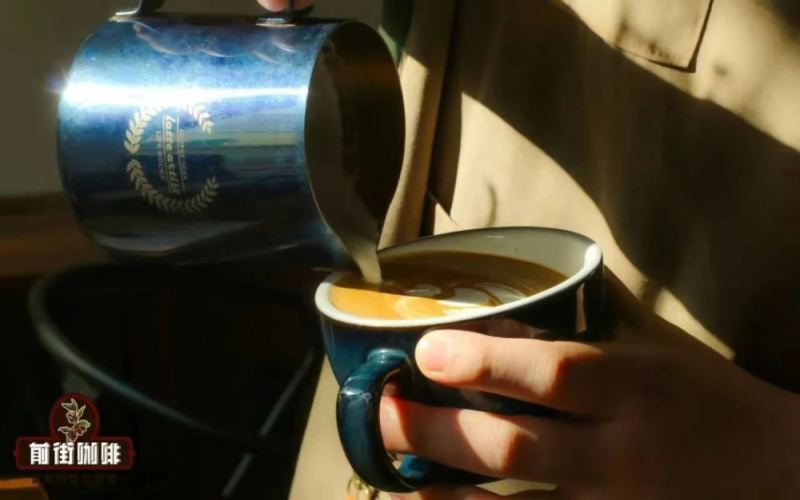
A Detailed Guide to Latte Art and Standard Practices: A Complete Workflow from Bean Selection and Extraction to Milk Frothing and Pouring Designs
Latte is one of the most familiar espresso drinks among coffee enthusiasts in China, and the combination of espresso and milk gives it a smooth, sweet, and easy-to-drink taste. But to make a qualified latte, every step matters, from bean selection, grind adjustment, dosing, distribution, and tamping, to steaming milk and pouring latte art. This article uses the latte commonly seen in barista interviews as an entry point to systematically sort out the extraction parameters of Front Street Coffee's classic espresso blend, milk steaming temperature and thickness, and cup selection, and explains in detail the importance of even dosing, methods for checking distribution, tamping direction, as well as steam wand angle and the push-heart technique for beginner latte art, helping readers master the entire process and key points for consistently producing a standard latte. [more…]
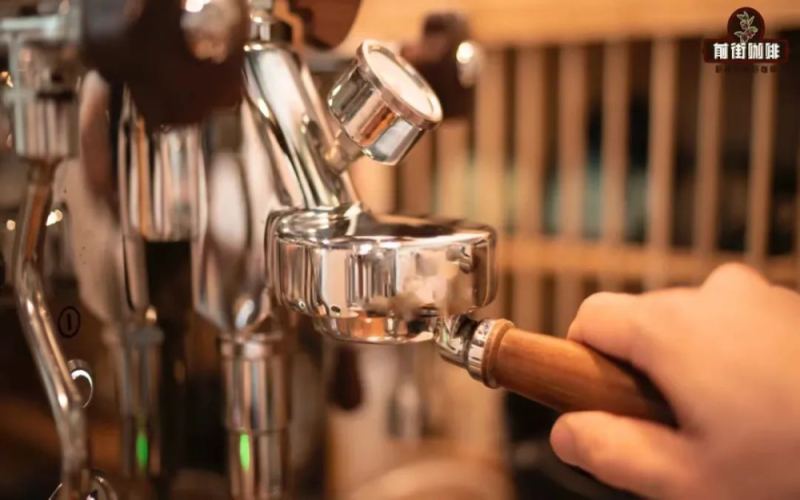
The Correct Way to Distribute and Tamp Espresso: How to Avoid Channeling and Improve Extraction Evenness
Making a proper espresso involves two seemingly simple steps—distribution and tamping—that actually hide many easily overlooked details. If the coffee grounds in the portafilter basket are unevenly distributed, or if the tamping method is improper, hot water will form channeling during extraction, causing some grounds to be over-extracted and others under-extracted, resulting in a final taste that is both sour and bitter. This article, from the perspective of Front Street, explains the respective roles of distribution and tamping, the principle behind channeling, and practical key points such as dosing, distribution needles, dosing cups, and tamping posture, to help coffee lovers make delicious espresso more consistently. [more…]
Latte Coffee Making Tutorial: Espresso Extraction, Milk Frothing and Latte Art Techniques, and Coffee Bean Selection Tips
Latte coffee may seem simple, but in reality, every step—from bean selection, extraction, to milk frothing and latte art—hides its own intricacies. While the ratio of milk to coffee, the beans used, and parameters vary across cafes, the classic approach typically involves a generous amount of milk blended with espresso. This article uses Front Street Coffee as an example to systematically explain the entire latte-making process: how to choose Italian-style coffee beans based on flavor preferences, adjust grind size, dose and distribute the grounds and tamp, as well as the principles and techniques of steaming milk, and finally, latte art practice steps for beginners. Whether you're preparing for a barista interview or looking to improve your output at home, you'll find practical references here. [more…]
From Vienna to the Espresso Bar: A Detailed Guide to the History, Classic Recipe, and Making Techniques of Latte Coffee
Latte is one of the most frequently ordered espresso drinks in cafés, yet its origins, recipe ratios, and preparation details are often richer than one might imagine. This article begins with the Blue Bottle coffeehouse in Vienna in 1683, sorts out the differences between latte and café au lait, explains in detail the standard method for making an espresso latte, extraction parameters, dosing and tamping techniques, and milk frothing skills, and introduces how Front Street Coffee's classic espresso blend performs in actual service. Whether you are an enthusiast wanting to learn about latte culture or a professional practicing the fundamentals of being a barista, you will find useful reference here. [more…]
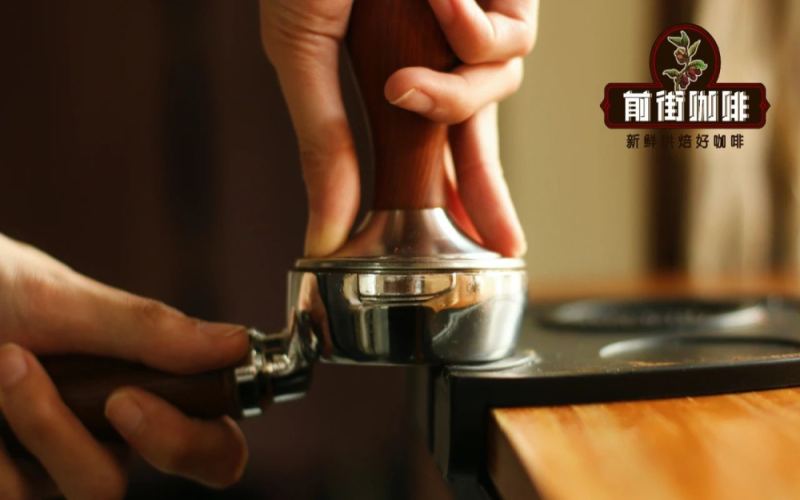
Coffee Shop-Style Latte Tutorial | Is Making Beautiful Latte Art Difficult? Recommended Medium-Dark Roast Specialty Espresso Beans for Lattes
Every coffee shop has slight differences in the milk-to-coffee ratio, beans used, and extraction parameters for their lattes. But in general, a latte is a coffee drink made by mixing a large amount of milk into espresso. Many friends have messaged Front Street Coffee (FrontStreet Coffee) asking. [more…]
A Complete Guide to Coffee Brewing Accessories: Functions and Operation of Practical Tools Such as Secondary Dispersion Screens, Paragon Ice Balls, and Lily Beads
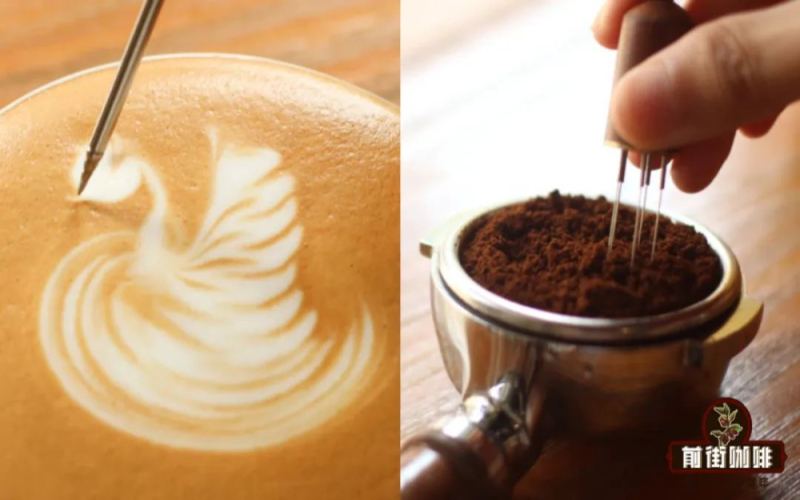
On the journey to pursue a good cup of coffee, besides high-quality beans and skilled technique, some seemingly inconspicuous auxiliary gadgets often play a finishing touch. Front Street Coffee has previously introduced sharp tools such as latte art needles and WDT needles. Today, continuing with the theme of coffee auxiliary tools, we will review the uses and methods of the secondary dispersion screen, Paragon ice ball, Lily Drip, dosing funnel, extraction observation mirror, and a silencing air blower. These tools help coffee enthusiasts and professionals complete brewing more calmly from the perspectives of even extraction, locking in aroma, improving puck distribution, enhancing operating cleanliness, making it easier to observe extraction status, and reducing noise. Whether you are a beginner just starting out or an advanced player pursuing details, you can find a practical solution that suits you. [more…]
How to Make Espresso? A Detailed Explanation of the Extraction Steps, Three Layers, and Key Details
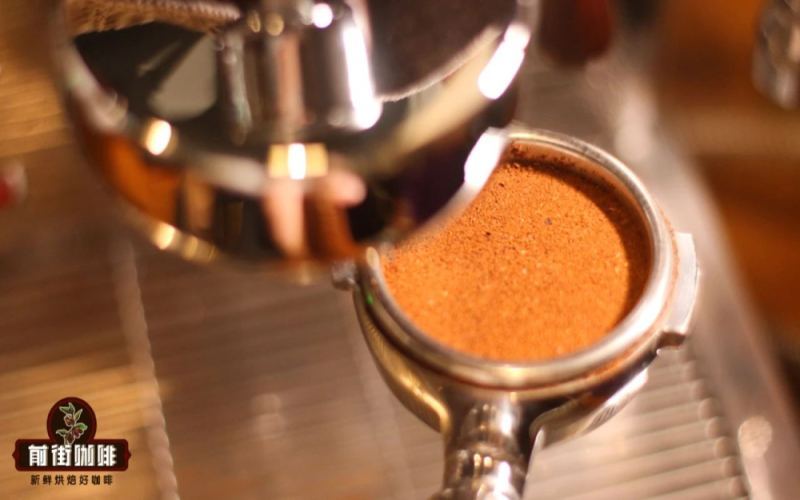
Espresso has always held a key position in café offerings, and as its soul, espresso is a core skill that every barista must master. What exactly is espresso? How should a qualified shot of espresso be extracted? Front Street Coffee will draw on practical experience, starting from the definition of espresso and its three layers, gradually breaking down the complete process of cleaning the portafilter basket, grinding and dosing, distributing the grounds, tamping, locking in the portafilter and extracting, and finally cleaning—while highlighting two key details: even distribution of grounds and recording parameters—to help coffee lovers consistently recreate their ideal espresso at home. [more…]

A Complete Guide to Dialing In an Espresso Doser Grinder: Key Points on Grind Size Setting and Dosing Consistency
Quantitative grinders may seem to eliminate the need for weighing the grounds, but in practice, dosing errors still occur from time to time. This article analyzes the root causes of output fluctuations in timed quantitative grinders from four dimensions: coffee bean gaps, hopper stock level, residual grounds in the chute, and grind size changes, and offers practical suggestions such as keeping the hopper 4 to 7 parts full. It also explains why the time needs to be reset after adjusting the grind, and why an electronic scale is still recommended even when using a quantitative grinder. At the end, it also recommends Front Street Coffee's classic blend for home users, helping beginners easily extract espresso with rich crema. [more…]
Espresso Preparation: A Comprehensive Analysis of Distribution and Tamping Details and Channeling Prevention
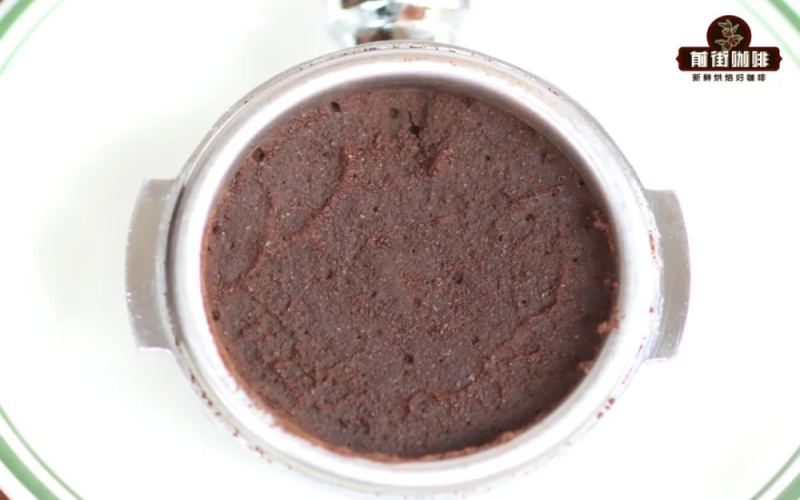
Extracting a qualified espresso—the real contest begins before the portafilter is even locked in. As the core steps of the preparation stage, distribution and tamping directly determine whether the coffee puck can withstand the impact of 9 bar of high-pressure water. Once the powder layer is uneven in density or not compacted properly, hot water will find the path of least resistance and punch through, forming what is known as "channeling," which leads to uneven extraction and an unbalanced flavor profile. This article will break down the standard operating process step by step, from dosing to distribution to tamping, compare the respective pros and cons of manual distribution and distribution tools, and share Front Street Coffee's professional advice on common pitfalls, helping you consistently reproduce a cup of espresso with distinct layers at home. [more…]
A Complete Analysis of Espresso Flavor Characteristics, Front Street Coffee's Blending Approach, and Extraction Techniques
As the core of café offerings, espresso's flavor expression and extraction technique have always been the focus of baristas' attention. From the perspective of Front Street Coffee, this article systematically sorts out the definition of espresso and the principles behind crema formation, analyzes the pairing logic and roasting emphasis of espresso blends, and breaks down in detail the six operational steps from cleaning the portafilter basket, grinding and dosing, distribution and tamping, to completing the extraction. It also highlights two key details—even distribution and parameter recording—to help coffee enthusiasts make a qualified espresso more consistently. [more…]
Master the Four Key Details of Espresso and a Flavor Analysis of Four Front Street Coffee Blend Beans
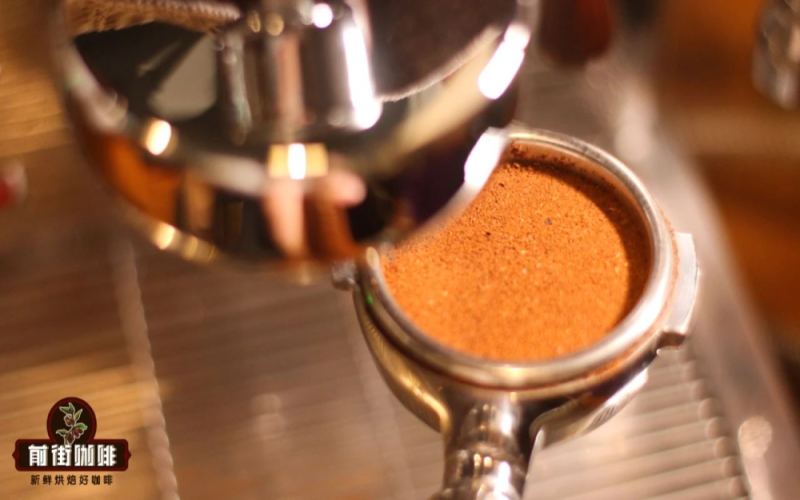
Espresso is the cornerstone of the Italian coffee system. A cup of Espresso may look simple, but in reality every step from dosing to extraction hides its own subtleties. Drawing on years of hands-on experience, Front Street Coffee has sorted out four core details that cannot be overlooked when making espresso: drying the portafilter basket, distributing the grounds evenly, tamping level, and extracting quickly, and it points out the mistakes that easily occur at each stage along with the corresponding solutions. At the same time, the article also introduces the blending approach behind Starbucks Espresso Roast beans, and shares in detail the recipe ratios, roasting direction, and flavor characteristics of four espresso blend beans under Front Street—Specialty Blend, Commercial Blend, Basic Blend, and Sunflower Warm Sun—to help coffee enthusiasts and café owners choose the espresso beans that suit their own needs. [more…]

Moka Pot Brewing Tutorial | What are the finer points of moka pot coffee dosing techniques? What causes a moka pot to produce no coffee, or coffee to spurt out violently?
When brewing coffee with a moka pot, many friends don't know what grind size is suitable. They're also unsure how to fill the coffee grounds properly, and whether tamping is needed. If you have these questions too, you'll find the answers below. First, what grind size should be used for moka pot coffee? The coffee particle size needed for a moka pot [more…]
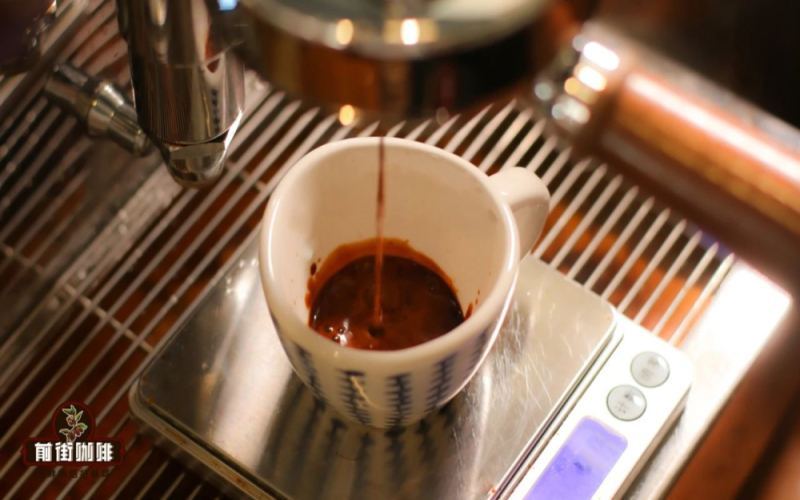
Espresso Comprehensive Guide: The Concept's Origin, Extraction Principles, and Six-Step Preparation Process
Espresso is the most common type of coffee in today's cafés, and it is also a daily must-order choice for many enthusiasts. It originated in Italy and is characterized by rapid extraction under high pressure. A single shot of espresso is about one ounce, covered with a reddish-brown crema on the surface. From the perspective of Front Street, this article systematically explains the concept of espresso, the principles behind crema formation, the differences between dark-roast blends and single-origin espresso (SOE), and breaks down in detail the six preparation steps: cleaning the portafilter basket, grinding and dosing, distributing the grounds, tamping, locking in the portafilter and extracting, and cleaning the portafilter basket. It also shares practical advice on parameter recording and coffee bean freshness to help you make a balanced, sweet, and mellow espresso at home. [more…]

Introduction to Espresso | What is the English definition of Italian espresso? How do you drink Italian espresso coffee?
In the espresso coffee system, there exists a soul core, and that is espresso. Drinks like lattes, Americanos, and cappuccinos are all espresso-based coffee beverages made with espresso as the foundation. Next, Front Street Coffee will introduce you to espresso. What is espresso? [more…]
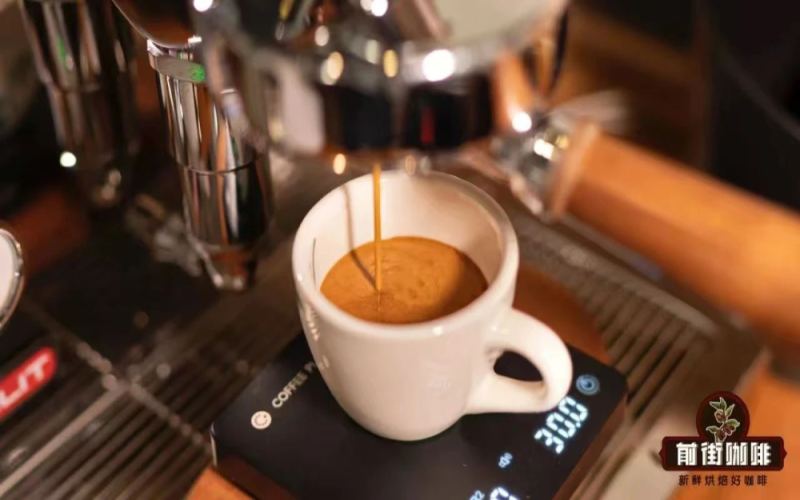
Complete Guide to Espresso Extraction: Blend Selection, Parameter Settings, and Key Operational Points Explained
To make a well-balanced espresso at home, having the right equipment alone is not enough—choosing the right coffee beans and mastering extraction details are equally crucial. This article starts with several espresso blends available at Front Street Coffee, introducing each one's flavor profile and target audience, while also providing a complete workflow from grinding and dosing, to distribution and tamping, to locking in the portafilter and extracting. It also explains how to adjust variables such as dose, ratio, and time, helping those new to espresso establish a stable and reproducible extraction method. [more…]
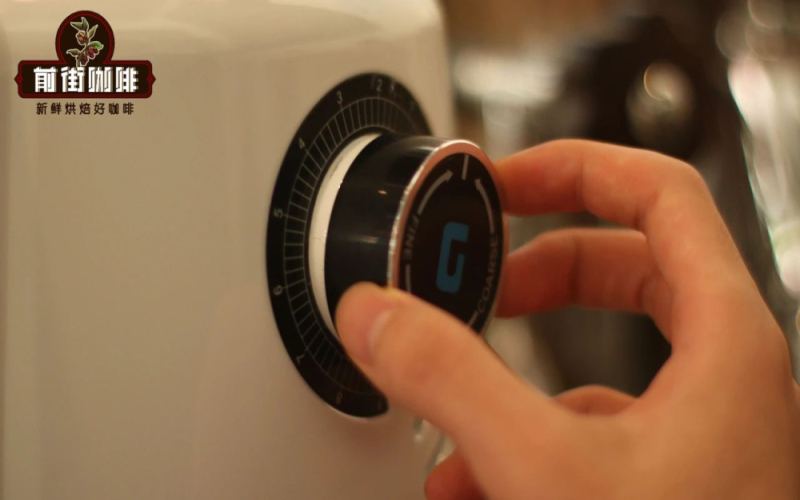
Espresso Grinder Grind Size Adjustment Guide: A Complete Step-by-Step Process from Judging the Powder to Dialing In an Electronic Grinder
To pull a proper espresso, adjusting the grinder's grind setting is an unavoidable daily task. Why do cafes need to adjust the grind so frequently? How does the coarseness of the grounds affect water flow and extraction time? And how do you tell whether the grind is right? This article starts with why grind adjustment is necessary, then breaks down the specific tuning methods for ordinary grinders and electronic grinders, including the linked relationship between dose and grind level, the ideal gap between the puck and the water outlet, and other details, and shares practice ideas for water-to-coffee ratios, to help you consistently recreate a delicious espresso at home. [more…]
A Detailed Guide to Espresso Extraction Parameters and Tasting Methods
Espresso may seem like it only requires a few simple steps—dosing, distributing, and tamping—but pulling a cup of outstanding Espresso involves precise control of multiple variables behind the scenes, including pressure, water temperature, dose, and time. Starting from the actual output at Front Street Coffee shops, this article systematically reviews the evolution of extraction parameters and the logic behind their adjustment, introduces the recipe composition and flavor performance of the Sunflower Warm Sun blend, and explains in detail the proper way to taste espresso, as well as a specific plan for making pour-over coffee with the same beans. [more…]
The Complete Espresso Extraction Process: Espresso Grinder Cleaning and Analysis of Eight Key Details
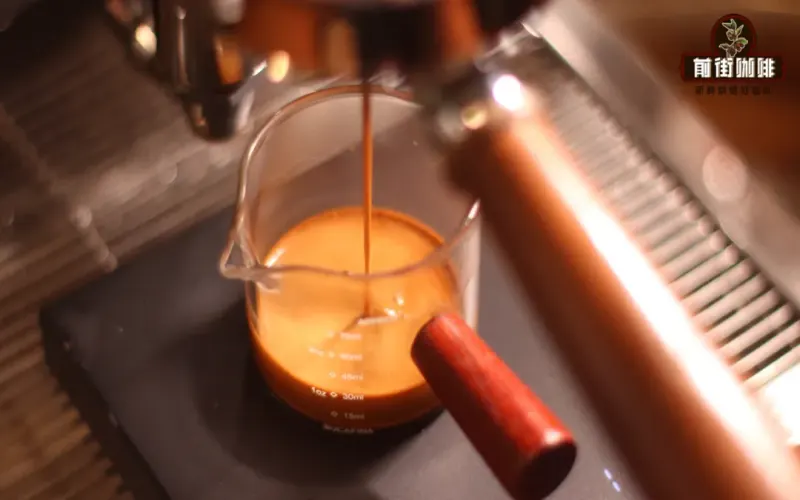
An espresso, from grinding to extraction, often takes less than a minute. It seems simple, but in reality it hides many variables that affect flavor. At Front Street, we repeatedly emphasize in our daily preparation that even if a perfect set of extraction parameters has been locked in during morning calibration, the final cup can still be greatly compromised if any operational step is slightly neglected. This article focuses on the complete process of making espresso with an espresso machine, sorting out one by one eight easily overlooked details—from hopper pressure, portafilter basket cleaning, and observing the grounds output, to distribution and tamping, pre-flushing, knocking the portafilter, extraction timing, and post-use cleaning—to help coffee lovers achieve consistent results and continually obtain the ideal espresso flavor. [more…]
Espresso Tasting Guide: A Full Breakdown of Three Drinking Methods and the Standard Extraction Process
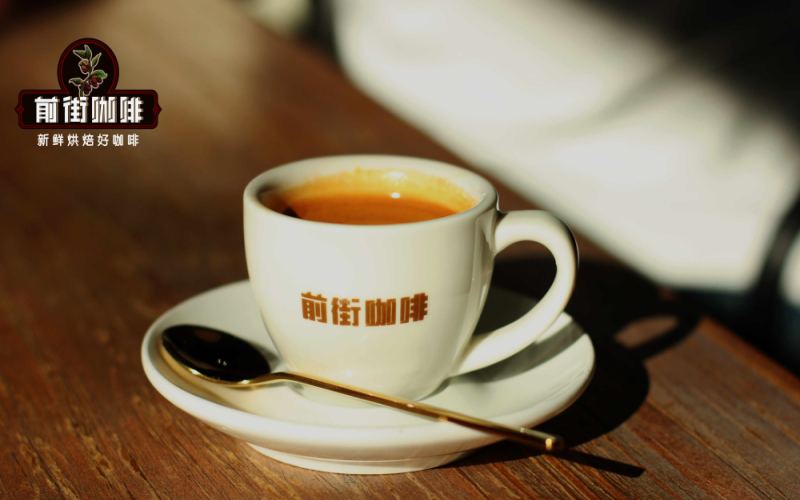
Espresso is Italy's most iconic classic coffee, rich in flavor with distinct layers, but due to its intense taste, many enthusiasts feel confused about how to properly drink it. This article will systematically introduce three ways to drink espresso — the beginner-friendly method of adding sugar and milk, the strong straight-drinking method preferred by men, and the elegant slow-sipping method favored by women — while also explaining in detail the complete preparation process from dosing, distributing, tamping, to extraction. Front Street Coffee (FrontStreet Coffee), using its Sunflower Warm Sun blend as an example, shares the standard parameters of 20 grams of grounds, 9 bar of pressure, and a 25-to-30-second extraction yielding 40 milliliters, helping you make a balanced cup of Espresso at home too. [more…]