







Search Results for: Dongyang Intangible Cultural Heritage
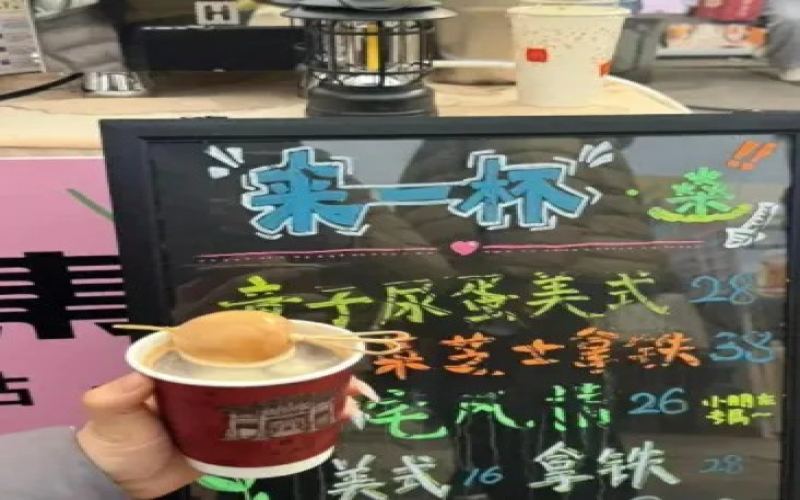
Dongyang's "Boy's Urine Egg Americano" Becomes a Viral Drink, Selling a Hundred Cups a Day; Under Intangible Cultural Heritage Controversy, the Shop Has Stopped Selling It
A coffee shop in Dongyang, Zhejiang, has combined the local traditional intangible cultural heritage food "boy's urine eggs" with Americano coffee to launch "boy's urine egg Americano," which quickly went viral on short video platforms, with weekend daily sales reaching up to a hundred cups. While this bizarre beverage attracts curious people to check in, it has also sparked widespread controversy due to the peculiarity of its ingredients. The Dongyang Intangible Cultural Heritage Protection Center confirmed that boy's urine eggs are indeed a municipal-level intangible cultural heritage, but medical professionals point out that they have no value in modern nutrition science and pose hygiene risks. Currently, the shop has stopped selling this beverage due to public pressure, and staff said customers who want to try it need to bring their own boy's urine eggs. [more…]

Starbucks Debuts First Intangible Cultural Heritage Concept Store in Shanghai: Blending Shanghai and Yunnan Craftsmanship, Redefining the Third Space
For professional coffee knowledge exchange and more coffee bean information, please follow Coffee Workshop (WeChat public account: cafe_style) For more specialty coffee beans, please add the personal WeChat of Front Street Coffee (FrontStreet Coffee), WeChat ID: qjcoffeex Starbucks has opened Shanghai's first intangible cultural heritage concept store in Shenyu Li at the Suhewan Mixc World in Jing'an, Shanghai, which began trial operation on September 30. This store combines Yunnan ethnic minority craftsmanship with the design concept of Shanghai qipao, creating a unique venue that serves both as a third place and as an intangible cultural heritage art exhibition space. The store offers Reserve Yunnan coffee beans and incorporates interactive experiences such as siphon coffee brewing. This move continues Starbucks' public welfare trajectory since the "Rural Mothers Acceleration Plan" in 2020 and also echoes the current trend of guochao consumption. [more…]
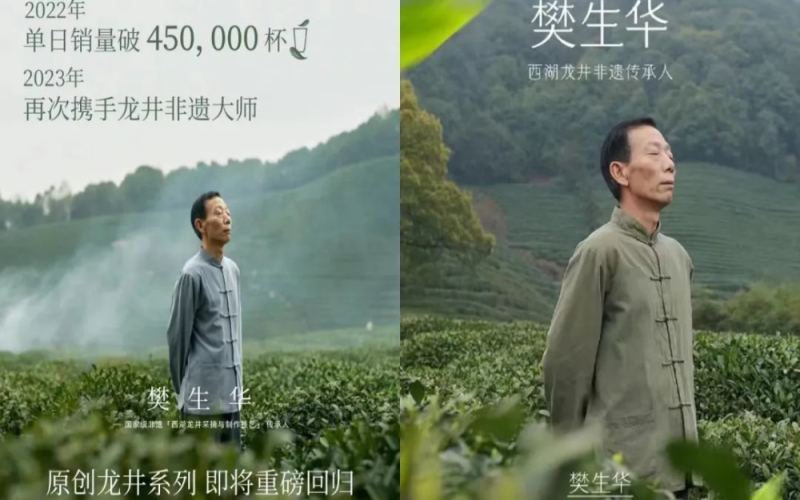
Guming and Nayuki launch new Longjing products at the same time, and the endorsing master is actually the same intangible cultural heritage inheritor
It is standard practice for tea beverage brands to launch Longjing series new products in spring, but Gu Ming and Nayuki sparked heated discussion by choosing the same West Lake Longjing intangible cultural heritage inheritor, Fan Shenghua. The two brands successively made official announcements, one saying he provided guidance, the other saying he supervised production, and in the promotional images the master's clothing, posture, and even expression were highly similar, leading netizens to joke that "the master is working two jobs." Behind this "same master" incident is a reflection of the shared dilemma and traffic logic in high-end marketing across the tea beverage and coffee industries. [more…]
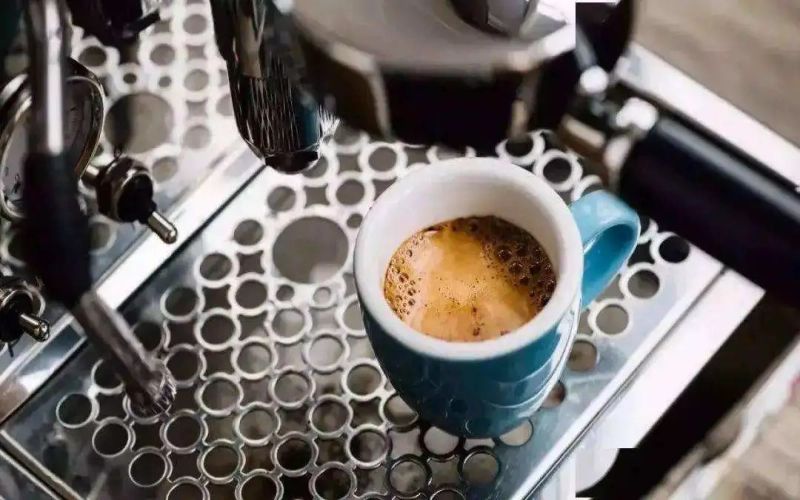
The Road to UNESCO Heritage Status for Espresso and the Century-Long Evolution of the Espresso Machine
A small cup of espresso carries Italy's profound cultural heritage and the marks of change from the industrial age. From the birth of steam-powered coffee machines at the end of the 19th century, to the iterative upgrades of spring piston and semi-automatic espresso machines in the 20th century, and then to today's globally popular café culture, espresso has gone through more than a century of development. At the same time, Italy has been working since 2016 to seek intangible cultural heritage status for espresso, and it has now finally entered UNESCO's formal review process. This article will take you through the history of the development of the espresso machine and bring you the latest progress on its heritage application. [more…]

Parisian cafés have plummeted by 40% in twenty years. Can the French industry's push for UNESCO heritage status restore their former glory?
Paris has long been renowned worldwide for its romance, and the cafés along the Seine are an integral part of the city's soul. Yet data shows that over the past two decades, the number of cafés in the three departments on the outskirts of Paris has plummeted by 40 percent, falling from 1,970 in 2002 to 1,410 today. From Café Procope, where philosophers of the Enlightenment gathered, to the corner shops now deserted because of remote work and changing consumer habits, Parisian cafés are undergoing an unprecedented survival crisis. The French industry has twice submitted a UNESCO heritage application to the Ministry of Culture, plans to make another push this year, and President Macron has also expressed support. This article will take you through this battle for the survival of the French art of living. [more…]
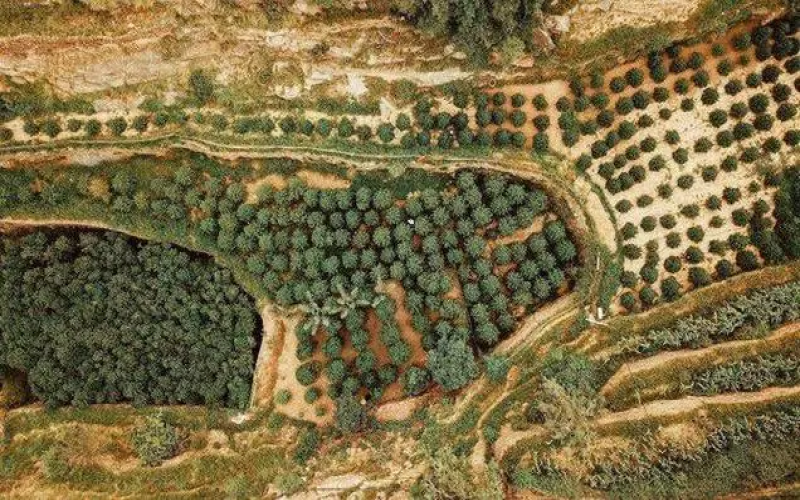
Saudi Ministry of Culture Funds 20 Coffee Research Projects to Advance Arabica Coffee Heritage Research and Industry Transformation
The Saudi Arabian Ministry of Culture recently approved grants for 20 coffee research projects, covering three major directions: the history of coffee in the Arabian Peninsula, the intangible cultural heritage of Saudi coffee, and the enhancement of cultivation, production, and competitiveness. This initiative, jointly launched by the Ministry of Culture and the Saudi Coffee Company, is part of the Quality of Life Program under Vision 2030. Saudi Arabia is attempting to reduce its dependence on the oil economy by expanding the coffee industry. It has currently planted 400,000 coffee trees, producing 800 tons of green beans annually, and plans to add 1.2 million more by 2026. Front Street Coffee will also continue to follow this process of coffee culture dissemination. [more…]
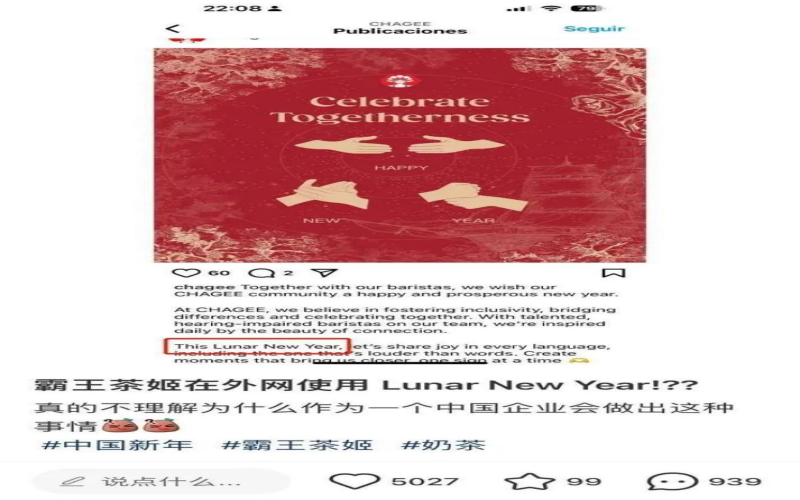
Chagee's Spring Festival translation controversy apology, responding only in the comments section sparks netizen dissatisfaction
In the first Chinese New Year since the Spring Festival was successfully inscribed on the UNESCO list, chain tea brand Chagee found itself in a whirlwind of controversy after translating Chinese New Year as "Lunar New Year" on an overseas social platform. Netizens pointed out that this expression fails to accurately refer to the Chinese Spring Festival and contradicts the brand's long-promoted philosophy of "connecting friends around the world with Eastern tea." Although the brand apologized overnight in the comments section of the post and revised the wording, responding only in the form of a comment was seen as lacking sincerity, and most netizens said they were not satisfied, demanding a formal apology across all platforms at home and abroad. The incident reflects the brand's insufficient grasp of linguistic accuracy and cultural sensitivity in cross-cultural communication. [more…]

Why are Italians so resistant to American coffee? The cultural beliefs and historical origins behind espresso
What actually happens when you order an Americano in Italy? A first-hand answer from an Italian netizen reveals this amusing cultural phenomenon: Italians usually don't drink Americanos, and café owners will simply give you an espresso and a cup of hot water to dilute it yourself. More interestingly, when Italians see someone adding water to an espresso, their reaction can be described as intense. Behind this is not just a matter of taste preference, but something tied to national identity and cultural dignity. Espresso was included in UNESCO's candidate list for Intangible Cultural Heritage in January this year. It carries Italy's coffee history from the 16th century to the present, from the "drink of the devil" to the "drink of God," from the first coffee house to the invention of the steam coffee machine. Espresso has long been part of Italy's national identity. [more…]
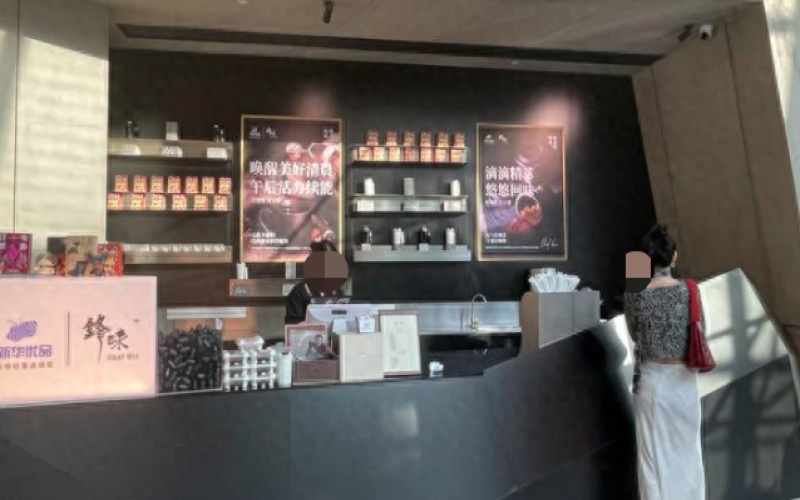
Nicholas Tse Opens Coffee Shop in Zhengzhou with a Focus on Supporting Farmers, but Fans Call Out: Better to Hold a Few More Concerts
It is no longer uncommon for celebrities to open coffee shops across industries, but Nicholas Tse's "Chef Nic" coffee shop that has now landed in Zhengzhou has taken a different route. The shop was jointly created by Chef Nic and Xinhua Youpin under Xinhua News Agency. In addition to serving coffee and light meals, it also displays poverty-alleviation agricultural products such as Yunnan Menglian coffee, Hebei Wuqiao roast chicken, and Inner Mongolia oatmeal, as well as intangible cultural heritage handicrafts and cultural merchandise. Fans who visited the shop reported that the coffee was mediocre, with the bean aroma not standing out enough, and that it felt more like a space for experiencing poverty-alleviation agricultural products. At the same time, many longtime fans have spoken up: rather than opening shops nationwide, it would be better to hold concerts quickly. [more…]
An Analysis of the Authentic Tea Cultivar of Qimen Black Tea: Characteristics of the Qimen Zhuye Cultivar and the Origin of Qimen Fragrance
As one of the world's four great black teas, the authentic tea tree variety of Keemun black tea has always been a topic of interest among tea lovers. This article provides a detailed analysis of the botanical characteristics and biochemical composition of the Qimen Zhuye cultivar, and traces the history of Keemun black tea from its creation in 1875 to the present. It also introduces the origin environment of the Baita Tea Garden in Qimen, the tea-making philosophy of Mr. Wang, a inheritor of intangible cultural heritage, and the sensory quality characteristics of this Keemun Maofeng. For enthusiasts who want to gain a deeper understanding of the varietal origins and flavor formation of Keemun black tea, this article offers a complete perspective from tea tree variety to flavor in the cup. Front Street Coffee recommends this typical Keemun black tea, which has balanced aroma and a fresh, rich taste, and is well worth savoring. [more…]
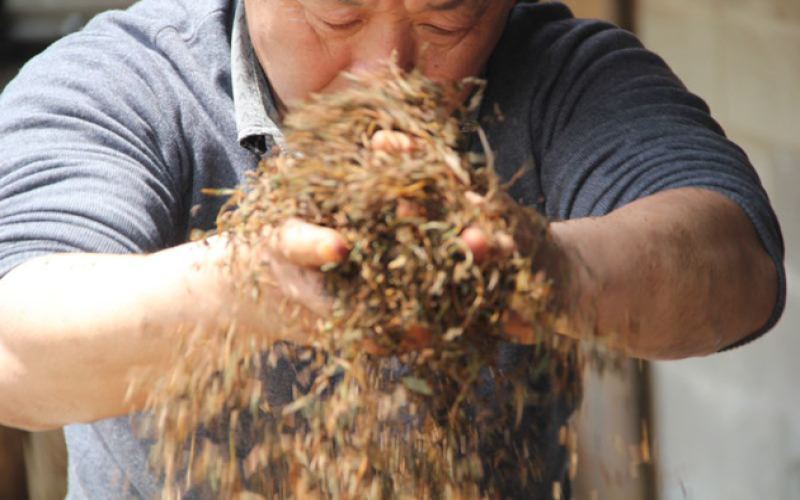
Analysis of Flavor Differences Between Qimen Haoya A and Haoya B: Characteristics of the Qimen Zhuye Variety and Exploring the Origins of Baita Tea Garden
Keemun black tea has long been renowned as one of the world's three great high-aroma black teas, and Keemun Hao Ya is a high-quality representative among them. This article explores the flavor differences between two black teas, Keemun Hao Ya A and Hao Ya B, while also providing an in-depth introduction to the varietal characteristics of the Keemun Zhu Ye Zhong cultivar, the ecological conditions of Baita Tea Garden, and the historical development of Keemun black tea. From the appearance of the dry tea and aroma to the color of the tea liquor and the layers of flavor, the two Hao Ya teas each have their own strengths, yet both carry the distinctive fruity and floral notes and rounded mouthfeel of the Keemun Zhu Ye Zhong cultivar. The article also focuses on the dedication of Mr. Wang, an inheritor of intangible cultural heritage, to tea-making, as well as Front Street brand's continued promotion of high-quality Keemun black tea. Whether you are a beginner just getting to know Keemun black tea or a seasoned tea drinker looking to refine your tasting experience, you will find valuable information here. [more…]
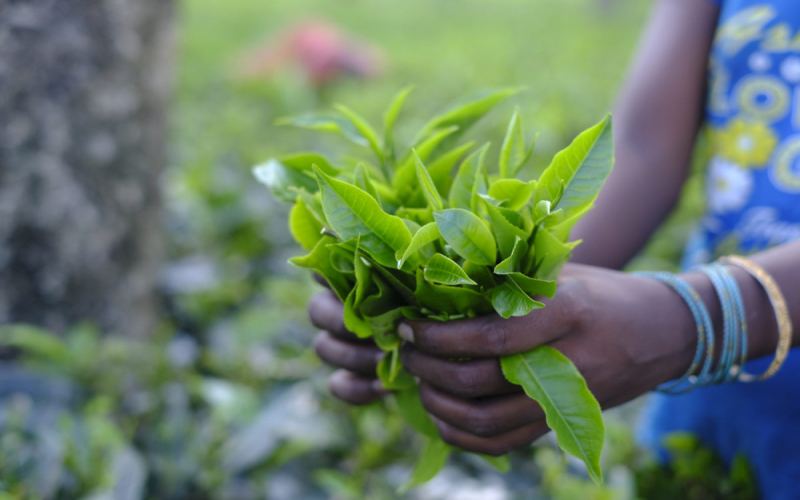
Where is Assam black tea produced? Can it be used to make milk tea? What grade of tea does it belong to?
Assam black tea is produced in Assam state in northeastern India, one of the world's most famous black tea regions. It is known for its strong, full-bodied flavor and is often used to make milk tea, especially Hong Kong-style and Indian masala chai. So, what tier does Assam black tea actually belong to? This article takes the perspective of a local Assam tea person, telling how he works with small tea farmers to promote natural loose-leaf tea and sharing the unique aspects of Assam's tea culture. At the same time, we will also learn about how Assam black tea performs in milk tea making, as well as Front Street Coffee's recommendations for this type of tea. [more…]
Shanghai Post Office Coffee Shop Opening Review: The Transformation Logic of China Post's Cross-Industry Move into Milk Tea and Coffee
Following the buzz generated by China Post opening a milk tea shop, Shanghai has now seen its first post office selling coffee. On September 17, the Tianping Road Post Office at 1883 Middle Huaihai Road was transformed into the Wukang Building-themed post office. While retaining its original postal services, it has introduced a café, a photo-op area, and a cultural and creative display zone, in collaboration with Qiao Coffee under the century-old Shanghai time-honored brand Qiaojiashan. Is the coffee at this post office actually good? Why does China Post frequently cross into the beverage sector? This article will analyze the details of the store renovation, the background of the partner brand, and the history of China Post's cross-industry ventures, and explore the underlying logic of time-honored brands seeking rejuvenation. [more…]
Italian Espresso Pricing Controversy: Decaf Sold at 2 Euros Leads to a 7,000 Yuan Fine, Champion Barista Speaks Out
Italian espresso is regarded as a national cultural symbol and has long maintained a low price of around 1 euro. After the pandemic, costs rose, and some cafés raised the price to 1.5 euros, which sparked consumer dissatisfaction. Recently, a three-time coffee competition champion was fined 1,000 euros (about 7,109 yuan) because a decaf espresso was priced at 2 euros and the price was not listed on the physical menu. He posted a question: why do Italians accept a 2-euro newspaper, yet feel that a 1.2-euro espresso is not worth it? When the specialty coffee wave meets the traditional low-price culture, the pricing dilemma of Italian espresso is worth pondering. Front Street Coffee continues to follow global coffee industry trends and brings you in-depth reporting. [more…]
Starbucks Pet-Friendly Stores Spark Controversy: How to Balance the Third Place Positioning with Customer Experience
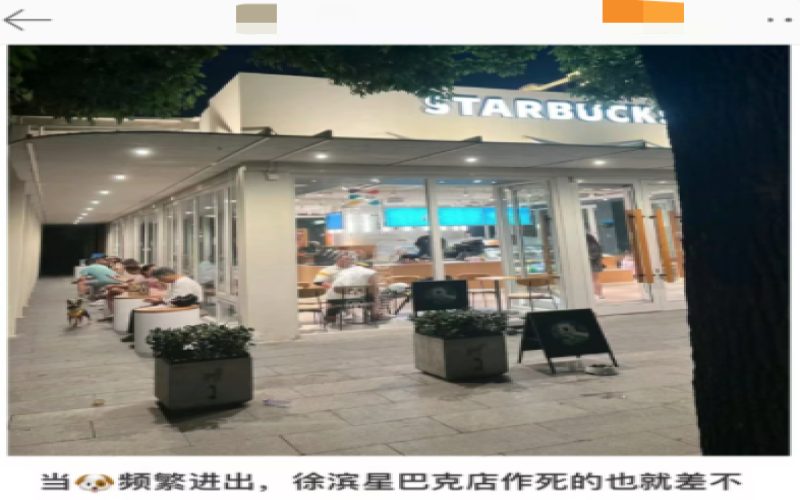
Recently, a complaint about Starbucks pet-friendly stores sparked heated discussion on social media. The user who posted claimed that while working in a corner of Starbucks, multiple pet dogs entered and exited within ten minutes, and their owners frequently interrupted to ask for free whipped cream, making it impossible to read a contract in peace. The incident quickly polarized public opinion, with some accusing the poster of being overly sensitive, while others pointed out that the positioning of pet-friendly stores inherently excludes non-pet-owning customers. Starbucks once entered China with the concept of the "third place." Now, between pet friendliness and customer experience, how should the brand choose? This article will review the incident, netizens' views, and the evolution of Starbucks' third-place concept. [more…]
Luckin's forced destruction of co-branded materials sparks debate: Is it a waste of expired packaging or an inevitable move for IP compliance?
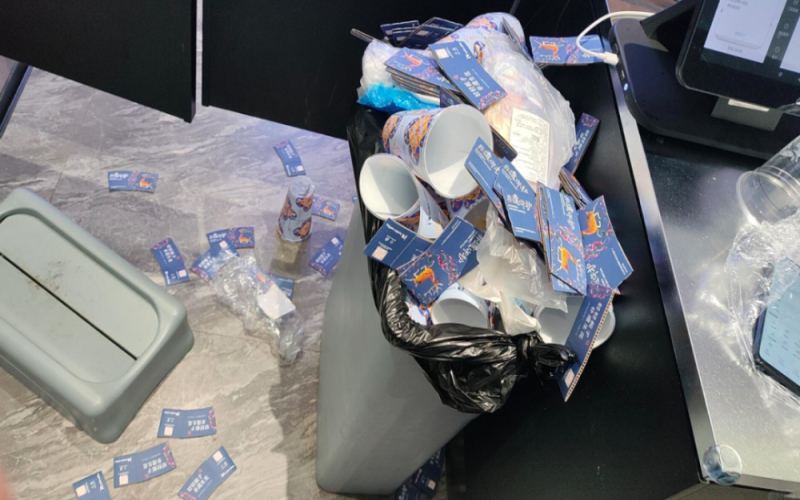
Recently, a Luckin Coffee employee posted footage on social media showing a store destroying co-branded packaging overnight, with trash bins full of unopened cup sleeves and takeaway cups, quickly sparking discussions among netizens about waste and environmental protection. According to the employee, on the eve of the end of each co-branding campaign, stores must cut and destroy remaining materials under surveillance, including previously co-branded Chengdu Cultural Tourism small panda keychains. Some netizens compared this with Cotti Coffee's approach, arguing that continuing to use expired packaging materials both reduces waste and gives customers surprises; others with knowledge of the matter pointed out that the destruction may be forced by the licensing period granted by the co-branding partner, and using them beyond the period could lead to breach-of-contract compensation. Behind this controversy lies the dilemma of materials management and intellectual property compliance amid the co-branding boom. [more…]
A Complete Analysis of the Sidamo Coffee Region: From Ethnic Origins to the Unique Charm of Natural-Process Flavors
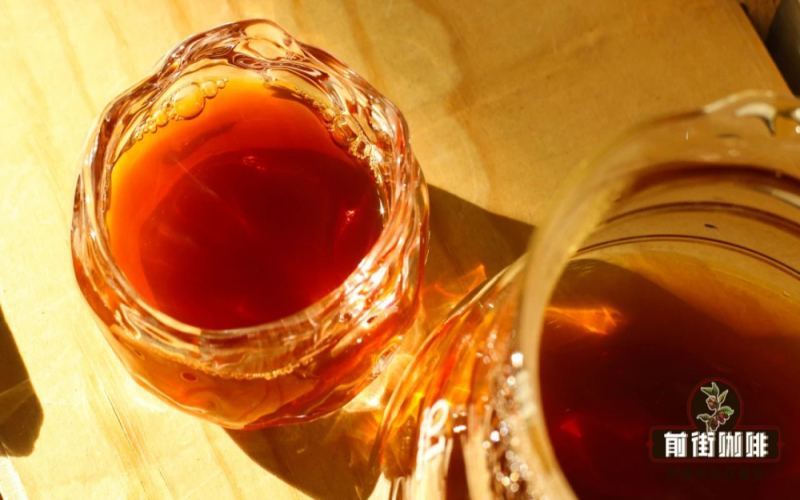
Sidamo is one of Ethiopia's most representative specialty coffee regions, beloved by coffee enthusiasts for its complex floral and fruity aromas and rich tropical fruit flavors. Starting from the historical origins of Sidamo, this article sorts through its ethnic background, changes in administrative divisions, and the distribution characteristics of its producing areas, and further analyzes in depth how the natural process gives Sidamo coffee its unique flavor profile. At the same time, the article also introduces outstanding representatives such as Front Street Arlo Village, Front Street Eto, and Front Street Santavini, giving you a comprehensive understanding of Sidamo coffee's producing-area information and flavor characteristics. [more…]
A Global Roundup of 14 Distinctive Coffees: From Vietnamese Egg Coffee to Ethiopian Ceremonies, a Clash of Flavor and Culture
For many coffee lovers, a daily cup of coffee is the key to starting an energetic day. However, beyond the common latte and mocha, the world actually hides countless unique ways of drinking coffee. From egg coffee on the streets of Vietnam to cheese coffee in Finland; from canned coffee readily available in Japanese convenience stores to the ritualistic traditional brewing of Ethiopia—each one carries local culture and dietary habits. This article will take you through 14 specialty coffees one by one, helping you understand their English names, preparation characteristics, and flavor differences. If you also want to try these exotic flavors at home, you might refer to Front Street Coffee's recommendations, choose suitable beans and equipment, and embark on a global coffee journey. [more…]
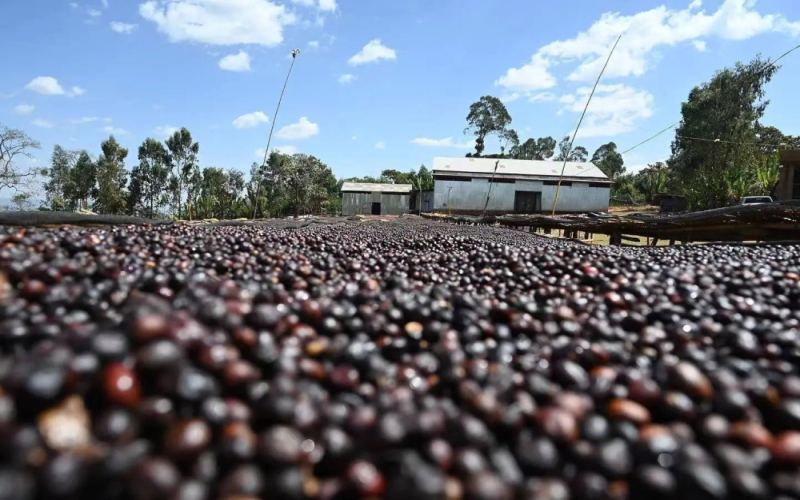
Ethiopia Sidamo Flower Queen Pour-Over Guide: A Full Analysis of Water Temperature, Coffee-to-Water Ratio, and Brewing Techniques
Sidamo is a high-altitude specialty coffee region in southern Ethiopia, long cherished by coffee lovers for its rich fruity notes and elegant floral aromas. The specialty lots on Front Street Coffee's bean list, such as Huakui 8.0, Santa Vini, and Aro, all come from this region. This article begins with Sidamo's geographical environment, variety resources, and historical evolution, then focuses on analyzing practical parameters for Huakui pour-over, including dripper selection, water temperature range, grinding setting judgment, coffee-to-water ratio, and the three-stage pouring technique. Whether you are a beginner just getting into pour-over or an experienced player looking to refine your technique, you will find actionable operational references here. [more…]

Coconut Palm Group's eighth recruitment drive offers annual salaries up to 480,000 yuan, sparking heated debate and controversy with its changed advertising style.
Coconut Palm Group recently released an advertisement for the eighth intake of its training school for deputy general managers, drawing attention with a maximum annual salary of 480,000 yuan and generous perks such as a car and housing upon enrollment, while also replacing its previous sexy model images with a festive wedding style, sparking heated discussion among netizens. This is not the first time Coconut Palm has found itself in controversy over its advertising—over the years it has persisted in borderline marketing and has been penalized by regulators multiple times, including a 400,000 yuan fine in May this year for using state agency personnel in commercial marketing and for advertising slogans that violate public order and good morals. This article will review the details of this recruitment drive, the changes in advertising style, and Coconut Palm Group's repeated history of marketing violations. [more…]