







Search Results for: Difference
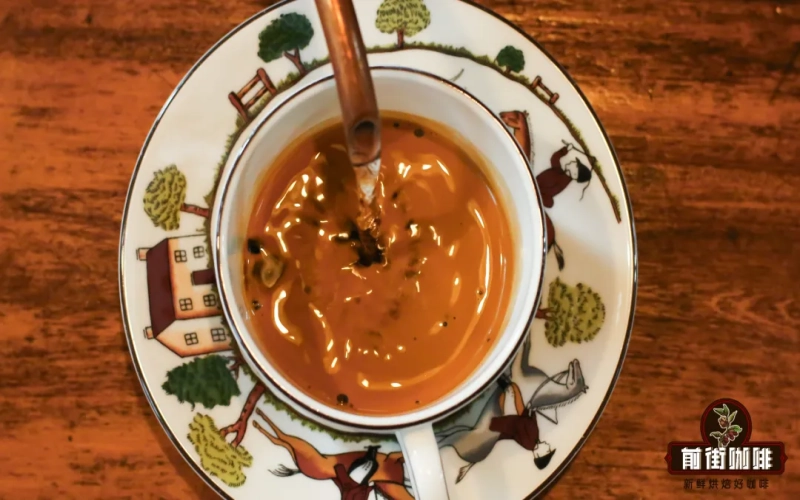
The Difference Between a Long Black and an Americano: The Order of Espresso and Water Isn't the Key—The Difference in Strength Is the Essence
Many people think that adding water first and then espresso makes a Long Black, while adding espresso first and then water makes an Americano—but is that really true? Front Street Coffee sorts through the real differences between Americano and Australian Long Black one by one, from the order of preparation and concentration ratios to flavor expression. The article points out that the biggest difference between the two actually lies in concentration—Americano has more water and a lighter mouthfeel, while Long Black is rich and full-bodied. It also recommends an espresso blend suitable for practice and Front Street Coffee's Strawberry Candy Espresso, helping coffee lovers more intuitively understand the distinct charms of these two black coffees. [more…]
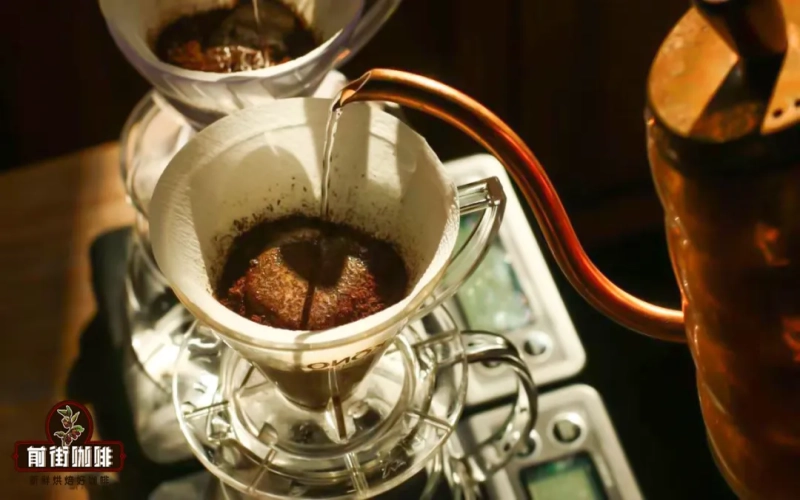
How long should you actually wait during the bloom in pour-over coffee? An analysis of the measured difference between 30 seconds and 60 seconds
Blooming is an almost indispensable step in pour-over coffee. Typically, we pour a small amount of hot water to wet the coffee bed, then wait for about 30 seconds. This seemingly simple pause—how much does it actually affect extraction? If we extend the time to 60 seconds, will the coffee taste better? Front Street conducted comparative brewing experiments with three coffee beans of different freshness levels, measuring the extraction yield difference between a 30-second and 60-second bloom, explained the mechanism of blooming from the perspective of carbon dioxide release, and offered blooming time recommendations suitable for beginners. [more…]
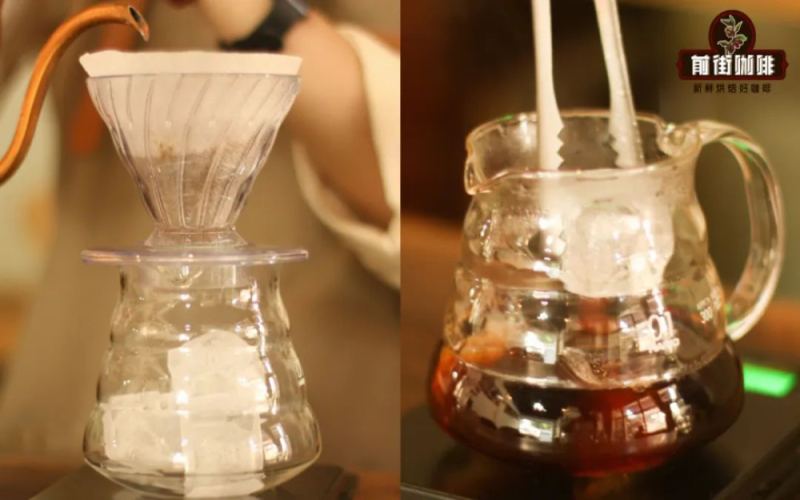
Comparing Ice Timing for Iced Pour-Over Coffee: Ice First or Ice Last? A Detailed Guide to the Differences and Experiment Conclusions
Should you add ice first or ice last when making iced pour-over coffee? This question may seem like a mere difference in procedure, but behind it may lie the preservation and release of coffee flavors. Front Street Coffee once mentioned the Paragon ice ball in an article; its principle is to lock in volatile aromas by rapidly cooling the coffee liquid, allowing the drinker to experience a richer coffee flavor. Inspired by this, we restarted the experiment, using the same Colombian Frontera Estate washed Geisha, to compare the differences between adding ice first and adding ice last in iced pour-over coffee in terms of operation, temperature, aroma, and taste. The experiment strictly controlled the ratios of coffee grounds, water, and ice, and corrected for differences in tasting time. What was the final result? Is there really an obvious difference between the two? This article will reveal the answer for you. [more…]

A Complete Guide to Hacienda La Esmeralda Geisha Grades: What Exactly Is the Difference Between Red Label and Green Label, and Is the Doubled Price Worth It?
After Hacienda La Esmeralda rocketed Geisha to fame, it established a refined grading system, in which Red Label and Green Label are the two grades most frequently mentioned by consumers. Both are sold at Front Street Coffee's physical stores and online Taobao/Tmall shops, yet their prices differ by more than double, which leaves many coffee lovers puzzled: since both are Geisha produced by Hacienda La Esmeralda, what exactly is the difference between Green Label and Red Label? This article will systematically sort out the core differences between Red Label and Green Label across multiple dimensions—grading standards, growing altitude, traceability information, cupping scores, processing methods, and actual brewed flavor performance—and, combined with Front Street Coffee's actual brewing comparisons, help everyone understand the subtle differences in flavor between the two, as well as why Green Label is often regarded as Hacienda La Esmeralda's most cost-effective Geisha choice at present. [more…]

Same Beans, Different Taste? An In-Depth Analysis of the Extraction Differences and Flavor Comparison Between Cold Brew Coffee and Iced Pour-Over
Many coffee enthusiasts have wondered: why do cold brew and iced pour-over made from the same coffee bean taste so different? Front Street Coffee once conducted a comparative experiment with Huakui 8.0, and the results were surprising. This article will systematically analyze the core differences between cold brew coffee and pour-over coffee from the perspectives of extraction water temperature, extraction method, and concentration changes, explaining why low-temperature slow extraction brings a rounder acidity, a fuller body, and a unique fermented aroma, while high-temperature fast extraction retains richer aromatic layers. If you also want to understand the essential difference between these two brewing methods, read on. [more…]
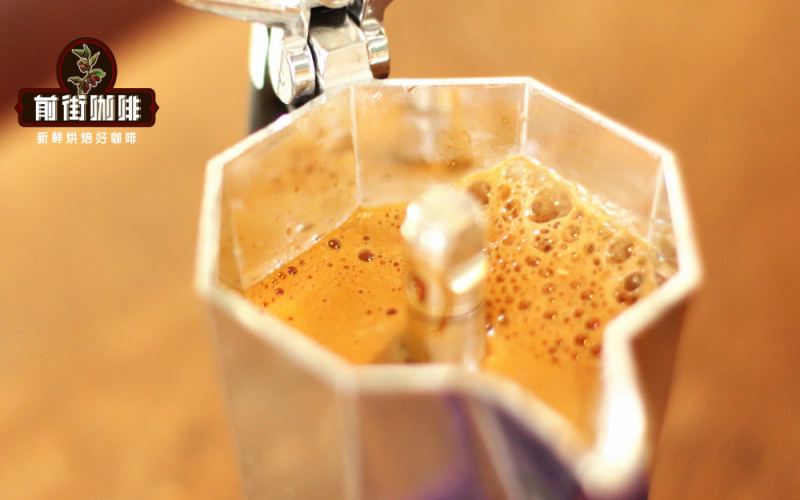
What's the difference between the crema extracted by a moka pot and an espresso machine? A comprehensive analysis from the origins of their invention to the pressure differences
Since its invention in 1933 by Italian engineer Alfonso Bialetti, the moka pot has become the entry-level choice for many coffee lovers thanks to its compact convenience and ability to brew rich, strong coffee. However, many people mistakenly believe that a moka pot can extract the same thick, golden crema as an espresso machine, and use it for latte art. In fact, the fundamental difference in pressure between the two determines that the crema produced by a moka pot cannot match a coffee machine in either fineness or persistence. So what exactly is crema? Where does the extraction pressure difference between a moka pot and a coffee machine lie? And what can you do to get thicker crema from a moka pot? This article will answer these questions one by one. [more…]
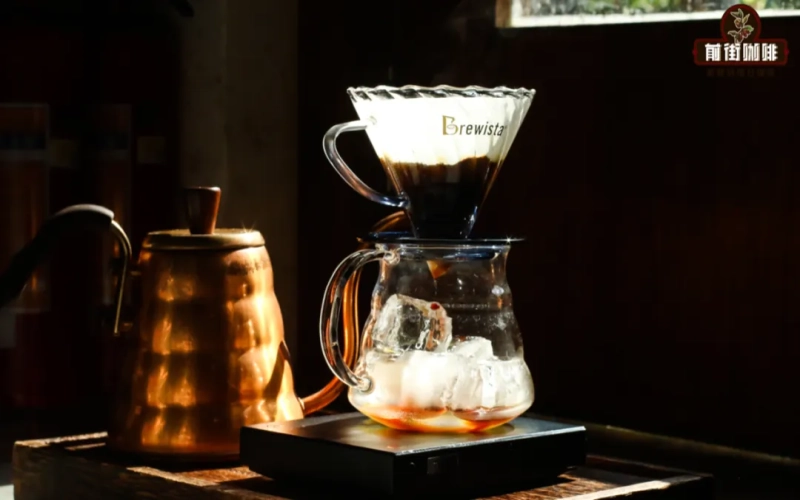
An Analysis of the Price Difference Between Iced and Hot Coffee, and the Complete Method for Japanese-Style Iced Pour-Over
Why is iced coffee often more expensive than hot coffee? Drawing on Front Street Coffee's production experience, this article sorts out two core questions about iced pour-over coffee: how to determine the coffee-to-water-to-ice ratio, and what difference adding ice first versus adding ice later makes. It also introduces the types of coffee beans suitable for making iced pour-over and gives Front Street's specific recommended products, including Yirgacheffe G1, Huakui, Cherry Tomato, Butterfly, Xizhua, and Strawberry Candy. The article also explains the need to adjust the grind size, as well as two alternative cooling methods—the over-ice method and the ice-bath cooling method—making it a useful reference for coffee enthusiasts to put into practice. [more…]
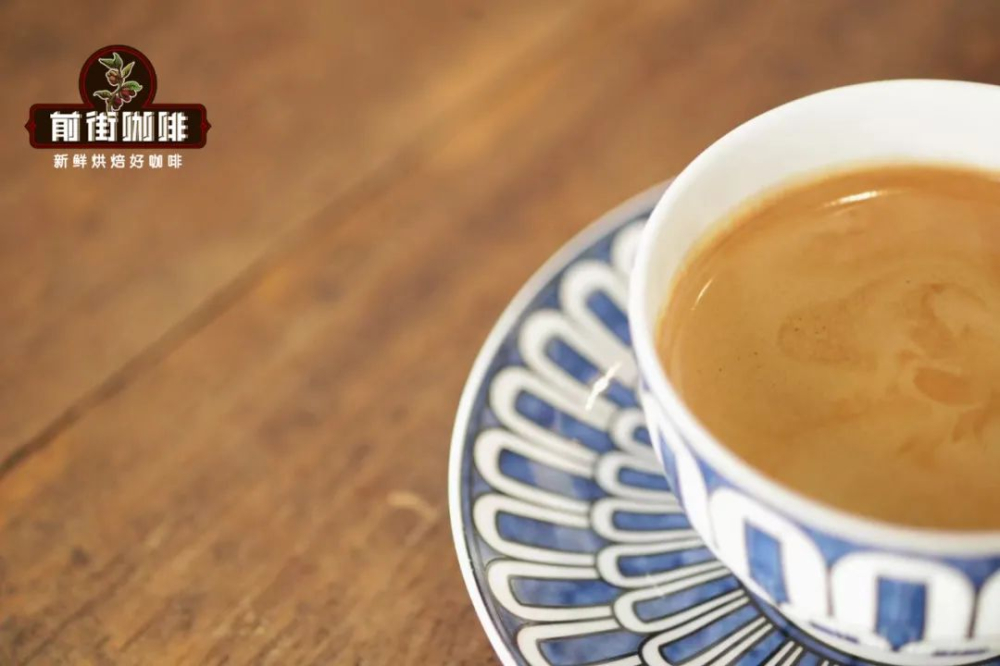
Long Black | What is a Long Black? What's the difference between a Long Black and an Americano? How do you make a Long Black coffee?
In the past, coffee shop menus only had simple black coffee and milk coffee, roughly just the difference between Americano, latte, and pour-over. As the coffee world has become more competitive, various niche espresso drinks have been introduced to regular menus, such as the long black coffee that Front Street Coffee will talk about today. What is long black coffee? Rumor has it that Americano [more…]
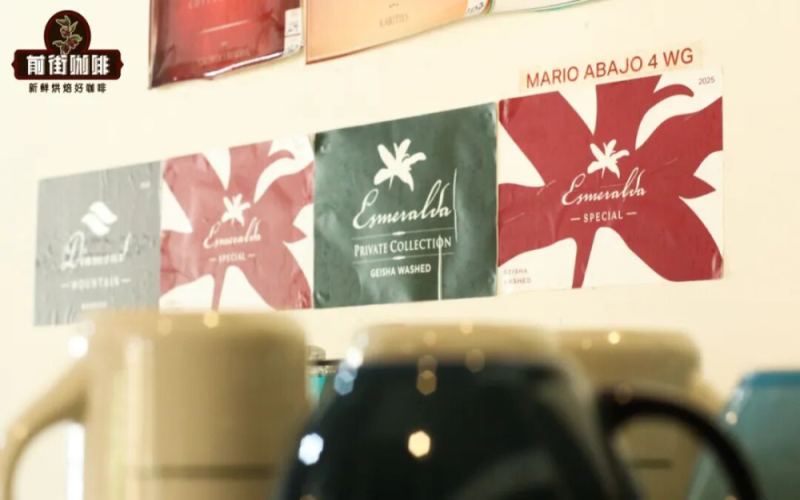
Panama Hacienda La Esmeralda Geisha Coffee Beans | What's the Difference Between Red Label Geisha and Green Label Geisha (Geisha) Coffee Beans? How Did Hacienda La Esmeralda Come to Grade Geisha Coffee?
If Geisha is compared to a legendary steed, then Hacienda La Esmeralda is undoubtedly the judge who recognized its worth. It was Hacienda La Esmeralda that discovered Geisha's potential and introduced its delicious flavor to the world at the 2004 BOP, which is why Geisha has become the top variety in today's specialty coffee scene. It can be said that without [more…]
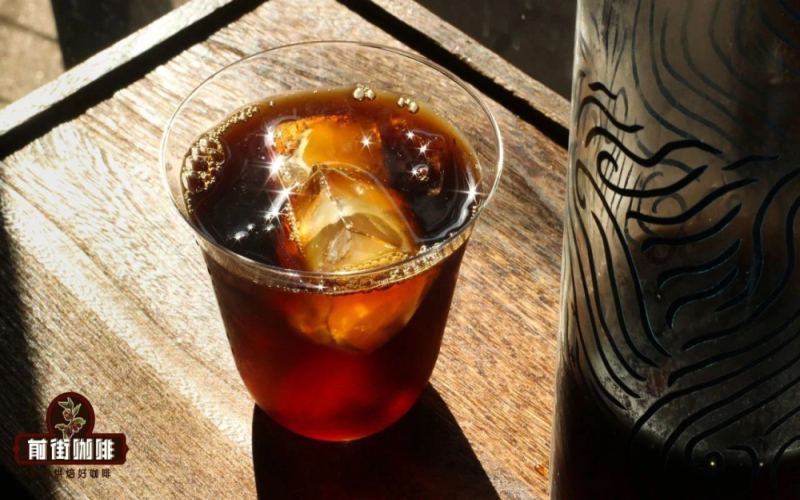
Why Do the Same Beans Taste So Different? A Deep Dive into the Extraction Differences Between Cold Brew and Pour-Over Coffee
Many coffee enthusiasts at Front Street stores order both a cold brew and an iced pour-over made from the same beans, yet are often surprised by the huge gap in flavor between the two after drinking them. Why does the same coffee bean produce such an obvious difference in the resulting cup? This article will systematically sort out the core differences in brewing principles between cold brew and pour-over from multiple dimensions such as extraction water temperature, extraction method, and concentration differences, and combine a comparative experiment conducted by Front Street using Huakui 8.0 to help you understand the taste expressions brought by low-temperature slow extraction and high-temperature fast extraction, as well as the scientific logic behind these differences. [more…]
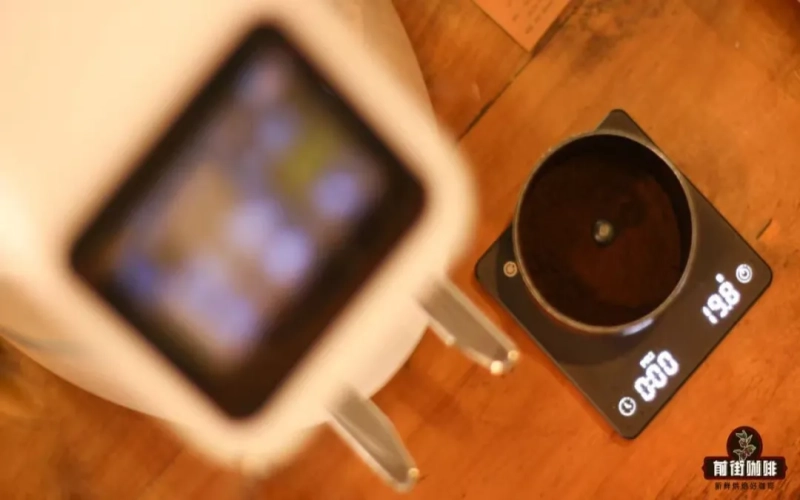
What difference does a 0.5g variation in espresso dose make to the extraction? Actual test data tells you
Many espresso grinders come with a dosing function: set the target weight in grams and it dispenses the grounds automatically, which seems to save you the trouble of weighing each dose. Yet plenty of coffee shops, Front Street Coffee included, still double-check the dose on a separate scale. The reason is that a grinder's dosing isn't always accurate—retained grounds in the chute, static and other factors mean the actual output often differs from the set value. So how much difference does a few tenths of a gram really make to an espresso? Front Street pulled two shots each at 19.5g, 20g and 20.5g and compared them. The results showed that both extraction time and extraction yield changed with the dose, and that mouthfeel and flavor differed noticeably too. Using measured data, this article explains how small dose adjustments affect espresso extraction, and why cafés need to pay attention to these details in the cup they serve. [more…]
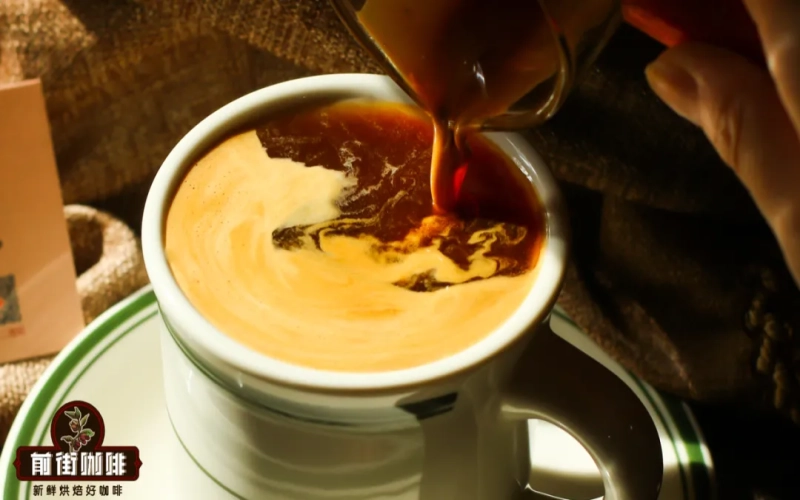
American Coffee: Add Water First or Espresso First? Analyzing the Order Difference and the Real Distinction from Long Black
Should you pour the water first or the espresso first for an Americano? This question seems simple, yet it involves the essential difference between a Long Black and an Americano, the evolution of service efficiency, and the practical differences in taste and appearance. Through comparative experiments, Front Street Coffee found that the two pouring orders do produce differences in crema retention, aroma expression, and flavor evenness, but under blind tasting they are almost indistinguishable. At the same time, a Long Black is not simply about reversing the order—it clearly differs from an Americano in strength. This article, drawing on Front Street Coffee's actual service experience and combining coffee bean recommendations with extraction parameters, will break down these questions one by one. [more…]
Coffee Color Meter Usage Guide: From Bean Color and Ground Value to RD Value, Understanding the Scientific Measurement of Roast Degree
Judging the roast level of coffee beans by the naked eye alone, based on how light or dark the color appears, is clearly not rigorous enough. In the industry, a colorimeter is more commonly used to measure the degree of caramelization. This article will start with the measurement principle, explain the meaning of the Agtron value (color value), the difference between whole-bean color and ground-coffee color value, and how the RD value calculated from the difference between the two reflects roast uniformity. It will also explain how factors such as processing method affect the measurement results. Front Street Coffee will also present the commonly shared Agtron value roasting chart to help coffee enthusiasts more systematically understand the scientific basis behind roast assessment. [more…]
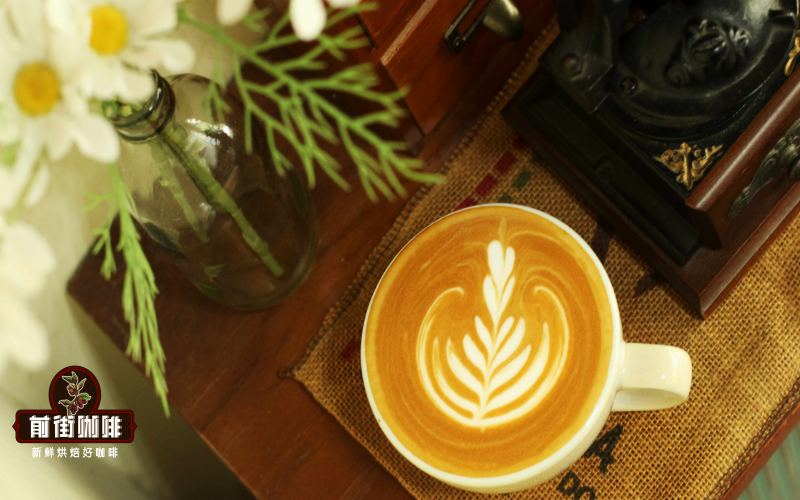
The three brothers of espresso with milk: What exactly is the difference between a latte, cappuccino, and mocha?
Walking into a café and facing a menu of latte, cappuccino, and mocha, have you ever been confused about what exactly makes them different? All three coffee drinks appear to be espresso with milk, but in reality, the ratios, mouthfeel, and preparation methods each have their own nuances. Latte puts milk in the starring role, cappuccino highlights the coffee's true flavor, and mocha incorporates chocolate notes. Understanding the stories and standard recipes behind them not only helps you find your favorite taste, but also makes you more relaxed and confident when ordering next time. This article will break down the mysteries of these three classic coffee drinks one by one, and along the way discuss the difference between steamed milk and milk foam, as well as how lattes are made differently around the world. [more…]
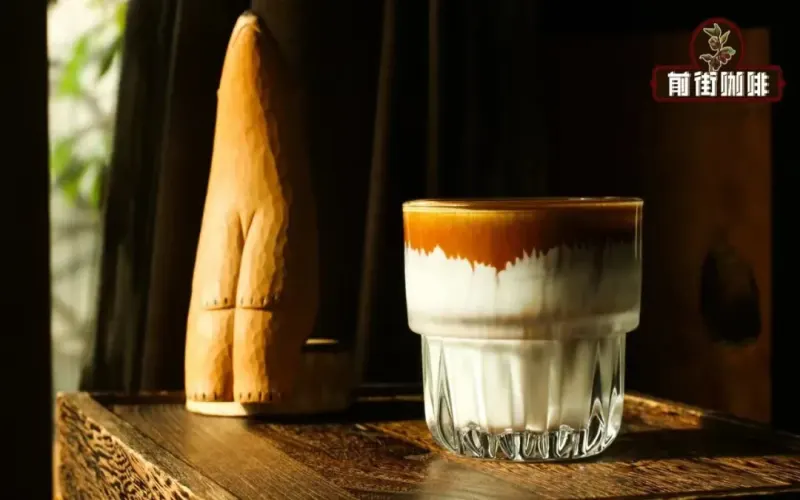
The Complete Guide to Making Dirty Coffee: How to Perfectly Layer Espresso and Milk, and Its Key Differences from a Latte
Dirty coffee has long been popular among coffee enthusiasts for its visual effect of espresso floating on the surface of iced milk and slowly seeping downward, along with its contrasting mouthfeel. However, many people who try to recreate it at home often run into the problem of the espresso sinking straight to the bottom and blending in, with no layering at all. Drawing on the practical experience of Front Street Coffee, this article systematically outlines the three key factors in making dirty coffee: controlling the distance between the milk surface and the espresso outlet, maximizing the temperature difference between the milk and the espresso, and increasing the milk's concentration—and it also answers the essential question of how dirty coffee differs from a latte. Whether you want to make a dirty coffee that delivers both good looks and great taste, or you want to figure out exactly how it differs from an iced latte, this guide will give you clear answers. [more…]
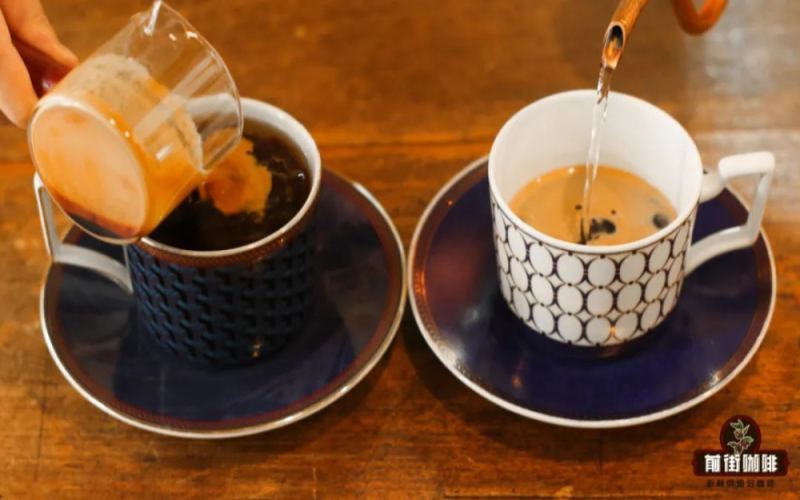
What is the difference between a Long Black and an Americano? A comprehensive analysis of strength, flavor, and preparation order
Long Black and Americano are both black coffees made by adding water to espresso, but they differ significantly in preparation order, concentration, flavor expression, and even origin background. Americano originated during World War II from American soldiers' demand for a milder-tasting coffee, and is made by adding espresso first and then water; Long Black was born in Australia, and is made by adding water first and then espresso, resulting in a higher coffee concentration. Because the order of adding water affects the degree of fusion between water and espresso, every sip of an Americano has a uniform flavor, while a Long Black shows a clear difference between the first few sips and those that follow. This article takes Front Street Coffee's classic espresso blend as an example to break down in detail the differences and characteristics of the two. [more…]

Understanding the Ethiopian Coffee Bean Grading System: What Exactly Is the Difference Between Yirgacheffe G1 and G2?
Yirgacheffe is one of Ethiopia's most representative specialty coffee regions, and Front Street Yirgacheffe G1 and Front Street Yirgacheffe G2 are the two beans most easily available for everyday purchase. What exactly is the difference between G1 and G2? Which one is of better quality? To answer these questions, one must first understand Ethiopia's coffee grading system. From the evaluation perspective of Front Street Coffee, this article sorts out the origins and development of the two grading systems, CLU and ECX, analyzes the respective scoring dimensions of washed and natural processing, and presents the real differences between Front Street Yirgacheffe G1 and G2 through a direct comparison of green bean appearance, roasted bean appearance, and cupping flavor. [more…]

Hacienda La Esmeralda Geisha Coffee Bean Grades | What is the difference between Panama La Esmeralda Geisha Red Label and Green Label? Why is Esmeralda Geisha coffee so expensive?
If Geisha is likened to a thousand-mile horse, then Hacienda La Esmeralda is undoubtedly the Bo Le who recognized its worth. It was Hacienda La Esmeralda that discovered Geisha's potential and introduced its exquisite flavor to the world at the 2004 BOP, which is why Geisha has become the top variety in today's specialty coffee scene. It can be said that without [more…]
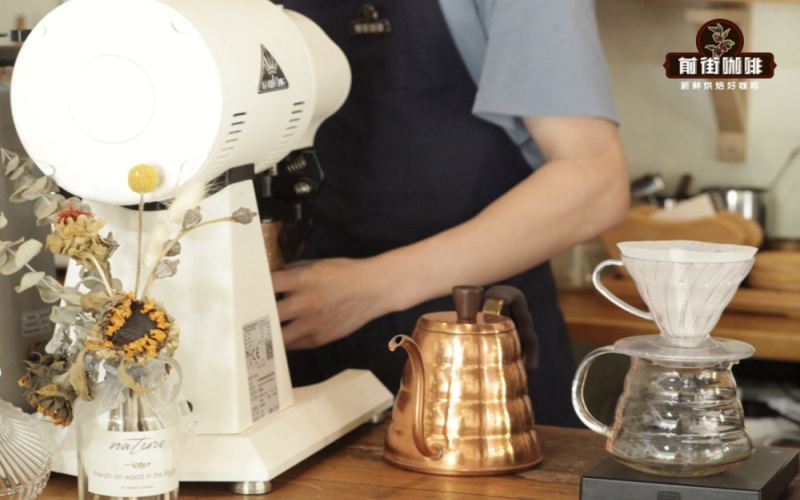
Drip Bag Coffee Peak Flavor Period | What Is the Difference Between Drip Bag Coffee and Pour-Over Freshly Ground Coffee? Is Drip Bag Coffee the Same as Instant Coffee?
The biggest difference between drip bag coffee and freshly ground pour-over coffee is that drip bags use pre-ground coffee. Is there really such a big difference between pre-ground and freshly ground coffee? There will always be some difference. After coffee beans are roasted, they retain a large amount of carbon dioxide, which helps preserve the flavor and aroma of the coffee. Once the coffee beans are ground into particles, [more…]
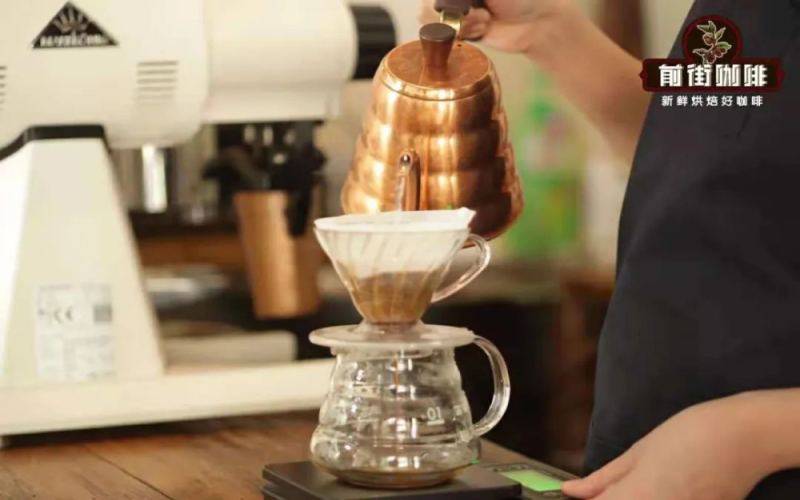
How Big a Difference Does Water Temperature Make in Pour-Over Coffee? A Side-by-Side Test of 90°C vs. 93°C Extraction
Water temperature is a crucial variable in pour-over coffee extraction, directly influencing the flavor expression of the final cup. High-temperature water produces a more intense coffee taste, while low-temperature water makes the flavor flatter. To quantify this difference, Front Street Coffee conducted a comparative test using Panama Butterfly coffee beans, brewing at 90°C and 93°C respectively, and revealing the specific effects of water temperature on extraction through concentration measurements and sensory evaluation. The test results not only show the data gap between the two in concentration and extraction yield, but also describe in detail the changes in aroma, sweetness, complexity, and defective flavors. In addition, the article shares Front Street's water temperature selection strategy for light-roast beans in daily brewing, and which bean varieties are suitable for using higher water temperatures to unleash their potential. [more…]