







Search Results for: Designated Training Institutions
A Comprehensive Guide to Barista Professional Qualification Certification: Certificate Value, Application Requirements, and the Approval Process for Designated Training Institutions
The barista vocational qualification certificate is an important credential of professional competence for practitioners in the coffee industry, issued by an authoritative national body and valid nationwide. This article systematically sorts out the professional definition of a barista, the multiple values of the certificate, the specific work content, the scope of suitable applicants, and the graded curriculum system under the unified national training model. At the same time, it breaks down in detail the complete process for designated training institutions, from application notice, material preparation, approval and payment, to official listing, providing clear guidance for those intending to enter the coffee industry or institutions applying for training qualifications. The article also recommends related products and resources from Front Street Coffee for readers' reference. [more…]

Zero experience but want to enter the coffee industry? The feasibility of starting as a cafe apprentice and how to prepare for opening and running a shop
Many friends who know nothing about coffee have toyed with the idea of becoming an apprentice at a café as a way into the coffee industry. Is this path really viable? Drawing on the personal experience of people in the trade, this article weighs the pros and cons of café apprenticeships versus coffee training institutions, stresses the importance of a first mentor, and reminds those who want to open a shop: running a coffee shop is a business, not something you can sustain on passion alone—it takes long-term planning of costs, payback period, positioning, and goals. Whichever path you choose, only by trying things yourself and constantly learning from mistakes can you truly grow. [more…]

SCA Specialty Coffee Flavor Wheel User Guide: How to Interpret It Correctly and Download High-Resolution Images
The coffee flavor wheel is an important tool for coffee enthusiasts and professionals in sensory training, but the prerequisite is that one must correctly master its method of use. The most commonly used version at present is the one released by the SCAA in 2016, and many coffee training institutions use it as sensory teaching material. Front Street uses this flavor wheel as a blueprint and introduces how to understand and digest it from four aspects: do not blindly follow the flavor wheel, seek flavor relationships from the three-ring structure, use colors for association, and observe the density details among categories. Although understanding the flavor wheel cannot make you immediately taste all flavors, it can help you systematically sort out the connections among various flavors in coffee, and then by tasting more in correspondence with the flavor wheel, gradually step into the door of coffee flavor sensory perception. [more…]

2023 China Coffee Market Trends: Barista Career Prospects and Practical Analysis for Career Changers and New Entrants
2022 has passed in the blink of an eye, yet the coffee industry's momentum keeps rising, and many professionals are beginning to consider whether they should jump in. The backend has received a large number of inquiries about switching careers to coffee, and the writer has sorted out the three most frequently asked questions: Should you go be a coffee apprentice? Should you get certified before entering the industry? Should you quit your current job and step into the coffee track? This article combines the current state of the industry to analyze, one by one, the many sides of the barista profession—from the two paths of an apprentice, to the real value of certificates, to the financial and opportunity costs that a career change requires—helping you see the real threshold beyond your enthusiasm. At the same time, the article also retains related recommendation information for brands such as Front Street Coffee, for coffee lovers' reference. [more…]

With the 2022 WBC and WBrC about to kick off in Melbourne, past competitors are calling for transparent and inclusive reforms to the competitions.
The 2022 World Barista Championship (WBC) and World Brewers Cup (WBrC) will be held concurrently in Melbourne, Australia, from September 27 to 30. As top-tier events in the coffee world, WBC and WBrC have for years driven the development of the specialty coffee industry and the professionalization of baristas. However, in recent years, multiple past champions and competitors have pointed out shortcomings in the events regarding scoring transparency, judge selection, theme setting, and gender inclusiveness, calling for reform. This article will walk you through the latest developments of the events and take an in-depth look at competitors' views and suggestions for the future development of WBC. [more…]

Is It Worth Getting a Barista Certification? A Full Breakdown of the Differences Between SCA Certification and Q-Grader Qualification
Does working in the coffee industry really require obtaining a certification? This is a question that many coffee professionals and enthusiasts have pondered repeatedly. In recent years, China's coffee market has grown rapidly, with all kinds of training institutions springing up endlessly, and huge disparities in qualifications and fees, leading many people to waste their money. This article focuses on two paths—the SCA Barista certification and the Q-Grader coffee quality grader certification—sorting out their level systems, exam rules, fee ranges, and suitable audiences, to help readers judge whether certification fits their own career plans, while also discussing the practical value of certificates and the importance of subsequent self-improvement. [more…]

A Coffee Bean Procurement Guide for Small Cafés: Supplier Channels and Key Points for Selecting Commercial Beans
Opening a small coffee shop means that the coffee bean sourcing channels and supplier choices directly determine product quality and operating costs. This article outlines five common coffee bean sourcing methods for small coffee shops, including local ingredient suppliers, professional coffee bean suppliers, training institutions, online brands, and self-purchased green beans for roasting. It also explains the conditions that high-quality commercial coffee beans should meet across five dimensions: freshness, quality consistency, value for money, variety richness, and crema performance. At the same time, drawing on the practical experience of Front Street Coffee, it introduces packaging one-way valve design, roast date labeling, blend recipe stability, and the cost advantages of commercial blends, providing a reference for coffee shop operators looking for a suitable coffee bean wholesaler. [more…]

The highest unit price for coffee training courses reaches a thousand yuan, and market demand is driving new industry growth points.
As coffee consumption becomes increasingly routine and a daily necessity, the number of coffee shops continues to grow, and the coffee training market is heating up along with it. From latte art experiences to advanced specialty drinks, course prices range from 300 to 1,000 yuan, and some popular courses require booking half a month in advance. Search data shows that interest in coffee training has risen 77% year on year, with people aged 20-35 making up the main group. The coffee industry is rising across the board, from the consumer end to the talent end, and brands such as Front Street Coffee continue to provide professional support for enthusiasts. [more…]
SCAE, SCAA, SCA, and Q-Grader: A Comprehensive Analysis of the Core Differences Between International Coffee Certification Systems
Faced with the bewildering array of coffee certificates on the market, many people who want to systematically study coffee often feel at a loss where to begin. To sort out the differences among these courses and certificates, the key is to trace back to the issuing bodies. At present, the three major authoritative institutions internationally that have established scientific coffee teaching systems and issue certificates are SCAA, SCAE, and CQI. This article will break down the course structures and certification logic of these three institutions one by one, and explain the changes brought about after SCAA and SCAE merged into SCA in 2017, while also introducing Q-Grader, a widely known yet often misunderstood quality assessment qualification, to help coffee enthusiasts find the learning path best suited to them. [more…]
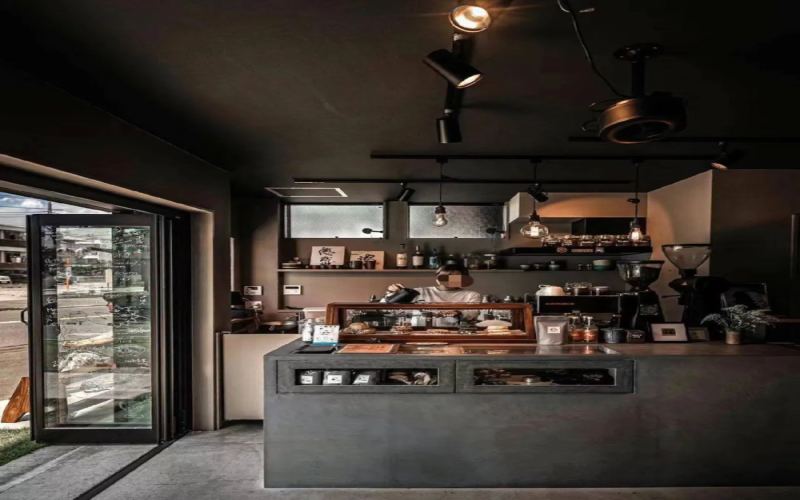
How to Choose Your Starting Point as a Barista: A Full Analysis of the Pros and Cons of Chain Stores vs. Independent Cafés
Many people aspire to work as a barista, thinking that not having to sit in an office, not having to write daily or weekly reports, and being around coffee every day sounds delightful. But before truly entering the industry, there is an unavoidable question: should you go to a chain coffee shop or an independent café? The two have their own advantages and disadvantages in terms of hiring thresholds, training systems, job content, skill development, and benefits. Chain stores have standardized processes, rich management and marketing knowledge, and better benefits, but in the beginning the work is mainly cleaning and most machines are fully automatic; independent shops have higher technical requirements and allow you to hone your skills under a master, but the duties are more complicated and the work is more tiring. Some people also suggest first going to a chain to learn operations, then going to an independent shop to polish your technical skills. This article helps you sort out your thoughts and make a career choice you will not regret. [more…]

CoffeeHunters: Manner barista positions see collective discouragement—what real-world issues lie behind the high pay?
Manner Coffee attracts numerous baristas to submit their resumes with its specialty coffee positioning and attractive salaries, but a large number of current employees can be seen on social media strongly discouraging newcomers from joining. From high pay to professional training, Manner's recruitment conditions appear superior, yet issues such as the actual expenses during training, the assessment mechanism, and store management have gradually come to light. This article sorts out the real situation of Manner's barista positions, reveals the hidden concerns behind the high salary, and helps coffee enthusiasts and practitioners gain a more comprehensive understanding of this chain brand's employment situation. [more…]
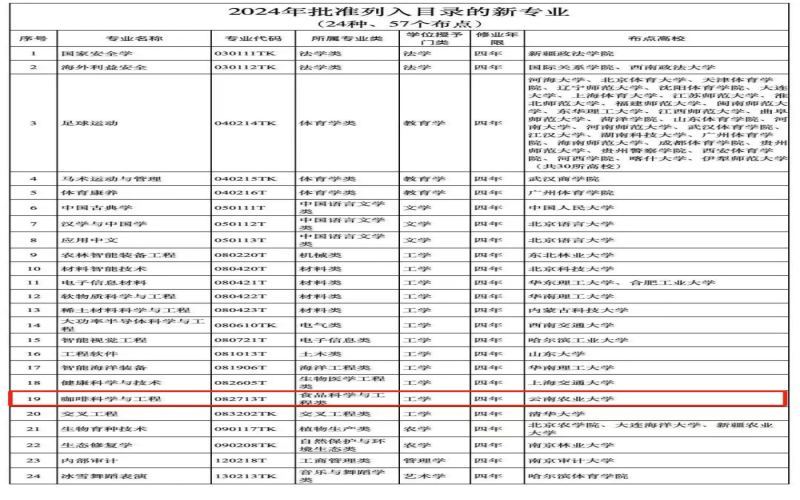
Ministry of Education Adds Coffee Undergraduate Program at Yunnan Agricultural University, Industry Talent Gap Awaits Filling
Attention coffee lovers,重磅 news has arrived: in the Ministry of Education's latest 2024 undergraduate program catalog, Yunnan Agricultural University's application for a "Coffee Science and Engineering" major has been officially approved, which means the world's first undergraduate coffee talent training program has landed in China. What exactly does this major study? Why is the market so hungry for coffee talent? This article will take you through the curriculum of this emerging major, the industry background, and the huge potential of the coffee market, while also focusing on the current imbalance between supply and demand of talent in the coffee industry. [more…]

SCAA Coffee Flavor Wheel User Guide: From the Three-Ring Structure to Sensory Training, Systematically Master the Pour-Over Coffee Tasting Method
The coffee flavor wheel is an authoritative sensory tool recognized by the industry, but it cannot make you directly taste a certain flavor; rather, it is an auxiliary guide to help you organize and identify flavors. This article will use the new version of the flavor wheel released by the SCAA in 2016 as a blueprint, starting from its research background, and disassemble one by one the correspondence among the three-layer structure of the inner ring, middle ring, and outer ring. Combined with a comparative example of Front Street Yirgacheffe Gedingding and Front Street Boquete Geisha, it explains how to use the flavor wheel to gradually narrow the scope of judgment and build sensory memory. At the same time, it also reminds enthusiasts that they do not need to blindly follow the flavor wheel, because the samples it includes are limited, and real flavors such as lychee may not necessarily appear on the wheel. At the end, the article also shares the ingenious design between the flavor wheel's color scheme and flavor associations, helping you more efficiently improve your ability to identify the flavors of pour-over coffee. [more…]

Yuanfudao's parent company enters the coffee race: can Grid Coffee break through in the specialty coffee market?
The parent company of education giant Yuanfudao has officially entered the coffee industry, opening its first store under its wholly-owned subsidiary Grid Coffee at the in88 mall in Beijing's Wangfujing Yintai. Positioned as a specialty coffee brand, it focuses on two main series: classic and pour-over, with prices mainly in the 25 to 30 yuan range. Within 48 hours of its soft opening, it sold 1,068 cups of coffee, of which over 800 were pour-over, achieving impressive results. However, in the face of strong competitors such as Starbucks, %Arabica, and Peet's around Taikoo Li Sanlitun, as well as the increasingly fierce competition in China's coffee market, whether this crossover player from the education and training industry can successfully transform remains to be tested by the market. Front Street Coffee will continue to follow this crossover development. [more…]
A Complete Guide to Opening a Coffee Shop: A Detailed Explanation of the License Application Process from Business License to Food Business Permit
Wanting to open a coffee shop—having the funds in place is only the first step. What really gives many entrepreneurs a headache is the complicated and cumbersome licensing procedures. From business registration and food business permits, to health, tax, and fire safety, and then to the special approvals for alcohol and roasted coffee, every single item determines whether the shop can operate legally. This article will systematically sort out the various certificates and application processes required to open a coffee shop, helping you clarify your thinking and avoid detours. At the same time, we will also discuss practical points such as site selection strategy, startup capital estimation, and equipment procurement. At the end of the article, Front Street Coffee's contact information is attached; you are welcome to exchange ideas on specialty coffee bean selection and shop-opening experience. [more…]
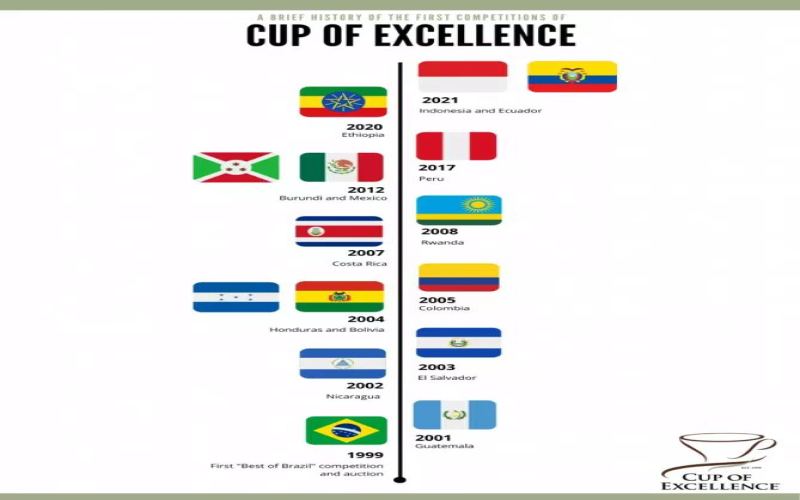
An Analysis of the SCAA and COE Coffee Certification Systems: Differences in Scoring Standards and Their Essential Distinction from SOE
In the world of specialty coffee, the SCAA and COE are two authoritative systems that cannot be overlooked. The former established industry standards and cupping protocols, while the latter selects top-tier green beans through rigorous competitions. How do their scoring logics differ? And why are COE and SOE often confused? This article will trace the development and operational mechanisms of the SCAA, CQI, and COE, explain in detail the differences in cupping score sheets, and use the example of the 22nd-place sun-dried Typica that Front Street Coffee bid for at Ethiopia's first COE competition in 2020 to present the complete story from origin to cup. [more…]
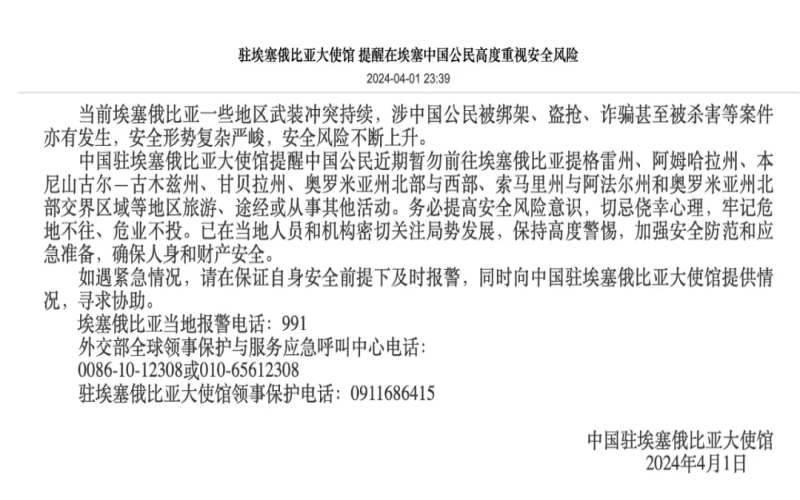
The Chinese Embassy in Ethiopia has issued a safety reminder: temporarily avoid travel to high-risk areas such as Tigray, affecting the coffee trade and tourism.
Recently, the Chinese Embassy in Ethiopia issued a notice advising Chinese citizens to temporarily avoid traveling to several high-risk areas, including Tigray and Amhara regions. The country's protracted civil war and local armed conflicts continue to spread, not only creating security risks but also severely impacting an economy and tourism industry that rely on coffee and agriculture and animal husbandry as pillars. As the recognized birthplace of coffee, Ethiopia's turbulent situation also affects the travel plans of coffee traders and bean hunters. This article outlines the background of the conflict, its impact on the economy and the coffee industry, and reiterates the embassy's safety recommendations, reminding those planning to travel to the country to remain highly vigilant and ensure their personal and property safety. [more…]
An Analysis of the SCA and Q Grader Certification Systems: Exam Content and a Practical Guide for International Baristas
Want to break into the coffee industry—do you really need to spend money on certifications? The two major international credentials, SCA and Q Grader, are often discussed. SCA uses a credit-accumulation system covering barista skills, pour-over, roasting, sensory, and green coffee, among other areas, allowing students to choose modules as needed; Q Grader, launched by CQI, focuses on green coffee quality evaluation, requiring candidates to pass twenty tests within six days, with the certificate valid for three years. This article breaks down the course structure, exam content, fees, and target audiences of the two types of certification to help you decide which path better suits your career plans. [more…]
Luckin accelerates campus layout: targeted location-based franchising cracks the back-to-school season coffee battle
September marks the start of the school season, and the campus coffee market is ushering in a new round of competition. Luckin Coffee is accelerating its penetration into universities with a "targeted location franchise" model, having opened more than 1,282 campus stores and rolled out over a hundred targeted locations. Its 9.9-yuan low-price strategy, creation of a third space, and campus culture collaborations have made university students an important force in coffee consumption. At the same time, brands such as Front Street Coffee are also paying attention to this trend. This article reviews Luckin's campus expansion path, the details of its franchise model, and five notable characteristics of campus coffee shops, analyzing the new campus battlefield amid the coffee industry's fierce competition. [more…]
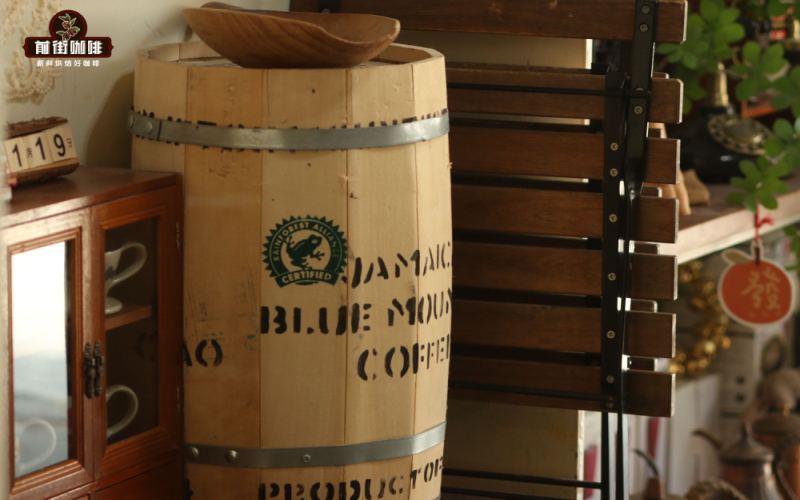
Jamaica Blue Mountain No. 1 Full Analysis: Designated Growing Area, CIB Grading, and Estate Brewing Flavor Details
When it comes to the world's famous coffees, Jamaica Blue Mountain is certainly among them, yet many people cannot explain why it commands such a high price. This article, brought to you by Front Street Coffee, will guide you through a systematic understanding of this "Emperor of Coffee": from its eighteenth-century cultivation origins and the four legally designated production regions certified by the government, to CIB's strict grading system and the characteristics of the Typica variety, and then to the differences between the washed and natural processing methods at Clifton Estate, along with green bean analysis, roasting records, cupping data, and a complete brewing guide, helping you understand the value of Blue Mountain coffee and learn to identify authentic Blue Mountain No. 1. [more…]