







Search Results for: Dark roast pour-over
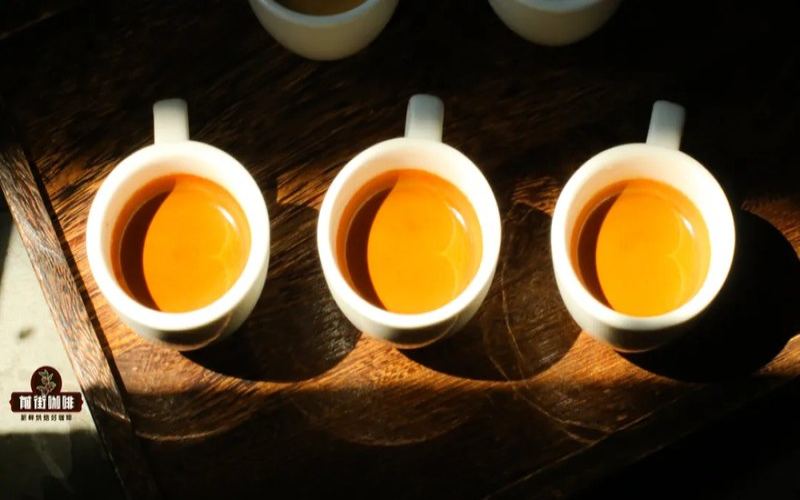
From Medium-Dark to Dark Roast: Choosing Dark Roast Beans for Pour-Over Like This
Pour-over is not only for bright, light-roasted beans. Once the roast level reaches medium-dark or dark, coffee reveals notes of cocoa, nuts, caramel, and roasted aromas, with a heavier mouthfeel and softer acidity. As long as you choose according to the intensity you want, dark-roasted pour-over can also deliver clear sweetness and a smooth texture. Pick [more…]
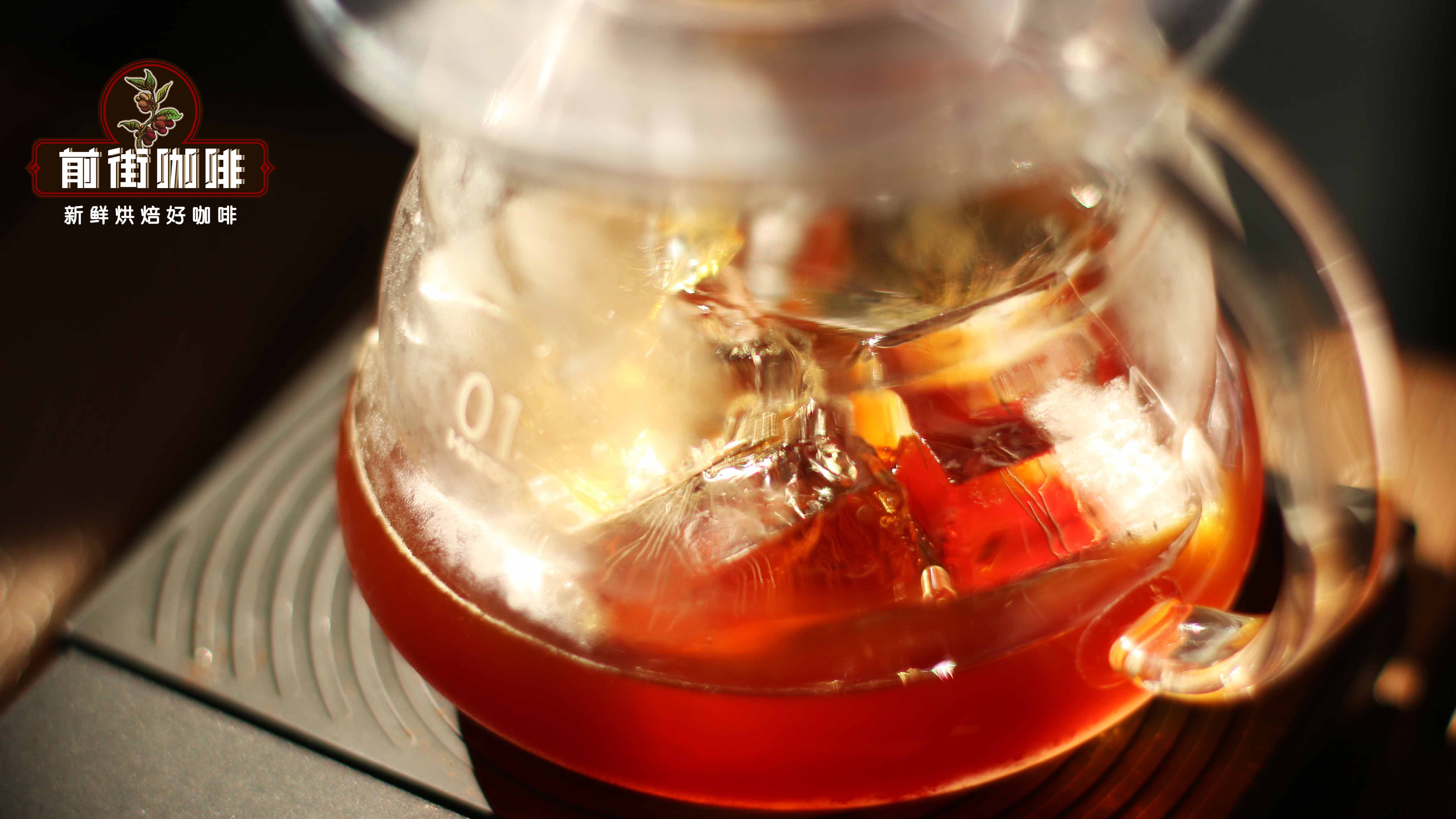
Can medium-dark roast coffee beans also make a delicious iced pour-over? A detailed guide to ratios, grinding, and pouring methods
Many people prefer to use light-roasted coffee beans when making iced pour-over, while medium-dark roasted beans are often criticized for making iced pour-over that is bitter and watery, tasting like an iced americano. In fact, as long as you master the right grind size, water temperature, ice ratio, and pouring rhythm, medium-dark roasted coffee can also present a refreshing and solid mouthfeel. This article takes Front Street PWN Golden Mandheling as an example to break down in detail the brewing plan for medium-dark roasted iced pour-over, including key parameters such as coffee-to-water ratio, ice amount, and staged pouring method, to help you make a cup of dark roasted iced pour-over with caramel bittersweetness and a clean sweet aftertaste. [more…]
From Medium-Dark to Heavy Roast: How to Choose Beans for Pour-Over Dark Roast
Pour-over is not only for bright, light-roasted beans. Once the roast level reaches medium-dark or dark, coffee reveals cocoa, nut, caramel, and roasted aromas, with more weight on the palate and acidity that trends softer. As long as you choose according to the intensity you want, dark-roast pour-over can also deliver clear sweetness and a smooth texture. Pick [more…]
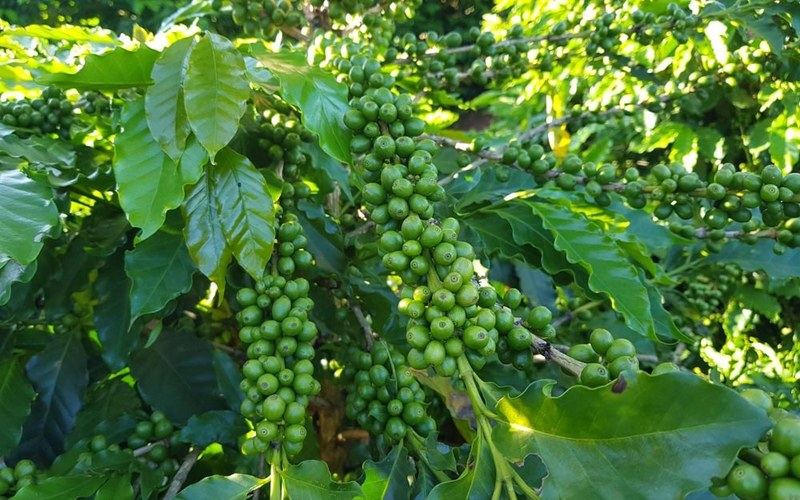
Choosing Non-Acidic Pour-Over Beans by Roast Level: From Medium to Dark Roast
Pour-over coffee doesn't only express bright fruity acidity. If you prefer a soft, easy-drinking cup with nutty or cocoa notes, you can start by choosing beans from three directions: medium roast, medium-dark roast, and dark roast. The darker the roast, the more the acidity usually recedes, and the flavors gradually shift toward caramel, roast, chocolate, and nuts, making them suitable for breakfast, [more…]
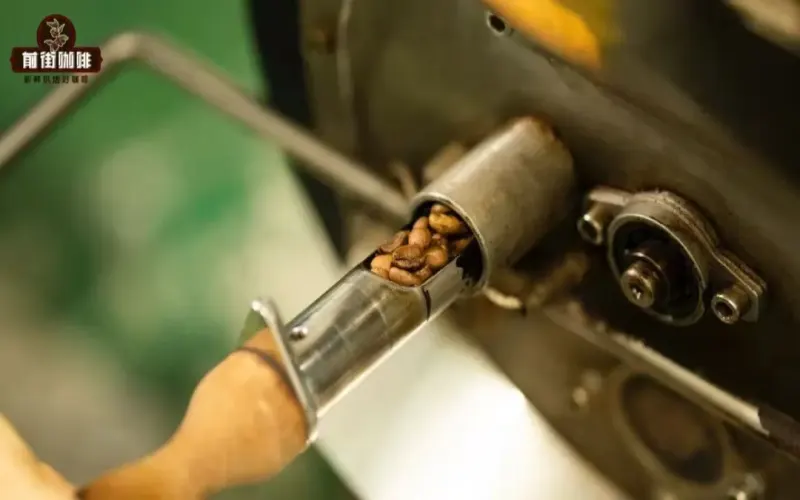
Analysis of Pour-Over Parameters for Medium-Dark and Dark Roast Coffee Beans and Recommended Suitable Varieties
The roasting degree of coffee beans directly affects the flavor profile: light roasts highlight acidity and floral notes, while medium-dark roasts bring the rich, mellow feel of nuts, chocolate, and caramel. Starting from roasting types, this article sorts out the characteristics and representative products of medium, medium-dark, and dark roasted coffee beans, and provides parameter references for pour-over brewing methods for dark roasted beans. For coffee lovers who prefer low acidity and a rich taste, the article also introduces several medium-dark roasted single origins and espresso blends under Front Street Coffee, helping you find the cup that suits you between pour-over and espresso. [more…]
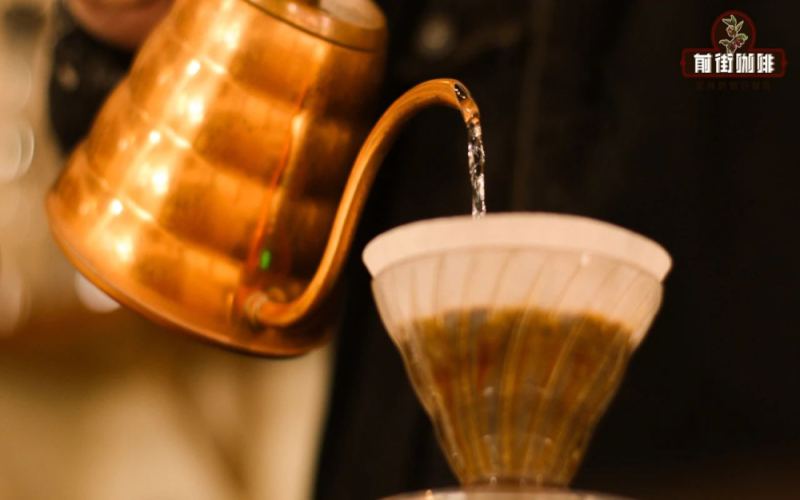
Analysis of the Roasting Characteristics of Espresso Beans: Can Medium-Dark Roast Blends Be Used for Pour-Over?
The flavor profile of espresso fundamentally depends on the variety of coffee beans selected and the degree of roast. To achieve a cup that is both balanced and full-bodied, the vast majority of cafés tend to use medium-dark roasted blends for espresso. However, quite a few coffee enthusiasts also try using such beans for pour-over. It is worth noting that during pour-over extraction, the brewing parameters will differ significantly depending on the roast level of the beans. This article takes medium-dark roasted coffee as its main thread and, drawing on Front Street's hands-on experience, systematically sorts through the flavor characteristics of such beans in pour-over, grind setting, water temperature range, coffee-to-water ratio, and dripper selection, and provides a complete brewing procedure to help you reliably reproduce a rich, full-bodied medium-dark roast pour-over at home. [more…]
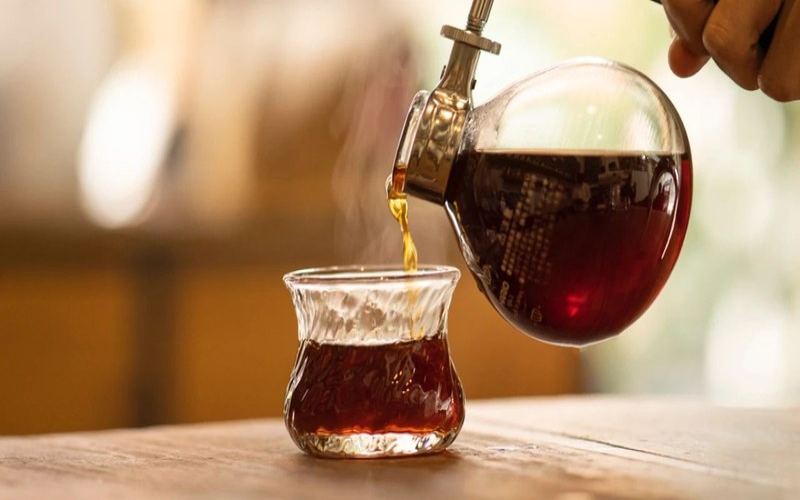
Recommended dark roast coffee beans suitable for pour-over: balancing budget and drinking frequency
When it comes to dark roast coffee beans suitable for pour-over, start by looking at how you plan to drink them every day. For everyday bean purchases, you need to consider how quickly you'll go through them, how much to buy at once, and whether you'll mainly make black coffee or milk coffee at home. If you mostly drink black coffee, you can pay more attention to aroma and aftertaste; if you often add milk, you need to consider whether the strength and body can hold up. [more…]
Single-Origin, Pour-Over, or Blend: How to Choose—Understanding Coffee Flavor from Light to Dark Roast
Whether to buy single-origin or blended coffee beans, and whether they suit pour-over or espresso, can often first be judged by the roast level. Light roasts retain more distinct origin character, often with floral notes, fruity acidity, and a bright, clean mouthfeel; medium roasts strike a more balanced profile of sweetness, aroma, and body; dark roasts lean more toward cocoa, nut, and roasted flavors. There is no fixed answer—what matters [more…]
Dark Roast Coffee Flavor Analysis: Taste Characteristics, Is It Suitable for Pour-Over? Plus Front Street Coffee Dark Roast Bean Recommendations and Brewing Tips
Is dark roast coffee actually good? Where does its rich, full-bodied taste come from, and is it suitable for pour-over brewing? This article starts with the classification of roast levels, sorting out the flavor differences among light, medium, and dark roasts, with a focus on how dark-roasted beans perform in pour-over, and offers adjustment ideas across four dimensions: coffee-to-water ratio, brewing time, dripper choice, and pouring technique. It also rounds up popular dark-roasted single origins such as Front Street PWN Golden Mandheling, Front Street Queen's Estate, Front Street Jamaica Blue Mountain No. 1, and Front Street Huila, as a reference for everyday bean selection. [more…]
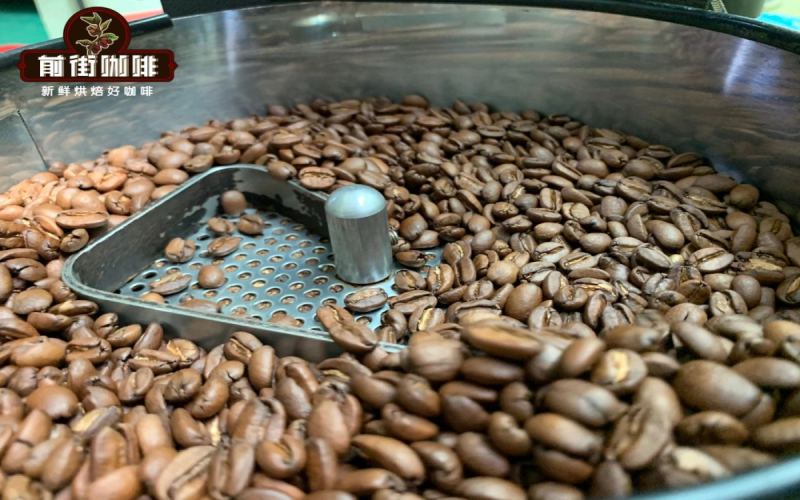
A Guide to Buying Dark Roast Coffee Beans: Acid-Free Blends and Pour-Over Dark Roast Recommendations
Coffee lovers who enjoy a rich, full-bodied cup without acidity often have a particular fondness for dark-roasted coffee beans. The length of the roasting time directly determines the final flavor profile of the coffee—the longer the roast, the weaker the acidity, and the more intense the bitterness and caramelized aromas become. So how should you choose among the dark-roast beans on the market? This article approaches the question from two directions—pour-over and espresso—and recommends suitable dark-roast coffee beans for each. Among them, Front Street Coffee PWN Golden Mandheling, with its rigorous quality control of three rounds of hand sorting plus one round of machine sorting, has become the unrivaled choice for dark-roast pour-over; while Front Street Coffee Black Cacao Base Blend and Front Street Coffee Classic Blend, two espresso beans, offer rich crema and roasted aromas that serve both Americano and latte needs. Whether for home use or for opening a shop, you can find your ideal choice here. [more…]
How to Choose Dark Roast Coffee Beans: Three Full-Bodied Flavors for Pour-Over
Dark roast coffee beans are not only suitable for espresso machines; pour-over can also produce a thick, sweet, and smooth black coffee. Its flavor usually leans closer to cocoa, roasted nuts, caramel, and toasty aromas, with a milder acidity on the palate. It's great for pairing with bread at breakfast, and also for when you want a cup of steady, grounded coffee without pronounced fruity acidity. According to the roasting process [more…]
What Are the Coffee Bean Roast Levels and How to Choose? Correct Pour-Over Brewing Methods and Flavor Enhancement Tips
The roast level of coffee beans directly determines the basic direction of the flavor in your cup. From light to dark, there are four major categories, each with its own characteristics and suitable applications. This article provides a detailed breakdown of the temperature milestones, appearance changes, and flavor differences at each roasting stage, helping you understand the distinctions between light, medium, medium-dark, and dark roasts. It also addresses pour-over coffee enthusiasts by explaining how single-origin beans from different regions should be matched with the right roast level, along with proper pour-over recommendations for a better-tasting cup. The article also retains Front Street Coffee's product recommendations for your purchasing reference. [more…]
Opening Rhythm and Flavor Changes of Dark Roast Pour-Over Beans
When brewing pour-over with dark roast coffee beans, the flavor usually unfolds with notes of cocoa, roasted nuts, and caramel sweetness; when the water temperature is right, you can also taste a rounded, sweet finish. However, for these beans, the journey from completion of roasting to the first sip is not a straight line from opening the bag to drinking. Degassing rate, time after opening, and storage method all alter the aroma, body, and [more…]
Medium Roast vs. Dark Roast Coffee Beans: How to Choose? A Complete Guide to Judging the Freshness of Pour-Over Beans
Faced with a dazzling array of coffee beans, which is really more to your taste—medium roast or dark roast? This article starts with the flavor characteristics of light, medium, and dark roasts to help you quickly narrow down your target based on personal preference. At the same time, we have also put together three practical tips for judging whether pour-over coffee beans are fresh—check the roast date, smell the dry aroma, and observe the blooming and degassing reaction. The article also specifically recommends a number of best-selling bean lists from the Front Street brand that combine quality and value, from sun-dried Huakui to PWN Golden Mandheling, so there is always one to suit your taste buds. [more…]
Roast Level Determines How to Choose Single-Origin, Pour-Over, and Blends
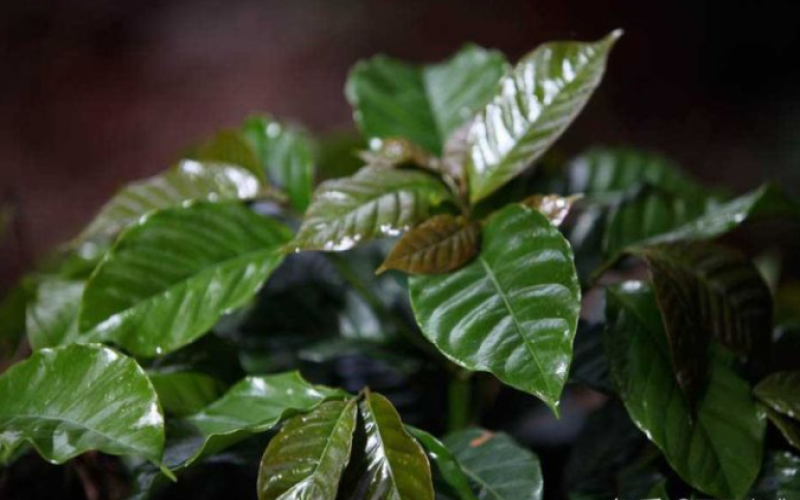
From light roast to dark roast, coffee beans change not only in color, but also in aroma, sweetness, acidity and mouthfeel weight. Single-origin emphasizes the personality of a certain origin or batch, while a blend combines the characteristics of different beans; pour-over is an extraction method, and is not the same as a fixed type of bean. Keep these concepts separate, and then, from [more…]
Complete Guide to Volcano Brewing: Japanese-Style Pour-Over Parameters and Sweetness Enhancement Secrets for Dark Roast Coffee Beans
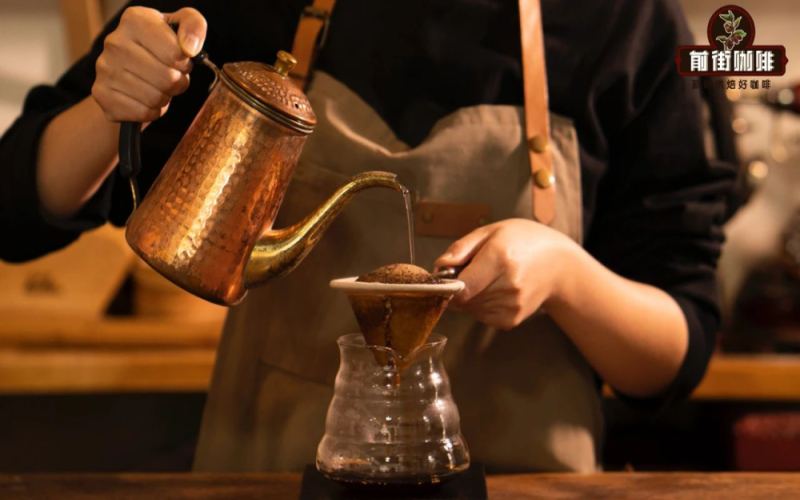
Volcano pour is a highly visually striking classic technique in Japanese-style hand brewing. The coffee bed rises and falls like a volcanic eruption during pouring, and the deep-roasted coffee brewed this way has an especially abundant sweetness. Starting from the underlying logic, this article analyzes why the volcano pour can form a unique coffee-bed spectacle and why it produces such high sweetness, and provides complete brewing parameters and operating steps. It also explains the suitable bean type: deep-roasted beans with a high expansion rate and sufficient carbon dioxide, such as Front Street Sumatra·Golden Mandheling (deep roast). Finally, it includes a staged pouring scheme with a 1:12 coffee-to-water ratio, 88°C water temperature, and a Kalita trapezoidal dripper, along with dilution suggestions, to help coffee lovers recreate at home a smooth cup combining pine and spice notes, caramel sweetness, and dark chocolate aroma. [more…]
A Pour-Over Roast Map: How to Drink from Light to Dark Roasts
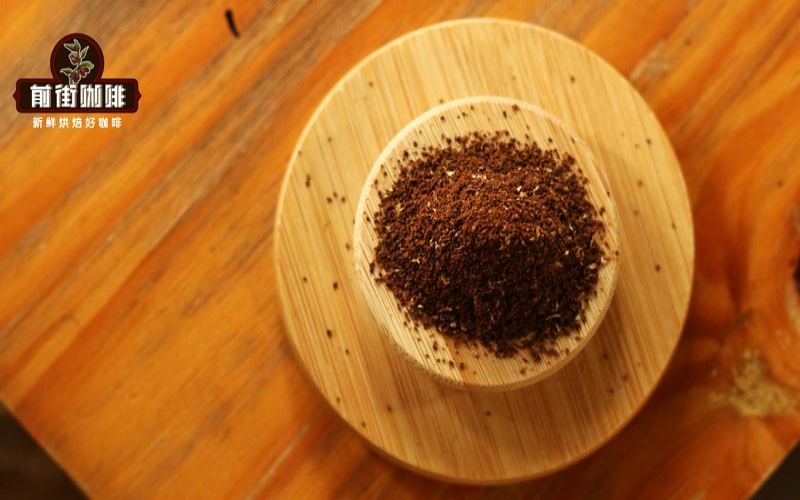
Even with the same hand-brewed coffee beans, different roast colors shift where the flavor lands on the palate. Light roasts tend to preserve the floral and fruity notes of the origin, medium roasts often bridge acidity, sweetness, aroma, and mouthfeel, while dark roasts develop cocoa, nutty, and roasted notes. First understand this line of change, then compare it with your own drinking habits and choose [more…]
The Flavor Window and Storage Guide for Dark Roast Pour-Over Beans: From Degassing to Peak Flavor
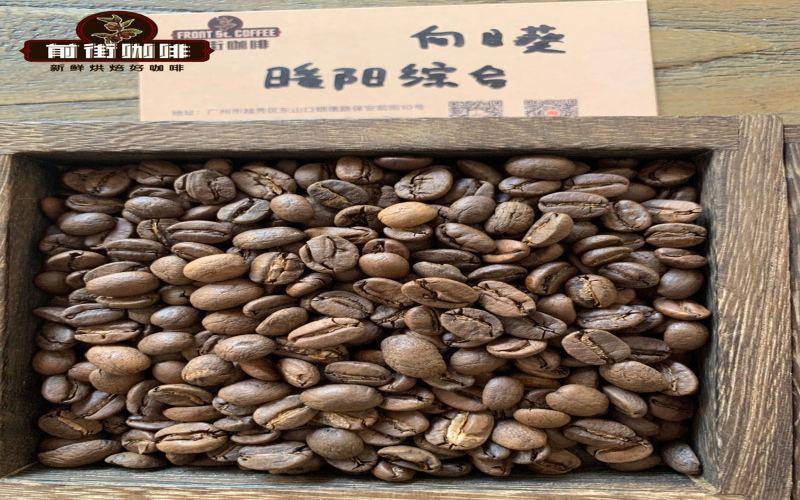
Darker-roasted coffee beans undergo full caramelization and Maillard reactions in the roaster; the fibrous structure inside the bean expands, creating larger pores, and the degree of gas saturation and the rate of release are noticeably faster than in light roasts. Understanding the degassing patterns and flavor evolution of dark-roasted beans helps you accurately gauge the bean's condition during everyday pour-over brewing, allowing [more…]
Medium-Dark Roast Coffee Beans Pour-Over Parameters Guide: A Complete Brewing Approach with Grind, Water Temperature, and the Kono Dripper
Pour-over coffee is not exclusive to light-roasted beans; medium-dark roasted coffee beans can also produce ideal flavors by adjusting parameters. Beans of different roast levels differ significantly in structure—medium-dark roasted beans are more porous and absorb water faster, so applying the brewing logic of light roasts can easily lead to over-extraction and bitterness. Drawing on Front Street Coffee's hands-on experience, this article systematically outlines the flavor characteristics of medium-dark roasted coffee and explains in detail the specific settings for grind size, water temperature range, coffee-to-water ratio, and dripper selection. Finally, it includes Front Street Coffee's standard three-pour brewing process and timing control to help you consistently reproduce a rich, sweet, and mellow medium-dark roasted pour-over at home. [more…]
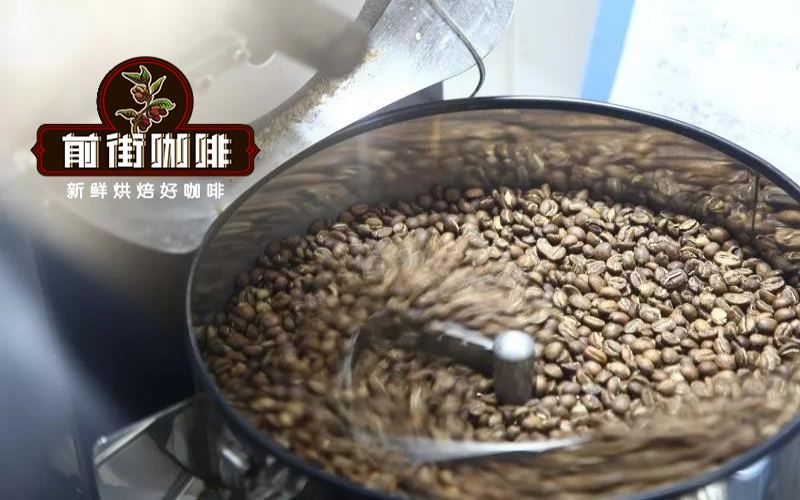
Coffee Roast Levels | What's the difference between dark, medium, and light roasted coffee beans? Is medium roast coffee bitter when brewed as pour-over? Recommended single-origin light, medium, and dark roast coffee beans suitable for pour-over
The darker the coffee is roasted, the more the acidity in the coffee is destroyed, replaced by more caramel flavors, smoky notes, and bitterness. Based on their understanding of different coffee beans, roasters use different roast levels to bring out the unique flavor state of beans from different origins and varieties. For example, preserving the beans' bright fruit acidity or floral notes. [more…]