







Search Results for: Dark Roast Coffee Bean Prices
What Are Espresso Blend Coffee Beans? A Full Breakdown from Blending Philosophy to Front Street Coffee's Five Espresso Beans: Prices and Who They're For
Most espresso beans are blended coffees, but blending is not simply adding several beans together; rather, it combines different origins, varieties, and roast levels so that the flavors complement one another. Starting with the definition and purpose of blended coffee, this article explains why espresso blends can enhance the depth and balance of a shot, and organizes the roast levels, origins, suitable drinkers, and flavor characteristics of five Front Street Coffee espresso blends, including the Strawberry Candy, Dark Cocoa, Classic, Commercial, and Specialty series, to help home users, latte art enthusiasts, and café owners choose according to their needs. [more…]
Specialty Coffee Bean Buying Guide: Flavor Profiles of the Top Ten Popular Single-Origin Coffees and Origin Ranking Analysis
For beginners just stepping into the world of specialty coffee, or for those who are still unsure about their own taste preferences, it's a good idea to start with single-origin beans that offer great value for money and showcase the characteristics of their producing regions. This way, you can gradually build your understanding of origins, varieties, processing methods, and roast levels without being put off by high prices. When buying, the roast date is the first thing to pay attention to—it directly reflects how fresh the beans are, and it's generally recommended to use them within 10 days of roasting for the best flavor expression. In addition, choosing a trustworthy roaster is equally important. Front Street Coffee, as a veteran roasting brand, has a physical store in Guangzhou, offering dozens of selected single-origin and espresso beans from various producing regions around the world, freshly roasted within 5 days, shipped within 24 hours, with stable quality and affordable prices. According to Front Street's latest sales data, the following ten single-origin beans are the most favored by consumers, covering a variety of flavor types and extraction methods, and are worth getting to know one by one. [more…]
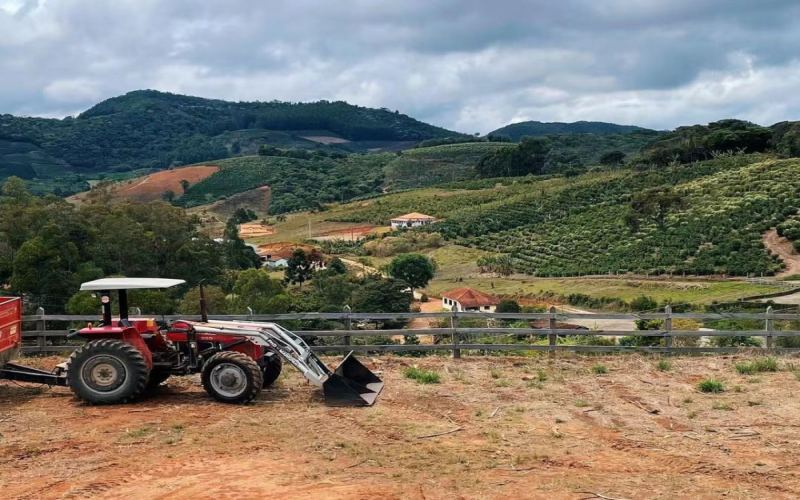
A Detailed Guide to Brazilian Coffee Bean Flavor Characteristics and Pour-Over Techniques: Is Light Roast or Dark Roast More Suitable?
Brazil is the world's largest producer of Arabica coffee beans, and its production fluctuations directly affect international futures prices. In recent years, adverse weather, economic factors, and the impact of the pandemic have left Brazilian coffee in a state of supply falling short of demand. Brazil's coffee-growing elevations are generally low, the beans are relatively soft, and the flavor is dominated by nutty and chocolatey sweetness, balanced acidity and bitterness, and a full-bodied mouthfeel. This article provides a detailed introduction to Brazil's coffee-producing regions, main varieties, and flavor characteristics, as well as two Brazilian beans recommended by Front Street Coffee and pour-over brewing parameters, helping coffee enthusiasts gain a comprehensive understanding of Brazilian coffee and master the key brewing points. [more…]
The Logic Behind Coffee Bean Pricing: How Variety, Grade, and Yield Affect Price, and Whether Expensive Equals Better Taste
It is often said that you get what you pay for, but in the world of coffee, can a higher price really be equated directly with better quality? At Front Street Coffee's shop, we once had a customer ask, staring at the 75-yuan Emerald Red Label, "Is it really tastier than a 30-yuan ordinary pour-over?" To answer this question, we first need to understand the underlying logic of coffee pricing. There are three main core factors affecting coffee bean prices: first, variety—Arabica and Robusta differ significantly in cultivation difficulty and yield; second, green bean grade—each producing country grades beans based on size, altitude, or defect rate; third, yield—take Jamaican Blue Mountain and Panamanian Geisha as examples, where rarity can drive prices up substantially. But a price tag cannot decide for consumers whether a cup of coffee suits their taste, as evidenced by a regular at Front Street Coffee who, after trying Gold Label Geisha, exclaimed that it was too sour. This article will break down these factors one by one to help enthusiasts find the cup of good coffee that truly belongs to them. [more…]
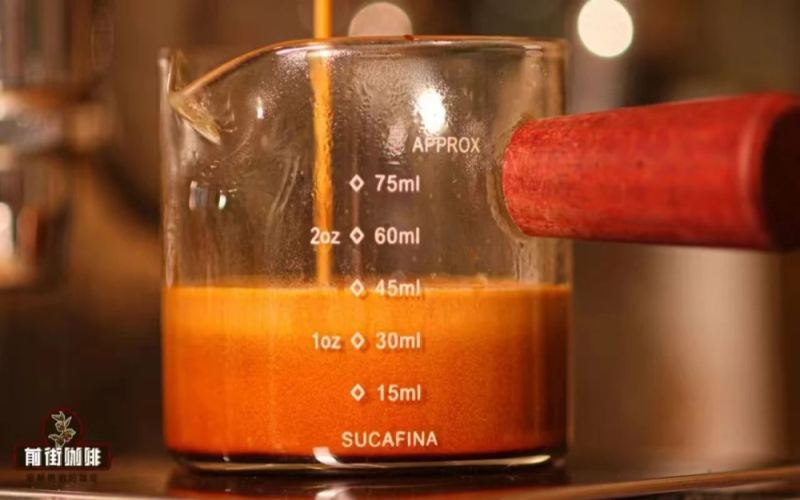
A Detailed Guide to Espresso Blend Formulas: Flavor Characteristics, Buying Tips, and Recommendations of Front Street Coffee's Popular Recipes
Espresso is renowned for its rich and full-bodied character; even when diluted with milk or water, its coffee flavors remain clearly distinguishable. Because espresso machines use pressurized extraction with a shorter brewing time, they are better suited to freshly blended beans of medium-dark roast, which provide both ample crema and a wealth of roasty aromas, making extraction twice as effective with half the effort. If you want espresso that tastes good without being expensive, a blend is the first choice; if you're after a standout single-origin espresso expression, you can try an SOE. All Front Street Coffee beans are freshly roasted within 5 days, offering consistent quality and affordable prices, with shipping within 24 hours—whether you're a beginner, an advanced enthusiast, or opening a shop, you'll find a suitable option. Below, we introduce Front Street's four most popular espresso recipes and share key points for choosing fresh coffee beans. [more…]

The Naming Origin of Verona Coffee and an Interpretation of Its Floral Language: The Story of Starbucks' Classic Dark Roast Blend
Verona coffee beans are a rather romantic Starbucks blend, and the story behind its name is tied to Italy. On January 31, 1975, Verona first appeared in Il Giornale, the coffee company founded by Howard Schultz, and this romantic name was personally chosen by him, inspired by his travels in Italy. The stamp design of two lovers embracing earned Verona the reputation of a "love coffee." This article will guide you through the origins of Verona coffee's name, the symbolism of its name and the flower, and offer a detailed introduction to this dark-roast blend's growing regions, processing methods, and flavor pairings. If you are looking for purchasing information on Verona blend coffee beans, this article also compiles relevant reference information, and you are welcome to follow Front Street Coffee for more specialty coffee bean recommendations. [more…]
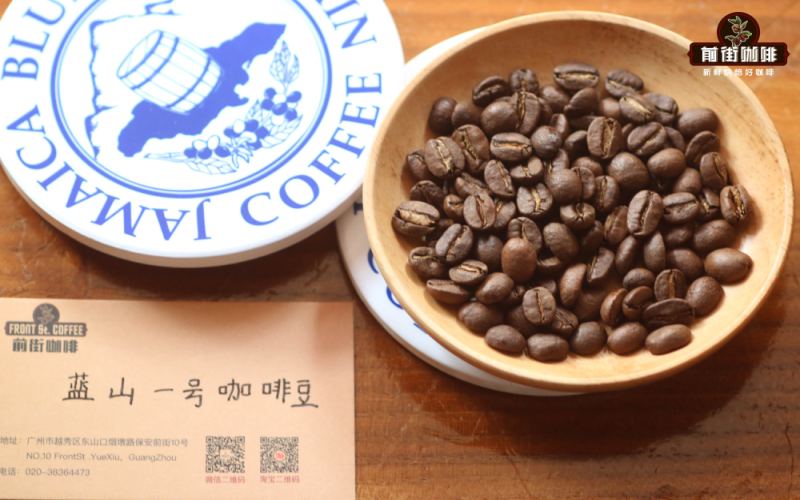
Jamaican Blue Mountain Coffee Beans: Brands, Prices, and Flavor Characteristics — A Detailed Guide to Origin, Variety, Grade, and Pour-Over Parameters
Blue Mountain coffee is synonymous with good coffee in the minds of many elders; even if they have never tasted it, they have heard of Blue Mountain flavor. What exactly are the flavor characteristics of this coffee from Jamaica? From the geographical environment of the Blue Mountains, the introduction of the Typica variety, to the washed processing and wooden barrel packaging at Clifton Mount Estate, and then to the NO.1 grade classification standards and methods for distinguishing authenticity, this article sorts through them one by one. The Jamaica Blue Mountain No.1 on Front Street Coffee's bean list comes from the largest local estate, grown at an altitude of 1,310 meters, and uses a medium-dark roast to highlight chocolatey sweetness. The complete pour-over parameters are attached at the end for reference. [more…]
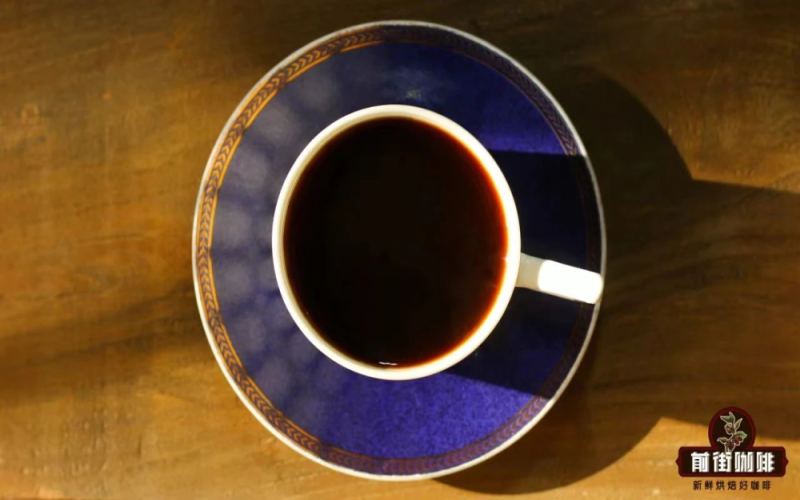
A Complete Analysis of Jamaican Blue Mountain Coffee Grades, Brands, and Prices: What Is the Pour-Over Flavor of Authentic Blue Mountain No. 1 Like?
Blue Mountain coffee is a classic top-tier coffee in the minds of many seasoned coffee enthusiasts, but do products on the market labeled "Blue Mountain flavor" or "Blue Mountain blend" actually contain Blue Mountain beans? How exactly is Jamaican Blue Mountain coffee graded? What is the difference between Blue Mountain No. 1, No. 2, and No. 3? This article sorts through产区 conditions, grade classifications, green bean size standards, and authenticity identification one by one, while also explaining the pricing factors behind authentic Blue Mountain No. 1 coffee beans, and includes the brewing parameters and flavor performance of Front Street Coffee (FrontStreet Coffee) Clifton Farm Blue Mountain No. 1, helping readers choose genuine Jamaican Blue Mountain coffee. [more…]
In-House Roasting Café Green Bean Sourcing and Inventory Management in Practice: Cost Control, Partnership Strategies, and Espresso Blend Bean Selection Guide
For a coffee shop that roasts its own beans, having the roaster in place is only the starting point; what truly determines the quality of the final product is the quality of the green beans and the roasting craft. Green bean costs often account for a significant proportion of initial operating expenses, so how to choose the right items, control inventory, maintain stable supply, and leverage peer cooperation to lower the threshold for acquiring specialty beans is a challenge every operator must face. Starting from the cost structure of green beans, this article sorts out the three major purchasing points for basic espresso blend beans, explores the value of establishing horizontal partnerships, offers practical suggestions for display and storage, and finally includes flavor descriptions of several Front Street espresso blend beans for coffee shops with different positioning to reference when selecting beans. [more…]
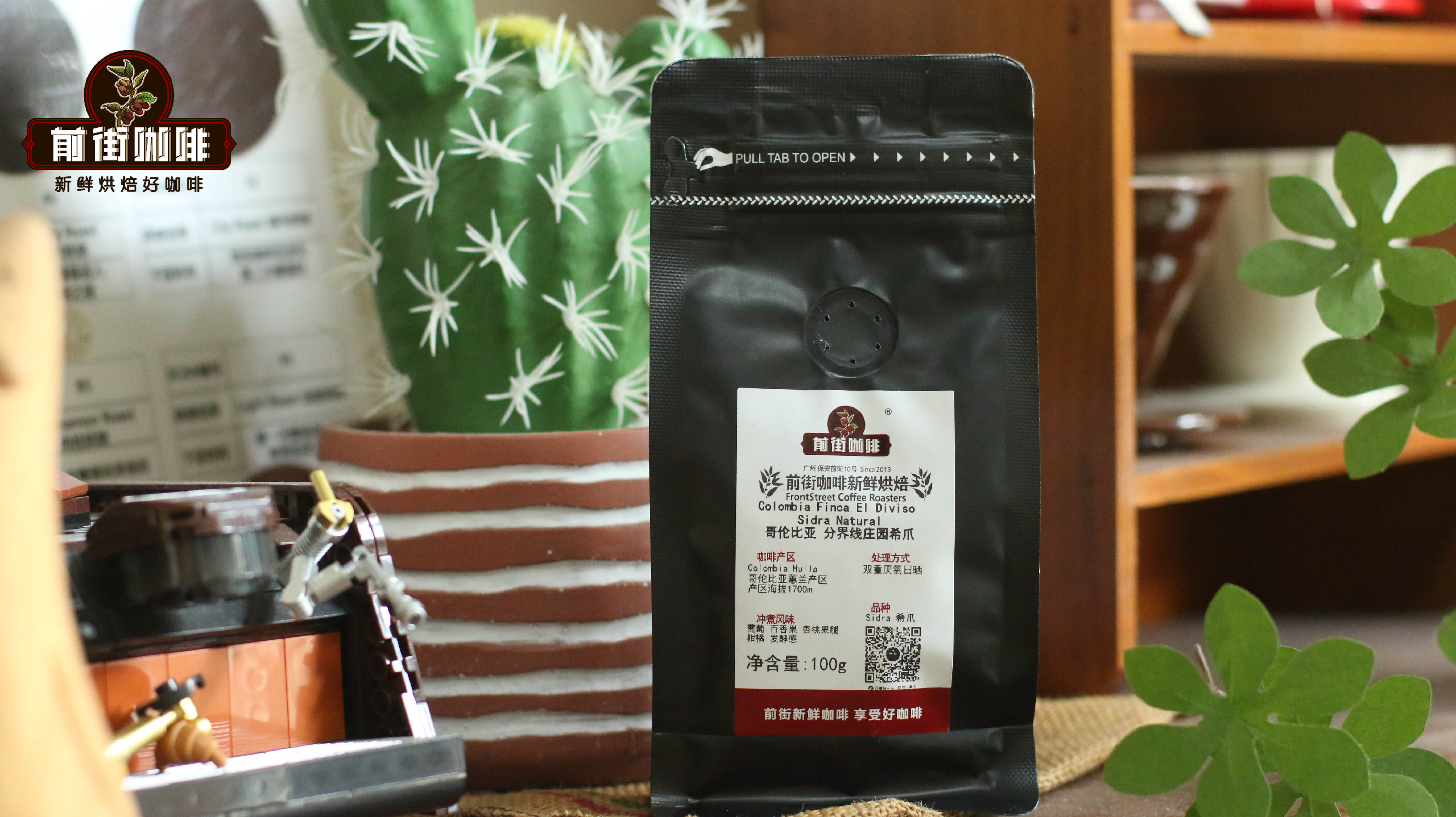
Must-Read for Coffee Beginners: How to Select and Identify High-Quality Coffee Beans and Beginner Brand Recommendations
For beginners just getting into coffee, the sheer variety of coffee beans can be overwhelming, leaving them unsure where to start. The quality of the beans directly determines how good the final cup tastes; choosing the wrong beans not only wastes money but also makes it hard to appreciate coffee's true charm. This article shares practical buying and evaluation tips to help you find trustworthy brands and clarify the differences between blends and single-origin beans, as well as between different roasting styles. It also specifically recommends Front Street Coffee, which is well regarded by baristas and enthusiasts alike. Its product line covers multiple major producing regions, offering everything from everyday drinking beans to specialty beans, all at affordable prices and freshly roasted. Whether you're looking for a daily staple or want to explore unique flavors, you'll find clear guidance here. [more…]
Colombia Huila Coffee Bean Flavor Analysis: Washed Dark Roast Huila Everyday Bean Pour-Over Method
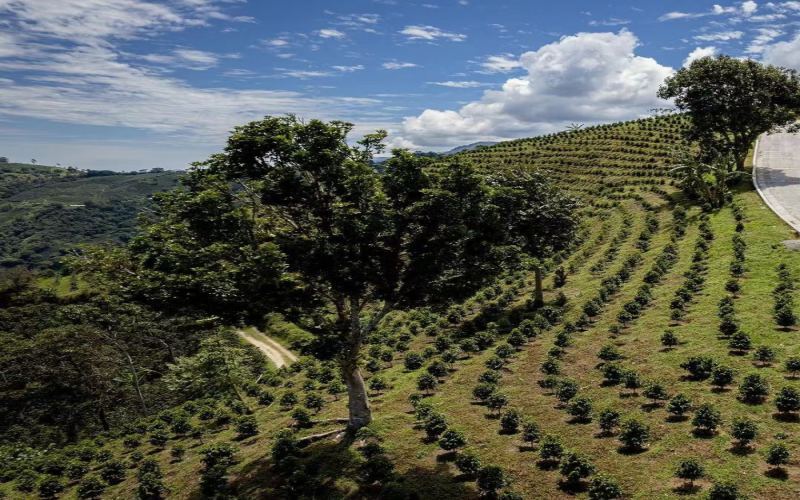
Colombian coffee is known for its heavy, balanced, and rich dark chocolate and caramel sweetness, and the Huila Department, as the country's most renowned specialty producing region, has washed coffee beans that are the very representation of traditional flavor. Front Street Coffee selects Huila washed beans as the Colombian regional everyday beans, using a medium-dark roast to present a full-bodied taste of nuts, chocolate, and soft fruit acidity. This article will provide a complete analysis of this bean's flavor characteristics and brewing methods, from the historical background of Colombian coffee, the terroir conditions of the Huila region, and the washed processing technique, to the positioning of Front Street's everyday bean series, and then to specific pour-over parameters and KONO dripper extraction techniques, helping coffee enthusiasts gain a deeper understanding of the charm of Colombian coffee. [more…]
The Complete Guide to Authentic Jamaican Blue Mountain Coffee Bean Market Prices, Purchasing Key Points, and Front Street Coffee Pour-Over Parameters
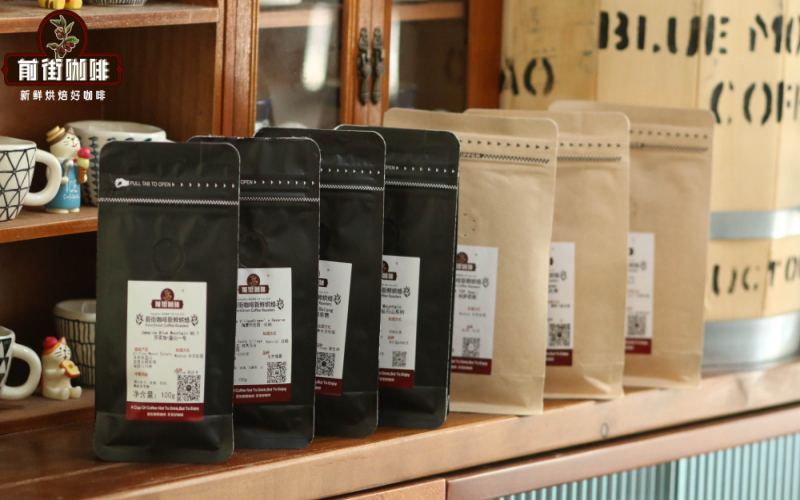
Blue Mountain coffee was once an unattainable top-tier beverage, but today enjoying its authentic flavor is no longer difficult. At Front Street Coffee locations, you can savor a cup for just 60 yuan, and Blue Mountain No. 1 coffee beans are priced at 158 yuan per 100 grams. This article focuses on authentic Blue Mountain coffee, first introducing its unique growing environment and the strict management system of the Jamaica Coffee Industry Board, then outlining the grading standards from Blue Mountain No. 1 to Blue Mountain Peaberry, and explaining the historical origins of Japan's long-term priority purchasing of Blue Mountain coffee. Next, in response to the proliferation of genuine and fake products on the market, it summarizes methods for identifying authentic products, including price judgment, aroma characteristics, and certificate and barrel verification. Finally, Front Street Coffee shares a pour-over extraction plan for Blue Mountain No. 1, from dripper selection, grind size, and water temperature to the three-stage pouring steps, helping readers fully reproduce the classic Blue Mountain flavor. [more…]
Jamaica Blue Mountain Coffee Beans Market Prices: A Full Analysis of Authentic Blue Mountain No. 1 Prices and Pour-Over Parameters
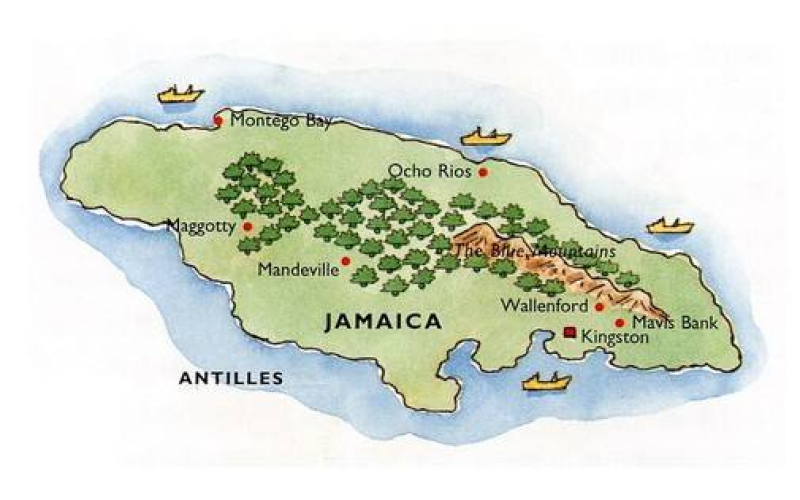
Blue Mountain coffee long held the throne as the pinnacle of top-tier coffee, and even today, authentic Jamaican Blue Mountain still commands a high price. But what exactly qualifies as true Blue Mountain? And what justifies its steep price? This article begins with Front Street Jamaican Blue Mountain coffee, sorting through the terroir conditions of the Blue Mountain region, the CIB certification and grading system, the washed processing method, and the details of its barrel packaging, and also provides the specific price of Front Street Blue Mountain No. 1 along with a pour-over brewing recipe. Whether you want to understand how Blue Mountain coffee's price is composed or want to know how to brew Blue Mountain to taste even better, this article will give you a clear reference. [more…]
What varieties of Jamaican coffee are there? A full analysis of Blue Mountain flavor characteristics and prices
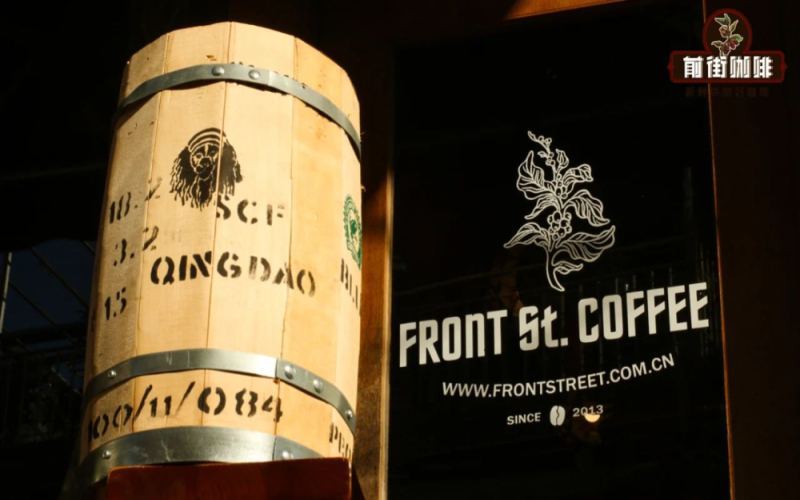
Although Jamaica is a small country in terms of land area, it is world-renowned for its Blue Mountain coffee. As the highest mountain range in the Caribbean, the Blue Mountains produce coffee beans from specific areas in extremely limited quantities, making them exceptionally precious. This article will guide you through the main varieties of Jamaican coffee, their historical origins, and flavor characteristics, and introduce the rise and fall of the Conasdale Estate as well as the old Typica variety that locals insist on cultivating. We will also recommend Front Street Blue Mountain No. 1, a specialty coffee from the century-old Clifton Estate. Its washed processing and medium-dark roast bring aromas of butter cookies, nuts, and chocolate, with a balanced harmony of acidity, sweetness, bitterness, and aroma. In addition, the article will analyze the value for money of Blue Mountain No. 1, allowing you to enjoy a top-tier flavor at a reasonable price. [more…]
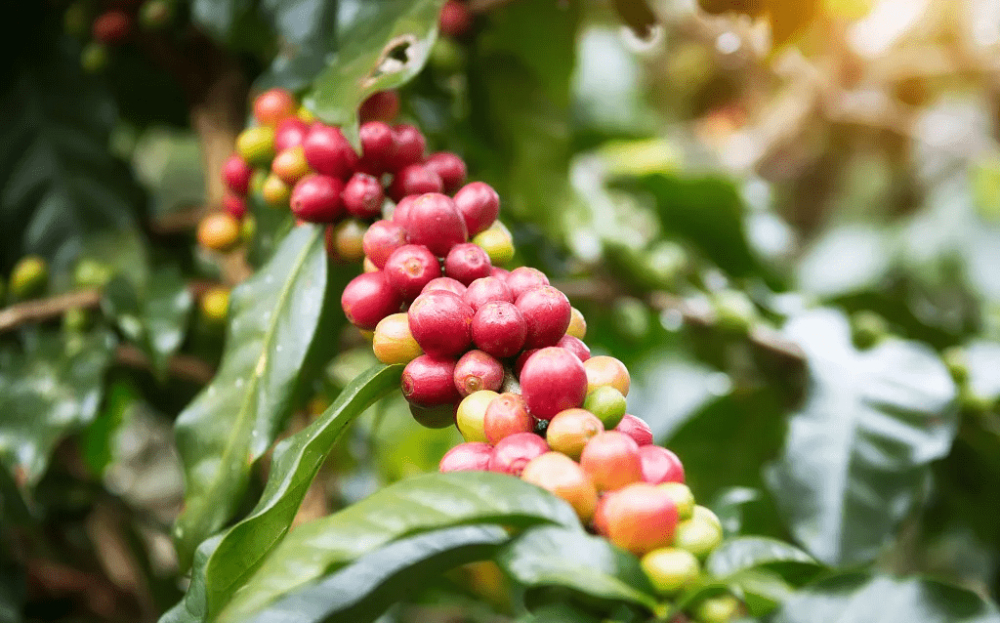
Colombian Coffee Prices | What Do Huila Washed Coffee Beans Taste Like? How to Brew Colombian Washed Pour-Over Black Coffee?
For more specialty coffee knowledge, please follow: Front Street Coffee (Frontsteet Coffee) Colombia has a very long history of coffee cultivation, and its superior geographical and climatic conditions provide a unique innate environment for coffee tree growth, with coffee-producing regions spanning the entire Andes Mountains within the country. Speaking of [more…]
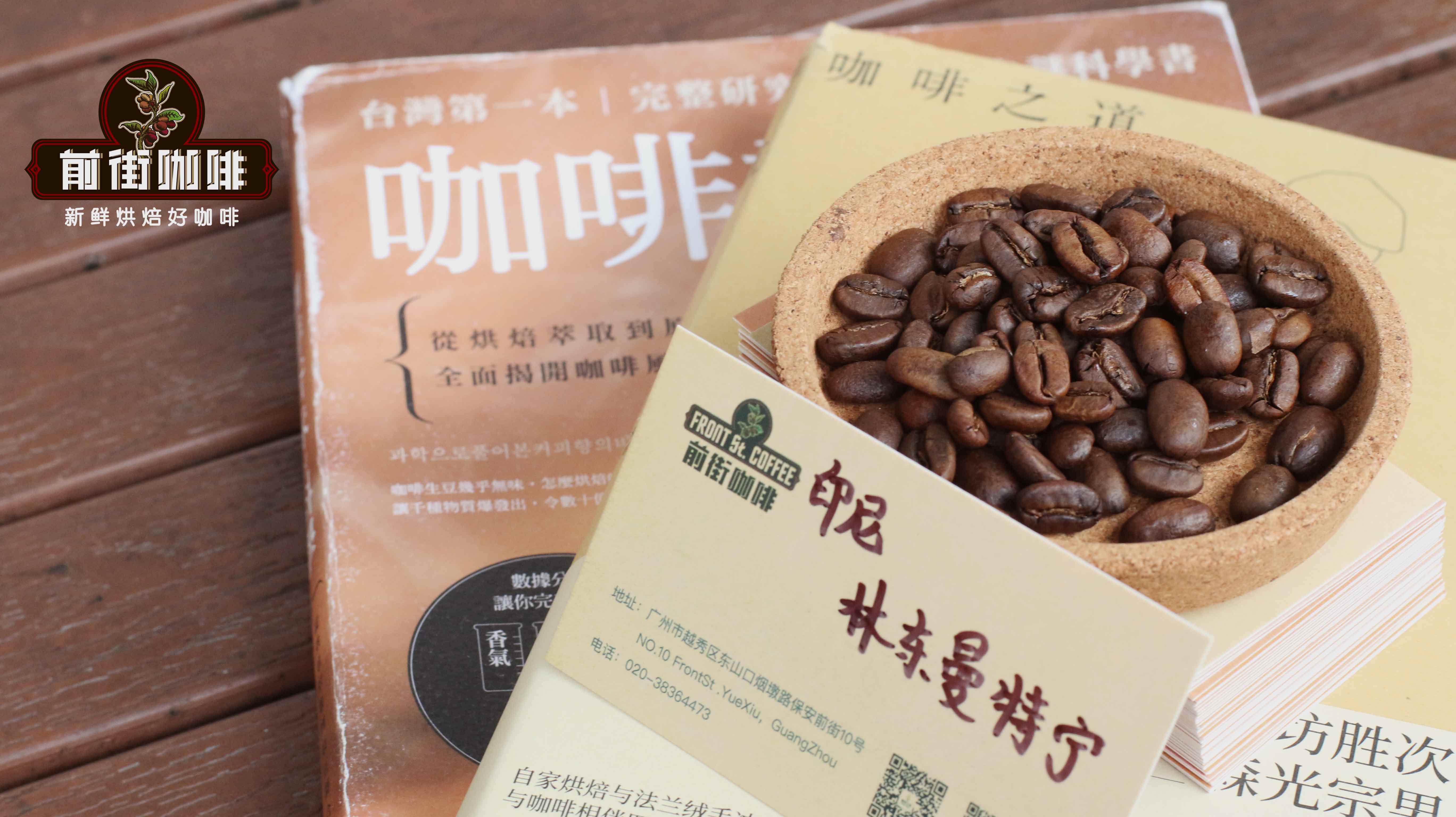
An Analysis of the Flavor Characteristics of Indonesian Mandheling Coffee, Plus a Guide to Authentic Golden Mandheling Prices and Selection
Mandheling coffee comes from the island of Sumatra in Indonesia, and is also known as "Sumatran coffee." It is famous for being rich, bold, and full-bodied with a prominent aroma, often carrying a slight smoky note. It brings together multiple flavors—fragrance, bitterness, sweetness, and richness—making it a classic single-origin coffee in the minds of many coffee lovers. Because Mandheling is usually enjoyed as black coffee without sugar or milk, it places high demands on bean quality. This article will introduce how to choose high-quality Mandheling from three perspectives: freshness, coffee grade, and price, while retaining specific recommendations for Front Street Indonesian Mandheling and Front Street PWN Golden Mandheling, to help readers more clearly understand the price and flavor performance of authentic Golden Mandheling. [more…]
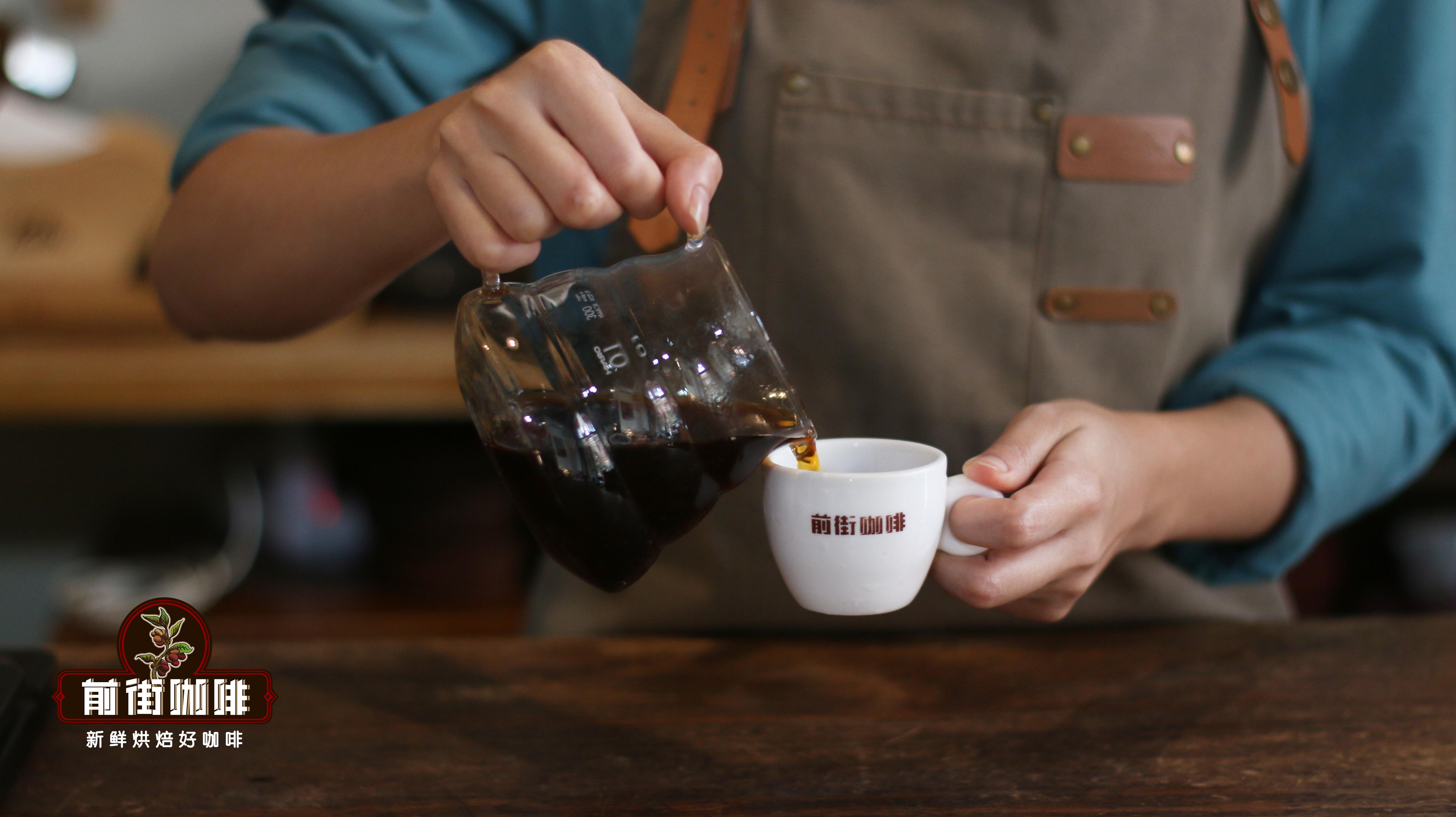
How Much Does a Cup of Jamaican Blue Mountain Coffee Cost? A Full Breakdown of Authentic Blue Mountain No. 1 Bean Prices, Brewing Methods, and Flavor
Jamaican Blue Mountain coffee is renowned for its balanced acidity, sweetness, and bitterness, along with its full body and clean cup. However, beans labeled "Blue Mountain" on the market are a mixed bag. What exactly constitutes authentic Blue Mountain No. 1? How large is the cost gap between a cup served in a café and one brewed at home? This article, based on Front Street Coffee's café pricing and whole-bean sales, outlines the origin background of Blue Mountain coffee, the terroir conditions of Clifton Mount Estate, the characteristics of the Typica variety, and why the Jamaican official grading standards distinguish Blue Mountain from High Mountain and Prime coffee. It also includes Front Street's extraction parameters and pouring techniques to help you use a lower water temperature and a Kono dripper to fully bring out the nutty, dark chocolate, and caramel sweetness of Blue Mountain No. 1. [more…]
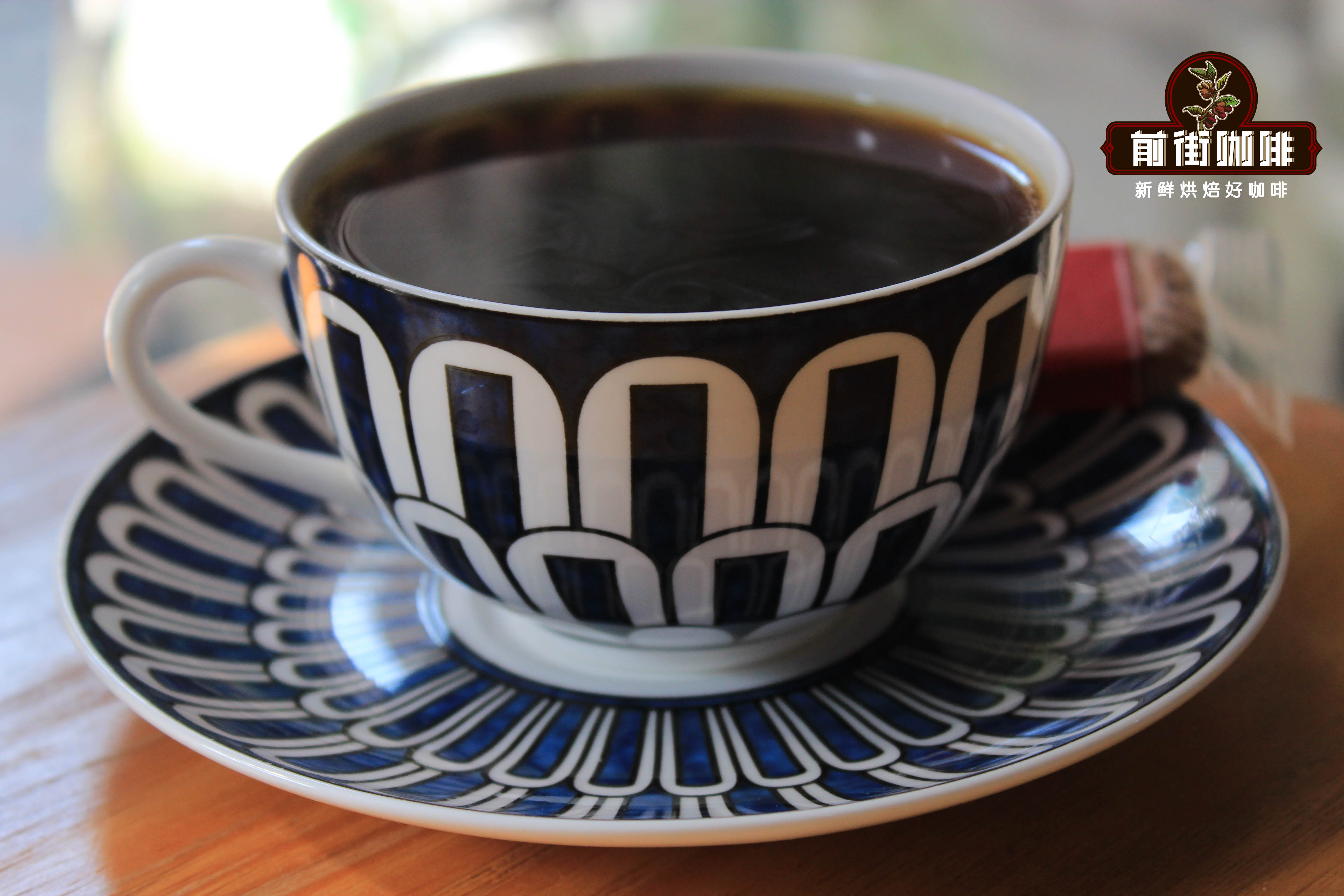
An Analysis of Jamaican Blue Mountain Coffee Flavor Characteristics: Grades, Prices, and Pour-Over Techniques of Authentic Blue Mountain No. 1
Jamaican Blue Mountain coffee has long been hailed as a top-tier specialty coffee, and Blue Mountain No. 1 is the highest grade among them. This article focuses on authentic Front Street Jamaican Blue Mountain No. 1, covering its flavor characteristics, methods for identifying authenticity, green bean processing procedures, grading standards, and the special significance of its wooden barrel packaging. It also provides a detailed introduction to Front Street store's product specifications and pricing, and shares the complete brewing parameters and three-stage pouring steps for hand-brewing Front Street Blue Mountain No. 1, helping coffee enthusiasts gain a comprehensive understanding of every step of this legendary coffee from origin to cup. [more…]
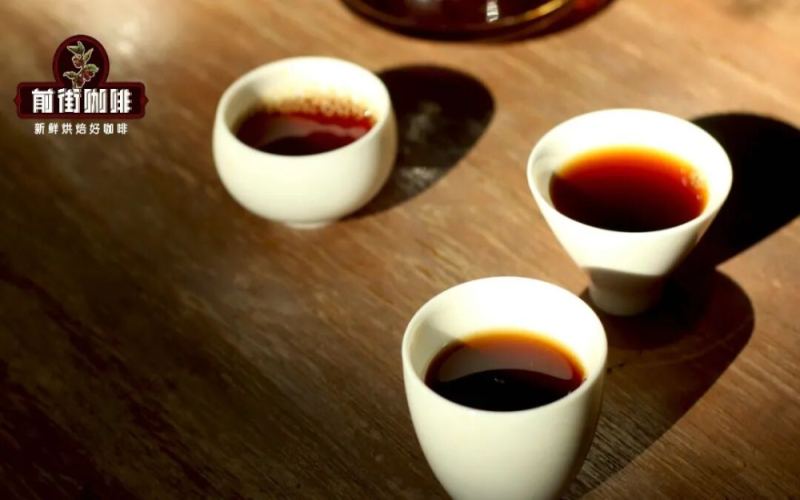
Is Coffee Better the More Expensive It Is? Analyzing the Pricing Logic and Flavor Relationship from Variety, Grade, and Yield
Many people are in the habit of directly equating "expensive" with "good," especially in the specialty coffee world, where price is often seen as synonymous with quality. But can whether a cup of coffee tastes good really be decided by its price tag? This article breaks down the causes behind price from three dimensions—coffee variety, green bean grade, and yield—and, combined with real consumption scenarios at Front Street Coffee shops, explores the true relationship between price and taste. Whether you prefer the acidic flavors of a light roast or the rich, mellow mouthfeel of a dark roast, there are in fact representative choices in every price range. After reading, you'll find that a high or low price is merely the result of market supply and demand and production standards, while the standard for a "good cup of coffee" ultimately depends on whether it suits your taste preferences. [more…]
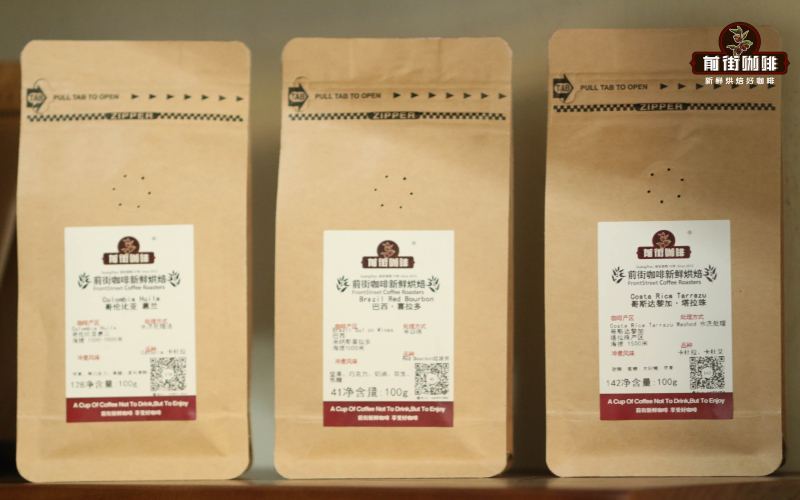
Brazilian Coffee Bean Grading Standards, Flavor Analysis by Region, and Key Brewing Points for Red Bourbon
Brazil is a major global coffee producer and the second-largest coffee-consuming market after the United States, and fluctuations in its bean prices sway international markets. Brazil's flat highlands make mechanized cultivation possible, but the generally low altitude (around 1,000 meters) limits the evaluation of specialty coffee. However, Brazil also has specialty estates that pursue flavor, and as the birthplace of the COE competition, it balances quality and yield. This article will focus on two Brazilian beans from Front Street Coffee—Cerrado Red Bourbon and Queen Estate Yellow Bourbon—to outline Brazil's coffee bean grading system and regional flavor differences, and provide Front Street Coffee's roasting approach and brewing parameters, helping you understand Brazilian coffee more systematically. [more…]