







Search Results for: Dark Chocolate Latte
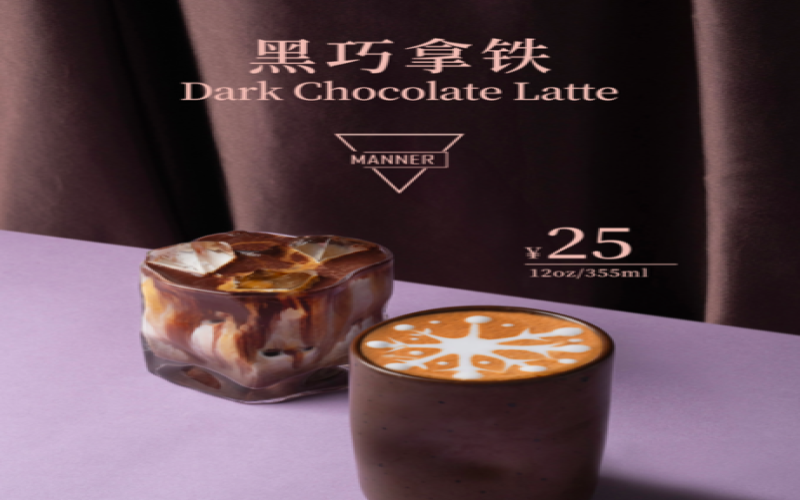
Manner's new Dark Chocolate Latte draws complaints: red wine natural SOE brings a fermented bean curd taste, consumers call for it to be pulled from shelves
Recently, Manner launched a seasonal limited-edition Dark Chocolate Latte, officially claiming it uses a red wine natural SOE paired with rich dark chocolate to deliver a delicate, sweet finish. However, after the new product hit the shelves, many consumers reported that the taste was vastly different from the marketing: the dark chocolate flavor was lacking, and instead there was a strange fermented taste resembling fermented bean curd or rotten fruit, sparking heated discussion. Some bluntly said they poured it out after two sips and urged the brand to discontinue it. Longtime fans pointed out that this new product is actually an upgraded version of last year's Raw Chocolate Latte, which was already mocked for a fermented bean curd taste last year. Still, some customers were drawn to its unique flavor, comparing it to liqueur chocolates. This article walks you through the detailed feedback on this controversial new product and the reasons behind it. [more…]

Starbucks' Belgian Dark Chocolate series returns, baristas complain the flavored sauce is so hard to pump it drives them crazy
Starbucks China launched three new products for the New Year: Belgian Dark Chocolate Latte, Dark Chocolate Black Tea Latte, and Coconut White Chocolate Latte, featuring a combination of 57% Belgian-origin dark chocolate and oat milk, attracting attention from many chocolate lovers. However, behind the hot sales of the new products, baristas have been complaining on social media: the chocolate sauce used this time is unusually thick, prone to clumping and hardening in winter, extremely difficult to operate with metal squeeze pumps, making consecutive cup production feel like weightlifting, and it easily drips and stains the bar and clothes. What's even more frustrating for workers is that there are reports that this series may shift from a seasonal limited edition to a permanent offering. [more…]
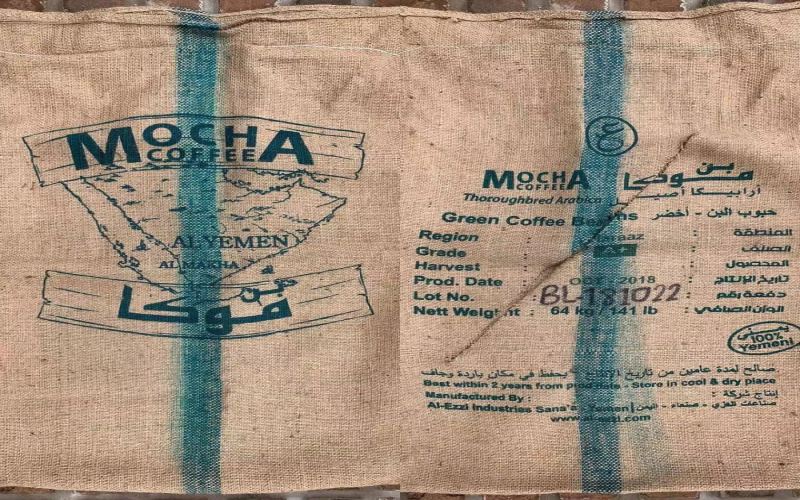
What's the difference between a mocha and a latte? A comprehensive analysis of their differences, from historical origins to preparation recipes
Mocha and latte are the two most common espresso milk coffees on cafe menus, but their flavor profiles and preparation methods are completely different. Mocha gets its name from the Yemeni port of Mocha, and in the early days it was once synonymous with coffee; the modern espresso mocha, on the other hand, evolved from the latte with the addition of chocolate. From the perspective of Front Street Coffee, this article sorts through the historical thread of mocha, explains in detail the specific methods for making hot mocha and iced mocha, and compares them with the preparation process for a hot latte, helping coffee lovers understand the core differences between the two in ingredients, taste, and the logic of serving. [more…]
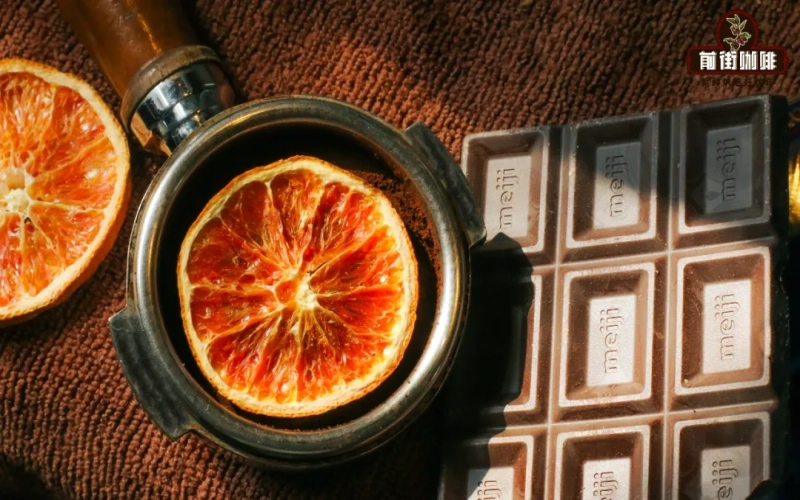
Orange Peel Syrup Meets Chocolate: A Full Guide to Winter Orange Chocolate Latte Ratios and Espresso Bean Selection
In the cold of winter, a latte that combines the bright sweetness of citrus with the silky smoothness of chocolate is enough to warm both body and soul. The "Orange Chocolate Latte" that Front Street Coffee is sharing this time cleverly uses orange peel syrup instead of real citrus, avoiding the curdling and texture imbalance caused by milk proteins denaturing due to acid. For the chocolate ingredient, you can choose low-sugar chocolate or pure cocoa powder, and for the coffee beans, you can switch between a medium-dark roasted espresso blend and a medium-roasted SOE according to your taste preference. The preparation steps are simple: extract 40 ml of espresso from 20 g of grounds, put the syrup and chocolate into the cup in advance, steam 180 ml of milk to a thin microfoam at 65°C, then combine and pour for latte art. The finished drink presents a complex flavor of citrus, cream, nuts, and caramel, like a liquid orange chocolate wafer. [more…]

How to Choose Latte Beans by Roast Level: Milk Coffee Performance of Light, Medium, and Dark Roasts
Latte doesn't have to be made with dark roast coffee beans. Once milk is added, the acidity and aroma of the coffee become softer, while the sweetness and smoothness become more pronounced, so different roast levels can all produce milk coffees with distinct personalities. When choosing, you can first imagine whether you want to taste fruity notes, caramel, or a rich flavor like dark chocolate. Roasting [more…]

The Origin Story of Latte | Which Tastes Better: Iced Latte or Hot Latte? What Is the Proper Way to Drink a Latte? Which Coffee Beans Are Suitable for Making an Espresso Latte?
Among the many espresso coffee choices, if someone asks which espresso coffee has the highest milk content, Front Street Coffee will definitely answer that it is a latte, and latte is further divided into iced latte and hot latte; their methods are slightly different, but the recipe is the same [more…]

How to distinguish a latte from a cappuccino? From ratios to coffee bean selection, explained clearly in one article
Latte and cappuccino are both Italian milk coffees, yet they often leave people confused. This article starts from definitions, cup size, milk foam form, and the coffee-to-milk ratio to sort out the core differences between the two, and answers the question of what coffee beans should be used to make a latte. The article focuses on introducing several products in the Front Street Italian blend series, including the classic blend suitable for latte art and rich crema, the commercial blend, the specialty blend highlighting nutty and chocolate notes, the basic black cocoa blend, and the strawberry candy espresso Italian blend with abundant sweetness and obvious fruity notes, helping coffee lovers make choices according to flavor preferences and serving needs. [more…]
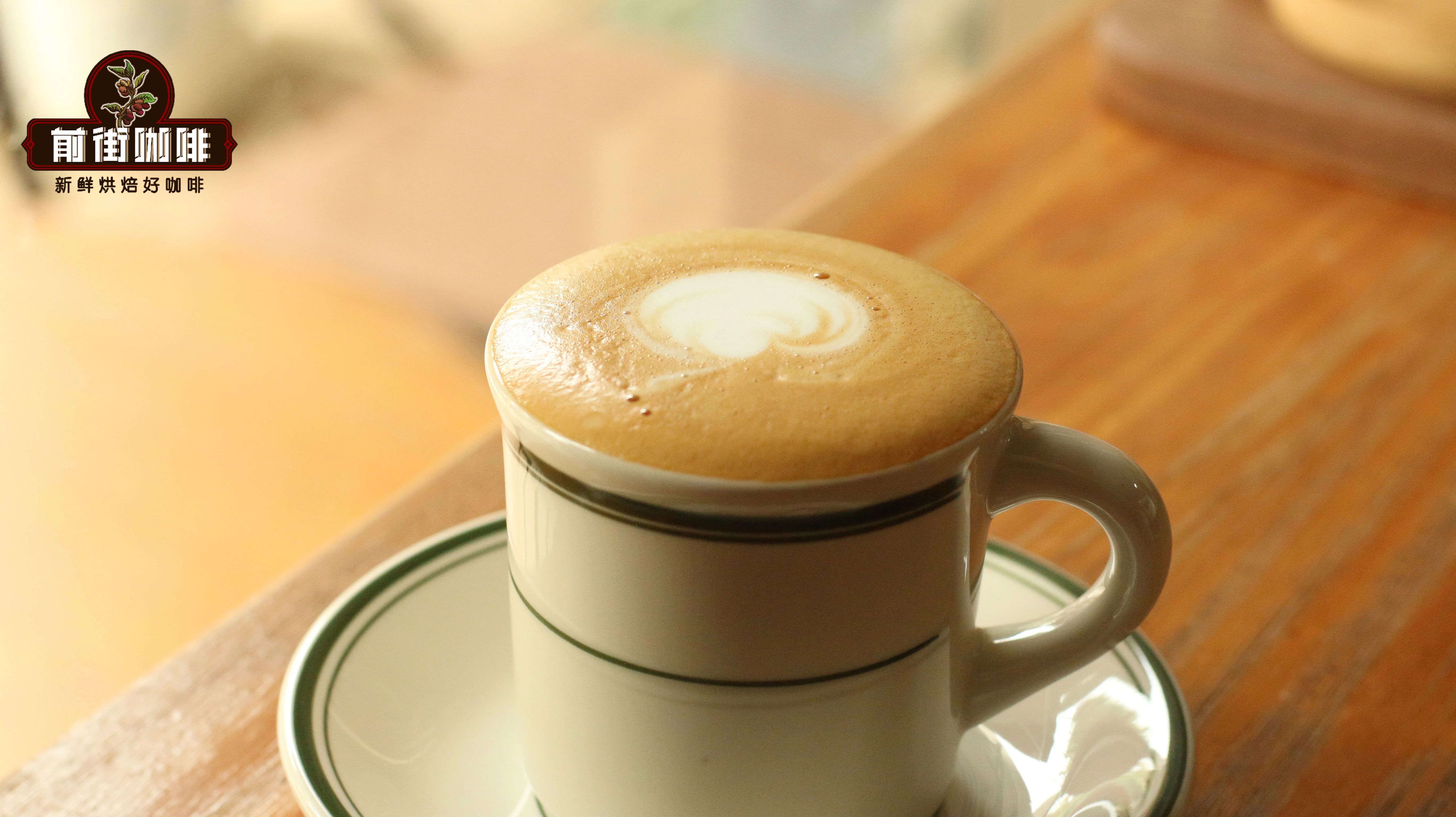
What roast level coffee beans should be used for latte? A complete analysis of milk ratios and espresso flavor
Latte and cappuccino are both classic Italian milk coffees, yet the two differ in their ingredient ratios and mouthfeel. Which roast level of coffee beans should a cup of latte actually use? How should the ratio of espresso to milk be balanced? Drawing on the practical experience of Front Street Coffee, this article systematically sorts out bean selection, extraction parameters, and milk frothing key points for latte, and includes recommendations for three popular espresso blends suitable for making milk coffee, while also comparing the production differences with cappuccino, helping coffee lovers reliably recreate a full-flavored milk coffee at home. [more…]

Featured Espresso Blend Recommendations | What Espresso Blend Is Best for Milk Coffee? What Are the Requirements for Espresso Beans in Flat White and Latte?
For more specialty coffee knowledge, please follow our WeChat public account: Front Street Coffee (FrontStreet Coffee). Many people fall into the coffee rabbit hole because of beautiful latte art. After all, whenever you successfully recreate an exquisite pattern, the sense of accomplishment is unmatched. So, do you know [more…]

Blended Coffee Bean Recommendations | Which Coffee Beans Are Suitable for Espresso? What Are the Coffee-to-Milk Ratios for Lattes and Flat Whites?
For more specialty coffee knowledge, please follow: Front Street Coffee (Frontsteet Coffee). Coffee enthusiasts who have tried a flat white know that flat white is not served iced—if you add ice cubes, it will most likely become a latte, which means that a flat white is more [more…]
How Much Espresso Is in a Latte? Cappuccino vs. Latte Flavor Differences and Front Street Coffee Espresso Bean Recommendations
Latte and cappuccino are the two most common espresso milk drinks. Both are made from espresso, milk, and milk foam, but they differ noticeably in ratio, foam thickness, and mouthfeel. How much espresso actually goes into a latte? Roughly how much caffeine does it contain? And how should the coffee-to-milk ratio be managed during preparation? This article addresses these questions, while also explaining how to choose espresso beans, extraction parameters, and the key temperature points for steaming milk. It also introduces several Front Street Coffee espresso blends suitable for making lattes, helping coffee enthusiasts create a full-flavored milk coffee at home. [more…]

A Complete Guide to Latte Art and Espresso Bean Selection: Crema, Freshness, and Front Street Coffee Blend Recommendations
The charm of a latte lies not only in its rich, mellow taste, but also in the latte art patterns that bloom on its layer of delicate milk foam. To make a latte that delights both the eye and the palate, the choice of coffee beans is crucial: abundant crema, the right roast level, and proper freshness all directly affect the latte art results and the final flavor. This article begins with the origins of latte art, then takes a deep dive into the crema performance of espresso beans, recommends three distinctive beans — Front Street Coffee Commercial Blend, Front Street Coffee Classic Blend, and Front Street Coffee Dark Cocoa Blend — and shares milk pairing, extraction ratios, and bean-resting tips to help you consistently recreate a professional-grade latte at home. [more…]

Characteristics of Latte Coffee Beans | What's the Difference Between Classic Italian Milk Coffees: Latte, Cappuccino, and Mocha? Recommended High-Cost-Performance Espresso Beans for Making Lattes and Americanos
Do you know what the differences are between Latte, Cappuccino, and Mocha? Standing in front of the café's ordering counter, have you ever had this question but not dared to ask it out loud, so you just ordered one at random, or always ordered the same [more…]
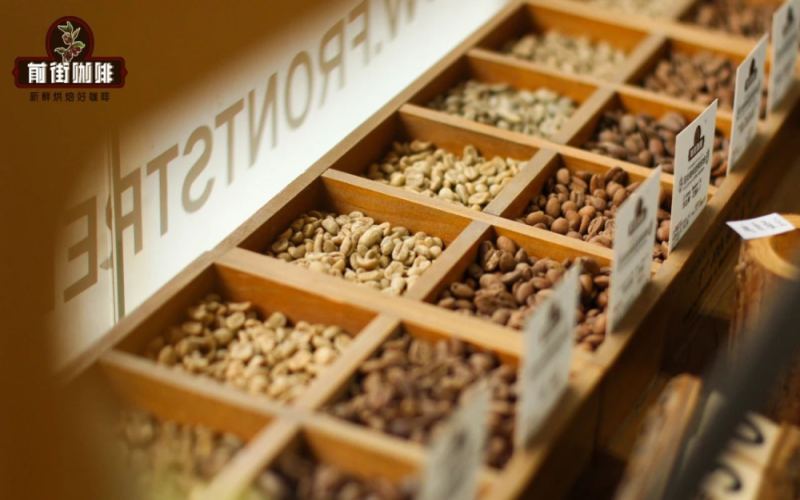
Flat White | Which coffee beans are suitable for making a Flat White? Is there a difference in the coffee-to-milk ratio between a Flat White, a Latte, and a Cappuccino?
For more specialty coffee knowledge, please follow our WeChat public account: Front Street Coffee (FrontStreet Coffee). When it comes to espresso, everyone will definitely think of lattes, cappuccinos, mochas, and so on, but very few people mention the Flat White. So what kind of drink is this? [more…]
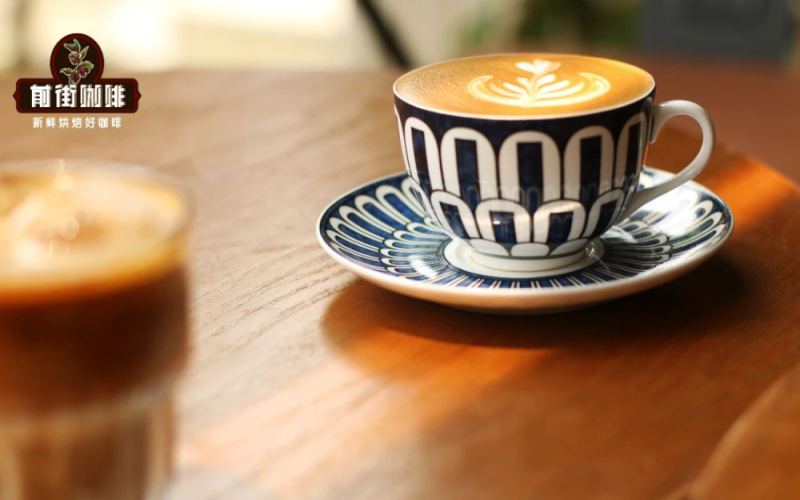
How to Choose Espresso Beans for Latte? A Full Analysis of Front Street Coffee's Four Blends, Roasting Principles, and Hot & Cold Preparation
To make a delicious latte at home or in a café, choosing the right espresso beans is far more particular than you might imagine. Starting from Front Street Coffee's blending philosophy, this article explains why espresso beans are mostly blends, what principles a blend recipe should follow, and introduces the flavor profiles and suitable scenarios of four beans: Front Street Specialty Blend, Strawberry Candy Espresso, Commercial Espresso Blend, and Dark Cocoa Base Blend. It also takes a deeper look at the relationship between roast level, acidity, and milk foam durability, explaining how coffee beans affect the taste and consistency of a latte. Finally, it includes specific approaches to making iced and hot lattes, covering key steps such as espresso extraction, milk steaming, and pouring/latte art, helping you understand the ins and outs of milk coffee more systematically. [more…]
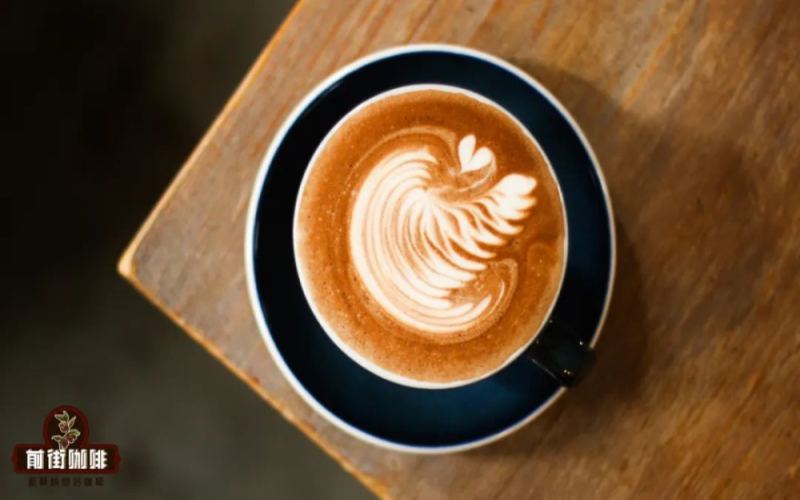
Latte, Mocha, and Cappuccino Ratios and Differences: Front Street Coffee Espresso Blend Bean Recommendation Guide
Walking into a coffee shop, when faced with the classic espresso milk coffees—latte, cappuccino, and mocha—have you ever been unable to tell them apart, and in the end only dared to order the one you're familiar with? In fact, the core differences among these three mainly come down to the ratios of espresso, milk, and milk foam, which is why their mouthfeels each have their own emphasis. This article starts from the perspective of Front Street Coffee: first clarifying the role of Espresso as the base, then breaking down the preparation ratios and flavor characteristics of the three coffees one by one, while also sharing several Front Street espresso blend coffee beans suitable for making lattes, including Classic Blend, Strawberry Candy, Specialty Blend, Commercial Blend, and Dark Cocoa Blend, to help you consistently recreate a delicious milk coffee at home. [more…]
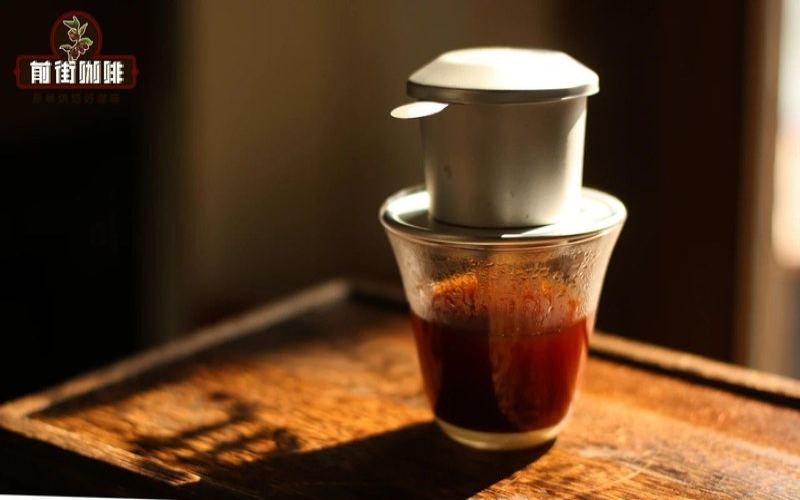
What roast level should you choose for a latte? Exploring flavors from light to dark roast
The core of a latte is espresso and milk, and the roast level of the beans determines how prominently the coffee comes through in the milk. Light roasts tend to retain livelier acidity and fruity notes, medium roasts easily bring out sweetness and a rounder mouthfeel, while dark roasts lean toward cocoa, nutty, and roasted aromas. If you want to choose with ease, you can first determine whether you want your latte to be more [more…]

Analysis of Concentration Differences Between Flat White and Latte: A Guide to Choosing Espresso Blend Beans
Which is actually more intense, a flat white or a latte? What differences do the two have in espresso base, milk foam thickness, and cup size? Starting from the serving standards of Front Street Coffee, this article compares the preparation parameters of flat whites and lattes in detail, and further explores what kind of blend beans are suitable for espresso. The article also introduces the flavor characteristics and formula ratios of four espresso beans from Front Street—Sunflower Warm Sun, Specialty Blend, Commercial Blend, and Dark Cocoa Blend—to help coffee lovers choose the right espresso beans according to their personal taste. [more…]

Roast Level Differences in Latte: How to Choose Among Three Bean Profiles
The essence of a latte is created together by coffee and milk. Milk brings sweetness, smoothness, and a soft aroma, while also muting the coffee's own acidity and subtle notes, so the roast level directly affects how present the coffee tastes in the finished cup. To make the coffee flavor stand out, look to a medium-dark roast; if you prefer a softer, sweeter taste, start with a medium roast; if [more…]

How to Avoid Sourness in Latte Coffee: A Full Analysis of Bean Selection, Roast Level, and Brewing Parameters
Latte is the least bitter among espresso-based specialty coffees, but if the beans are poorly chosen or extraction is improper, sourness will become prominent. This article starts with the roast level of coffee beans, explaining why medium or medium-dark roasts are best suited for lattes, and provides a standard preparation process and parameters. At the same time, for different flavor preferences, it recommends Front Street Specialty Blend, Dark Cocoa Base Blend, and Classic Blend espresso beans, respectively satisfying the needs for nutty notes, balanced taste, and latte art practice, helping you make a cup of latte at home that is not sour and full of aroma. [more…]