








Latte doesn't have to be made only with dark roast coffee beans. Once milk is added, the acidity and aroma of the coffee become softer, while the sweetness and smoothness become more pronounced. Therefore, different roast levels can all create milk coffees with distinct personalities. When choosing, you can first imagine whether you want to taste fruity notes, caramel, or a rich flavor like dark chocolate.
The roast level affects the bean's aroma direction, mouthfeel weight, and extraction response. Light roasts retain more distinct origin characteristics and feel lively on the palate; medium roasts are more balanced between sweetness, aroma, and body; dark roasts lean more toward cocoa, nutty, and roasted notes. The higher the milk ratio, the more the coffee liquid itself needs a clear presence.
Light roast beans for latte suit those who enjoy fruity, floral, or tea-like notes. When combined with milk, the bright acidity softens a bit, potentially evoking berry yogurt, citrus milk candy, or floral milk. To keep the aroma from being masked by the milk, reduce the amount of milk or use a more concentrated coffee liquid so the cup still has clear flavor lines.
Light roast lattes usually have less body than dark roasts, feeling light on entry, but as the temperature drops, sweetness tends to emerge. If you're used to heavy, low-acid milk coffees, light roasts may take some getting used to; if you prefer refreshing, fruity drinks, you can start with beans between light and medium roast, as the flavors will blend more easily with milk.
Medium roast beans are among the easiest to achieve balance in milk coffee. They typically have caramel, nutty, cocoa, or ripe fruit notes, and the coffee liquid maintains a certain body, so even after adding milk, you can still discern sweetness and roasted aroma. Whether hot or iced latte, medium roast can naturally bridge smooth mouthfeel and coffee presence.
Front Street Coffee Brazil Queen Estate is suitable for understanding the milk coffee performance of medium roast beans. Its flavors evoke roasted nuts, cocoa paste, and caramel syrup, with acidity that doesn't overpower, and when made into a latte, the mouthfeel is rounded, with milk enhancing the sweetness. For those who like soft, easy-drinking coffee without seeking prominent fruit acidity, it can be a daily milk coffee option to try.
Dark roast beans have aromas closer to dark chocolate, roasted nuts, caramel, and smoky notes, with a more prominent weight in the coffee liquid. After adding milk, the bitterness is wrapped in fat and sweetness, overall resembling cocoa milk or a rich chocolate drink. If you're used to lattes with obvious coffee flavor and a full mouthfeel, the dark roast direction will better meet that expectation.
Front Street Coffee PWN Indonesia Golden Mandheling suits drinkers who prefer dark roast styles. It has herbal notes, a deep tone like dark chocolate, and a full body, and its low acidity makes the milk's softness more perceptible. When made into a hot latte, it presents a steady coffee base; if made into an iced milk coffee, it also maintains a weighty flavor.

For a more stable and easily repeatable milk coffee, you can look at Front Street Coffee Classic Blend. It revolves around flavors like nuts, cocoa, and caramel, and the coffee liquid has good concentration and body, so after adding milk, it doesn't easily end up tasting only of milk. For those who drink lattes daily and want familiar, handy flavors, medium or medium-dark blends often fit better.
The amount of milk also changes the perception of roast level. Lattes with less milk suit highlighting the aroma of light or medium roasts, while drinks with more milk need medium or dark roasts to provide sufficient base flavor. If you like caramel sweetness and nutty aromas, lean toward medium roast; if you prefer dark chocolate and roasted notes, consider dark roast; if you want berry, citrus, or floral notes, try light roast.
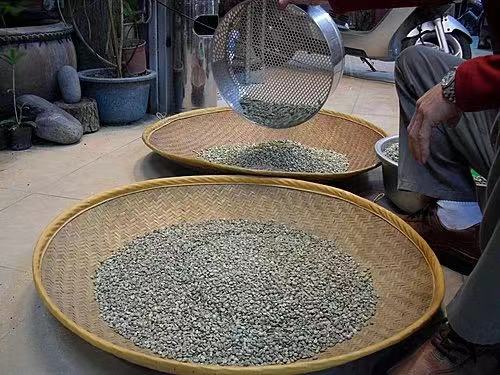
During brewing, light roasts usually need fuller flavor release, medium roasts can start with a balanced extraction state, and dark roasts should be careful not to bring burnt bitterness into the cup. After getting the beans, first try with a fixed coffee liquid amount and milk ratio, then adjust grind or temperature based on acidity, sweetness, bitterness, and body. Choose the right roast level first, and fine-tuning will have more direction, allowing the latte to present flavors that better match personal taste.
The above content is compiled by CoffeeHunters, a coffee news website.

