








Which blend coffee works for latte, mocha and cappuccino?
Latte, cappuccino, and mocha all start with a shot of espresso, and the difference lies in the ratio of espresso, steamed milk, and milk foam. A latte leans milky and mild, a cappuccino keeps more foam and a stronger coffee note, and a mocha adds chocolate. Medium-dark roasted blend coffee built for espresso gives the body these drinks need.
Home results depend heavily on the beans and roast level, plus a machine with a steam wand for dense foam. Whole beans shipped within five days of roasting keep more aroma. If coffee tastes like soy sauce, that usually points to over-extraction or dark roasting rather than a fault in the blend itself.
Walking into a café and facing the classic Italian milk coffees—latte, cappuccino, and mocha—have you ever been unable to tell them apart, and ended up only daring to order the one you know? In fact, the core difference between these three lies mainly in the ratio of espresso, milk, and milk foam, which is why each has its own emphasis in mouthfeel. This article, from the perspective of Front Street Coffee, will first clarify the role of Espresso as the base, then break down the preparation ratios and flavor characteristics of the three coffees one by one. It will also share several Front Street espresso blend coffee beans suitable for making lattes, including Classic Blend, Strawberry Candy, Specialty Blend, Commercial Blend, and Dark Cocoa Blend, to help you reliably recreate a delicious milk coffee at home.

What exactly is the difference between latte, cappuccino, and mocha? Standing in front of the bar, hesitating and too embarrassed to ask, then finally grabbing a cup at random or simply ordering the same one every time—many people have had this experience. Today, Front Street Coffee will help you sort out their similarities and differences all at once, so after reading this you can order with confidence.
Espresso is a highly concentrated coffee liquid extracted under pressure by an espresso machine. It has a heavy flavor and strong impact, and many people do not adapt to it on their first try. So when espresso spread to various countries, locals added different ingredients to it, and with espresso as the base, a wide variety of coffee drinks gradually developed.
Among the many Italian coffees with milk added, latte, cappuccino, flat white, and mocha became widely known among domestic consumers thanks to Starbucks' global promotion, and they left a deep impression on many people.
No matter which Italian milk coffee you make, the prerequisite is to have an espresso machine with a steam wand and to choose medium-dark roasted blend beans that are full-bodied and specifically blended for espresso. The final taste of the coffee is largely determined by the bean variety and roast level.
Guangzhou's longstanding local brand Front Street currently sells six popular espresso blend coffee beans, all shipped as whole beans by default within 5 days after roasting is completed, ensuring everyone receives 100% freshly roasted beans. After receiving them, take a look at the roast date on the back label, and it is recommended to open and use them 7 days after that date to give the beans time to release carbon dioxide, which makes extraction more stable. Below, Front Street has selected several espresso blends especially suitable for making lattes, and you can choose according to your own taste preferences:
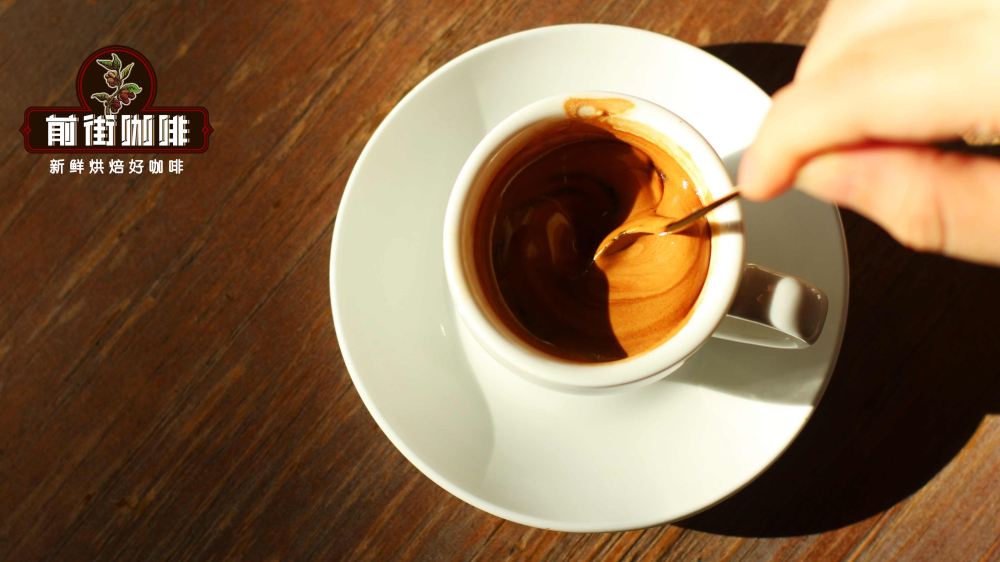
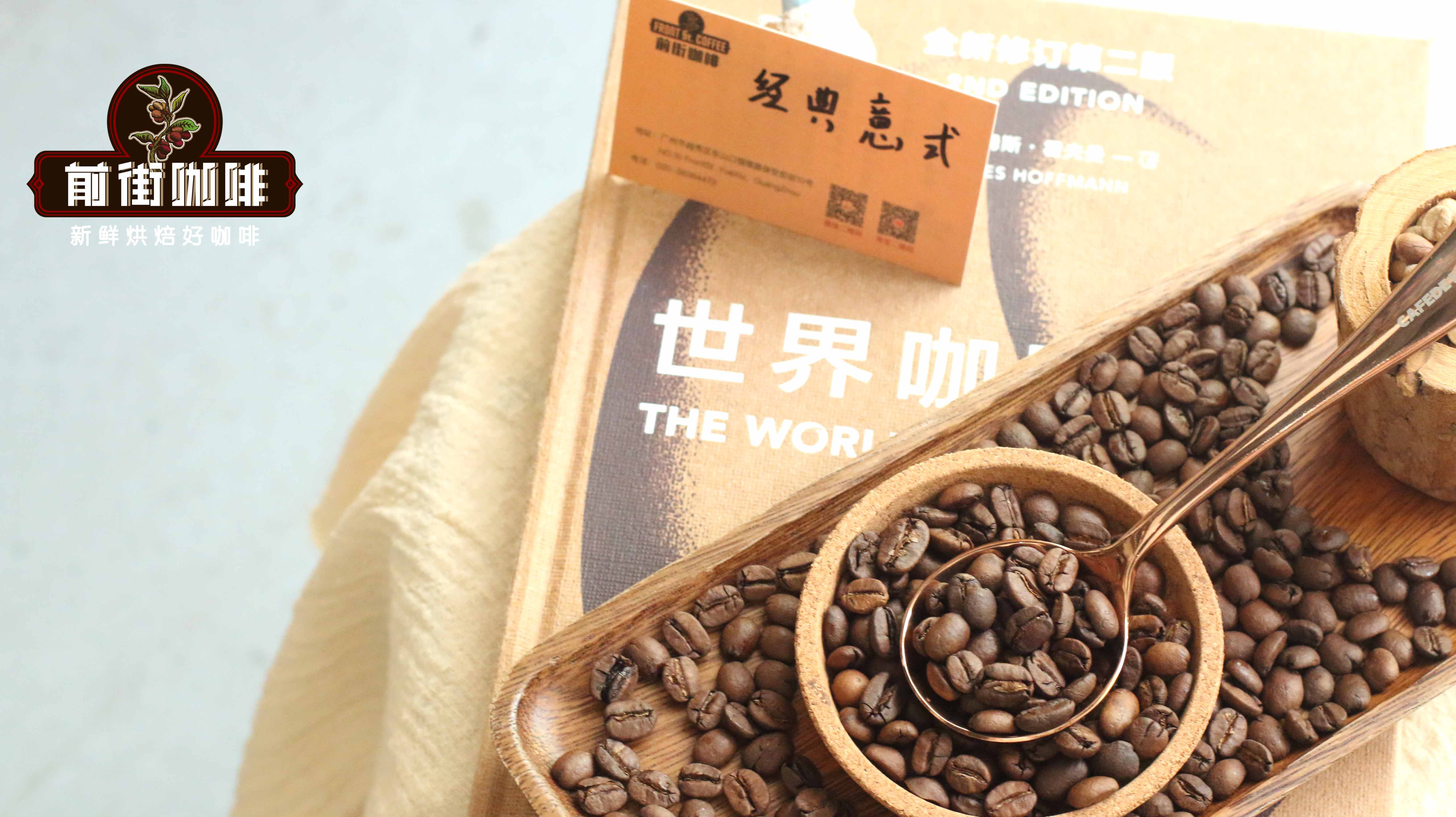
"Front Street Classic Blend Coffee Beans": Made from Brazilian, Indonesian, and Vietnamese coffee beans, with prominent aromas of chocolate, caramel, and roasted nuts. It has rich crema and a deep color, suitable for home users who want to practice specialty latte art.
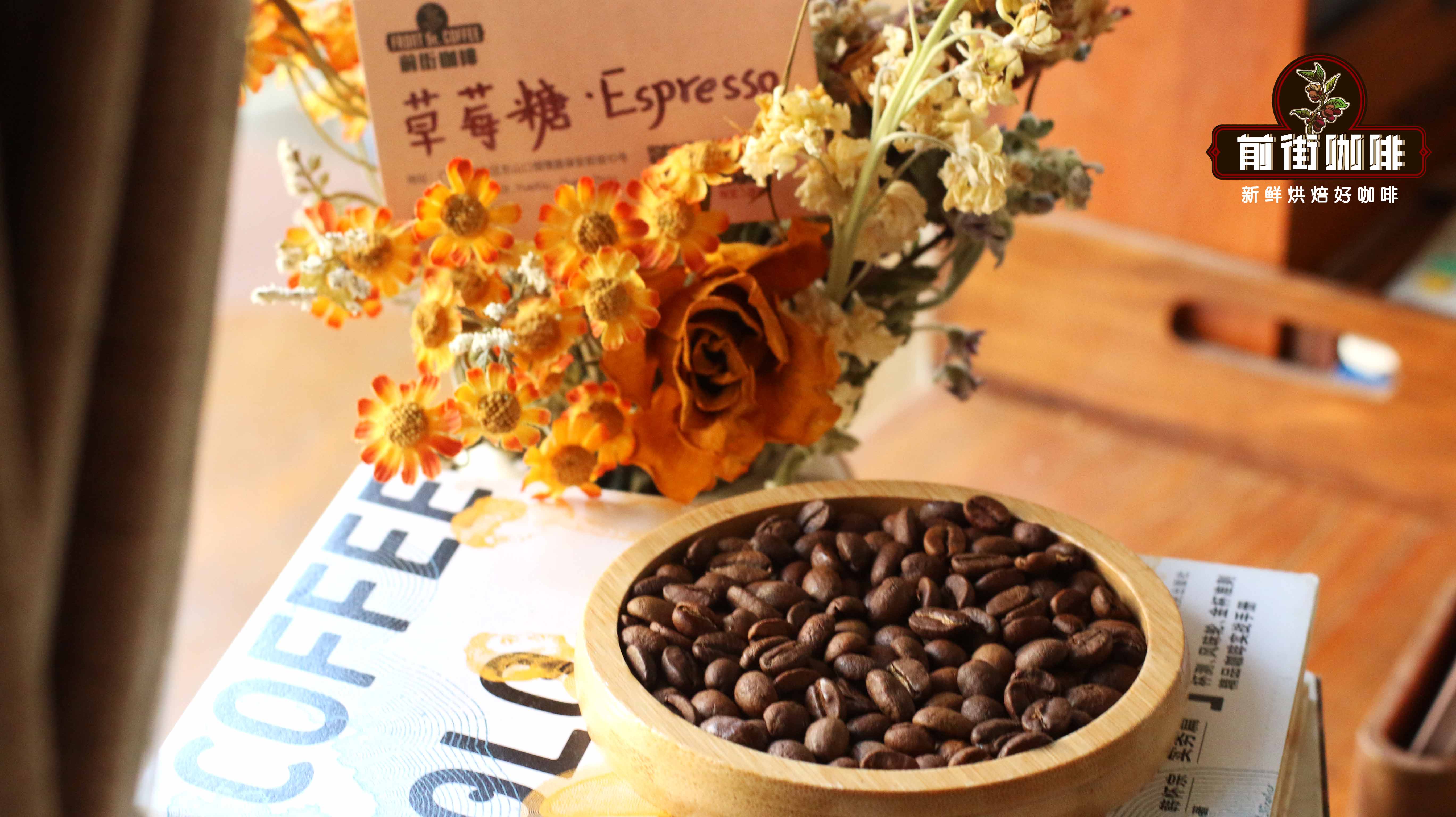
"Front Street Strawberry Candy Espresso Blend Coffee Beans": With notes of rose fragrance, strawberry gummy, grape, and dried fruit, it is creamy and smooth on entry, with an almond aroma in the finish. Recommended for friends who prefer floral and fruity flavors.
"Front Street Specialty Blend Coffee Beans": Colombian washed beans paired with Brazilian semi-washed beans, presenting flavors of nuts, dark chocolate, and caramel. Suitable for those who like a rich hazelnut coffee aroma.
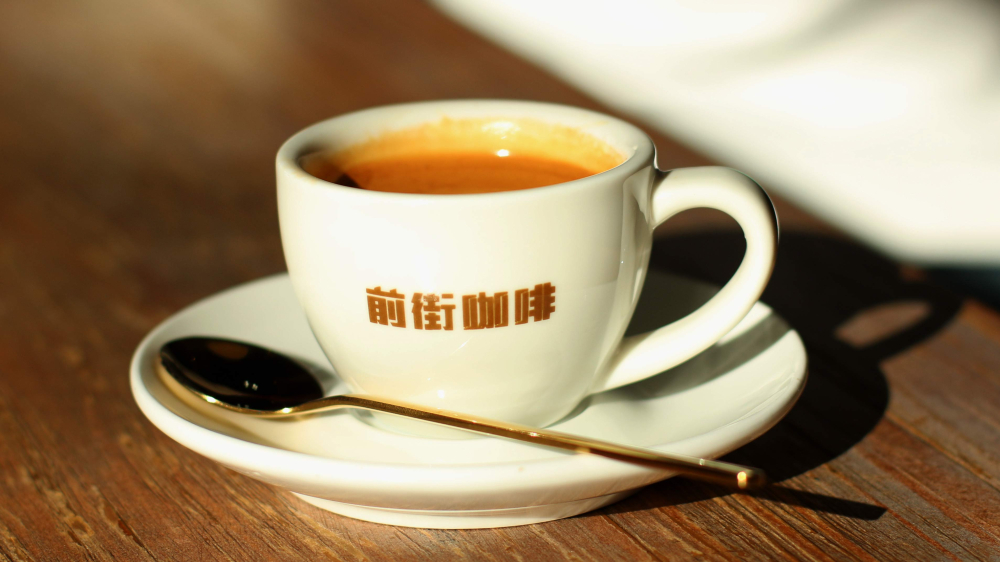
"Front Street Commercial Blend Coffee Beans": A combination of Brazilian semi-washed beans, Colombian washed beans, and Vietnamese washed beans. It has rich crema and obvious roasted aromas. As an americano it is sweet and easy to drink, and as a latte it is rich and smooth, leaving a lingering fragrance after drinking. The price is also friendly, making it very suitable as an everyday household staple bean.
"The espresso coffee beans recommended by many baristas - Front Street Dark Cocoa Blend Coffee Beans": Yunnan washed beans plus Brazilian semi-washed beans. The espresso has soft fruit acidity and caramel sweetness, with obvious nut and dark chocolate flavors, and a smooth, viscous texture. The price is affordable, suitable for café owners and home users who prioritize cost and are not too demanding about flavor.
To make latte, mocha, and cappuccino, Front Street specialty espresso blend coffee beans are all good choices. After getting the beans, you also need an espresso grinder to grind the beans into very fine particles, put them into the portafilter basket of the coffee machine and spread them evenly, then use the included tamping tool to press them flat and firm, attach the portafilter to the coffee machine, and press the extraction button.
Every grinder and coffee machine performs differently. Usually, extracting 20g of coffee liquid from 10g of coffee grounds, or 40g of coffee liquid from 20g of coffee grounds, should take between 25 and 30 seconds. After extraction is complete, you can first take a sip of the espresso, then judge whether the grind needs to be made coarser (for a lighter taste) or finer (for a stronger taste).
Once the espresso is ready, you can use the steam wand to heat and froth the milk.
Front Street's ratio for making a latte is: 20g espresso plus 200ml milk, with a milk foam thickness of about 1cm. After the milk and coffee are fully integrated, the overall result is balanced and smooth, with a total volume of about 280ml, so you need to prepare a 300ml bowl-shaped latte cup.
Mocha is a chocolate-flavored Italian milk coffee. The ratio is 20g espresso plus 15g chocolate sauce plus 190ml milk, and the milk foam thickness is also about 1cm. If conditions permit, you can also place your favorite marshmallows on top to add sweet fragrance. The method is similar to making a latte, and a 300ml bowl-shaped latte cup is enough.
The ratio for cappuccino is: 40g espresso plus 150g milk, with a milk foam thickness of about 1.5cm, and a total finished volume of about 190ml. After it is made, the coffee surface forms a highly domed shape. Compared with latte, cappuccino has a stronger coffee taste and denser, thicker milk foam; the first sip feels almost like eating marshmallow. Because the milk foam must be piled high, it is recommended to use a 200ml straight-walled or tulip-shaped coffee cup.

Comparing the three together: cappuccino, with the least milk, tastes the most prominently of coffee, with a relatively light milk flavor and abundant foam; latte has the most balanced mouthfeel, with coffee flavor, milk aroma, and milk foam thickness all clearly perceptible; mocha, meanwhile, is latte with chocolate-flavored mocha sauce added, so it has both the rich aroma of Italian coffee and the sweet fragrance of milk chocolate, giving it even more layers.
The above content is compiled by CoffeeHunters, a coffee news website.


