







Search Results for: Cupping Flavor Profile
Complete Record of Colombian Geisha Coffee Cupping: Flavor Profile Analysis and Standard Tasting Procedure Explained in Detail
The Geisha variety originated from the Gesha Mountains in southwestern Ethiopia, then traveled through Kenya, Tanzania, and Costa Rica before reaching Panama, where it rose to fame at Hacienda La Esmeralda. Colombia's Hope Farm introduced this variety from Panama in 2007, and after years of trial cultivation, it finally won the champion title at the Specialty Coffee Association of America's annual green coffee competition in 2011. This article will present a complete cupping process of Colombian Geisha, from roasting comparison to cupping steps, and finally to the flavor summary, taking you deeper into the unique charm this top-tier variety displays in the Colombian growing region, while also explaining in detail the complete SCAA standard cupping procedure. [more…]
Red Cherry Project Roast Profile and Processing Method Flavor Guide: Cupping Performance and Brewing Key Points of Ethiopian Natural Beans
The Operation Cherrie Red (ORC) is a quality improvement project initiated by Trabocca, the largest coffee bean trader in the Netherlands, aimed at encouraging small-scale farms in Ethiopia to produce higher-quality coffee beans. Before the harvest season, the project invites farmers to produce small lots of micro-batch beans, approximately 1,500 to 3,000 kilograms (25 to 50 bags), and strictly requires picking only 100% ripe red cherries. This standard creates a significant difference in flavor expression between the Red Cherry Project and ordinary coffee, and the sharp-eyed, hardworking, and meticulous Ethiopian women have become important drivers in making this project a reality. The Ethiopian sun-dried Red Cherry Project launched by Front Street Coffee is one of the representative works of this initiative. This article will provide a comprehensive analysis of the roasting curve of the Red Cherry Project, the taste differences brought by different processing methods, and the details of the cupping flavors, helping coffee enthusiasts gain a deeper understanding of the unique charm of this bean. [more…]
Yunnan Catimor vs. Typica Pour-Over Comparison: A Complete Flavor Analysis from Origin and Variety to Roasting and Extraction
Yunnan, as the earliest coffee-growing region in China, boasts premium production areas such as Baoshan's Lujiangba, yet varietal differences profoundly influence pour-over flavor. This article begins with the historical origins of Catimor and Typica, the terroir of the production areas, and green bean characteristics, then meticulously documents the entire process of Catimor red cherry natural processing. Through multiple rounds of roasting curve cupping and three adjustments of pour-over parameters, it explores how to diminish Catimor's herbal and woody bitterness while preserving its steady fruit acidity and caramel sweetness. The article also compares the flavor trajectories of varieties such as Huaguoshan, making it suitable for pour-over enthusiasts seeking a deeper understanding of Yunnan coffee's varietal characteristics and extraction logic. [more…]
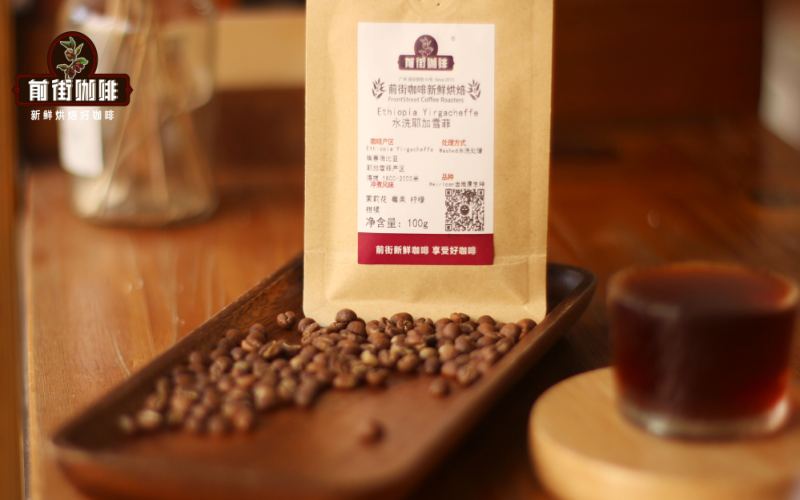
Why does Yirgacheffe Kochere coffee have such a pronounced acidity? A look at the region's characteristics and washed flavor profile
Devoted fans of Yirgacheffe are surely no strangers to the Kochere micro-region. Kochere is located in the heart of the Yirgacheffe prime zone and stands as its own district in the ECX production region classification, at an altitude of 1,650 to 1,800 meters. It is renowned for its washed processing and features a flavor profile with lively citrus acidity, silky sweetness, and rich fruity notes. Through cupping, Front Street Coffee found that coffee beans from this origin show outstanding aroma and mouthfeel and belong to the highest-grade G1 lot. This article will systematically analyze the source of Kochere coffee's acidity and its flavor characteristics, from the production region background, production model, and washed processing to the roasting curve and brewing parameters, and will include Front Street Coffee's roasting records and cupping report. [more…]
Guatemala New Oriente Region SL28 Honey Process Coffee: Guayabo Estate Roast Profile and Flavor Review
SL28, a legendary variety originating from Kenya, has now crossed the Atlantic to take root in the New Oriente region of Guatemala in Central America. Front Street Coffee presents the SL28 honey-processed lot from the Guayabo (Guava Plain) estate, located at 1,675 meters in the Suchitán volcanic area and cultivated under full shade throughout. This article will present the full varietal background of SL28, the terroir characteristics of the New Oriente region, and a comparison of two roasting curves by Front Street roasters tailored to the honey-processed bean quality. Through cupping, it reveals the impact of high-heat fast roasting versus extended development time on flavor, and finally provides pour-over parameters and tasting notes. [more…]
A Comprehensive Analysis of Coffee Cupping Methods: Flavor Evaluation Differences Between the Brazilian Method, SCAA, and Front Street Coffee's Pour-Over Cupping
Cupping is a core method used in the coffee industry to objectively evaluate coffee flavor and quality, and it is also an important part of barista training. This article systematically reviews the significance and operational logic of cupping, and compares in detail three approaches: the Brazilian cupping method, the SCAA standard cupping method, and the pour-over cupping method recommended by Front Street Coffee. The article points out that Brazilian cupping focuses on identifying defects and is a negative evaluation; SCAA cupping emphasizes positive assessment of aroma and flavor; while the cupping method used by Front Street Coffee simulates daily brewing equipment and is closer to actual cafe output. The three methods each have different emphases in roast level, extraction method, and evaluation items, and understanding these differences helps roasters and coffee professionals judge coffee quality more accurately. [more…]
Cup Tasting Flavor Profile and Origin Characteristics of El Salvador Finca Neblina Champion Lot Pacamara and Bourbon Coffee Beans
This article provides an in-depth introduction to the legendary Salvadoran coffee producer Ernesto Menéndez and his award-winning lots from Finca Las Brumas. This lot includes two varieties, Pacamara and Bourbon, sourced from microclimatic blocks above 1,700 meters, with a clean and sweet flavor profile featuring notes of cherry, berries, creamy chocolate, and spice sweetness. The article details the estate's history, the arduous journey of twice winning the Cup of Excellence, the characteristics of the Pacamara variety, and includes a cupping report and roasting degree recommendations. It also introduces an overview of El Salvador's coffee-producing regions and information recommended by Front Street Coffee, making it suitable for coffee enthusiasts to gain a comprehensive understanding of the unique charm of Central American specialty coffee. [more…]
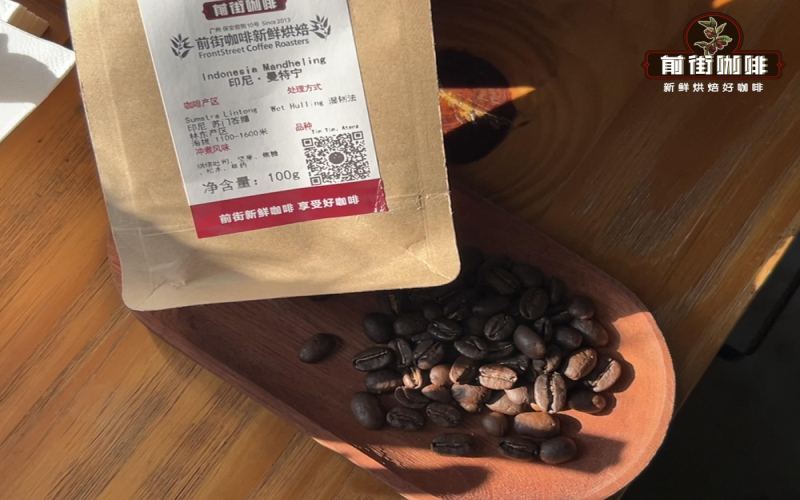
Exploring Sumatra Mandheling from Indonesia: Decoding the Flavor Profile and Wet-Hulling Process of Tiger Estate Coffee
Indonesian Sumatra Mandheling coffee is world-famous for its rich, full-bodied taste, and Tiger Estate Mandheling is an especially rare representative of this style. This article takes you deep into the origin characteristics of Front Street Mandheling, the unique flavor of Tiger Estate, and how Indonesia's wet-hulling method shapes Mandheling's signature fullness and herbal aroma. From cupping performance to brewing parameters, we offer a comprehensive analysis of this coffee bean known as the "Sumatran Tiger," providing a professional reference for coffee lovers who enjoy full-bodied flavors. [more…]
An Analysis of the Variety Classification, Origin, and Flavor Profile of Geisha Coffee Beans
Is Geisha actually an Arabica variety? It emerged from the wild forests of Ethiopia, journeyed through Kenya, Uganda, Tanzania, and Costa Rica, and finally made a stunning debut in Panama, becoming the new king of the specialty coffee world. This article will trace Geisha's variety classification and transmission path, review its championship history at the Panama Best of Panama cupping competition and the SCAA International Grand Reserve cupping competition, and describe its green bean appearance, aroma characteristics, and key points in choosing roast level. Whether you are a beginner just encountering Geisha or a seasoned connoisseur wanting to understand this bean in depth, you will gain a clear and complete understanding from it. [more…]
Yunnan Geisha Coffee Bean Flavor Profile and Price Analysis: The Aini Estate Variety Story and Front Street Coffee Recommendation
In recent years, the Yunnan coffee-producing region has continued to expand the varieties it cultivates, from the common Typica, Bourbon, and Catimor to the Geisha introduced by Aini Estate, whose cupping performance has been surprising. This estate, located in Pu'er, welcomed more than 30 precious varieties seven years ago with the assistance of Starbucks and the Yunnan provincial government, and has now become a world coffee variety exposition garden. This article walks you through the flavor and price of Yunnan Geisha, and sorts out the characteristics of varieties such as Caturra, Catuai, Villalobos, and Regina, while retaining Front Street brand recommendations, to provide coffee enthusiasts with a guide to Yunnan coffee varieties. [more…]

Panama Geisha Flavor Analysis: Front Street Coffee Washed Floral Butterfly Coffee Bean Taste Characteristics and Cupping Performance
Front Street Panama Butterfly coffee beans are a single-origin coffee that combines the elegant flavors of Geisha with an affordable price. It is a blend of 70% Geisha and 30% Caturra and Catuai, grown in the Boquete Baru Volcano region. The beans are washed-processed and medium-light roasted, displaying a complex profile of citrus, floral notes, tea-like character, and honey, with exceptionally high cleanliness, soft acidity, and lingering sweetness. This article will systematically introduce its origin background, varietal composition, cupping performance, and flavor details, helping coffee enthusiasts gain a comprehensive understanding of the unique charm of this high-value Geisha-flavored coffee. [more…]
Analysis of the Variety Composition and Cupping Flavor Profile of Costa Rica Tarrazú Mirazu Estate Geisha Blend Coffee Beans
The Geisha variety gained fame because of Panama, but its path of spread actually began in Costa Rica. This article focuses on Hacienda Miramonte in the Tarrazú region of Costa Rica, analyzing a Front Street Coffee Geisha blend made up of multiple varieties: Geisha, ET47, SL28, and MAICO. From the estate’s background and the traceability of the varieties to the raisin honey processing method, and then to the cupping performance after a medium-light roast, it fully presents its flavor layers of roses, strawberry gummies, raisins, and almonds. It also shares Front Street’s brewing parameters and extraction approach for this bean, helping coffee lovers better appreciate its floral aroma and berry sweetness. [more…]
Ethiopian Specialty Coffee Origin Analysis: A Complete Guide to the Washed Flavor Profile and Brewing of Yirgacheffe Kochere
Ethiopia, as the birthplace of Arabica coffee, has nurtured many coffee regions with distinctive styles. Among names like Yirgacheffe, Sidamo, and Guji, which region best embodies the classic character of Ethiopian specialty coffee? Front Street Coffee believes Yirgacheffe is fully deserving of the title. And Kochere, as an outstanding sub-region within the Yirgacheffe system, showcases a clean sweetness woven with honey and citrus, thanks to its advanced washed-processing facilities and meticulous cup-scoring classification. This article will comprehensively sort out the flavor code and practical recommendations of this bean from the dimensions of regional division, washed processing, the roasting curve of Front Street Kochere coffee beans, cupping records, and a V60 three-pour brewing scheme, helping coffee enthusiasts more systematically understand the charm of Ethiopian washed coffee. [more…]

Honduran Coffee Regions, Grades, and Caturra Flavor Analysis: From Sherry Cask Fermentation to Roasting Curve Practice
Honduras is an important specialty coffee-producing country in Central America, known for its sherry barrel fermentation process and high-altitude hard beans. This article systematically reviews the country's geography and climate, coffee grading system, and main variety characteristics, with a focus on the flavor performance of varieties such as Caturra. Front Street Coffee, drawing on roasting and cupping practice, compares the cupping and brewing differences between Lychee Orchid and Sherry coffee under different profiles, analyzes the role of barrel fermentation in shaping flavor, and provides coffee enthusiasts with a complete reference from understanding the producing region to extraction application. [more…]
What brand is Ninety Plus? Uncovering the 90+ coffee bean scoring standards, exclusive processing system, and Panama estate
In the world of specialty coffee, there is one name that is almost synonymous with "ultimate"—Ninety Plus, which we commonly call 90+. What makes it stand out to coffee professionals worldwide? The hard metric of scoring above 90 points in SCAA cupping is only the starting point; what is truly astonishing is its complete control from seed to cup: the exclusive Profile Processing production system, its own Gesha estate in Panama, and a unique system that uses flavor symbols instead of traditional processing method labels. This article gives you a systematic understanding of 90+'s brand core, grading logic, and flavor philosophy, along with practical brewing suggestions from Front Street Coffee for brewing 90+ Candor. [more…]
Honduras Sweet Orange Estate Caturra Washed Beans: Flavor Profile, Processing Method, and Brewing Parameters Explained
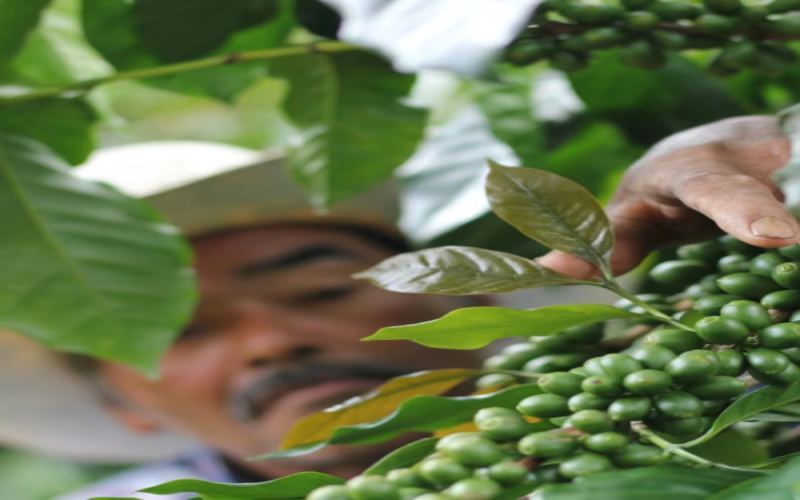
Honduran coffee is known for its high sweetness and citrus notes, and El Naranjo is one such bean worth savoring. The estate is located in Marcala in the La Paz region, with wild orange trees as shade trees, infusing the coffee with rich floral and fruity aromas. This article focuses on Front Street Coffee's Caturra washed bean, covering the estate background, variety characteristics, washed processing flow, roasting curve, cupping report, and V60 brewing parameters, fully presenting its flavor performance and brewing approach. It is suitable for enthusiasts who want to gain a deeper understanding of Honduran coffee or are looking for an everyday staple bean. [more…]
Panama Boquete Elida Estate Natural Typica Coffee Beans: Origin Characteristics, Roast Profile, and Pour-Over Flavor Analysis
Located in the Boquete production region of Panama, Elida Estate is a renowned specialty coffee estate under the Lamastus family with a history spanning over a century. Its high altitude and volcanic soil give rise to coffee of exceptional quality. This article focuses on the estate's Natural Typica coffee beans, introducing in turn the terroir of the Boquete region, the background of Elida Estate, and details of cultivation and processing. It also combines Front Street Coffee's green bean analysis, roasting records, and cupping performance, and finally offers brewing suggestions for siphon and pour-over, helping coffee enthusiasts gain a comprehensive understanding of this bean's flavor profile. [more…]
A Complete Guide to Kenyan Coffee Beans: Regions, Varieties, K72 Washed Processing, Flavor Profile, and Brewing Parameters
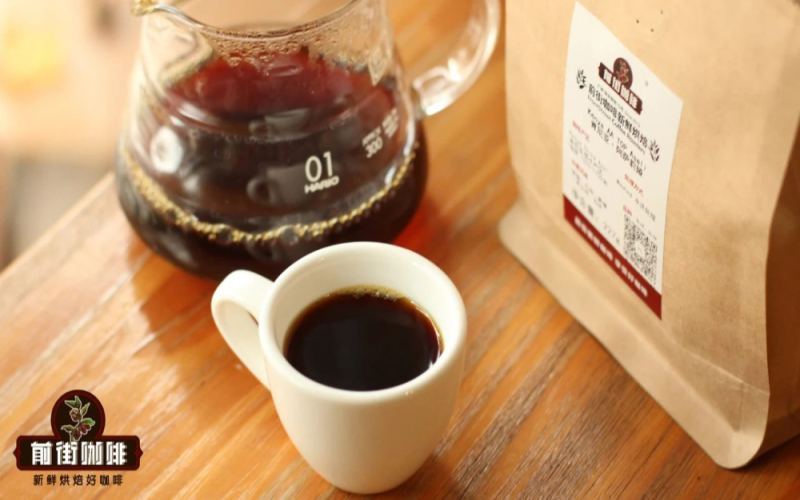
Kenyan coffee has always been famous for its full-bodied juiciness and bright acidity, but many people mistakenly believe that only a small-tomato note represents Kenyan flavor. This article provides a comprehensive overview of the core knowledge of Kenyan coffee, from the growing environment, auction trading system, and green bean grading, to the characteristics of the SL28 and SL34 varieties, the K72 washed processing method, and the six major producing regions including Nyeri and Kirinyaga. At the same time, Front Street Coffee uses two Kenyan AB beans to compare roasting, cupping, and brewing, guiding you through the flavor differences brought by different altitudes and producing regions, as well as grinding and brewing recommendations for Kenyan coffee. [more…]
Geisha Coffee Beans: Exploring Flavor Differences Between Light and Medium-Dark Roasts and Optimal Roast Levels
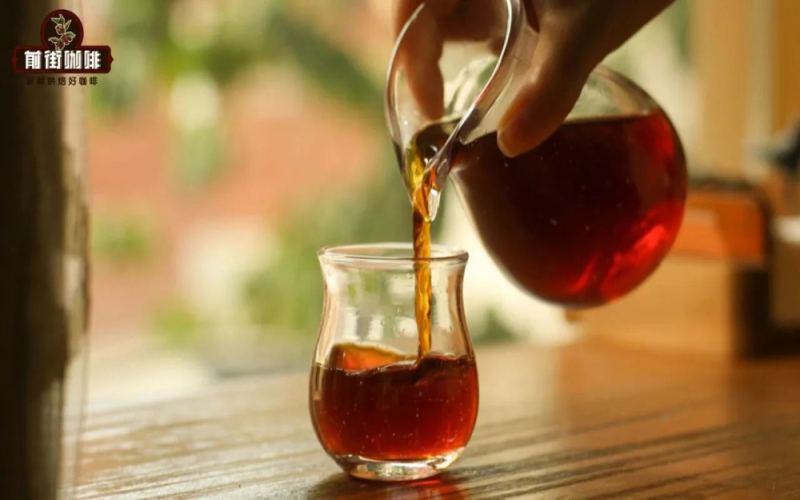
Geisha coffee beans are usually presented as a light roast, but what happens to the flavor if they are roasted darker? Front Street Coffee used Panama Hacienda La Esmeralda Green Label Geisha as a sample and conducted comparative tests using two profiles: light-medium roast and medium-dark roast. Through cupping and pour-over, it analyzed the impact of different roast levels on Geisha flavor from multiple dimensions such as aroma, acidity, sweetness, and mouthfeel. This article not only presents detailed experimental data and sensory descriptions, but also explores why Geisha is more suitable for light roasting and how to preserve its signature floral and fruity aroma during roasting. [more…]
Ethiopian Yirgacheffe Natural Red Cherry Coffee Beans: Full Breakdown of Flavor Profile, Roast Curve, and Origin
The Yirgacheffe region is renowned for its bright, fresh citrus and lemon acidity, but it is not only washed beans that deserve attention here. The Yirgacheffe Natural Red Cherry coffee beans launched by Front Street Coffee have won the favor of many coffee lovers with their complex flavors of berries, lemon, strawberry, and fermented wine aroma. This bean originates from the Aricha Estate, at an altitude of 2,300 meters, and is naturally processed. Its name is tied to the Red Cherry Project initiated in 2007 by a Dutch green bean merchant. From the perspective of Front Street Coffee, this article will systematically sort out the bean's origin background, the operating logic of the Red Cherry Project, and the natural processing workflow, while also sharing Front Street's roasting recommendations, cupping report, and pour-over parameters, helping coffee enthusiasts gain a comprehensive understanding of this Ethiopian specialty coffee that combines aroma and sweetness. [more…]