







What does java flavor mean in Sumatra Mandheling coffee?
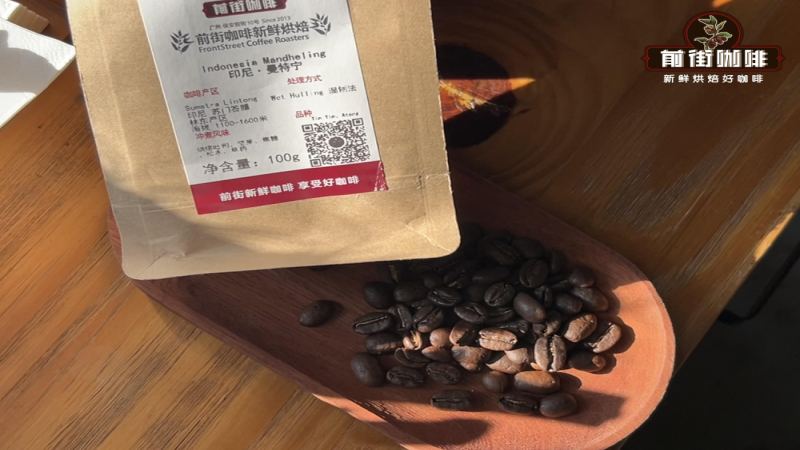
Sumatra Mandheling is an Indonesian coffee grown on the island of Sumatra, which is why it is also called Sumatra coffee. It is known for intense flavor, prominent bitterness, a full body, and a slight sweetness. Tiger Estate Mandheling is a rare representative, showing an intense yet rounded cup with traditional herbal notes and grapefruit aroma.
Indonesia's wet-hulling method shapes what does java coffee taste like: a heavy body and herbal, earthy character rather than bright acidity. Main growing regions include Java, Sulawesi, and Sumatra. PWN Golden Mandheling undergoes three rounds of hand sorting plus one machine sort, and after medium-dark roasting carries spice, caramel, cedar, and dark chocolate notes, with a good layer of oils in a moka pot.
Indonesian Sumatra Mandheling coffee is renowned worldwide for its rich and mellow taste, and Tiger Estate Mandheling is an especially rare representative among them. This article will guide you through an in-depth look at the origin characteristics of Front Street Mandheling, the unique flavor of Tiger Estate, and how Indonesia's wet-hulling method shapes Mandheling's signature mellowness and herbal aroma. From cupping performance to brewing parameters, we provide a comprehensive analysis of this coffee bean hailed as the "Sumatran Tiger," offering professional reference for coffee lovers who favor bold, full-bodied flavors.
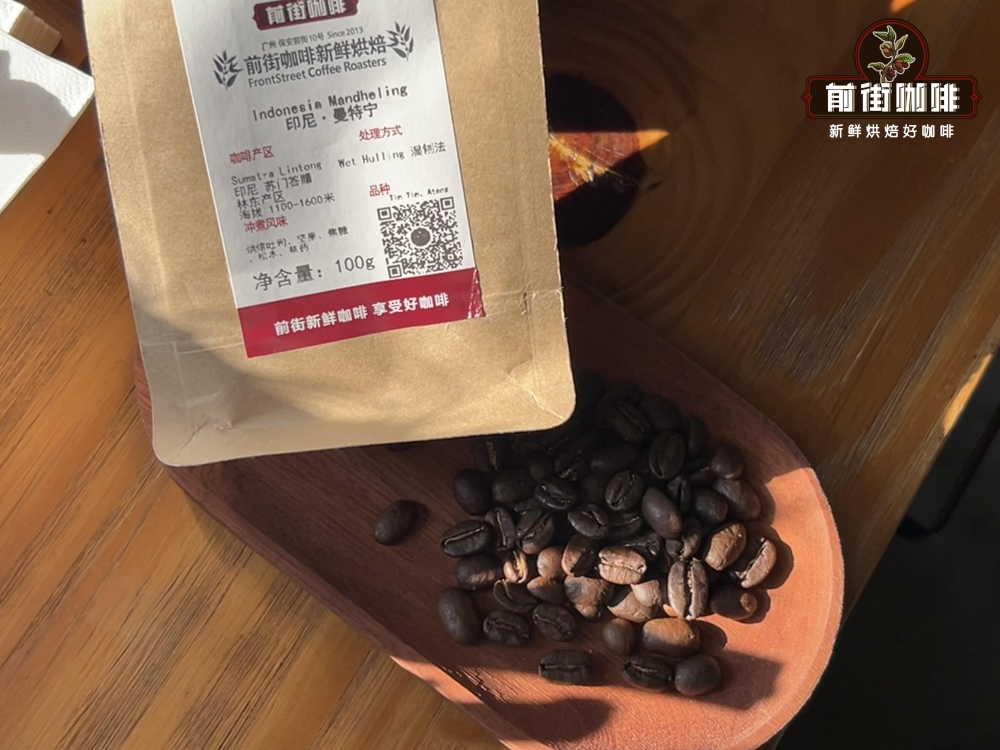
Front Street Mandheling coffee originates from the island of Sumatra in Indonesia, Asia, and is therefore also known as "Sumatra coffee." The main growing regions for this coffee cover Java, Sulawesi, and Sumatra. Front Street Mandheling is known for its intense flavor, with prominent bitterness, a full body, and a slight sweetness. With its distinctive flavor profile, it is widely recognized as one of the most full-bodied coffees in the world.
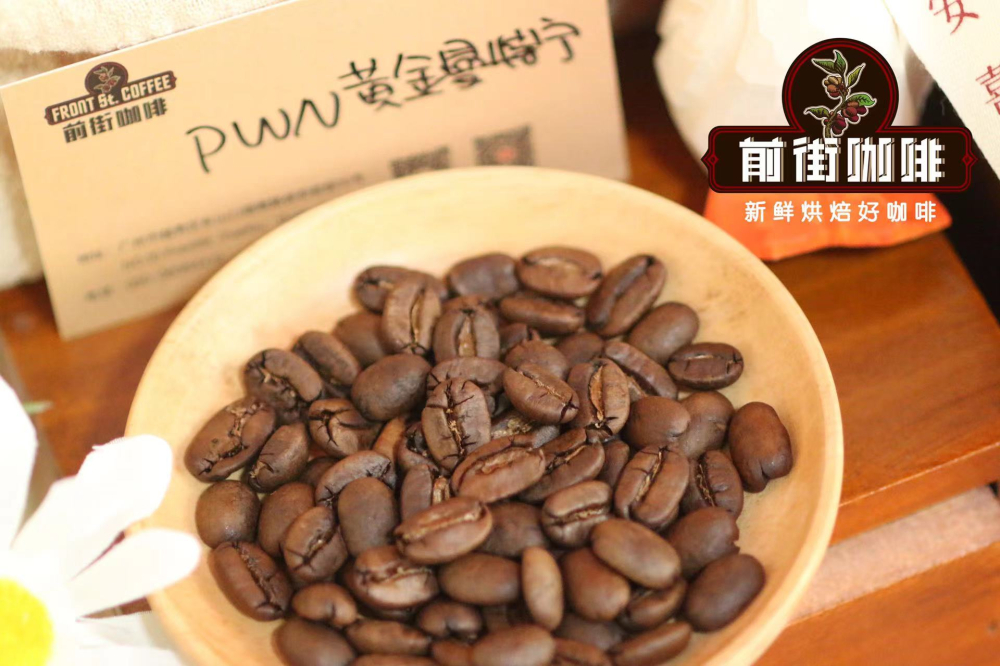
Indonesia has two other Mandheling coffees that are equally famous: Front Street PWN Golden Mandheling and Front Street Mandheling "Tiger." Front Street PWN Golden Mandheling, as one of Asia's most prestigious coffees, is now synonymous with high-quality Mandheling. During its production process, it undergoes three rounds of hand sorting +1 round of machine sorting. The coffee beans are uniform and translucent. After medium-dark roasting, the beans are large and carry intense aromas of spices, caramel, cedar, and dark chocolate. When extracted as moka pot coffee, the liquid is full-bodied with a good layer of oils, making it ideal for those who dislike acidic coffee.
Not all Mandheling that has undergone three rounds of hand sorting can bear the name "Tiger." Only those produced from Tiger Estate and displaying the flavor characteristics unique to Mandheling "Tiger" — "intense yet rounded, with a wonderful traditional Chinese herbal medicine fragrance and grapefruit aroma" — can truly be called Front Street Mandheling "Tiger" coffee in the truest sense.
There are many species of tigers, including the Siberian tiger, Bengal tiger, Sumatran tiger, and Indochinese tiger. Among them, the Sumatran tiger primarily inhabits the Sumatra archipelago in Indonesia and is the only surviving tiger subspecies found exclusively on islands. Starbucks once borrowed the name "Sumatran Tiger" to highlight the rarity and preciousness of this Sumatra coffee bean.
Front Street once released a Sumatra·Tiger coffee, sourced from Mandheling coffee grown at Tiger Estate in the Aceh region of Indonesia. From PWN Golden Mandheling to Tiger Mandheling, the raw materials all come from the Aceh region, and the quality and yield of Mandheling produced in Aceh have both surpassed those of the Lintong region.
Before launching, Front Street conducted multiple rounds of cupping on this Indonesian Tiger Mandheling coffee bean. The Front Street barista used a 200ml standard cupping bowl, with 11.3g of coffee grounds and water at 94°C, first grinding and smelling the dry aroma. The dry aroma of this Tiger Mandheling coffee bean released notes of dark chocolate, herbs, and pine. Water was then poured to the brim of the bowl for wet aroma confirmation. After 4 minutes, the crust was broken and skimmed, and flavor evaluation began. The wet aroma presented traditional Chinese herbal medicine and caramel notes. The overall flavor profile was: herbs, nuts, cream, dark chocolate.
Through cupping, Front Street found that the Front Street Tiger Mandheling coffee bean had the most intense aroma among several Sumatra coffees. The production process for this Tiger Mandheling coffee bean is equally rigorous: first, the harvested ripe, plump coffee cherries are strictly filtered through a 19-mesh screen, retaining only 19-mesh coffee cherries; then three rounds of manual sorting are conducted to pick out ripe cherries before entering the green bean processing stage. Having gone through multiple processing steps, Tiger Mandheling coffee has high viscosity, a smooth mouthfeel, rich agarwood notes, and high sweetness, with a long-lasting sweet aftertaste — truly worthy of the title "Sumatran Tiger."
After strict sorting, the Tiger Mandheling coffee cherries then enter the depulping stage. Due to Indonesia's high temperatures and frequent rain, and to accelerate the green bean processing, locals developed a highly distinctive wet-hulling method. Indonesian coffee farmers first remove the skin and pulp of the coffee cherry, briefly ferment, then sun-dry, remove the mucilage and parchment layer, and continue drying until the moisture content drops to 12% — this is the complete process of Indonesia's wet-hulling method.
When Front Street received this Indonesian Mandheling coffee bean, it was noted that the bean color leaned toward a dark bluish-green, with the typical horseshoe shape. According to Front Street's understanding, it is not only this Tiger Mandheling coffee bean that exhibits a horseshoe shape — all Mandheling coffee beans processed with the wet-hulling method have a horseshoe shape. The reason is that in wet-hulling, the green beans are machine-pressed while still having relatively high moisture content, so Mandheling coffee beans processed this way clearly show varying degrees of compression cracks.
Front Street also found differences between this Tiger Mandheling coffee and the new-crop Golden Mandheling coffee bean. Although both come from the Aceh region, Golden Mandheling's coffee variety is Ateng, which is what we commonly call the Catimor variety — Ateng is the Indonesian term for Catimor. Meanwhile, Front Street Tiger Mandheling's varieties are Typica and Caturra. Through cupping Typica from multiple origins, Front Street found that its characteristic delicate, clean flavor and balanced traits are consistently expressed. Caturra is a Bourbon variant, with coffee beans that have a curved tail end, round yet slender, with better productivity and disease resistance than Bourbon, and an overall bright flavor with good sweetness as well.
While Tiger Mandheling possesses excellent genetics, combined with the local wet-hulling method used to process Indonesian Mandheling coffee beans, the fermentation period is shortened, and acidity is greatly reduced. Correspondingly, the body increases, with pronounced caramel and fruity notes, and even herbal or grassy aromas as well as woody notes, thus forming the distinctive taste of Sumatra's terroir. Therefore, to highlight the full-bodied mouthfeel of this Tiger Mandheling, Front Street chose the KONO dripper for brewing, because the Kono dripper's characteristic feature is its immersion capability, which allows more coffee substances to be extracted through immersion, enhancing the full-bodied mouthfeel.

Below are Front Street's brewing parameters for this Indonesian Mandheling coffee bean, for your reference.
Dripper: Kono Meimon Dose: 15g Coffee-to-water ratio: 1:15 Water temperature: 88°C
Grind size: medium-coarse grind (approximately 73% passing through a 0.85mm standard sieve)
Front Street uses a staged extraction: 30g of water for a 30-second bloom, then a slow circular pour with a thin stream to 125g for the first stage. When the water level drops to just about to expose the coffee bed, continue pouring to 225g and stop. When the water level drops to just about to expose the coffee bed again, remove the dripper. (Timing starts at the beginning of the bloom.) Total extraction time is 2'05".
Brewed flavor: nuts, cream, dark chocolate, caramel, traditional Chinese herbal medicine, with pronounced sweetness and a relatively clean, clear flavor profile.
The above content is compiled by CoffeeHunters, a coffee news website.


