







Search Results for: Colombia Cauca

Colombia's vice president's motorcade was attacked in Cauca Department, and the violent conflict may spread to the country's core coffee-producing region.
On July 10, the vehicle normally used by Colombian Vice President Francia Márquez was shot at in the southwestern region of Cauca. Fortunately, she was not in the vehicle, and no one was injured in the incident. Nevertheless, the attack once again laid bare the long-standing violent conflict and complex security situation in the departments of Cauca and Valle del Cauca. Of particular concern to the coffee industry is that these two departments are not only important coffee-producing regions in Colombia, with a combined annual output of about 140,000 tonnes, but are also home to well-known estates such as Finca El Paraiso, Finca Inmaculada and Finca La Esperanza, making them destinations for many traders and coffee hunters. If the government escalates military operations and triggers large-scale conflict, both local coffee production and export routes via the port of Buenaventura could be severely affected. Front Street Coffee will continue to monitor the subsequent impact of the incident on Colombia's coffee supply chain. [more…]
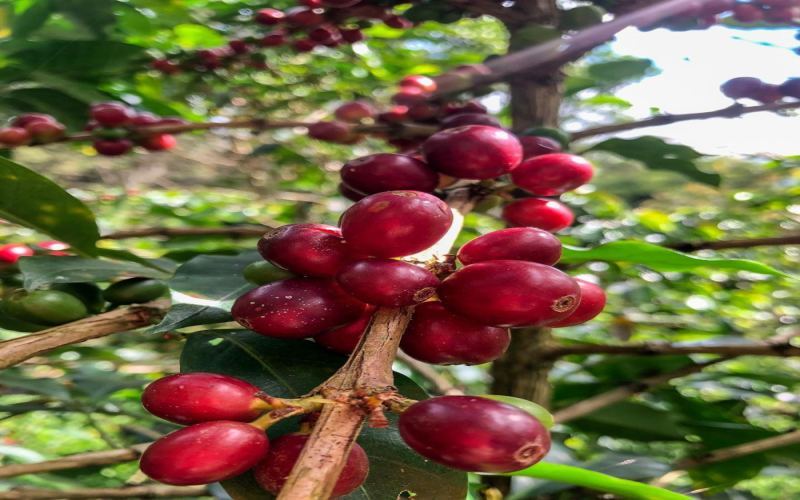
A Comprehensive Analysis of Coffee from Colombia's Cauca Region: From Cup of Excellence to the Suarez Micro-Region, Flavors and Brewing
The Cauca Department of Colombia is a pearl in the specialty coffee landscape that cannot be overlooked. From the perspective of Front Street Coffee, this article systematically reviews the terroir conditions, variety composition, and processing methods of the Cauca producing region, and further introduces Colombia's coffee grading system and the characteristics of its main producing regions, with a focus on analyzing the competition mechanism of the Cup of Excellence in Cauca and its substantial benefits for smallholder farmers. At the same time, it takes a deep dive into the Surí micro-region, analyzing how high altitude and the temperature difference between day and night shape the acidity and sweetness of coffee. Finally, it includes Front Street Coffee's roasting recommendations and brewing report, providing coffee enthusiasts with a complete reference from green beans to the cup. [more…]
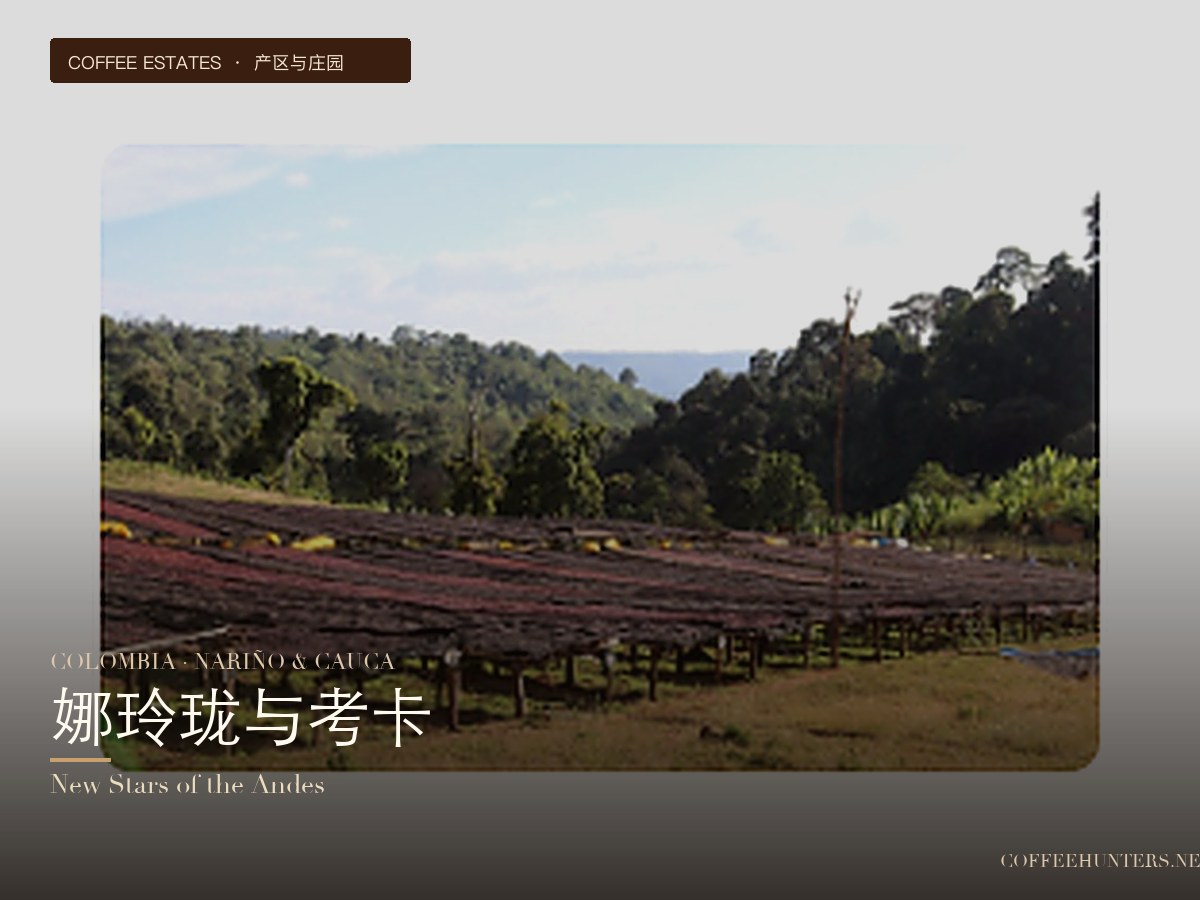
Colombia · Narino and Cauca: High-Scoring New Stars of Specialty Estates
Nariño and Cauca are two neighboring emerging specialty coffee regions in southern Colombia. The coffee produced here has, for consecutive years, earned high scores in the Cup of Excellence thanks to its full-bodied tartaric acidity, pronounced fruity notes, and complex layers. [more…]
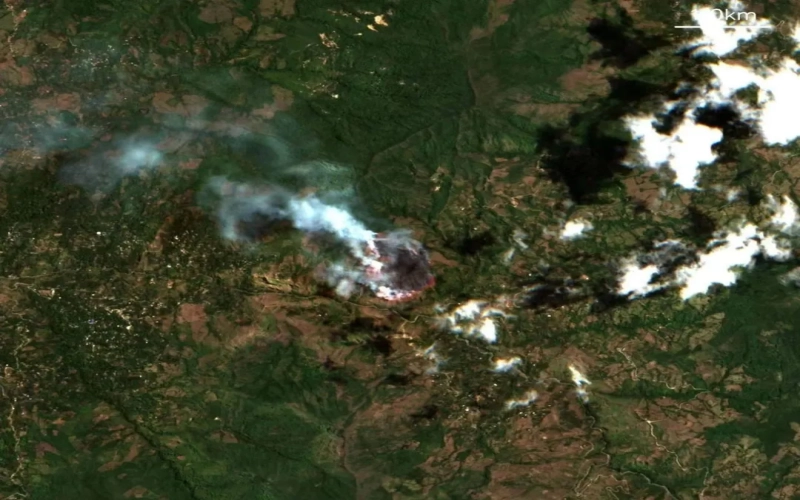
Wildfires Rage in Cauca, Colombia: Coffee and Sugarcane Crops Severely Damaged, Regional Situation Draws Attention
A large-scale forest fire recently broke out in the mountainous area of Bolívar Municipality in Cauca Department, southwestern Colombia, and the fire remains out of control. According to the local mayor, this is the most serious fire the municipality has seen in more than 30 years, with about 2,500 hectares of land destroyed and large amounts of sugarcane and coffee crops damaged, and the fire has already spread to Valle del Cauca Department. Because the ignition area is close to a nature reserve, nearby important water sources may be affected, and due to the complex mountainous terrain, firefighters are finding it difficult to gain access, making firefighting efforts very difficult; aerial support has now been requested. Notably, the Colombian government's ceasefire agreements with several anti-government armed groups have recently been terminated one after another, intensifying armed conflict, and many people suspect this forest fire is related to the conflict. Cauca Department, Valle del Cauca Department, and Norte de Santander Department are all important coffee-producing regions in Colombia. Although the conflict has not yet directly threatened coffee estates and smallholder production, the winter harvest season is approaching in September, and the impact of the mountain fire on output cannot be ignored, and may further drive up already continuously rising coffee purchasing prices. [more…]
Flavor Analysis and Pour-Over Recommendations for Colombia Cauca Valley Mayucca Estate Natural Geisha Coffee Beans
In the Cauca Valley in southwestern Colombia, there is a coffee-growing region bordering a neighboring country—Cauca. Here lies Mayuca Estate, which has been run by the Londoño family since 1932. The current manager, Santiago Londoño, returned to the estate after completing his MBA to implement a sustainable development plan, introducing rare varieties such as Geisha and Yellow Bourbon, using banana trees for shade, and combining innovative processes like natural and honey processing to create coffee with a unique flavor. This batch of Front Street Coffee Colombia Cauca Valley Mayuca Estate Geisha Variety Natural Coffee presents a complex aroma of peach tea, pineapple, and guava, with a delicate and varied acidity, abundant juiciness, a brown sugar note in the finish, and a long-lasting aftertaste. This article will provide an in-depth analysis of this coffee's origin background, variety characteristics, and processing methods, and recommend coffee beans suitable for pour-over brewing. [more…]
Origin, Variety Characteristics, and Cultivation Analysis of Pink Bourbon Coffee Beans in Colombia's Cauca Region
Pink Bourbon is a particularly eye-catching rare variety in Colombia's coffee landscape. It is a cross between Red Bourbon and Yellow Bourbon and gets its name from the unstable pink color of its ripe cherries, with extremely limited yields. Starting from the origin story of Pink Bourbon, this article reviews the history of coffee's introduction to Colombia and the industry's position, takes an in-depth look at the terroir conditions and microclimate characteristics of Cauca Department, and, through a comparative cupping and brewing of two Colombian beans from Front Street Coffee, presents the unique flavor expression of Pink Bourbon. Whether for variety knowledge or brewing reference, it can provide coffee lovers with a complete tasting guide. [more…]

Escalation of Armed Conflict in Cauca, Colombia: 1,400 Soldiers Deployed, Coffee-Growing Region Hit by Wildfires Again
Colombia's peace process has encountered new setbacks. While the government and the "Caraca" faction extended their ceasefire agreement, another faction—the Western Bloc of the "Central General Staff"—continued to exchange fire with government forces in Cauca Department. President Petro authorized an all-out offensive, and the military deployed more than 1,400 soldiers along with heavy equipment to launch a raid. The conflict sparked wildfires in the mountains, and combined with persistent drought and high temperatures, major coffee-producing regions such as Huila Department and Cauca Department were severely affected, with large tracts of coffee crops destroyed. Coffee output in August fell by nearly 100,000 bags month-on-month. The National Federation of Coffee Growers of Colombia (FNC) said that after three consecutive years of declining production caused by La Niña, output is now struggling to recover, up 15% compared with last year. Regional peace and industry recovery remain core issues that the government urgently needs to address. [more…]
Colombia Finca El Paraiso Coffee: Cauca Regional Terroir, Double Anaerobic Fermentation and COE Gold Record
Colombia is an important specialty coffee-producing country worldwide, and its coffee grading is based on bean screen size rather than altitude. The Cauca region, with its unique terroir of surrounding high mountains, ample sunlight, and a stable climate, nurtures a rich and balanced coffee flavor. Finca El Paraiso is located in Cauca Department and was founded by Diego Samuel in 2008. Starting from a small 2.5-hectare farm, it set the highest bid record in Colombian history at the COE auction through an experimental double anaerobic fermentation process. This article will guide you through the terroir conditions of the Cauca region, the development history of Finca El Paraiso, and its complex fermentation process, and introduce related batch products from the Front Street brand. [more…]
Analysis of Colombian Cauca Region Coffee Characteristics and Green Bean Roasting Approach Sharing
Cauca Department in Colombia is an important origin for specialty coffee, where high altitude, volcanic soil, and marked day-night temperature swings produce washed Caturra with bright acidity and pronounced sweetness. From the region's terroir, Cup of Excellence competitions, and the characteristics of the Suarez micro-region to green bean roasting and brewing suggestions, this article fully lays out the flavor code of Cauca coffee. Drawing on roasting practice, Front Street Coffee shares a medium-dark roast approach and specific curves to help enthusiasts understand how this bean performs from origin to cup. [more…]
How to brew coffee from Tambo Estate in Cauca, Colombia? A detailed guide to pour-over and iced pour-over parameters and flavor
Front Street Coffee's Colombia Tambo Estate is a micro-lot from the Cauca Department, washed processed, and in cupping it presents a creamy, velvety mouthfeel with citrus-like acidity, a clean entry, accompanied by red brown sugar sweetness and notes of apple, caramel, Earl Grey tea, and plum, with a fresh lemon-like acidity in the finish and a lasting sweet aftertaste. This article centers on this bean, first outlining the terroir of the Cauca producing region and Colombia's grading methods, then providing Front Street Coffee's complete parameters for pour-over and Japanese-style iced pour-over, including grind size, water temperature, coffee-to-water ratio, and the staged pouring rhythm, to help coffee enthusiasts reliably reproduce its round, sweet flavor performance at home. [more…]
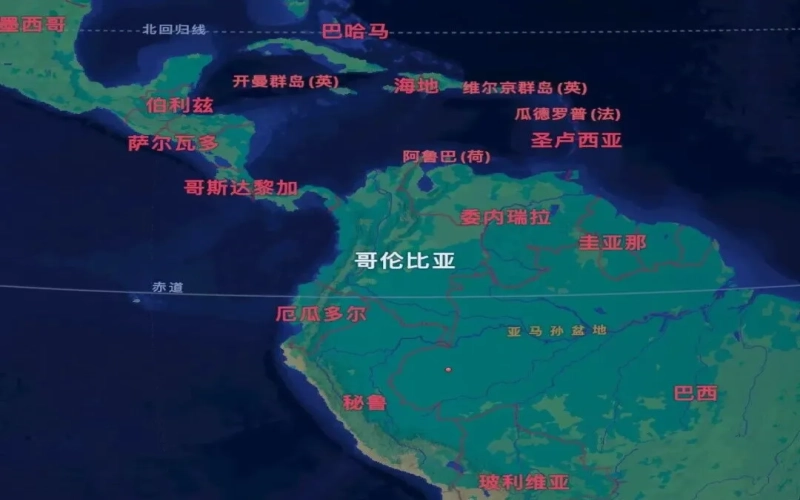
Detailed profile of Finca La Esperanza in Cauca, Colombia: an overview of five farms, growing elevations, and coffee varieties
Colombia is the world's third-largest coffee producer, and coffee, along with flowers, gold, and emeralds, is known as one of its "four treasures." The high altitudes, volcanic soil, and diverse climates of the Andean region provide ideal conditions for coffee cultivation. Cauca Department is one of the main producing regions, where Hacienda La Esperanza has multiple farms. This article will outline the geographical and climatic background of Colombian coffee, with a focus on introducing the altitude, plots, area, and cultivated varieties of five farms under Hacienda La Esperanza: Potosí, Blue Mountain Hill, Margarita, Hacienda La Esperanza, and Hawaii. It will also mention the Herrera family's management legacy and related products from the Front Street brand. [more…]
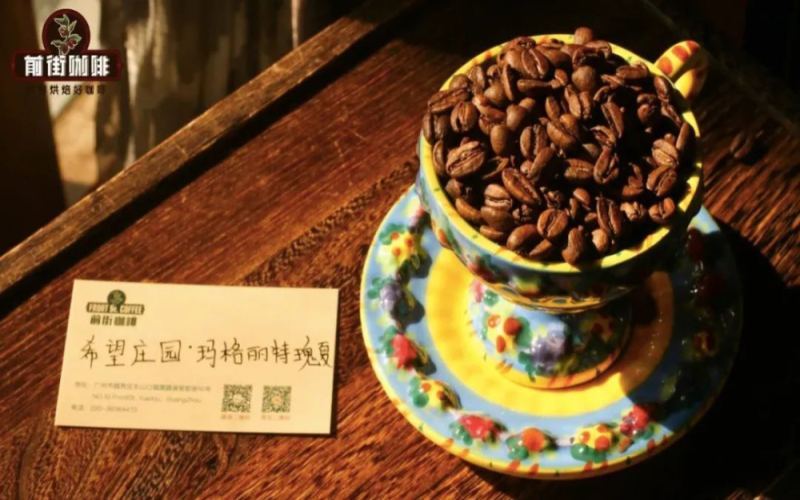
Colombia Cauca Region Finca La Esperanza Geisha Coffee Beans: A Full Analysis of the Estate Background, Terroir Conditions, and Variety Experiments
Front Street Coffee recently acquired a sun-dried Geisha coffee bean produced by Colombia's Finca La Esperanza. When brewed, it presents aromas of blueberry and smoked plum, with layers of blackcurrant juice, orange, and berry flavors on the palate, a full-bodied juicy feel, and a red-wine-like texture in the finish. This Geisha comes from a renowned, long-established estate in Colombia—Cafe Granja La Esperanza, whose Chinese name means "Hope." Over the past decade, Finca La Esperanza has accumulated more than sixty awards in major global coffee competitions, is a regular contender in Colombia's green coffee competitions, and has even crossed regions to participate in Panama's Best of Panama (BOP) competition with notable results. This article will provide a comprehensive introduction to this legendary estate from the perspectives of its background, the terroir of the Cauca growing region, the history of its variety introductions, and its processing techniques. [more…]
Front Street Coffee Bean Hunt: Exploring the Rare Pink Bourbon of Finca El Paraiso in Cauca, Colombia
In Cauca Province in southwestern Colombia, there is an estate called Paraiso, where a rather rare coffee variety is grown—Pink Bourbon. It is a cross between Red Bourbon and Yellow Bourbon. When the coffee cherries ripen, they take on a romantic pink color, but maintaining this color consistently is extremely difficult. Front Street Coffee has now gone deep into the Cauca producing region to bring this special report on a washed Pink Bourbon, breaking it down one by one, from the terroir of the producing region and the estate’s background to green bean characteristics, roasting curves, and cupping flavors. If you are interested in the diverse flavors of pour-over coffee, this bean—with notes of peach, plum, grapefruit, and a lingering tea-like floral aroma—may become your next choice to try. [more…]
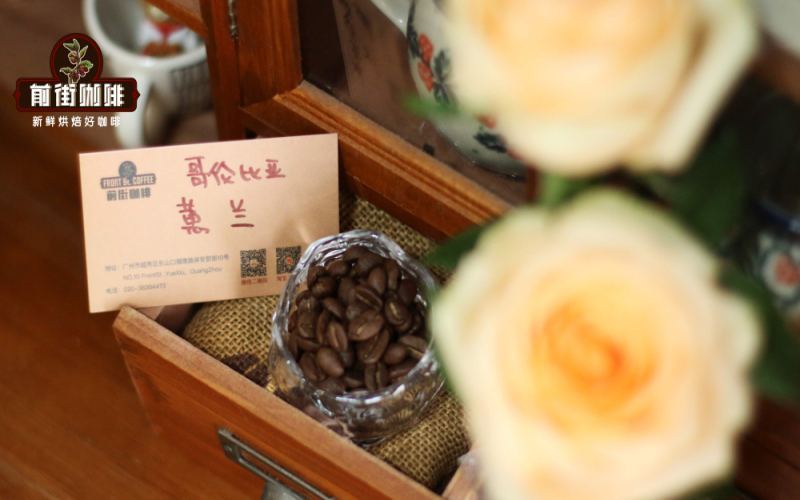
An Analysis of Colombia's Five Major Specialty Coffee Regions: Flavor Profiles and Roasting Recommendations for Huila, Cauca, Nariño, and More
Colombia enjoys a locational advantage with ports on both the Atlantic and Pacific oceans, giving it lower coffee shipping costs than other South American countries. Its specialty coffee regions are mainly distributed across the Eastern and Central Cordilleras, as well as the southern areas of Huila, Cauca, and Nariño. Due to differences in altitude, soil, and microclimate, each region presents a diverse range of flavors, from nutty chocolate to peach and rose. This article systematically reviews the varietal characteristics and cupping performance of five major producing regions—Medellín, Santander, Huila, Cauca, and Nariño—and includes Front Street Coffee's roasting curves and brewing parameters for coffee enthusiasts' reference. [more…]
An Analysis of Colombia's Coffee Growing Regions and Harvest Seasons: A Comprehensive Introduction to Varieties, Flavors, and Processing Methods
Colombia is the world's third-largest coffee exporter and the largest exporter of Arabica beans and washed beans, hailed as "green gold." This article systematically reviews Colombia's coffee-growing regions, harvest season patterns, main varieties and processing methods, and introduces representative regions one by one, including Santander, Antioquia, Tolima, Huila, Cauca, and Nariño. Colombian coffee is known for its silky, balanced taste, with family-run operations and volcanic soil giving it a unique quality. The article also covers the functions of the FNC and CENICAFE, green bean grading standards, and competition mechanisms such as the Cup of Excellence in Cauca, making it suitable for coffee enthusiasts to gain a comprehensive understanding of Colombian coffee's terroir and the industry as a whole. [more…]
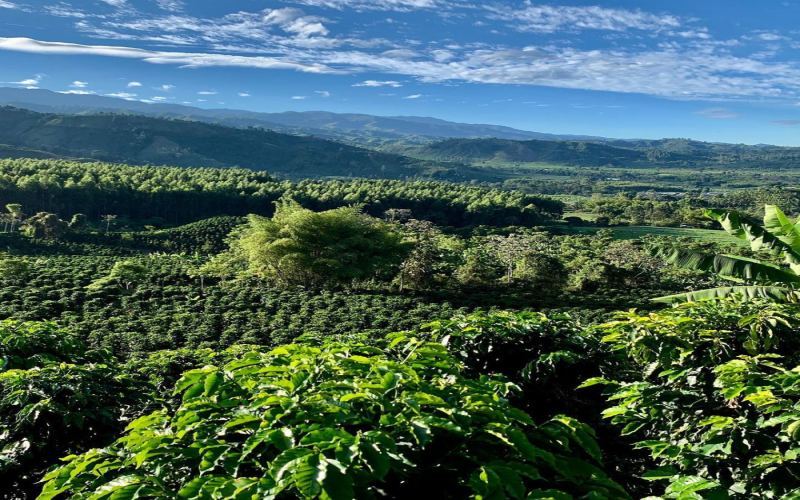
Starbucks Colombia Coffee Bean Origin Story and a Comprehensive Comparison of Huila Region Flavor Characteristics
Colombia occupies a significant place in the specialty coffee landscape thanks to its natural advantages of low latitude, high altitude, and volcanic soil. Its flavor is rich and balanced, often with nutty and cocoa notes, and Starbucks'首选 coffee became a core product in 1990 using Colombian beans. In this article, Front Street Coffee takes you through the growing conditions and main producing regions of Colombian coffee, and compares the flavor differences of Huila, Cauca, and other areas one by one, including detailed characteristics of several beans such as Pink Bourbon Isabella, Washed Huila, Anaerobic Natural Flower Moon Night, and Cauca Sakura, helping coffee lovers gain a comprehensive understanding of the diversity of Colombian coffee. [more…]
How to drink Colombia Finca El Paraiso Sakura Coffee Beans? Cauca Region Flavor and Brewing Parameters Explained
Many people first encounter specialty coffee through a cup of SOE latte. Luckin once used Huakui SOE to open up the specialty coffee conversation, and when Huakui supply became tight, Colombian Finca El Paraiso coffee beans were pushed to the forefront, becoming the flagship single-origin that took up the baton. The name Finca El Paraiso is poetic in itself—but what does it actually taste like? This article, from Front Street's perspective, sorts through the background of Colombian coffee-growing regions, the terroir characteristics of the Cauca region, and the cultivation and innovation journey of Finca El Paraiso's owner Diego Samuel, with a focus on introducing the variety, processing method, roasting approach, and pour-over parameters of Front Street's Colombian Finca El Paraiso Sakura coffee beans, helping coffee enthusiasts understand the flavor origins and brewing methods of this bean. [more…]

Colombia Cauca Finca Paraiso Strawberry 2.0 Coffee Beans: Double Anaerobic Washed Processing and Pour-Over Flavor Analysis
Strawberry-flavored coffee has attracted much attention in recent years, and Strawberry 2.0 from Finca El Paraiso in Colombia's Cauca region is one of the most talked-about examples. This bean uses a double anaerobic washed process, is of the Castillo variety, and is grown at an excellent elevation of 2,050 meters, bringing aromas of strawberry yogurt, strawberry-juice-like acidity, and a long honey-like finish. In response to the higher moisture content of beans from the new harvest season, Front Street Coffee's roaster adopted a medium-light roast to highlight their floral and fruity character, and provided detailed V60 pour-over parameters and a three-stage pouring method. This article will comprehensively analyze the terroir of the Cauca region, the background of Finca El Paraiso, the principles of double anaerobic fermentation, and Front Street Coffee's cupping and brewing recommendations, taking you deeper into the unique charm of this Strawberry 2.0. [more…]
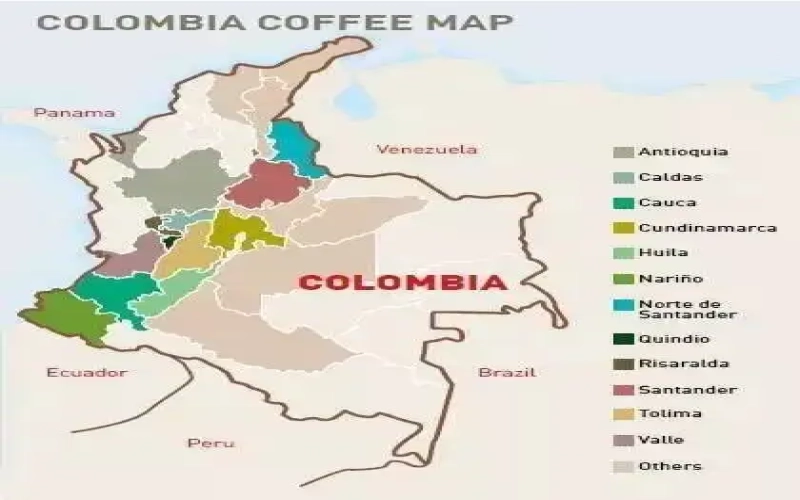
A Complete Guide to Colombian Specialty Coffee Regions: Harvest Seasons, Flavor Profiles, Varieties, and Processing Methods
Colombia is the world's third-largest coffee exporter and the largest exporter of Arabica beans and washed beans. This article systematically reviews the core knowledge of Colombian specialty coffee: starting from the terroir conditions of the three major producing regions in the Andes Mountains, it explains in detail the differences between the northern and southern harvest seasons and the harvest time windows, introduces major varieties such as Caturra, Bourbon, and Castillo as well as the history of disease-resistant breeding, analyzes the unique characteristics of household washed processing, and examines one by one the flavor characteristics of well-known producing regions such as Santander, Huila, Cauca, and Nariño. The article also includes the producing region information and brewing flavors of several Colombian beans from Front Street Coffee, providing coffee enthusiasts with a complete framework for understanding Colombian coffee. [more…]
The Origin Story and Roasting Approach of Colombian Coffee Beans: From the Andes Mountains to Front Street Coffee's Cauca Cup of Excellence
Colombia is the world's second-largest coffee producer and one of the few origins whose country name is sold as a single-origin coffee. It lies at the foothills of the Andes, where three Cordillera mountain ranges run north to south, giving coffee diverse climates and year-round harvest conditions. This article reviews the historical threads of Colombian coffee, the characteristics of its main producing regions, and its quality advantages, and focuses on the Cauca Cup of Excellence lot recommended by Front Street Coffee, introducing its regional information, green bean characteristics, medium-dark roast target, and KONO dripper brewing parameters, helping coffee lovers understand the complete picture of Colombian coffee from origin to cup. [more…]