








What makes the double anaerobic washed coffee process distinctive?
Strawberry 2.0 comes from Finca El Paraiso in Colombia's Cauca region, grown at 2,050 meters from the Castillo variety and processed with a double anaerobic washed method. The cup shows strawberry yogurt aroma, strawberry-juice acidity, and a long honey-like sweetness. Front Street Coffee roasts it medium-light to bring out those floral and fruity notes.
The coffee process matters here because anaerobic fermentation followed by washing develops the fruit-forward character while keeping the cup clean. Higher moisture in new-crop beans led the roaster to a medium-light profile suited to pour-over. The recommended V60 method uses a three-stage pour, and nearby coffee farms in Cauca share the same high-elevation, cool-climate growing conditions.
Strawberry-flavored coffee has gained considerable attention in recent years, and Strawberry 2.0 from Finca El Paraiso in Colombia's Cauca region is one of the most talked-about offerings. This bean undergoes a double anaerobic washed process, is of the Castillo variety, and grows at an excellent elevation of 2,050 meters, delivering aromas of strawberry yogurt, strawberry juice-like acidity, and a lasting honey-like sweetness. In response to the higher moisture content typical of new-crop beans, Front Street Coffee's roaster uses a medium-light roast to highlight its floral and fruity character, and provides detailed V60 pour-over parameters along with a three-stage pouring technique. This article offers a comprehensive analysis of the Cauca region's terroir, the background of Finca El Paraiso, the principles of double anaerobic fermentation, and Front Street Coffee's cupping and brewing recommendations, giving you an in-depth look at the unique charm of this Strawberry 2.0.

When people think of strawberries, they often associate them with desserts like strawberry juice, strawberry yogurt, and strawberry ice cream. Indeed, these foods all exude a rich, sweet aroma. But you may not know that coffee can also possess a strawberry-like fragrance. For example, Front Street Coffee's Strawberry Candy, a popular coffee bean, has won the favor of many coffee lovers with its rich berry aromas.
Front Street Coffee's Strawberry Candy is a Geisha blend composed of beans from two major producing regions: Costa Rica and Panama. The Costa Rican honey process brings fuller sweetness to the coffee, while the Panamanian washed Geisha contributes floral notes and the sweet-tart acidity of berries. Once brewed, the cup reveals delicate flavors of grape, blueberry, and rose, and it performs beautifully whether prepared as pour-over, cold brew, or drip.
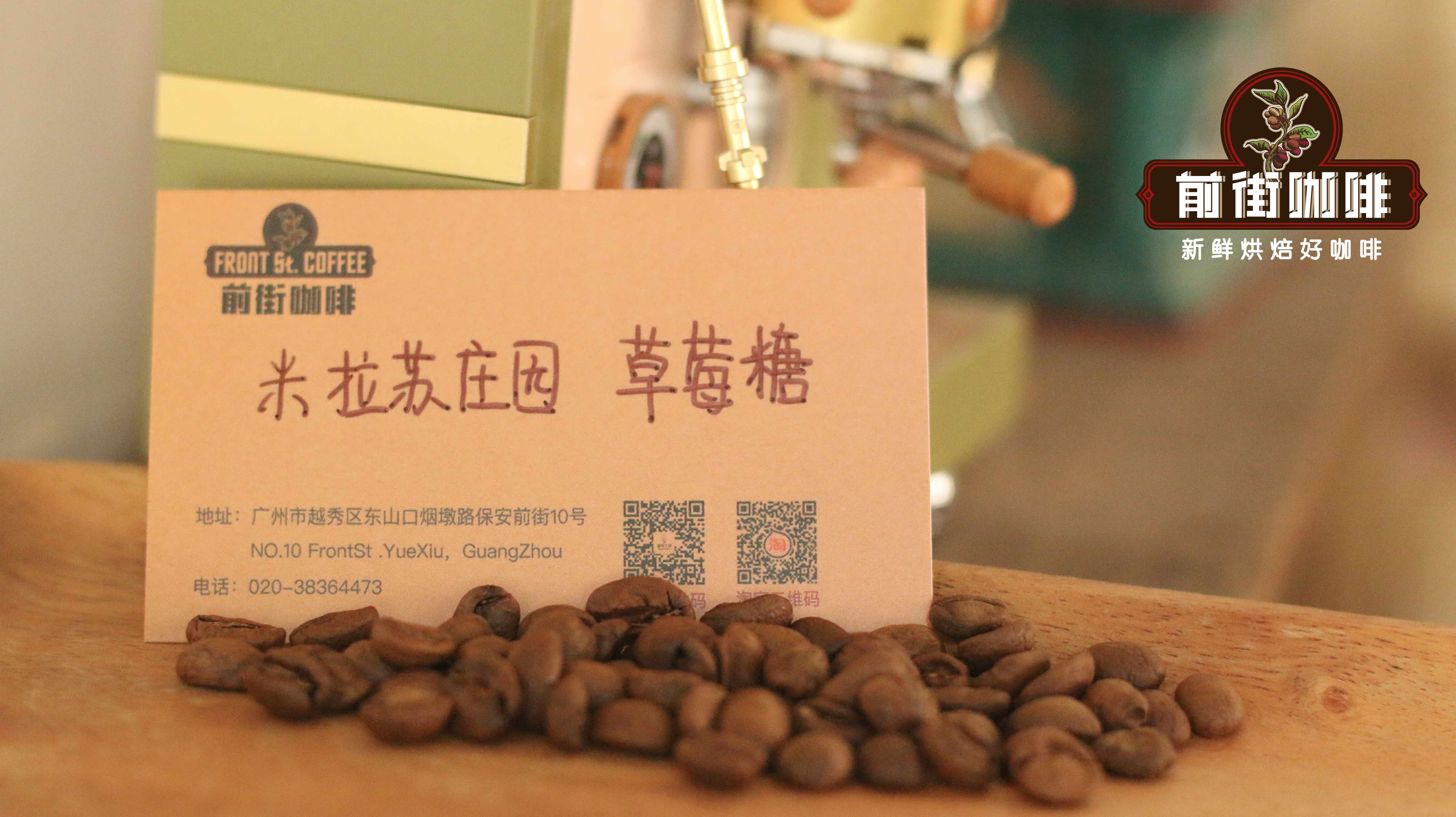
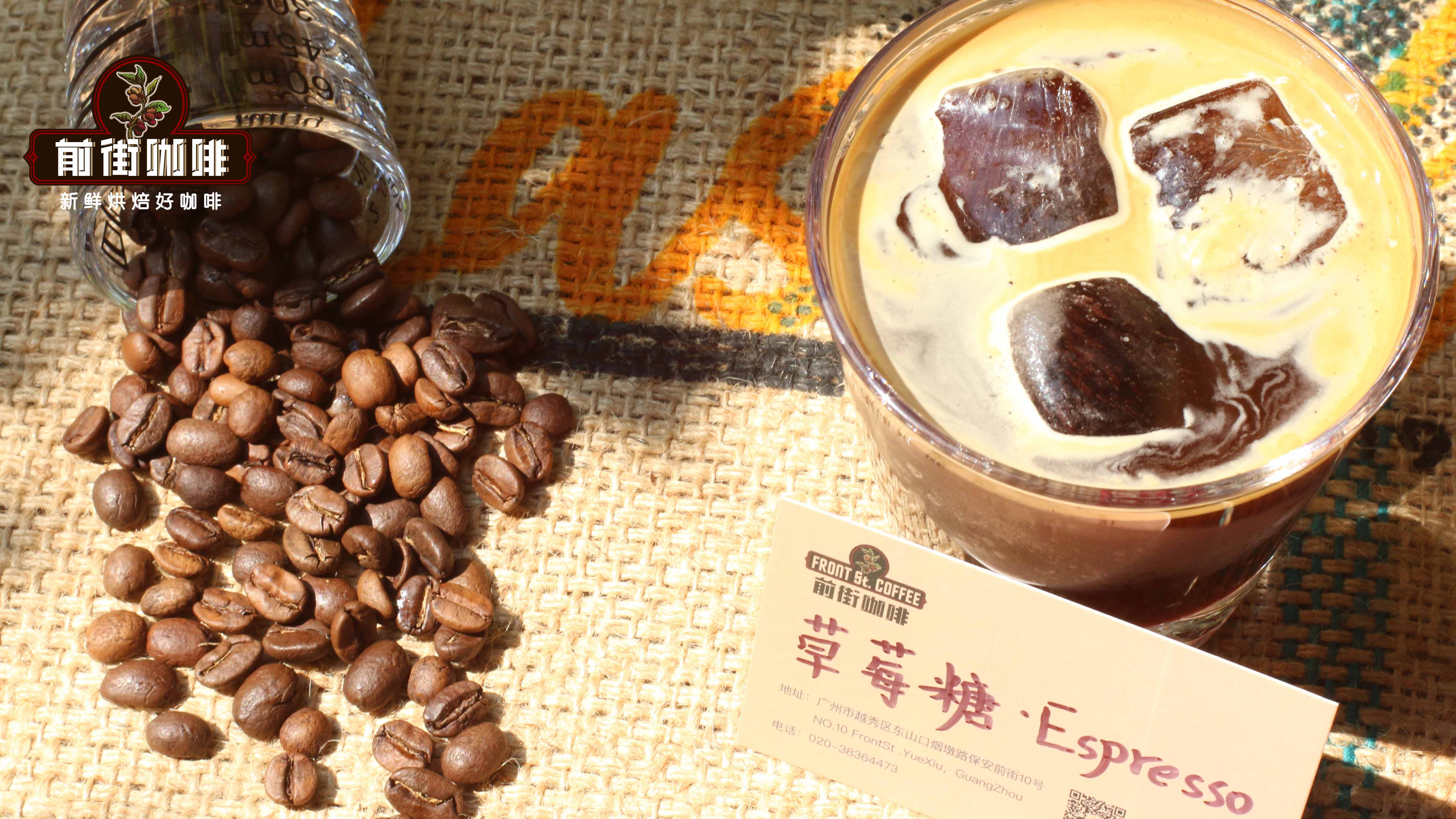
If you have a coffee machine at home and want to make espresso, you can directly purchase Front Street Coffee's Strawberry Candy Espresso Blend. Costa Rica is rich in high-quality honey-processed coffee; the method of retaining the mucilage during drying allows the coffee to display a pleasant fermented sweetness in both aroma and flavor. To create an espresso recipe with even richer fruity aromas, Front Street Coffee added Colombian Huila and Ethiopian Yirgacheffe to this bean, giving Strawberry Candy Espresso a moderate crema while preserving the flavors of rose, grape, and dried blueberry.
Front Street Coffee had previously acquired a strawberry lot from Finca El Paraiso, and after cupping it, felt the overall flavor layers were not rich enough, so they decided to purchase Strawberry 2.0 from a different lot of the same estate.
Colombia Finca El Paraiso Strawberry 2.0
Region: Cauca, Colombia
Estate: Finca El Paraiso
Elevation: 2,050m
Process: Double Anaerobic Washed
Variety: Castillo
Coffee Producing Region
The Cauca Department is one of Colombia's certified coffee origin regions, with an average elevation of about 1,758 meters, reaching up to 2,100 meters at its highest. Between the eastern and western mountain ranges of Cauca lies the Popayán Plateau, while the Patía Basin is in the south, where the Patía River flows from north to south into the Nariño Department.
The region has a mild climate, abundant rainfall, and fertile soil—natural conditions highly suitable for coffee cultivation. However, it is sparsely populated, and harvesting coffee is actually a rather dangerous job. Coffee farms in this area are generally small, averaging only about 3 hectares each, with the main harvest period concentrated from April to December, and all coffee cherries are carefully hand-picked. Coffee beans from the Cauca region often possess refined acidity, berry-like sweet-tartness, and caramel aromas, with particularly outstanding sweetness.
Finca El Paraiso
Finca El Paraiso has been managed by Mr. Diego Samuel since 2008, starting as a small family estate of just 2.5 hectares. The estate owner invests the surplus from each year's harvest into coffee agricultural research, continuously exploring how to better present specialty flavors.
In 2015, he entered a local regional competition for the first time and won first place with coffee beans from Finca El Paraiso, Colombia. After making a name for himself in one stroke, he gained recognition from the industry and became even more motivated to promote specialty coffee cultivation. Through his company Indestec (Innovacion y Desarrollo Tecnologico para la Caficultura), Diego developed new innovative technologies to enhance and stabilize coffee quality. He says he likes to step out of his comfort zone because it helps him keep improving.
Finca El Paraiso in Colombia currently mainly cultivates varieties such as Bourbon, Laurina, Geisha, and Castillo, and is planning to experiment with more different varieties.
Coffee Variety
Castillo is the most widely planted coffee variety in Colombia, popular for its well-regarded resistance to leaf rust. In 1961, Cenicafe began researching the Timor variety, which carries Robusta lineage; CENICAFE continued development and in 2002 released its second disease-resistant variety Tabi (a cross of Typica, Bourbon, and Timor), followed in 2005 by Castillo, the most successful disease-resistant variety to date. After the large-scale leaf rust outbreak in 2008, Colombia began heavily promoting the cultivation of Castillo.
Coffee Processing Method — Double Anaerobic Washed
Anaerobic fermentation is a processing method that has been widely used in recent years, drawing on winemaking approaches. Specifically, coffee cherries are placed in sealed containers, and carbon dioxide is injected to displace oxygen; in an oxygen-free environment, the breakdown of sugars in the coffee mucilage slows down, and the pH drops more gradually, thereby extending fermentation time and developing better sweetness and more balanced flavors.
Anaerobic double enzyme washed involves adding special enzymes on top of anaerobic washed processing for a second anaerobic fermentation. After the coffee cherries are removed from the anaerobic environment, the skin and pulp are removed by machine, and the mucilage-covered coffee beans are then placed in plastic bags or other sealed containers and subjected to another fermentation in an anaerobic environment. The processing method involving these two rounds of anaerobic fermentation is called double anaerobic fermentation.
Front Street Coffee Roasting Recommendations
New-crop beans have a relatively high moisture content, so Front Street Coffee's roaster extends the drying time to allow the bean surface and core to heat evenly. To showcase this bean's acidity and floral-fruity aromas, Front Street Coffee uses a light roast.
Front Street Coffee Cupping Notes
Front Street Coffee Brewing Tips
To highlight this coffee's strawberry sweetness, Front Street Coffee's roaster used a medium-light roast. When brewing medium-light roasted beans, a water temperature of 90-91°C is recommended; slightly higher water temperature helps extract the aromatic compounds and acidity of light-roasted beans (the strawberry sweetness and bright acidity). Because medium-light roasted beans are harder in texture, raising the water temperature can increase extraction efficiency from the coffee grounds and prevent sharp acidity. The V60 conical dripper has a wide opening, and together with its unique spiral curve ribs, allows air to escape more easily, thereby improving extraction quality. The body may not be thick enough, but the sweet-tartness and vivid aromas brought by its high concentration are precisely its standout feature.
Front Street Coffee Brewing Parameters
Dripper: V60
Water temperature: 90-91°C
Coffee dose: 15g
Grind size: fine granulated sugar consistency
Front Street Coffee brewing method: For the first stage, pour 30 grams of water for a 30-second bloom, then pour 95 grams (the scale shows about 125 grams), finishing the pour in about 1 minute. When the water level drops to two-thirds of the coffee bed, pour the remaining 100 grams (the scale shows about 225 grams), finishing the pour in about 1 minute 40 seconds. At 2'03'', dripping is complete; remove the dripper and extraction is finished.
Brewed flavor: aroma of strawberry yogurt, acidity of strawberry juice, fermented note of strawberry jam, honey-like finish.
For more specialty coffee beans, please add the private WeChat of Front Street Coffee (FrontStreet Coffee), WeChat ID: kaixinguoguo0925
The above content is compiled by CoffeeHunters, a coffee news website.


