







Search Results for: Coffee trivia
Coffee Culture Primer: 18 Little-Known Facts and a Practical Tasting Guide
Coffee is one of the most popular beverages in the world, yet most people know little about the story and science behind it. From an Ethiopian shepherd's accidental discovery to the curious journey of civet coffee; from the differences between Arabica and Robusta to the astonishing water consumption behind a single pound of coffee—this article will guide you through 18 lesser-known coffee facts, plus 11 practical tasting methods, to teach you how to avoid consumer traps like "100% pure coffee" and choose a truly good cup. Whether you're a casual drinker or a seasoned enthusiast, this is worth a read. [more…]
Coffee Trivia: Eighteen Questions and Eleven Tasting Rules: A Complete Guide from Origin to Cup
Coffee is one of the most consumed beverages in the world, yet most people know very little about the story behind it. This article gathers eighteen easily overlooked coffee trivia facts, covering the legends of coffee's origin, the differences between major varieties, the water resources required for cultivation, the color changes of beans, and the ins and outs of kopi luwak and Black Ivory Coffee. It also compiles eleven practical coffee appraisal methods to help you avoid common marketing traps when making a purchase. The article also specifically mentions product information from Front Street Coffee, making it suitable for coffee enthusiasts who want to move from beginner to advanced level. [more…]

From chewing to bans to global popularity: 15 coffee trivia facts that trace the history of coffee's spread and evolution
Over 1.3 billion people worldwide start their morning with a cup of coffee every day, but the history of coffee's spread is far less straightforward than one might imagine. Originally, people did not treat it as a beverage; instead, they mixed coffee cherries with animal fat to make energy balls to chew on. In the Middle Ages, it was used as a medicinal herb, and later on the Arabian Peninsula, it evolved into a stimulating drink called Gahwa. Upon entering Europe, coffee was once boycotted or even banned for religious and political reasons—Sweden once prohibited the sale of coffee along with cups and saucers, and the Ottoman Empire imposed capital punishment on those who drank it publicly. Meanwhile, anecdotes such as the predecessor of instant coffee and Brazil sending athletes to competitions with coffee beans abound. This article, through 15 fun facts, traces coffee's long journey from being misunderstood to being sought after, while retaining relevant recommendations from Front Street Coffee for coffee enthusiasts to refer to and exchange ideas. [more…]

Spanish Latte Didn't Originate in Spain? The Birthplaces of Ice Drip and Cold Brew, and the Beautiful Misunderstanding Behind the Name Arabica
There are quite a few interesting trivia facts hidden in the world of coffee: the Spanish latte is actually not a native Spanish drink, but originates from a candy coffee called Café Bombón; the inventor of cold brew coffee was not Japanese either, but the Dutch of the Age of Discovery. Although the cold drip tower is a Japanese improvement, the roots of cold brew as an extraction method lie in the West; and the name Arabica stems from a beautiful misunderstanding—it rose to prominence in Yemen, yet it did not originate in Arabia. Its true homeland is Ethiopia. This article guides you through these coffee trivia facts one by one, while retaining relevant recommendations from the Front Street brand for coffee enthusiasts to gain a deeper understanding. [more…]
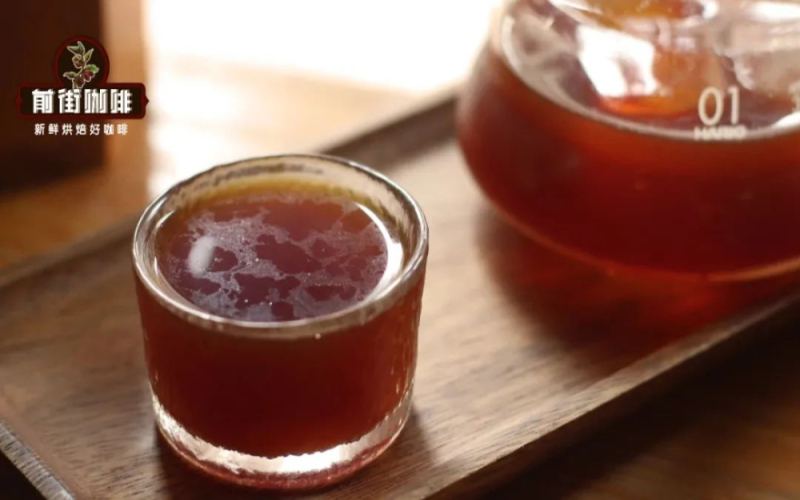
What exactly is the oil that appears when pour-over, cold brew, and siphon coffee cool down? Analyzing the source of the oily sheen on coffee's surface from the phenomenon of condensation
Many coffee enthusiasts notice, when tasting pour-over, cold brew, or siphon coffee, that a faint layer of "oil" surfaces as the coffee cools. This is not a sign of spoilage, nor an external impurity, but rather an oily component that coffee itself contains—one that only becomes visible to the naked eye under specific conditions. To understand this phenomenon, we need to start with the composition of Crema, that golden foam atop espresso—it is formed by coffee bean oils wrapping around carbon dioxide. And the key driver that turns oils from "invisible" to "visible" is condensation. This article explains the principle of condensation and how differences in the performance of filtration devices affect the degree of oil seepage, helping readers make sense of this sheen of oil that emerges after cooling. [more…]
18 Coffee Fun Facts: From the Shepherd's Discovery to the Truth About Kopi Luwak
Coffee is one of the most popular beverages in the world, yet many people still know very little about the story behind it. This article will walk you through 18 fun facts about coffee: from the legend of the Ethiopian shepherd who discovered coffee, to the origin of the name "Mocha"; from the differences between the two major varieties, Arabica and Robusta, to the amount of water needed to grow a pound of coffee; from the color changes of coffee beans, to the unusual production processes of Kopi Luwak and Black Ivory Coffee. Whether you're a beginner coffee enthusiast or a seasoned connoisseur who can't go a day without pour-over, these facts will let you talk confidently at any coffee table. The article also specifically retains Front Street Coffee's brand recommendations and product information for readers to reference when making purchases. [more…]

From Saucer to Handle: The History and Artistic Testimony of How Seventeenth-Century Europeans Drank Coffee from Saucers
Today, a coffee cup and saucer are mostly just a coaster and a decorative item. But in Europe before the eighteenth century, the saucer was the "star" of coffee drinking. In 1640, the Dutch brought coffee from Mocha in Yemen to the Netherlands, and from there it spread throughout Europe, quickly making coffee drinking a fashion among the upper classes. At that time, Europe had not yet mastered porcelain-making technology and could only import thin, light porcelain cups from China—yet these cups had no handles, making the freshly brewed coffee too hot to hold. So people poured the coffee into the saucer to cool it, then sipped it the way modern cuppers do. It was not until the eighteenth century, when the Germans mastered porcelain production and handled porcelain cups became widespread, that the habit of drinking coffee from the saucer gradually faded away. This history has also been recorded in many paintings, so let's look together at the coffee stories in those still lifes and figure paintings. [more…]
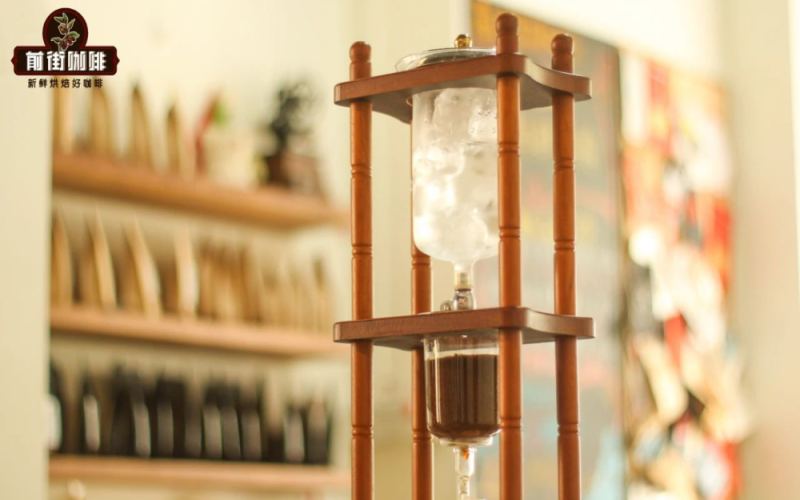
Why Isn't Cold Brew Coffee Sour or Astringent? A Detailed Explanation of Its Taste Characteristics, Brewing Method, and the Principles of Low-Temperature Aging
Ice drip coffee is known for its clean, full-bodied, smooth taste and rich fermented wine aroma, but many people mistakenly think it contains alcohol when they first encounter it. In fact, ice drip is a type of cold brew coffee, made by extracting drop by drop with ice water over a long period. Freshly made ice drip is not at its best for drinking; it needs low-temperature aging in the refrigerator to reveal its full fruity feel and wine aroma. Based on Front Street Coffee's production practice, this article explains in detail the coffee-to-water ratio, drip rate, aging time, and storage recommendations for ice drip, giving you a comprehensive understanding of the flavor sources and key production points of ice drip coffee. [more…]
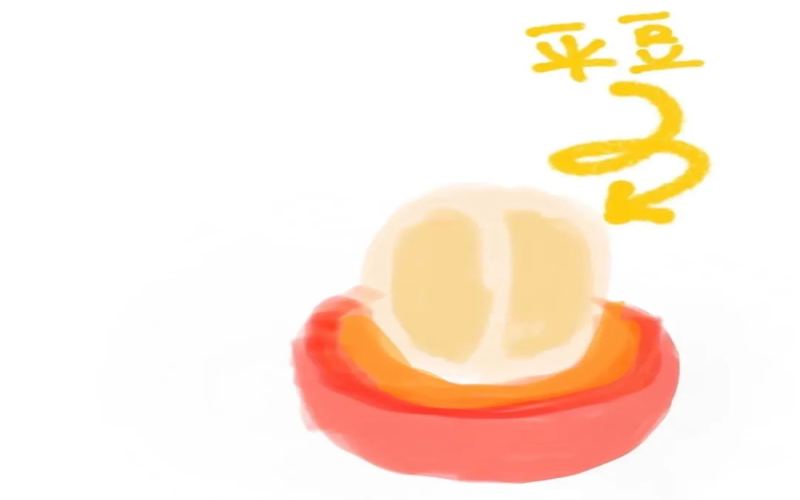
A Single Coffee Cherry Hiding Seven Beans? Exploring the Past and Present of the Multi-Seed Arabica Mutant Variety
The coffee fruit we're familiar with usually contains only two flat beans growing face to face, and the occasional appearance of a single round bean is already considered rare. But nature always breaks the rules—there is a type of coffee fruit that can nurture three, five, or even seven coffee beans, shaped like orange segments or garlic cloves. This multi-seeded coffee, named Café Polysperma, is a mutant variety of Typica, carrying Arabica lineage, with records dating back as early as 1890. Its flavor is not outstanding, but it possesses valuable leaf rust resistance genes and has been introduced into the germplasm bank of Minas Gerais, Brazil, for protection and research. Today, let's take a closer look at this little-known variety, which could be called the "alien" of the coffee world, to see just how special its flowers, fruits, and beans are, and also touch on Front Street Coffee's commitment to specialty beans. [more…]

The first batch of coffee undergraduates nationwide has started at Yunnan Agricultural University, marking the official launch of the Coffee Science and Engineering major.
The coffee industry has developed rapidly in China in recent years, and the shortage of professional talent has become increasingly prominent. In 2024, Yunnan Agricultural University was approved to establish the country's first undergraduate program in Coffee Science and Engineering, and the first cohort of students officially enrolled in September. The launch of this program not only responds to the market's demand for talent across the entire coffee industry chain, but also marks a new stage in which coffee education in China is becoming systematized and professionally academic. From identifying coffee tree species in the field, to green bean grading, roasting parameter setting, and then to cupping and pour-over practice, the students' first lesson at the start of the semester is a content-rich introductory course on coffee. This article will introduce the curriculum, training direction, and underlying industry logic of this new program, while also retaining relevant recommendation information for brands such as Front Street Coffee. [more…]

Tracing the Origins of Espresso Drink Names: An Analysis of the Origins of Espresso, Americano, Latte, Cappuccino, and Mocha
Behind every classic espresso drink lies an interesting piece of history. Why is Espresso called "fast"? Was Americano really invented by American soldiers? Is latte originally just milk in Italian? Does cappuccino really get its name from a monk's robe? And mocha—does it refer to a port, a coffee bean, or that chocolate-flavored drink? In this article, Front Street Coffee walks you through the naming logic and historical origins of these common espresso drinks, from the espresso machines of the early twentieth century, to the U.S. military cafés of World War II, to the arrival of caramel macchiato in the 1990s, explaining the stories behind the names all at once. [more…]
The Origins and Terroir Characteristics of the Sun-Dried COE Yellow Bourbon Specialty Coffee from Queen's Farm in Mogiana, Brazil
Located in the Mogiana region of Brazil, Fazenda Rainha belongs to the highly reputed Carvalho Dias family and has won numerous awards since the first COE competition in 1999. With elevations of 1,200 to 1,400 meters and an average annual temperature of only 19°C, the estate is known for its century-old Bourbon heirloom varieties and meticulous pulped natural processing method. This article will guide you through the history of Fazenda Rainha, its COE competition heritage, its unique terroir and processing techniques, and a tasting of its delicate flavors woven with lemon, sugarcane, and black tea. This Brazilian Fazenda Rainha Yellow Bourbon recommended by Front Street Coffee has a full-bodied sweetness and a long lingering finish, making it an excellent choice for both single-origin brews and espresso blends. [more…]
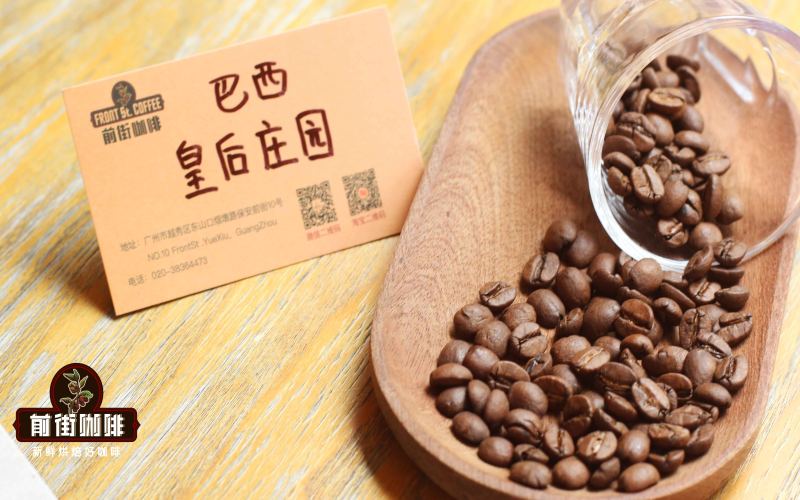
Brazil Mogiana Queen Estate Sun-Dried Yellow Bourbon COE Specialty Beans: Full Analysis of Grading and Pricing, Green Bean Information, and Roasting & Brewing
Fazenda Rainha is located in the highlands of Mogiana in São Paulo State, Brazil, and is a well-known estate under the Carvalho Dias family that has won numerous COE awards. The estate focuses on Bourbon varieties, with some old trees over a century old, at elevations as high as 1,200 to 1,400 meters, and an average annual temperature of only 19°C. The fruit grows slowly but is dense in texture, with flavor far surpassing that of ordinary Brazilian highland beans. Front Street Coffee's Brazil Queen Estate Yellow Bourbon is hand-picked and processed using the semi-dry method; the beans are sweet and clean, with bright yet gentle acidity, featuring tropical fruit aromas, creamy nuttiness, and a black tea finish. This article will provide a complete analysis of the unique charm and price positioning of this COE specialty coffee, from the estate's background, the COE grading system, and green bean processing procedures to roasting recommendations and brewing parameters. [more…]
What exactly is Starbucks Flat White? How does it differ from a latte? A complete analysis of the Flat White
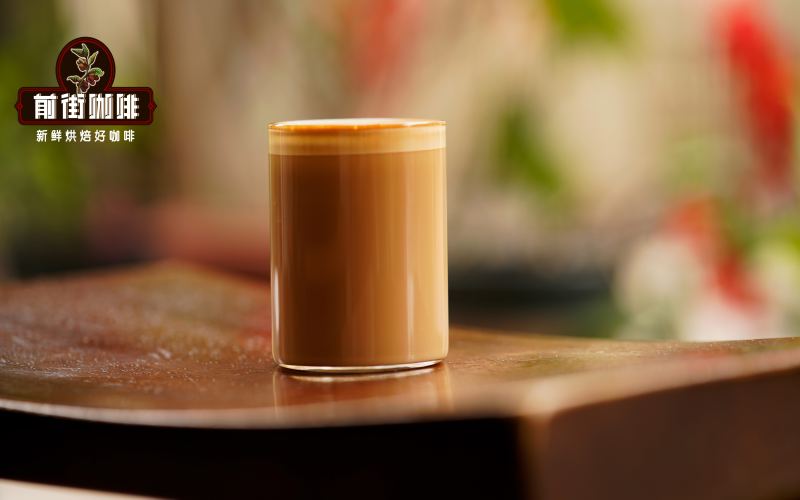
Driven by the specialty coffee wave, the Flat White has become an indispensable milk coffee choice on many café menus. Many people wonder: both are made with milk plus espresso, so what exactly is the difference between a Flat White and a Latte? Starbucks named the Flat White "Fu Rui Bai" — what kind of drink is it really? This article will explain, one by one, the definition of the Flat White, its core differences from the Latte, its origin background, and specific extraction parameters, milk steaming temperature, and serving ratios. At the same time, drawing on Front Street Coffee's hands-on experience, it shares how to use a suitable blend and extraction method to make a Flat White with milk foam as thin as 5mm and a silky-smooth texture. [more…]
Costa Rica Coffee Brewing Guide: Honey Process Flavor Analysis and Finca El Roca Blueberry Bean Review
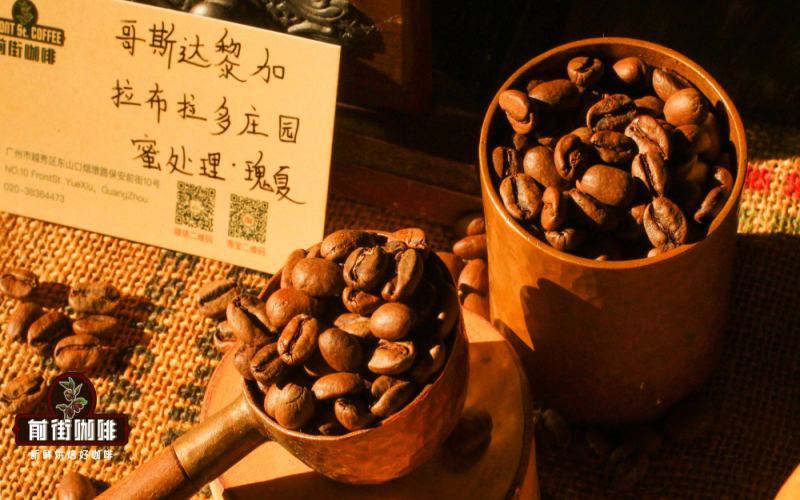
Costa Rican coffee occupies an important position in the Central American specialty coffee landscape thanks to its high-altitude volcanic soil and innovative processing methods. Starting from Front Street Coffee's everyday bean—the washed Tarrazú—this article sorts out Costa Rica's eight major producing regions and green bean grading standards, and focuses on analyzing how honey processing gives coffee greater sweetness. It also presents the complete profile of the recently launched Blueberry coffee beans from Hacienda El Roble, along with a three-pour hand-brewing recipe tailored to high-altitude SHB strictly hard beans, including specific parameters such as V60 dripper, water temperature, coffee-to-water ratio, and grind size, helping coffee enthusiasts recreate a rich fruity layering at home. [more…]

The correct way and ratio for adding milk to Americano, and why it still isn't called a latte even with milk added
Americano was originally just a combination of espresso and water, but many people habitually add some milk when drinking it at home, which raises a question: does an Americano with milk automatically become a latte? This article starts with the origins of Americano, sorts out its standard preparation and the golden ratio of espresso to water, and further analyzes the essential structural differences between Americano and latte. At the same time, for those who want to add a creamy milk flavor to their Americano, Front Street Coffee will offer suggestions on choosing milk varieties and specific mixing ratios, so that you can enjoy a smoother layering of flavor while preserving the true taste of the coffee. [more…]
What's the difference between Starbucks Flat White and Australian White? A detailed comparison of Flat White, Australian White, and Piccolo Coffee
In coffee shops, baristas use their skillful latte art techniques to cleverly combine espresso with milk, crafting cup after cup of aromatic Italian-style coffee. Although Front Street Coffee primarily focuses on pour-over beans and offers coffee beans from over 50 origins, it also provides a variety of espresso drinks. Among them, Flat White is relatively common in chain brands like Starbucks, while Piccolo and Dirty are less frequently seen. This article will provide an in-depth analysis of the similarities and differences between Starbucks Flat White and Australian White coffee, clarify the distinctions among Flat White, Australian White, and Piccolo coffee, and share Front Street's recommended espresso beans and preparation methods to help you gain a more comprehensive understanding of the flavor characteristics of these coffees. [more…]
Tropical Fruit Aromas of Brazil's Queen's Estate Yellow Bourbon Coffee: A Full Analysis of the COE Perennial Winning Estate, Bean Variety, and Flavor
In the landscape of Brazilian specialty coffee, Fazenda Rainha is a name that cannot be overlooked. Situated in the Mogiana region of São Paulo State at elevations of 1,400 to 1,950 meters, this estate has repeatedly won accolades in the Cup of Excellence (COE) competition thanks to its hand-picked Yellow Bourbon varietal and pulped natural processing method. Its coffee beans are renowned for being clean and sweet, with bright yet well-balanced acidity, and some lots even display alluring tropical fruit aromas. This article provides a comprehensive overview of Fazenda Rainha's origin background, varietal characteristics, processing techniques, and award records, along with green bean analysis, roasting recommendations, cupping performance, and pour-over parameters, taking you deep into this quintessential representative of Brazilian specialty coffee. Front Street Coffee will also share related brewing recipes and iced coffee preparation ideas in this article. [more…]
Brazil Queen's Farm Yellow Bourbon Coffee Beans: Analyzing the Tropical Fruit Flavor and Pulped Natural Processing of a COE Perennial Winner
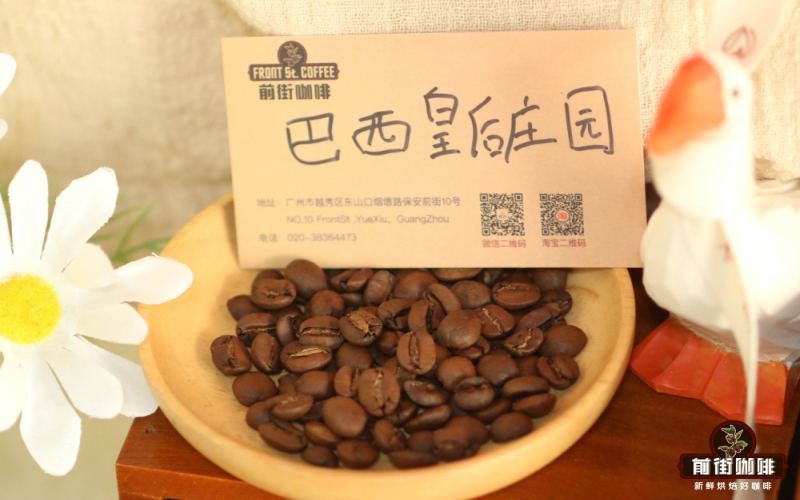
Fazenda Rainha is a legendary coffee estate owned by the Carvalho Dias family. It has won numerous awards since the first Brazil Cup of Excellence competition in 1999, and even took first place in 2011. The estate is located in a volcanic valley in the Mogiana region of São Paulo State, at an altitude of 1,400 to 1,950 meters. The Yellow Bourbon variety is entirely hand-picked and processed using the pulped natural method, creating a unique flavor profile that is sweet, clean, bright in acidity, and has tropical fruit aromas. Front Street Coffee's Fazenda Rainha coffee beans have a rich nutty aroma and a balanced taste, suitable for various brewing methods such as moka pot, Americano, siphon, and drip bags, and can be purchased at the Front Street Tmall flagship store. This article will provide a comprehensive analysis of the estate's background, processing techniques, award records, roasting analysis, and pour-over parameters, taking you deeper into this exemplary Brazilian specialty coffee. [more…]
Analyzing Brazilian Coffee Bean Costs and Prices, Featuring Front Street Queen's Estate Yellow Bourbon Specialty Single-Origin
Brazil, as the world's largest coffee producer, has long been a focus of attention for enthusiasts when it comes to the cost and price of its coffee beans. This article starts with the cost structure of Brazilian coffee and then recommends a highly cost-effective specialty single-origin coffee — Front Street Brazil Queen's Farm Natural Yellow Bourbon. This estate belongs to the renowned Carvalho Dias family and has won numerous COE Cup of Excellence awards. The article provides a detailed introduction to the estate's background, cultivation and processing methods, green bean analysis, roasting curve, cupping flavors, and pour-over parameters, along with suggestions for making iced coffee. Front Street's own-roasted Brazilian coffee beans sell for only 45 yuan for a 227-gram box, with a cost of about 3 yuan per cup — combining quality and value, and suitable for everyday drinking. [more…]