







Search Results for: Coffee bean grinding
A Complete Guide to Coffee Grind Size: Seven Grind Levels, Their Brewing Methods, and Flavor Differences
The coarseness of coffee grinding directly affects the efficiency of extraction and the final flavor performance, making it one of the key variables that determine whether a cup of coffee is good or bad. From extremely coarse cold brew grinding to Turkish grinding as fine as flour, seven different particle sizes each correspond to the most suitable brewing equipment and methods. This article systematically sorts out the appearance characteristics of each grind size, the applicable scenarios, and why grinding fresh at home preserves flavor better than buying pre-ground coffee powder. It will also explain the taste problems that may arise from improper grind size selection, helping you quickly find the appropriate grinding parameters based on the equipment you have on hand, so that every cup of coffee can present the ideal layering of flavor. [more…]
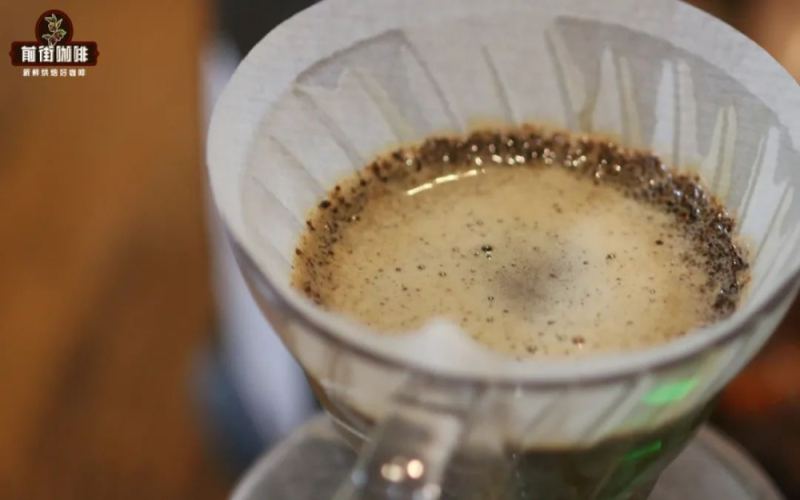
Coffee Bean Grinding | Which Coffee Grind Is Finest on a Grinder Scale from 1 to 10? How Do You Adjust the Grind Size for Pour-Over Coffee? Reference Guide to Coffee Grind Size Standards
Which grind size from 1 to 10 is the finest for coffee beans? In most cases, the smaller the number, the finer the grounds. The grind size of coffee beans plays an important role in extracting a cup of coffee. For example, if the coffee grounds are too fine and used for pour-over coffee, it will result in over-extraction, while if they are too coarse, it will result in under-extraction. Secondly, factors such as the beans from each producing region [more…]
How to Grind Coffee Beans into Powder at Home? Manual vs. Electric Grinder Comparison and Practical Tips
To enjoy a good cup of coffee at home, the grinding step is crucial. This article explains in detail the classification of coffee bean grind sizes, the best timing, and three key principles—uniform particle size, avoiding heat generation, and removing fines—and compares the features of hand grinders and electric grinders. It also introduces emergency grinding methods such as mortar and pestle, hammer, rolling pin, and blender, as well as Front Street Coffee's product recommendations. Whether you are a beginner or an enthusiast, you can find a grinding solution that suits you, making every cup of coffee rich and delicious. [more…]
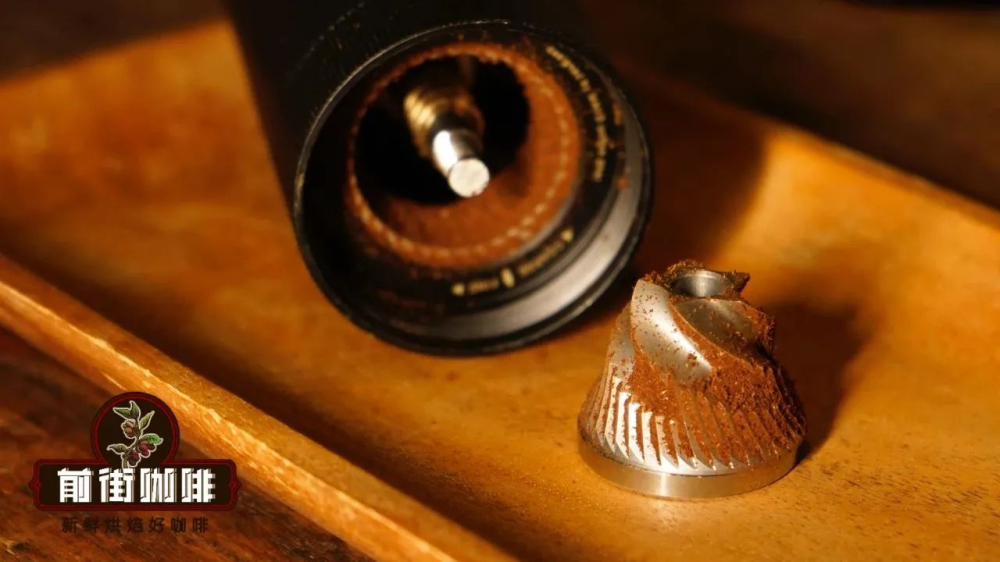
Coffee Grind Size Parameter Adjustment Tutorial | How to Judge Coffee Ground Coarseness? What Coffee Bean Grind Size Is Suitable for Pour-Over Coffee and Espresso?
Grinding is crucial to coffee extraction—one could say that the coarseness of the coffee grind directly affects the flavor of a cup of coffee. And for different extraction methods, the coffee grind size also needs to be adjusted. The coarseness of the coffee grind directly affects the length of extraction time and the level of extraction yield. Coffee grind [more…]

Coffee Bean Grind Setting 1 to 10 Coarseness Guide | Pour-Over Coffee Grind Standards and Adjustment Methods Reference
Grind size directly determines the extraction direction of a cup of coffee: too fine a grind easily leads to over-extraction and bitterness, while too coarse a grind may result in under-extraction and a weak, bland flavor. Many grinders on the market mark their settings from 1 to 10, but the corresponding coarseness varies across different models. A smaller number usually means a finer grind, but in practice, you need to judge based on your brewing method. Drawing on the hands-on experience of Front Street Coffee, this article sorts out the grinding ranges for common brewing methods such as espresso, pour-over, siphon, and French press, explains whether medium-light roast and medium-dark roast coffee beans are better suited to a medium-fine or medium-coarse grind for pour-over, and provides specific steps for using a 0.85mm No. 20 sieve to check the passing rate, helping coffee enthusiasts find the right grinding parameters. [more…]
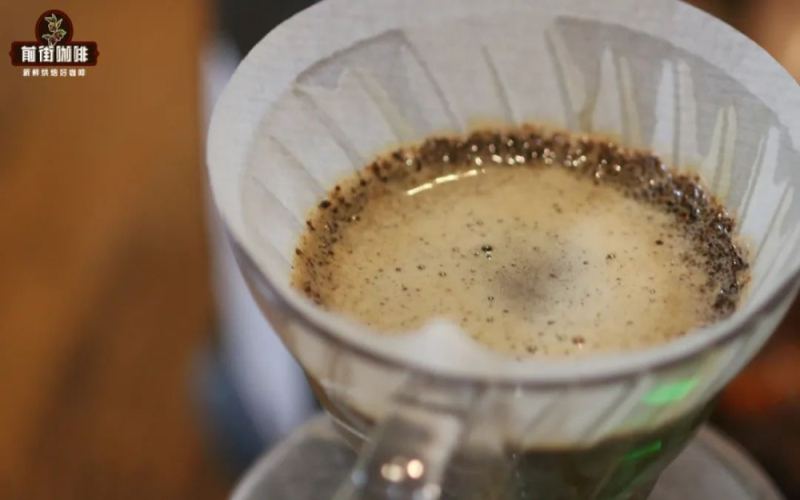
Pour-Over Coffee Grind Size 1-10 Explained: A Complete Guide to Coarseness Standards and Adjustment Methods
Grind size is the key variable that determines the success or failure of a cup of coffee's flavor. Facing the 1 to 10 settings on a grinder, which number actually represents the finest? And how should different brewing methods match grind coarseness? Starting from Front Street Coffee's hands-on experience, this article systematically sorts out the mechanisms by which grind size affects extraction efficiency, compares the grind standards for common brewing methods such as espresso, pour-over, siphon, and French press, and focuses on explaining grind recommendations for medium-light and medium-dark single-origin beans in pour-over scenarios, water temperature pairing, and how to use a 0.85mm No. 20 sieve to precisely calibrate grind size, helping coffee enthusiasts establish clear adjustment logic. [more…]
How to Fine-Tune the EK43 Grinder Settings? A Detailed Guide to Quickly Verifying Pour-Over Coffee Grind Size
Grind size is the key variable that determines the success or failure of a cup of coffee extraction. If the grounds are too fine, they tend to over-extract and become bitter; if the grounds are too coarse, the extraction is insufficient and the flavor is weak. Starting from the practical experience of Front Street Coffee, this article systematically explains the mechanism by which grind setting affects extraction efficiency, sorts out the grind ranges corresponding to different brewing methods such as espresso, pour-over, and French press, and focuses on explaining the setting of the EK43s grinder in the pour-over scenario—medium-light roast beans are recommended at 10, and medium-dark roast beans at 10.5. It also introduces the specific operation of using a 0.85mm No. 20 sieve for sifting verification, helping coffee enthusiasts quickly judge and correct the grind size, so that every cup of coffee can consistently present the ideal flavor. [more…]
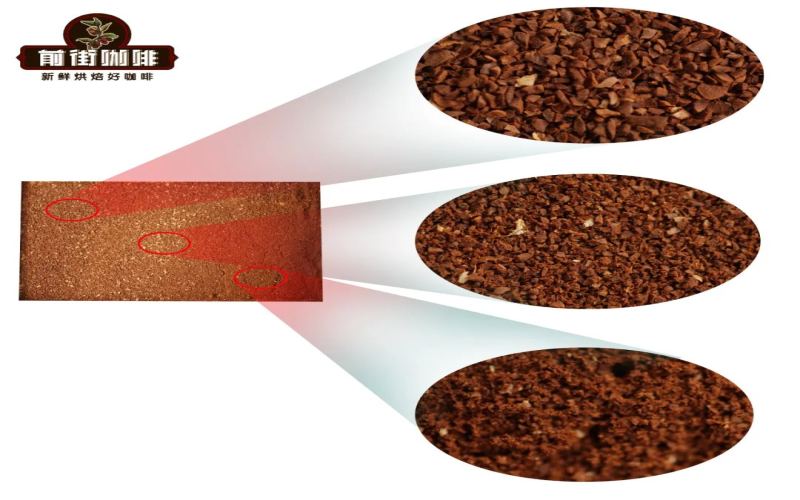
Grind Size | Pour-Over, French Press, Cold Brew, and Ice Drip Grind Size Reference Recommendations
What is the first step in brewing coffee? Grinding beans. In recent years, with the rise of the specialty coffee wave, more and more people have come to enjoy drinking coffee, and at the same time, more and more people hope to fully experience the beauty and leisure of drinking coffee, so they choose to buy coffee beans and brew them at home. And so at this point, a [more…]
Coffee Bean Grinding | How Does Grind Size Affect the Flavor and Mouthfeel of Pour-Over Coffee? How to Judge Coffee Grind Size Without a Sieve?
The coarseness of the grind in coffee directly affects the contact area between the coffee and water as well as the extraction time, and it will directly impact the taste of the coffee. But at the same time, the coffee grind size is also the most headache-inducing aspect for many people! In this article, Front Street will explain how to determine what the grind size should be for different coffee beans. First, [more…]
How to Choose Coffee Grind Size? An Analysis of Suitable Brewing Methods for Drip Bag Grind, Pour-Over Grind, and Coarse Grind
In coffee brewing, grind size is often the key factor that determines the direction of flavor. Beans of different densities and roast levels will have different requirements for grind coarseness even when the same extraction method is used. This article will use common fine granulated sugar and coarse granulated sugar from daily life as references to systematically explain the brewing methods best suited to fine-sugar grinding and coarse-sugar grinding respectively, and, in combination with specific beans such as Front Street Coffee Gutingting Cooperative, Front Street Coffee Strawberry Candy, Front Street Coffee Sidra, Front Street Coffee Mandheling, Front Street Coffee Huilan, and Front Street Coffee Bird of Paradise, explain why light-roasted beans need a finer grind to improve extraction efficiency, while medium-dark roasted beans are suited to coarser particles to reduce the risk of over-extraction, helping you find a suitable grinding plan in different scenarios such as drip bags, pour-over, and cold brew. [more…]
Coffee Ground Size Reference Standards | Why Does Coffee Bean Grind Size Affect the Flavor and Mouthfeel of Pour-Over Coffee? How Fine Should Pour-Over Coffee Grounds Be?
If you are a passionate lover of pour-over coffee, then you must know that the following factors are among the reasons that affect your coffee's extraction and flavor! So let's count them with Front Street: water temperature, grind size, coffee-to-water ratio, extraction time... Front Street Coffee (FrontStreet [more…]
Starbucks Coffee Bean Grind Size Guide: A Complete Scale Analysis from Fine Sugar to Flour-Like Consistency with Brewing Recommendations
Bought Starbucks coffee beans but feel puzzled by the grinder settings? Grind size directly determines the success or failure of a cup of coffee. This article uses common everyday items like fine granulated sugar, coarse granulated sugar, sea salt, fine salt, and flour as analogies to help you quickly find the right grind size for pour-over, French press, moka pot, and espresso machine. Beans of different roast levels have different densities, so the same extraction method requires different grinds. Front Street Coffee will guide you through understanding the particle size range corresponding to each grind state, and why light-roasted beans need a finer grind while dark-roasted beans need a coarser grind, so you no longer have to agonize over grind size. [more…]
How Coffee Grind Size Affects Flavor in Pour-Over | Coffee Grounds Shelf Life and Grind Adjustment Methods
The grind size of coffee directly determines the contact area between water and coffee grounds as well as the extraction rate, thereby profoundly influencing the flavor profile of the final cup. However, when faced with different brewing devices and roast levels, how to find the right grind size has become a challenge for many coffee enthusiasts. This article draws on the practical experience of Front Street Coffee, first emphasizing the importance of fresh roasting and bean resting, then carefully analyzing the bidirectional impact of grind size on flavor—too fine leads to bitterness, while too coarse results in a weak and bland cup—and provides specific passing rate references for calibration using a No. 20 sieve (0.85mm). It also offers recommendations for matching brewing devices and coffee beans across five levels: extra fine, fine, medium-fine, medium, and coarse, helping readers find their own perfect cup of coffee. [more…]
Coffee Bean Grind Size Levels | How to Determine Coffee Ground Coarseness for Pour-Over? What Are the Grind Size Parameters for Pour-Over, Ice Drip, Cold Brew, and Espresso?
For more specialty coffee knowledge, follow our WeChat public account: FrontStreet Coffee (FrontStreet Coffee) No matter what equipment is used to brew coffee, the coffee beans must be ground, the purpose being to allow the coffee's flavor compounds to dissolve more quickly. Of course, not all of the coffee's soluble [more…]
Pour-over black coffee grind size | Does the grind coarseness standard for pour-over coffee beans greatly affect coffee flavor? What flavor manifestations occur when coffee grounds are too coarse or too fine?
For more specialty coffee knowledge, please follow: Front Street Coffee (Frontsteet Coffee). In coffee, the coarseness of the grind directly affects the contact area between coffee and water as well as the extraction time, and it will directly affect the taste of the coffee. But at the same time, the coffee grind size is also what gives many people the biggest headache. [more…]
How to Use a Coffee Grinder | How to Adjust the Grind Size on a Manual Coffee Bean Grinder? What Grind Size for Pour-Over, Ice Drip, Cold Brew, Siphon, Moka Pot, and American Drip Coffee?
We all know that different coffee beans require different grind sizes. When making pour-over coffee, you need to grind the coffee beans into powder first, and then brew. So every coffee shop has an electric coffee grinder, but electric grinders are also quite expensive, so many coffee enthusiasts consider manual ones. [more…]
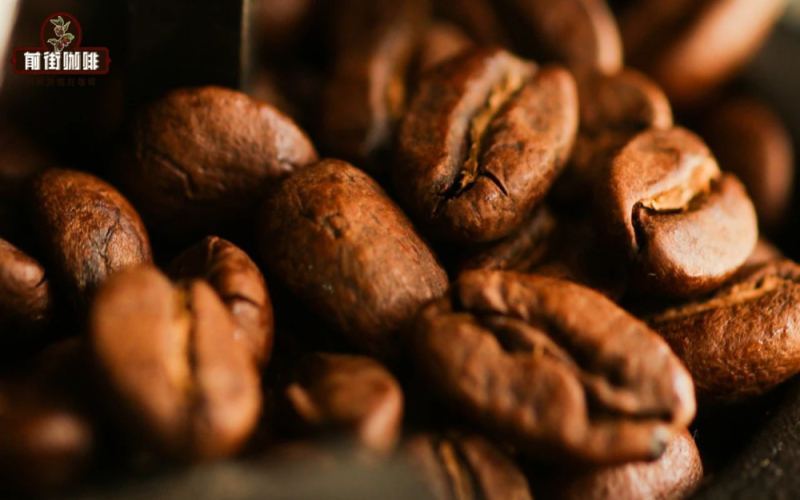
Starbucks Coffee Bean Pour-Over Grind Size Guide: A Detailed Explanation of Coarseness Assessment and Adjustment Methods
Many coffee enthusiasts, after buying Starbucks coffee beans, often find themselves at a loss when faced with the grinder settings, worrying that grinding too coarse or too fine will ruin the coffee's flavor. In fact, grind size directly affects the speed at which water passes through the coffee bed and the extraction efficiency, making it a key variable that determines the success of a pour-over. Starting from Front Street's brewing practices, this article first explains the underlying logic of how grind size affects extraction, then separately describes the appearance of the coffee bed and the drip performance when the grind is too fine versus too coarse, and finally provides specific steps for measuring the passing rate with a 0.85mm test sieve and precisely calibrating the grind setting, helping you find the right grind parameters for Starbucks beans of different roast levels. [more…]
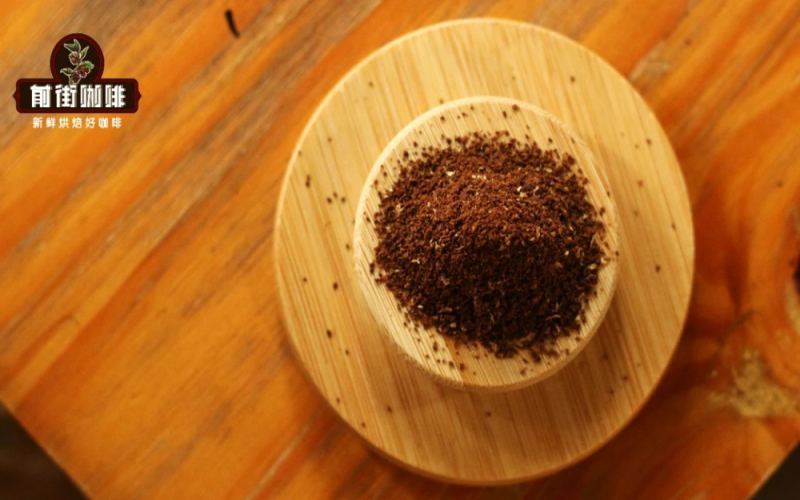
How to determine the grind size for pour-over coffee? Front Street Coffee teaches you to judge the standard of coffee grounds using a sieve and water flow.
The grind size for pour-over coffee is one of the key variables that determines the success or failure of extraction. The coarseness of the grounds not only affects how quickly hot water passes through the coffee bed, but also directly influences the release ratio of acidity, sweetness, and caramelized compounds. Drawing on the hands-on experience of Front Street Coffee, this article explains how grind size affects extraction, the relationship between roast level and carbon dioxide, and offers grind recommendations and water temperature pairings for medium-light and medium-dark single-origin beans, as well as how to use a 0.85mm No. 20 sieve or observe the flow rate to judge whether the grind is appropriate, helping beginners build a reproducible approach to adjustment. [more…]
How fine should coffee beans be ground? Practical advice on resting time and the optimal flavor window
The coffee grind size directly determines the contact area between water and coffee grounds, thereby affecting the final flavor expression. This article begins with coffee bean freshness management, explaining resting time and the optimal drinking window, then analyzes one by one the taste differences caused by grinding too fine or too coarse. It also provides a specific method for calibrating grind size using a No. 20 sieve, along with a five-level grind classification that can be referenced even without buying a sieve. Combining the brewing practices of Front Street Coffee, the article recommends corresponding grind sizes for different roast levels and brewing devices, helping enthusiasts find the coarseness standard suited to their own taste. [more…]
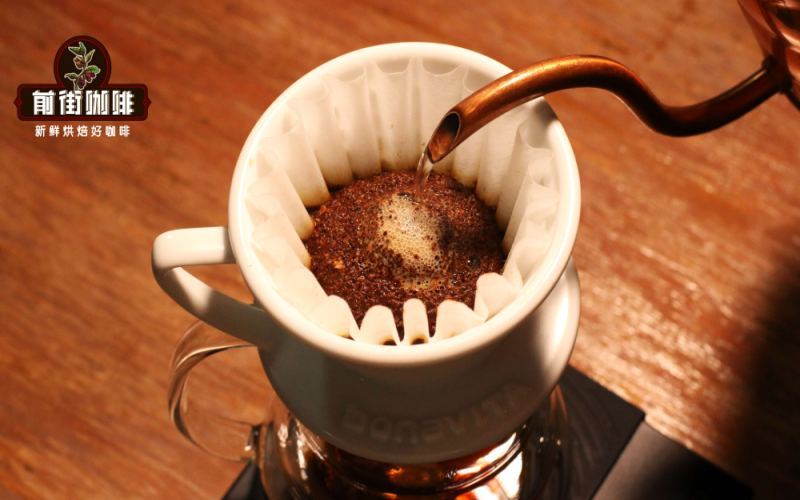
Pour-Over Coffee and Espresso Grind Size Explained: Coarseness Standards, Sieve Pass Rates, and the Science Behind Moka Pot Crema
Grind particle size is one of the key variables that determines the direction of coffee flavor. Starting from the practices of Front Street Coffee, this article systematically reviews the influence of grind size on extraction efficiency in pour-over coffee, the grind standards suited to medium-light and medium-dark roasts respectively, and how to use a 0.85mm No. 20 sieve to test the pass-through rate. It also extends to the extremely fine grind requirements of espresso, explains the effect of the grinder burr spacing on extraction time, and provides the specific extraction parameters and flavor description of Front Street espresso. In addition, the article also explains the relationship between the choice of Moka pot coffee grounds coarseness and the oils it produces, helping coffee enthusiasts find a grind plan suitable for their own equipment at home. [more…]