







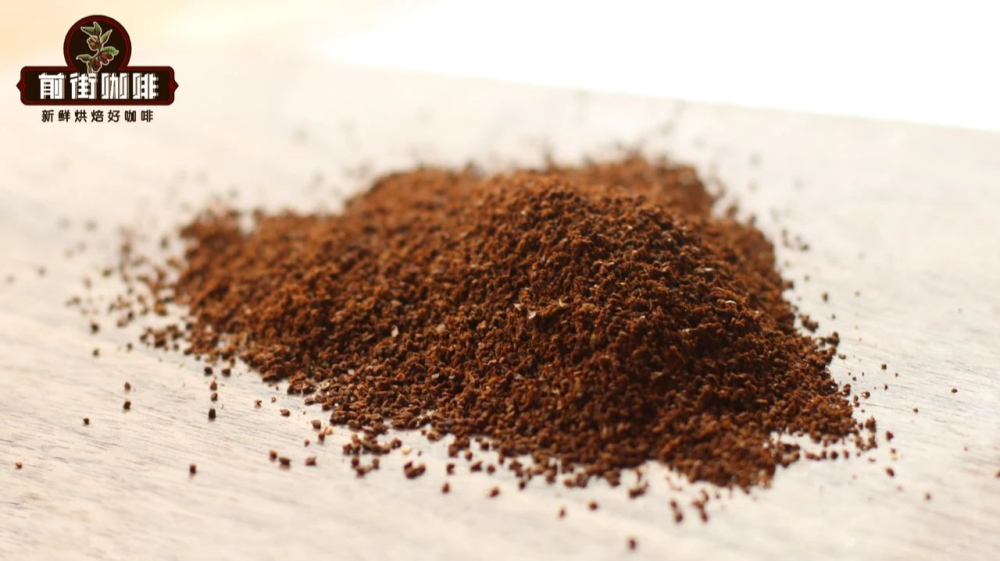
Grinding is crucial for coffee extraction. It can be said that the coarseness of the coffee grind directly affects the flavor of a cup of coffee. For different extraction methods, the coffee grind size also needs to be adjusted.
The coarseness of coffee grindingdirectly affects the length of extraction time and the extraction yield. The finer the coffee is ground, the denser the coffee bed becomes, with more coffee particles in contact with hot water, increasing extraction resistance, making it easier to prolong extraction time and increase extraction yield, and prone to over-extraction. Conversely, the coarser the coffee is ground, the larger the gaps in the coffee bed, with fewer coffee particles in contact with hot water, reducing extraction resistance, making it less likely to prolong extraction time and lowering extraction yield, and prone to under-extraction.
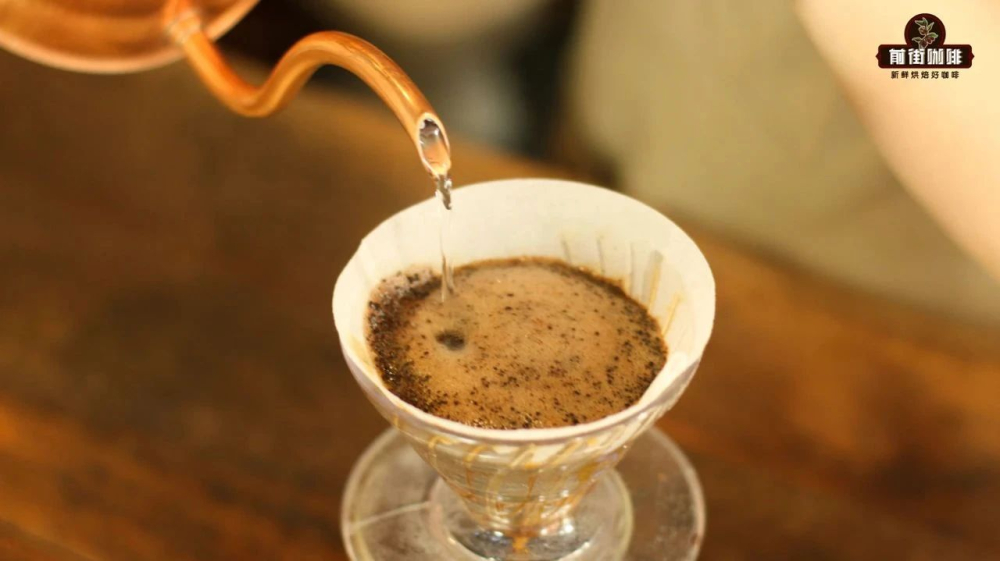
Once coffee beans are ground too fine, the water has too much surface contact with the coffee grounds, extracting too many unnecessary impurities, even bringing out bitterness; but if ground too coarse, the deliciousness remains hidden inside, and where hot water cannot reach, the brewed coffee will not have enough aroma.
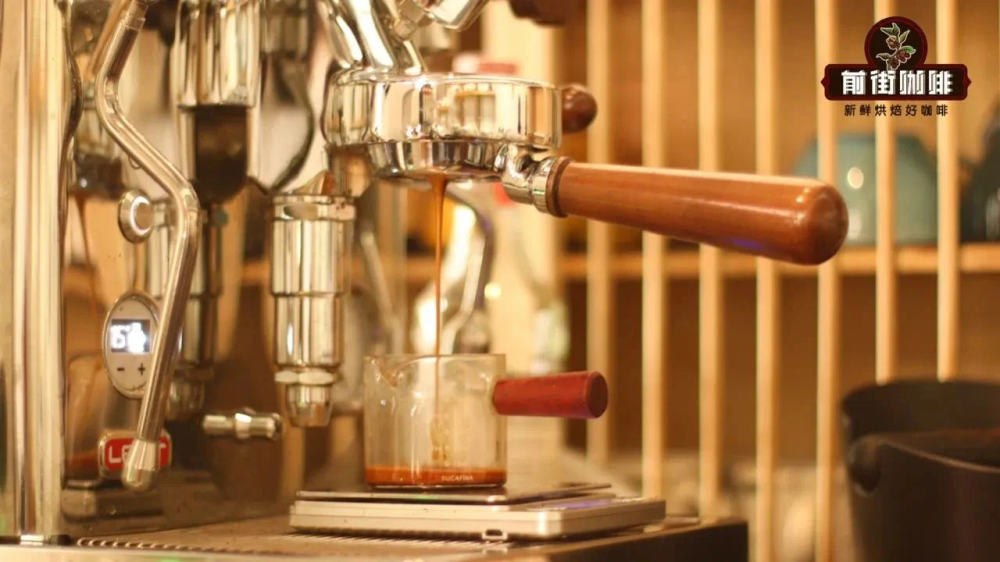
When extracting espresso, the coffee grounds must be tamped firmly to create resistance against the high-pressure hot water, so that the essence of the coffee can truly be extracted. Therefore, it is more sensitive to grind size. The more uniform the grind, the tighter the tamped coffee puck becomes, with fewer gaps, creating balanced resistance to water, which is necessary to successfully extract a cup of Espresso.
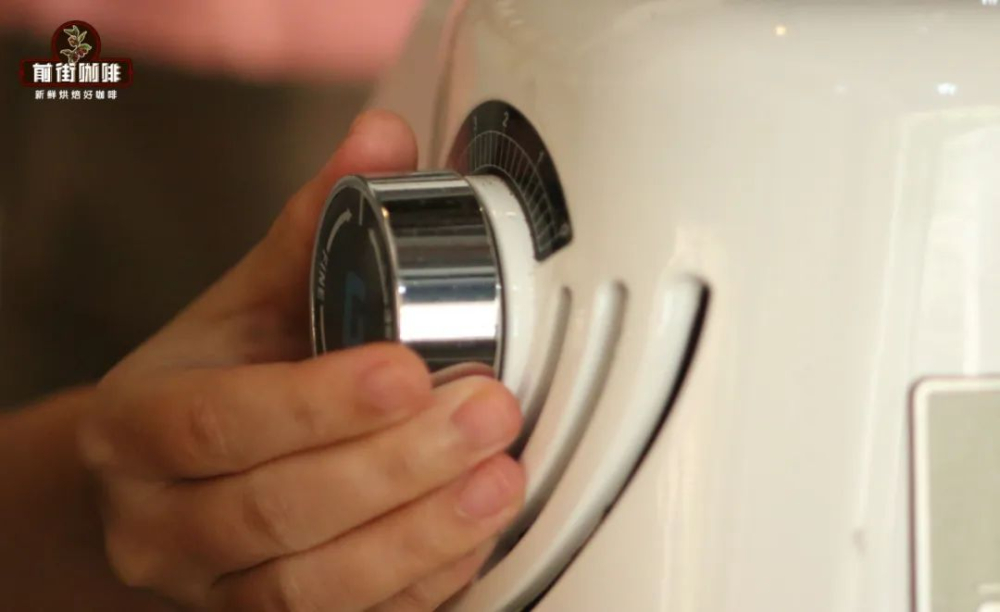
For example, the coffee grinder used by Front Street Coffee is the Feima 900N, with 8 major marks on the burr dial, and 10 minor marks between each major mark. In daily production, after zeroing the grinder, using Front Street Coffee's own roasted Front Street Sunflower Warm Sun blend, the setting is around mark 2. Taking one day's calibration as an example, using a grind setting of mark 2, extracting 40 grams of coffee liquid from 20 grams of grounds takes 32 seconds. When calibrating, adjusting from mark 2 to 1.9, extracting 40 grams of coffee liquid from 20 grams of grounds takes 29 seconds. The difference in coarseness between mark 2 and mark 1.9 cannot be distinguished by the naked eye, but the extraction results on an espresso machine are very obvious.
The grind size also needs to be adjusted according to the roast level of the coffee beans. Dark-roasted coffee beans should be ground slightly coarser, and light-roasted coffee beans should be ground finer.
The lighter the roast, the more intact the fiber structure, the harder the bean, and the harder it is to extract. You can grind slightly finer, but not too fine, to avoid accentuating sharp acidity. The darker the roast, the more severely the fibers are damaged, and the easier it is to extract, so a slightly coarser grind should be chosen. Too fine will cause bitterness.
When brewing with different equipment, the coarseness of the grind also varies.
For exampleGrind sizeFrom fine to coarse: Turkish pot, espresso machine, moka pot, pour-over, siphon, French press.
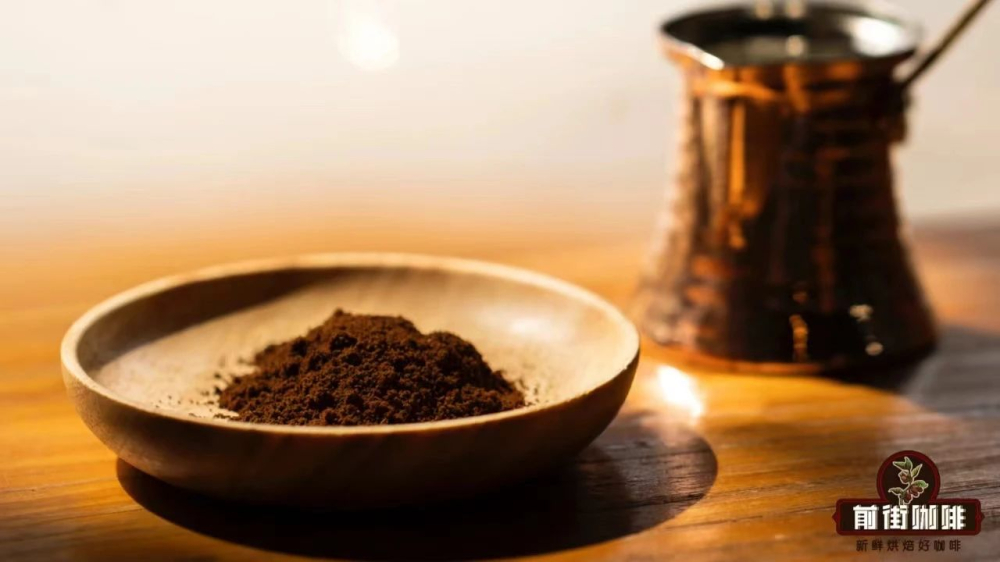
The Turkish pot and espresso machine use the finest grind, roughly flour-like powder (200 microns), while pour-over and siphon use a slightly coarser grind with a sandy feel (around 600 microns), and the French press uses a coarser grind (850 microns).
1: Turkish grind: if the grinder can achieve it, this is the finest coffee grind
2: Fine espresso grind: very fine coffee grounds, may clump
3: Espresso grind: fine coffee grounds, may clump, commonly used in espresso preparation
4: Fine filter grind: between espresso grind and filter grind
5: Filter grind: coffee grounds have the texture of superfine confectioners' sugar, quite different from the fine grind of level 3, commonly used for pour-over coffee
6: Coarse filter grind: precision similar to granulated sugar
7: Coarse grind: suitable for immersion brewing methods, such as French press. Precision similar to coarse sea salt
8: Extra coarse grind: similar in size to rock salt, only suitable for long immersion brewing methods
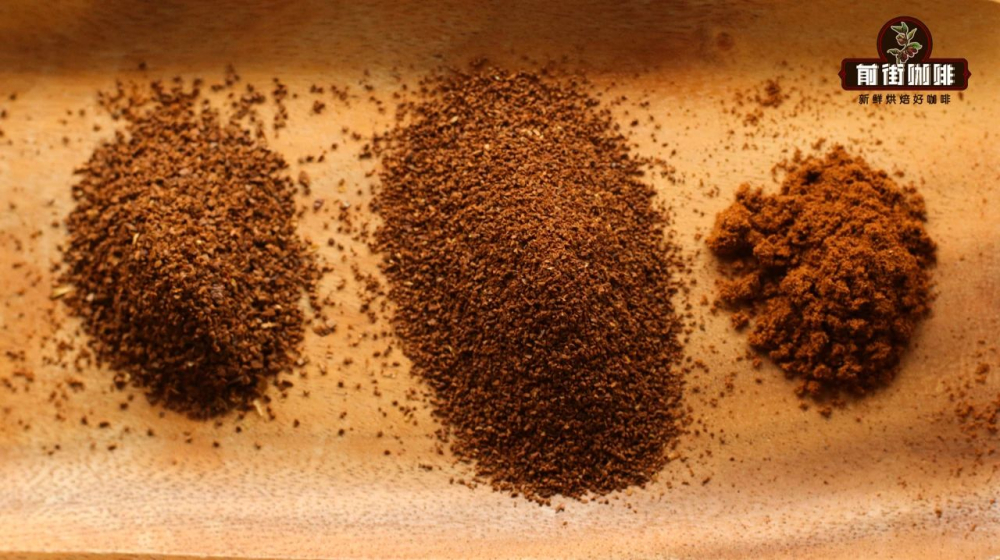
According to research by the Specialty Coffee Association of Europe, the French press grind size means each coffee bean is ground into 100-300 particles, with a diameter of about 0.7 millimeters. Electric drip machines use a medium grind, with each bean ground into 500-800 particles, with a diameter of about 0.5 millimeters. The medium grind for pour-over and siphon means each bean is ground into 1000-3000 particles, with a diameter of about 0.35 millimeters. The fine grind for espresso means each bean is ground into 3500 particles, with a diameter of about 0.05 millimeters. The Turkish coffee pot grind is flour-like, with each bean ground into approximately 15000-35000 particles.
Grind size can be difficult to figure out. You just need to remember the simplest point: if you want to achieve the same extraction yield, the finer the grind, the shorter the brewing time; the coarser the grind, the longer the brewing time. To put it more profoundly, it's just like those physics principles—increasing the surface area and contact area means the hot water will come into fuller contact, and of course, the brewing will be faster.
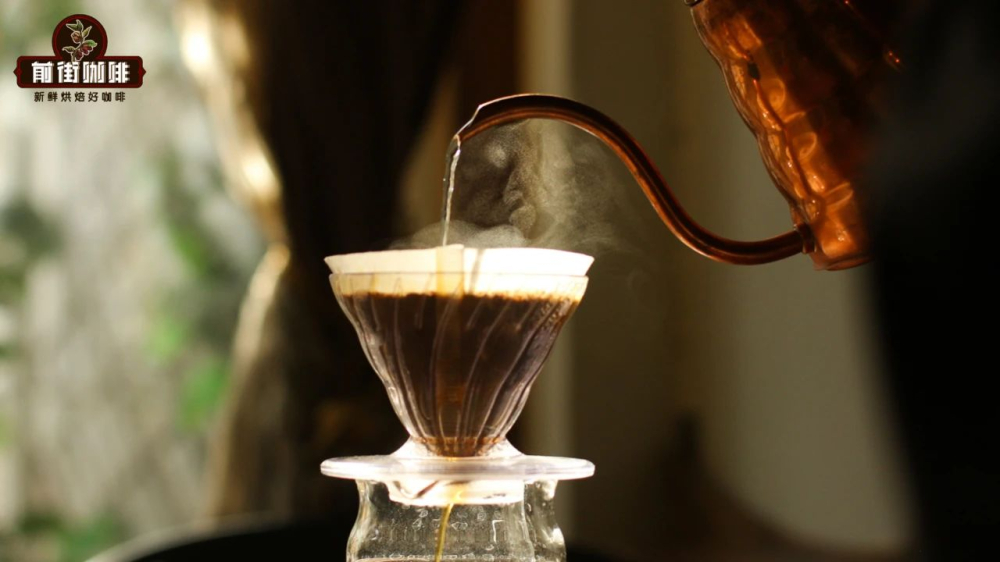
As for needing to know exactly which mark the grind size for a particular coffee bean should be, Front Street believes that every coffee bean has a different hardness, and every grinder's parameters will have deviations. So discussing marks under such uncertain factors is not rigorous. So how should you set your grind size?
This is actually quite simple. For example, after purchasing a grinder, it will come with instructions, or you can ask the seller. You will get a grinding recommendation. Note that this is a recommendation, not a certainty. We can start from this recommendation to find the grind size that suits us.
Remember never to use a fixed grind setting for coffee. You should know that each bean has a different density and roast level, requiring different settings. The beans currently offered by Front Street are all calibrated for grind size using standard sieves to achieve the best presentation.
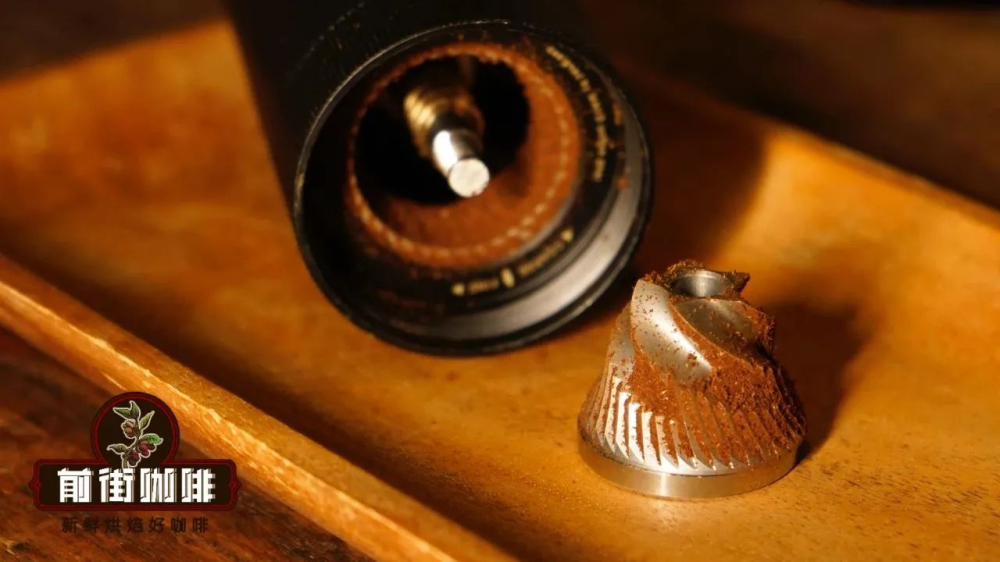
After purchasing a grinder, it's not a one-time solution. You also need to maintain it diligently, regularly removing the burrs and cleaning out the oil buildup inside. Burrs are consumables and need to be replaced regularly. Otherwise, the ground coffee particles will be uneven, affecting the coffee flavor.
For more specialty coffee beans, please add the private WeChat of Front Street Coffee (FrontStreet Coffee), WeChat ID: kaixinguoguo0925
The above content is compiled by CoffeeHunters, a coffee news website.


