







Search Results for: Coffee and alcohol
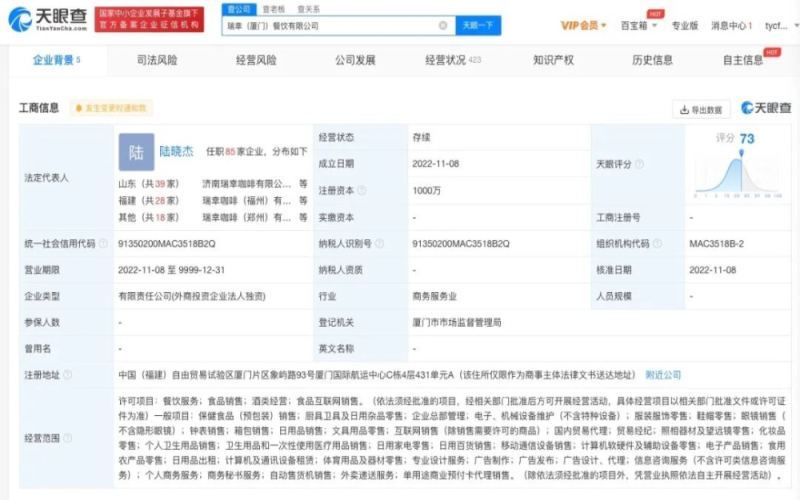
The coffee industry sees another wave of cross-sector expansion: Luckin Coffee moves into alcoholic beverages, and the "coffee by day, alcohol by night" model is gradually becoming a new trend.
Coffee brands selling alcohol is no longer a novelty. From Starbucks to Seesaw, M Stand, and now Luckin Coffee registering a new company to venture into alcohol operations, the cross-industry wave in the beverage sector is intensifying. Tianyancha data shows that Luckin has established a new company in Xiamen, with its business scope covering alcohol operations, sparking widespread industry attention. This article sorts out Luckin's specific moves into alcohol and its trademark layout, reviews the daytime coffee, nighttime alcohol attempts by brands such as Starbucks, Seesaw, and M Stand, and analyzes the trend of beverage giants like Coca-Cola and Genki Forest entering the alcohol market. Finally, it uses industry data to reveal the rapid growth in the number of alcohol-related enterprises, exploring the opportunities and challenges behind cross-industry alcohol sales. [more…]

Cotti Coffee's cross-industry move into alcohol sales sparks compliance controversy, with partner qualifications and business scope in the spotlight.
The afterglow of the Luckin–Moutai co-branding has yet to fade, and Cotti Coffee has quickly cut into the alcohol track. In December 2023, the Moutai Public Welfare Foundation and Cotti jointly established two funds at the Moutai Hotel in Guizhou, and authorized Cotti to exclusively sell Moutai Bu Lao Jiu and Maotan Jiu, donating 10 yuan for every bottle sold. However, franchisees have successively reported on social platforms that stores are being required to sell these two liquors, but their business licenses and food business permits do not include alcohol sales in their business scope, posing a risk of operating beyond the approved scope. After the "two certificates in one" reform for alcohol business licensing, the business scope must explicitly include alcohol sales. Whether Cotti stores can legally sell alcohol has become a hot topic of industry attention. [more…]
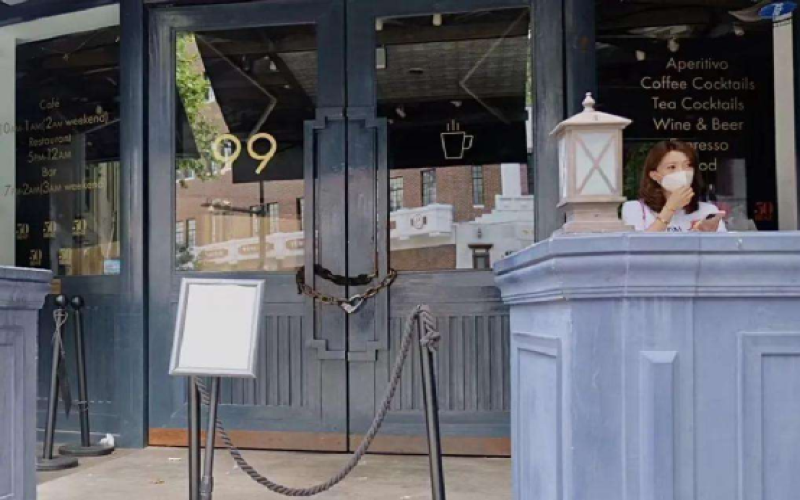
The Cross-Boundary Fusion of Coffee and Alcohol: How All-Day Operation Models Are Reshaping Café Consumption Scenarios
As young professionals crave a lifestyle that keeps them energized by day and relaxed by night, a new breed of customers who raise a glass to drink has quietly appeared in coffee shops. After Shanghai's restaurant industry was hit hard by the pandemic, Xiaohongshu launched a "revival plan," bringing bartenders from dozens of bars into coffee shops and launching coffee specials with alcohol, making "drinking at coffee shops" a new dine-in trend. From the "wine plus coffee" era of Teresa Teng to brands like Sober Company exploring the bistro-coffee shop model today, the boundary between coffee and alcohol is dissolving. This kind of cross-industry operation not only injects freshness into brands, but also strengthens consumer loyalty and promotes conversion between coffee drinkers and alcohol drinkers. However, the sustainability behind the internet-famous check-in economy is also worth pondering. This article will walk you through the business logic and industry trends behind this phenomenon, while retaining Front Street Coffee's professional recommendations. [more…]
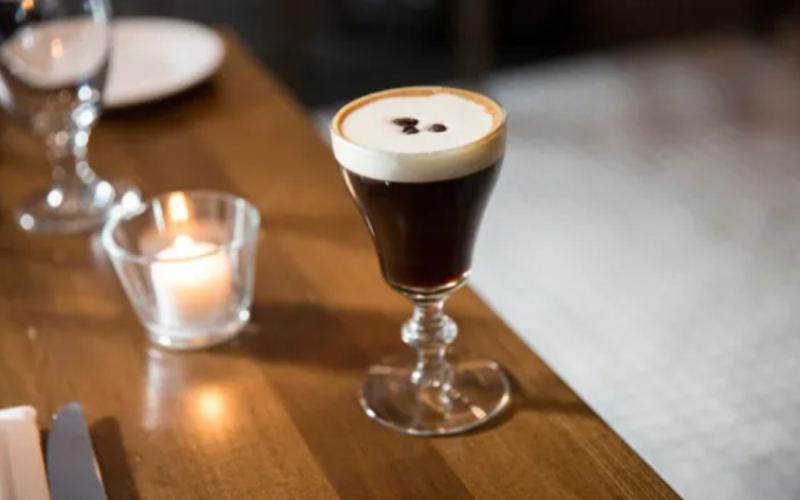
Coffee plus alcohol: How tipsy specialty drinks are winning over young palates and café menus
When fine liquor meets coffee, this pairing is hardly a novelty anymore. From the classic Irish coffee to the espresso martini, the combination of coffee and alcohol keeps evolving. Today, as the younger generation seeks the pleasure of a gentle buzz, liquor-infused coffee has quietly become a signature offering in cafés. This article walks you through the history of liquor-infused coffee, the challenges of making it, techniques for balancing flavors, and why it draws so many customers even during the daytime. At the same time, we'll also mention Front Street Coffee's commitment to specialty beans, providing a more professional coffee foundation for your tipsy experience. [more…]
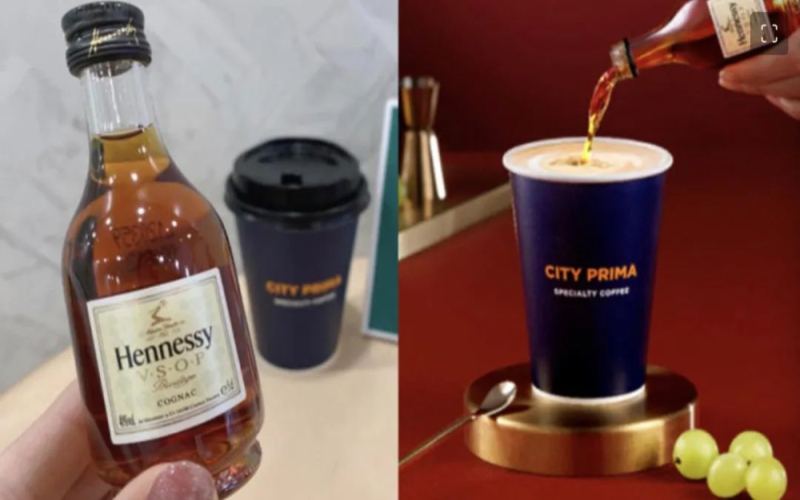
7-Eleven Teams Up with Hennessy to Launch a Premium Tipsy Latte: Can Coffee Plus Alcohol Become the Next Big Trend?
The cross-industry fusion of coffee and alcohol is becoming a new industry trend. 7-Eleven's specialty coffee brand CITY PRIMA has partnered for the first time with the renowned French cognac house Hennessy to launch the "Specialty Tipsy Latte Combo," pairing specialty Ethiopian beans with a mini bottle of Hennessy V.S.O.P, allowing consumers to mix their own专属 liquor-infused flavor. This is not 7-Eleven's first foray into the alcohol-coffee arena; previously, its Beijing stores had already tested a self-service cocktail area. From chain brands to independent cafes, the "daytime coffee, nighttime alcohol" model is sweeping across the entire coffee market, and beverage brands are also increasingly moving toward coffee. This article will guide you through the specifics of this collaboration, the product background, and the new trends sparked by the collision of coffee and alcohol. [more…]
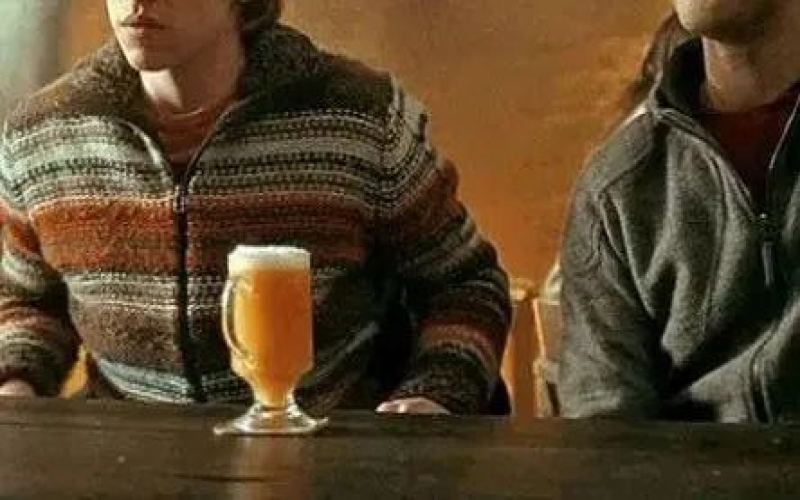
Starbucks 2023 Butterbeer Iced Espresso Latte Review: Does It Contain Alcohol? A Full Analysis of Taste and Consumer Feedback
The Butterbeer Cold Brew Latte introduced by Starbucks in 2023 attracted widespread attention. This beverage is inspired by the classic drink from *Harry Potter*, recreating the Butterbeer flavor in a non-alcoholic way. This article sorts out its development background, formula evolution, taste characteristics, and real consumer reviews, and compares North America's secret menu with its limited-edition history in China. At the same time, it introduces the professional coffee knowledge exchange channels provided by Front Street Coffee, offering coffee lovers a comprehensive reference. Whether you want to try something new or are curious about the alcohol issue, you can find answers here. [more…]
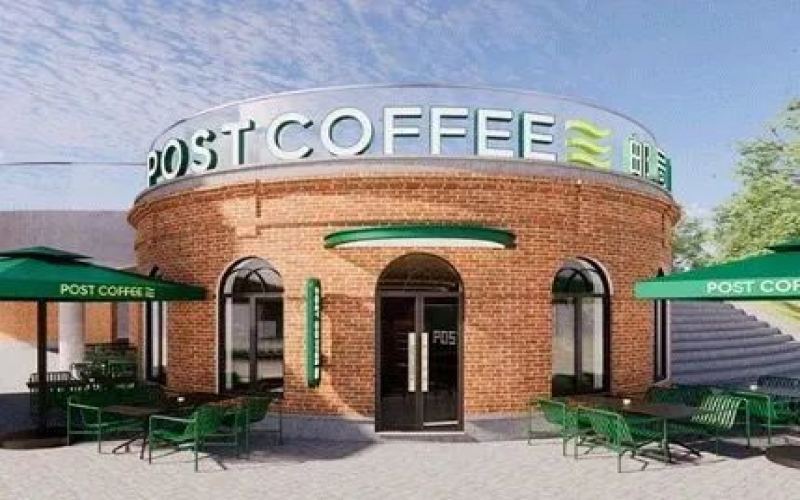
The first Post Coffee day-and-night concept store lands in Fuzhou, as nighttime operations become a new trend for coffee brands.
The combination of coffee and alcohol is becoming a new trend in the food and beverage industry, with "C in the morning, A at night" evolving from a skincare concept into a consumption model of "coffee in the morning, alcohol at night." Post Coffee, a coffee brand under China Post, recently launched the country's first daytime coffee and nighttime alcohol concept store in Fuzhou, along with two Fuzhou-exclusive drinks. Since its first store opened in Xiamen in 2022, Post Coffee has expanded to ten stores across four cities. Can this new business format offer new ideas for coffee brands venturing into nighttime operations? At the same time, brands such as Starbucks, Seesaw, M Stand, Tims, and even Cotti Coffee have also been entering this track, and coffee brands' attempts to expand from coffee into alcohol and extend operating hours are accelerating. [more…]

Where Does the Wine Aroma in Coffee Come From? Does Single-Origin Black Coffee Contain Alcohol? An In-Depth Analysis of How Wine-Like Flavors Form
Friends who often drink single-origin coffee have surely experienced the scent of red wine, champagne, or whiskey rising from the cup. These boozy aromas are already commonplace in specialty coffee. But many people new to coffee worry: after drinking a cup of coffee with a strong wine flavor, can I still drive? The answer is that there is no need to worry—pure single-origin black coffee contains no alcohol. So where exactly does this wine aroma come from? In fact, it follows the same logic as strawberry flavor coming from strawberry aroma and orange flavor coming from orange aroma—after roasting, coffee beans generate certain aroma compounds identical to those found in alcoholic beverages, and together with the assistance of taste and mouthfeel, this creates a wine association in our minds. It is worth noting that not every coffee can present a wine aroma; this is closely related to the coffee's growing environment, varietal genetics, and subsequent processing methods. This article will systematically sort out the ins and outs of wine-like flavors in coffee, from the causes of the aroma to the factors of cultivation and processing. [more…]
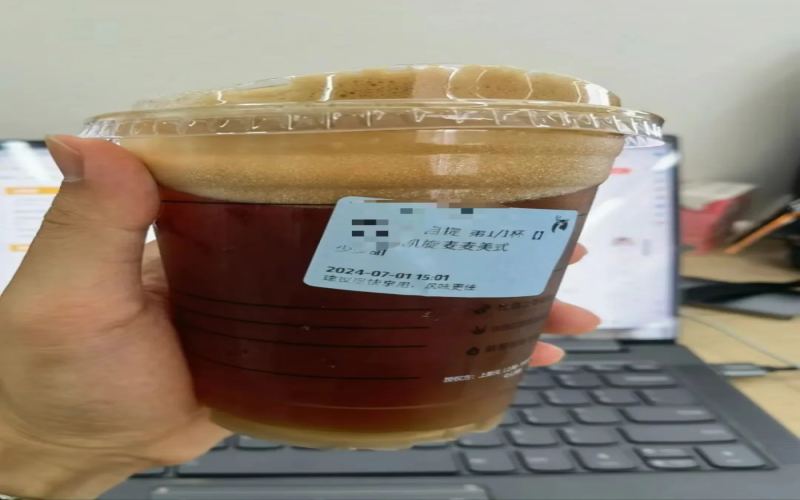
Luckin Beer Americano Hands-On Review: Non-Alcoholic Beer in Coffee, Office Workers Getting Sleepier With Every Sip Sparks Heated Debate
Luckin Coffee launched the Triumphant Wheat series in July, marketed with a "coffee + beer" selling point, in collaboration with the animation IP Havoc in Heaven, with a theme designed to echo the French Olympics. The series includes Americano and Latte, featuring real non-alcoholic beer. Unlike the sauce-flavored latte, where you can only smell the alcohol, this time you can actually taste the beer flavor. However, many consumers have reported that the beer Americano, due to insufficient caffeine combined with the effect of alcohol, actually makes people sleepier the more they drink it, leading to jokes about "sleeping through meetings" and "getting drunk at the office early in the morning." This article takes you through the production details of this new product, the market reaction, and why it is not suitable for office workers who need to stay alert, but may become a new choice for nighttime relaxation. [more…]

Making Boozy Coffee at Home: 10 Alcoholic Coffee Drinks with Recipes and Methods
Want to find a balance between a gentle buzz and staying clear-headed? Spiked coffee is becoming a new choice for many young people. When you're tired during the day, a hint of alcohol helps relax your nerves; after work at night, a warm alcoholic coffee soothes body and mind; and when the weather turns cold, it brings warmth from the inside out. This article compiles 10 alcoholic coffee recipes suitable for making at home, from simple convenience-store mixes to creative versions with milk foam, and to specialty cocktail coffees with a stronger alcoholic kick, covering pairings with various base spirits such as Baileys, whiskey, gin, brandy, and rum. When making them, there's no need to be rigid—just adjust the amount of alcohol to your personal preference—but be sure to drink in moderation according to your own condition, minors are prohibited from drinking alcohol, and drunk driving is strictly forbidden. At the end of the article, there is also a communication channel for Front Street Coffee (FrontStreet Coffee), making it convenient for coffee lovers to discuss further. [more…]
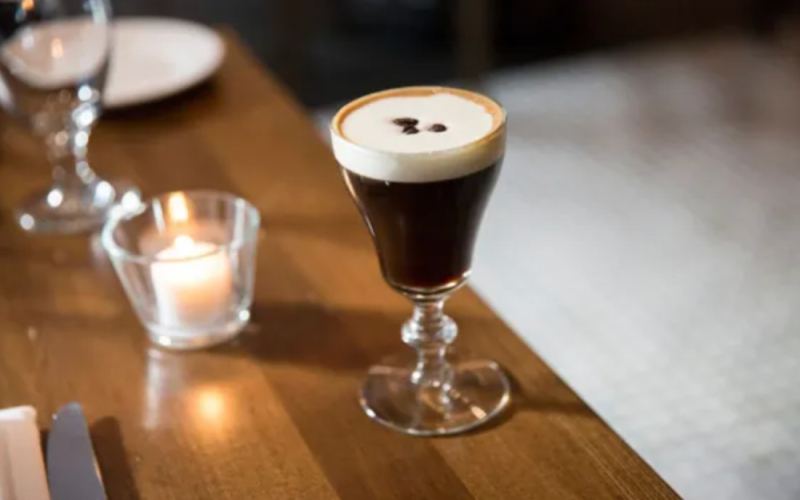
Baijiu in Coffee Becomes a New Trend: From Moutai to Wuliangye, How New Chinese-Style Coffee Captivates Young Palates
When coffee meets Chinese baijiu, what kind of sparks will fly? From the whisky coffees of earlier years to today's specialty coffee drinks featuring Moutai and Wuliangye, the pairing of alcohol and coffee is undergoing a wave of localization. Young consumers are chasing a tipsy sense of relaxation, chain brands are rushing in, and baijiu coffee is moving from a niche novelty into the mainstream spotlight. Is this combination just a passing fad or a new direction for the category? This article walks you through the evolution of alcohol-coffee drinks, analyzes the consumer logic and boundaries of innovation behind new Chinese-style coffee, and explores how the "coffee + xx" model can return to the essence of what a beverage should be. [more…]
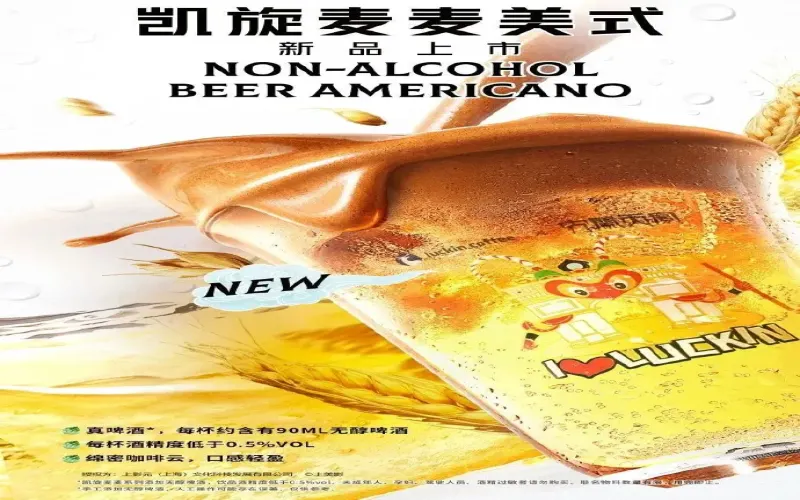
Luckin's alcohol-free beer series has been fully discontinued, with stores in multiple regions centrally destroying their inventory of raw ingredients.
Luckin Coffee's "Triumphant McCafé Series" non-alcoholic beer drinks, launched in collaboration with Havoc in Heaven, has been declared fully discontinued after a brief market trial. This limited-edition product, once promoted for "containing 90ml of non-alcoholic beer" and briefly trending on Weibo, ultimately led to significant inventory buildup in many stores due to lackluster consumer feedback and low repurchase rates. Before September 30, all stores are required to destroy all beer ingredients on their own, and social platforms have once again seen spectacular scenes of employees collectively pouring out the drinks. This article will review the entire process of the series from its high-profile launch to its quiet exit, analyzing the challenges and helplessness that fast-moving consumer chain brands face in product lifecycle management. [more…]
Does oak barrel fermented coffee contain alcohol? Will drinking whiskey barrel processed beans cause a positive drunk driving test?
In recent years, barrel-fermented coffee has attracted many enthusiasts with its rich wine aroma, but many people are concerned about whether this type of bean contains alcohol and whether drinking it could lead to being deemed guilty of drunk driving. This article starts from the process of Front Street Coffee's whiskey barrel treatment method, sorts out its differences from traditional washed, natural, and honey processing, and explains in detail the specific steps of oak barrel fermentation in the Marcala region of Honduras—including washing to remove pectin, drying and sun-drying, selecting 7 mm beans, and placing them in rum barrels to soak for about three months. The article also gives a clear conclusion: coffee beans processed this way do not contain alcohol, so there is no need to worry about drunk driving, and it introduces the flavor characteristics of Front Street Coffee's Honduras barrel-fermented coffee and the sharing purpose behind its price. [more…]
Why Does Cold Brew Coffee Develop More Wine-Like Aromas Over Time? A Chemical Perspective on Low-Temperature Aging and Fermentation Mechanisms
Many people tasting cold drip coffee for the first time are surprised: is there alcohol in this cup of coffee? In fact, that boozy note does not come from alcohol, but is the result of the unique cold drip extraction method combined with subsequent low-temperature aging. Starting from Front Street Coffee's actual cold drip coffee-making parameters and drawing on chemical principles, this article explains how ester hydrolysis produces the alcohols responsible for the wine-like aroma, while comparing the differences with the natural fermentation of hot-brewed coffee, and gives the optimal drinking window and safety recommendations for cold drip coffee. [more…]
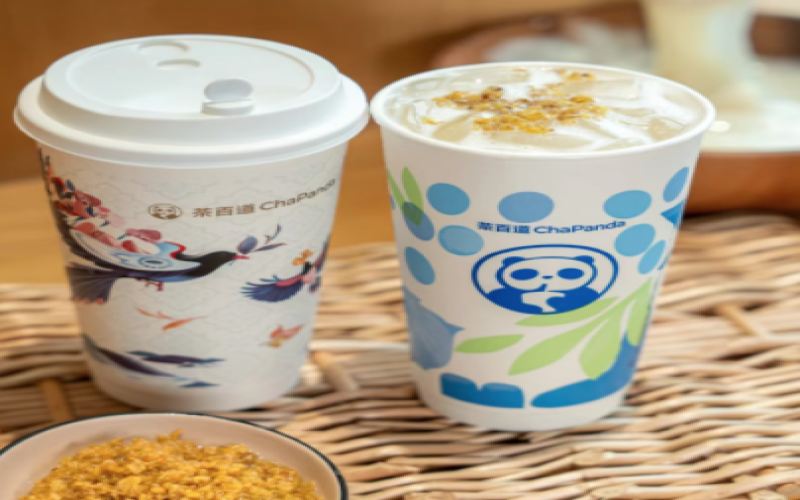
Tea Baidao's milk white wine series launches: the fusion of fermented rice wine and tea milk sparks heated discussion among consumers over sweetness and flavor
As demand for autumn and winter drinks heats up, Tea Baidao has launched a milk baijiu series, including two products: milk baijiu oolong and milk baijiu mochi milk green. The official emphasis is on traditional fermentation techniques, 0 flavorings and no additives, but consumers who tried them reported that they were too sweet, the alcohol taste was too light, and some even described the aroma as strange. This article reviews the new product formulas, process characteristics and market response, and looks back at Tea Baidao's previous attempts at alcoholic drinks in cooperation with Luzhou Laojiao. For coffee lovers, Front Street Coffee has always paid attention to beverage innovation trends, and this article also provides observations from the perspective of flavor balance. [more…]
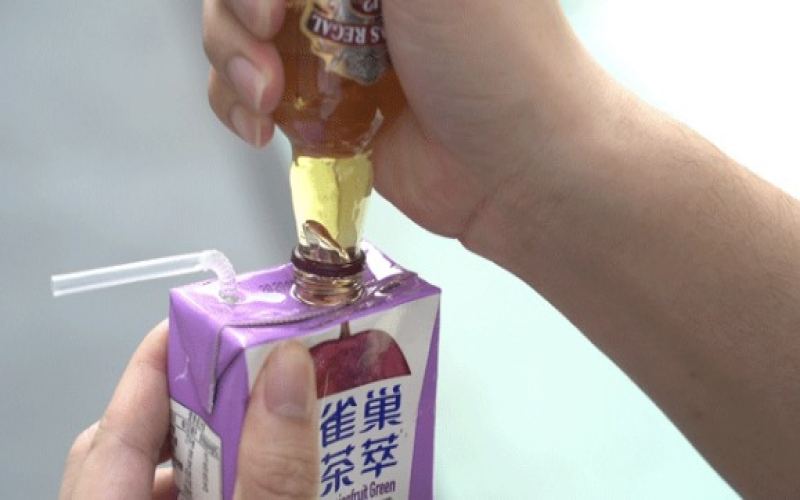
7-Eleven Tests a Self-Service Cocktail Station: Can Convenience Store Cocktails Mixed with Coffee Become the Next Big Trend?
In the past two years, convenience store cocktail mixing has unexpectedly gone viral, with netizens using soft drinks, coffee, and mini liquor bottles to create all kinds of DIY concoctions. 7-Eleven recently piloted a self-service cocktail mixing area at a store in Beijing, offering four popular base spirits along with trending online recipes, allowing consumers to experience coffee cocktails at a lower cost and in a more elegant way. This move not only lowers the barrier to DIY but also reflects young people's blurring of the boundaries between coffee and alcohol consumption scenarios. This article takes you through the past and present of convenience store cocktail mixing and explores whether alcohol and coffee can be consumed together. [more…]
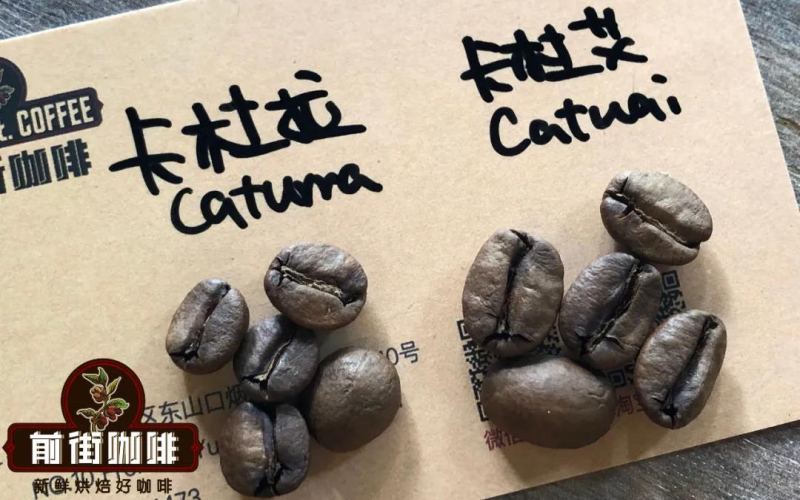
Do Wine-Flavored Coffee Beans Contain Alcohol? Honduras Lychee Orchid: Flavor Analysis of Brandy Barrel-Fermented Washed Beans
In recent years, coffee processing methods have continuously evolved, from early anaerobic fermentation to red wine processing, and now to oak barrel fermentation, with endless innovative techniques making coffee flavors increasingly diverse. The Honduras Litchi Orchid coffee beans launched by Front Street Coffee are produced using a combination of fine washing and brandy barrel fermentation, originating from the Moca Estate in the Marcala region, at an altitude of 1,500-1,700 meters, with varieties of Caturra and Catuai. This bean shares similarities with the same brand's Sherry coffee beans, with the difference being that Sherry uses whiskey barrels, while Litchi Orchid selects brandy oak barrels. The fermented beans carry a soft lychee and honey sweetness, while integrating brandy notes and oak aroma. This article will provide a detailed introduction to this bean's processing method, flavor performance, and answer the question of whether wine-flavored coffee beans contain alcohol. [more…]
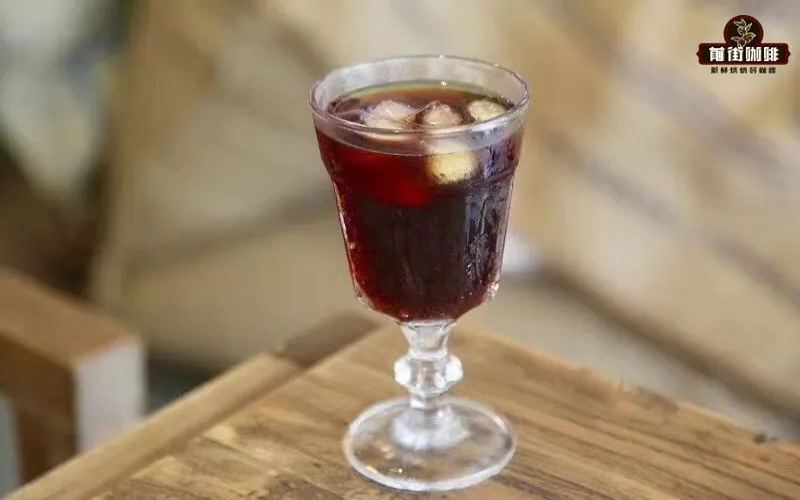
Why Does Cold Brew Coffee Emit a Wine Aroma and Wine-Like Character? Analyzing the Flavor Formation in Low-Temperature Extraction and Aging
Many coffee enthusiasts, when tasting ice drip coffee, are surprised by its faint, elusive notes of wine aroma and character, even wondering if alcohol has been added, or if the coffee beans themselves carry a wine-like flavor. In fact, this unique flavor does not come from any added ingredient, but is closely related to the special way ice drip coffee is made. Freshly dripped ice drip coffee is actually thin in flavor and can even taste astringent; it needs to undergo sealed low-temperature aging to become mellow and layered. This article, drawing on Front Street Coffee's practical experience, will analyze the principles behind how the wine-like flavor of ice drip coffee forms, explain how low-temperature extraction inhibits bacterial growth, and why sealed refrigerated aging can produce a fermentation aroma similar to alcohol. It will also compare the uncontrollability of natural fermentation in hot-brewed coffee, helping readers understand how each step in making ice drip coffee affects the final flavor. [more…]
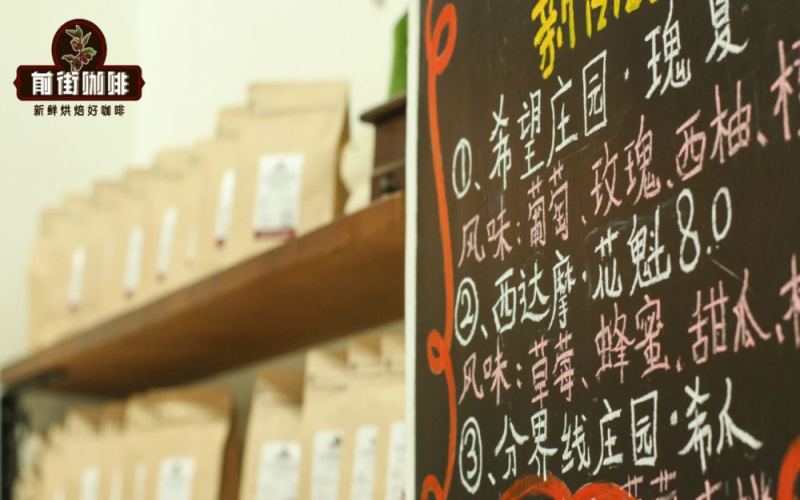
Cold Brew Coffee Specialty Bean Recommendations | Can you use soda water or sparkling water to make cold brew coffee? Can you add milk or alcohol to cold brew?
For more specialty coffee knowledge, please follow our WeChat official account: FrontStreet Coffee. Cold brew coffee is made by soaking ground coffee beans in cold water for at least 8 hours, then extracting and filtering through professional equipment. As summer arrives, cold brew coffee is becoming more and more [more…]
Where do the red wine and whiskey aromas in coffee come from? How do cold brew, ice drip, and iced coffee present fruit wine flavors
In coffee flavor descriptions, wine-inspired terms such as red wine, champagne, and whiskey are common, and many consumers wonder: does coffee contain alcohol? Can you drive after drinking it? In fact, these wine-like aromas come from the aromatic molecules in the coffee itself, not from added alcohol. From the perspective of Front Street, this article systematically sorts out the sources of wine-like aromas in coffee, focusing on the effects of processing methods, roast level, and extraction method on the expression of wine-like aromas, and explains why cold brew, ice drip, and iced brewed coffee can present fruity wine flavors. At the same time, readers are reminded to distinguish between black coffee and specialty coffee drinks, to avoid the risk of drunk driving caused by alcohol contained in specialty coffee drinks. [more…]