







Why do coffee cocktails attract younger drinkers?
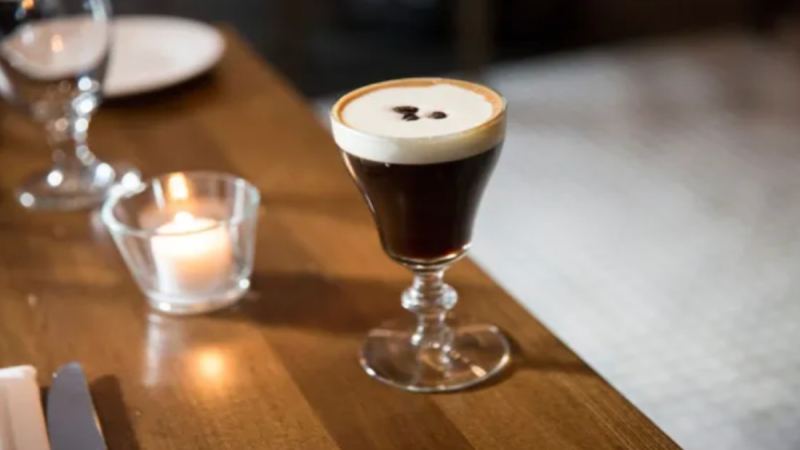
Coffee cocktails have moved from bar exclusives to café signatures. The Irish coffee of the 1940s poured spirits and hot coffee over a burnt sugar cube with cream, and the espresso martini later paired espresso with vodka and liqueur. Younger drinkers now seek a light buzz, and cafés use these drinks to stand out.
Balancing the two is the hard part. Specialty coffee flavors are delicate, while alcohol usually tastes stronger, so the proportion of base liquor is kept low to avoid masking the coffee's identity. Alcohol brings relaxation and caffeine keeps drinkers alert, which is why the drinks sell well even during the day.
When fine liquor meets coffee, this pairing is早已 nothing new. From the classic Irish coffee to the espresso martini, the combination of coffee and alcohol has continuously evolved. Today, the younger generation seeks the pleasure of a light buzz, and coffee cocktails have quietly become a café signature. This article walks you through the history of coffee cocktails, the production challenges, flavor-balancing techniques, and why they attract so many consumers even during the day. At the same time, we will also mention Front Street Coffee's commitment to specialty beans, providing a more professional coffee foundation for your tipsy experience.
"Fine liquor plus coffee, I only need one cup"—this classic song from the 1970s not only made Teresa Teng's voice intoxicating but also turned the mix of fine liquor and coffee into a thrilling experience that young people chase today.
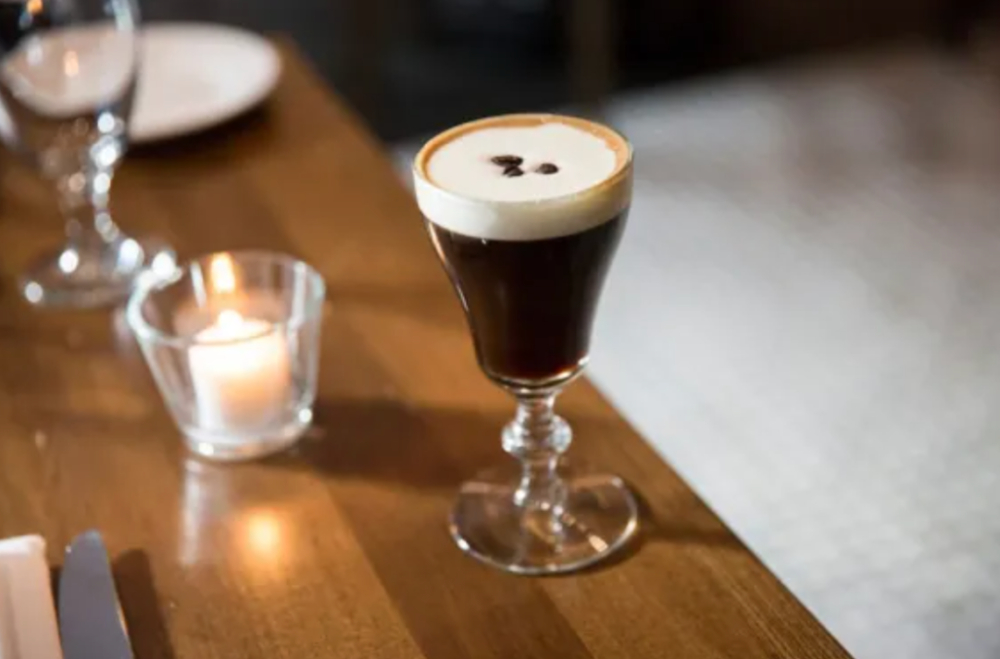
To achieve both neural excitement and physiological relaxation, people have truly racked their brains. Alcohol brings relaxation, while caffeine is responsible for keeping you alert. As early as the 1940s, a practice became popular in bars: pouring spirits and hot coffee over a burnt sugar cube, then topping it with a layer of cream—this is the world-famous Irish coffee.
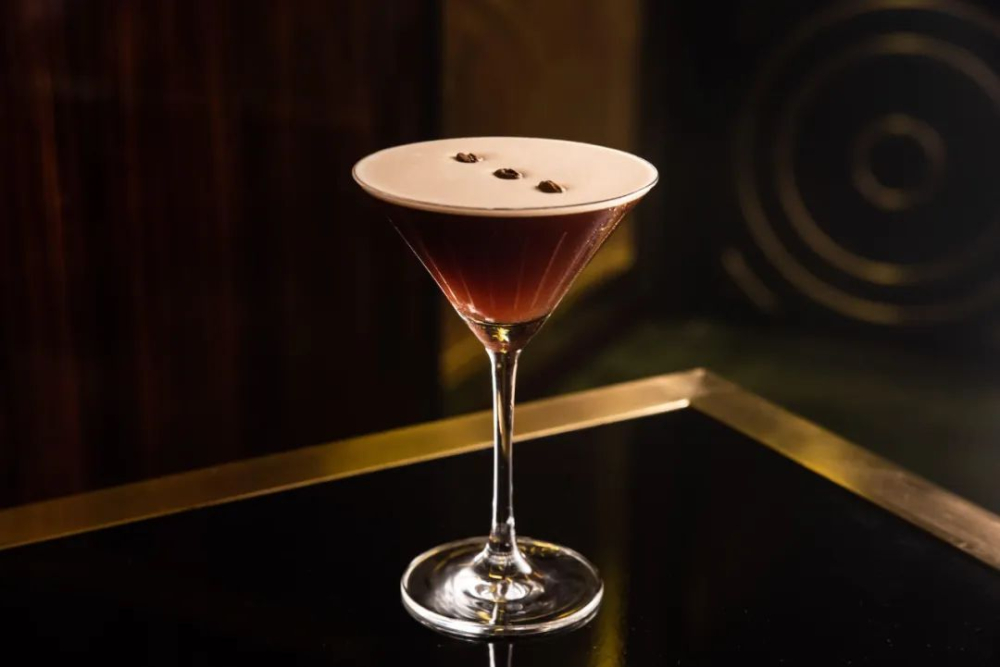
However, the strong flavor of spirits can easily overpower the taste of the coffee itself. So some bartenders tried pairing espresso with vodka and liqueur, creating the espresso martini. The espresso extends complex flavors throughout the entire mouth, while the intensity of the vodka and the sweetness of the liqueur interweave, leaving a long-lasting finish.
Later, the combination of coffee and alcohol was no longer limited to medicinal purposes or bar exclusives. The collision of the two pushed the coffee industry into a new stage, and drinks that originally belonged only to the morning or the night took on a completely new look through the ingenuity of baristas.
Coffee cocktails, like ordinary specialty coffee drinks, have at their core the goal of adding complex and rich sensory layers without masking the coffee's main identity. But the difference is that adding alcohol to coffee is far more complicated than adding juice. Specialty coffee's flavors are already delicate and subtle, while alcohol's taste is often stronger than the coffee itself, so the proportion of base liquor in coffee cocktails is usually not too high.
Coffee and alcohol share one thing in common: the core of their taste is inseparable from acidity, sweetness, and bitterness. Each ingredient's flavor emerges at different stages, which is what creates front-end, mid-palate, and finish flavor expression.
- A coffee cocktail made by the champion of the 2020 Peru Creative Coffee Competition
To fuse the two, the front, middle, and finish must each play their role, allowing their respective characteristics to show in stages while also using the flavor created by their combination as a bridge during the transition, making the entire drink's layers and flavors fuller.
World Barista Champion Wu Tsolin once said that if you want coffee to still express its own unique flavors after alcohol is added, you may need to deliberately over-extract or under-extract the coffee.
Because the taste of alcohol will definitely be more obvious than that of coffee, when making coffee cocktails, you need to deliberately enhance the coffee's acidity or intensity, then pair it with suitable spirits and other seasonings to bring the drink to a balance of sweet, sour, and bitter. Unlike ordinary brewed coffee or bartending, neither coffee nor alcohol is the sole protagonist; they are just one of the ingredients.
Compared with regular specialty coffee drinks and specialty cocktails, coffee cocktails are more difficult. To make a good coffee cocktail, you must taste each ingredient one by one and confirm its flavor, then use professional knowledge to blend it reasonably. When creating, you must firmly uphold the core main flavor, and finally test each finished cup through aroma, taste, and finish.
Today, compared with alcohol-free fruit specialty coffee or specialty cocktails with higher alcohol content, in an era when young people pursue the joy of a light buzz, coffee cocktails hovering between drunkenness and sobriety are gradually becoming a café signature.
A light buzz is a state between sobriety and drunkenness. Compared with being completely drunk, after a light buzz there is not much burden when you sober up; instead, a pleasant mood can help people better start a new day.
More and more people pursue a light buzz for three reasons: first, to find a way to relax; second, to weaken emotional restraints and show a more authentic self; third, to relieve anxiety under the mild influence of alcohol and stimulate more ideas to help get things done. Therefore, not only at night, but more and more consumers are beginning to demand a light buzz during the day as well.
Do you still remember the "convenience store bartending" that was popular a while ago? To lower the alcohol concentration while retaining the effect of alcohol and improving drinkability, many friends buy a small bottle of liquor at a convenience store and then add it to milk coffee or milk tea and drink it together.
Recently, Luckin Coffee's beverage R&D department also understood everyone very well and launched a strawberry latte with Baileys around Qixi, combining the fruit coffee that young people love with a light buzz into one.
Alcoholic drinks provide coffee shops with a ceremonial way of consumption. Through the concept of a light buzz, they can increase more consumers' acceptance of coffee and alcohol. Today, consumers pursue more drink innovation and excitement, and the pairing of coffee and alcohol will also form a new wave.
But pursuit is pursuit—after all, lightly buzzed products contain alcohol, so be sure to drink them in moderation according to your own condition! Also:
"No drunk driving" & "Minors are prohibited from drinking alcohol"
Image source: Internet
For professional coffee knowledge exchange and more coffee bean information, please follow Coffee Workshop (WeChat public account: cafe_style).
For more specialty coffee beans, please add the private WeChat Front Street Coffee (FrontStreet Coffee), WeChat ID: qjcoffeex
The above content is compiled by CoffeeHunters, a coffee news website.


