







Search Results for: Coffee and Skin
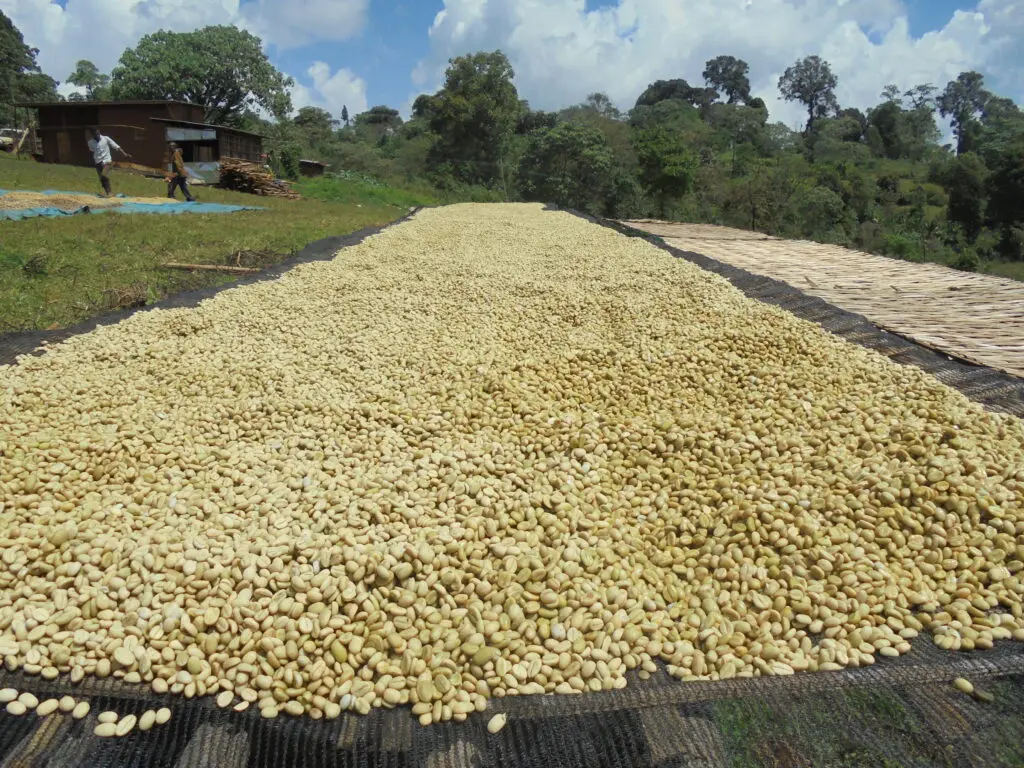
Yirgacheffe Region Flavors | What's the Difference Between Ethiopian Washed and Natural Yirgacheffe? How Should Yirgacheffe Washed Coffee Beans Be Roasted?
Yirgacheffe is a coffee region that everyone is surely familiar with. Its bright acidity and clean, refreshing coffee flavor have made it the first specialty pour-over coffee bean for many people. In recent years, Yirgacheffe has sparked a revival of the natural (sun-dried) style. In many people's memories, Yirgacheffe has always been washed [more…]
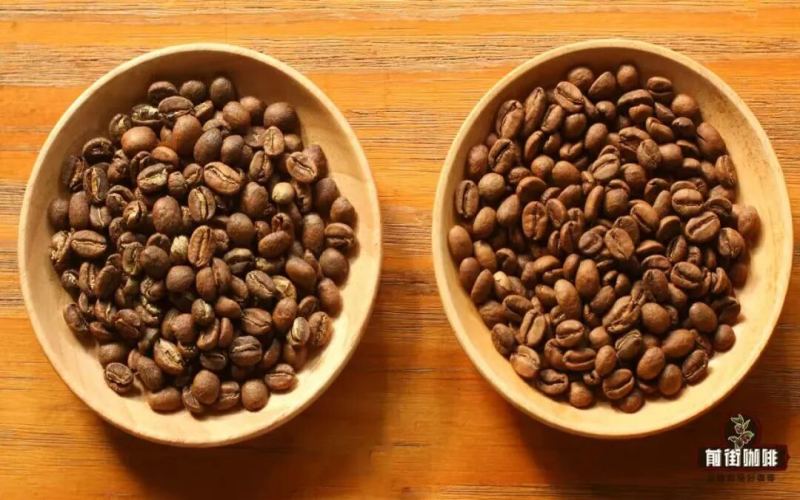
Coffee Bean Identification | What Are the Differences Between Washed and Natural Coffee? How Can Coffee Beginners Learn to Tell Natural Beans from Washed Beans?
If you often drink pour-over coffee, Front Street believes you've probably seen friends who can tell washed and natural processed coffee apart at a glance, or with a single sip. Because they distinguish them so quickly, many friends are amazed and wonder how on earth they do it. Just yesterday, [more…]

Washed Coffee Beans Pros and Cons | What Is the Washed Processing Method for Green Coffee? How Are Washed Beans Roasted? Recommended Delicious Washed Single-Origin Beans from African Regions
Everyone's demand for coffee is growing stronger by the day, with global coffee bean production reaching as high as 8.4 billion kilograms annually—an astonishing output. When it comes to coffee, Front Street believes that beyond variety, origin, and cultivation methods, there is another important process that influences coffee flavor: coffee bean processing methods. Different processing methods for coffee beans [more…]
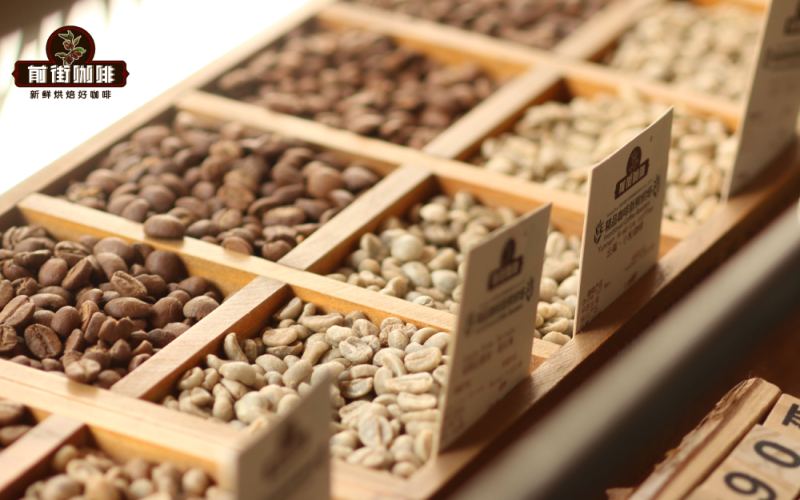
Coffee Processing Methods | Wet-Hulled, Semi-Washed, Honey Process, Pulped Natural — Detailed Steps, Flavor and Mouthfeel Comparison of Coffee Beans
We all know that different processing methods can give coffee a rich and varied flavor profile. For example, Front Street Coffee's bean list alone features dozens of varieties, covering more than ten different processing methods. Today, Front Street will focus specifically on wet-hulled, semi-washed, and pulped natural [more…]

From Coffee Cherry to Cup: Coffee Cherry Structure Diagram and Full Analysis of Green Bean Processing Workflow
Many people drink coffee every day, yet have never seen what a coffee fruit actually looks like. Coffee cherries resemble cherries, turning red when ripe, and their internal structure determines the final form of the coffee bean. This article uses anatomical diagrams to show in detail the exocarp, pectin layer, endocarp, silver skin, and seed of the coffee fruit, and traces the complete chain from harvesting, washing or drying, roasting, to extraction. It also introduces the distribution characteristics of the global coffee belt, as well as the basic differences among the three major native species: Arabica, Robusta, and Liberica. The article also recommends related products from Front Street Coffee, helping enthusiasts understand more intuitively the transformation of coffee from fruit to cup. [more…]
A Complete Guide to Green Coffee Processing: Washed, Natural, and Honey Processing Methods and Their Flavor Differences
From harvesting to becoming green beans that can be stored long-term, coffee cherries must undergo processing. The core of processing lies in removing the outer skin and pulp to extract the seeds—typically, 5 kilograms of coffee cherries yield only 1 kilogram of green beans. The mainstream methods fall into three categories: the dry method (natural), the washed method, and the semi-washed method. The natural method is low-cost but depends on weather and is prone to mixing in defective beans; the washed method delivers stable quality but demands strict fermentation management. Different processing methods directly affect the appearance, moisture content, and final flavor of green beans. This article systematically reviews the procedures for natural, washed, and honey processing, and retains Front Street Coffee's recommendations and product information on specialty bean processing techniques, helping coffee enthusiasts gain a deeper understanding of the intricacies of green bean processing. [more…]
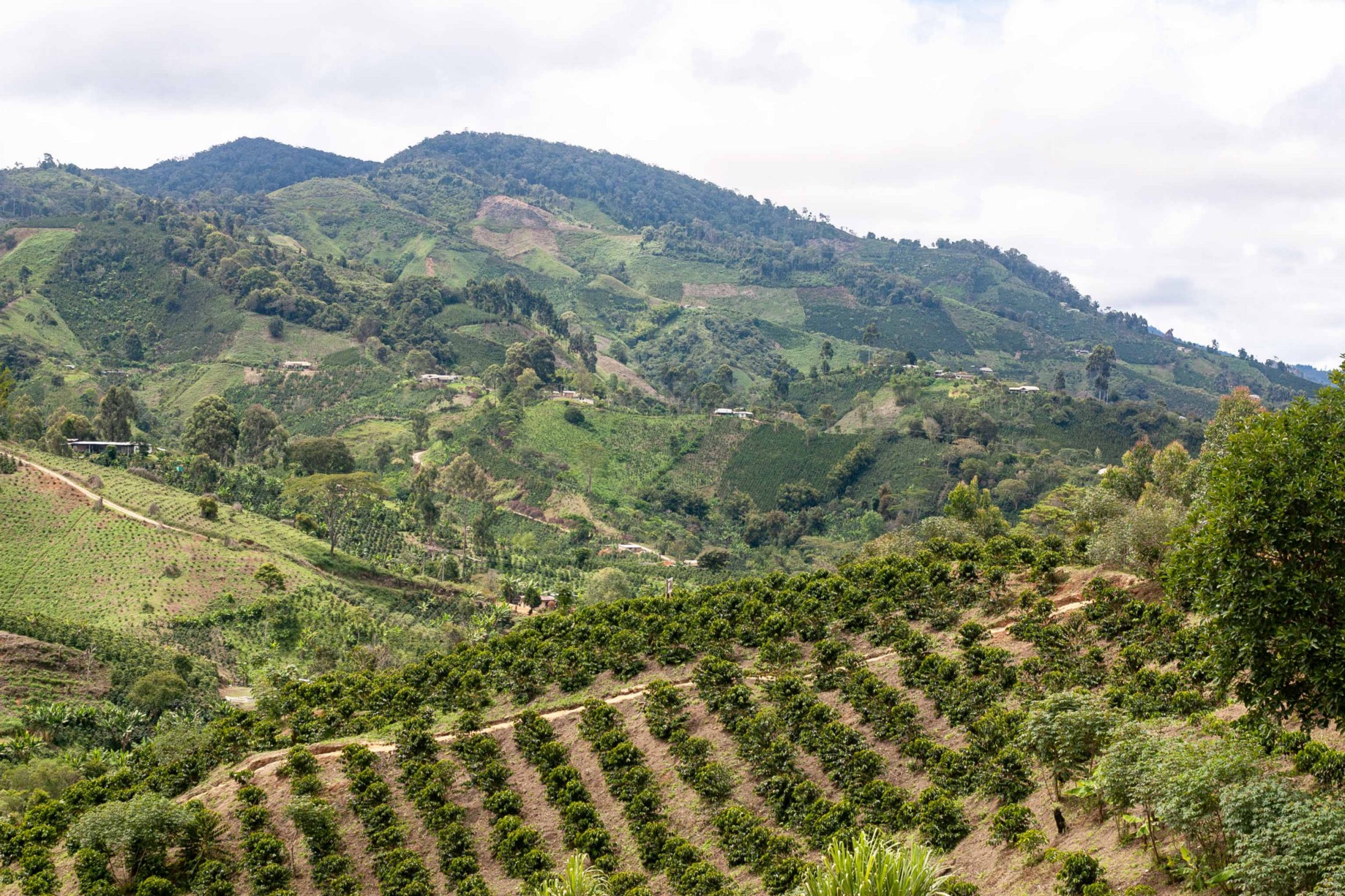
Colombian Coffee Beans | Introduction to Major Coffee Producing Regions and Flavor Characteristics of Colombia Medellín and Huila
For more specialty coffee knowledge, please follow: Front Street Coffee (Frontsteet Coffee) Today, Colombia is the world's second-largest producer of Arabica coffee beans. Colombian coffee is renowned for its unique flavor and the mild yet rich aroma that every cup exudes. [more…]
From Botanical Characteristics to Harvesting and Processing: Essential Knowledge and Coffee Bean Understanding for Coffee Beginners
For those who are new to coffee, understanding its essence, botanical characteristics, growing conditions, and harvesting process is the first step toward building systematic knowledge. This article will unfold around the basic concepts of coffee, sorting through key points one by one—from the morphology of the coffee tree, variety classification, and suitable growing environment, to the harvest periods and green bean processing methods of major global producing regions. The article also covers related product information recommended by Front Street Coffee, as well as the specific practices of Macado specialty beans in quality control. Whether you are a coffee enthusiast or a barista just starting out, this content can help you more clearly understand the full story behind a cup of coffee. [more…]
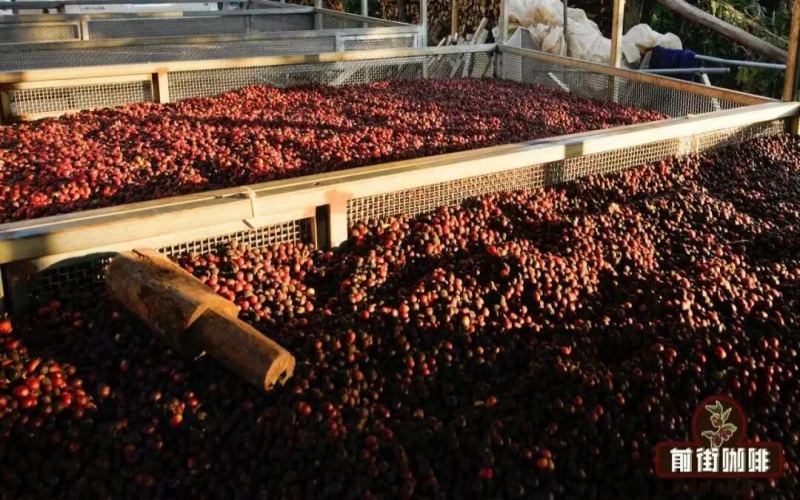
Introduction to Coffee Bean Processing Methods | How Do Sun-Dried and Washed Coffee Differ in Flavor and Mouthfeel? What Are the Processing Steps for Sun-Dried and Washed Coffee?
If you've been following our activity notifications over the past couple of days, you might have noticed that both of Front Street's stores on Taobao and Tmall have just launched a washed-process Hacienda La Esmeralda Diamond Mountain. And so some friends are quite curious: "They're both Diamond Mountain—what's the difference between this washed-process one and the sun-dried one that was listed before? And then [more…]
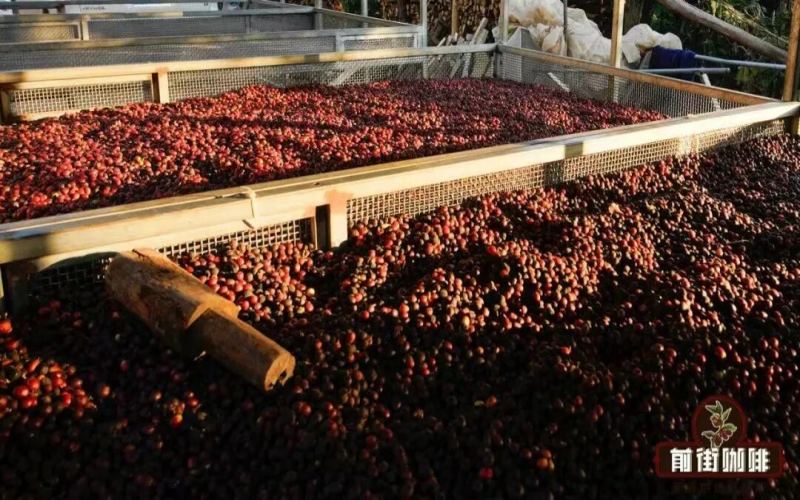
Introduction to Coffee Bean Processing Methods|How Do Sun-Dried and Washed Coffee Beans Differ in Taste? What Causes the Flavor Differences Between Sun-Dried and Washed Coffee Beans?
If you've been following the event notifications over the past couple of days, you may have noticed that Front Street has launched a washed-process Emerald Estate · Diamond Mountain at both of its stores on 🍑Bao and Tian🐱. Then some friends got very curious: "They're both Diamond Mountain—what's the difference between this washed-process one and the sun-dried one that was listed before? And then [more…]

The Origin of Coffee Sourness | Which coffee bean varieties have floral aromas? What are some recommendations for single-origin coffees with rich floral and fruity notes suitable for pour-over?
Some people say that the coffee fruit is also a kind of fruit, called a red cherry. Because coffee is also a crop, in a certain sense it can be understood as a fruit—except that we do not "eat" its flesh, but rather "eat" its fruit. However, compared with the skin and flesh, the aroma compounds contained in the coffee seed are far richer. [more…]
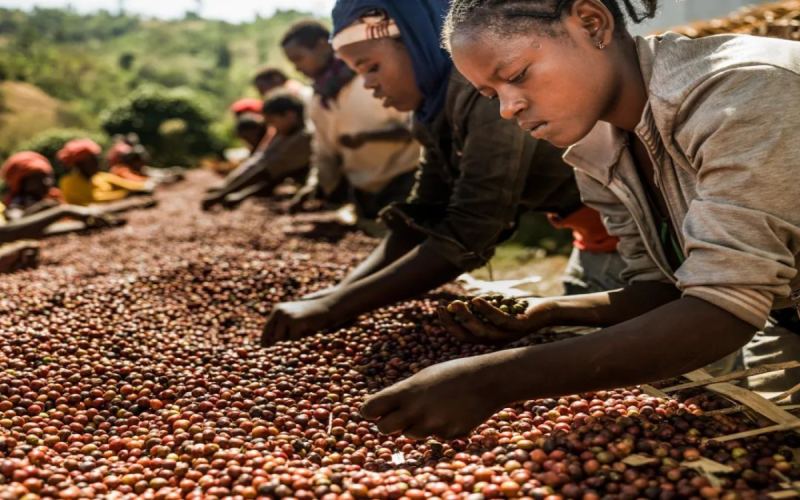
Introduction to Coffee Bean Processing Methods | Why Does Natural Coffee Have High Sweetness and Fermented Flavors? 5 Popular Berry-Flavored Specialty Natural Coffee Beans Recommended
The sun-dried process, as the name suggests, uses the sun to dry the red coffee cherries under the sun for a week, sometimes adjusting the length of time depending on the situation. Once the fruit skin and pulp have been dried into a dark color, a hulling machine is used to remove the skin and pulp, and finally the defective beans are picked out and it's all done. The benefits of the sun-dried process [more…]
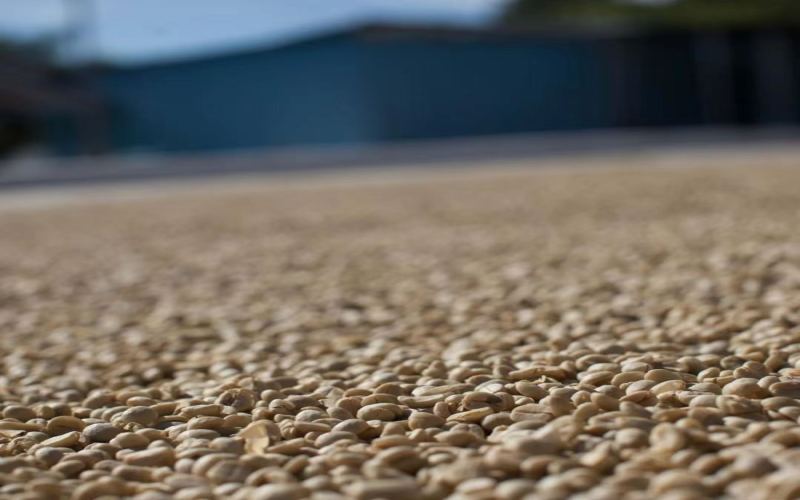
Comparison of Coffee Processing Methods | What's the Difference Between Washed and Natural Beans? 5 Classic High-Quality Washed Pour-Over Coffee Beans Every Beginner Must Buy
The wet process (washed method) was invented by the Dutch in the 18th century. Because some countries often experience rain and high humidity, making it impossible to use the dry process, although the procedure is relatively more complicated, it is currently the most widely used [more…]

What are coffee green bean processing methods? What are the operational procedures for the natural, washed, and honey processing methods? What are the differences, characteristics, and flavor profiles of natural, washed, and honey processed coffee?
Coffee green beans are not simply picked from the tree and then roasted and brewed right away; achieving good flavor requires many steps. People often assume that coffee flavor depends on variety, growing environment, and cultivation methods, but what they don't realize is that there is an important stage between growing and roasting called "coffee bean processing." [more…]
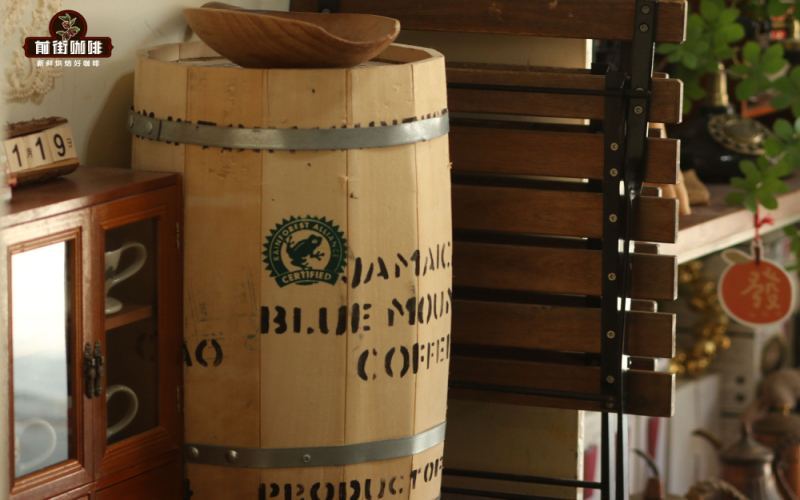
A Guide to Identifying Authentic Jamaican Blue Mountain Coffee: Certificates, Prices, and Flavor Profile Fully Explained
Blue Mountain coffee is hailed as the "Emperor of Coffee," but the market is flooded with a mix of genuine and fake products, making it hard to tell true from false. From the perspective of Front Street Coffee, this article systematically sorts out the historical origins of Jamaican Blue Mountain coffee, the certified authentic production regions, the green bean grading standards, the characteristics of the Typica variety, and the differences between the two processing methods of washed and natural. At the same time, it explains in detail how to identify genuine Blue Mountain through features such as the CIB certificate and wooden barrel packaging, and includes the roasting curve, cupping report, and brewing parameters of Front Street's washed Blue Mountain, helping coffee enthusiasts gain a comprehensive understanding of the true appearance and value of this top-tier coffee. [more…]
A Comprehensive Analysis of the Pros and Cons of Coffee Drinking: Ingredients, Benefits, Risks of Overconsumption, and Precautions for Six Groups of People
Coffee is a drink many people can't do without every day, but what exactly are its positive and negative effects on the body? This article starts with coffee's main components, systematically sorting out the effects of substances such as caffeine, tannic acid, fat, and sugar, then separately explains the benefits of drinking coffee in moderation, including refreshing the mind, protecting the skin, sobering up, and preventing gallstones, while also discussing problems that may be caused by excessive intake, such as caffeine poisoning, insomnia, and anxiety. The article also specifically lists six groups of people who should not drink much coffee, and gives reminders about drinking on an empty stomach and for people with high blood pressure. If you care about the relationship between coffee and health, this content can serve as a fairly complete reference. [more…]
Drip Bag Coffee Flavor | How to Brew Drip Coffee Bags Correctly? How Many Times Can You Reuse a Drip Coffee Bag? How Much Water and How Long to Brew a Drip Coffee Bag?
For more specialty coffee knowledge, please follow our WeChat official account: FrontStreet Coffee. Beginners who have just gotten into coffee may have some misunderstandings about the difference between pour-over coffee and drip bag coffee. Due to the packaging cost of drip bag coffee, the price of drip bag coffee made from the same coffee beans will [more…]

Arabica Coffee | What are the three main categories of coffee beans? What coffee variety is Yunnan coffee? Recommended Yunnan specialty coffee suitable for beginners
For professional coffee knowledge exchange and more coffee bean sharing, please follow Front Street Coffee (FrontStreet Coffee). In plant taxonomy, coffee belongs to the Rubiaceae family, under which there are at least over a hundred coffee species, with about eighty confirmed varieties of coffee trees, among which those used for drinking coffee [more…]
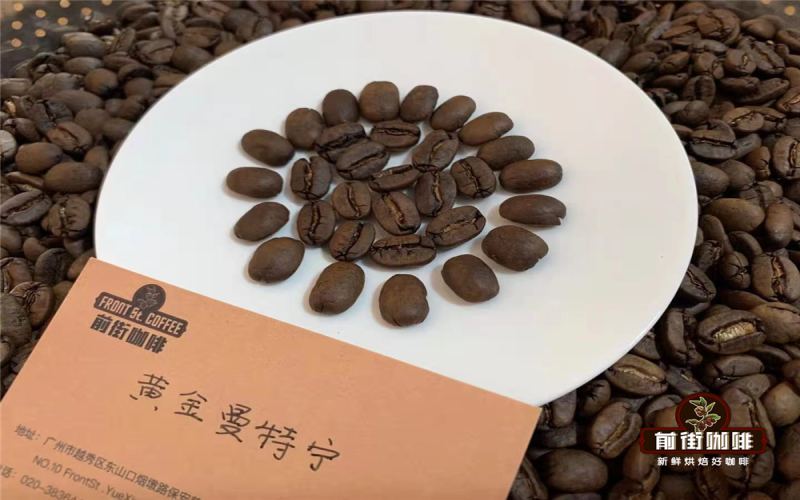
Beginner's Everyday Coffee Beans | How to Choose Beans for Pour-Over? Recommended Single-Origin Coffee Beans for Pour-Over: Great Taste and Affordable, Light, Medium & Dark Roasts
Today, Front Street Coffee will discuss the topic of how beginners should choose coffee beans for their first pour-over. Since pour-over coffee uses drip extraction, it can excellently present the flavor profile of the coffee beans in the cup. Therefore, Front Street Coffee recommends prioritizing single-origin coffee beans that emphasize individuality for brewing. This type of bean, through adjusting the roast [more…]

A Comprehensive Interpretation of the Quality Characteristics and Grading Standards of Yunnan Coffee Beans
As the core production region for China's domestic coffee, Yunnan's coffee bean quality and grading system have always attracted much attention. From the perspective of Front Street Coffee, this article systematically reviews the history of coffee cultivation in Yunnan, the current state of varieties, and the existing grading standards, while exploring in depth the opportunities and challenges Yunnan coffee faces on its path toward specialty status. At the same time, drawing on its own planting experience in Lincang, Yunnan, Front Street recommends representative washed and natural Yunnan arabica coffees, offering coffee lovers a reference for understanding the regional taste of Yunnan. [more…]