








Many coffee enthusiasts can quickly determine the origin, variety, and processing method of coffee beans through observation and tasting. This is not an innate talent, but rather the mastery of certain practical skills. Front Street Coffee has previously shared methods for determining variety with everyone, and this time will focus on how to distinguish coffee bean processing methods. The article unfolds from two angles: first, observing the amount of residual silver skin, and second, distinguishing the flavor differences brought by different processing methods through tasting. Whether you are a beginner in coffee or an enthusiast hoping to further improve your tasting ability, these methods can help you more accurately understand the characteristics of processing methods such as natural, washed, and honey, thereby making wiser choices when purchasing and brewing.

Some friends are very impressive—they can take one sip of coffee and accurately say what coffee bean it is, and can even tell the approximate origin, variety, and processing method of the coffee beans at a glance. This is not because they are naturally brilliant, but because they know some judgment techniques.
Regarding the judgment of variety, Front Street Coffee has shared it before, and today, Front Street Coffee will teach everyone how to quickly distinguish the processing method of coffee beans. Friends who want to advance, hurry up and learn.
-Observe the amount of silver skin
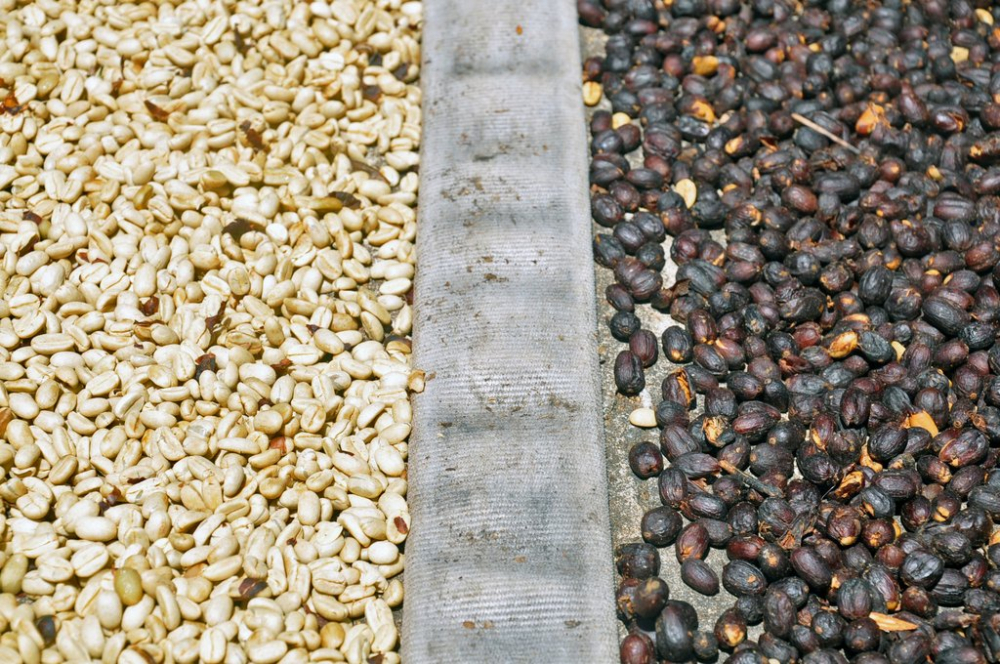
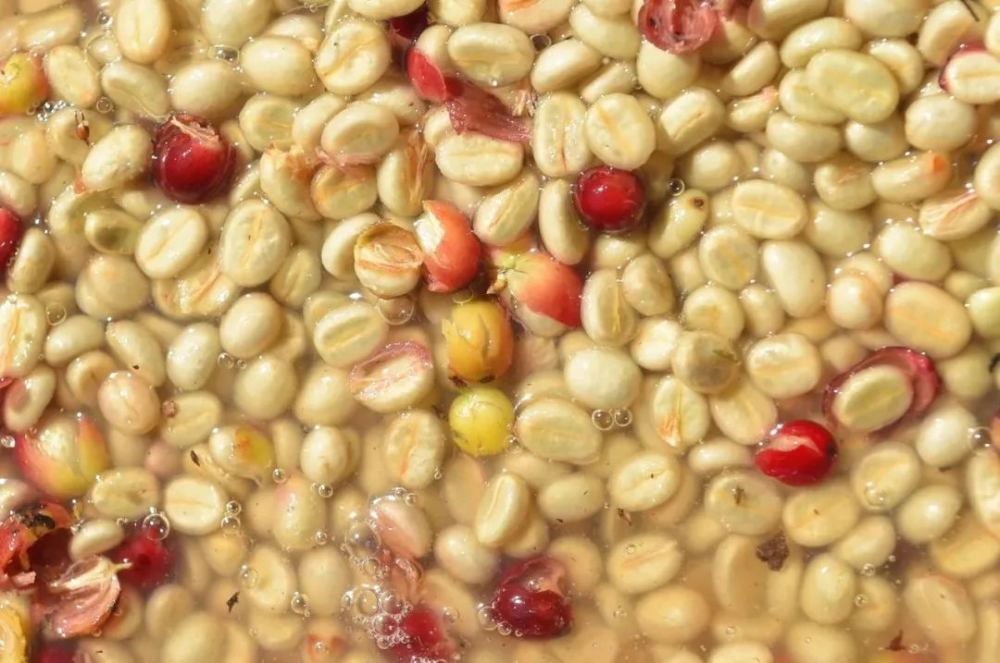
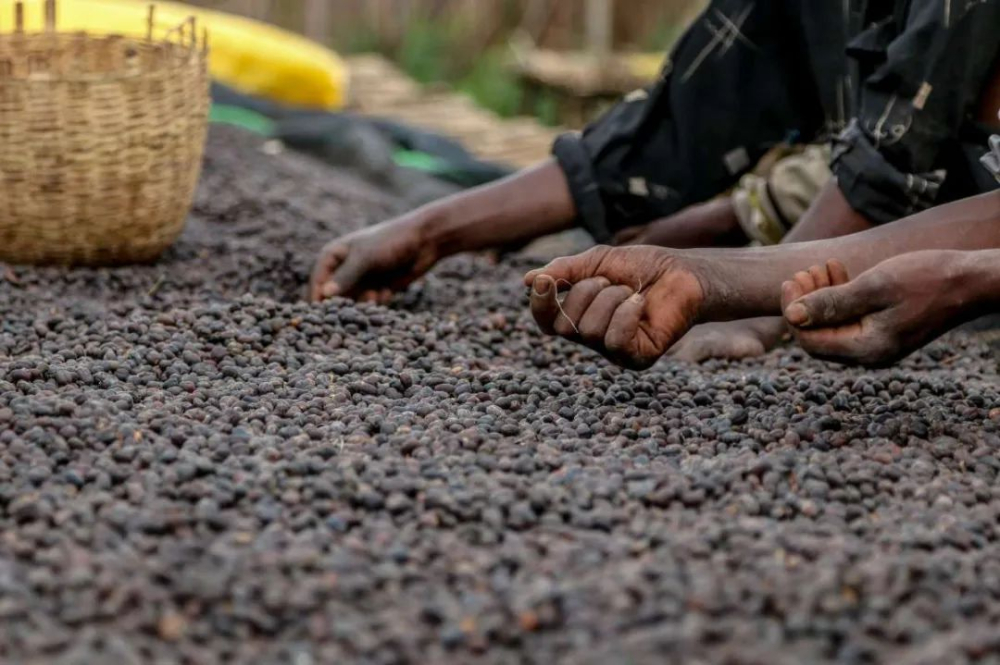
Honey processing and semi-washed processing are between natural and washed. The difference between these two methods is that honey processing involves no water contact throughout, while semi-washed processing involves soaking in water after removing the fruit skin and then drying in the sun. From the perspective of residual silver skin, except for raisin honey processing and black honey processing, other honey processing and semi-washed processing are more like washed processing.
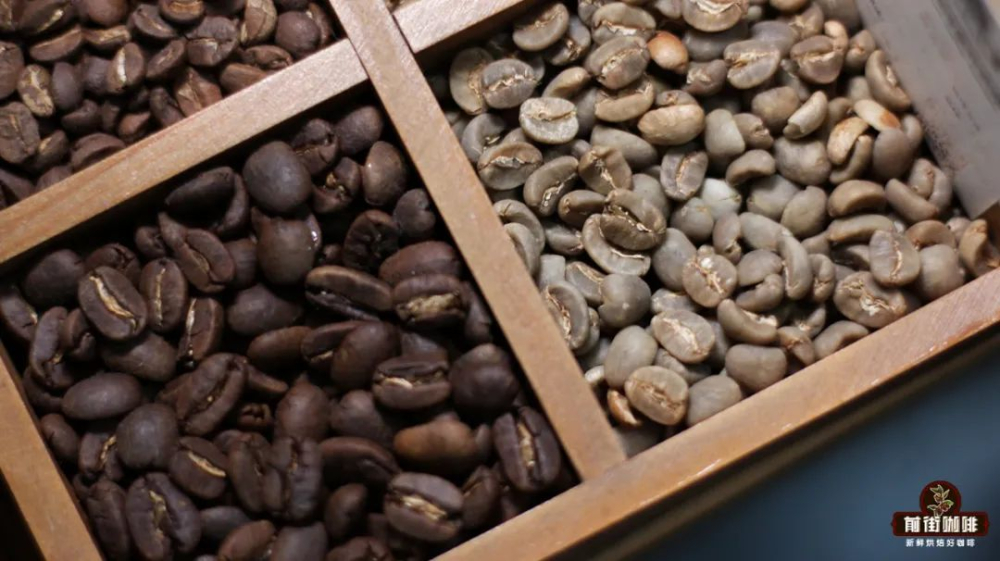
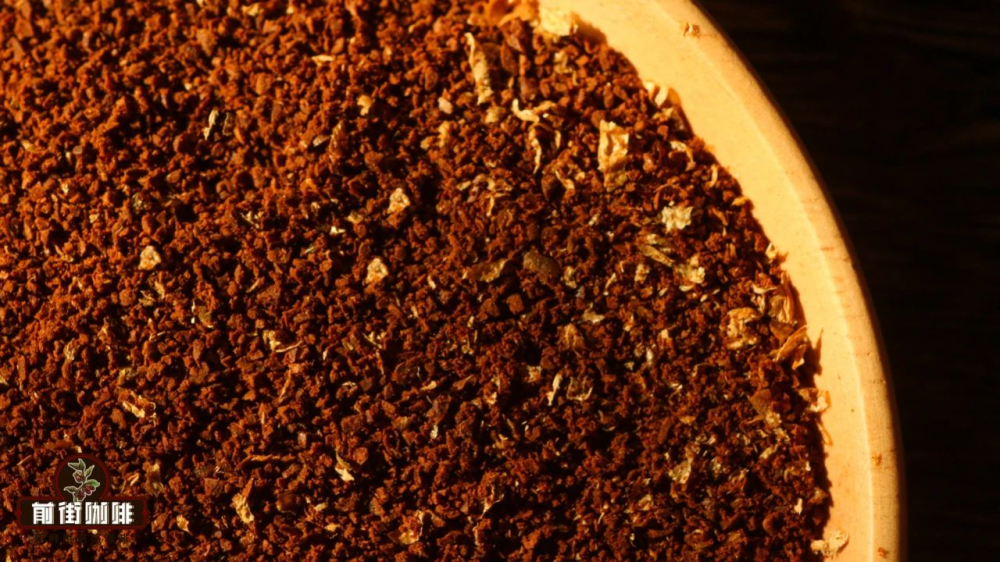
After the foreplay, let's get to the point. Generally, among roasted beans, naturally processed coffee beans have less silver skin, while washed processed coffee beans have more silver skin, with a white line夹杂 in the bean cleft, which is the residual silver skin.
-Taste the differences in processing methods
Apart from some wet-hulled and semi-washed methods that do not need judgment based on local conditions, tasting is mainly used to distinguish coffee beans from the same origin that are processed both naturally and washed. Flavor is different from appearance; it is difficult to understand from others' descriptions alone. It must be tasted and compared personally to be imprinted in the mind.
Naturally processed and washed processed coffee beans from the same origin have relatively obvious differences in flavor expression, but the inherent regional flavor characteristics remain unchanged. For example, the Yirgacheffe region is described as having flavors of citrus, lemon, jasmine, honey, and green tea.
Naturally processed coffee beans perform better in layering and sweetness, with a citrus main tone and relatively sweet berry and fermented aromas. Washed processing emphasizes fresh and clean flavor characteristics, with a citrus main tone, jasmine aroma, and green tea aftertaste, and the overall acidity is more pronounced.
The above content is compiled by CoffeeHunters, a coffee news website.


