







Search Results for: Coffee Waves
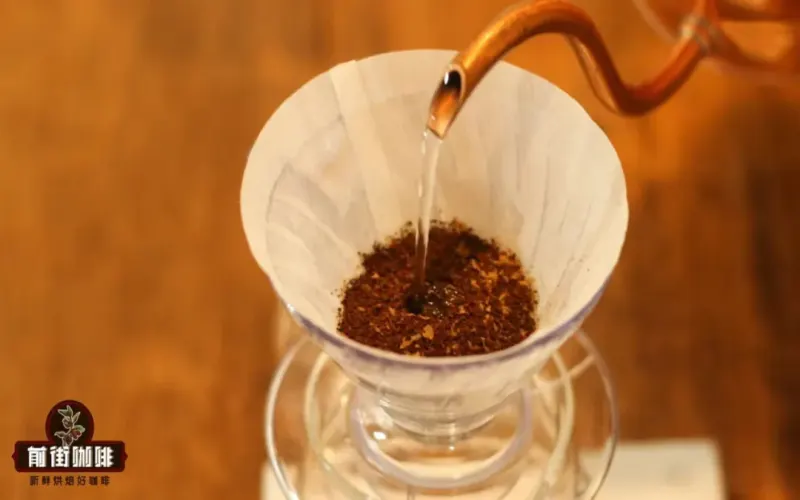
The Evolution of the Three Waves of Coffee: From the Popularization of Instant Coffee to the Pursuit of Quality—Is Instant Coffee Really Harmful to Health?
The development of coffee did not happen overnight, but went through three waves of far-reaching significance. The first wave brought coffee into millions of households in instant form, making it an everyday beverage for the masses; the second wave was sparked by Peet's Coffee founder Peet, who launched a quality revolution that promoted the widespread adoption of Arabica beans and the concept of fresh roasting; the third wave further pushed coffee toward specialization and experiential appreciation. Today, Front Street will sort through the origins and evolution of these three waves, while also answering a common question: is instant coffee actually harmful to your health? By reviewing history, we can more clearly understand the landscape and choices of today's coffee culture. [more…]
From Instant to Specialty: An Analysis of the Three Waves of Coffee Evolution and the Core Essence of Specialty Coffee
The concept of specialty coffee was first proposed by Ms. Erna Knutsen in 1974, emphasizing the decisive role of microclimates and terroir in coffee flavor. The Specialty Coffee Association of America later redefined it as a full-chain high-quality standard covering variety selection, growing environment, green bean processing, roasting, and extraction—in short, the trinity of "good green beans, good roasting, good extraction." Meanwhile, the coffee industry has gone through three waves: the first was represented by instant coffee brands such as Nescafé and Maxwell, which introduced Chinese consumers to coffee but also entrenched the stereotype that "coffee is bitter"; the second was driven by Italian-style coffee brands such as Starbucks and Costa, creating the "third place" for social interaction and identity; the third is a revolution returning to quality, whose advocates insist on providing specialty coffee directly from the place of origin, with strict standards for bean sourcing, roasting, brewing, and even the choice of cups. Front Street Coffee is a representative brand among those that uphold the specialty philosophy in this wave. [more…]
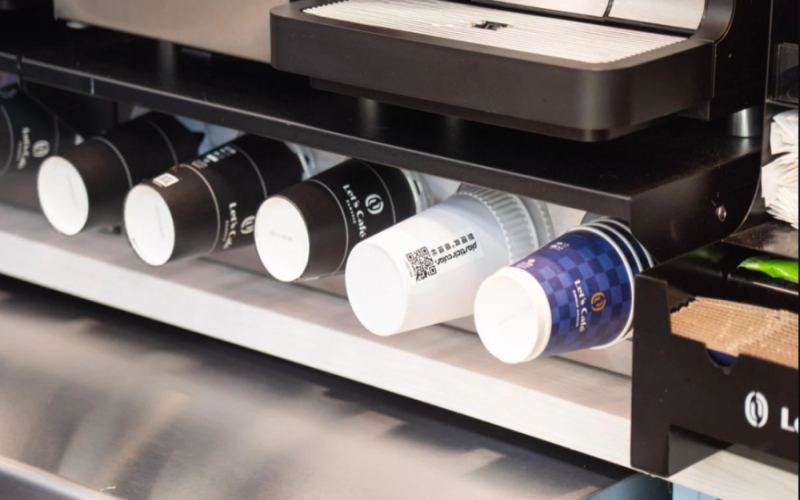
The Rise of Reusable Cup Waves: How Chain Brands from Starbucks to FamilyMart Are Driving New Coffee Plastic Reduction Practices
The normalization of coffee consumption and the prevalence of takeout culture have made disposable cups a pollution source that cannot be ignored. Environmental issues have long ceased to be a novelty in the coffee world—packaging innovation, coffee grounds reuse, paper straw replacements, as well as bring-your-own-cup discounts and in-store reusable cup pilots, are all being continuously explored. Recently, FamilyMart announced that it will massively roll out reusable cups to 400 stores in the Taiwan region, becoming East Asia's first convenience store chain to introduce reusable cups at scale. Previously, Starbucks launched a "borrowed cup" pilot in Seattle, and McDonald's also partnered with the Loop platform to test reusable cups. Can these initiatives truly change consumption habits and drive the industry to reduce plastic? This article will walk you through the practical paths of these pioneers and the real challenges they face. [more…]

Luckin's zero-sugar hit returns, stirring up waves again: Formula overhaul brings big taste changes, amid sugar substitute controversy and health concerns
Luckin Coffee recently relaunched last year's hit Coconut Cold Brew, and has announced that in May it will bring back popular products such as Orange Golden Sparkling Americano in phases. However, the reformulated zero-sugar version has sparked polarized reviews among consumers—some complain it's like "waiting for a cheating scumbag to change," with a taste vastly different from what they remember, while others question the medicinal taste brought by artificial sweeteners. From packaging updates to health controversies, this round of comebacks reflects the brand's difficult balancing act between the sugar-reduction trend and faithful flavor reproduction. This article sorts through the details of the product iterations and genuine feedback from netizens, and cites a University of Southern California study on how artificial sweeteners affect appetite, to explore whether zero-sugar drinks are truly healthier. [more…]
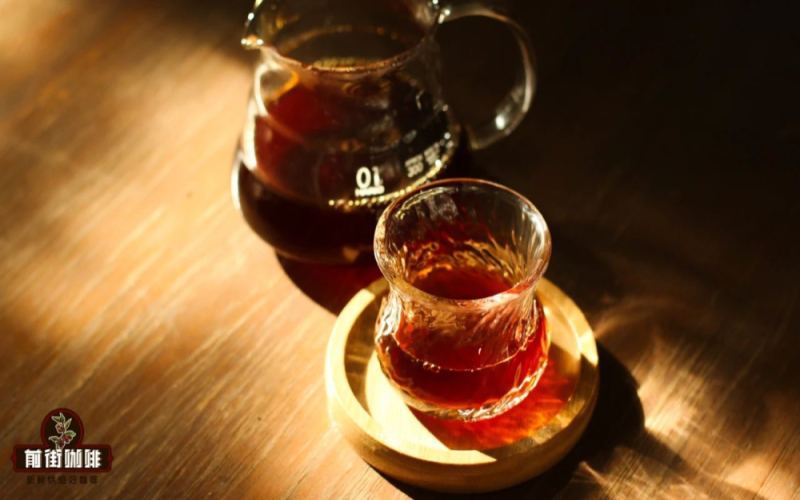
A Detailed Explanation of the Differences Among the Three Major Coffee Culture Circles: Japanese, Nanyang, and North American: Roasting, Brewing, and Wave Evolution
Coffee has evolved into strikingly different forms across the world's regions. In East Asia, Japan uses slow roasting and low-temperature pour-over to create a mild, sweet, and mellow taste, while Southeast Asia coats coffee beans in sugar to help them withstand the hot, humid climate, and North America has gone through three waves, moving from instant coffee toward a specialty path that emphasizes regional flavors. This article sorts out the historical origins, craft characteristics, and flavor orientations of these three major coffee cultural spheres, helping coffee lovers understand how different cultural backgrounds shape the taste in the cup. Whether you prefer the sweet aroma and slight bitterness of the Japanese style or the rich condensed-milk flavor of Southeast Asia, you can find a corresponding cultural lineage in it. [more…]

Successive Typhoons Batter Vietnam: Coffee Harvest Off to a Slow Start as Exports and Transport Come Under Pressure
Central Vietnam experienced strong winds and heavy rain after Typhoon Trami made landfall, damaging dikes, houses, farmland, and transportation and logistics infrastructure—just as the new coffee harvest season was getting underway. Looking back over the year, Vietnam's coffee industry first endured its worst drought in nearly a decade, then was hit by two typhoons in succession, Typhoon Yagi and Typhoon Trami, with the main producing areas in the Central Highlands also experiencing strong winds and heavy rain. Delayed harvesting, blocked roads, and closed ports combined to make new-crop supply even tighter; yet despite lower export volumes, export value hit a record high on rising prices. This article reviews the disaster impact, production and export data, and looks at price trends going forward. [more…]
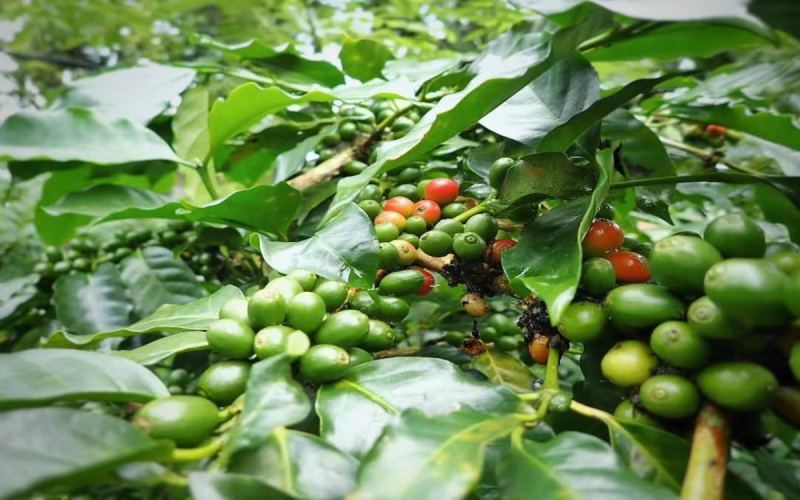
A Complete Analysis of Yunnan Small-Bean Coffee Varieties and Flavors: The Journey to Specialty Coffee from Typica to Catimor
Yunnan's Pu'er is undergoing a transformation from instant coffee raw material to specialty coffee, with Starbucks, young entrepreneurs, and specialty brands all rushing in. What makes Yunnan capable of growing coffee? It sits in the golden growing belt near the Tropic of Cancer, with suitable altitude and climate. From the first coffee tree planted by missionaries in Zhukula Village in 1904 to today, when Catimor has become the dominant variety, Yunnan coffee has gone through three waves of development. This article sorts out the variety evolution and flavor characteristics of Yunnan arabica coffee, as well as Front Street Coffee's practice of establishing its own estate in Lincang to grow Typica and adopting sun-dried processing, to help you rediscover the true standard of Yunnan specialty coffee. [more…]
Yunnan Coffee Varieties and Flavor Analysis: Is Arabica Really Catimor?
Yunnan coffee has attracted much attention in recent years, but many people still have questions about its varieties and flavors. This article sorts out the three waves of coffee cultivation in Yunnan, from its introduction to its rise, with a focus on explaining the relationship between Catimor and Typica, as well as the origin of the name "Yunnan small-bean coffee." At the same time, Front Street Coffee has established its own estate in Lincang to grow Typica, using sun-drying processing and medium roasting, presenting citrus, berry, and caramel sweetness. Whether you are new to Yunnan beans or want to gain a deeper understanding of their varietal evolution, this article can provide a clear professional perspective. [more…]

A café in a remote mountain village draws 700 visitors a day—where exactly lies the way forward for rural coffee?
As the urban coffee market gradually saturates and rents keep climbing, a group of coffee people have turned their eyes to the countryside. Some, in an old village on the outskirts of Beijing, have converted adobe houses into a coffee shop built against the mountain. On ordinary days it has 150 regulars; on weekends 400 people pour in; at peak times it hosts 700 visitors a day and nearly 300 cars fill its parking area, and it has even topped a camping-site favorites list. Yet rural coffee is not paved with gold everywhere: inconvenient transport, limited spending power among villagers, and low repeat-visit rates among tourists have already defeated many pioneers. Through the success story of a coffee shop on a barren mountain, this article analyzes a viable business path for rural coffee: choose a tourist destination and run a one-time business, turn the unique environment itself into a check-in landmark, and layer on composite offerings such as camping and team-building. [more…]
From Instant to Specialty: A Comprehensive Analysis of Coffee Culture Evolution and Tasting Methods
Coffee is no longer just a pick-me-up; it is a lifestyle that requires understanding to truly savor. This article traces how the three waves of coffee have transformed the coffee journey of Chinese people—from instant coffee blended with creamer, to chain cafés creating a conceptual environment, to specialty coffee advocates returning to the essence of quality. It explains in detail the origins of specialty coffee and the SCAA definition, clarifies the difference between commercial beans and specialty beans, introduces the flavors of well-known single-origin coffees such as Front Street Coffee Blue Mountain, Yirgacheffe, Mandheling, and Geisha, and reveals the science behind roasting and the ritual of pour-over coffee. Only by understanding these things can you truly taste the good coffee in your cup. [more…]
A Complete Guide to Yunnan Coffee Varieties and Flavors: The Arabica Black Coffee Sweet-vs-Bitter Debate and Front Street's Origin Practices
Yunnan coffee has become a hot topic in the recent wave of guochao (national trend) beverages, and many people walk into cafés and ask whether they have good-tasting Yunnan beans. This article systematically sorts through the growing conditions, historical origins, and three waves of development of Yunnan coffee, explains in detail the origins, flavor characteristics, and acidity-bitterness performance of the two major varieties, Typica and Catimor, and introduces Front Street Coffee's practice of growing sun-dried Typica on its own estate in Lincang, along with brewing parameters and flavor descriptions, to help coffee lovers gain a comprehensive understanding of the varietal quality and flavor direction of Yunnan small-bean coffee. [more…]
The Evolution of Yunnan Coffee Varieties and American-Style Brewing: An In-Depth Interpretation from Front Street Lincang Typica to Espresso Blend Beans
In recent years, the trend of domestic products has boosted Yunnan coffee, and many enthusiasts walk into cafés and ask whether there is Yunnan small-bean coffee. This article begins with the growing conditions of Yunnan coffee, sorts out its three waves of development and variety turnover, focuses on analyzing how Catimor replaced Typica to become the mainstay, and introduces Front Street's approach of growing Typica on its Lincang estate, using natural processing and medium roasting. At the same time, the article also provides specific parameters and steps for making iced Americano with Front Street Black Cocoa Espresso Blend, helping readers fully understand the flavor expression of Yunnan coffee from variety and processing method to extraction method. [more…]
A year-on-year increase of 13%! Indian coffee exports have surged but are still affected by the Red Sea crisis.
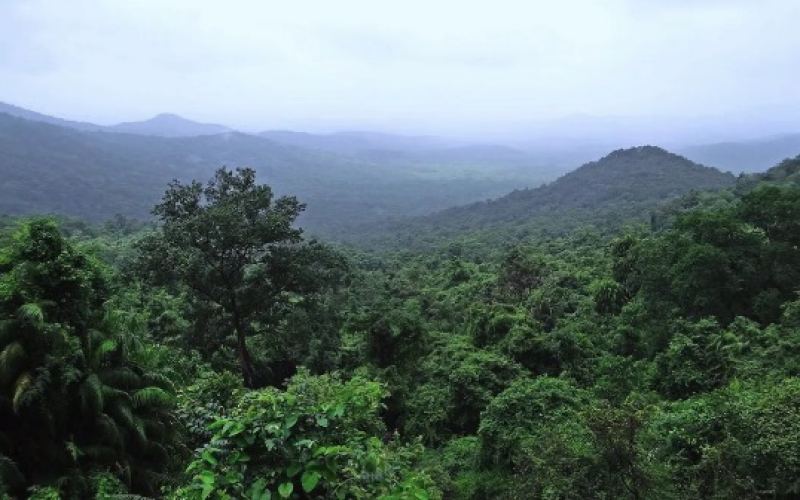
India is the earliest country in Asia to grow coffee, and its output ranks sixth in the world. Recently, the price of coffee has continued to rise. The reason for the rise in price is that Vietnam has suffered from heat waves and droughts, affecting [more…]
Deep-Roasted Mandheling Pour-Over Techniques and Flavor Tasting: A Complete Guide from Wet-Hulled Processing to Golden Mandheling
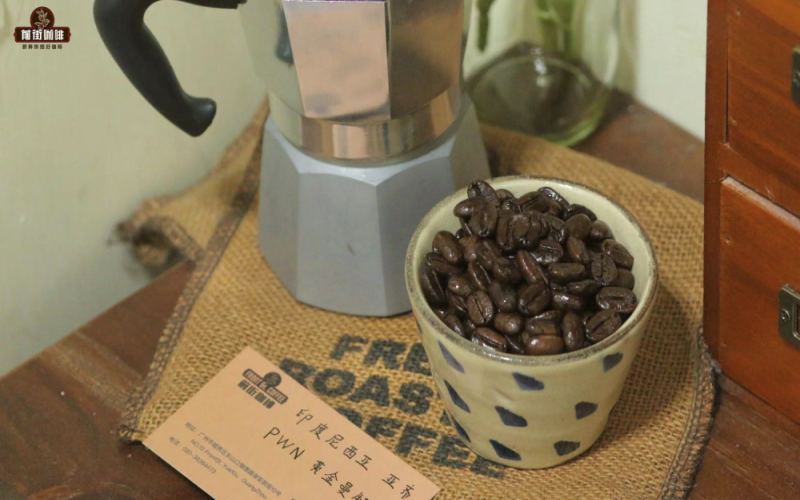
From instant coffee and espresso to specialty coffee, the three waves of coffee have made light roasts the mainstream, but not all beans are suited to light roasting. In this article, Front Street Coffee uses Mandheling, a representative of dark roasting, as an example to discuss the unique charm of dark-roasted coffee. Mandheling is not the name of a region or a variety, but a story that evolved from a misunderstanding during World War II, and it usually refers to Sumatran coffee. It is processed using the wet-hulled method, has low acidity, and relies on dark roasting to bring out caramel, herbal, and cocoa flavors. Front Street currently sells two options, Lintong Mandheling and PWN Golden Mandheling; the former is a G1 everyday drinking bean, while the latter is rigorously screened and stands out in quality. The article will also share the pour-over parameters and tasting points for dark-roasted Mandheling. [more…]
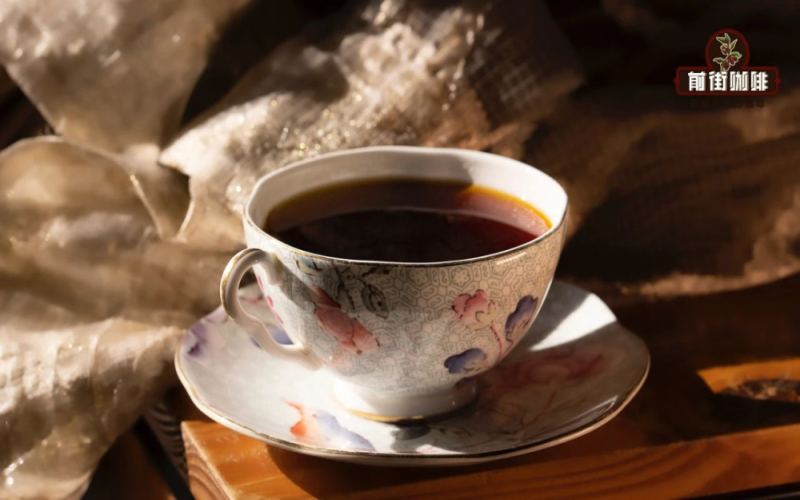
Interpreting the Flavor Characteristics of Geisha Coffee: How to Choose Delicious and Affordable Panama Geisha Coffee Beans
The reason Geisha coffee has been able to make waves in the specialty coffee world lies in its signature floral aroma and fruity notes. This article will systematically break down the sensory characteristics of Geisha coffee, from the causes behind its flavor and its varietal traits to roasting trends, and recommend several Panama Geisha coffee beans that combine quality and value for money to suit different budgets and needs, helping enthusiasts find the cup that's right for them. [more…]
The Unique Charm of Dark Roast Coffee Beans: Using Mandheling as an Example to Analyze Dark Roast Flavor and Price Reference
As coffee waves have evolved to the present day, light-roasted beans have become the market mainstream thanks to their clean, bright acidity, but not all coffee beans are suited to light roasting. Is there nothing left to dark-roasted coffee but bitterness? This article takes Front Street Coffee as an example and uses the most representative Mandheling as an entry point to sort out the flavor characteristics and appeal of dark-roasted coffee. From the historical origins of the name Mandheling, to how the wet-hulled process shapes its low-acid, full-bodied regional character, to the grading standards and brewing suggestions for Golden Mandheling, the full text will present the complete thread of dark-roasted Mandheling from green bean to cup, and will also include the specific brewing parameters and flavor descriptions for two Front Street Mandheling coffees. [more…]
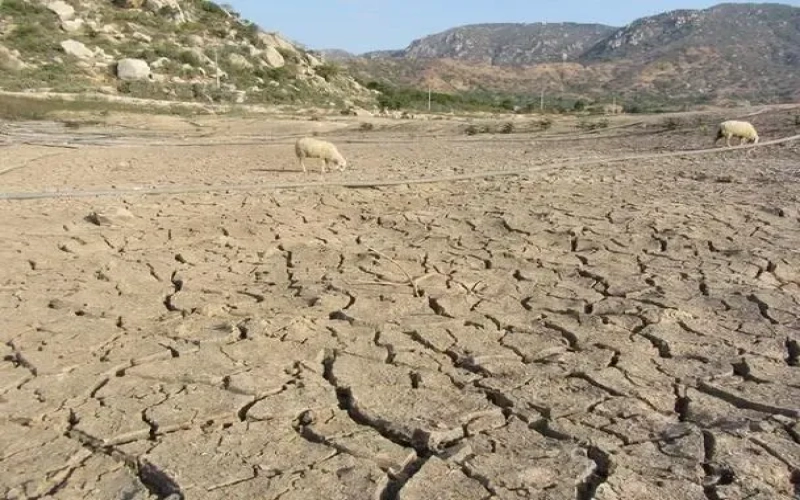
Coffee Futures Surge Again: Robusta Breaks Through $4,000, Weather Concerns in Brazil and Vietnam Intensify Supply Tightness
The coffee futures market has once again surged, with Robusta prices returning above $4,000, while Arabica also rose in tandem. Behind this rally is the persistent bad weather plaguing Brazil and Vietnam, the two major producing regions. Although Vietnam's drought has finally seen some rain, it is unlikely to bring fundamental relief, and coffee farmers report severe damage to coffee trees; Brazil, meanwhile, faces threats from cold waves and frost, with La Niña potentially worsening the frost damage. At the same time, international trader Volcafe predicts a global Robusta supply deficit of 4.5 million bags. Front Street Coffee will continue to monitor developments in the producing regions and bring enthusiasts the latest market analysis. [more…]
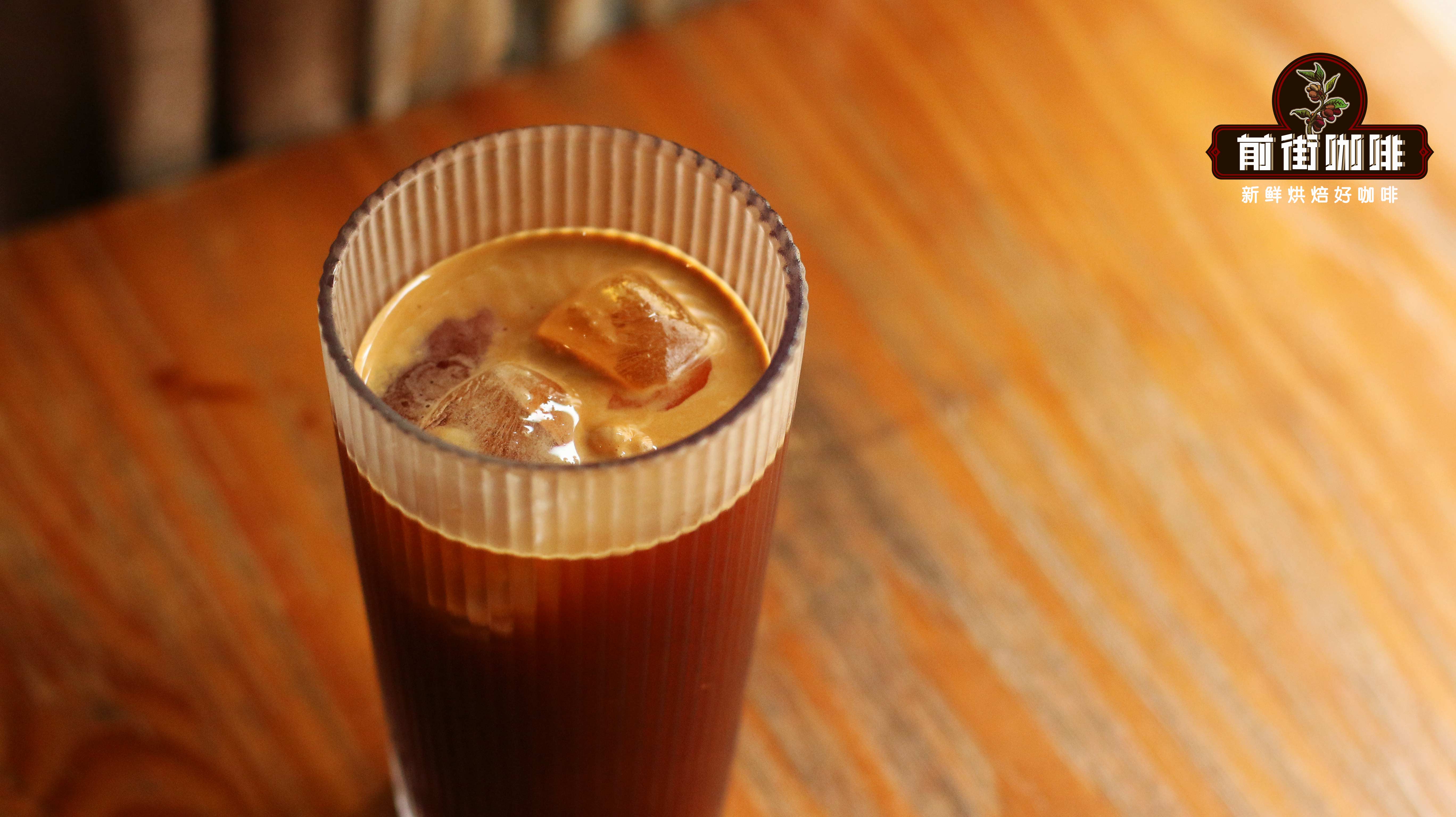
American Coffee Ratio Parameters | How Can Coffee Newbies Make Iced Americano and Hot Americano at Home? Is Americano Black Coffee Better Without the Crema?
For more specialty coffee knowledge, please follow: Front Street Coffee (Frontsteet Coffee). With the development of the times, coffee has also continuously progressed. Having experienced two waves of coffee, although we are now in the third wave of specialty coffee, espresso remains important. Espresso [more…]
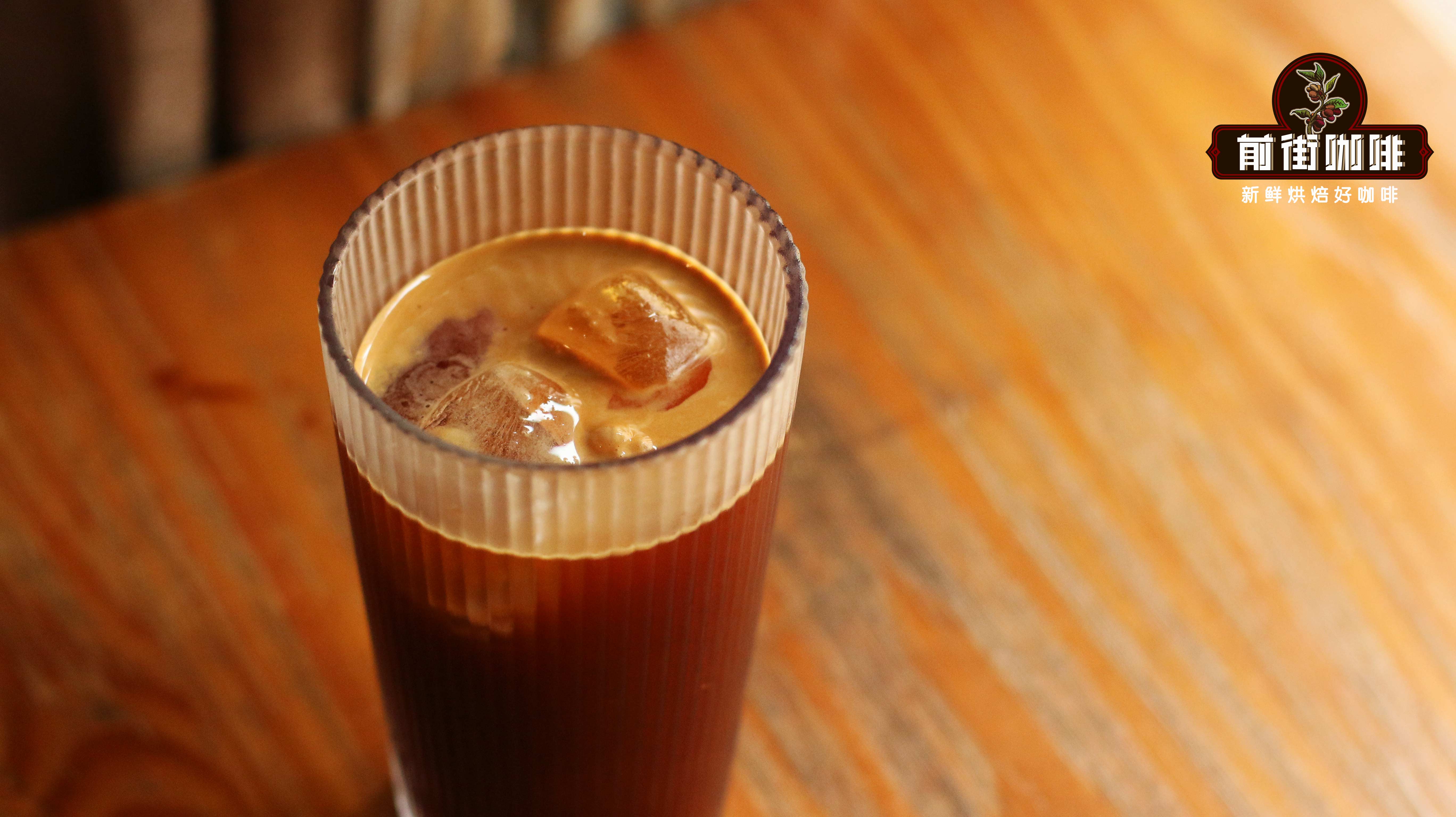
American Coffee Beginner's Guide | What's the Best Coffee-to-Water Ratio for Americano? How Does an Americano Taste Without Crema?
With the development of the times, coffee has also continuously advanced. Having experienced two waves of coffee, although we are now in the third wave of specialty coffee, espresso remains important. The skill of making espresso is a must-have for every barista, and almost every café serves espresso. Front Street often [more…]
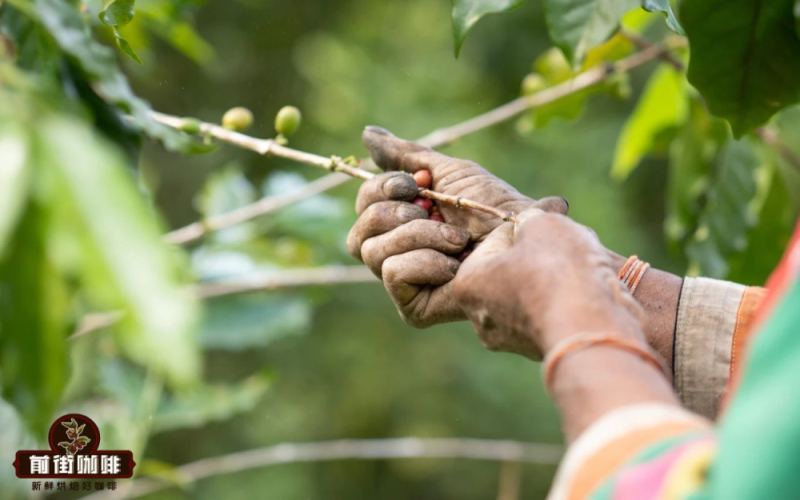
A Century of Yunnan Small-Bean Coffee Farming and an Analysis of Its Varieties and Flavors | Front Street Coffee's Journey of Reviving Typica from Scratch
In recent years, Yunnan coffee has frequently won awards in green bean competitions, gradually becoming a producing region that cannot be ignored in the specialty coffee market. This article traces the historical thread of Yunnan coffee from the introduction of Typica a century ago, through the shifts of three waves of cultivation, to Catimor now accounting for 99% of production. It analyzes why Yunnan coffee focuses more on processing methods than on varieties, and records the complete story of Front Street Coffee's choice to start planting Typica from scratch and its eight-year exploration of the path toward specialization. [more…]