







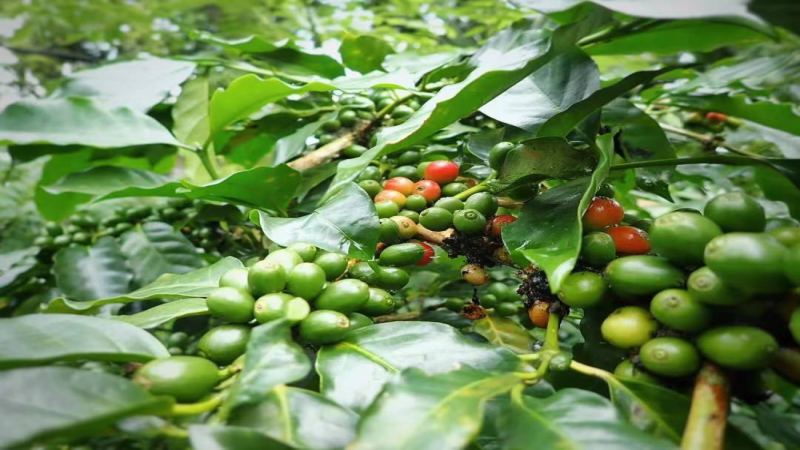
Yunnan Pu'er is undergoing a transformation from instant coffee raw material to specialty coffee, with Starbucks, young entrepreneurs, and specialty brands all rushing in. Why can Yunnan grow coffee? It is located in the golden growing belt near the Tropic of Cancer, with suitable altitude and climate. From the first coffee tree planted by missionaries in Zhukula Village in 1904 to today when Catimor has become the main variety, Yunnan coffee has gone through three waves of development. This article reviews the variety evolution and flavor characteristics of Yunnan Arabica coffee, as well as Front Street's practice of establishing its own estate in Lincang to grow Typica and adopting natural processing, to help you re-understand the true level of Yunnan specialty coffee.
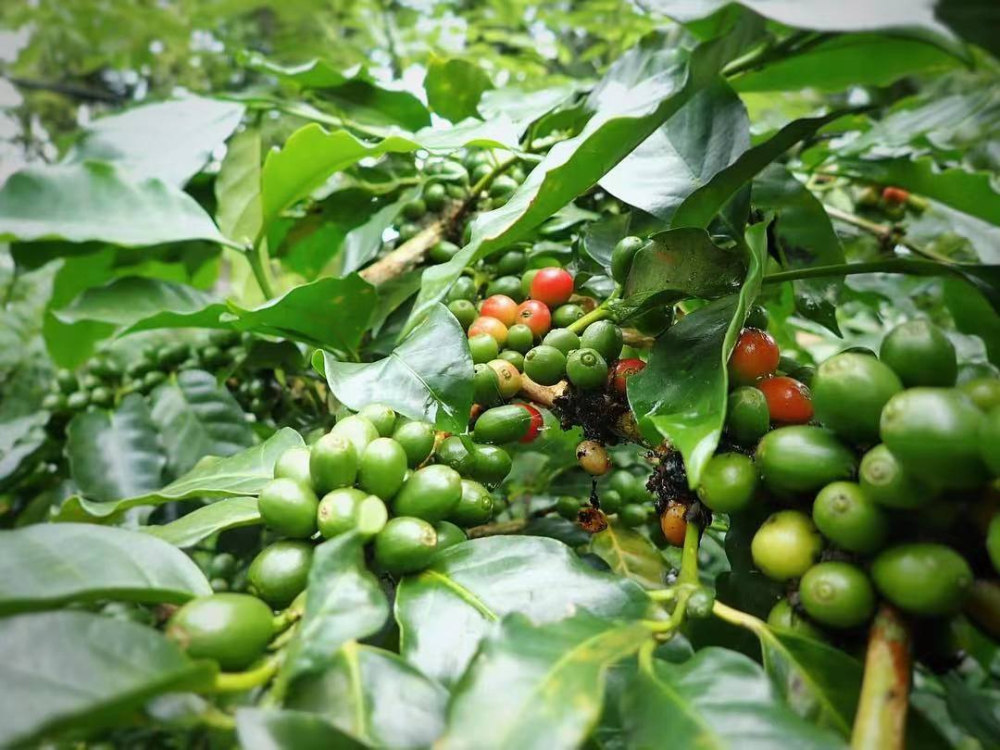
Front Street Yunnan Coffee Primer: Yunnan also has specialty coffee beans, and they are not as bad as you think
It is not only the specialty coffee shops constantly springing up in cities; the coffee industry in Pu'er, Yunnan, is also undergoing a transition from the instant coffee era to the third wave of coffee. Starbucks, young coffee lovers, and specialty coffee brands have all come to this small Yunnan city with the mindset of achieving something.
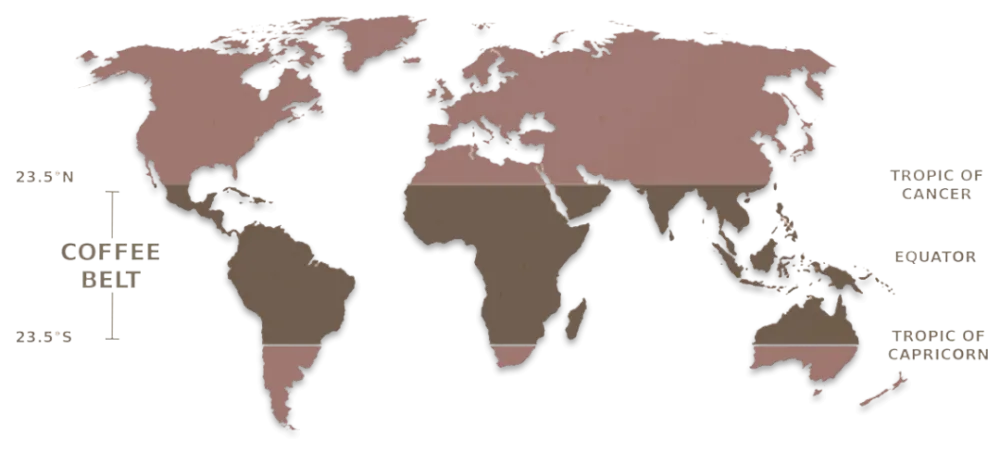
Everyone knows that for crops to obtain outstanding flavor, suitable growing conditions are indispensable. In addition to sufficiently high altitude, climate is also a key factor. Many well-known coffee-producing regions are located in the "coffee golden growing belt" between the Tropic of Cancer and the Tropic of Capricorn.
On China's vast land, only Yunnan and Taiwan can simultaneously satisfy the location of the golden growing belt and suitable altitude conditions. However, for China, tea is the native product, while coffee is an introduced crop. China's earliest documentary record of coffee cultivation appeared in 1877. In the "Regulations on the Aftermath of Pacifying the Aborigines and Opening the Mountains" drafted by Fujian governor Ding Richang, it was mentioned that the indigenous people of the Ryukyu Islands should be made to grow a series of cash crops to replace their hunting life, thereby achieving the purpose of civilizing them, and coffee was among them.
The earliest region in mainland China to cultivate coffee was Yunnan. Both the "Binzhou County Gazetteer" and the "History of Catholicism in Yunnan" record that in the thirtieth year of the Guangxu reign (1904), the French Catholic missionary Tian Deneng was sent by the Dali diocese to Binchuan Prefecture, built a church in Zhukula Village, and planted the first coffee tree, solely for his own consumption.
To date, Yunnan coffee cultivation has gone through three waves:
The first wave occurred in the 1950s and 1960s. At that time, most people did not even know what coffee was, let alone its taste. The coffee beans then were used for export to the Soviet Union to repay loans, with cultivation managed by Yunnan State Farms and unified purchasing by the national foreign trade department. The main planting farms included Baoshan Lujiang Farm, Xincheng Youth Farm, Dehong Zhefang Farm, Ruili Farm, Wanding Farm, Wenshan Babu Farm, and Tianbao Farm. The varieties were locally propagated Typica and Bourbon variants.
As the loan repayment task ended, the foreign trade department no longer actively purchased Yunnan coffee beans. At the same time, the spread of coffee diseases caused a large number of coffee trees to become infected or even die. To stop the spread of disease, large-scale felling had to be carried out, and the planted area was once reduced to less than 3,000 mu.
The second wave began in the 1980s after reform and opening up. In 1988, Nestlé strongly supported Yunnan's coffee industry and actively promoted the Catimor variety locally. Catimor's yield is three times that of Typica, and its disease resistance is stronger. Farmers had limited understanding of flavor and cared more about purchase prices and fruit yields. As a result, Catimor gradually replaced Typica and became the main variety of Yunnan coffee, once accounting for 90% of Yunnan's coffee output.
The third wave appeared after 2000. China's rapid economic development attracted the attention of many coffee brands, and the concept of specialty coffee also entered China. As specialty coffee gained popularity, variety selection and cultivation work for Yunnan coffee actively unfolded. At present, the specialization process of Yunnan coffee is still advancing.
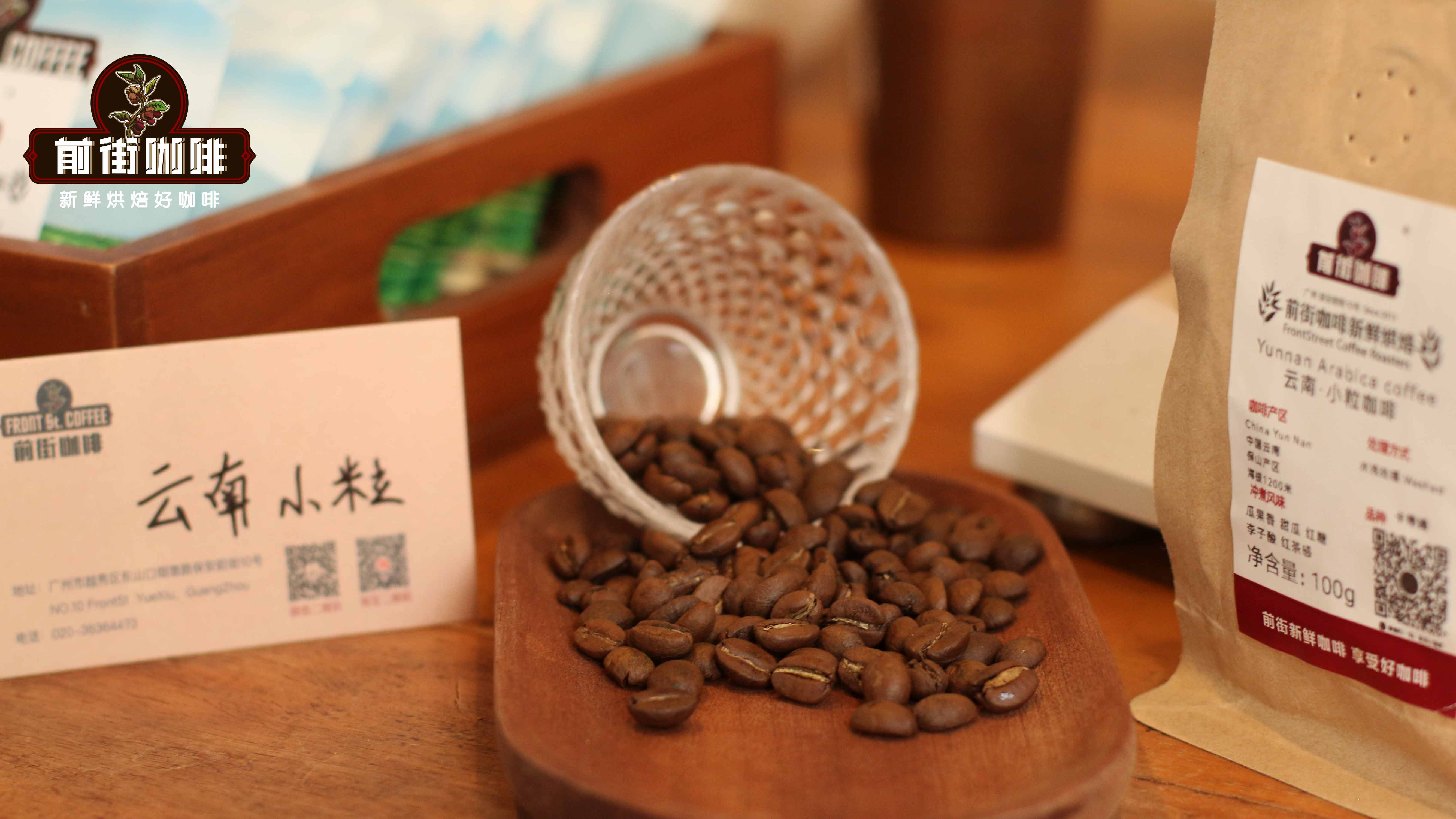
Yunnan Arabica coffee was originally named after Typica, because Typica's beans are small, in contrast to the medium-sized Robusta grown in Hainan, hence the name "small bean." Front Street has also mentioned that because Catimor has high productivity and strong disease resistance, many growers painfully cut down Typica and switched to Catimor. At present, the planted area of Catimor in Yunnan is still very large, and the variety referred to by Yunnan Arabica coffee is more often Catimor. If you want to experience the basic origin flavor of Yunnan coffee, buying Front Street Yunnan Arabica is the right choice. It uses washed processing and medium roasting, presenting a soft profile of chocolate, brown sugar, and nuts.
Catimor was developed in 1959 by the Portuguese Coffee Leaf Rust Research Center CIFC and is a hybrid of the Timor variety and Caturra. It inherits Timor's Robusta genes, has better resistance to coffee berry disease and coffee leaf rust, and also has a certain resistance to coffee pests.
Regarding Catimor, Taiwan specialty coffee master Han Huaizong once described it as having a "devil-like aftertaste." Because it carries Robusta genes, Catimor coffee may present an earthy, fishy taste. Of course, with improvements in cultivation techniques and processing methods, the flavor of Yunnan Catimor is also continuously improving.
In order to pursue the taste of Yunnan's terroir, Front Street Coffee established its own coffee estate in Lincang. The Lincang production area is located in southwestern Yunnan, with the Tropic of Cancer running across its southern part. It borders Pu'er, Dali, and Baoshan, and adjoins Myanmar to the southwest, making it a pearl on the southwestern frontier of the motherland. The planting altitude here is above 1,000 meters, the annual temperature is about 17 degrees Celsius, the dry and wet seasons are distinct, and sunshine is abundant, providing excellent conditions for Front Street to grow Typica coffee trees.
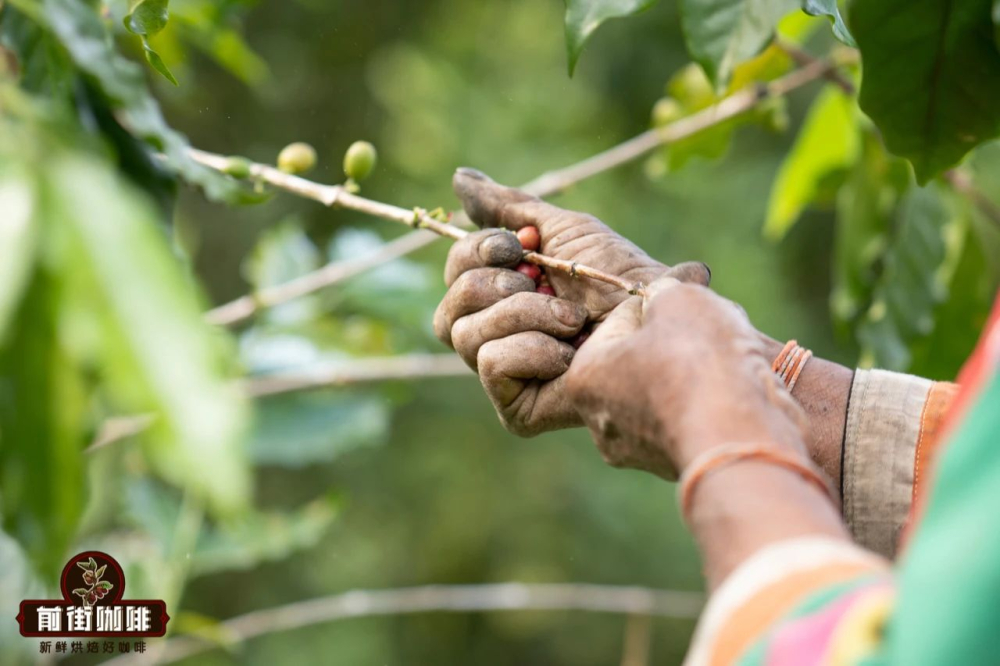
The Typica grown on Front Street Coffee Estate adopts the natural processing method, spreading ripe coffee cherries evenly and completely on raised beds to dry in the sun, and turning them from time to time to avoid uneven drying that produces unpleasant fermented notes. Keeping the whole fruit allows more sugars to penetrate into the green beans, making this coffee rich in aroma and sweeter, allowing people to taste the pure flavor of Yunnan specialty coffee.
The above content is compiled by CoffeeHunters, a coffee news website.


