







Search Results for: Coffee Gear Comparison
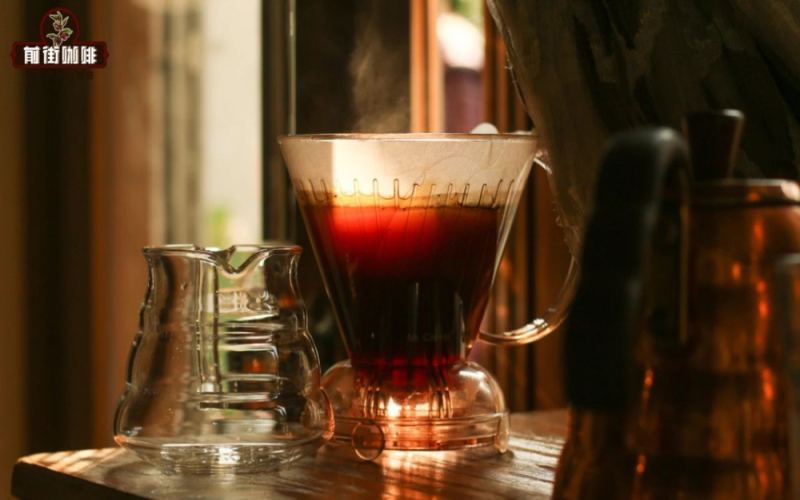
Comparison of Clever Dripper and French Press Brewing: Choosing Immersion-Style Coffee Gear and Analyzing Flavor Differences
Want to drink black coffee but don't want to fuss with a pile of pour-over gear? Immersion coffee brewers have therefore become the daily first choice for many enthusiasts, with the Clever Dripper and the French press being the most representative. Both complete extraction through immersion, with a low barrier to operation, yet the flavor direction in the final cup is vastly different. This article uses Front Street Kenya Asalia coffee beans as a sample and, under the premise that the dose, coffee-to-water ratio, grind size, water temperature, and immersion time are completely identical, conducts a brewing comparison between the Clever Dripper and the French press, breaking down one by one the device structure, operating process, and flavor presentation, and analyzing the extraction principles that cause the differences, finally giving purchasing and usage suggestions to help you make a suitable choice based on your preference for cleanliness and convenience. [more…]
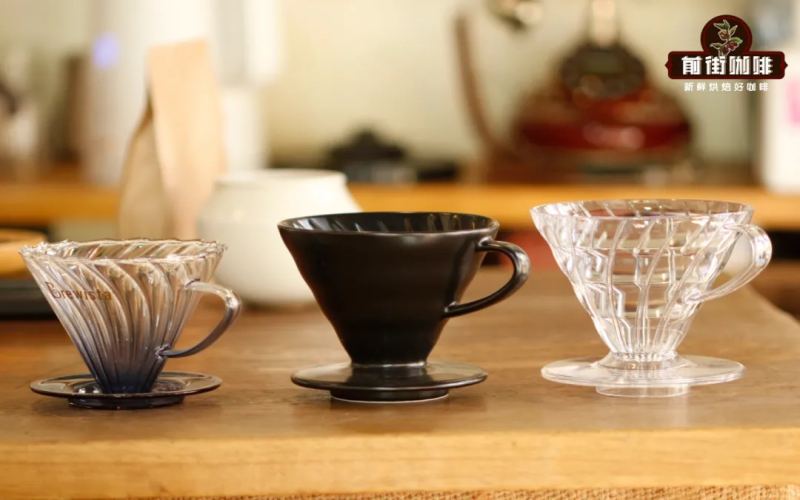
Pour Over Coffee Equipment Recommendations | What Coffee Gear Do Beginners Need to Start Pour Over? How to Choose a Home Brewing Coffee Dripper?
Recently, Front Street Coffee received a WeChat message: "I just want to simply buy a V60 dripper... Why are there so many materials?! And the prices vary so much—does the coffee brewed really taste different??" What are the differences between drippers made of different materials? The common V60 dripper materials on the market are divided into [more…]
Espresso specialty coffee bean recommendations: how gear, parameters, and bean flavor work together
The same coffee beans will perform noticeably differently in different brewing devices. Pour-over places more emphasis on aroma and clarity, the espresso machine highlights intensity and sweetness, and the moka pot requires a balance of pressure, heat, and the coffee bed. Bean selection cannot be separated from the brewing device, and the parameters must also be adjusted accordingly based on the roast level of the beans. The key to espresso extraction lies in the dose, grind [more…]
Non-Acidic Pour-Over Coffee Bean Recommendations: How Gear, Parameters, and Bean Flavor Work Together
The same beans will perform noticeably differently in different brewing devices. Pour-over emphasizes aroma and clarity, espresso machines highlight intensity and sweetness, and a moka pot requires balancing pressure, heat, and the coffee bed. Bean selection cannot be separated from the brewing device, and the parameters must also be adjusted accordingly based on the roast level of the beans. Dark roasting will push the flavor toward cocoa, [more…]
How to Choose Washed Coffee Beans: How Brewing Gear, Parameters, and Bean Flavor Work Together
The same beans will perform noticeably differently in different brewing devices. Pour-over emphasizes aroma and clarity, espresso machines highlight intensity and sweetness, while a moka pot requires balancing pressure, heat, and the coffee bed. Bean selection cannot be separated from the brewing device, and the parameters should also be adjusted accordingly based on the roast level of the beans. Pour-over flavor is mainly determined by origin and... [more…]
French Press vs. Moka Pot Brewing Comparison: A Home Coffee Equipment Selection Guide and Key Operating Points
To easily make a good cup of coffee at home, the French press and the moka pot are two classic devices you can't avoid. Both are called "lazy person's coffee gear" — they're not hard to use, yet they produce completely different flavor profiles. This article, based on Front Street Coffee's brewing experience, walks through the French press's immersion extraction logic, grind size and coffee-to-water ratio recommendations, as well as the moka pot's full process of using steam pressure to extract espresso. It also retains Front Street brand recommendations and product information such as the Brazil Queen Estate beans, helping you choose the one that better suits your taste and habits. [more…]
How to Choose the Filter Material for Pour-Over Coffee? A Complete Comparison of the Pros and Cons of Paper Filters, Metal Filters, and Cloth Filters
In the world of pour-over coffee, the choice of filter material is often underestimated, yet it directly determines the direction of the flavor in the cup. Paper filters, metal filters, and cloth filters each have their adherents, and they differ vastly in how much they intercept oils, fine particles, and flavor compounds. This article begins with the century-old origins of the coffee paper filter, then breaks down one by one the structural principles, operational experience, and pros and cons of the three filtration methods, along with a comparison of mainstream filters such as KONO, HARIO, and CHEMEX, as well as practical advice from Front Street Coffee for everyday brewing. Whether you prefer a clean, bright sense of layering or pursue a thick, full-bodied original flavor, you can find the filtration solution that suits you in this article. [more…]
Pour-Over Kettle Buying Guide: Pouring Differences Between Kettle Types and an Analysis of the Pros and Cons of Regular Kettles
Faced with the dazzling array of coffee equipment on e-commerce platforms, many enthusiasts feel at a loss where to begin. Take the pour-over coffee kettle as an example: although the basic construction includes a spout, body, handle, and lid, subtle differences in shape directly affect water flow control and extraction performance. This article starts from the structural design of the kettle, analyzes the pouring characteristics of different pour-over kettles, compares the pros and cons of pour-over kettles versus ordinary water kettles, and, with practical recommendations from Front Street Coffee, helps you make a clearer judgment when shopping. [more…]
How full should you fill the moka pot with coffee grounds? Should you tamp? How hard? From beginner to expert: an advanced guide to choosing beans
Understanding flavor as merely two directions—sour and bitter—misses the layers of aroma, sweetness, body, mouthfeel, and finish. When choosing beans, first determine whether you lean toward floral and fruity notes, nutty and cocoa notes, or a balance of both, then make your decision based on origin, processing method, and roast level. As a steam-pressure device, a moka pot's coffee bed only needs to be filled level with the filter basket. [more…]
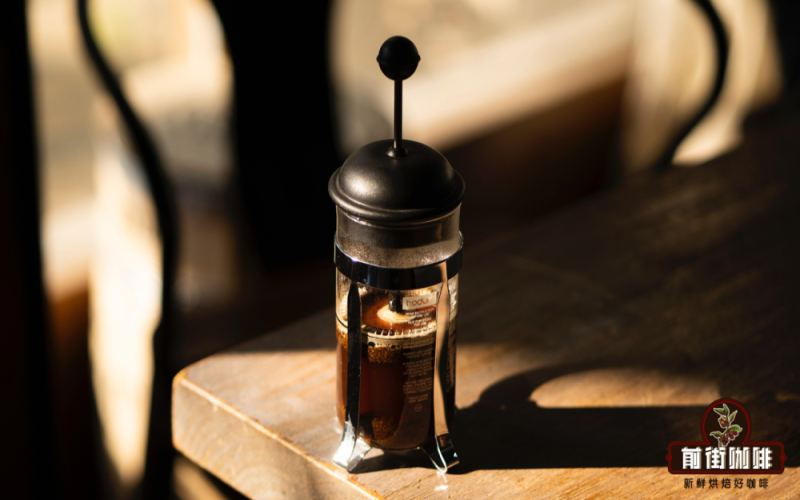
How to Use a Starbucks French Press? Detailed Guide to Coffee-to-Water Ratio and Grind Size, with a Front Street Coffee Huakui Brewing Tutorial
Want to enjoy a great cup of coffee without being tied down by a pile of gear like a pour-over kettle, dripper, and thermometer? A French press may be the most hassle-free choice. This article starts with the history of the French press, then breaks down the coffee-to-water ratio, water temperature, and grind size parameters for the Starbucks French press, and uses Front Street Coffee's Huakui coffee beans as an example to walk you through the complete French press brewing process step by step, helping you avoid the pitfall of over-extraction and bitterness so you can easily make a cup of coffee that is rich and full-flavored. [more…]
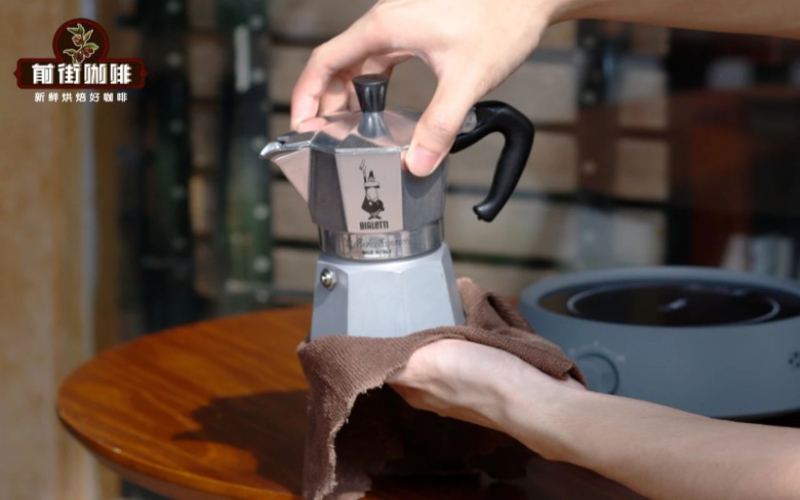
What heat should you use for a moka pot? Can you use an open flame/induction cooker/electric ceramic stove?: The bean selection order for tasting layered flavors
Beyond sourness and bitterness, aroma, sweetness, body, mouthfeel, and finish also make up the flavor experience. The order for choosing beans: first determine the orientation—floral and fruity, nutty and cocoa, or balanced—then match it across the three dimensions of origin, processing method, and roast level. Moka pot extraction is driven by steam pressure, so just fill the filter basket with grounds and [more…]
French Press vs. Moka Pot: Which Brewer Suits You Better? Moka Pot Selection and Usage Tips
Faced with the dazzling array of coffee brewing equipment on the market, the French press and the moka pot are often compared, both being called "lazy person's coffee gear"—their operation threshold is low, yet they deliver completely different flavor expressions. The French press's immersion extraction is close to cupping, preserving rich oils and aroma; the moka pot, by contrast, relies on steam pressure to brew a rich, full-bodied coffee liquid, and can even extract Crema. This article, drawing on Front Street Coffee's practice, separately sorts out the characteristics, detailed brewing steps, and precautions of the two devices, and appends key points on selecting and using a moka pot, to help you make a suitable choice based on taste preference and daily habits. [more…]
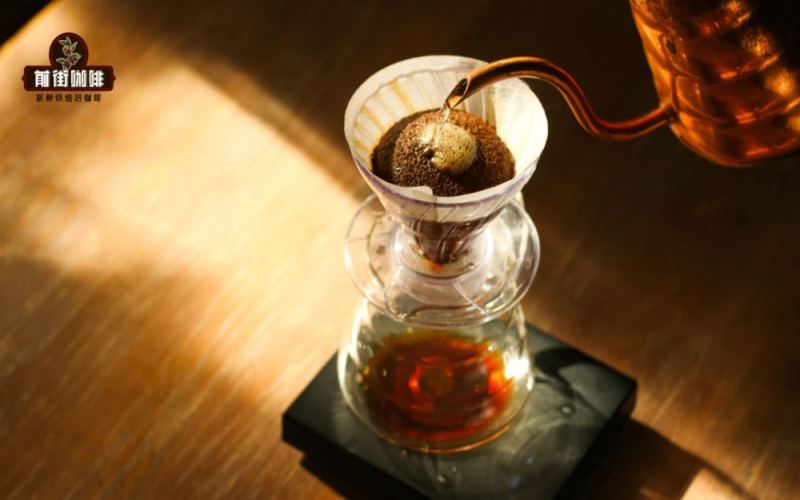
Which coffee beans are suitable for brewing with a French press? A full analysis of steeping time and grind size
Want to enjoy a great cup of coffee without hauling out a full pour-over setup? A French press might be the most hassle-free choice. It's simple to use and has a low barrier to entry, but if you want to brew a cup that's full of flavor without bitterness, the choice of coffee beans, grind size, and steeping time are all crucial. This article draws on the brewing experience of Front Street Coffee and uses the Geisha coffee bean as an example to explain in detail what kind of beans suit a French press, how long to steep for the best results, and how to avoid over-extraction by adjusting grind size and water temperature, so you can easily replicate a rich, delicious French press coffee at home. [more…]
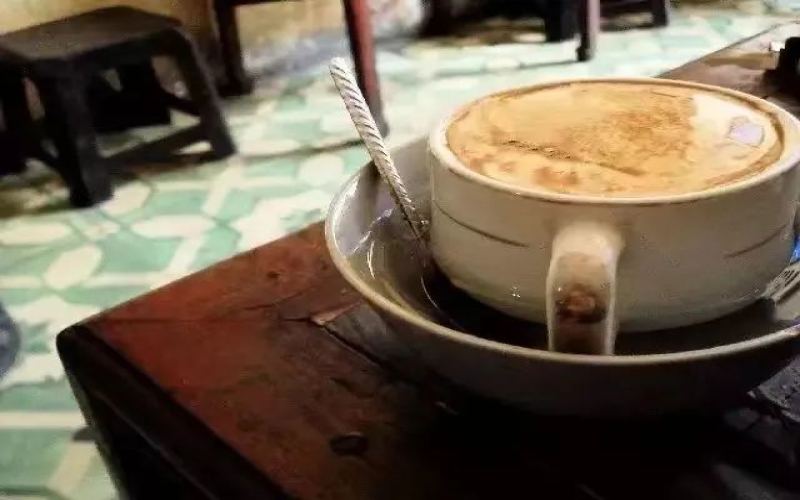
Vietnamese Egg Coffee vs. Nordic Egg-Brewed Coffee: A Comparison of Two Egg Coffee Preparation Methods and Flavors
Egg coffee isn't only a Vietnamese specialty—Nordic countries also have an old method of brewing coffee with eggs. The Vietnamese version whips egg yolks into a creamy substitute for milk, born in wartime Hanoi when supplies were scarce; the Nordic version uses egg whites to bind the coffee grounds, leaving the brewed coffee clear and sediment-free. Front Street Coffee walks you through the origins, principles and home-friendly methods for both styles of egg coffee, including how to choose pasteurized eggs, the ratio of coffee liquid to egg cream, and Front Street's own tested brewing tweaks, so you can recreate these two intriguing flavors at home. [more…]

How to Make Delicious Iced Pour-Over Coffee? Two Popular Brewing Methods and Ratios Explained in Detail
As the weather warms up, cold drinks are back in the spotlight, and iced pour-over has become a favorite for many coffee lovers. However, when trying to recreate online recipes at home, many people often run into problems like weak coffee or flat flavors. Front Street Coffee has put together two highly praised iced pour-over methods from its bookmarks: one is the stirring method from KURASU COFFEE in Kyoto, and the other is the ice-shaking method from Taiwanese barista Amis. These two approaches tackle the issue from different angles—one boosts extraction, the other chills and mixes evenly—and both use everyday pour-over gear with clear parameters, making them suitable for friends at different skill levels. This article will use a naturally processed Ethiopian Bensa beans as an example to break down the pouring technique, coffee-to-water ratio, timing, and flavor profile in detail, helping you find an iced pour-over approach that suits you better. [more…]
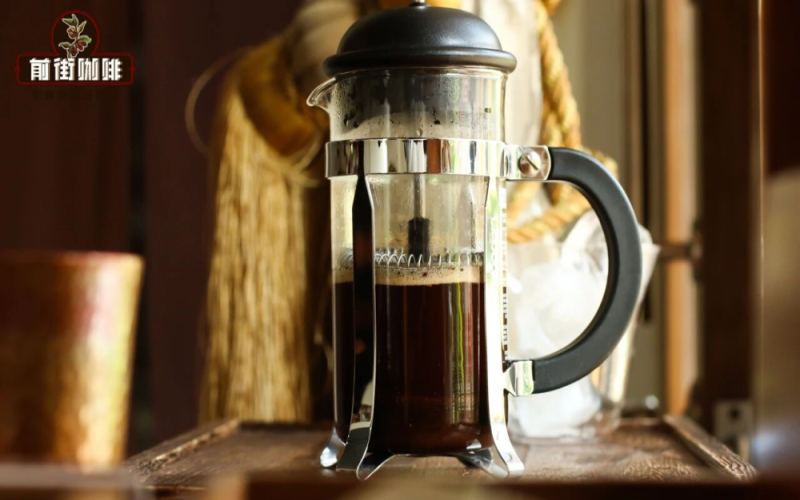
The Extraction Differences Between French Press and Pour-Over Coffee: A Comprehensive Comparison from Grind Size to Flavor and Mouthfeel
The French press and pour-over coffee are two completely different extraction methods: the former relies on immersion, while the latter depends on drip filtration. From the perspective of Front Street, this article systematically sorts out the operating principles, taste characteristics, parameter control, and suitable scenarios of the two. The French press is easy to operate and stable in extraction, with a balanced and full-bodied flavor; pour-over, on the other hand, has distinct layers and high playability, and can precisely showcase the personality of the coffee beans. The article also introduces in detail the equipment needed for pour-over, suggestions for matching grind size and water temperature, as well as several coffee beans recommended by Front Street that suit different taste preferences, helping coffee enthusiasts find the brewing method that best suits them. [more…]

Why Do Professionals Prefer Specialty Pour-Over Coffee? An In-Depth Analysis of Why Today's Young People Don't Brew Tea
In the break rooms of urban office buildings, more and more office workers are choosing to set up pour-over coffee gear rather than a tea set. Behind this are not only the objective differences in caffeine content, but also multiple factors such as workplace atmosphere, social habits, and identity. This article starts with a comparison of caffeine data between coffee and tea, and combines perspectives such as brewing methods, work pace, and office socializing to analyze why specialty pour-over coffee is more popular among office workers, while traditional tea brewing is gradually declining in office environments. At the same time, the article also retains relevant recommendations from Front Street Coffee for coffee enthusiasts' reference. [more…]
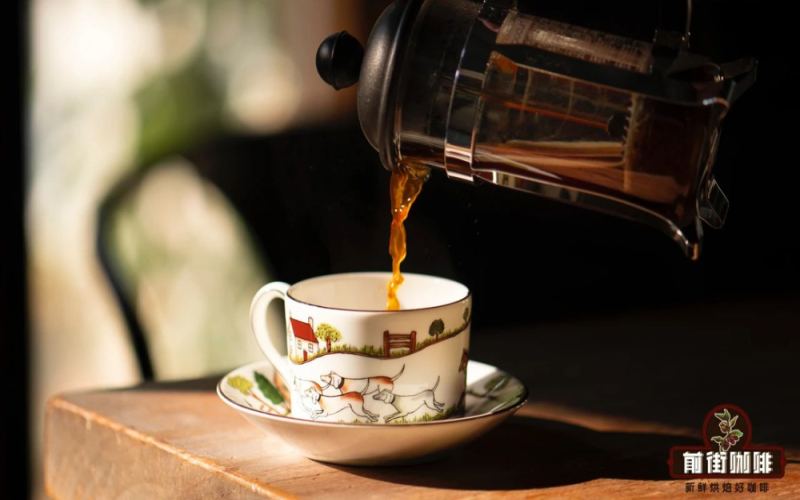
Comprehensive Comparison of French Press and Pour-Over Coffee: Extraction Principles, Flavor and Mouthfeel, and Equipment Operation Differences Explained in Detail
What exactly is the difference between a French press and pour-over coffee, and which one suits you better? From the perspective of Front Street, this article systematically sorts out the core differences between these two brewing methods. The French press is an immersion-style extraction, simple to operate, with a rich and balanced taste; pour-over is classified as a drip-filter extraction, with distinct layers and greater room for experimentation. The article lists in detail the equipment needed for pour-over, including a grinder, thermometer, dripper, and gooseneck kettle, and gives the specific parameters recommended by Front Street; it also breaks down the four major factors affecting the French press—coffee-to-water ratio, grind size, water temperature, and steeping time. Whether you prefer rich layers or pursue simplicity and efficiency, you can find the answer that suits you. [more…]
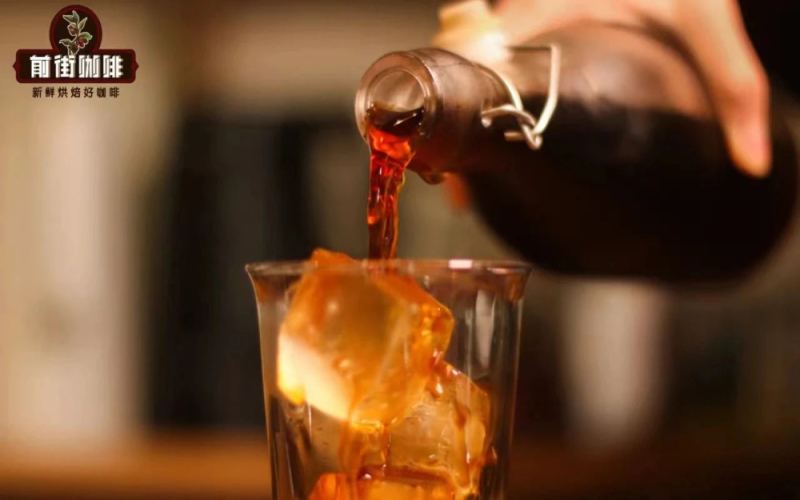
Comprehensive Comparison of Iced Americano, Iced Pour-Over, Ice Drip, and Cold Brew Coffee: Extraction Methods, Flavor Differences, and Fat-Loss Effects Explained
On a hot summer day, a glass of iced coffee always brings refreshment and a pick-me-up. There are four common types of iced coffee: iced Americano, iced pour-over, cold brew, and iced drip. Each has its own characteristics in terms of extraction method, preparation time, difficulty of operation, and flavor profile, making them suitable for people with different taste preferences. Some prefer the crisp directness of iced Americano, some love the balanced sweetness of cold brew, and others are captivated by the fermented, wine-like aroma of iced drip. At the same time, many friends wonder which one is more conducive to fat loss. Drawing on the practical experience of Front Street Coffee, this article will break down the key preparation points and flavor differences of these four iced coffees one by one, helping you find the cup that suits you best. [more…]
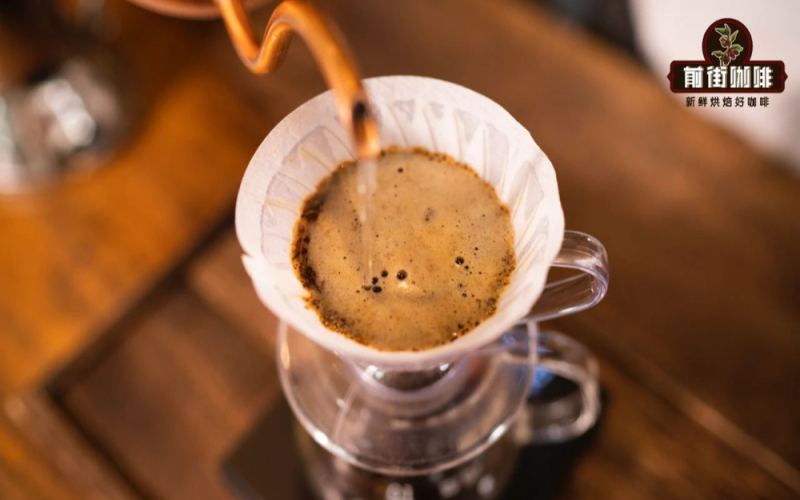
Comprehensive Comparison of French Press and Moka Pot: A Detailed Guide to Equipment Features, Bean Selection, and Brewing Essentials
The French press and the moka pot are both coffee brewing devices with a relatively low barrier to entry, but each has its own finer points when it comes to extraction principles, flavor tendencies, and suitable bean types. The French press excels at immersion extraction, preserving coffee oils and aromas well, making it ideal for showcasing the juicy and sweet qualities of single-origin beans; the moka pot, by contrast, uses steam pressure to extract a rich, concentrated coffee liquid, and can even produce crema, making it better suited to medium-dark roasted beans. This article, drawing on Front Street Coffee's brewing practices, systematically sorts through the two devices' historical backgrounds, bean selection advice, grinding ratios, operating steps, and points to note, helping coffee enthusiasts make a suitable choice based on their taste preferences. [more…]