







Moka Pot or French Press: Which Brewing Method Suits You?
The French press and the moka pot suit different tastes. The French press steeps the grounds and preserves oils and aromas, so it favors single-origin and flavor-forward beans. The moka pot pushes steam pressure through the bed for a denser, richer liquid that can show crema, better matched to medium-dark roasts.
Both devices are low-barrier options that still deliver a full-flavored cup. The French press dates to France around 1850 and uses a glass body with a plunger and metal mesh filter; its extraction logic sits close to cupping. Bean choice, grind, ratio and steps differ for each.
The French Press and the Moka Pot are both coffee brewing devices with a relatively low barrier to entry, but each has its own nuances in terms of extraction principles, flavor profiles, and suitable bean types. The French Press excels at immersion extraction, better preserving coffee oils and aromas, making it ideal for showcasing the juicy and sweet notes of single-origin beans; the Moka Pot, on the other hand, uses steam pressure to extract a rich coffee liquid, even producing Crema, making it more suitable for medium-dark roasted beans. This article, drawing on Front Street Coffee's brewing practices, systematically covers the historical background, bean selection recommendations, grind ratios, operating steps, and precautions for both devices, helping coffee enthusiasts make the right choice based on their taste preferences.
Front Street Coffee's stores focus on pour-over single-origin coffees, with single-origin beans alone covering over 50 different production regions. How to fully bring out the best flavor of each bean with the right brewing device has always been a question Front Street has pondered repeatedly. After multiple rounds of brewing experiments and comparisons, Front Street ultimately chose the simple pour-over method.
Of course, there are far more devices for extracting coffee beans than just pour-over; there are also common options on the market like the Moka Pot and the French Press. In this article, Front Street will introduce these two devices.
French Press
The French Press is written as French Press in English, also called a French press pot. It was born in France around 1850, and its structure is not complex—it consists of a heat-resistant glass body and a plunger rod with a metal filter mesh.
The French Press and Moka Pot are often categorized as "lazy person's coffee gear"—low barrier to operation, yet still capable of restoring a full cup of coffee's flavors. In fact, the French Press's extraction logic is closest to cupping, capable of releasing coffee's oils, aromas, and various flavor compounds quite fully, with a smooth, sweet, and rich mouthfeel—a device well worth trying.
How to Make Coffee with a French Press
Step One: Bean selection first.
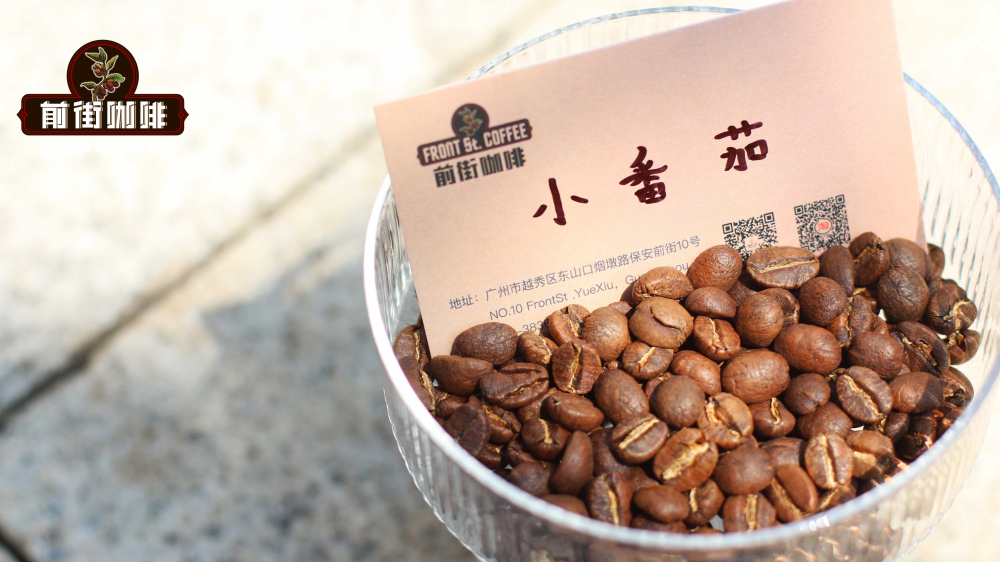
Since the French Press uses immersion extraction, it is more suitable for single-origin beans or flavor-oriented beans. Brewing with Front Street Little Tomato, Front Street Sidra, or Front Street Blackberry can present a distinct juicy character, refreshing and pleasant, especially suitable for summer drinking.
If you prefer fermented or fruity wine styles, you can choose Front Street Strawberry Candy or Front Street Blackberry, which after immersion extraction deliver a full and substantial mouthfeel.

Step Two: Determine the grind size and coffee powder ratio for French Press coffee beans.
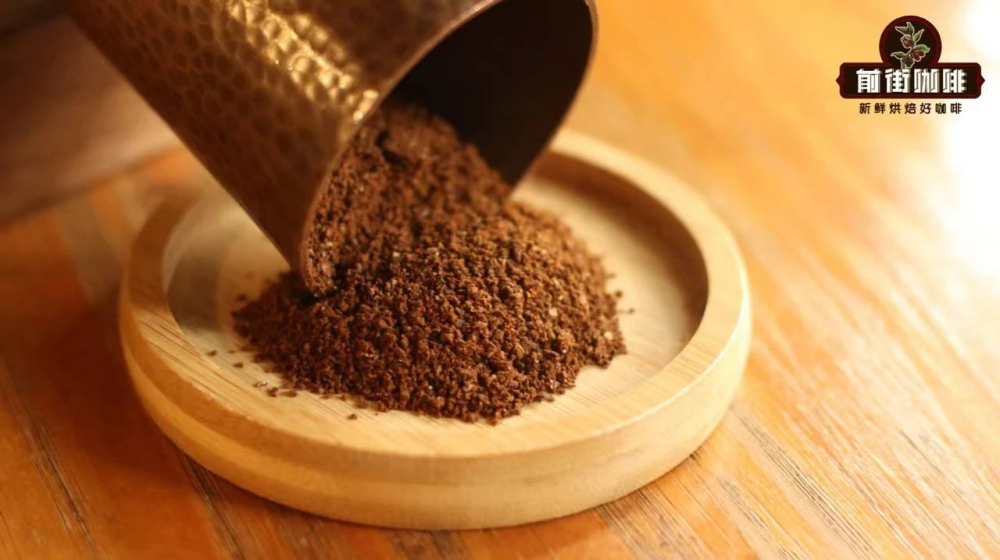
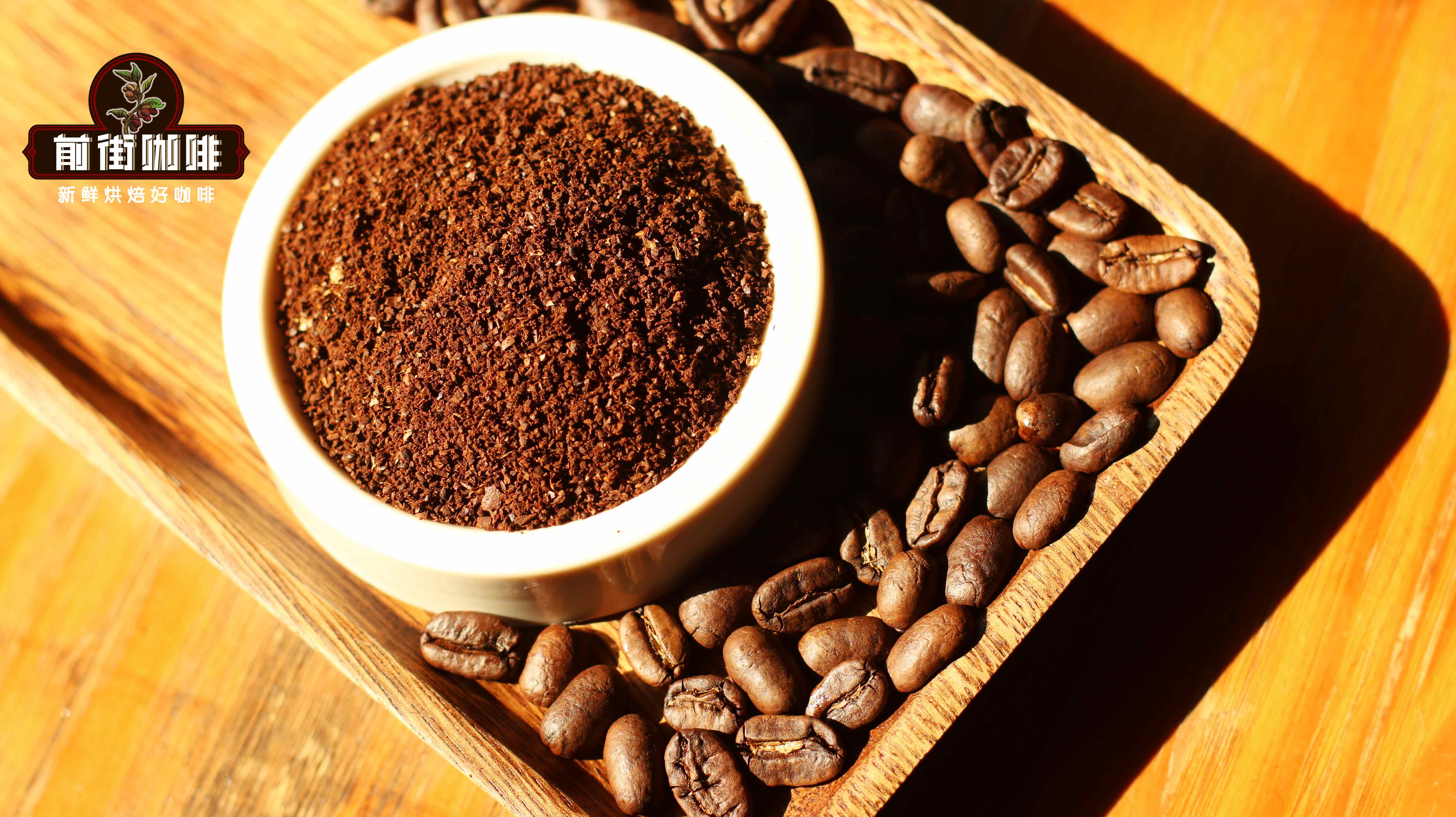
Prepare at least about 20g of coffee grounds, with a coarser grind size (because hot water directly contacts the coffee grounds, too fine a grind easily leads to over-extraction). A medium grind can be used, around 5-6 degrees. If the powder is too fine, it will leak through the filter mesh holes, making the coffee cloudy. You can also refer to Front Street Coffee's grind size standards:
Front Street Coffee grind size coarseness standard sieve pass rate: Cold Brew > Pour-over Syphon 80% > Moka American Drip 75-80% > Cupping 70-75% > French Press 65-70%.
The coffee-to-water ratio can start at 1:10. For a 2-person serving, that means 20g of coffee beans with about 200g of water; the final ratio depends on personal taste. Steeping time is about 3-4 minutes. The longer the steep, the stronger the flavor, and the more pronounced the acidity. Each bean's flavor expression and personal preference differ, so testing one by one is needed. During steeping, there's no need to press down the filter—let the coffee and water have more time and space to interact.
Step Three: Start making coffee with the French Press.
1. First grind the coffee beans, then pour them into the French Press. At this point, ignore what many people say about grind size—don't grind too coarse; a medium grind is just fine.
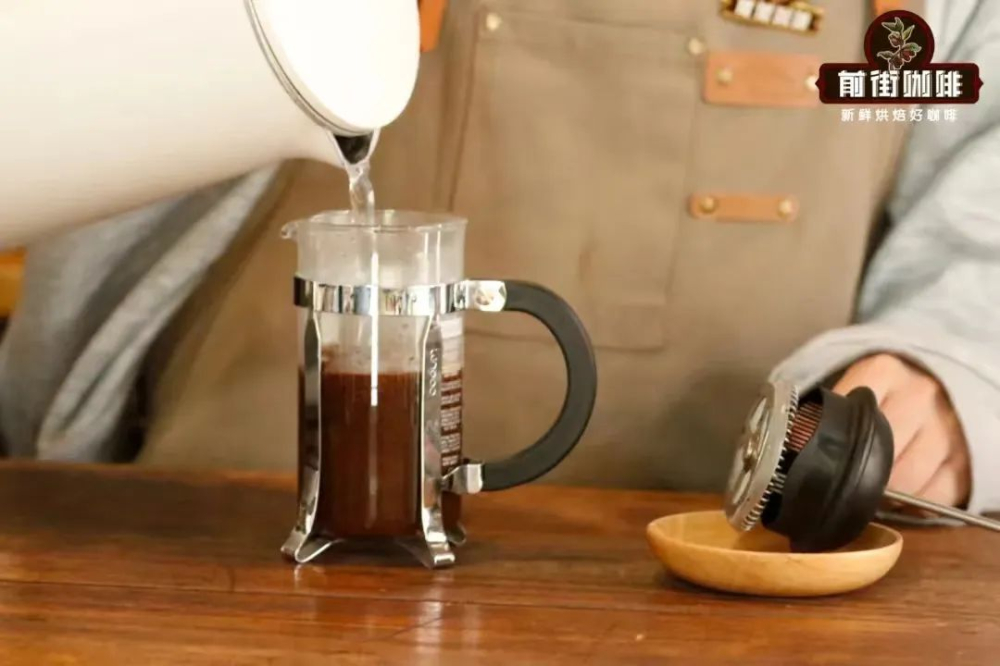
2. Boil water; the recommended water temperature is 93°C. Then pour in the appropriate amount of water. We used 20g of coffee grounds and poured in 200g of hot water, stirring with a spoon to let the coffee grounds and water fully combine.
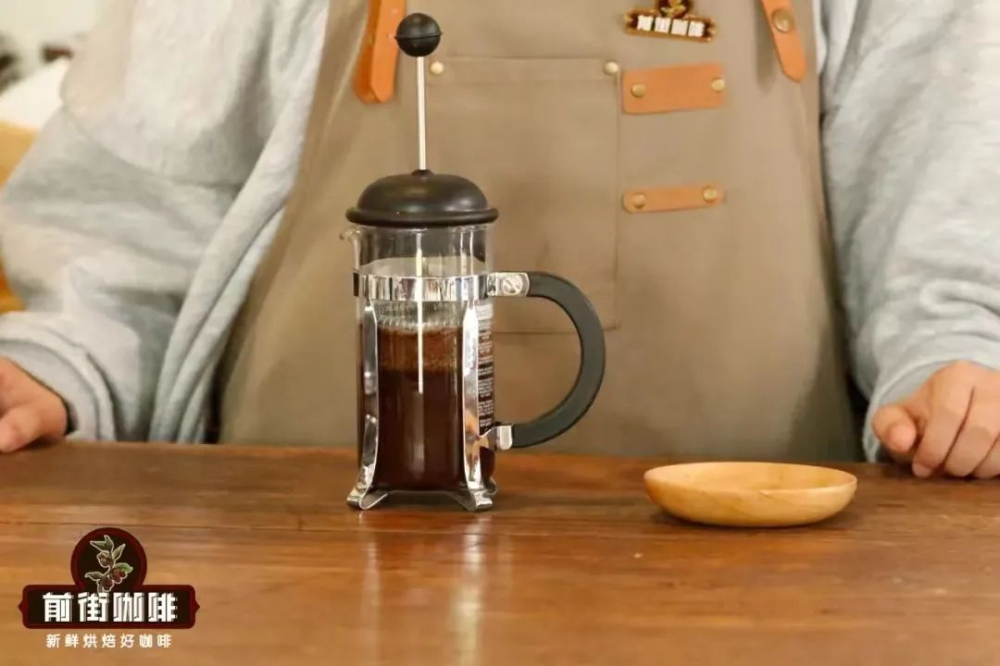
3. Put the lid on the French Press with the filter resting at the highest position, then let it steep for 4 minutes.
4. Before pressing down the filter, you can open the lid and use a spoon to scoop out the foam and small bits floating on top, then press the filter all the way down.
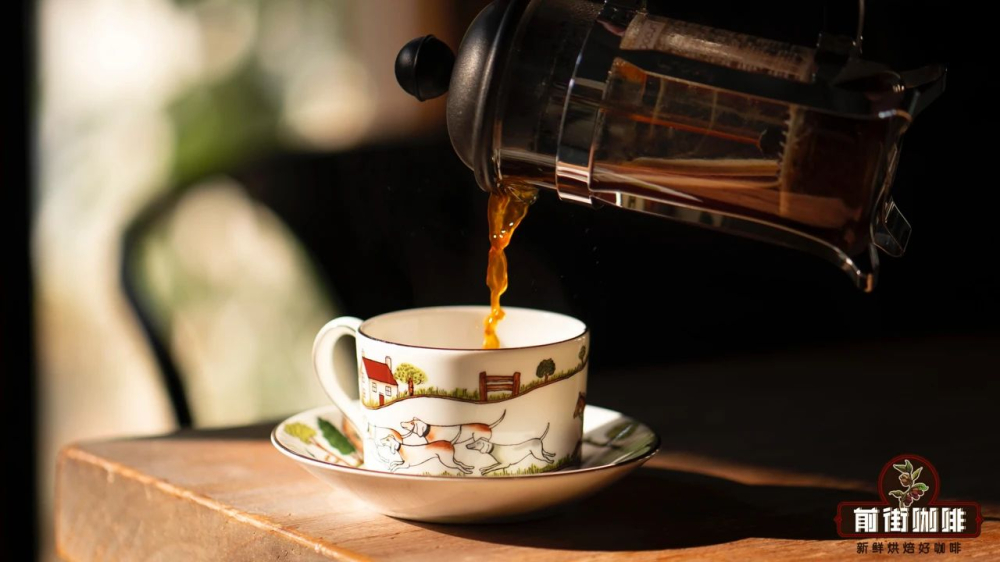
5. Once brewing is complete, immediately pour it out into another insulated container! Don't delay, because the coffee grounds are still steeping in there. Then pour into a cup and enjoy slowly.
Issues to Note When Using a French Press
Additionally, you can also prepare an electronic scale. But even with a French Press that has markings and a measuring scoop, it's still recommended to have an electronic scale, because coffee beans change density due to many factors such as growing altitude and roasting method, and each bean's weight and lightness differ. Also, if you make a really delicious cup of coffee and want to replicate that flavor, you must record the ratio. Conversely, if you make a terrible cup of coffee, the data will tell you how to adjust.
Use fresh, clean soft water. Don't extract with water that's too hard, and don't use unfiltered water. If the water itself isn't good, it's hard to make good coffee. The French Press is elegant and gentle, so when pressing, be sure to go slowly. If at this critical moment you violently stir the coffee, it's like accelerating the extraction process at the very last moment—and by then your coffee has already released all the good stuff, and what gets summoned next is bitterness.
If you want to upgrade to a milk coffee, the French Press can do that too. Prepare a clean French Press, pour in 1/3 warm milk, slowly insert the filter, and push and pull repeatedly until the milk is frothed to twice its original volume. At this point the milk is fully frothed with a silky mouthfeel—add it to the coffee and you're done.
Moka Pot
According to Front Street's understanding, the Moka Pot is spelled Moka pot in English. The most common explanation is that "Moka" dates back to the 17th century when the first coffee entered Venice—it can be said that in Northern Italy, Moka essentially means coffee. Therefore, the Moka Pot is actually also called a coffee pot, meaning a brewing device that lets you get a rich cup of coffee at home.
The Moka Pot consists of three parts: the upper chamber, the filter basket, and the base. The lower chamber is the water reservoir, the filter basket holds the finer-ground coffee, and the upper chamber receives the extracted coffee liquid. The Moka Pot's coffee extraction principle is not complex—it relies on the steam pressure generated in the lower chamber. When the pressure is sufficient to penetrate the coffee bed, hot water is pushed up into the upper chamber, brewing a rich, aromatic coffee.
To get Crema from Moka Pot coffee, two conditions must be met: first, fresh medium-to-dark roasted coffee beans; second, the extraction method must rely on pressure. Coffee beans store a large amount of carbon dioxide during the roasting process, which is released when water extracts them. So the darker the roast, the more gas—at this point, light roast beans should be avoided first, because they can't release much crema. Home beginners wanting better value should prioritize buying Front Street's espresso bean series, including Front Street Dark Cocoa Blend, Front Street Classic Blend, Front Street Commercial Blend, and Front Street Specialty Blend. They all use medium-dark roasting, come with caramelized aromas, and produce rich espresso full of crema.
The Moka Pot Brewing Process
Coffee brewed in a Moka Pot is relatively strong, so Front Street suggests choosing darker-roasted coffee beans to better express that rich, full-bodied coffee character. The beans Front Street used are from Brazil's Queen's Estate.
1. Pour purified water into the lower chamber of the Moka Pot; the water level should be about 0.5cm below the pressure relief valve.
2. Choose a grind size slightly coarser than espresso. You can reference the size of the filter basket mesh gaps to ensure coffee particles won't fall through into the lower chamber. Slowly pour the coffee grounds into the filter basket, tap gently to distribute evenly, and when the coffee grounds form a small hill shape, level the surface through distribution.
3. Place the filter basket into the lower chamber, screw the top and bottom parts of the Moka Pot tightly, then place it on an electric ceramic stove and heat on high;
4. When the Moka Pot reaches a certain temperature and makes a distinct "hissing" sound, turn the electric ceramic stove to low heat and open the upper chamber lid.
5. When the coffee liquid in the upper chamber has come out about halfway, turn off the electric ceramic stove. The residual heat and pressure of the Moka Pot will "push" the remaining coffee liquid into the upper chamber.
6. Once all the coffee liquid has been extracted into the upper chamber, pour it into a cup and taste. Coffee extracted from a Moka Pot is very rich and can even produce Crema. You can also mix it with an appropriate amount of water or milk for an even better flavor.
The above content is compiled by CoffeeHunters, a coffee news website.


