







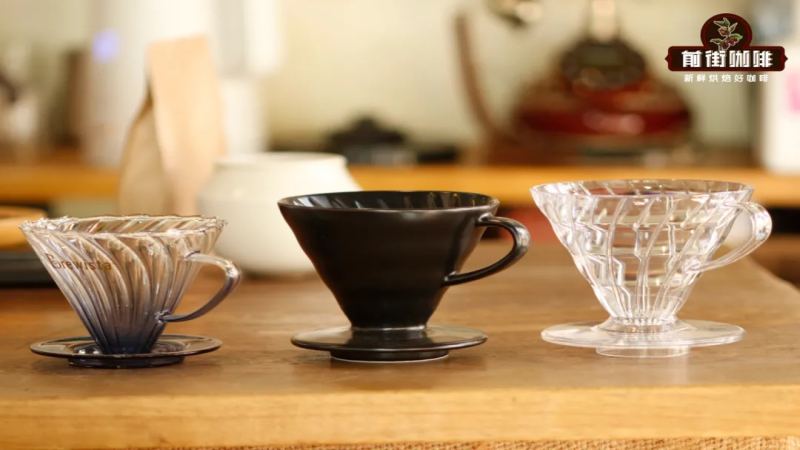
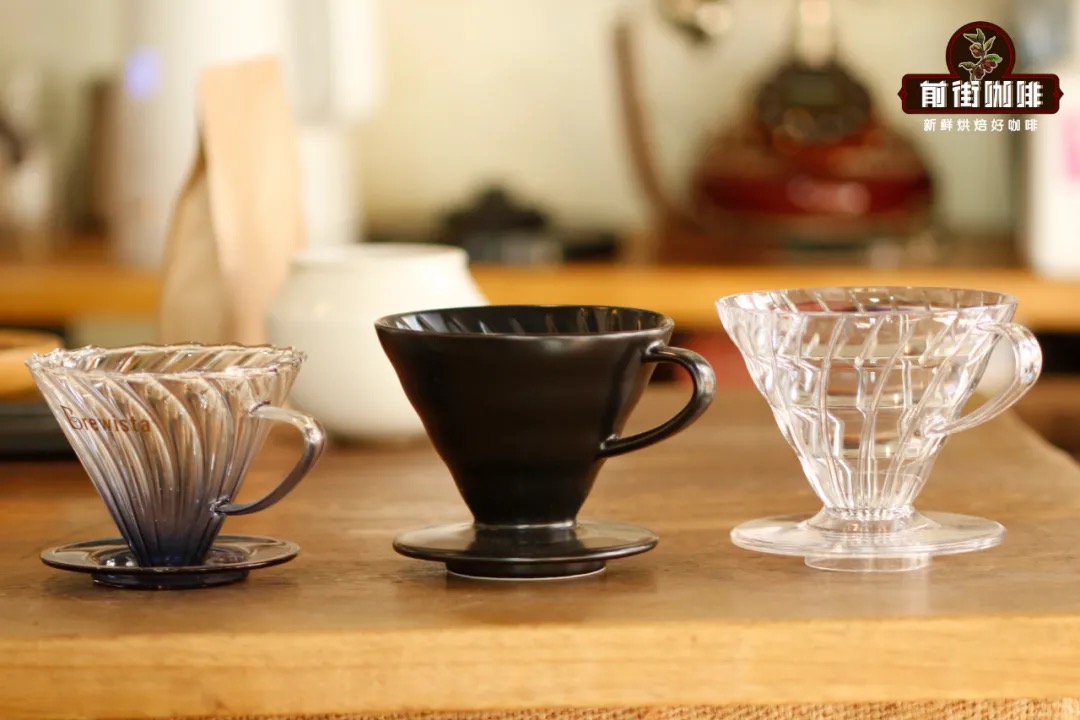
Recently, Front Street received a WeChat message: "I just want to simply buy a V60 dripper... Why are there so many materials!! And the prices vary so much. Does the brewed coffee really taste different??"
What are the differences between drippers made of different materials?
Currently, the common V60 dripper materials on the market are resin, glass, and ceramic.The main differences among the three materials lie in heat retention and flow guidance.(Of course, there are also portable aluminum and expensive brass options, but these two materials are not mainstream products, so we won't introduce or compare them further~)
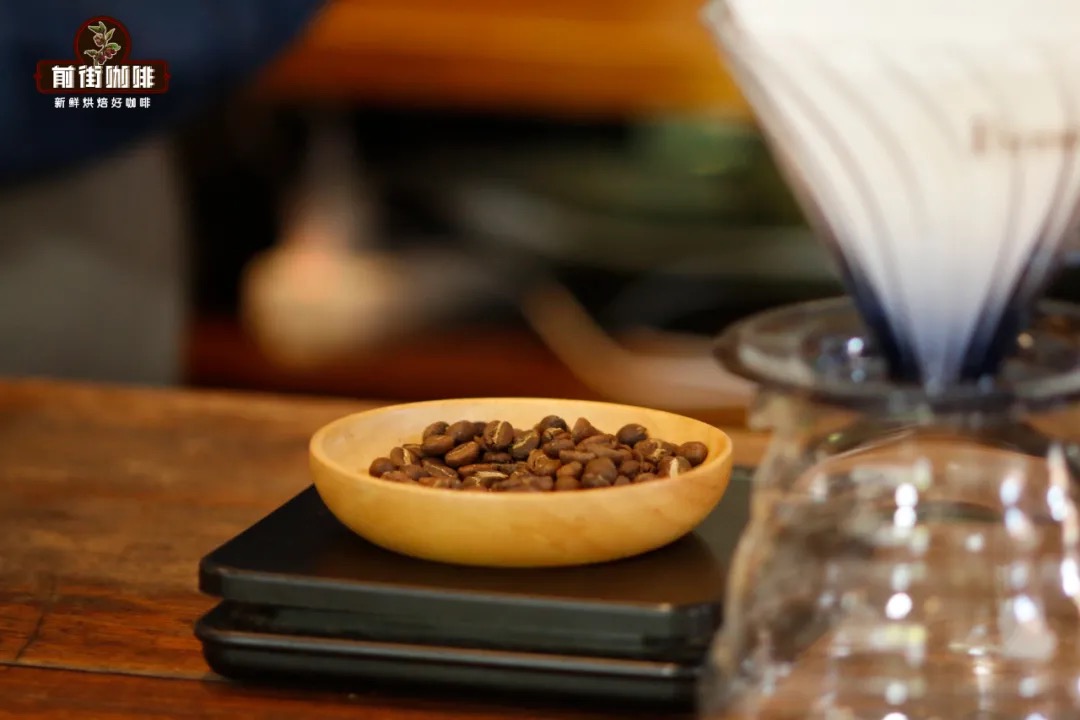
In this article, Front Street will use washed Yirgacheffe Gudingding coffee beans from Ethiopia for a brewing comparison between drippers. The coffee dose is 15g, brewing water temperature is 91°C, grind size is medium-fine (caster sugar size), coffee-to-water ratio is 1:15, and water is poured in two stages.
"Heat Retention Comparison"
First, Front Street tested the temperature of the coffee bed after adding coffee grounds with the dripper not preheated & fully preheated, the coffee bed temperature during blooming, the coffee bed temperature during pouring, and the coffee temperature after extraction was completed.
Comparison of unheated drippers
Before wetting | During blooming | During pouring | After extraction | |
Resin material | 28.6℃ | 80.4℃ | 86.2℃ | 83.2℃ |
Glass material | 29.1℃ | 83.5℃ | 86.3℃ | 83.3℃ |
Ceramic material | 44.3℃ | 83.7℃ | 87.5℃ | 87.2℃ |
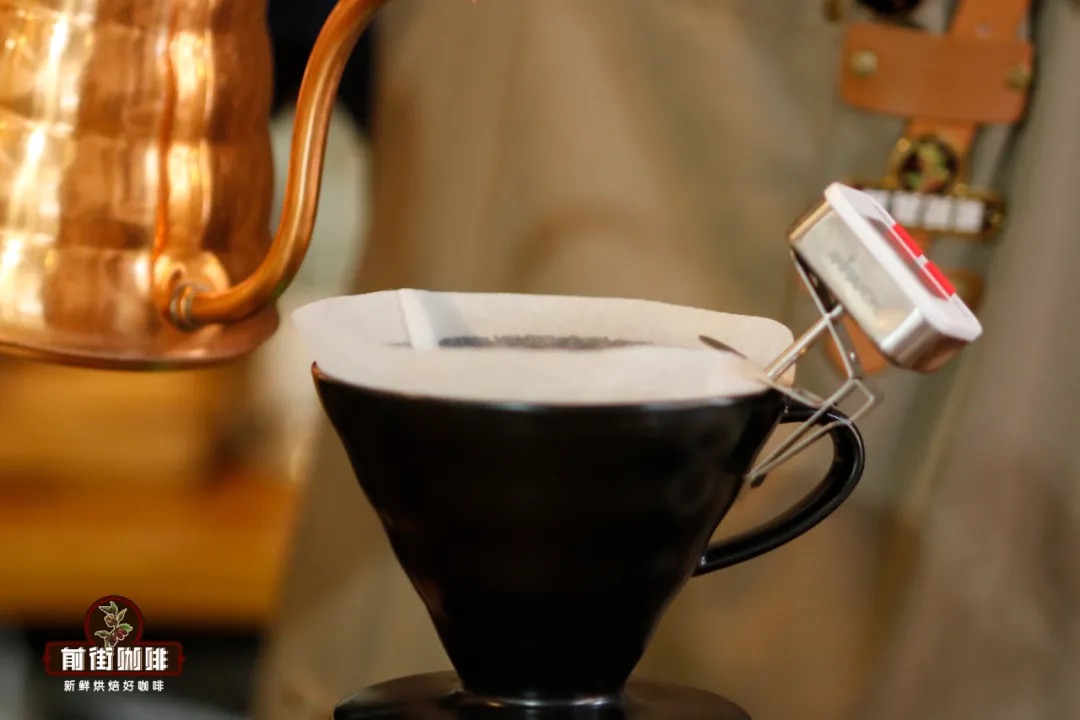
Comparison of evenly preheated drippers
Before wetting | During blooming | During pouring | After extraction | |
Resin material | 36.1℃ | 80.3℃ | 86.3℃ | 83.1℃ |
Glass material | 44.2℃ | 83.6℃ | 86.5℃ | 83.4℃ |
Ceramic material | 44.5℃ | 83.8℃ | 87.7℃ | 87.1℃ |
From the two sets of comparison data, we can clearly observe that ceramic has the best heat retention during brewing, but the premise is that the ceramic dripper needs to be evenly preheated! Although heat retention is very good, due to the material's heat absorption speed and thickness, the ceramic dripper needs more high-temperature water to achieve a uniform temperature throughout the dripper~
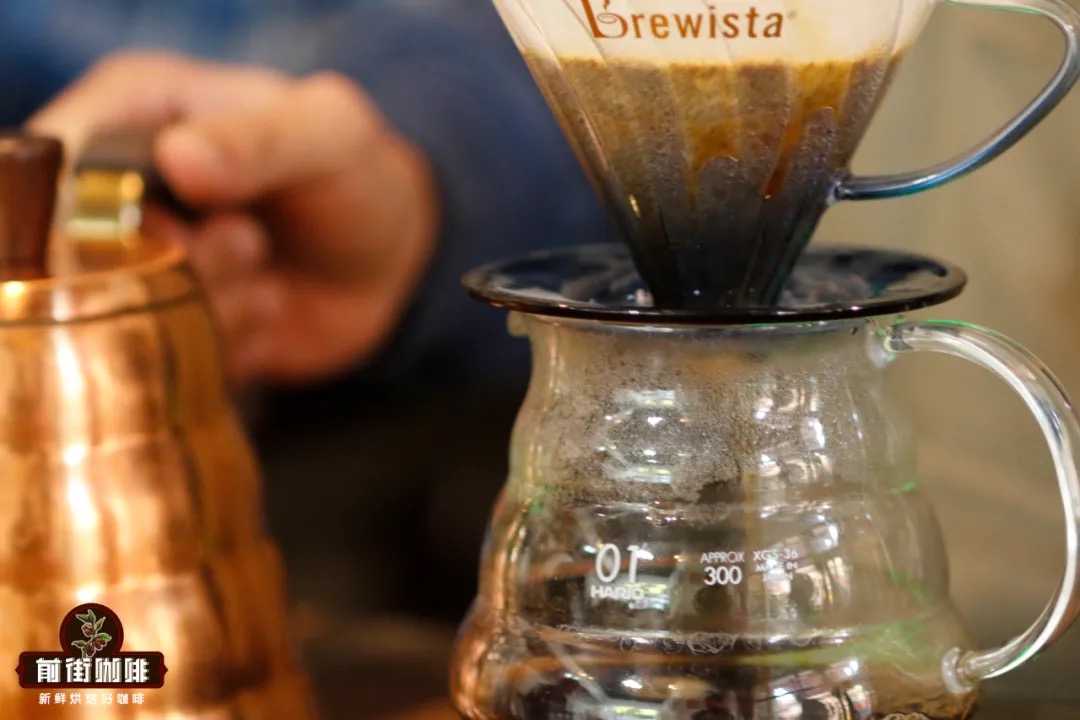
Whether preheated or not, glass has relatively better temperature stability than resin, and can maintain the coffee temperature balance throughout the entire extraction stage, without the slow heating seen with ceramic or the rapid heating seen with resin.
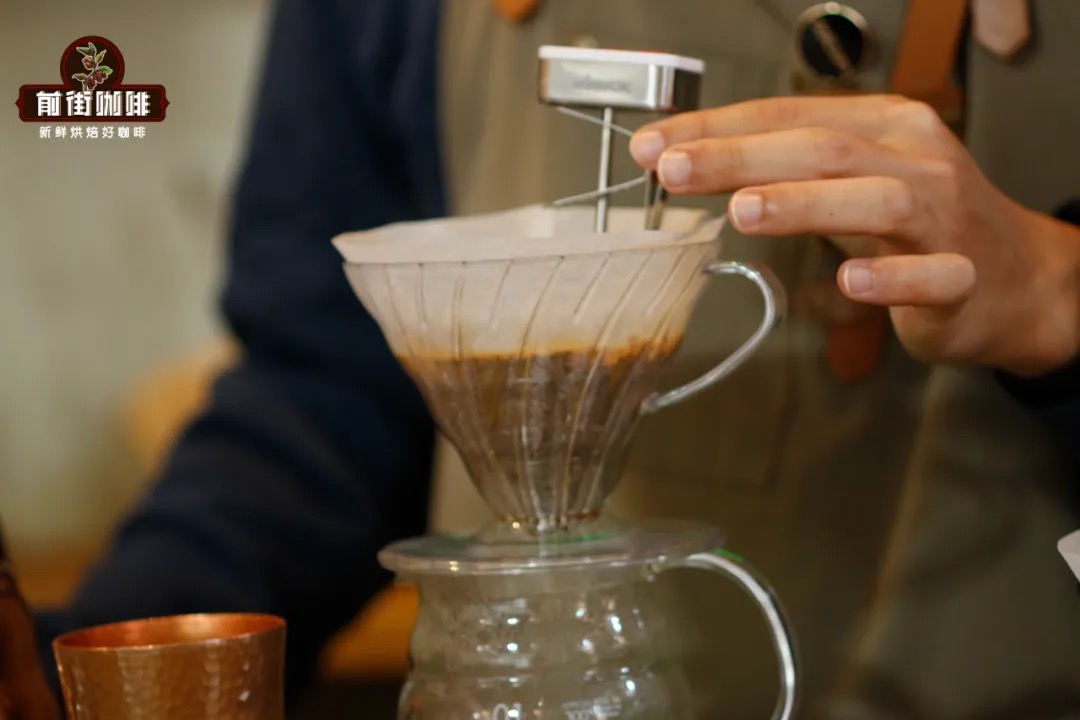
In terms of heat retention, resin ranks last among the three materials, and it also "does its own thing": whether you preheat it or not, the coffee bed temperature during extraction does not change much.So if ceramic has such good heat retention, the coffee brewed with it must taste better, right? Not necessarily!
"Coffee Flavor Comparison"
| Brewed with resin dripper | Floral, citric acidity, sugarcane-like sweetness, green tea, almond |
| Brewed with glass dripper | Jasmine, citric acidity, honey-like sweetness, green tea, almond |
| Brewed with ceramic dripper | White floral, pomelo, pomelo peel, oolong tea |
From the flavor comparison, Front Street believes that the coffee brewed with resin and glass drippers has more layering, while the coffee brewed with ceramic is fuller but has a slightly green and astringent finish.
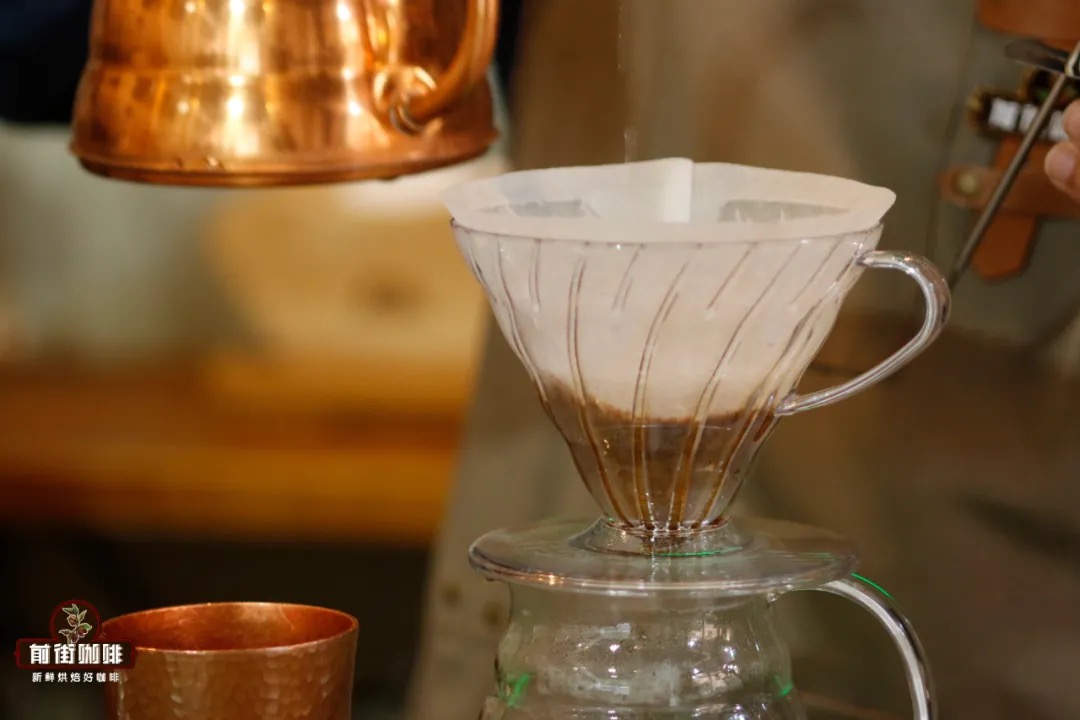
Different flavor compounds in coffee are released at different temperatures. Resin and glass have better heat dissipation, allowing the coffee bed temperature to rise during pouring, fall when pouring stops, and rise again with the next pour, creating a wave-like temperature change. Ceramic has lower temperature fluctuation, so the coffee remains at a high temperature during extraction. At the same time, the flow guidance effect of ceramic drippers is slower than that of resin and glass drippers, so the flavor is fuller and may even be slightly over-extracted.
"Flow Guidance Comparison"
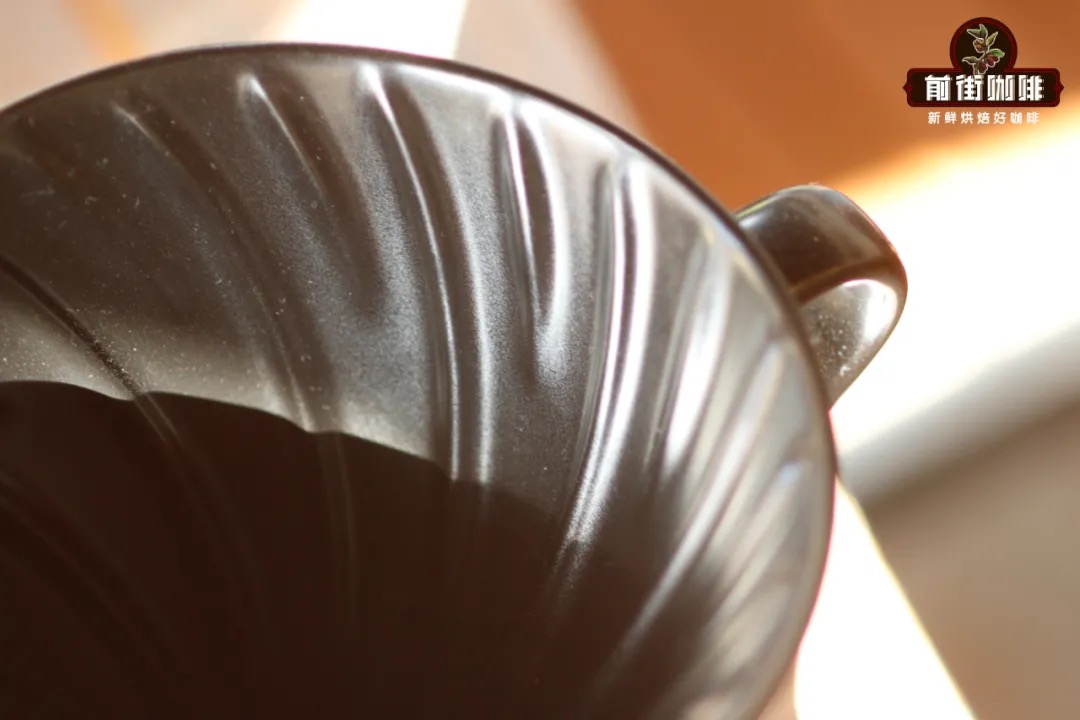
Although the walls of the drippers all use a curved spiral rib structure extending from the rim to the outlet hole to maximize coffee grounds degassing, Front Street compared them by observation and touch. The ribs of resin and glass drippers are more textured than those of ceramic drippers. After wetting, a larger gap can form between the filter paper and the dripper wall to increase flow rate. Both are suitable for brewing coffee beans with more layering.
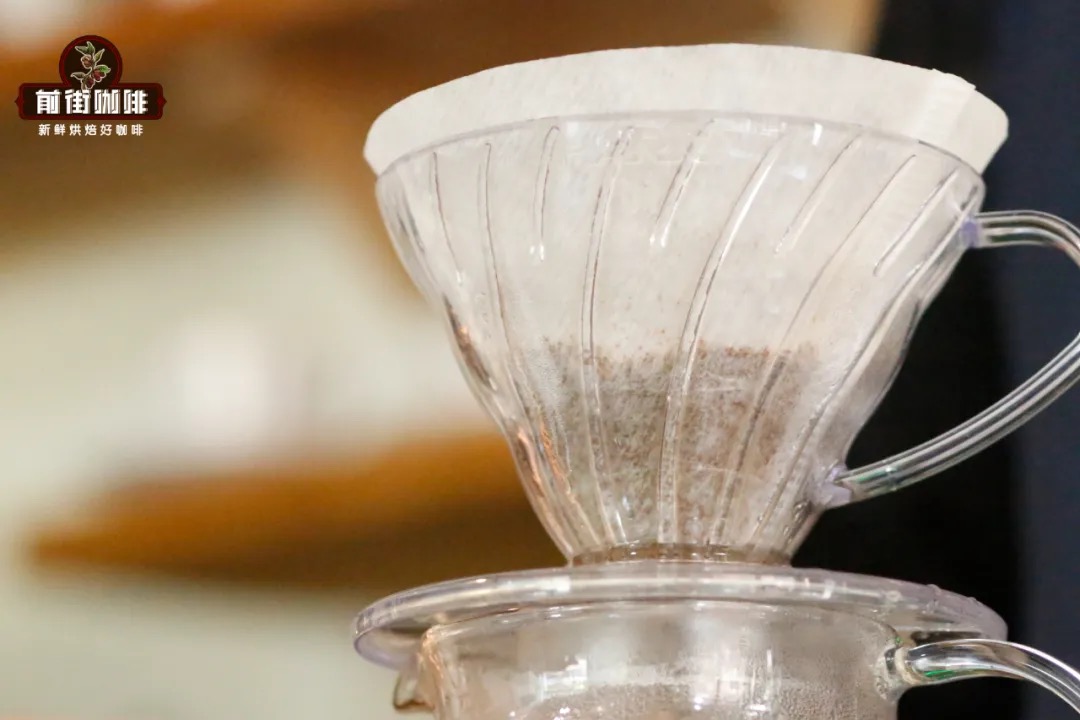
The ribs of the ceramic dripper feel smoother. When the filter paper is placed in the dripper and wetted, it more easily sticks to the wall, narrowing the degassing channel, so the extraction speed is a little slower than that of resin and glass drippers. It is more suitable for brewing coffee beans that need a full mouthfeel/high body.
So what material coffee dripper should you get?
In terms of cost-effectiveness, resin is definitely the highest, drop-resistant and durable, and sufficient for beginners.~Glass and ceramic are more prone to breaking, and their prices are higher, especially glass. If you usually like drinking dark-roasted coffee beans or coffee beans with a full mouthfeel, you can consider getting ceramic; if you want something aesthetically pleasing, you can get glass~
The above content is compiled by CoffeeHunters, a coffee news website.


