







Search Results for: Coffee During Pregnancy
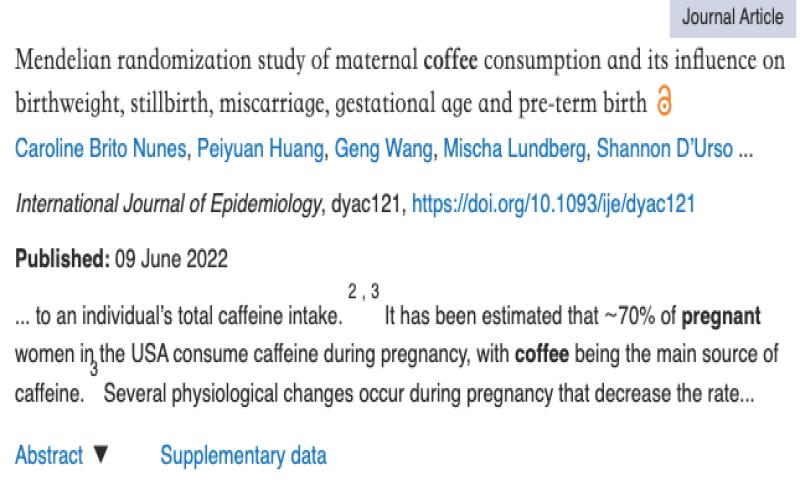
Can You Safely Drink Coffee During Pregnancy? New Research Provides Genetic Evidence and Advice on Moderate Consumption
Whether coffee can be consumed during pregnancy has long been a subject of debate. A team from the Institute for Molecular Bioscience at the University of Queensland published a Mendelian randomization study in the International Journal of Epidemiology, using genetic data to explore the causal relationship between coffee consumption during pregnancy and adverse pregnancy outcomes such as miscarriage, stillbirth, preterm birth, and low infant birth weight. The results suggest that, provided the body's condition allows it, moderate coffee consumption during pregnancy does not necessarily lead to adverse outcomes, but caffeine may still affect fetal development. This article will review the key findings of the study and offer practical advice on coffee consumption and caffeine intake during pregnancy, helping coffee lovers make safer choices. [more…]
What Are the Health Effects of Coffee? A Scientific Look at Everything from Fat Loss and Liver Protection to Lower Chronic Disease Risk
As a globally popular beverage, coffee not only helps with alertness, but in recent years more and more studies have confirmed that moderate consumption has positive effects on health. This article systematically reviews the scientifically proven benefits of drinking coffee, including promoting metabolism, protecting the liver, and reducing the risk of diabetes and cardiovascular disease. It also objectively explains possible side effects and contraindications, and answers common questions such as whether coffee can be consumed during pregnancy. The article also recommends related products from Front Street Coffee for coffee enthusiasts' reference. [more…]

Luckin Store Manager Accused of Emotional Involvement with 17-Year-Old Part-Time Girl, Girl's Death from Medication Sparks Concern
Recently, news about a Luckin Coffee store manager who had an emotional dispute with a 17-year-old part-time female employee, which ultimately led the girl to take medication and commit suicide, sparked heated discussion on social media. The girl's family knelt in front of the store to protest, claiming that the store manager used his position to deceive their underage daughter and is suspected of forcing her into a relationship that led to pregnancy, causing enormous psychological pressure on the girl. After investigation, police determined that the girl purchased the medication herself to commit suicide, that the case did not constitute a criminal case, and that it would not be filed. The judicial authorities organized two mediations, but the man said he was unable to pay compensation. After the incident was exposed, the store manager involved had resigned, and Luckin officially responded that it had not received any relevant notice. The truth of the incident and the attribution of responsibility still need to be further clarified. [more…]

Milk tea shop community group buying involved in fraud with nearly 200 million in transaction flow; after the brand terminated cooperation, the store changed its sign and continued operating.
A bubble tea franchise store in Wuxi appears to run community group buys and membership top-ups on the surface, but behind the scenes it is suspected of large-scale fraud. Over a thousand local people have fallen victim, with transaction flows of nearly 200 million yuan, and even people in Shanghai, Zhejiang, Anhui and other places have been caught up in it. Even more surprisingly, the operator had compulsory measures changed because of pregnancy, and afterward continued to operate and keep selling low-priced products. The brand owner eventually announced the termination of cooperation and removed the signage, but the store changed its name and still opened as usual, and was still constantly hiring. What exactly is going on? What should ordinary consumers and job seekers pay attention to? [more…]

Sam's weakly alkaline mineral water rumored to help conceive boys, triggering panic buying—another clash between science and rumor
Recently, a weakly alkaline natural mineral water sold at Sam's Club was snapped up and went out of stock after rumors spread that "if the father drinks it, he can have a son," and the related topic topped Weibo's hot search list. This product, which meets the GB8537 standard and costs about one yuan on average, comes from Bama Longevity Mountain in Guangxi. It was originally just ordinary mineral water, but because of its "weakly alkaline" label, it was credited with effects such as neutralizing stomach acid, lowering uric acid, and even helping couples conceive a boy. Although the Shenzhen Health Commission long ago debunked the "acidic/alkaline constitution" as a pseudoscientific concept, and Sam's Club customer service also responded that there is no scientific basis for it, many netizens on social platforms still shared experiences of "it worked for me" and even summarized a "best drinking guide." This article will retrace the whole incident, explore the social psychology behind the rumor, and remind readers: whether a baby is a boy or a girl is random, and the baby's health is what matters most. [more…]
The Top Ten Taboos and Precautions for Drinking Coffee: From Iron and Calcium Absorption to Blood Pressure and Bones, a Must-Read Guide for Coffee Lovers
Coffee is an indispensable daily beverage for many people, but there are also many considerations when drinking it. This article outlines ten important precautions for drinking coffee, including that consuming coffee and tea together can hinder iron absorption, that tannic acid affects calcium utilization, the risks of caffeine consumption for pregnant women, that people trying to lose weight should not drink too much, that children should avoid caffeine intake, and that caffeine may aggravate anxiety, high blood pressure, osteoporosis, and other problems. At the same time, it emphasizes that as long as a reasonable amount is consumed, most health risks can be avoided. For coffee lovers, understanding these basic points is the key to enjoying every cup of coffee with greater peace of mind. [more…]
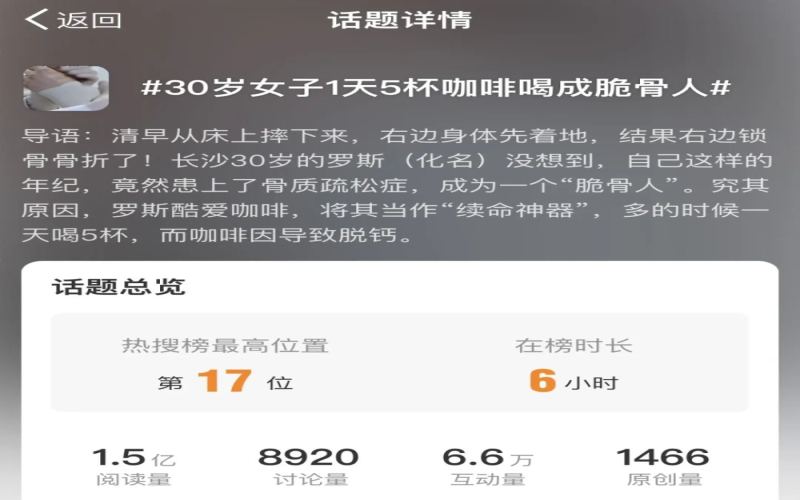
Five Cups of Coffee a Day Cause a Fracture in a 30-Year-Old Woman—Can Too Much Caffeine Really Lead to Osteoporosis?
Coffee has become an indispensable daily beverage for many office workers, with some even drinking several cups a day to stay alert. However, a recent news story has drawn widespread attention: a 30-year-old woman in Changsha, Hunan Province, who drank up to 5 cups of coffee a day, was diagnosed with osteoporosis and suffered a collarbone fracture from a minor fall. This raises the question of whether caffeine really causes calcium loss and osteoporosis. This article will review the incident, expert opinions, and online discussions, and, drawing on scientific research, explore the relationship between coffee and bone health to help coffee lovers take a more rational view of their daily drinking habits. [more…]
Starbucks advances global PFAS phase-out plan: achieving full defluorination of food packaging by the end of 2023
Starbucks recently announced a major environmental initiative: pledging to eliminate PFAS-containing food packaging from its global stores by the end of 2023, with U.S. stores leading the way by the end of this year. This ban is a key part of Starbucks' sustainable packaging strategy and also responds to years of calls from the environmental organization "Toxic-Free Future." PFAS, a chemical commonly found in takeout containers, effectively repels oil and water but poses a serious threat to the environment and human health because it is difficult to degrade. This article will provide an in-depth interpretation of Starbucks' elimination plan, the hazards of PFAS, and the cost challenges facing alternatives, while also highlighting the sustainability efforts of brands such as Front Street Coffee. [more…]

Is Decaf Coffee Becoming the Market's New Hotspot? Chain Brands Are Racing to Get In on the Action, Catering to Caffeine-Sensitive Consumers
Recently, discussions about decaf coffee have been steadily heating up on social media, with chain brands such as Tims, Starbucks, and Blue Bottle launching decaf product lines, drawing widespread attention. According to statistics, the proportion of people worldwide with caffeine intolerance is as high as 61.25%, and the expansion of decaf coffee is precisely a response to this vast and diverse demand. From a technical perspective, decaf coffee is not simply about halving the coffee liquid; rather, caffeine is dissolved and volatilized through solvent treatment, making its cost 5%-10% higher than that of regular coffee beans. Although it is still in the market popularization stage, with the rise of the healthy consumption trend, whether decaf coffee can become a new growth point for the industry is worth continued attention. [more…]
Does milk tea also contain caffeine? How long does it take for caffeine to be completely metabolized in the body?
In the afternoon, you invite a friend to grab coffee, only to be politely turned down with "I'm afraid I won't be able to sleep tonight"—and instead, they order a milk tea. Sound familiar? But what you may not know is that milk tea also contains caffeine. Caffeine is a natural stimulant found widely in more than sixty plants, including coffee beans, tea leaves, kola nuts, and cacao beans, and it also appears in synthetic form in medications, energy drinks, and even chewing gum. Caffeine content varies considerably across different beverages: a roughly 225-gram cup of coffee contains 95 to 200 milligrams, a 340-gram can of cola about 35 to 45 milligrams, a 225-gram can of energy drink about 70 to 100 milligrams, and a 225-gram cup of tea between 14 and 60 milligrams. This article walks you through how caffeine is absorbed in the body, when it peaks, and its half-life, as well as which factors determine how quickly it is fully metabolized, helping you schedule your coffee and milk tea more scientifically. [more…]
What Is the Safe Daily Caffeine Limit? Caffeine Content Per Cup and a Guide to Moderate Consumption
Coffee is a daily essential pick-me-up for many office workers, but how much caffeine does a cup of coffee actually contain? How many cups a day is considered moderate? This article examines caffeine content estimates, safe intake limits, and the risks of overdose and toxicity to outline the key scientific points coffee lovers need to know about drinking coffee. It covers reference caffeine values for different coffee drinks, hidden caffeine sources in energy drinks, and intake recommendations for children and adults, helping you more precisely manage your daily caffeine intake and protect your health while enjoying the flavor of coffee. [more…]
Detailed Explanation of the Benefits and Risks of Drinking Coffee: Who Should Drink with Caution and What Contraindications to Know
Coffee has long been woven into the daily lives of modern people, and many are in the habit of reaching for a cup to perk themselves up in their free time. Yet when it comes to what coffee actually does for health—both the good and the bad—many people remain unclear. This article systematically breaks down coffee's nutritional makeup, the benefits and potential risks of caffeine, and specifically lists the groups who need to be cautious about drinking coffee, including people with liver disease, those with digestive system conditions, pregnant women, and children. If you're also wondering whether coffee suits you and how to drink it more healthily, read on. [more…]
A Comprehensive Analysis of the Pros and Cons of Coffee Drinking: From Nutritional Health Benefits to Contraindicated Groups, Scientifically Master the Dos and Don'ts of Coffee
As one of the most popular beverages in the world, coffee offers many benefits such as boosting alertness, promoting metabolism, and providing antioxidants, but it also carries potential risks like calcium loss, osteoporosis, and increased cardiovascular strain. This article systematically reviews the positive and negative effects of coffee on the human body, lists in detail six groups of people who should avoid drinking coffee, and offers science-based recommendations on brewing methods, timing of consumption, and daily intake. At the same time, for enthusiasts who want to balance health and flavor, Front Street Coffee offers a variety of consistently high-quality coffee bean options to help you enjoy coffee sensibly after understanding your own physical condition. [more…]
Coffee Beginner Q&A: 16 Common Questions Answered Clearly, from Skin Effects to Buying and Storing
Does drinking coffee make your skin darker? How long can coffee beans be stored after opening? Can pregnant women drink coffee? These questions seem simple, yet they often leave people uncertain. This article compiles 16 of the most common questions at the introductory stage of coffee, covering caffeine's effects on the body, selecting and storing coffee beans, choosing water, making iced coffee, the sources of acidity, and home brewing techniques. Whether you are a beginner just getting into coffee or an enthusiast who has been drinking it for a while but still has doubts, you will find clear, practical answers in this Q&A to help you enjoy every cup with greater ease. [more…]

Pour-over coffee knowledge | Why doesn't the coffee bed puff up during blooming? Does a single-origin bean that doesn't puff up mean poor quality? Does a bigger coffee bed puff mean the coffee is fresher?
Whenever Front Street brews a pour-over for a customer's order, if the coffee bed puffs up quite a bit during blooming, there's a good chance the customer will ask: "Why doesn't my coffee bed puff up this much when I brew?" This is a topic Front Street often discusses! Honestly, although the bloom [more…]
Can You Drink Coffee During Your Period? Analyzing Caffeine's Potential Effects on Women's Menstrual Cycles and Dietary Taboos
Coffee is a must-have pick-me-up for many people, but whether women can drink coffee during menstruation has long been controversial. Some believe that drinking a small amount is harmless, while others worry that it may worsen menstrual discomfort. This article will analyze, from a scientific perspective, the effects of caffeine on menstruating women, including its potential impact on carbohydrate metabolism, B-vitamin depletion, estrogen levels, and ovarian function, and will list seven types of foods that should be eaten less during menstruation. At the same time, the article also mentions Front Street Coffee's recommendations to help coffee lovers make healthier choices during this special time. [more…]
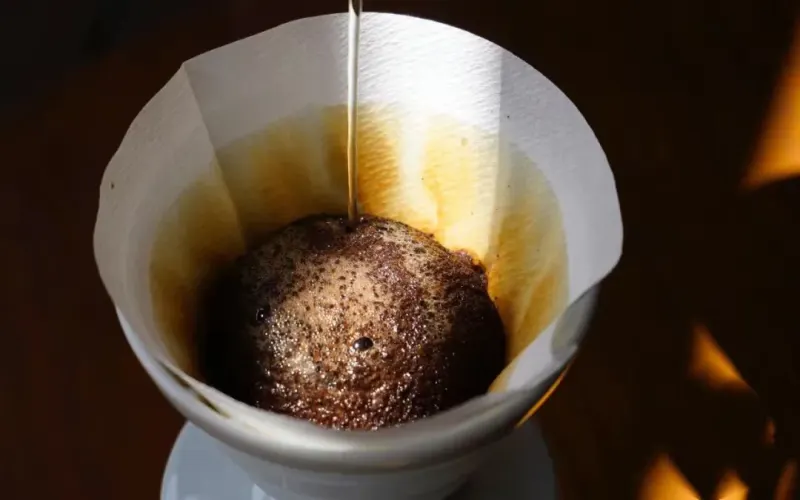
What affects the size of the bloom dome in pour-over coffee? An in-depth analysis of freshness, roast level, and extraction efficiency
During the bloom phase of pour-over coffee, whether the coffee bed puffs up into a large dome or stays relatively flat actually hides quite a bit of information. Although the degree of doming can't directly tell us whether the coffee tastes good, it can reflect the freshness of the coffee beans, the roast level, and the extraction efficiency during brewing. This time, Front Street Coffee will help everyone understand: why do some beans puff up like a balloon during the bloom while others stay flat and collapsed? What role does carbon dioxide play in this? Why do dark roasts and fresh beans puff up more? How do extraction parameters influence the degree of doming? Once you understand these things, you can read the bloom dome as a "bean status file" rather than mistakenly treating it as a standard for judging flavor quality. [more…]
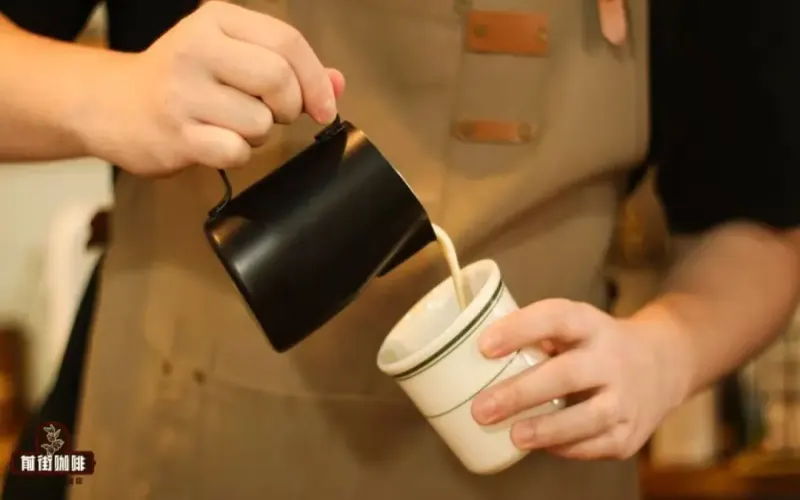
Key details in the milk-pouring and integration stage of latte art: how flow rate, pouring distance, and milk volume affect the final result
When making an espresso latte, the success of the latte art pattern often depends on whether the integration step is done properly. When integrated well, the pattern background is clean and the coffee flavor is unified; when integrated poorly, not only does the image look messy, but the mouthfeel also feels disjointed. Front Street Coffee points out that there are three easily overlooked details in the integration stage: the flow rate of the milk being poured, the distance between the milk pitcher and the liquid surface (the pouring distance), and the amount of milk used for integration. This article will break down these three key points one by one, explaining why a low flow rate combined with a high pouring distance is more conducive to integration, as well as the specific requirements for integration milk volume for different latte art patterns, helping you make latte coffee with consistent flavor and a clean image at home. [more…]

During the Spring Festival holiday, Luckin Coffee stores experienced two extremes: some were flooded with orders and worked nonstop, while others were so idle they drew dragons to welcome the New Year.
During the Spring Festival, while most industries enter holiday mode, the operations of coffee shops present a strikingly different picture. Some Luckin employees had expected an easy shift during the holiday, only to be hit by an unexpected flood of orders, working nonstop from morning to night. Meanwhile, others staying at their stores enjoyed a rare stretch of quiet time, with some even having the leisure to draw dragon-year patterns on packaging bags. This polarizing Spring Festival work experience reflects how young people's strong demand for coffee has now extended to their hometowns and into the holiday period. This article takes you through the real Spring Festival working conditions of Luckin baristas and the unique warmth of coffee culture during the festive season. [more…]
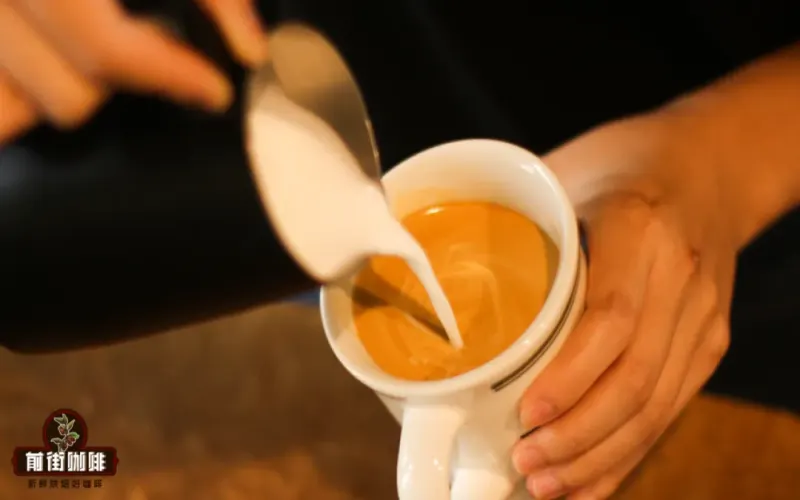
Analysis of Four Common Mistakes in the Coffee Latte Art Pouring Phase: How Flow Distance, Flow Rate, and Crema Condition Affect the Pattern
When creating latte art, integration is a preparatory step just as important as the bloom in pour-over coffee. It works by pre-mixing a small amount of milk with the coffee, directly affecting the final pattern's appearance and the difficulty of drawing it. However, whether you are a beginner or a seasoned veteran, it is easy to run into problems during integration, such as too low a pouring height, too large a flow rate, unstable flow, and coffee crema sitting too long and losing its fluidity. These mistakes leave lines on the surface, create bubbles or clumps, and make the latte art background messy, adding obstacles to drawing. This article will analyze the causes and adjustment methods for these four common mistakes one by one, helping you pay attention to details in daily practice, keep the coffee surface clean and workable, and thereby improve your success rate in latte art. [more…]