







Search Results for: Coffee Bean Variety Comparison
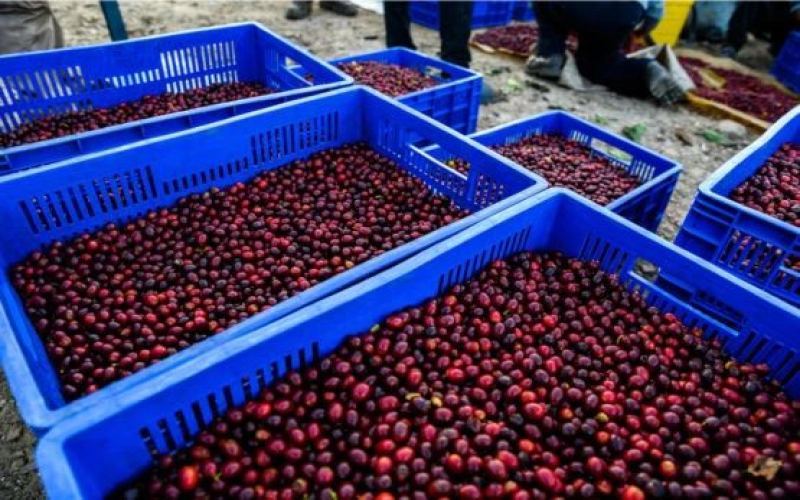
Bolivia Java vs. Panama Geisha Comparison: A Full Analysis of Bean Characteristics, Roast Profiles, and Flavor Differences
Geisha has become a star variety in the coffee world thanks to its unique floral and fruity aromas, while Bolivian Java has attracted much attention because of its "cousin" relationship with Geisha. Front Street Coffee (FrontStreet Coffee) takes Panama Janson Estate Geisha and Bolivian Java as its subjects and conducts a comprehensive comparison from variety origin, green bean appearance, roasting records, and cupping performance to brewing parameters. The article sorts out the specific differences between the two beans in sweetness, acidity, aftertaste, and complexity, and includes Front Street's roasting curves and brewing plans. Whether you want to learn about the legendary story of Geisha or are curious about the actual performance of the Java variety, this comparison can provide a clear reference. [more…]

Comparison of Brazilian and Bolivian Coffee Bean Flavors: An Analysis of Planting History, Variety Characteristics, and Pour-Over Taste Differences
Brazil and Bolivia are both South American coffee-producing countries, yet the coffees of the two countries each have their own distinctive flavors. As the "giant" of the coffee world, Brazil has enormous production, relatively soft beans, and flavors dominated by nutty, cocoa, and brown-sugar sweetness; Bolivia, although limited in production, presents deep sweetness and berry notes because of its high altitude and unique varieties. In this article, Front Street Coffee will guide you through the two countries' coffee-growing history and varietal characteristics, and, through a pour-over comparison, analyze the flavor differences between Brazil Cerrado Red Bourbon and Bolivia Java coffee beans, helping you gain a deeper understanding of how altitude and variety affect coffee taste. [more…]

Panama Emerald Red Label vs. Gesha Village Gold Label: A Side-by-Side Comparison—Which of the Two Top Geshas Is More Worth Buying?
Geisha coffee has always been a top-topic in the specialty coffee world, and on Front Street Coffee's bean list, Hacienda La Esmeralda's Red Label and Gesha Village's Gold Label are exactly the two that many enthusiasts find themselves torn between when first encountering Geisha. These two beans each represent the highest grade of their respective estates, yet because of the "red" and "gold" in their Chinese names, many people can't tell which is which. They differ not only in price, but also in variety origin, growing terroir, and flavor performance. This article systematically sorts out the similarities and differences between these two top Geishas for Front Street Coffee's customers—from naming logic and variety tracing to origin environment and actual cupping comparison—to help you find the cup that suits you best. [more…]
Exploring the Bourbon Coffee Family: The Origin Stories, Variety Characteristics, and Brewing Flavor Comparison of Red Bourbon and Yellow Bourbon
Bourbon is one of the oldest varieties of Arabica coffee, having mutated from Typica and given rise to numerous popular varieties. The red bourbon and yellow bourbon pair, "same origin, different colors," have each traveled vastly different paths of propagation and cultivation. From the perspective of Front Street, this article traces the origins of Bourbon coffee, telling how the French "borrowed" coffee seedlings from Yemen, and how a mutation on Bourbon Island created this legendary variety. It also takes a deep dive into comparing red bourbon and yellow bourbon in terms of flavor, cultivation difficulty, and yield, and presents detailed flavor descriptions of the Rwanda washed red bourbon and the Brazil Queen's Farm yellow bourbon from Front Street's bean list, helping coffee enthusiasts more clearly understand the unique charm of these two varieties that have "made a comeback." [more…]
Yunnan small-bean Catimor coffee: variety origins, disease-resistance advantages, and a comparison of washed vs. natural flavors
Catimor is one of the most controversial yet most widespread coffee varieties in the world. Thanks to its Robusta lineage, it has gained exceptionally strong disease resistance, but for the same reason it carries the stereotype of having a rough flavor profile. From the perspective of Front Street, this article traces Catimor's breeding history and its journey of introduction into Yunnan, explaining why it has become the dominant variety in Yunnan coffee. At the same time, through a V60 brewing comparison of two Baoshan Catimor beans from Front Street—a washed one and a red cherry natural one—it concretely presents the flavor profiles Catimor can display under different processing methods, helping enthusiasts rediscover this everyday yet unusual coffee. [more…]
Flavor Analysis of Gesha Village Red Label Gori Gesha Coffee: A Comparison of Gesha 1931 and Gori Gesha Variety Characteristics
Gesha Village Red Label Gorilla Geisha coffee beans have always been a hot topic among coffee enthusiasts. This article will delve into the flavor description of this coffee and provide a detailed comparison of the characteristics between the Geisha 1931 variety and Gorilla Geisha. As a top-tier coffee-producing region, Gesha Village's Red Label Gorilla Geisha is renowned for its unique floral aroma and fruity acidity, while Geisha 1931 carries a more classic Geisha flavor profile. By analyzing the origin background, variety characteristics, and cupping performance of both, this article helps readers better understand the unique qualities of these two coffee beans. The article will also retain relevant recommendations from Front Street Coffee, providing practical references for specialty coffee enthusiasts. [more…]
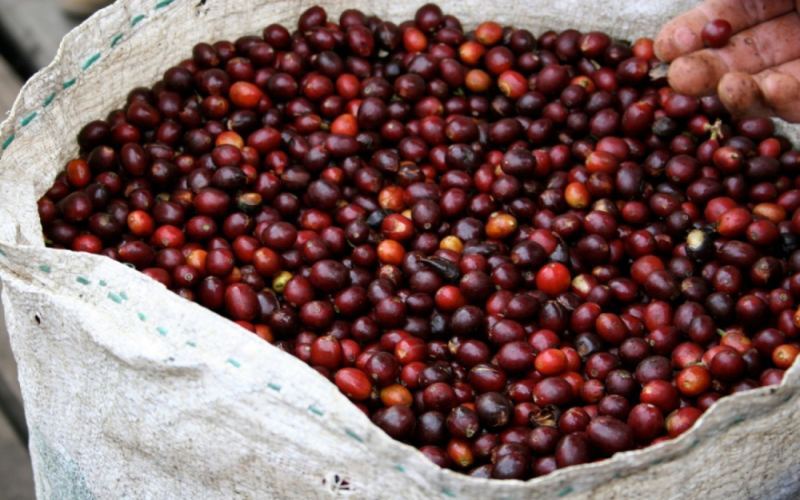
A Comprehensive Comparison of Robusta and Arabica Coffee Beans: Variety Origins, Growing Conditions, Flavor Differences, and Uses Explained
When buying coffee beans in a café, we almost always see only Arabica, while Robusta rarely makes an appearance. Both belong to the coffee family, so what are their essential differences? In this article, Front Street Coffee will systematically sort out the differences between Robusta and Arabica coffee beans across multiple dimensions, including variety origin, plant characteristics, growing environment, caffeine content, disease resistance, flavor performance, and practical uses. Whether you are a coffee enthusiast just getting started or a seasoned player hoping to gain a deeper understanding of the essence of coffee beans, this comparison can help you build a clearer cognitive framework and understand why the specialty coffee world is almost entirely occupied by Arabica, and in which fields Robusta plays an irreplaceable role. [more…]

Comparison of Two Geisha Blends: Green Bean, Roasting, and Flavor Differences Between Front Street Coffee's Gesha Village Chaka and Front Street Coffee's Panama Butterfly
Front Street Coffee has recently added several Gesha Village lots, including Gold Label, Red Label, and Chaka. Many coffee enthusiasts are curious: both being Gesha blends, what exactly is the difference between Front Street Coffee Gesha Village · Chaka and Front Street Coffee Panama · Butterfly? This article compares the two across three dimensions: green bean information, roasting curves, and brewing parameters and flavor performance. Both beans are primarily Gesha variety, and both flavor profiles carry citrus fruit notes, but Chaka has higher body with prominent nutty flavors, while Butterfly is cleaner and clearer with obvious floral notes. If you are choosing a Gesha blend, this comparison may help you find the one that suits you better. [more…]
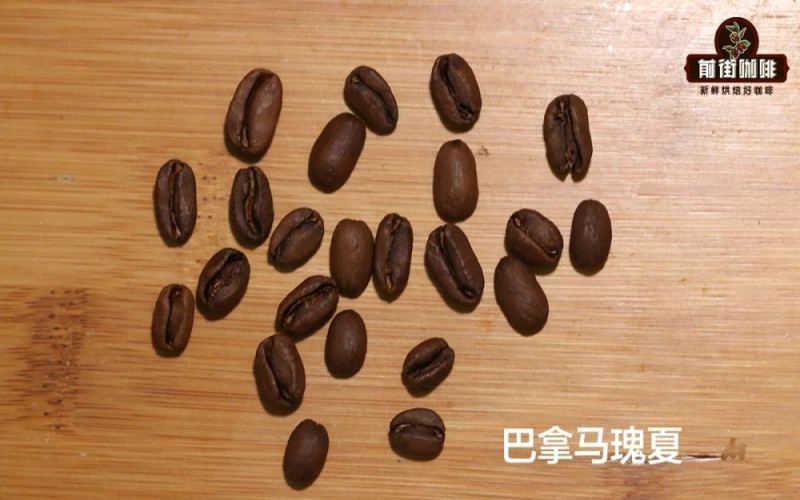
Panama Janson Geisha vs. Bolivia Java: A Full Analysis of Variety Origins, Processing Methods, and Flavor Differences
Geisha and Java—one is famed for its floral and fruity aromas, the other is called Geisha's cousin. What exactly sets them apart? Front Street Coffee recently got hold of a Bolivian Java, and took this opportunity to conduct a comprehensive comparison with a Panama Janson Estate Geisha. This article will dissect the similarities and differences between these two natural-process beans, from variety origins, green bean appearance, and roasting curves to cupping and pour-over flavors. Java first originated in the forests of Ethiopia, spread to Indonesia via Yemen, and later made its way to Central and South America; Geisha, on the other hand, set out from the Geisha forest in Ethiopia and ultimately rose to prominence at Hacienda La Esmeralda in Panama. Through actual brewing and tasting, Front Street found that the Janson Geisha has a cleaner mouthfeel, while the Bolivian Java boasts rich layers—each has its own strengths. [more…]
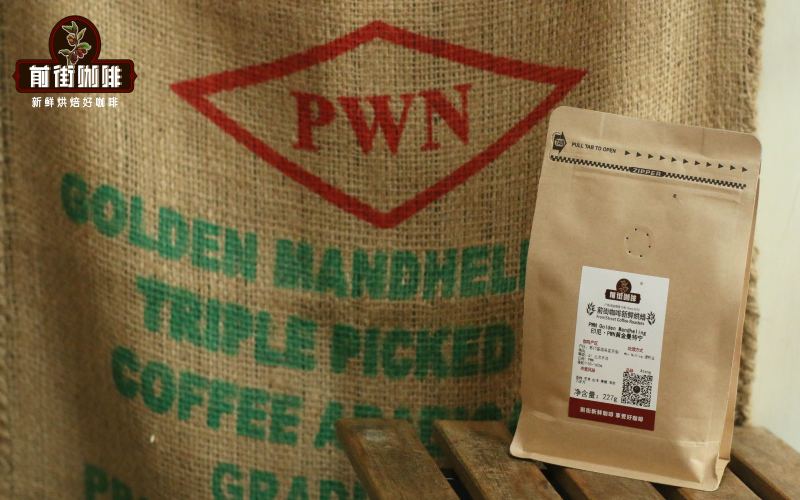
An In-Depth Analysis of Mandheling Coffee: A Full Comparison of the Origins, Processing, and Flavor Differences Between Lintong and Golden Mandheling
When it comes to Mandheling, many coffee lovers think of its signature full body and deep, low-toned flavors. The two most talked-about options on the market are Front Street Lintong Mandheling and Front Street Golden Mandheling. The former is regarded as the quintessential Mandheling, while the latter rose to fame after Japanese and Indonesian partners established strict screening standards. Although both are wet-hulled, they differ in style due to differences in origin, variety, and screening precision. This article examines the origin backgrounds, variety characteristics, processing methods, grade standards, and Front Street's actual roasting and pour-over performance for Lintong and Golden Mandheling, fully sorting out the flavor differences between the two beans and answering the question of whether Lintong Mandheling is necessarily inferior to Golden Mandheling. [more…]
Front Street Yirgacheffe Coffee Bean Flavor Analysis: A Comparison of Grading Systems, Washed and Natural Processing Methods, and Heirloom Variety Flavor Profiles
Yirgacheffe is one of Ethiopia's most representative specialty coffee regions, and its grading standards are not based on screen size, but rather on the proportion of defective beans in the green coffee. On the market, Washed G2 and Natural G3 are commonly seen, while G1 represents the batches with the lowest defect rate and the best quality, which can only be obtained through hand sorting. This time, Front Street Coffee brings two G1-level Yirgacheffes: one from the Kochere region under the Adulina company, fully washed, with the variety being the local native mixed Heirloom; the other from the Aricha Kochere processing station in the small town of Yirgacheffe, carefully crafted using the raised-bed natural method. The two beans each have their own characteristics, ranging from floral aromas and citric acidity to fermented fruit sweetness and vinous notes, showcasing the diverse flavor profile of Yirgacheffe. This article will provide a detailed interpretation of its grading logic, processing methods, variety characteristics, and actual cupping flavors. [more…]
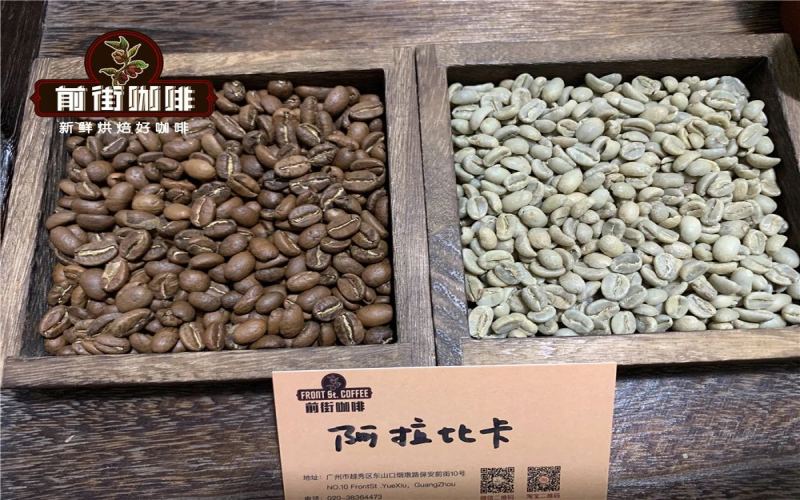
A Comprehensive Analysis of Arabica Coffee Beans: Origins and Varieties, Flavor Characteristics, Growing Altitude, and Comparison with Robusta
When selecting coffee, the words "Arabica" often appear on the packaging—what exactly do they represent? Why do merchants always love to emphasize this variety? This article, from the perspective of Front Street, will sort out Arabica's origins, flavor characteristics, and growing conditions, and conduct a comprehensive comparison with Robusta. At the same time, it will also introduce the Front Street daily bean series and espresso blend recommendations, helping coffee lovers more clearly understand the value of this mainstream variety and find Arabica coffee suitable for everyday drinking. [more…]
Is Catimor Coffee Bean Considered Arabica? Flavor Differences and Taste Comparison with Typica
Catimor and Typica are both members of the Arabica family, yet due to differences in genetic origin, growing altitude, and processing methods, they present completely different flavor profiles. Catimor carries Robusta lineage, has strong resistance to leaf rust and high yield; at low altitudes it often shows bitterness and herbal notes, while at high altitudes it can express plum-like acidity and caramel sweetness. Typica, as the oldest Arabica variety, is known for its cleanliness and sweetness, and the fame of Blue Mountain and Kona both stems from it. This article will start from the variety origins, the influence of altitude, and the current state of cultivation in Yunnan, sort out the taste differences between the two, and introduce the specific flavor performance and brewing suggestions of Front Street Coffee Yunnan Catimor and Front Street Coffee 2013 Typica. [more…]

A Full Comparison of Three Famous Ethiopian Coffees: Gesha, Yirgacheffe, and Huakui—Origins, Varieties, and Flavors
Ethiopia is the birthplace of Arabica coffee and, in the minds of coffee lovers worldwide, a region with an exceptionally high quality-to-price ratio. Within this genetic treasure trove, Geisha, Yirgacheffe, and Huakui are collectively known as the "Three Giants of Ethiopian Coffee" thanks to their fame. Although most coffee enthusiasts have heard of them, not everyone can clearly explain the specific differences among the three in terms of regional attributes, the meaning of their names, and flavor expression. From the perspective of Front Street, this article systematically sorts out the origins and development of these three coffees: Yirgacheffe is actually the name of a region, Geisha is the name of a variety but has two references, and Huakui is a commercial name. Only by understanding their identities and flavors can one truly appreciate the rich charm of Ethiopian coffee. [more…]
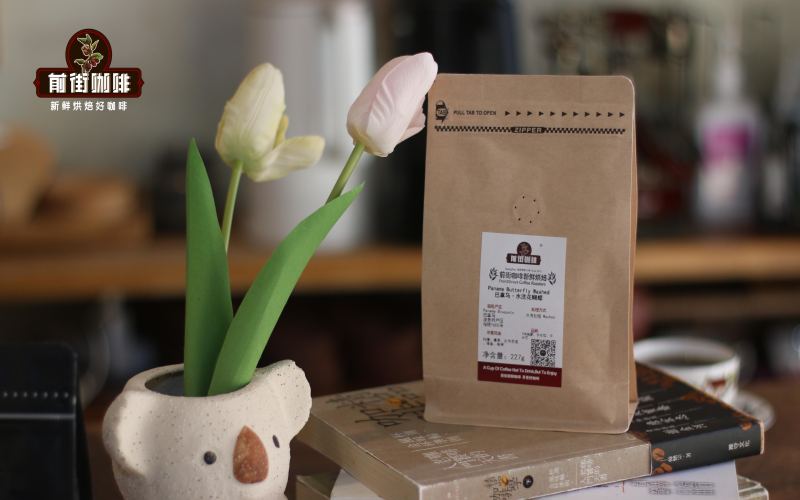
Analysis of the Differences Between Natural and Washed Coffee Bean Processing Methods: A Flavor Comparison of Two Gesha Blend Butterfly Varieties
The same coffee beans can present completely different flavor profiles simply because of different processing methods. This article takes Front Street Panama Boquete Butterfly, a Geisha blend, as an example, and analyzes it one by one from variety composition and regional characteristics to the principles and pros and cons of the two processing methods, natural and washed. Through an actual cupping comparison, Front Street Washed Butterfly shows a clean profile of white floral notes and black tea, while Front Street Natural Butterfly leans toward a rich style like tropical fruit red wine. If you are also wondering which is better, natural or washed coffee, or want to understand the ins and outs of Geisha blends, this article will provide you with a clear answer. [more…]
Bourbon Coffee Bean Flavor Analysis: Differences and Variety Comparison of Red Bourbon, Yellow Bourbon, and Pink Bourbon
Bourbon is a pivotal classic variety within the Arabica family, from which numerous variants such as Red Bourbon, Yellow Bourbon, and Pink Bourbon have derived, each exhibiting distinct differences in flavor and cultivation characteristics. This article focuses on the traits of Bourbon coffee beans, detailing the origins, flavor profiles, and representative producing regions of Red Bourbon, Yellow Bourbon, and Pink Bourbon, while also clarifying the relationships between Bourbon, Caturra, and Typica. The article also compiles specific information on three everyday beans available at Front Street Coffee: Brazil Red Bourbon, Brazil Queen Estate Yellow Bourbon, and Colombia Isabella Pink Bourbon, for coffee enthusiasts to compare and understand. [more…]
A Complete Guide to Ethiopia's Sidamo Region: Washed and Natural Processing, Flavor Comparison, and Front Street Coffee Buying Guide
Sidamo is one of the most notable coffee-producing regions in Ethiopia, ranking alongside Yirgacheffe, and is known for its floral aromas, citrus notes, and smooth acidity. This article will guide you through Sidamo's geographical environment, annual production, green bean appearance characteristics, and the impact of both natural and washed processing methods on flavor and export grades. It also explains in detail the export grade and roasting recommendations for Front Street natural Sidamo, and includes complete product information for Front Street Coffee Ethiopian Sidamo coffee beans, including region, altitude, variety, and flavor description—ideal for coffee enthusiasts who want to gain a deeper understanding of this classic region. [more…]
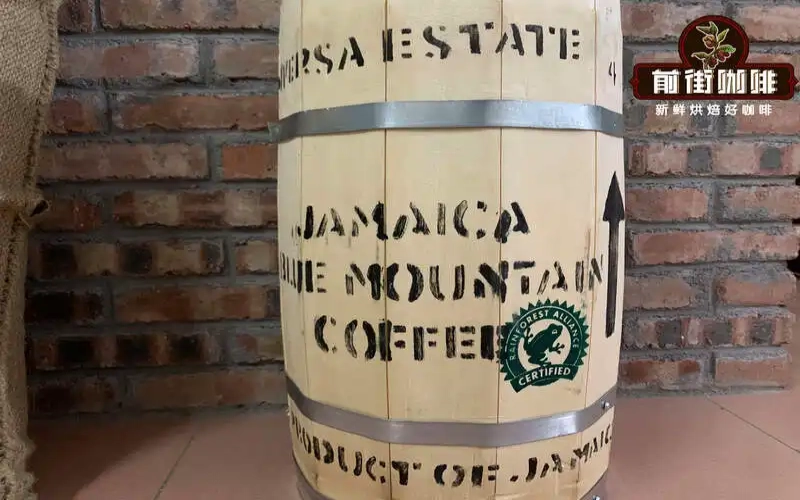
Comparison of Jamaican Blue Mountain and Indonesian Golden Mandheling: Differences in Origin, Variety, Processing Method, Cupping, and Brewing
When people seek coffee with a rich, full-bodied taste, Blue Mountain and Mandheling are often the first two names that come to mind. These two beans come from Jamaica and Indonesia respectively, each with a distinct character. Front Street Coffee conducted a complete comparison of Blue Mountain No. 1 and PWN Golden Mandheling, covering everything from origin terroir, variety characteristics, green bean grading, and processing methods to cupping flavors and brewing performance. The article not only sorts out the geographical background and processing technique differences of the two coffee regions, but also includes the specific parameters and brewing suggestions of Front Street's currently available products, making it suitable for enthusiasts who want to gain a deeper understanding of these two classic coffees. [more…]
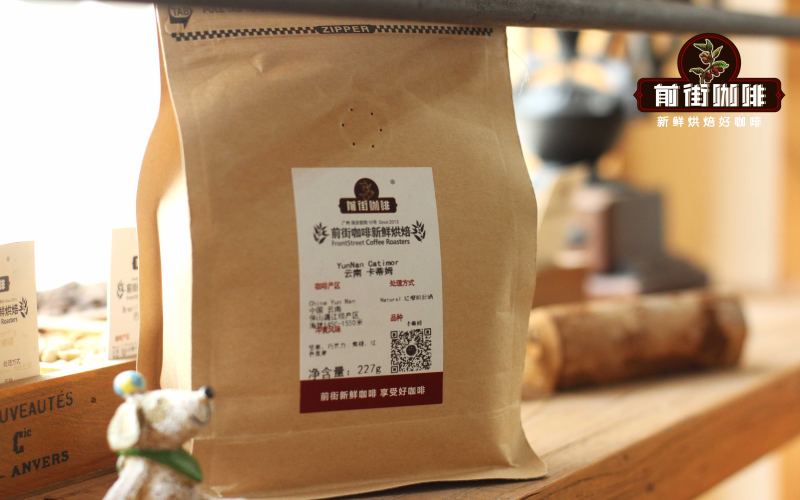
Analysis of Yunnan small-bean coffee's growing regions, variety evolution, and flavor comparison across three processing methods
Yunnan arabica coffee has performed impressively in international competitions and flavor evaluations in recent years, with its popularity continuing to rise. From the perspective of Front Street Coffee, this article systematically reviews the definition of Yunnan arabica coffee, its main growing regions and geographical conditions, traces the history of the introduction of the Catimor variety and its flavor limitations, and introduces Front Street's practice of experimentally cultivating the Typica variety in Lincang. At the same time, the article compares in detail the differences in flavor performance and suitable brewing methods among the three Yunnan coffee beans currently sold by Front Street — sun-dried Typica, washed Catimor, and Black Cocoa Blend — helping coffee enthusiasts gain a more comprehensive understanding of the current state and potential of the Yunnan producing region. [more…]

Comprehensive Comparison of Mandheling Coffee and Blue Mountain Coffee: Analysis of Origin, Processing Methods, Green Bean Characteristics, and Pour-Over Flavor Differences
Mandheling and Blue Mountain are often regarded as the two great representatives of full-bodied coffee, but their styles diverge sharply—the former is intense and aromatic, the latter balanced and sweet. From the perspective of Front Street Coffee, this article systematically sorts out the specific differences between Jamaican Blue Mountain and Indonesian Golden Mandheling in terms of geographical terroir, processing methods, green bean appearance, and cupping flavors. Blue Mountain comes from the high-altitude volcanic soil of a Caribbean island and uses the washed process; Golden Mandheling comes from Sumatra, where the wet-hulled method gives it its unique character. The article also includes Front Street Coffee's pour-over comparison parameters and flavor notes to help coffee enthusiasts more clearly understand the essential differences between these two classic coffees. [more…]