







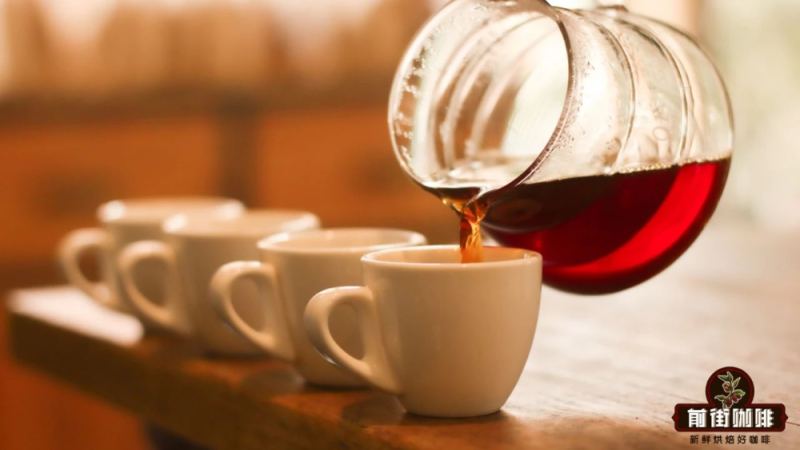
How do these two classic coffees differ in origin and processing?
Mandheling and Blue Mountain represent two distinct approaches to full-bodied coffee. Golden Mandheling comes from Sumatra, where the wet-hulling process gives it an intense, aromatic character and a heavy body. Blue Mountain grows in Jamaica's high-altitude volcanic soil and is fully wet-processed, producing a balanced cup with notable sweetness. The differences trace back to terroir, green bean appearance, and processing method.
Jamaica's Blue Mountain region covers only about 6,000 hectares, so output is limited and not every bag labeled Blue Mountain originates there. Clifton Mount Estate holds Rainforest Alliance certification. On the pour-over side, Front Street Coffee's comparison parameters and flavor notes show how the two coffees pull apart in the cup, with Mandheling leaning earthy and dense and Blue Mountain staying clean and sweet.
Mandheling and Blue Mountain are often regarded as the two great representatives of full-bodied coffee, yet their styles diverge completely—the former is intense and aromatic, while the latter is balanced and sweet. From the perspective of Front Street Coffee, this article systematically sorts out the specific differences between Jamaican Blue Mountain and Indonesian Golden Mandheling in terms of geographical terroir, processing methods, green bean appearance, and cup profile. Blue Mountain comes from the high-altitude volcanic soil of a Caribbean island and is wet-processed; Golden Mandheling originates from Sumatra, where the wet-hulling method gives it its unique character. The article also includes Front Street Coffee's pour-over comparison parameters and flavor notes, helping coffee enthusiasts more clearly understand the essential differences between these two classic coffees.
For more specialty coffee knowledge, please follow our WeChat public account: Front Street Coffee
When it comes to full-bodied coffee, Mandheling and Blue Mountain are always the first to come to mind—they have almost become synonymous with full-bodied coffee. However, Front Street Mandheling coffee and Front Street Blue Mountain coffee actually present vastly different styles—one excels in intense richness and aroma, while the other wins with balanced sweetness. Next, let Front Street guide you through the other specific differences between them.
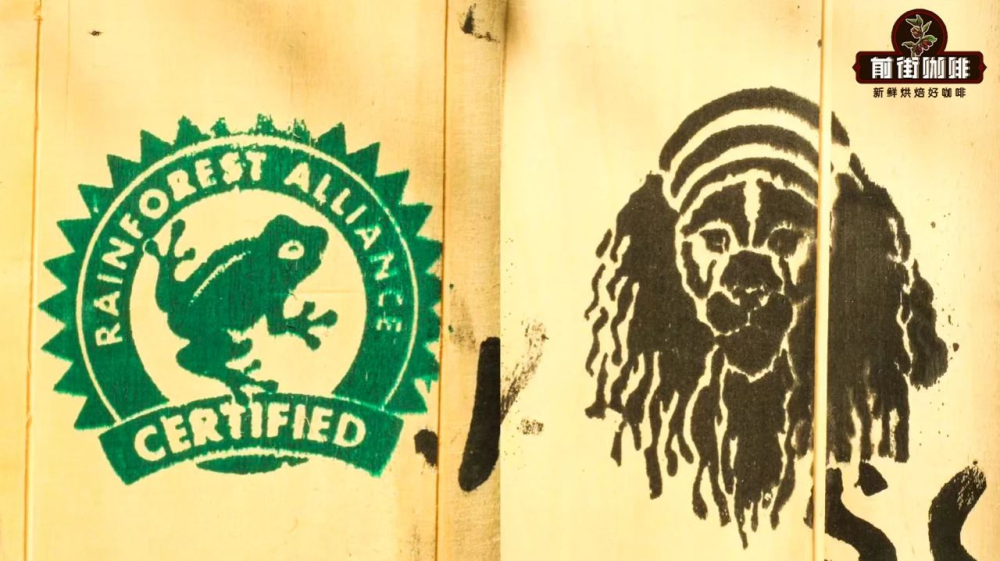
However, not all coffees bearing the name "Blue Mountain" actually come from the authentic Blue Mountain region. The Blue Mountain area has only about 6,000 hectares of cultivation, with limited output, so it is impossible for all coffees labeled "Blue Mountain" on the market to originate there. Front Street Coffee Jamaican Blue Mountain Clifton Mount is the oldest coffee estate in Jamaica and the only farm in the country to hold the Rainforest Alliance (RFA) certification mark.
【Geographical Differences】
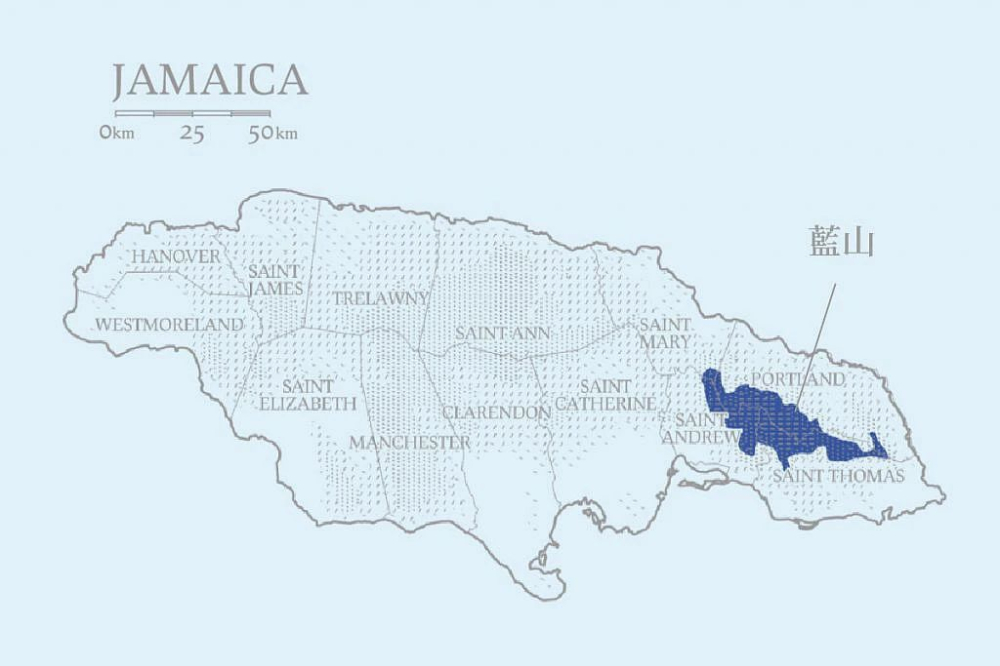
Jamaican Blue Mountain Coffee: Jamaica is an island nation in the Caribbean Sea, and the famous Blue Mountain is located here. The main peak of Blue Mountain rises 2,400 meters above sea level, making it the highest point in the Caribbean region.
This area lies within the coffee-growing belt and features fertile new volcanic soil, clean and pollution-free air, abundant year-round rainfall, high humidity, and significant temperature differences between day and night. The soil is rich in nitrogen and phosphorus, providing ideal conditions for coffee growth; combined with the frequent mist that shrouds the island and blocks the harsh sun, along with regular rainfall, these factors together create the unique quality of Blue Mountain coffee.
Indonesian Golden Mandheling
Indonesia is a country centered on the equator and composed of numerous large and small islands, ranking third in global coffee production, most of which is Robusta. Arabica is cultivated on Java, Sulawesi, and Sumatra, and the Mandheling coffee produced in Sumatra can be called the signature of Indonesian coffee, with GRADE 1 representing the highest grade with the fewest defective beans.
When talking about "Golden Mandheling," one must first introduce PWN. This abbreviation often appears alongside the name of Mandheling coffee, and it is actually short for Pwani Coffee Company.
This company is highly renowned locally in Indonesia, mainly engaged in purchasing Mandheling coffee, and it has encompassed almost all of Indonesia's finest producing regions, so most beans from PWN are of specialty grade. Golden Mandheling is one of the company's products; after the green beans are purchased, they must undergo multiple rounds of manual hand-sorting, and only plump, flawless beans can ultimately be classified as Golden Mandheling.
【Differences in Coffee Bean Processing Methods】
Washed Blue Mountain Coffee
Blue Mountain coffee uses the washed process. After harvesting, the cherries first undergo floatation screening, then the skin and mucilage are removed by washing, exposing the inner coffee beans, which are then sent to a processing facility for centralized handling. Using washing and fermentation to remove the skin, pulp, and mucilage, farms employing the washed method must build washing channels and be able to continuously introduce fresh water. During processing, the skin and pulp are first removed, allowing fermentation for 12 to 18 hours; afterward, the fermented beans are moved into channels, where the friction between beans and the impact of flowing water clean the coffee beans until they are smooth and clean.
Wet-Hulled Golden Mandheling
Wet hulling, also known as Wet Hulling, called Giling Basah in the local language, is a traditional Indonesian coffee processing method. Judging by name alone, wet hulling seems similar to the washed process, but the cup profiles of the two are completely different—coffee processed by wet hulling tends to be full-bodied and intense, with a highly distinctive style.
【Green Bean Comparison】
Jamaican Blue Mountain: The variety of Blue Mountain coffee is Typica, an ancient variety with a long history. The basic standards for NO.1 grade Blue Mountain green beans include: screen size 17 and above, defect rate below 3%, moisture content around 13%, etc., with an appearance of beautiful, plump blue-green color.
Golden Mandheling: The variety of Golden Mandheling is also Typica. The basic requirements for green beans are screen size 19 and above, with a darker green color and a neat flat bean shape. In appearance, more goat-foot beans are often visible, but this is not a defect—when wet hulling removes the parchment, the coffee's moisture content is still as high as 20-24%, whereas general processing methods only hull after the moisture content drops to 10-12%. In the semi-dry state, the parchment adheres to the surface of the green beans, and removing the parchment is more difficult than in the fully dry state, requiring greater friction during the hulling process.
Front Street Coffee Golden Mandheling Coffee Beans
On the other hand, coffee green beans in the semi-dry state are extremely fragile at this point, with hardness far less than fully dried green beans, so the beans are easily crushed and damaged, forming small notches. This is what is commonly called horse-hoof beans or goat-foot beans (locally called kuku kambing).
【Front Street Coffee Cup Profile Differences】
Jamaican Blue Mountain Coffee Beans Cup characteristics: Acidity, body, and aroma achieve a perfect and subtle balance. The acidity is bright and delicate, the mouthfeel is velvety smooth, and the aroma has a slight penetrating quality, accompanied by floral, spicy, and citric tones. After entering the mouth, there is a hint of cocoa in the aftertaste. The taste is very clean, complex, and mild, with chocolate sweetness and extremely strong body. The flavor is rich and aromatic, with sweetness, acidity, and bitterness perfectly matched, with almost no bitterness, only a moderate and beautiful acidity, and a persistent fruity note in the finish.
Dry aroma: roasted peanut, hazelnut, melon, chocolate-like. Wet aroma: rose-tea, caramel, honey, black chocolate, almond skins, silky mouthfeel, brightness
Aroma: Medium. Cleanliness: None. Sweetness: Medium. Acidity: Slight. Intensity: Strong. Bitterness: Average. Aftertaste: Medium. After cooling: Medium.
Golden Mandheling Coffee Beans
Layered and varied, clean, balanced, with a persistent caramel sweetness in the finish. High sweetness and rich, full-bodied flavor: baked toast, pine wood, caramel, cocoa, with a slight herbal, earthy note.
Aroma: None. Cleanliness: Medium. Sweetness: Medium. Acidity: None. Intensity: Strong. Bitterness: Medium. Aftertaste: Strong. After cooling: None.
【Front Street Coffee Brewing Comparison】
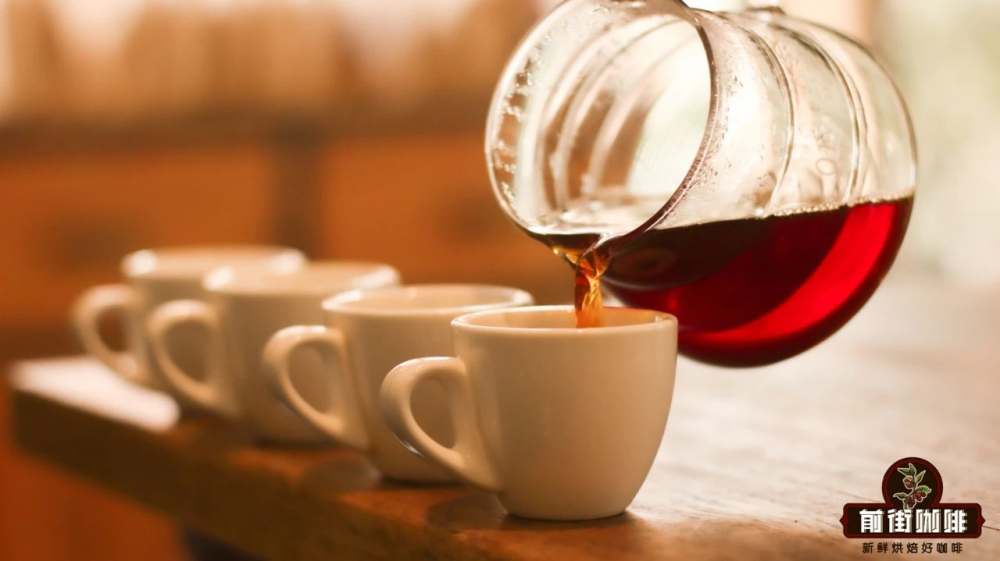
Below is a pour-over comparison of the differences between Golden Mandheling and Blue Mountain coffee, both using a KONO dripper with the same brewing parameters.
Dripper: KONO dripper
Coffee dose: 15g
Water temperature: 88°C
Water-to-coffee ratio: 1:15
Grind size: EK43s setting 11
Front Street Coffee Brewing Technique Sharing
Bloom with 30g of water for 30 seconds, then pour the first stage up to 125g and stop; use a vertical stream, a slow small circular pour; then pour the second stage up to 225g.
【Jamaican Blue Mountain Flavor】The taste is very clean, complex, and very mild, with chocolate sweetness and a very strong body. The flavor is rich and aromatic, with the coffee's sweetness, acidity, and bitterness perfectly matched, completely lacking bitterness, with only a moderate and perfect acidity, and a persistent fruity note in the finish.
【Golden Mandheling Flavor】On the palate, nut, chocolate, spice, and herbal flavors are prominent, with a long-lasting caramel sweetness in the finish.
The above content is compiled by CoffeeHunters, a coffee news website.


