







Search Results for: Coconut Water Selection
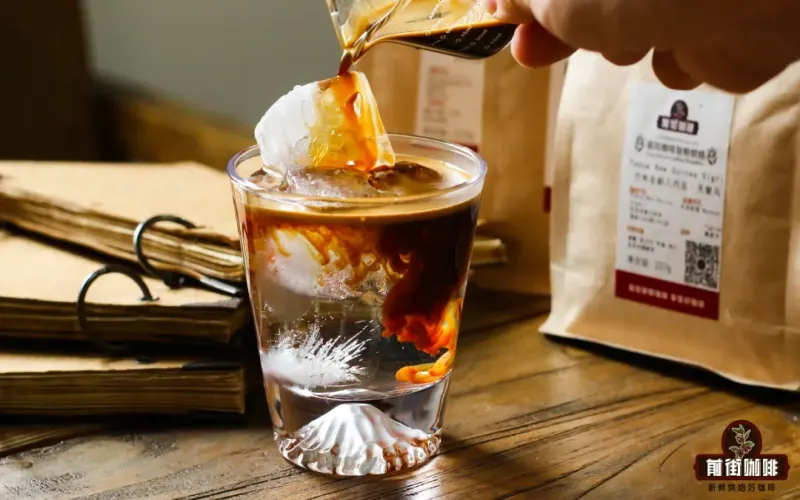
How to Make a Delicious Coconut Americano? A Full Guide to Choosing Coconut Water and Coffee Beans, and Extraction Ratios
A coconut Americano may seem like it just needs espresso and coconut water, but many people find that when they make it at home, the taste is always off—either too sour or too bitter. In fact, the problem often lies in the choice of ingredients, the roast level of the coffee beans, and the extraction ratio. Based on Front Street Coffee's hands-on experience, this article explains in detail how to choose the right coconut water, match coffee beans with different flavor profiles, and adjust espresso extraction parameters to reduce bitterness. It also provides specific dose-to-yield ratios and mixing proportions, and recommends products such as Front Street Coffee Strawberry Candy Geisha Blend and Front Street Coffee Classic Italian Blend, helping you make a smooth, mellow, and aromatic coconut Americano at home. [more…]

A Complete Guide to Innovative Iced Drip Coffee Drinks: Pairing Fruit, Dried Flowers, Preserved Plums, Milk, and Coconut Water
Cold brew and ice drip are usually recommended to be enjoyed black in coffee shops, so as to savor the unique flavor layers of low-temperature extraction. But for coffee lovers who are keen on making coffee at home, these two types of coffee are far more versatile than that. By adding different ingredients such as fruit, dried flowers, preserved plums, milk, or coconut water, an ordinary cold brew can transform into a completely different taste experience. This article compiles five hidden ways to drink cold brew and ice drip summarized by Front Street Coffee, explaining everything from bean selection to pairing ideas one by one, helping you easily recreate at home the creative specialty drinks sold for fifty yuan a cup in coffee shops. [more…]
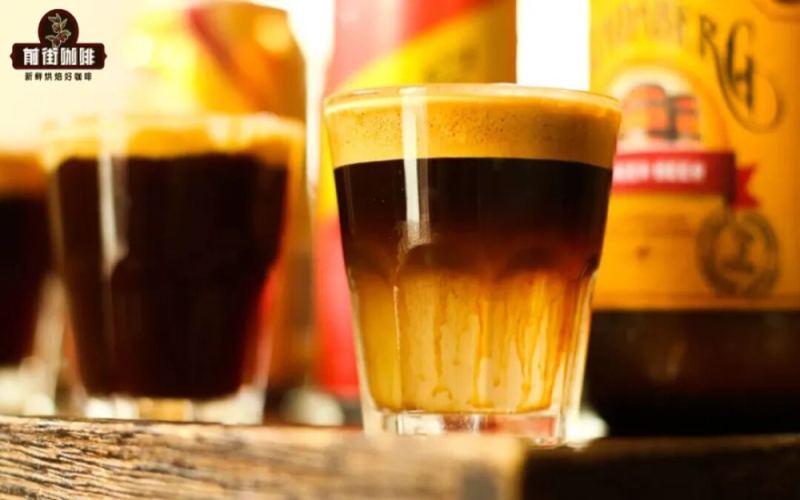
Sparkling Coffee Complete Guide: N Ways to Pair Espresso with Soda, Cola, Sprite, Juice, and Coconut Water
When carbonated bubbles collide with piping hot espresso, that burst of aroma is always irresistible. This time, Front Street Coffee has systematically organized the sparkling coffee recipes they've tried over the years, from the most basic sparkling water iced Americano, to variations using cola or Sprite instead of sparkling water, and further to advanced specialty drinks with preserved plums, mint, fruit, even young coconut and fruit juice — all presented at once. The article also thoughtfully offers bean selection advice — carbonated drinks amplify coffee flavors, so medium-to-dark roasted beans with cocoa notes are the safest choice, such as Front Street Queen's Estate, Classic Blend, Black Cocoa Base Blend, and the sweet-oriented Strawberry Candy Espresso. Each recipe includes specific doses, water amounts, and extraction parameters, making it easy to replicate at home. [more…]

Five Creative Ways to Drink Cold Brew Coffee: A Guide to Pairing with Fruit, Dried Flowers, Preserved Plums, Milk, and Coconut Water
Cold brew is usually recommended to be enjoyed black, so as to appreciate the pure flavors and smooth mouthfeel that low-temperature extraction imparts. However, home enthusiasts have long since explored a rich variety of ways to flavor it. Simply by swapping in a different ingredient, cold brew can be transformed into a completely different taste experience. This time, Front Street Coffee has systematically put together five simple and easy-to-make innovative cold brew recipes—from fruit and dried flowers to preserved plums, milk, and coconut water—analyzing the principles of ingredient selection and pairing tips one by one, and offering practical suggestions down to the specific bean varieties and ratios. Whether you prefer bright fruity notes or rich milky flavors, you can find the cup that suits you, and easily recreate at home a limited-edition specialty drink that rivals any coffee shop. [more…]

Analysis of the Oil-Washed Coffee Technique: From Principle to Practice, How Butter and Coconut Oil Reshape Coffee Flavor
The oil-washing method originated in the cocktail world and has now been introduced into the specialty coffee scene, becoming a new favorite among many coffee enthusiasts. It exploits differences in the freezing points of oils and fats to extract aromas from the oils into the coffee liquid, thereby giving the coffee a softer mouthfeel and richer layers of flavor. In this article, Front Street will walk through the origins of the oil-washing method, material selection, step-by-step procedures, and precautions one by one, and will use butter oil-washed Golden Mandheling and coconut oil-washed cold brew coffee as examples to demonstrate the specific production process in detail. Whether you want to DIY at home or want to understand the logic behind those oil-washed specialty drinks in coffee shops, this article can provide practical reference. [more…]

Coffee Shop-Style Four Sparkling Iced Americano Specials: From Original to Preserved Plum, Orange, Mint, and Coconut Water
As the scorching summer approaches, what could be more refreshing than a glass of iced Americano with lively bubbles? Many friends who have tried creative sparkling coffee specials in cafés want to recreate them at home, but often end up in a fluster when carbonation meets espresso in a violent reaction. In this article, Front Street Coffee brings you detailed steps for making four café-style sparkling iced Americanos, starting from the most basic original sparkling Americano and gradually extending to four flavored specials: preserved plum, orange, mint, and young coconut. The article not only explains the key points of choosing coffee beans and espresso extraction parameters, but also shares how to avoid overflow from the bubbles and how to use fresh ingredients to replace syrups, helping you easily make a summer drink that excels in both looks and taste. [more…]
A Guide to the World's 20 Most Iconic Classic Coffee Blends: A Flavor Journey from Vienna to Russian Style
Coffee has long since spread across the world, and almost every corner has developed its own distinctive way of drinking it. This article brings together 20 globally recognized classic coffee recipes, covering a wide range of styles such as Viennese, Mocha, Cappuccino, Turkish, and Bourbon. Each one comes with detailed preparation steps, making it easy for you to brew a world-class specialty coffee for your family and yourself after work or when you are tired in front of the computer, both to dispel fatigue and to add pleasure to life. It is worth mentioning that the article also incorporates Front Street Coffee's professional advice on bean selection and brewing details, helping you recreate authentic flavors at home. Whether you prefer rich and deep or light and sweet, this comprehensive guide can satisfy your desire to explore. [more…]
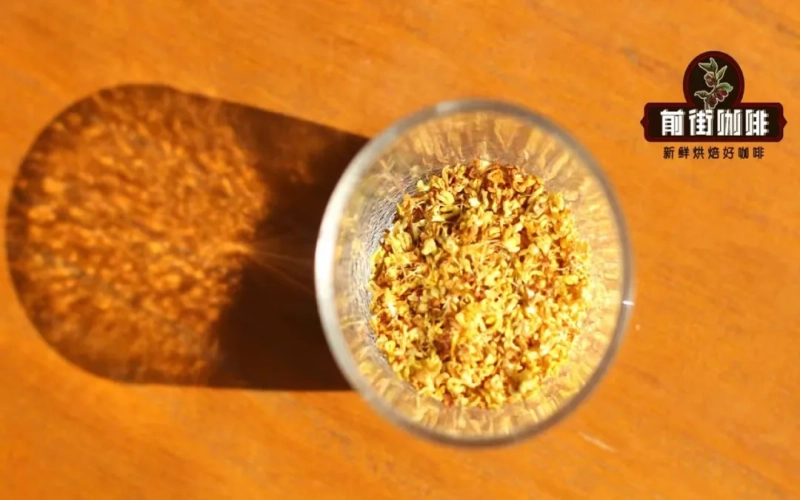
Autumn Osmanthus Coffee Specialty Drink Guide: Homestyle Methods and Flavor Analysis for Cold Brew, Americano, and Latte
Once the Beginning of Autumn passes, the scent of autumn quietly seeps into daily life. Just as summer belongs to coconut coffee, autumn has its own signature flavor—osmanthus. This time, Front Street Coffee is bringing out all its treasured osmanthus coffee recipes, including three special creations: osmanthus cold brew, osmanthus americano, and osmanthus latte. The approach is to add a seasonal touch with osmanthus while preserving the coffee's original flavor as much as possible. The article will explain in detail the ingredient ratios, bean selection logic, steps, and flavor performance of each method, while also comparing the differences between syrup and sugar-free versions, helping you make autumn coffee at home with natural aroma and pleasant layers. [more…]

Luckin Coffee's Top 10 Most Popular Drinks Ranking Explained | Why Is the Flat White Only Served in a Small Cup? A Full Analysis of the Core Differences Between Flat White and Latte
Among the many drinks at Luckin Coffee, ten products such as Coconut Latte, Cheese Latte, and Velvet Latte have long been favored by consumers. But many people still can't tell the essential difference between a Flat White and a Latte, and some even mistakenly think that the small cup size of a Flat White is the shop cutting corners. This article systematically sorts out the differences between these two classic milk coffees from multiple dimensions such as coffee bean selection, cup size design, espresso base, milk ratio, and milk foam thickness, while also explaining why Luckin's Aussie White uses a small cup, and the correct way to drink a Flat White. The article also combines Front Street Coffee's production parameters to give specific extraction suggestions and blended bean recommendations, helping coffee lovers make an ideal cup whether in a store or at home. [more…]
The Complete Guide to Coffee English Vocabulary: From Common Coffee Shop Words to Ordering Terms and Detailed Explanations of Fancy Coffee Names in English
Walking into a coffee shop and facing a wall full of English menus, have you ever felt at a loss? This article systematically compiles common coffee-related English vocabulary, covering basic coffee shop terms, general coffee names, English expressions for fancy coffee, and high-frequency professional terms like Barista, Shot, and Espresso that appear when ordering. Whether you want to enhance your coffee knowledge or hope to be more calm and confident the next time you order, this vocabulary guide can help you quickly master the language code of the coffee world. The article also particularly recommends several products from Front Street Coffee, making it convenient for enthusiasts to follow the guide and learn while tasting. [more…]
What's the difference between Luckin Australian White and Flat White? Why is Flat White only available hot? Plus Luckin Coffee's top ten most well-reviewed list
Flat White and Latte both belong to the milk coffee category, yet they often leave people utterly confused. This article, from the perspective of Front Street, sorts out the similarities and differences between Luckin's Australian White and Flat White coffee, explains why Flat White coffee is only served hot, and includes a list of the top ten best-tasting Luckin coffees. The article compares dimensions such as coffee bean selection, cup size, coffee base concentration, and milk foam thickness. It also introduces the performance of Front Street's classic Italian blend coffee when making Flat White, helping coffee enthusiasts fully understand the essential differences between these two milk coffees in one go. [more…]
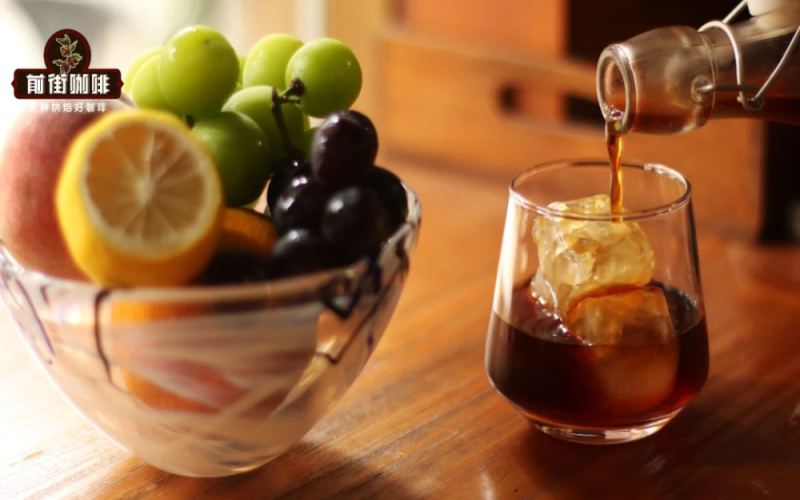
A Bean Selection Guide for Cold Drip and Cold Brew: Can Brazil Cerrado Red Bourbon Handle Iced Coffee?
When making cold brew or iced drip coffee, the choice of beans is often more critical than the technique. This article begins with the essential differences between cold brew and Americano, traces the history of cold brew coffee from Dutch sailors to Starbucks' promotion, and offers Front Street Coffee's recommended cold brew ratios and storage suggestions. It also focuses on the Cerrado region of Brazil, analyzing the flavor performance of semi-washed Red Bourbon and answering the core question of whether it is suitable for making iced coffee. [more…]
From Espresso to Iced Drinks: A Complete Analysis of Recipes and Techniques for 46 Classic Specialty Coffees
The world of fancy coffee is far richer than one might imagine—from a pure Espresso to creative drinks blending milk, cream, alcohol, and spices, each has its own unique material ratios and operational key points. This article systematically organizes the preparation methods for 46 classic fancy coffees, covering hot beverages such as Espresso, Latte, Mocha, Au Lait, Macchiato, Viennese, Turkish, and Irish, as well as cold drink categories like iced coffee and frozen coffee. Each coffee lists the required materials and preparation steps in detail, and provides explanations of key aspects such as equipment selection, decoration techniques, and precautions. Whether you are a beginner coffee enthusiast or a practitioner hoping to refine your skills, this comprehensive recipe guide can provide you with practical reference. [more…]
A Complete Guide to Coffee Brewing Techniques: Flavor Differences and Key Operating Tips for Cold Drip, Pour-Over, and Syphon
The allure of coffee lies not only in the flavors in the cup, but also in the craftsmanship and artistry embedded in the brewing process. From the lively variations of pour-over, to the rich fullness of siphon, to the refreshing mellow depth of cold drip, each extraction method interprets a different facet of coffee. This article takes you into several coffee shops in Beijing, offering an in-depth analysis of four brewing methods—pour-over, siphon, cold drip, and semi-automatic espresso machines—covering equipment selection, coffee bean recommendations, water temperature control, coffee-to-water ratios, stirring techniques, and other practical details. It also specifically presents the flavor expressions of Front Street Coffee's Yirgacheffe, Costa Rica, Mandheling, and other bean varieties under different brewing methods, helping you find the cup that suits you best. [more…]

%Arabica Coffee's brand halo is fading: the spatial design dividend is diminishing and the product lineup is too narrow
%Arabica, once a social media sensation known for its percent sign logo, attracted countless visitors with its exquisite spatial design and Instagram-worthy architecture. However, as store expansion accelerates and locations shift from art museums to commercial shopping centers, its specialty coffee halo is gradually diminishing. Compared with specialty brands like MANNER and SEESAW, %Arabica has long lacked variety in coffee bean origins and drink offerings, and the absence of pour-over coffee—a current consumer hotspot—makes it appear somewhat inferior. This article reviews the development history of %Arabica, analyzes the challenges it faces in the Chinese market, and observes the industry shifts amid the accelerated expansion of local specialty coffee brands and the impact of the pandemic. [more…]
How to Raise Coffee Seedlings and Establish a Plantation? A Systematic Cultivation Guide from Propagation and Planting to Pruning and Fertilization
The flavor foundation of a good cup of coffee is laid the moment the seed touches the soil. This article systematically outlines the complete technical chain of coffee from seedling propagation to plantation management: seed collection and washing in seed propagation, nursery establishment, germination acceleration and transplanting, and seedling-stage care; the key operational points of cutting and grafting in asexual propagation; and then extends to coffee plantation site selection and planning, land clearing and field planting, shade tree configuration, single-stem and multi-stem training and pruning techniques, as well as soil management measures such as weeding and mulching, deep plowing and soil improvement, and irrigation and fertilization. For enthusiasts who wish to gain a deeper understanding of the logic of coffee cultivation and build a systematic awareness from origin to cup, this is a solid technical reference. The variety terminology and operational standards involved in the [more…]

A Comprehensive Analysis of the Origin, Grading System, and Flavor of Ethiopian Gesha Village Gesha Coffee Beans
Geisha coffee is now world-renowned, and many people first think of Hacienda La Esmeralda in Panama, but the roots of this legendary variety actually lie in the Gesha Mountains of Ethiopia. This article will take you into Gesha Village Coffee Estate to learn about its founding story, its unique grading system (auction, gold, red, green, and Chaka lots), and the origins and characteristics of the three varieties: Gori Gesha, Gesha 1931, and Illubabor. Front Street Coffee will also share the estate information, processing methods, and flavor descriptions of its in-store Gesha Village Gold, Red, and Chaka coffee beans, along with roast analysis and pour-over parameters, for coffee lovers' reference. [more…]
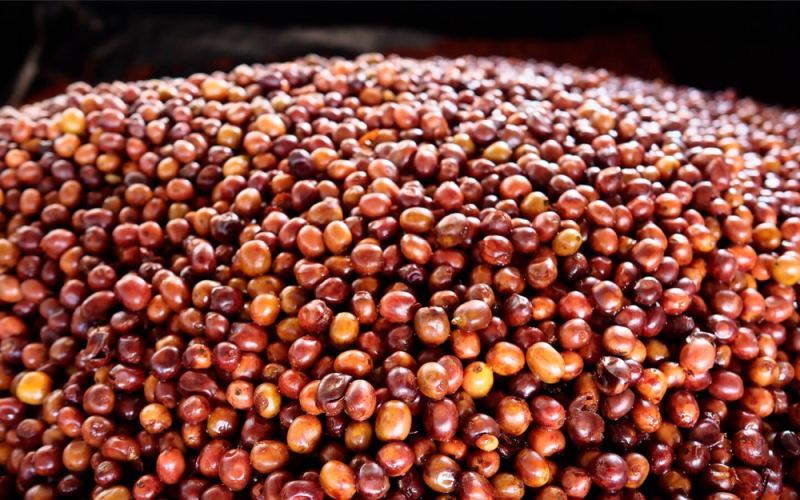
Detailed Guide to Pour-Over Parameters for Ethiopia Gesha Village Red Label: Full Sharing of Coffee-to-Water Ratio, Grind Size, and Brewing Technique
The fame of Geisha coffee mainly comes from Panama, but its roots lie in the forests of Ethiopia. As a benchmark for Ethiopian specialty coffee, Gesha Village Estate is known for its Red Label lots, which are prized for full traceability and typical Geisha flavor, yet priced considerably more affordably than the Gold Label. This article takes Front Street Coffee's Gesha Village Red Label as an example: it first traces the historical arc of the Geisha variety from the Ethiopian forest to its rise to fame in Panama, then introduces the founding background and grading system of Gesha Village Estate, and finally provides detailed information on this bean's natural processing, a medium-light roast profile, and a pour-over recipe covering water temperature, coffee dose, coffee-to-water ratio, grind size, and a three-pour pouring scheme, for coffee enthusiasts' reference. [more…]
From Ethiopia to Panama: Flavor Differences Between Gesha Village and Panama Geisha, and the Red Label Story
Geisha journeyed from the primitive forests of Ethiopia to Panama, and was then brought back to its homeland by a couple of documentary filmmakers. Under the guidance of Willem Boot, Adam Overton and Rachel Samuel established Gesha Village Coffee Estate in the Bench-Maji region of Ethiopia, rediscovering the wild Gori Gesha forest. This article sorts out the origins and characteristic differences between Ethiopia's Gesha Village and Panama Geisha, explains in detail Gesha Village's grading system of Auction Lots, Gold Label, Red Label, Green Label, and Chaka batches, and retains Front Street Coffee's brewing parameters and flavor descriptions, providing a complete reference for coffee enthusiasts. [more…]

Exploring Ethiopia's Gesha Village Estate: The Origins, Grading System, and Full Flavor Analysis of Wild Geisha
When it comes to Geisha, most people first think of that cup of floral tea with rose aromas and citrus notes from Hacienda La Esmeralda in Panama. However, in the Bench Maji region of Ethiopia, there hides another estate famous for its native wild Geisha — Gesha Village. It was founded in 2011 by documentary filmmaker Adam Overton and his photographer wife Rachel Samuel, and boasts a strict grading system and a complete flavor traceability system. This article will take you deep into the discovery journey of Gesha Village, the grading standards for the Auction/ Gold/ Red/ Green/ Chaka lots, processing details, and block divisions, along with Front Street Coffee's brewing parameters and flavor descriptions for the Gold, Red, and Chaka lots, providing coffee lovers with a comprehensive guide to Gesha Village. [more…]