







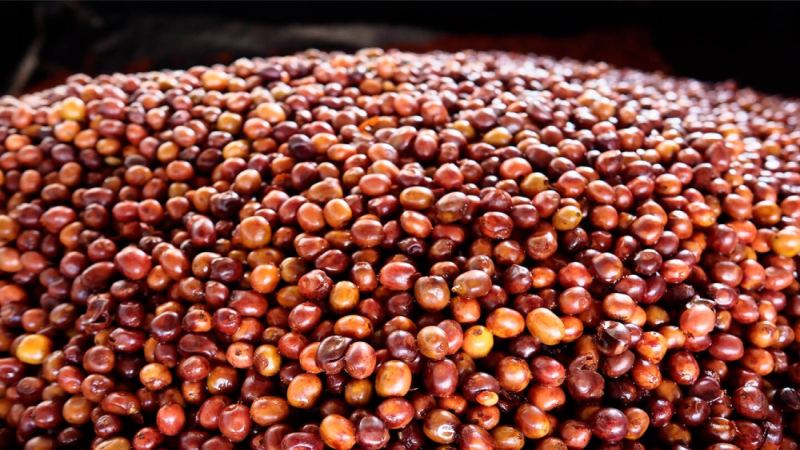
The fame of Geisha coffee mainly originates from Panama, but its roots lie in the forests of Ethiopia. As a benchmark for Ethiopian specialty coffee, Gesha Village Coffee Estate is known for its Red Label lots, which are prized for full traceability and typical Geisha flavor, yet are considerably more affordable than the Gold Label. This article takes Front Street Coffee's Gesha Village Red Label as an example: first, it traces the history of the Geisha variety from the Ethiopian forest to its rise to fame in Panama; then it introduces the background and grading system of Gesha Village Coffee Estate; finally, it provides detailed information on this bean's natural processing, medium-light roast profile, and pour-over parameters including water temperature, dose, ratio, grind size, and three-pour scheme, for coffee enthusiasts' reference.
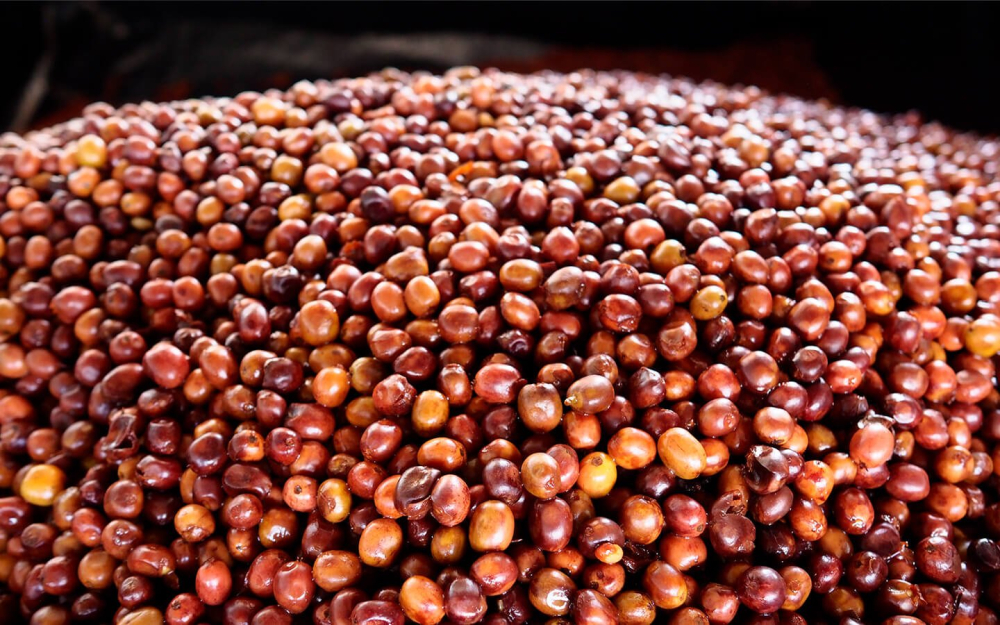
When people talk about Geisha coffee, most picture the intense white florals, alluring juicy character, and honey-like sweetness of Panama Geisha. Those familiar with the history of the Geisha variety know that the Geisha recognized today was discovered in the Geisha forest of Ethiopia in the 1930s. It then traveled in the 1950s and 1960s as a sample to the Central American Agricultural Research Institute (CATIE) in Costa Rica, where it was given the number T2722. In the 1970s it was distributed to Panama for planting, and in 2004 it shot to fame by winning the Best of Panama (BOP) competition and breaking the auction price record for green coffee.
Although modern scientific testing shows that Panama Geisha and Ethiopian Geisha are not closely related at the genetic level, this does not prevent us from tasting and comparing the differences between the two. After all, both flavors are worth experiencing.
Gesha Village Coffee Estate is a representative estate of Ethiopia's return to the top ranks of world coffee, and it has always been a specialty coffee that Front Street Coffee is unwilling to miss. Its fame is beyond doubt, and the owner's passion and persistence for coffee are the guarantee of long-term quality stability. Gesha Village grows the Geisha variety itself, and this place is also the birthplace of the top Panama Geisha variety. Superior growing conditions plus meticulous post-harvest processing mean that although Gesha Village coffee is expensive, it never lacks admirers. Whether natural or washed, it presents elegant floral and fruity aromas and a round, smooth mouthfeel. Front Street Coffee favors coffee beans with character and a backstory, and this coffee produced by Gesha Village Coffee Estate fits our selection criteria perfectly. Today we are going to talk about the Red Label, which offers relatively good value within Gesha Village.
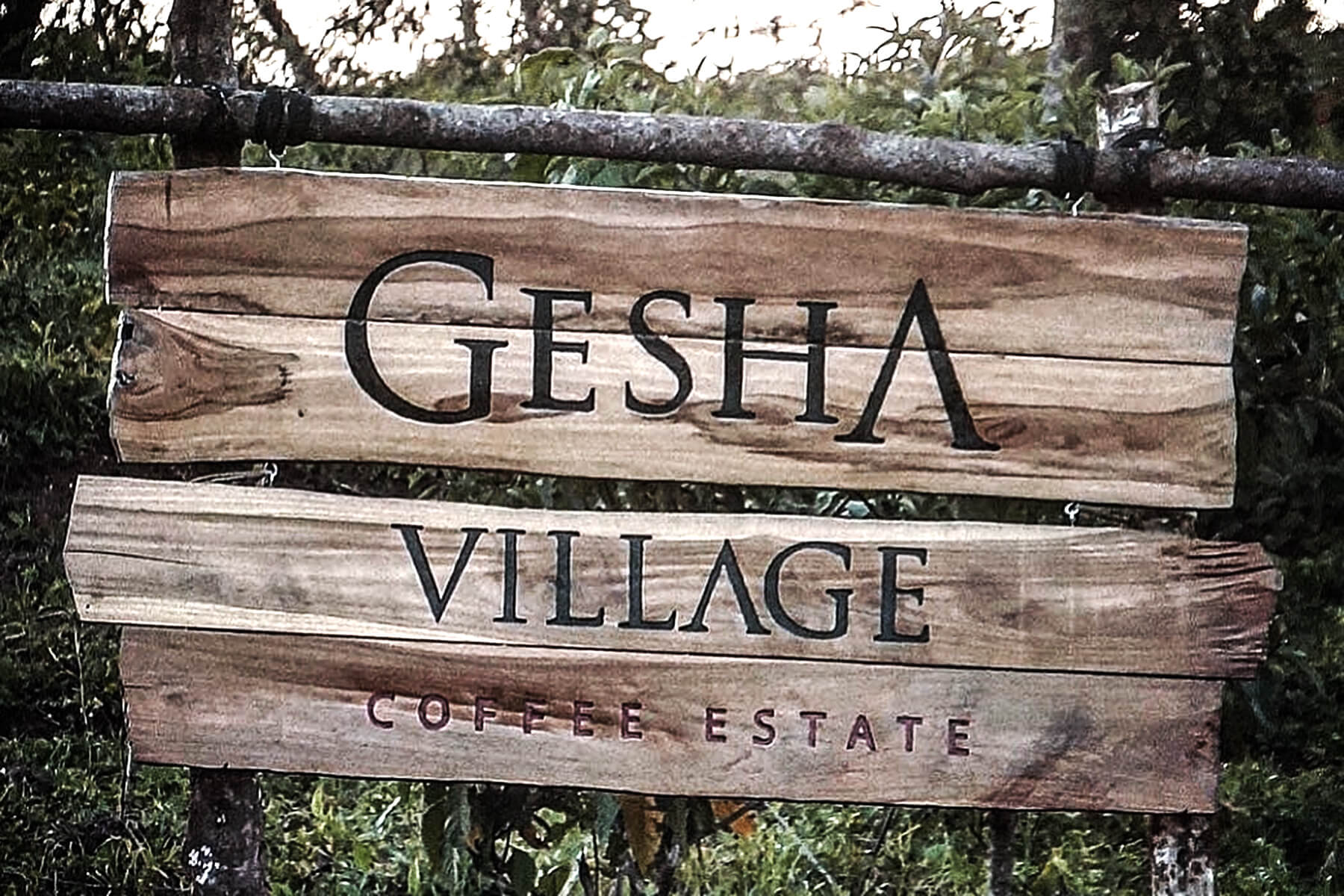
Gesha Village
In 2007, documentary filmmaker Adam Overton and his photographer wife Rachel Samuel were filming a coffee documentary for the Ethiopian government when they came into contact with the Gera coffee forest in the Bench-Maji region. This experience not only gave them a new understanding of Ethiopia, this great land, but also sparked the idea of establishing their own coffee estate and brand.
In 2009, they had the good fortune to meet the famous Mule Estate owner and BOP judge Willem Boot. Willem Boot's philosophy opened up new ideas for the Overtons: return to Ethiopia and look for the original home of Geisha. Eventually they came to Bench-Maji, the area in southwestern Ethiopia near South Sudan, where many places are called Gesha Village and which is the most likely place to find original Geisha. When they arrived in 2011, the estate site was still a blank slate.
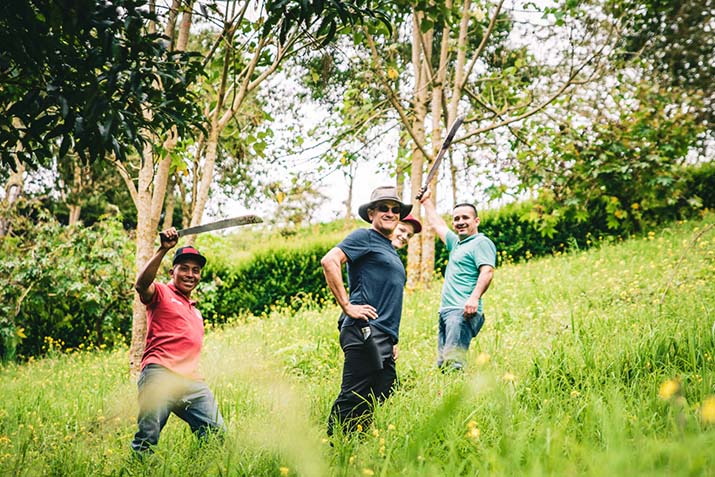
Adam followed Willem Boot on an "expedition" in the forests around the estate. In a jungle magically wrapped in dense forest, they discovered many wild tree species, and what delighted them most was wild Geisha. Only later did they learn that this was the Gori Geisha forest, where the Geisha variety was first discovered. So they collected seeds from the original Geisha trees, screened them, and then planted them in Gesha Village. They decided to establish an estate here, named Geisha Village Coffee Estate, located about 12 miles from the Gori Gesha forest and covering 475 hectares.
Gesha Village Coffee Estate is completely different from the vast majority of Ethiopian farms. It is not a small farm but a 500-hectare large farm with its own washing station and laboratory, located in the southwest near the Sudanese border. Most notably, the entire farm grows only the Geisha variety, rather than the generally hard-to-identify Ethiopian heirloom varieties. Gesha Village divides the farm into 8 blocks, growing 3 main Geisha varieties, all with Geisha seeds collected from nearby forests.
The farm broke ground in October 2011 and welcomed its first harvest in 2015. Because the response from all sides was enthusiastic, with the help of Panama estate owner Willem Boot, they held their first international auction on May 31, 2017, offering 21 micro-lots, of which 19 were 120 kilograms and the remaining lots slightly smaller. Bidders from Europe, North America, Asia, and Australia were more active than expected, and the top lot finally closed at $85 per pound, setting a new auction price record for African beans.
Gesha Village Red Label Geisha
The coffee grades at Gesha Village, in order, are: Auction, Gold Label, Red Label, Green Label, and CHAKA. Among them, the Red Label grade requires the lot to have full traceability, score at least 88 points under the SCA evaluation system, and possess typical Gesha Village flavor. Through cupping, Front Street Coffee found that the Gesha Village Red Label carries the classic Geisha signature of complex fruit, honey, and florals, plus a few extra notes of the bright, uplifting acidity of African coffee, though its overall flavor intensity and complexity are slightly inferior to the Gold Label lots. At Front Street Coffee shops, you can taste this grade of Geisha flavor for just 30 yuan, making it a single-origin lot with extremely high value for money.
Front Street Coffee: Gesha Village Coffee Estate Red Label Coffee Beans
Region: Bench-Maji, Ethiopia
Estate: Gesha Village Coffee Estate
Altitude: 1909 m–2069 m
Variety: Gori Geisha
Processing Method: Natural Process
This Gesha Village Red Label Geisha from Front Street Coffee uses the natural process. After the coffee cherries are picked, floating matter and impurities are first removed, then the cherries are placed on African-style raised drying beds in thin layers covered with plastic sheeting for sun drying. During drying on the beds, they are screened again to pick out insect-damaged beans and greenish beans. The total drying time is 18 to 30 days.
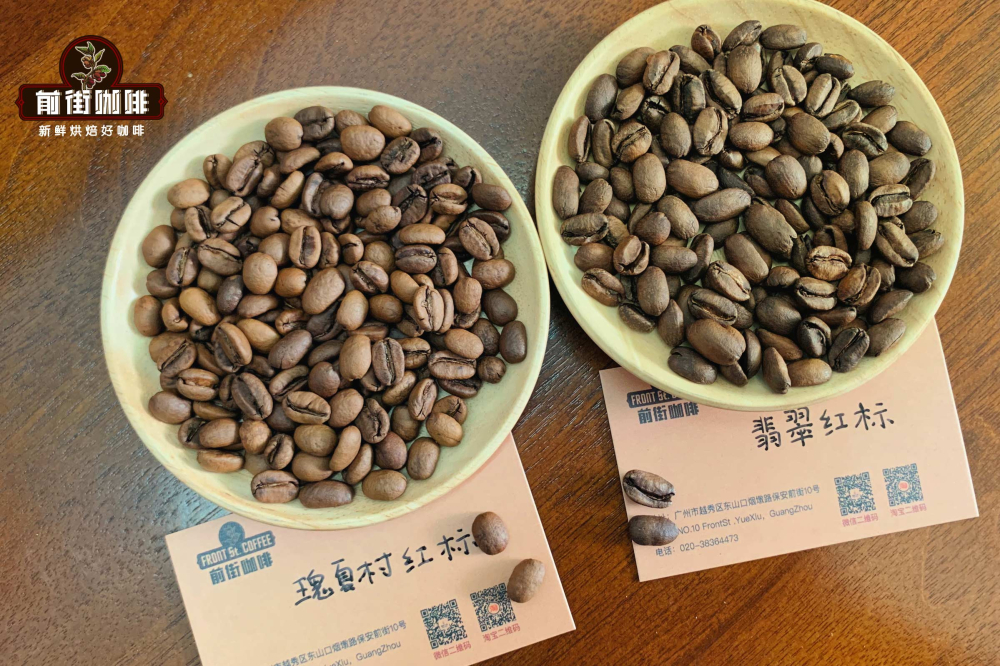
When roasting this Gesha Village Red Label Geisha, Front Street Coffee used a medium-light roast to showcase its fruity flavors. Using a Yangjia 800N roaster (300 g batch size), the specific operation is as follows:
When the drum temperature rose to 160°C, the beans were charged, the airflow was opened to 3, and the heat was adjusted to 130, with a turning point at 1'40". At a drum temperature of 140°C, the airflow was opened to 4 and the heat was adjusted to 150. At a drum temperature of 148.1°C, the bean surface turned yellow, the grassy smell completely dissipated, and the bean entered the dehydration stage. When the drum temperature reached 166°C, the heat was lowered to 120 and the airflow remained unchanged; when the drum temperature reached 176°C, the heat was lowered to 90 and the airflow still remained unchanged. At 8'03", the bean surface showed rough wrinkles and dark streaks, and the toast aroma clearly turned into coffee aroma, which can be regarded as the prelude to first crack; at this point, listen carefully for the exact sound of first crack. At 8'25", first crack began; adjust the airflow to 5 (adjust heat with extreme caution, and do not reduce it so much that there is no cracking sound). After first crack, develop for 1'45" and drop the beans at 197.5°C.
When brewing this Geisha coffee bean, the barista at Front Street Coffee chose a higher water temperature, a finer grind, and a faster-flow dripper, extracting with a three-pour method.
Dripper: Hario V60
Water temperature: 91°C
Dose: 15 g
Coffee-to-water ratio: 1:15
Grind size: 80% passing a Chinese standard No. 20 sieve
First bloom with 30 g of water for 30 seconds, then pour in a thin stream until the scale reads 125 g to split the pour, and when the water level drops and is about to expose the coffee bed, continue pouring until 225 g to finish; when the water level drops and is about to expose the coffee bed, remove the dripper. (Start timing at the beginning of the bloom.) Extraction time: 2 minutes.
After brewing is complete, this Gesha Village Geisha coffee from Front Street Coffee has flavors of coconut, licorice, cream, chocolate, toffee, citrus, almond, and strawberry on the palate, with a fermented aroma on the nose. The overall flavor is relatively balanced, the mouthfeel is full-bodied, and the nutty note is quite prominent.
The above content is compiled by CoffeeHunters, a coffee news website.


