







Search Results for: Cilantro au Lait

Taiwan Beidou Peixiang Coffee blends cilantro into lattes and au laits, a full analysis of its flavors and specialty products
The "coffee with coriander" joked about in Guo Degang's crosstalk has actually come true in Taiwan. Peixiang Coffee in Beidou Township opened in 2017 and was originally just a small community shop serving local residents. After launching coriander au lait and coriander latte in 2020, it quickly became famous. Beidou is Taiwan's main coriander-producing area, with about 80% of the coriander coming from here, and coriander is even called "Taiwanese matcha" by locals. The shop blends coriander powder into milk, coffee liquid and milk foam. On the palate, there is a distinct coriander aroma, yet it does not clash with the coffee at all, and the aftertaste is refreshing. In addition to coriander coffee, there are also creative products such as coriander raw chocolate, coriander cream pineapple bun, coriander dirty bun, coriander pineapple cake and 100% coriander juice "Coriander Devil". This article takes you to learn how this small shop became a talked-about famous store thanks to coriander coffee, and includes flavor descriptions and tasting suggestions. [more…]
How Is Café au Lait Different from a Latte? The French Milk Coffee Making Method and an Analysis of the Meaning of "Au Lait" in French
The world of milk coffee is far more than just the combination of espresso and milk. Long before espresso became widespread, a drink made by blending black coffee with milk had already been popular across Europe for centuries—café au lait. This article walks you through the French meaning of café au lait, its historical origins, and its essential differences from a latte. At the same time, Front Street will share how to use highly concentrated pour-over coffee and milk in equal proportions to make a delicious café au lait, and recommend several dark-roast beans that pair well with milk, so you can easily recreate this French classic at home. [more…]
What Is the Difference Between Café au Lait and Latte? The Origins, Meaning, and Home-Making Guide to French Milk Coffee
When it comes to milk coffee, many people's first thought is the various milk coffees made by combining espresso with milk. However, before espresso became widespread, Europe had long been enjoying a drink made by mixing black coffee with milk—Café Au Lait. It comes from the French "Café Au Lait," and in 17th- and 18th-century France it was almost a breakfast staple. This article will begin with the meaning of the name Café Au Lait and its historical origins, compare it with Italian latte, and explain in detail how to make a smooth French milk coffee at home using a simple pour-over method, while also sharing bean selection advice and specific brewing parameters. [more…]
A Complete Guide to Making Latte and Café au Lait: From Italian to French Home Methods and Recipes
Latte and au lait are two milk coffees that many coffee enthusiasts first encounter when starting out. A latte is based on espresso, topped with an equal amount or even more hot milk, giving it a smooth, sweet taste; au lait, on the other hand, originates from France, pouring espresso and hot milk simultaneously into a large cup, then finishing with milk foam, showcasing a relaxed and free-spirited flavor. Although both blend coffee with milk, they each have their own particularities in preparation methods, equipment used, and drinking habits. This article will break down in detail the Italian, American, and macchiato variations of lattes, and include a complete step-by-step guide and recipe ratios for au lait coffee, helping readers easily recreate them at home. [more…]

Is It Appropriate to Add Milk to Pour-Over Coffee? Analyzing the Historical Origins and Preparation Differences Between Café au Lait and Latte
In today's world where specialty coffee is increasingly popular, many people believe that adding milk to pour-over coffee will ruin its original flavor. However, looking back at centuries of coffee history, milk has always been an important partner to coffee. This article will guide you through the rationality of adding milk to pour-over coffee, trace the origins of café au lait, clarify its essential differences from latte, and explore how different milk choices affect coffee flavor. Whether you are a purist or a milk coffee enthusiast, the inclusiveness of coffee deserves respect. [more…]
Can You Add Milk to Pour-Over Coffee? Flavor Evolution from Café au Lait to Japanese Methods, with Practical Tips
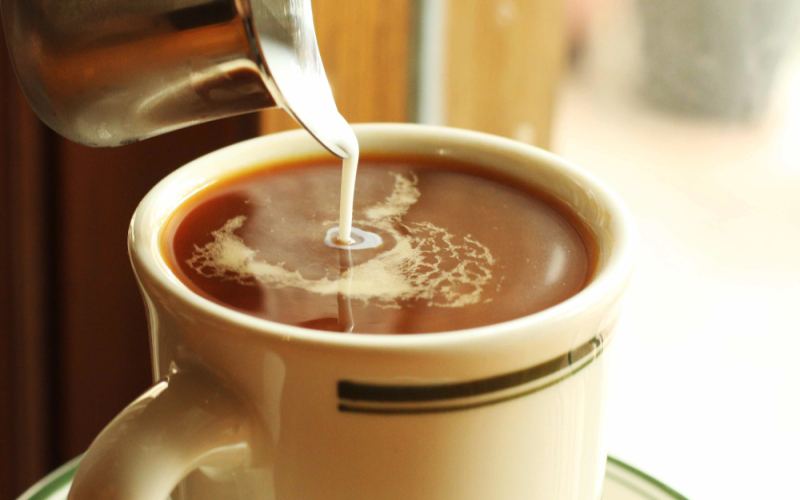
Whether pour-over coffee can be combined with milk is a topic debated by many coffee enthusiasts. In fact, this way of drinking coffee was already popular in 17th-century France under the name "Café Au Lait," translated in China as "Oulei coffee." Its coffee base is similar to pour-over, mixed with milk at a 1:1 ratio, and it later spread to Japan, where a high-extraction version evolved. The key to whether adding milk tastes good lies in the roast level: medium-dark roasted beans carry nutty and caramel notes, which when combined with milk form a balanced, buttery, chocolate-like flavor; while medium-light roasted coffee with acidic notes is easily masked by milk, turning into diluted sour milk. This article will trace this history and, using Front Street PWN Golden Mandheling as an example, provide a complete demonstration of making a cup of Café Au Lait along with tasting notes. [more…]

What's the difference between an Italian milk coffee and a French au lait? Can pour-over coffee actually be made with milk?
Milk coffee actually has Italian and French variations? This seemingly obscure topic actually hides a fundamental difference in coffee strength and mouthfeel. Italian milk coffee uses espresso as its base, with high strength and full flavor; French au lait, on the other hand, uses any black coffee with milk, offering a softer taste and a lighter burden. So can pour-over coffee actually have milk added? How much is appropriate? Starting from Front Street's actual brewing parameters, this article guides you through the essential differences between the two types of milk coffee and provides a specific recipe for café au lait. Whether you're an espresso enthusiast or a pour-over devotee, you'll find the cup that suits you. [more…]

How to make pour-over coffee with fresh milk? The origin of café au lait and home brewing tips
Mixing milk with espresso to make a latte or cappuccino is a dairy-coffee drinking method everyone is very familiar with. But few people know that long before the birth of espresso, Europeans were already in the habit of adding milk to black coffee, and this drink is "café au lait." So how exactly do you make a good-tasting pour-over coffee with milk? This article will start with the historical origins of café au lait, then introduce the types of coffee beans suitable for adding milk, the adjustments needed to brewing parameters, and reference suggestions on milk varieties and amounts, to help you easily make a cup of pour-over milk coffee at home that has balanced flavor and both milky aroma and coffee aroma. [more…]
How to distinguish the milk coffee family? An analysis of the differences between latte and cappuccino and a share of Front Street Coffee's preparation ratios.
Faced with Coffee au Lait, Latte, and Cappuccino on a menu, many people find them look quite similar and taste like they're all rich with milky flavor. In fact, these three have their own distinct histories, recipe ratios, and taste profiles. This article will guide you through the evolution of milk coffee, clarify the differences between au lait and Italian milk coffees, and share in detail Front Street Coffee's latte-making parameters and specific ratios, helping you recreate a smooth and balanced milk coffee at home. [more…]
Philips 8833 Fully Automatic Espresso Machine Operation Guide and Classic Coffee Recipes Sharing
Do you want to easily enjoy an authentic espresso at home? The Philips 8833 fully automatic coffee machine may be just the partner you need. This article will take this model as an example to explain in detail its usage and design highlights, while also introducing the preparation ideas for classic drinks such as latte, au lait, and Baileys iced coffee. As the soul of Italian coffee, espresso is an important standard for judging the quality of a cup of coffee, and mastering the correct operation method can allow the flavor of the coffee beans to be released more fully. Whether you are a beginner who has just come into contact with a fully automatic coffee machine, or an enthusiast hoping to improve your daily brewing experience, you can gain practical reference from the following text. [more…]
Can Pour-Over Coffee Be Mixed with Fresh Milk? A Complete Analysis from Historical Origins to Ratio Pairings
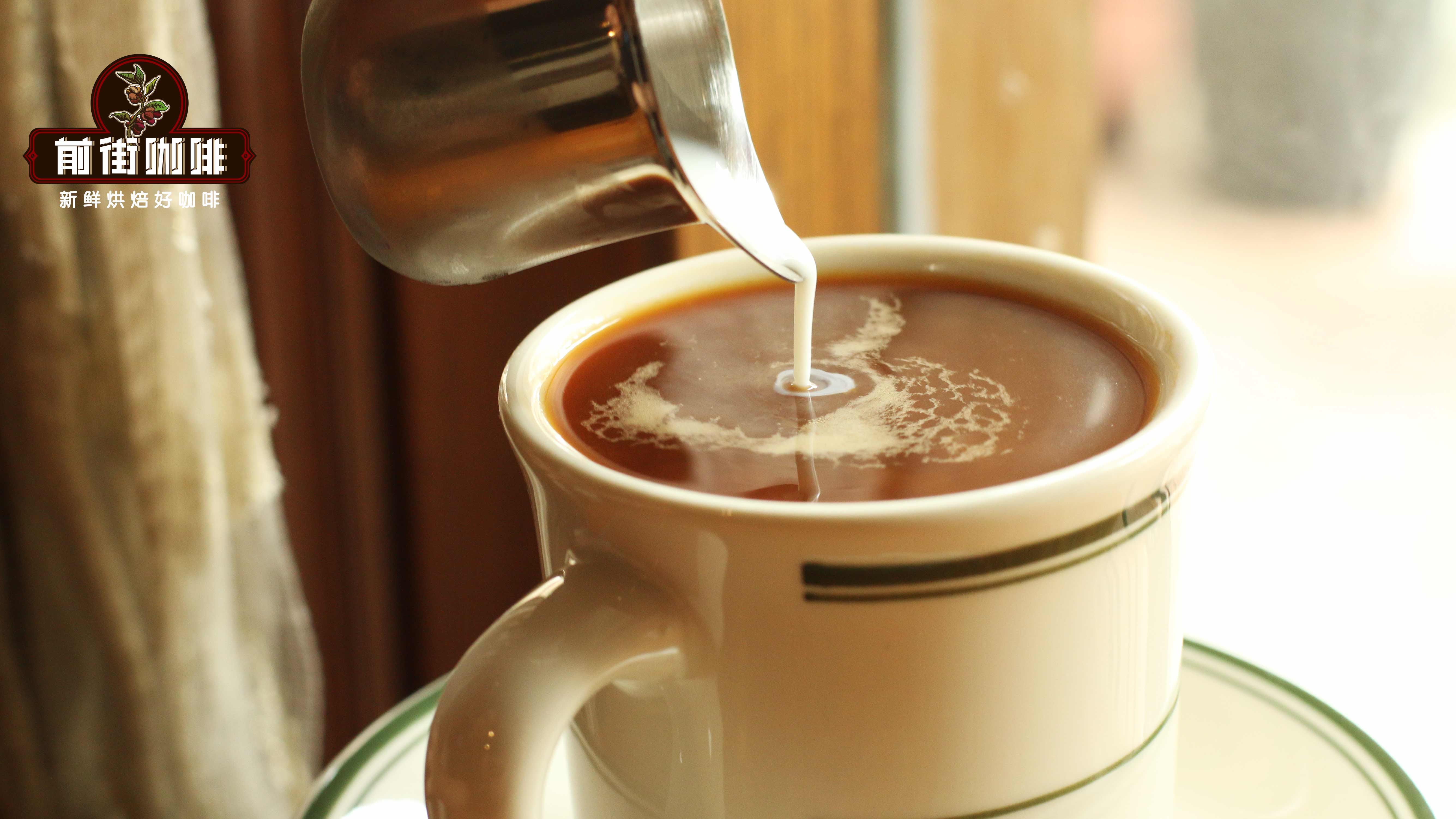
Pour-over coffee with milk may seem like a "rebellious" way to drink coffee to many coffee lovers. However, this combination is not a whim of modern people. As early as the 17th to 18th centuries in France, a milk coffee called Café Au Lait was already all the rage, and its preparation method was very similar to today's pour-over coffee. This article will take you through the historical origins of adding milk to pour-over coffee, clarify the relationship between pour-over coffee and specialty coffee beans, and provide specific milk-adding suggestions and ratio references for coffee beans with different roast levels. Whether you are a purist who insists on drinking it black or a milk coffee lover who prefers a smooth taste, you can find an answer that suits you. [more…]

From Vienna to the Espresso Bar: A Detailed Guide to the History, Classic Recipe, and Making Techniques of Latte Coffee
Latte is one of the most frequently ordered espresso drinks in cafés, yet its origins, recipe ratios, and preparation details are often richer than one might imagine. This article begins with the Blue Bottle coffeehouse in Vienna in 1683, sorts out the differences between latte and café au lait, explains in detail the standard method for making an espresso latte, extraction parameters, dosing and tamping techniques, and milk frothing skills, and introduces how Front Street Coffee's classic espresso blend performs in actual service. Whether you are an enthusiast wanting to learn about latte culture or a professional practicing the fundamentals of being a barista, you will find useful reference here. [more…]
Can Pour-Over Coffee Also Make Milk Coffee? A Complete Guide to Pairing a High-Extraction Pour-Over Base with Milk
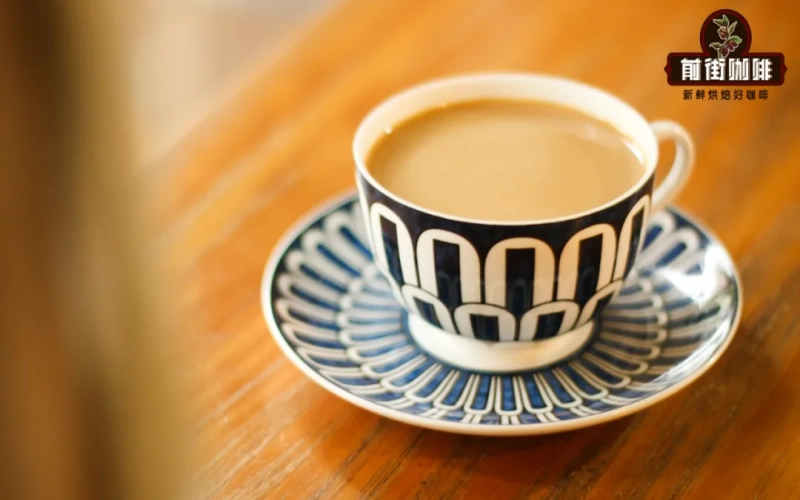
When it comes to combining pour-over coffee with milk, most people think of café au lait, but café au lait has a relatively low coffee concentration, and its flavor is easily diluted once milk is added, making it clearly different from an espresso-based latte. Front Street Coffee recently noticed a shop-visit video by a well-known Korean coffee blogger, in which a champion barista used a pour-over method to make a milk coffee with excellent flavor and mouthfeel. This article will focus on the extraction logic of espresso and share how to obtain a very high-concentration pour-over coffee as a base by adjusting the coffee-to-water ratio, grind size, water temperature, and stirring technique, then add milk in an appropriate ratio to create a drink that comes infinitely close to a latte. It will also recommend medium-dark roasted beans suitable for pairing with milk and specific Front Street Coffee products, and include complete brewing parameters and operating steps. [more…]

Latte Coffee Beans | What Does Latte Mean? What Are the Methods for Making Milk Coffee? How Do You Make Delicious Espresso?
Nowadays, more and more people are paying attention to single-origin coffee, but in terms of orders at FrontStreet Coffee, espresso-based drinks still account for a larger proportion. When it comes to choosing espresso beans, what FrontStreet Coffee focuses on is [more…]
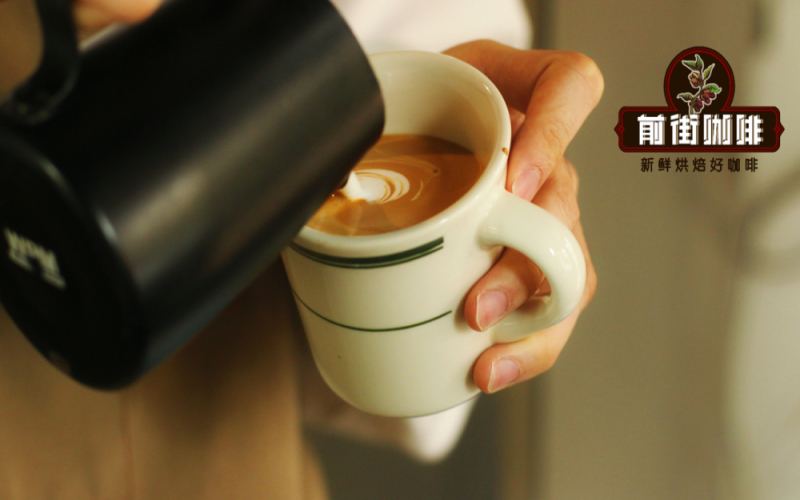
What's the difference between Fu Rui Bai, Chun Yi Bai, and Ao Rui Bai? A full breakdown of ordering and taste for the three Flat Whites
Flat White, Café au Lait Art, and Aussie White—these three names sound distinctive, but in fact they all refer to the same coffee: Flat White. It sits between a latte and a cappuccino, known for a higher proportion of espresso and finer, lighter milk foam. This article will break down this milk coffee from the Southern Hemisphere one by one, starting from the controversy over its origin, differences in recipes, milk foam thickness, and the actual offerings of the three major domestic chain brands. Whether you want to understand the difference between Ristretto and Espresso, or want to know how to order a better-tasting cup at Starbucks, COSTA, and Luckin, Front Street Coffee sorts it all out for you. [more…]

A Comprehensive Analysis of 30 Classic Specialty Coffee Recipes: Espresso Bases and Global Signature Brewing Methods
The world of fancy coffee is far more than just lattes and cappuccinos. Starting from the rich base of Italian espresso, adding milk, cream, chocolate, liqueur, or even fire, you can create dozens of drinks with distinct flavors. This article systematically organizes the preparation methods and recipes for 30 classic fancy coffees, covering diverse styles such as Italian, French, Viennese, Irish, and Turkish. Each drink includes detailed ingredients, steps, and key points to watch. Whether you want to recreate a café au lait at home or try igniting brandy to make a royal coffee, this guide provides clear operational references. At the end, there are also Front Street Coffee bean recommendations to help you choose the right base and get twice the result with half the effort. [more…]

The Complete Iced Coffee Family: From Ice Drip to Cold Brew, Flavor Differences and Key Production Points of Various Iced Coffees
On a scorching summer day, a glass of iced coffee always brings refreshing coolness that delights the senses. But the world of iced coffee is far more than just iced Americano—from the distinctly layered iced latte and the cool, fragrant café au lait, to the rich and creamy iced mocha, and the cold brew and iced drip that have gained great popularity in recent years, each has its own unique brewing process and flavor profile. This article will systematically sort out the types and characteristics of common iced coffees, while also extending to introduce the basics of classic coffees such as Americano, cappuccino, mocha, espresso, macchiato, and con panna, helping coffee enthusiasts clarify the differences between them and find the cup that best suits their taste. [more…]

Blue Bottle founder visits Shanghai in person, using a 1950s lever machine to present a coffee Omakase feast
Blue Bottle founder James Freeman and Global Head of Innovation and R&D Benjamin Brewer arrived in Shanghai ahead of schedule and, on the second floor of Blue Bottle's first domestic store, shared the special menu for Blue Bottle Studio Shanghai with coffee lovers. From an opening of extremely light-roast Sumatra "white coffee," to a long drink simulating cupping, a short drink brewed with a flannel dripper, a shaken milk au lait, and then a digestif combining Fenjiu with naturally processed Ethiopian coffee, the entire tasting was paired with vinyl records selected by James, making it nothing short of a multisensory coffee experience. In addition, there was an Espresso 1950 not on the official menu, made with a 1950s FAEMA lever machine, adding a retro Italian touch to the event. [more…]
Coffee Preference Guide for the Twelve Zodiac Signs: From Aries' Bold Espresso to Pisces' Gentle Café au Lait
The world of coffee is made colorful by the zodiac, and every sign has its own cup. Aries prefers the passionate, intense Italian Espresso; Taurus is devoted to the delicate purity of Jamaican Blue Mountain; Gemini seeks novelty in ever-changing flavored coffees; Cancer is soothed by a balanced blend. Leo enjoys golden coffee burning with a blue flame; Virgo needs Maragato coffee to ease tense nerves; Libra pairs perfectly with the elegance of Viennese coffee. Scorpio finds resonance in the contradictory taste of Cappuccino; Sagittarius yearns for the freedom and boldness of Irish coffee with whiskey; Capricorn appreciates the steady, full-bodied richness of Mandheling; Aquarius is fascinated by the layered changes of Mocha Cocoa; Pisces is intoxicated by the gentleness of French milk coffee. Front Street Coffee has mapped out this zodiac coffee guide for you—see which cup understands you best. [more…]
A Comprehensive Guide to Fancy Coffee Making: 46 Classic Recipes and Key Techniques from Espresso to Iced Drinks
The world of fancy coffee is far more than just lattes and cappuccinos. This article systematically organizes the recipes and preparation techniques for 46 classic fancy coffees, covering two major categories: hot drinks and iced drinks. From the basics of espresso, au lait, and macchiato, to Irish coffee and royal coffee with their hints of liquor, and on to iced lattes and beer iced coffee suited for summer, each entry lists the required materials, specific steps, and key operational points, helping you master the flavor characteristics and serving essentials of different coffees. The article also retains relevant recommendations from the Front Street brand, providing a practical reference for coffee enthusiasts. [more…]