







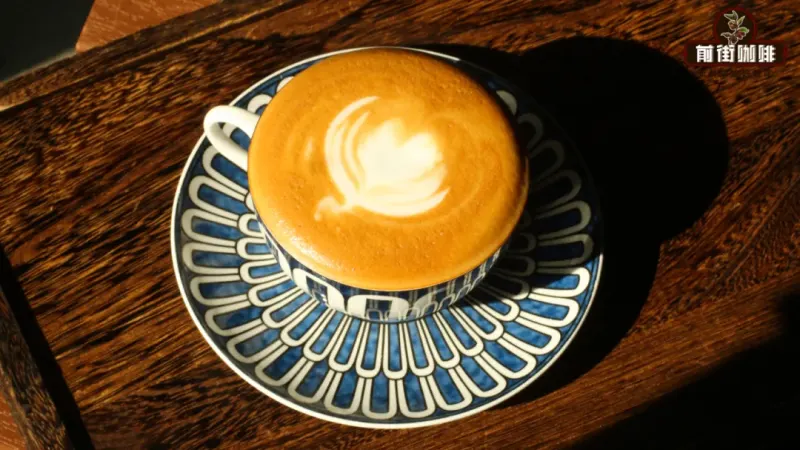
When it comes to milk coffee, many people's first thought is the various milk coffees made by blending espresso with milk. However, before espresso became widespread, a drink made by mixing black coffee with milk was already popular in Europe—Café au Lait. It originates from the French "Café Au Lait," and in 17th- and 18th-century France it was practically a breakfast staple. This article will start with the meaning of the name Café au Lait and its historical origins, compare it with Italian latte, and explain in detail how to make a smooth French milk coffee at home using a simple pour-over method, while also sharing bean selection advice and specific brewing parameters.
When it comes to the term "milk coffee," Front Street believes most people's first association should be the various drinks made with espresso as a base and then blended with milk. After all, Italian milk coffee has a very long history and a wide audience, and it has long become the byword for milk coffee in everyone's minds.
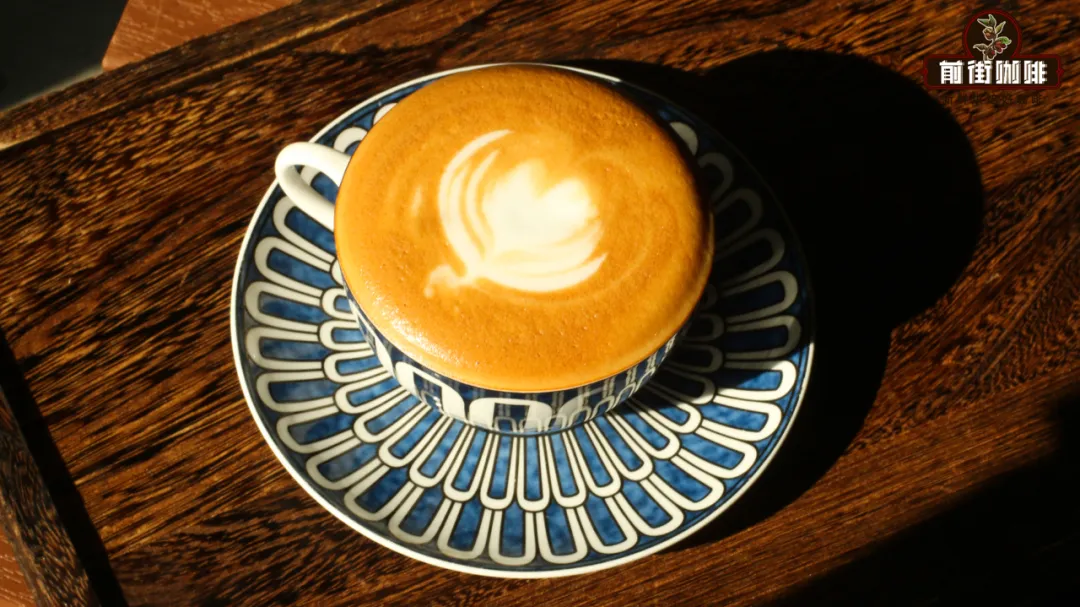
However, milk coffee is not limited to the Italian route alone. Before espresso appeared or became popular, a type of milk coffee made by mixing black coffee with milk had already been popular in Europe for quite a long time. Although its strength and richness cannot compare with Italian milk coffee, it has a charm all its own. This drink is exactly the protagonist Front Street is discussing today—Café au Lait.
What is Café au Lait?
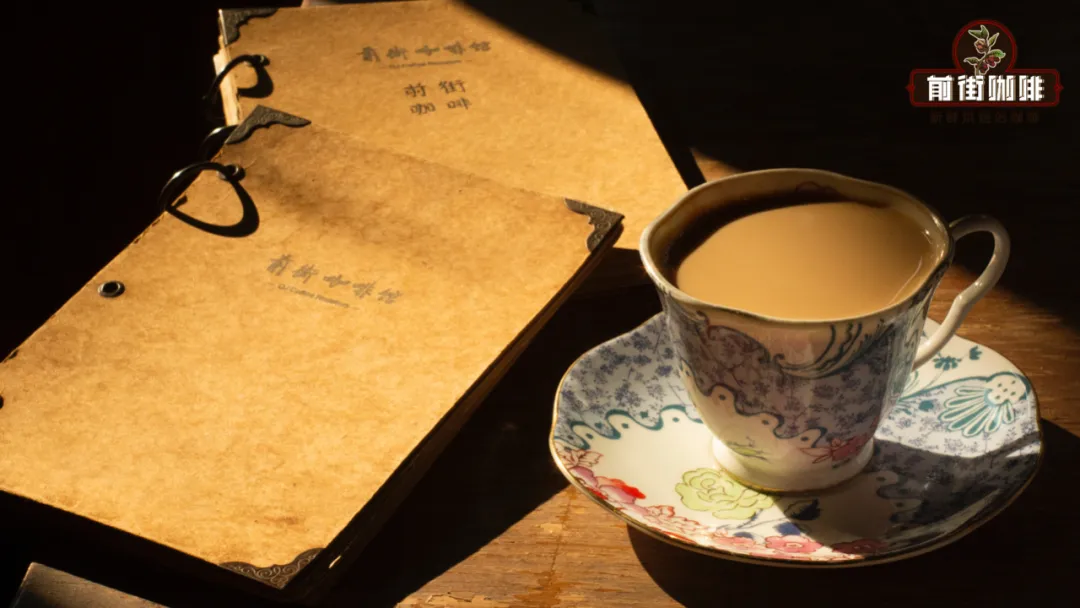
The transliteration of Café au Lait comes from "Café Au Lait." In French, "Lait" means milk, so taken together it means milk coffee. In 17th- and 18th-century France, Café au Lait was extremely popular, and because the method was not complicated, it almost became an indispensable part of every household's breakfast table.
At that time, convenient coffee extraction methods like pour-over had not yet appeared. People made coffee using very traditional means—either repeatedly pouring hot water over coffee grounds to obtain coffee liquid, or using an immersion method (directly steeping coffee grounds in boiling water, or adding water to coffee grounds, boiling, and then filtering through a flannel cloth). Once the coffee liquid was ready, it was mixed with milk in a 1:1 ratio and stirred, and a cup of French milk coffee was complete.
Interestingly, Austria and Hungary, which border France, also saw similar milk coffees in roughly the same period. Especially in Austria, everyone should be familiar with the story of Kolschitzky, the founder of Blue Bottle—after receiving a reward for military merit, he founded Blue Bottle and was the first to add milk to coffee, and was therefore called the "father of milk coffee." Front Street will not go into detail on this here; if there is a chance later, we can write a separate article about it.

Front Street believes many friends have already tried making Café au Lait themselves. Although we do not know how your results turned out, judging from feedback from customers who came to the shop, most people's Café au Lait is not very satisfying.
Coffee beans with a darker roast level will carry more caramelized aroma produced by the Maillard reaction, have a richer mouthfeel, and blend better with milk. So if you want to make a delicious Café au Lait, you can buy Front Street PWN Golden Mandheling, Front Street Queen's Estate, and Front Street Blue Mountain No. 1.
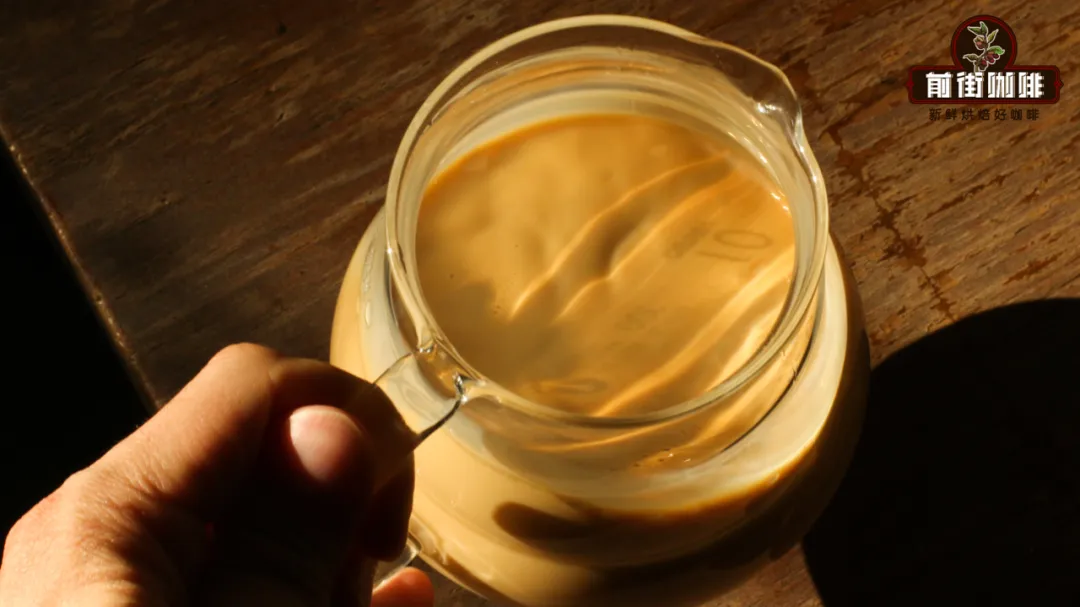
The entire process is very simple. As Front Street said earlier, you only need to extract a high-concentration pour-over coffee, then mix in an equal proportion of milk. The coffee beans used this time are the Costa Rica Mozart mentioned above, with the following parameters:
Coffee dose: 20g
Coffee-to-water ratio: 1:10 (total poured water 200ml)
Grind size: 85% passing rate on a No. 20 sieve, EK43 setting 9 (slightly finer than regular hot pour-over grinding)
Water temperature: 92°C
Dripper: V60
Milk: 160ml, 60°C
The above content is compiled by CoffeeHunters, a coffee news website.


