







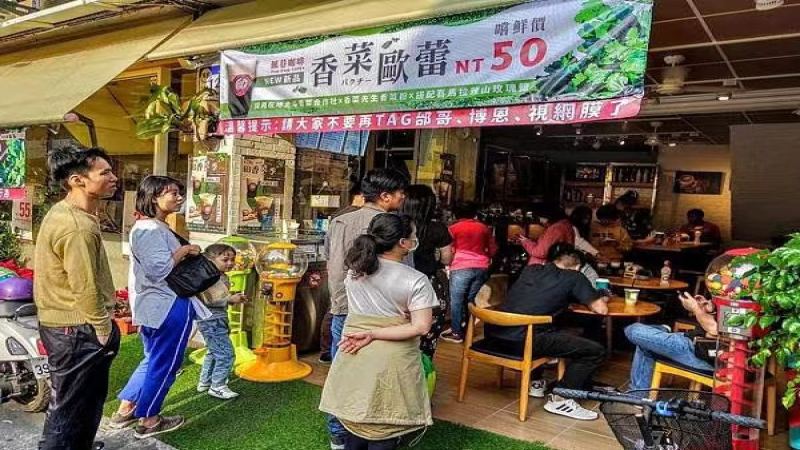
Why is cilantro called Taiwanese matcha coffee?
Pei Xiang Coffee in Beidou, Taiwan, has blended cilantro into au laits and lattes since 2020. The shop mixes cilantro powder into milk, coffee liquid, and milk foam, giving a clear cilantro aroma on the first sip without clashing with the coffee and leaving a refreshing aftertaste. Locals call cilantro Taiwanese matcha.
Beidou produces about 80 percent of Taiwan's cilantro, which is why the ingredient was close at hand when the shop opened in 2017. The menu also includes cilantro raw chocolate, cilantro cream pineapple buns, cilantro dirty buns, cilantro pineapple cakes, and 100 percent cilantro juice, and the coffee aroma description here pairs herbs with milk and espresso.
The "coffee with cilantro sprinkled on top" that Guo Degang joked about in his crosstalk has actually come true in Taiwan. Beidou Town's Pei Xiang Coffee has been open since 2017, originally just a small community shop serving the neighborhood. After launching cilantro au lait and cilantro lattes in 2020, it quickly became famous. Beidou is Taiwan's main cilantro-producing area, with about 80% of the cilantro coming from here. Cilantro is even called "Taiwanese matcha" by locals. The shop blends cilantro powder into milk, coffee liquid, and milk foam. On the first sip, there's a distinct cilantro aroma, yet it doesn't clash with the coffee at all, leaving a refreshing aftertaste. Besides cilantro coffee, there are also creative products like cilantro raw chocolate, cilantro cream pineapple buns, cilantro dirty buns, cilantro pineapple cakes, and 100% cilantro juice "Cilantro Demon." This article takes you through how this small shop became a talked-about famous store thanks to cilantro coffee, along with flavor descriptions and tasting suggestions.
"My life is different from others"
"It's just different"
"In the morning, I sit here, brew a cup of coffee, and sprinkle on some cilantro"
This is a clip from Mr. Guo Degang's crosstalk performance. At the time, the writer in front of the TV laughed hysterically, never expecting that Mr. Guo's words would actually come true. In Taiwan, there's a café that really combines cilantro and coffee, and it has even become a hugely popular product.
In the alleys of Guangfu Road in Beidou, Taiwan, the aroma of various coffees wafts through the air. Here there's a coffee and dessert shop called — Pei Xiang Coffee. Since opening in 2017, every weekend afternoon, the café is bustling with a steady stream of people. Actually, at first, Pei Xiang Coffee's goal was just to let local neighbors enjoy more delicious freshly ground coffee, and business was neither booming nor bad. It wasn't until 2020 that a decision by the manager became the key to the store's current popularity: launching new products like cilantro au lait (au lait in Taiwan refers to milk drinks) and cilantro latte coffee.
Zhuang Junsheng, the person in charge of Pei Xiang Coffee, said that Beidou is actually Taiwan's main cilantro-producing area, with about 80% of all Taiwan's cilantro coming from here. Many people call cilantro Taiwanese matcha. At first, Zhuang Junsheng didn't sell cilantro coffee, just purely coffee and various drinks. It wasn't until one day when people from the [Beidou Cilantro Production Cooperative] came to promote their homemade cilantro powder that Zhuang Junsheng began trying to add cilantro to beverages. Around the same time, because of recording a variety show, he discovered that even artists who didn't dare eat cilantro dared to drink cilantro beverages, so cilantro coffee naturally developed into Pei Xiang Coffee's signature.
So how does this cup of cilantro coffee actually taste? From relevant reports in Taiwanese media, it's easy to see that everyone gives cilantro coffee rave reviews, considering the pairing novel, the texture smooth, and the cilantro and coffee not clashing at all, with a refreshing aftertaste. On the first sip, there's a clear cilantro flavor, but it's somewhat different from the cilantro taste you usually get.
Actually, the method for making cilantro coffee is very simple: melt cilantro powder in water (or milk) in advance, then add an appropriate amount of milk, coffee liquid, and milk foam, and finally sprinkle some extra cilantro powder on top. The staff suggest stirring well before drinking, and the shop also offers a teaching method for drinking cilantro beverages.
Of course, Pei Xiang Coffee now offers more than just cilantro coffee. They've also innovatively developed a series of specialty cilantro drinks and snacks, such as cilantro raw chocolate, cilantro cream pineapple buns, cilantro dirty buns, cilantro pineapple cakes, and the most important one: 100% cilantro juice — Cilantro Demon.
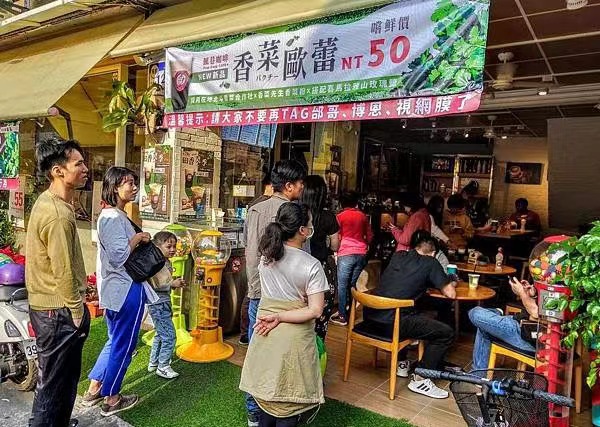
Apart from cilantro-related specialty products, Pei Xiang Coffee's menu is no different from a typical café. They have all the coffee you'd expect, and if you don't drink coffee, there are other tea drinks to choose from. They also sell coffee beans and Beidou's specialty cilantro powder.
Actually, the Pei Xiang Coffee shop, famous for its novelty cilantro coffee, isn't very eye-catching itself — it's just a local small shop. Its appearance is similar to most takeout cafés, except that Pei Xiang Coffee has some figurines inside. It's these playful toys that create a relaxed and leisurely atmosphere.
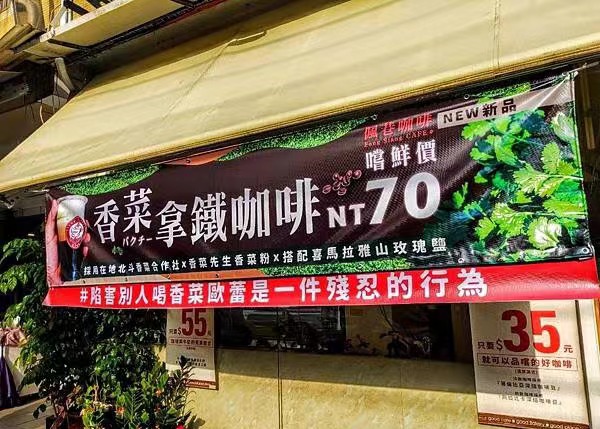
After reading the writer's introduction, I wonder how everyone feels?
If you travel to Beidou, Taiwan in the future to look for food, besides Beidou meatballs and Beidou cabbage rice, don't forget to have a cup of the locally unique Beidou cilantro coffee (if you don't mind cilantro).
Image source: Internet
The above content is compiled by CoffeeHunters, a coffee news website.


