







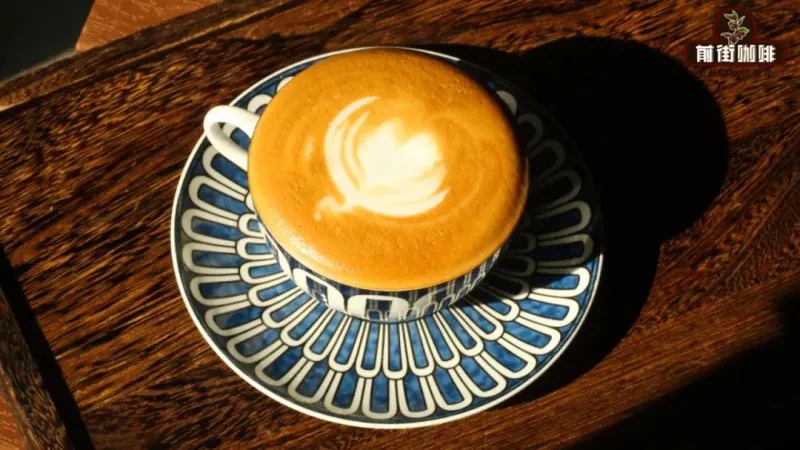
What Is the Difference Between Cappuccino and Coffee?
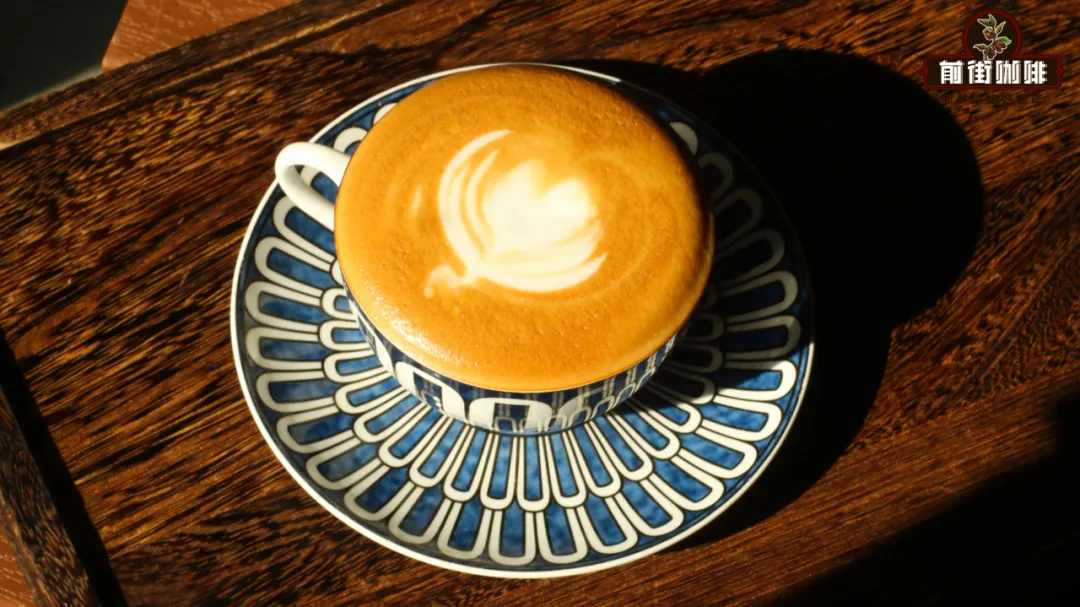
Cappuccino and latte both start with espresso and milk, but they differ in history, ratio and mouthfeel. A cappuccino carries a thicker, denser foam layer, while a latte uses fine microfoam for latte art. Café au Lait, the French milk coffee, skips espresso entirely and blends drip or immersion black coffee with milk.
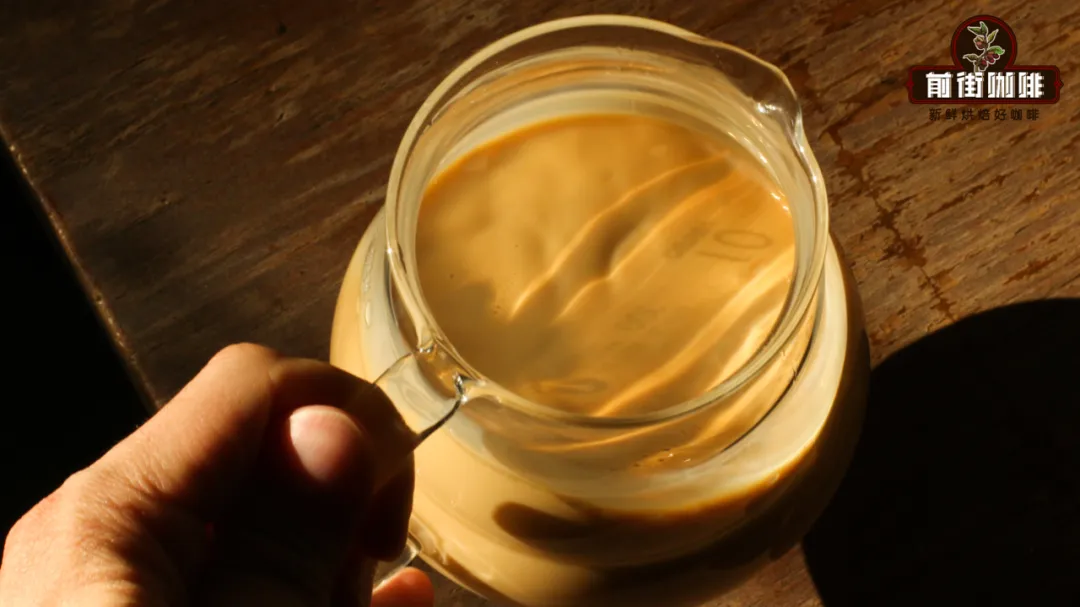
Front Street Coffee shares its home recipe: 20 g of coffee at a 1:10 ratio, 200 ml of brewing water, a grind slightly finer than regular hot brewing at EK43 setting 9, 92°C water in a V60, and 160 ml of milk at 60°C. These parameters help reproduce a smooth, well-balanced cup.
When faced with Café au Lait, Latte, and Cappuccino on a menu, many people find they look pretty similar and seem to taste like rich, milky coffee. In fact, these three differ in their historical origins, recipe ratios, and mouthfeel. This article will walk you through the evolution of milk coffee, clarify the differences between Café au Lait and Italian milk coffees, and share in detail Front Street Coffee's latte-making parameters and specific ratios, so you can recreate a smooth, well-balanced milk coffee at home.
To learn more about specialty coffee, welcome to follow: Front Street Coffee (Frontsteet Coffee)
When it comes to "milk coffee," Front Street believes most people's first thought is those classics that combine espresso with milk—for example, a latte with fine microfoam and beautiful latte art, or a cappuccino with a thicker, denser layer of foam. Italian milk coffees have been around for a long time and, thanks to their wide popularity, have long become everyday drinks we're all familiar with.
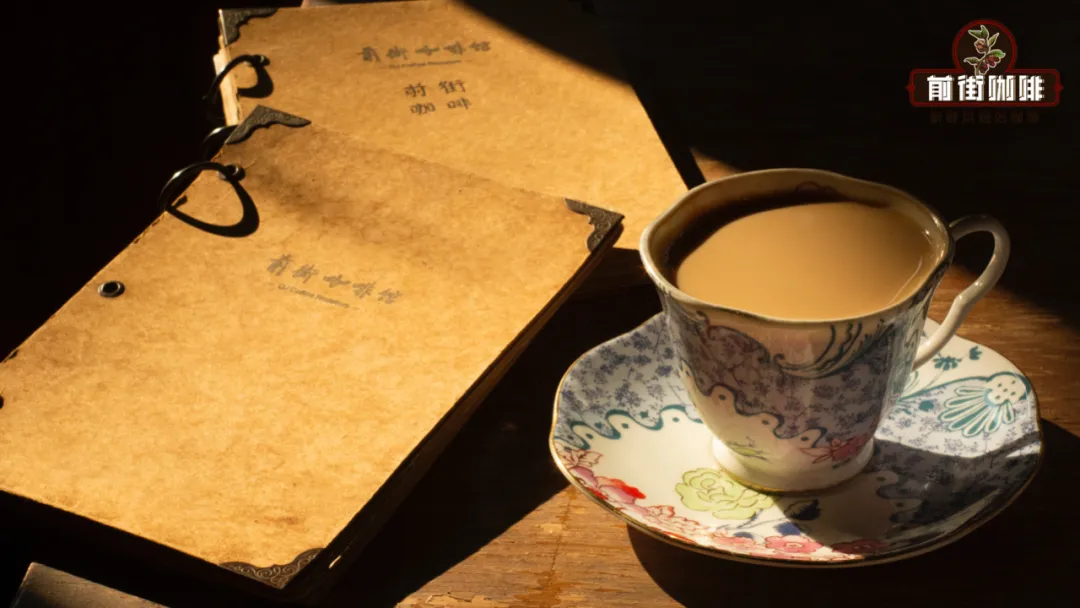
However, in the big family of milk coffee, there is another member that is often overlooked—Café au Lait. "Lait" is the French word for "milk," so Café au Lait literally means milk coffee. It originated in France, and its method is fundamentally different from Italian milk coffees. Café au Lait does not rely on espresso; instead, it is made by combining black coffee extracted through drip, immersion, or other methods with milk.
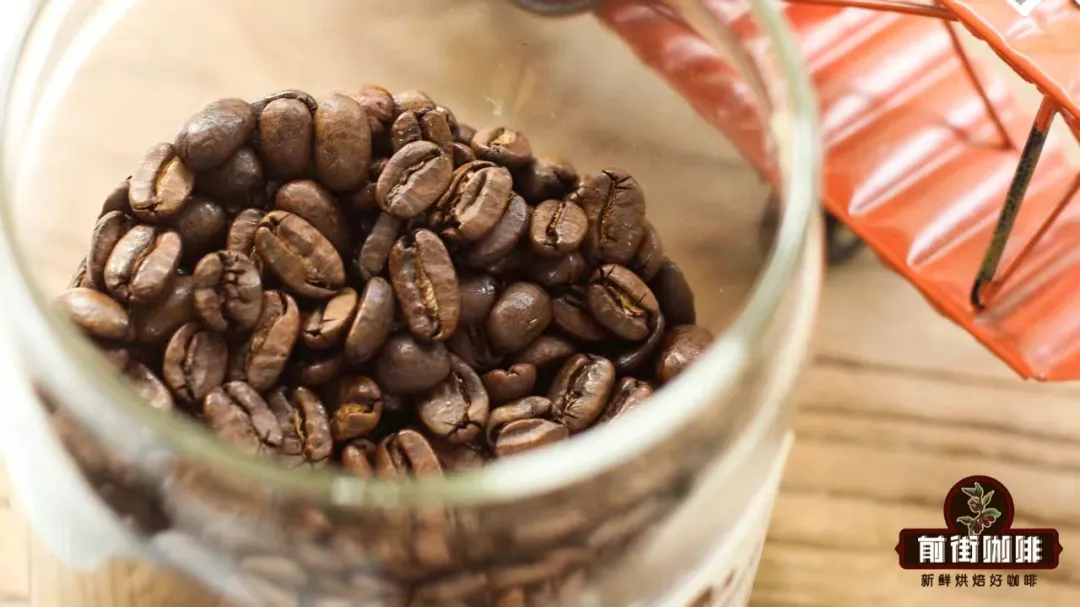
Dose: 20 g
Coffee-to-water ratio: 1:10 (total brewing water 200 ml)
Grind size: 85% passing a No. 20 sieve, EK43 setting 9 (slightly finer than regular hot brewing)
Water temperature: 92°C
Dripper: V60
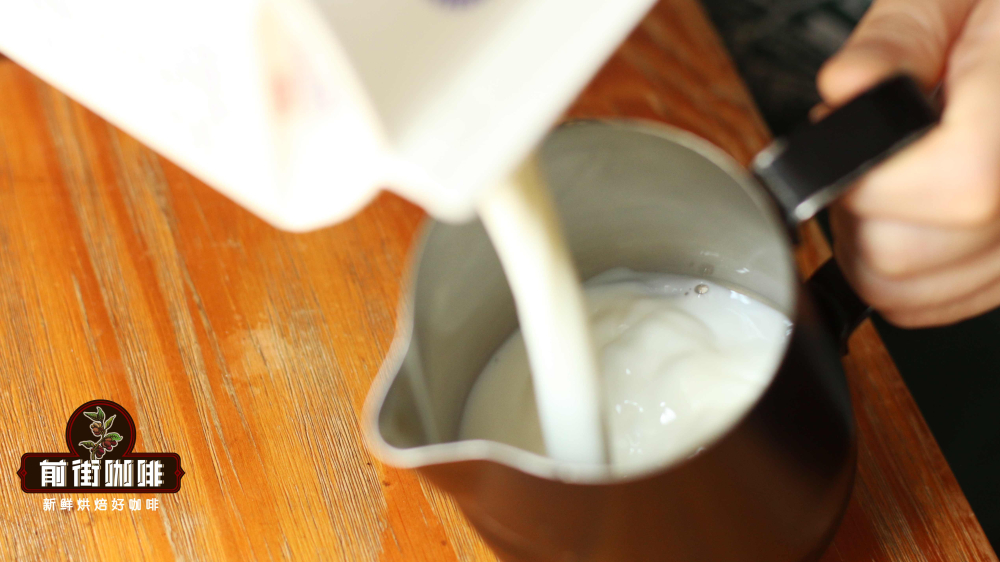
Milk: 160 ml, at 60°C
The above content is compiled by CoffeeHunters, a coffee news website.


