







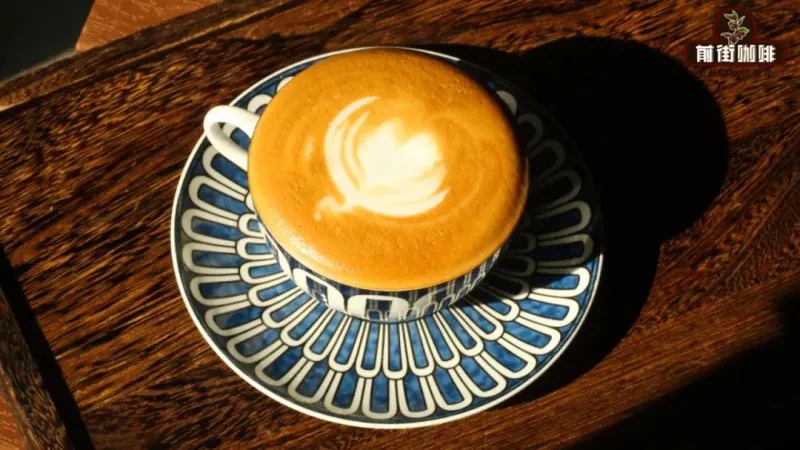
What is the history of coffee in Europe compared with the latte origin story?
Café au Lait is black coffee blended with milk in roughly equal parts, and it predates the espresso-based latte by centuries. In French, lait means milk, so the name simply describes milk coffee. The drink was widely popular in 17th- and 18th-century France and became a common presence on family breakfast tables well before espresso spread.
The latte origin sits with espresso and steamed milk, giving a richer, more concentrated drink, while Café au Lait uses brewed coffee and is simpler and lighter. Similar milk coffees appeared in Austria and Hungary in the same period; Kolschitzky, linked to the Blue Bottle story, added milk to coffee and was called the father of milk coffee. Home versions often use strong pour-over coffee with milk.
The world of milk coffee is far more than just the combination of espresso and milk. Before espresso became widespread, a drink made by blending black coffee with milk had already been popular in Europe for hundreds of years—it is Café au Lait. This article takes you through the French meaning of Café au Lait, its historical origins, and its essential differences from a latte. At the same time, Front Street will share how to use highly concentrated pour-over coffee and milk in equal proportions to make a delicious Café au Lait, and recommend several dark-roasted beans suitable for pairing with milk, so you can easily recreate this French classic at home.
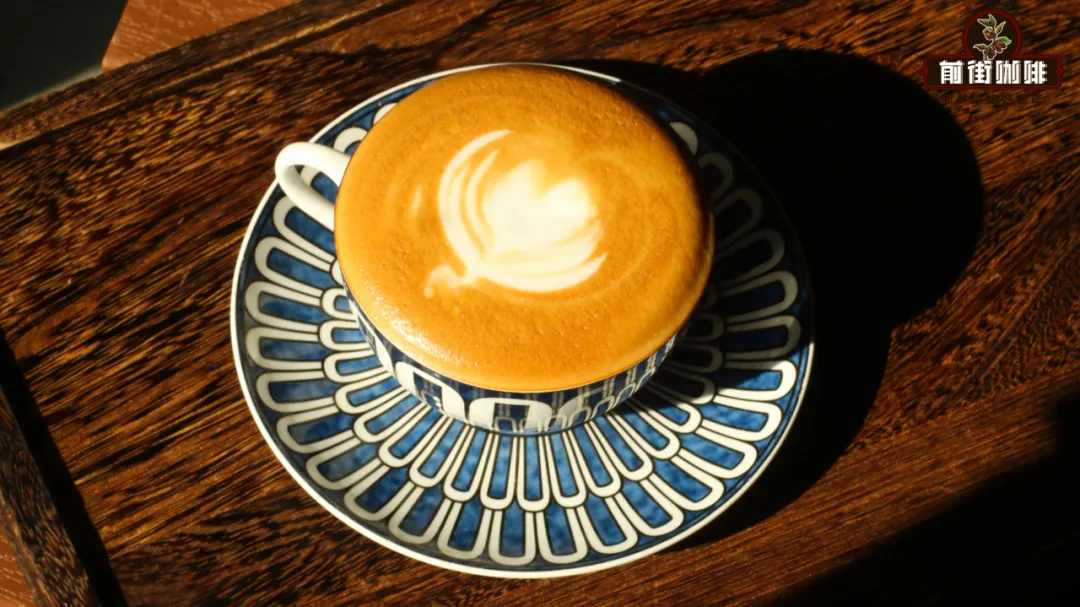
When it comes to the term "milk coffee," Front Street guesses that most people first think of the various drinks made by combining espresso and milk. After all, espresso-based milk coffee has a long history and an extremely high level of popularity, and has long been deeply rooted in people's minds.
However, milk coffee is not limited to espresso-based milk coffee as its only form. Long before espresso was born and became widespread, a milk coffee made with black coffee plus milk had already been popular in Europe for quite a long time. Although it is less rich than espresso-based milk coffee, it has a charm all its own. This drink is exactly the protagonist Front Street is talking about today—Café au Lait.
What is Café au Lait?
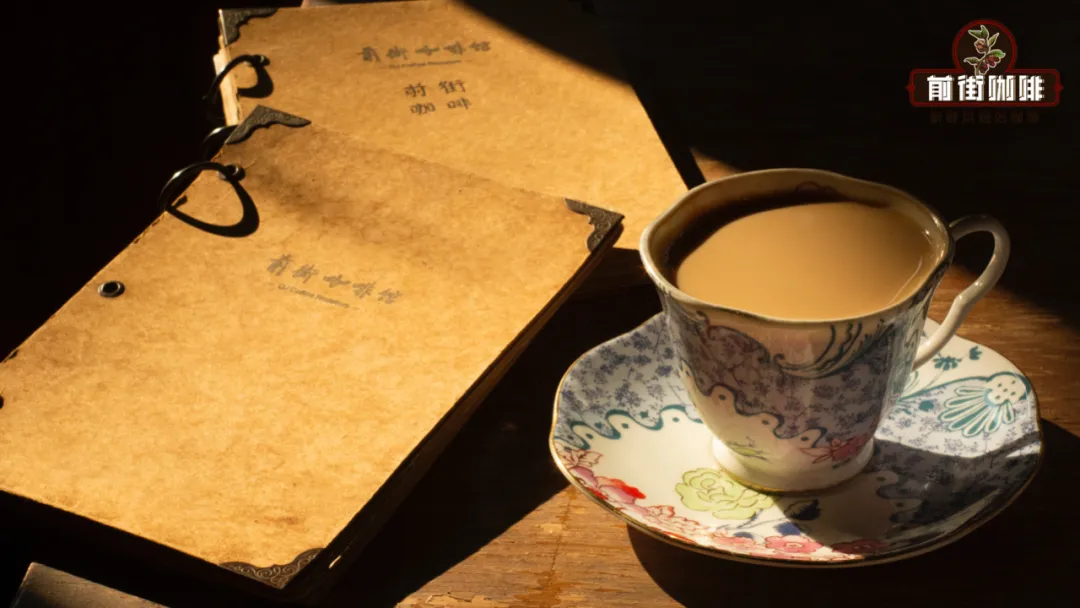
Café au Lait is the transliterated name of "Café Au Lait." In French, "Lait" means milk, and together it refers to milk coffee. In 17th- and 18th-century France, Café au Lait was widely popular, and because it was simple to make, it became an indispensable presence on almost every family's breakfast table.
Interestingly, Austria and Hungary, which border France, also saw similar milk coffee drinks during the same period. Especially in Austria, the story of Blue Bottle founder Kolschitzky is surely already very familiar to everyone—he used the reward he gained from his military achievements to found Blue Bottle, and then added milk to coffee, and was therefore called the "father of milk coffee." Front Street will not go into detail here, and perhaps will write another article next time to tell it in more detail.

Front Street believes that many friends have already tried making Café au Lait themselves. Although it is unclear how your results turned out, judging from the feedback of customers who came to the shop, most people's Café au Lait does not turn out very satisfactory.
Dark-roasted coffee beans carry more caramelized aromas produced by the Maillard reaction, and are also fuller-bodied in taste, making them more harmonious with the flavor of milk. Therefore, if you want to make a delicious Café au Lait, you can choose Front Street PWN Golden Mandheling, Front Street Queen's Estate, and Front Street Blue Mountain No. 1.
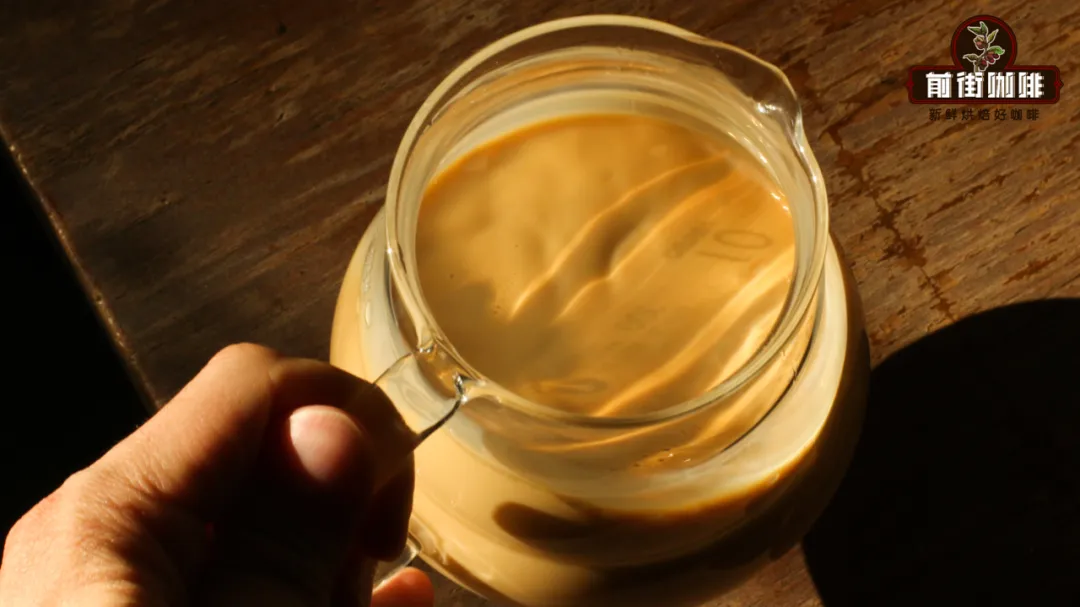
The entire production process is very simple. As Front Street said earlier, you only need to extract a highly concentrated pour-over coffee, then add an equal proportion of milk. The coffee bean selected this time is the Costa Rica Mozart mentioned above, and the specific parameters are as follows:
Dose: 20g
Coffee-to-water ratio: 1:10 (total pouring water 200ml)
Grind size: 85% pass-through rate on a No. 20 sieve, EK43 setting 9 (slightly finer than regular hot pour-over)
Water temperature: 92°C
Dripper: V60
Milk: 160ml, 60°C
The above content is compiled by CoffeeHunters, a coffee news website.


