







Search Results for: Chocolate Lover Estate
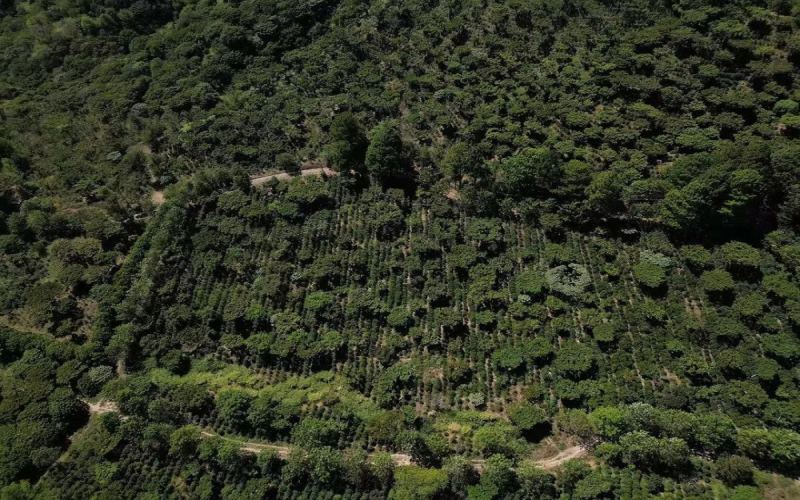
A Complete Analysis of Salvadoran Coffee Flavors: The Pour-Over Taste and Processing Characteristics of Bourbon Beans from the Santa Ana Region
Although El Salvador is a small country in Central America, it occupies an important place on the specialty coffee map. It is not only one of the birthplaces of the improved honey process, but also known for its balanced and mellow flavor. This article will provide a complete overview of the taste characteristics of Salvadoran coffee, from the distribution of producing regions, variety characteristics, and the microclimate of the Santa Ana volcano region, to the Bourbon beans of the Chocolate Lover Estate, the hybrid processing method, and the details of roasting and brewing. FrontStreet Coffee also provides specific reference on the pour-over performance of this bean, making it suitable for enthusiasts who want to gain a deeper understanding of Central American coffee. [more…]
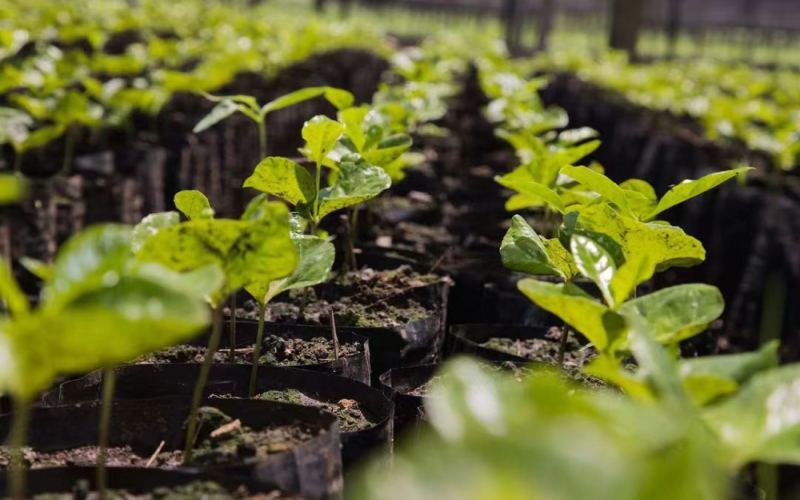
A Complete Analysis of Salvadoran Coffee Bean Origins: From Historical Changes to the Flavor of Bourbon and Pacamara Varieties
Although El Salvador is a small country, it occupies an important position on the coffee map of Central America. Here, there is both the delicate acidity and sweet balance nurtured by volcanic fertile soil, as well as a tumultuous history of dye substitution, land reform, and the ravages of leaf rust. Front Street Coffee has long been deeply involved in estates across multiple producing regions in El Salvador, accumulating a large number of flavor samples through roasting and cupping. This article begins with the coffee story of El Salvador, sorting out its growing conditions, the characteristics of nine major producing regions, and the main varieties (Typica, Bourbon, Pacas, Pacamara), and includes Front Street's roasting and brewing approach for the Santa Ana Chocolate Lover, taking you through a comprehensive understanding of the coffee charm of this "Volcano Country." [more…]
A Complete Analysis of Salvadoran Coffee Origins: Pipil Brand and the Flavor Characteristics of Six Major Regions, Plus Front Street Coffee's Roasting and Brewing Practices
Although El Salvador is a small country, its volcanic soil and high-altitude microclimates nurture specialty coffee with delicate acidity and a balanced mouthfeel, and Pipil Coffee is one of its most representative brands. This article traces the development of Salvadoran coffee from the 18th century to the present, analyzes the flavor differences and main variety characteristics of its nine major producing regions, and shares Front Street Coffee's specific approach to roasting and brewing Salvadoran beans, including how it handles beans such as Santa Ana Chocolate Lover and the brewing parameters, offering coffee lovers a complete origin reference. [more…]
A Detailed Explanation of El Salvador Coffee Grading SHG Standards: Origin History, Flavor Characteristics, and Front Street Coffee Roasting and Brewing Practices
Although El Salvador is a small country in terms of land area, it occupies an important place in the specialty coffee landscape of Central and South America thanks to its volcanic-rich soil and mild climate. Starting from its historical development, this article traces how coffee replaced indigo as the country's economic pillar, and details the impact and reconstruction of the industry brought by events such as the civil war, land reform, and leaf rust. It also systematically introduces the three-tier elevation grading system of SHG, HG, and CS, the flavor differences among the nine major producing regions, and the characteristics of the four major varieties: Typica, Bourbon, Pacas, and Pacamara. Front Street Coffee further uses two beans, Lemus Estate and Chocolate Lover Estate, as examples to share roasting approaches and V60 brewing parameters, helping readers gain a comprehensive understanding of the unique charm of Salvadoran coffee. [more…]

The geographical and varietal reasons behind El Salvador's outstanding coffee quality, and a flavor analysis of Bourbon beans from the Santa Ana region
Although El Salvador is a small country in Central America, it occupies an important place in the specialty coffee landscape, and together with Costa Rica it is part of the region where improved honey processing techniques originated. Front Street Coffee summarizes its flavor as mild and slightly acidic, with pleasant sweetness, full aroma, and a clean mouthfeel. This article will review El Salvador's coffee-producing regions and altitude classification system, analyze the terroir advantages of the Santa Ana volcanic region, and introduce in detail the Bourbon variety and hybrid processing method of the Chocolate Lover Estate, as well as Front Street Coffee's roasting curve and pour-over parameters, giving you a comprehensive understanding of the coffee charm of this Central American producing country. [more…]
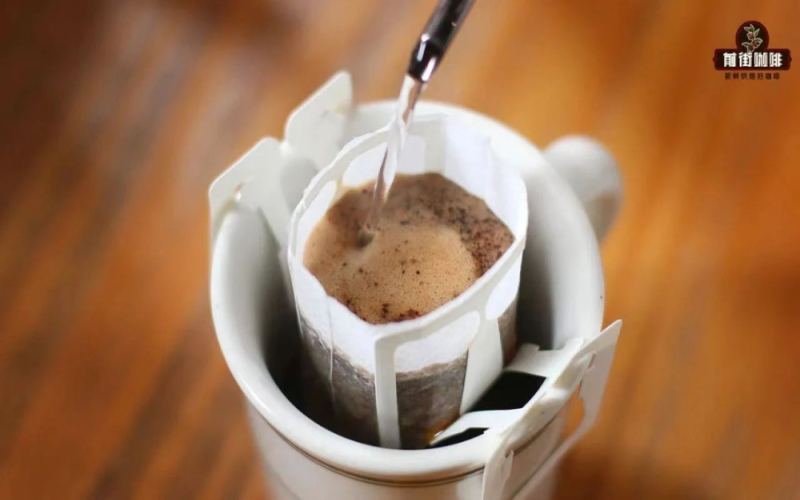
How to Choose Office Drip Coffee? Four Flavor Types to Suit Different Tastes, a Guide for Office Workers
In the fast-paced corporate world, coffee has long been an indispensable pick-me-up for office workers. In offices without a coffee machine, drip bag coffee, with its dual advantages of convenience and freshness, has quickly replaced instant coffee to become the darling of office workers. Faced with a dazzling array of drip bag products on the market, how can you precisely choose according to your personal taste? This article sorts through four flavor types—fruity and refreshing, tropical fruit, rich and nutty, and intensely fermented—one by one, outlining each one's flavor characteristics and representative single-origin products, along with popular recommendations from the Front Street Coffee brand, to help every coffee lover find the cup that best suits their desk. [more…]
Where Does the Rich, Full-Bodied Taste of Mandheling Coffee Come From? A Complete Guide to Dark Roast Brewing Techniques and the Secret to Avoiding Bitterness
Why does Mandheling coffee taste so full-bodied? And how should dark-roasted beans be brewed to avoid a burnt, bitter taste? This article systematically examines the key factors affecting coffee body—from coffee variety, growing altitude, and processing method to roast level, brewing equipment, and technique—and offers recommendations from the Front Street Coffee bean list for full-bodied beans at different roast levels. Whether you're a dark-roast lover who prefers an intense body or a single-origin coffee enthusiast trying to understand where body comes from, you'll find practical ideas for choosing beans and brewing. [more…]
A Comprehensive Guide to Indonesian Mandheling Coffee Beans: From Sumatra Origins to Flavor Profile and Brewing Methods
Mandheling coffee is often labeled as "heavy and bitter," yet in the specialty coffee wave, it still has many loyal fans. This article begins with the origin of the name Mandheling, then explores the growing conditions of Sumatra's two major specialty regions—Lintong and the Gayo Highlands of Aceh—introduces the evolution of Indonesian coffee varieties, the wet-hulling process, and the grading system, and focuses on Front Street Coffee's recommended Front Street PWN Golden Mandheling along with its roasting and brewing parameters. Whether you are a beginner just encountering Mandheling or a seasoned coffee lover who prefers a rich, full-bodied taste, you can gain a complete picture of this Indonesian coffee bean. [more…]
Can Pour-Over Coffee Be Mixed with Fresh Milk? A Complete Analysis from Historical Origins to Ratio Pairings
Pour-over coffee with milk may seem like a "rebellious" way to drink coffee to many coffee lovers. However, this combination is not a whim of modern people. As early as the 17th to 18th centuries in France, a milk coffee called Café Au Lait was already all the rage, and its preparation method was very similar to today's pour-over coffee. This article will take you through the historical origins of adding milk to pour-over coffee, clarify the relationship between pour-over coffee and specialty coffee beans, and provide specific milk-adding suggestions and ratio references for coffee beans with different roast levels. Whether you are a purist who insists on drinking it black or a milk coffee lover who prefers a smooth taste, you can find an answer that suits you. [more…]
Exploring Colombia's Hope Estate Geisha: A Complete Analysis from the Huila Region to Front Street Coffee's Light Roast Flavor
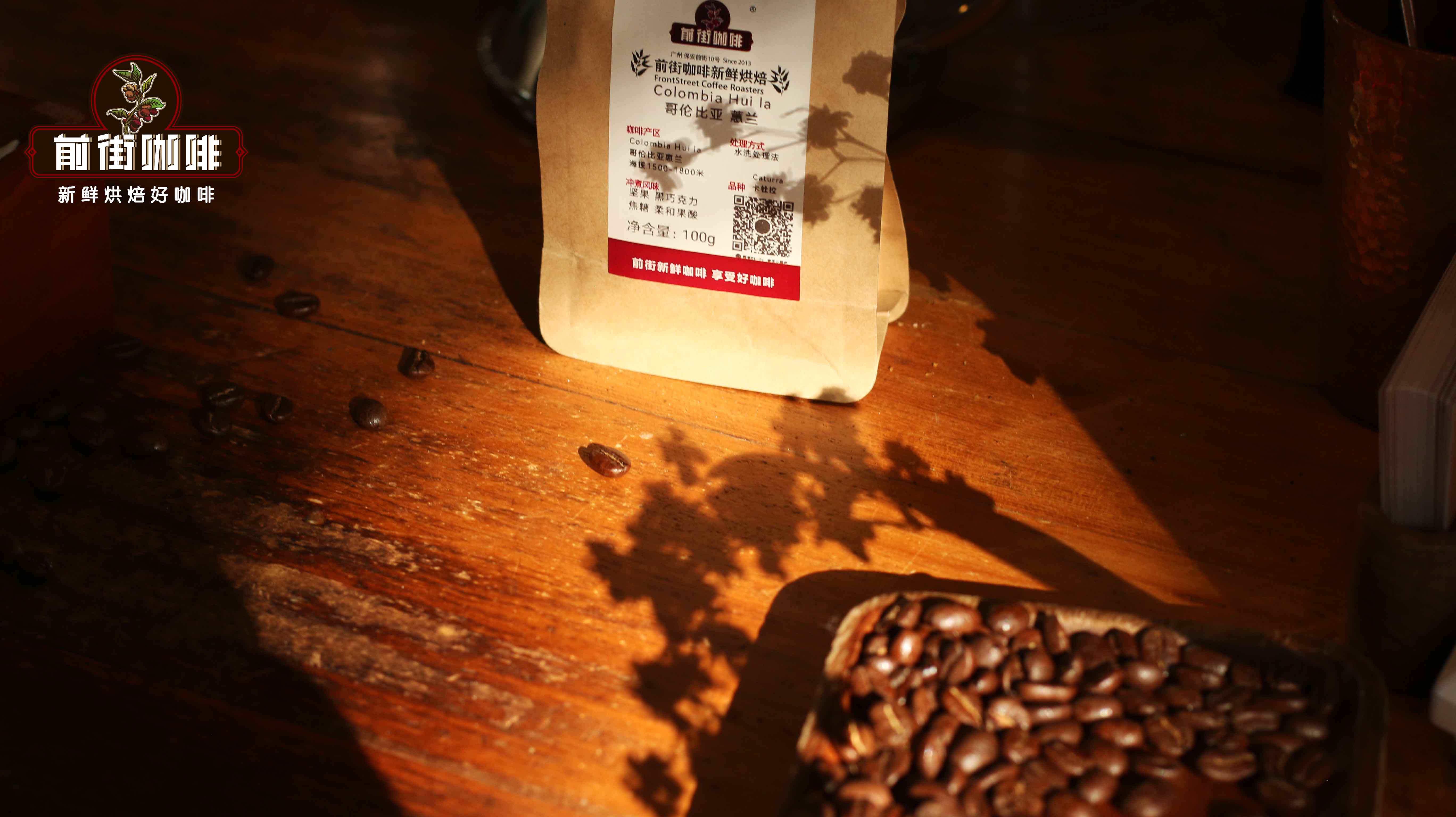
Colombia, as a heavyweight in specialty coffee, boasts renowned regions such as Huila, Nariño, and Tolima, and Hacienda La Esperanza is a shining star within the Huila region. This article takes you deep into Hacienda La Esperanza's background, growing environment, and competition honors, while also providing a detailed breakdown of Front Street Coffee's Colombia Hacienda La Esperanza Geisha—a light-roast washed Geisha, covering its complete flavor expression from dry aroma to finish. Whether you're a pour-over enthusiast or an espresso player, you'll find coffee highlights worth noting. [more…]
Flavor Comparison of the World's Sixteen Major Specialty Coffee Producing Regions Including Brazil: A Full Analysis from Green Beans and Roasted Beans to Brewing Parameters
The world coffee map spans three major producing regions—Africa, Asia, and the Americas—where differences in varieties, processing methods, and terroir give rise to distinctly different flavors in the cup. This article begins with the basic concepts of green coffee beans and roasted beans, and systematically reviews the coffee characteristics of sixteen famous producing regions, including Brazil, Colombia, Vietnam, Indonesia, Mexico, Guatemala, El Salvador, Honduras, Costa Rica, Cuba, Jamaica, Kenya, Tanzania, Ethiopia, Yemen, and Hawaii. Front Street Coffee, with the original intention of tasting coffee beans from around the world, has established a comparative database between different producing regions and processing methods through actual brewing and flavor records, helping coffee enthusiasts understand the diversity of the coffee world more comprehensively. [more…]
Front Street Coffee Sun-Dried Kenya Oreti Estate French Missionary Bourbon: An Analysis of African-Style Specialty Coffee
For coffee enthusiasts, encountering a new bean is like embarking on a brand-new journey. The bean we're introducing today is extremely rare in production, hailing from the French Mission Bourbon variety at Kenya's Oreti Estate, processed using the natural method, with a unique flavor profile. This article will trace the historical origins of the French Mission Bourbon variety, from its beginnings on Bourbon Island to its introduction into Kenya, and provide a detailed description of this Front Street natural-processed Kenyan bean's origin, altitude, and flavor characteristics. If you enjoy trying new things and want to understand the allure of Kenyan natural-processed beans, why not join us in exploring this rare coffee full of African passion. [more…]
Jamaica Blue Mountain No. 1 Coffee Bean Brand Recommendation: Clifton Estate Flavor Profile and Pour-Over Parameters in Detail
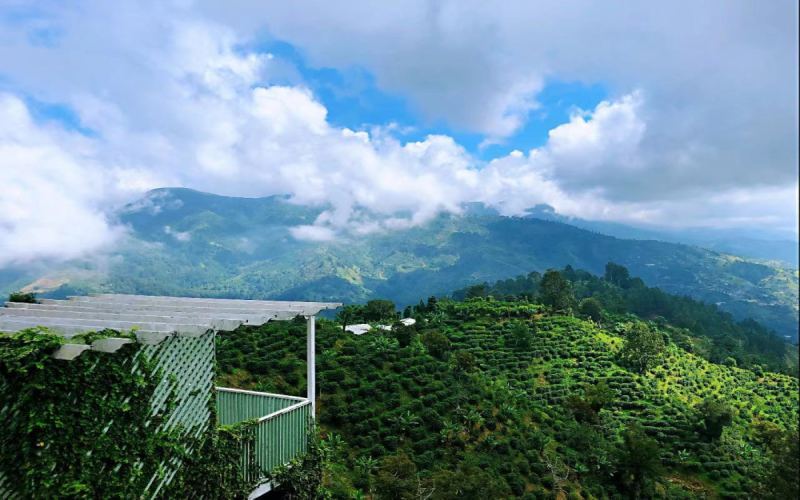
Blue Mountain coffee is hailed as the gentleman of the coffee world, but the market is flooded with products bearing the Blue Mountain name. How can you tell an authentic Jamaican Blue Mountain No. 1? This article systematically lays out the key points for buying and tasting Blue Mountain coffee, from regional regulations and certification documents to variety characteristics and brewing methods. It also introduces the Clifton Estate 1310-meter Blue Mountain beans selected by Front Street Coffee since 2014, analyzing their balanced, clean flavor profile. Whether you are a beginner just getting to know Blue Mountain or a seasoned connoisseur looking to confirm your pour-over parameters, you will find practical guidance here. [more…]
Is Drip Bag Coffee Considered Black Coffee? A Full Breakdown of Brewing Steps and Freshness Identification
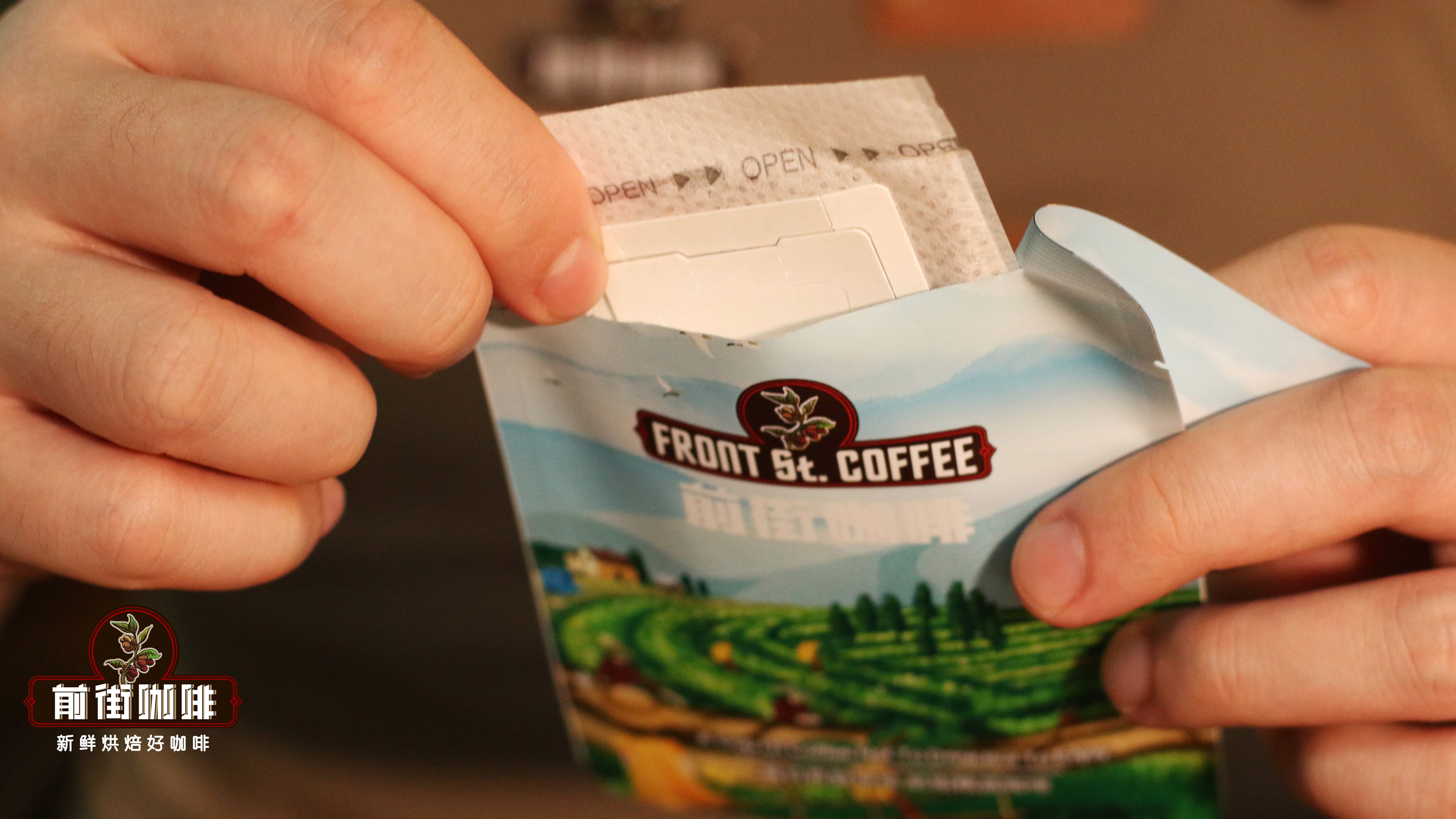
For office workers who want to enjoy specialty coffee without a grinder, drip bags are an ideal choice that balances convenience and flavor. But is drip bag coffee actually black coffee? What is the correct brewing process? And how can you tell whether a drip bag is still fresh? This article starts from the essence of drip bag coffee, breaks down the key brewing points such as blooming and pouring step by step, and shares methods for selecting fresh drip bags based on roast date, foam condition, and taste. At the end, it also compiles a variety of fresh drip bag recommendations from Front Street Coffee in different styles, covering floral, tea-like, fruity, fermented, and rich mouthfeel types, making it easy for coffee lovers with different preferences to choose as needed. [more…]
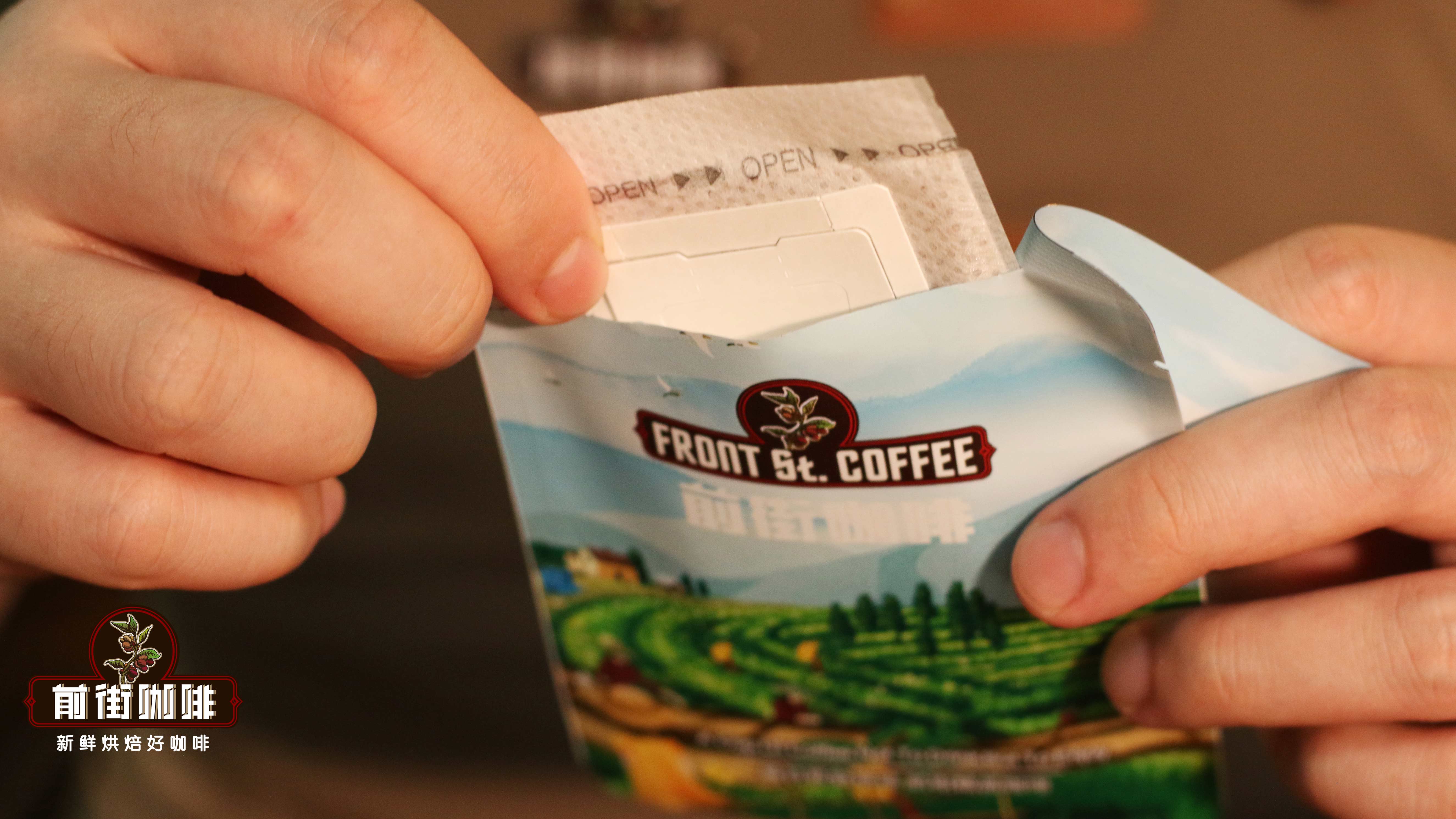
Drip Bag Coffee Brewing Guide | What Flavors and Tastes Do Best-Selling Drip Coffee Bags Have? Recommended Drip Coffee Bag Brands Every Beginner Must Buy
In 1990, Yamanaka Sangyo Co., Ltd. of Japan applied the concept of tea bags to coffee, inventing the drip bag coffee and applying for a patent. With the demand of the specialty coffee market, more and more people began to buy drip bag coffee, in order to quickly and conveniently enjoy specialty coffee without needing a bunch of equipment and utensils. Here, for everyone [more…]
A Detailed Explanation of the Four Core Principles of Blending Coffee Beans — The Main Differences Between Single-Origin Pour-Over Beans and Blended Beans
What exactly is the difference between single-origin coffee and blended coffee? Starting from definitions, this article systematically sorts out the four major basic principles of blending coffee beans: clarifying the purpose of the blend, determining the target flavor, choosing raw blending or roasted blending, and locking in the blending ratio. Using details as examples, the article explains how to create a distinctive flavor through combinations of beans from different origins and different processing methods. At the same time, it also shares brewing parameters for single-origin coffee and espresso extraction plans, making it suitable for enthusiasts who want to gain a deeper understanding of the logic behind coffee blending. [more…]

Overview of El Salvador's Six Major Specialty Coffee Regions: Bean Varieties, Flavor Characteristics, Grading Standards, and Brewing Notes from Representative Estates
Although El Salvador is a small country, it was once the fourth-largest coffee producer in the world. The civil war once left the industry in decline, and although it has gradually recovered today, production has struggled to return to its former peak. After recently cupping several Salvadoran coffees, Front Street found that regardless of which producing region they come from, a delicate and soft acidity along with a sweet, balanced mouthfeel are always common characteristics of the country's coffee. This article reviews the geographical and flavor differences of six specialty producing regions, explains the SHG and CS grading system based on altitude, and records the roasting, cupping, and brewing performance of the Bourbon from Chocolate Lover Estate and the Black Honey Pacamara from Posido Estate that Front Street acquired, for the reference of coffee enthusiasts. [more…]

What grind size should you actually use for a moka pot?: The bean-switching rhythm from beginner to advanced
The flavor focus and extraction rhythm both change with the roast level: light roasts offer more floral and fruity notes with bright acidity, medium roasts bring out sweetness and balance, and dark roasts display nutty, cocoa, and full-bodied flavors. No one level is superior—it just needs to match your preferred way of drinking. The moka pot is a classic steam-pressure device; simply fill the filter basket with grounds, and tamping actually [more…]
How Does Dirty Taste When Made with SOE? Sharing Practical Experience on Extracting Dirty Coffee with Single-Origin and Blended Beans
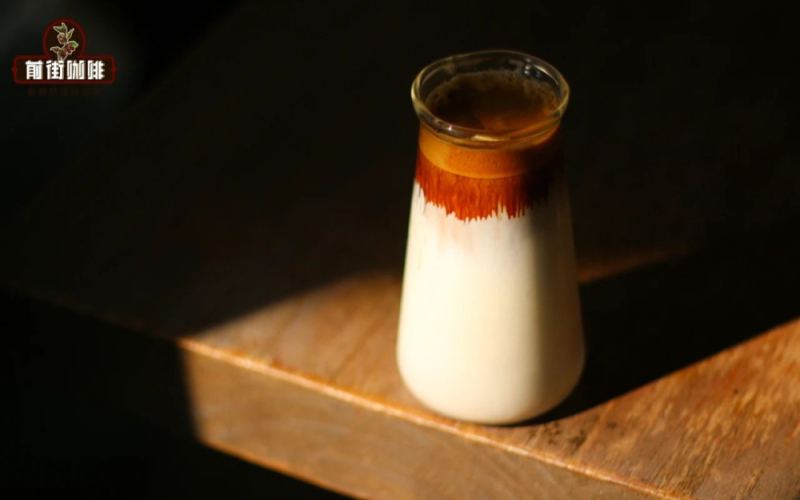
SOE and Dirty have both been hot topics in the coffee world in recent years, with many cafés rolling out SOE products and Dirty drinks made with single-origin beans. Front Street Coffee is often asked by customers whether SOE can be used to make a Dirty, so we decided to find out for ourselves what kind of taste experience this combination would bring. This article will start with the drinking method for a Dirty, analyze why traditional recommendations favor medium-to-dark roasted espresso blends, and then share Front Street Coffee's hands-on records and flavor impressions from making Dirty with three different SOE beans, for the reference of fellow coffee lovers. [more…]
Mocha Coffee History and Brewing Guide: Complete Recipes for Hot and Iced Mocha with an Espresso Machine
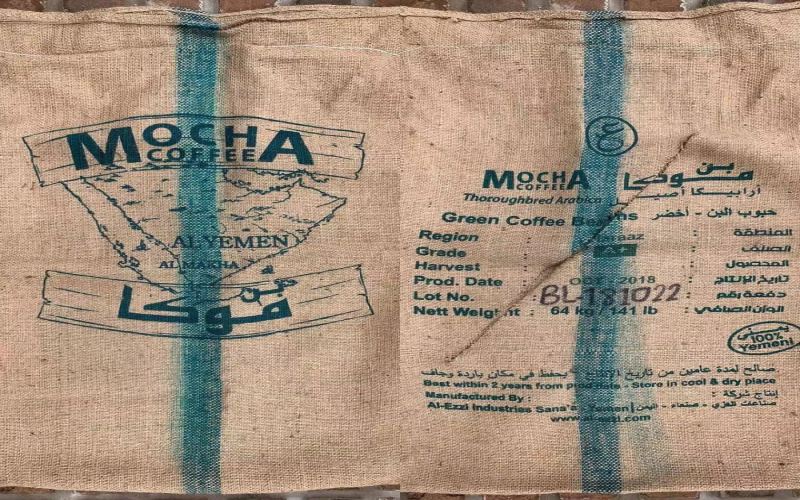
The word "mocha" originates from the port of Mocha in Yemen, once the mandatory passage for all coffee bean exports, which is why Europeans collectively referred to coffee from there as mocha coffee. Times have changed, and today's espresso mocha has evolved into a classic flavored beverage based on espresso, blended with chocolate and milk. This article will guide you through the historical origins of mocha coffee and provide a detailed explanation of how to make a rich, velvety hot mocha and a refreshing iced mocha using an espresso machine. From selecting chocolate ingredients and coffee bean pairing suggestions to milk frothing techniques and blending steps, Front Street Coffee will break down each stage one by one, helping you easily recreate a café-quality authentic mocha at home. [more…]