







Search Results for: Chilled Glass

Is a chilled glass necessary for a Dirty coffee? Testing the layering effect and key preparation points at three glass temperatures
Dirty coffee has become a staple in specialty cafes thanks to its high aesthetic appeal and unique taste, yet there has always been debate over whether an ice-cold cup is essential during preparation. Through side-by-side testing of glass cups at room temperature, refrigerated, and frozen, Front Street found that milk quality is the key to layering, while cup temperature mainly affects the chilled mouthfeel and the preservation of crema. The article also traces the practice of Dirty's originator, Katsuyuki Tanaka, who did not pre-chill his cup. If you're after photogenic presentation and a layered experience, Front Street recommends chilling the cup together with the milk and paying attention to the optimal tasting window. [more…]
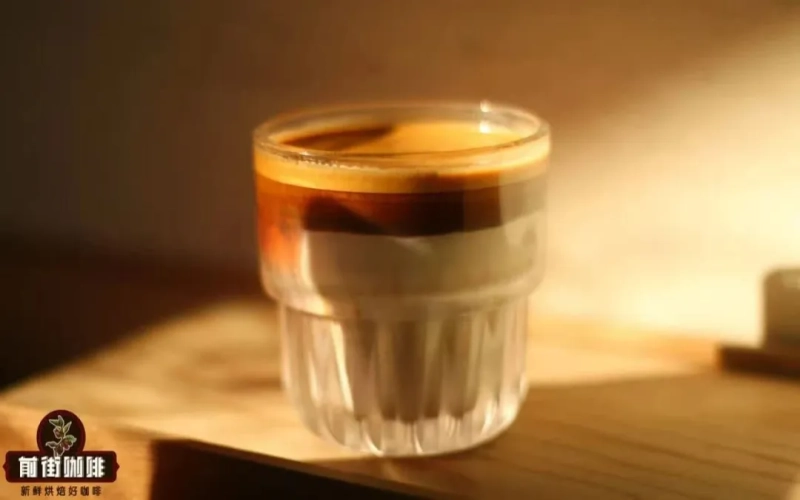
Is it better to chill or freeze a Dirty coffee glass? The mystery of the -86°C Dirty and a real-world comparison test
Dirty has always been a popular product in coffee shops thanks to its high aesthetic appeal and the unique experience of hot and cold colliding. When making a Dirty, using a chilled glass can extend the layering effect between the espresso and the milk, but should you use a refrigerated glass or a frozen glass? Through comparative experiments, Front Street Coffee found that although a frozen glass can widen the initial temperature difference, it also accelerates the dissipation of the layers, and the milk's mouthfeel and aroma are slightly compromised. The rise in popularity of -86°C Dirty has brought frozen glasses into the spotlight once again. This article explains in detail the differences between refrigerated and frozen chilled glasses, the points to note when making a Dirty with a frozen glass, and why purified milk is the best partner for a frozen glass, helping you fully understand the intricacies behind this dirty coffee. [more…]
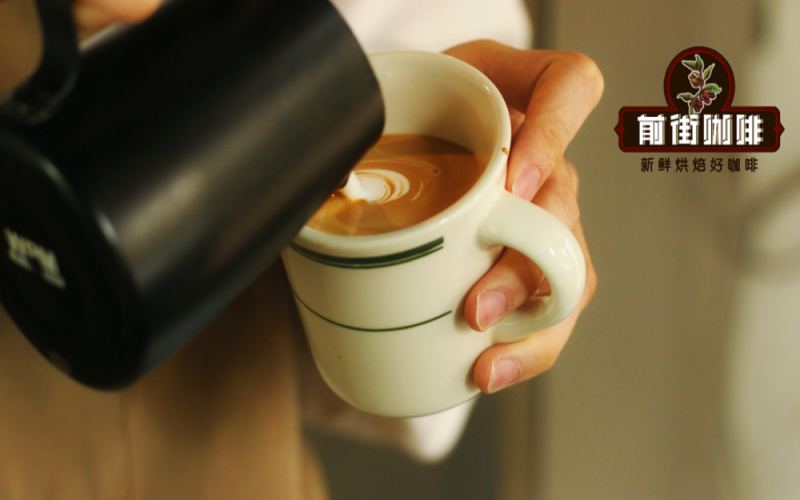
Espresso Coffee Bean Recommendations | How Are Dirty Coffee, Flat White, Piccolo, and Latte Different? Which Coffee Beans Are Suitable for Milk Coffee?
For more specialty coffee knowledge, please follow our WeChat official account: Front Street Coffee. At Front Street Coffee, there are two hidden menus for espresso coffee: one is the Flat White, and the other is [more…]
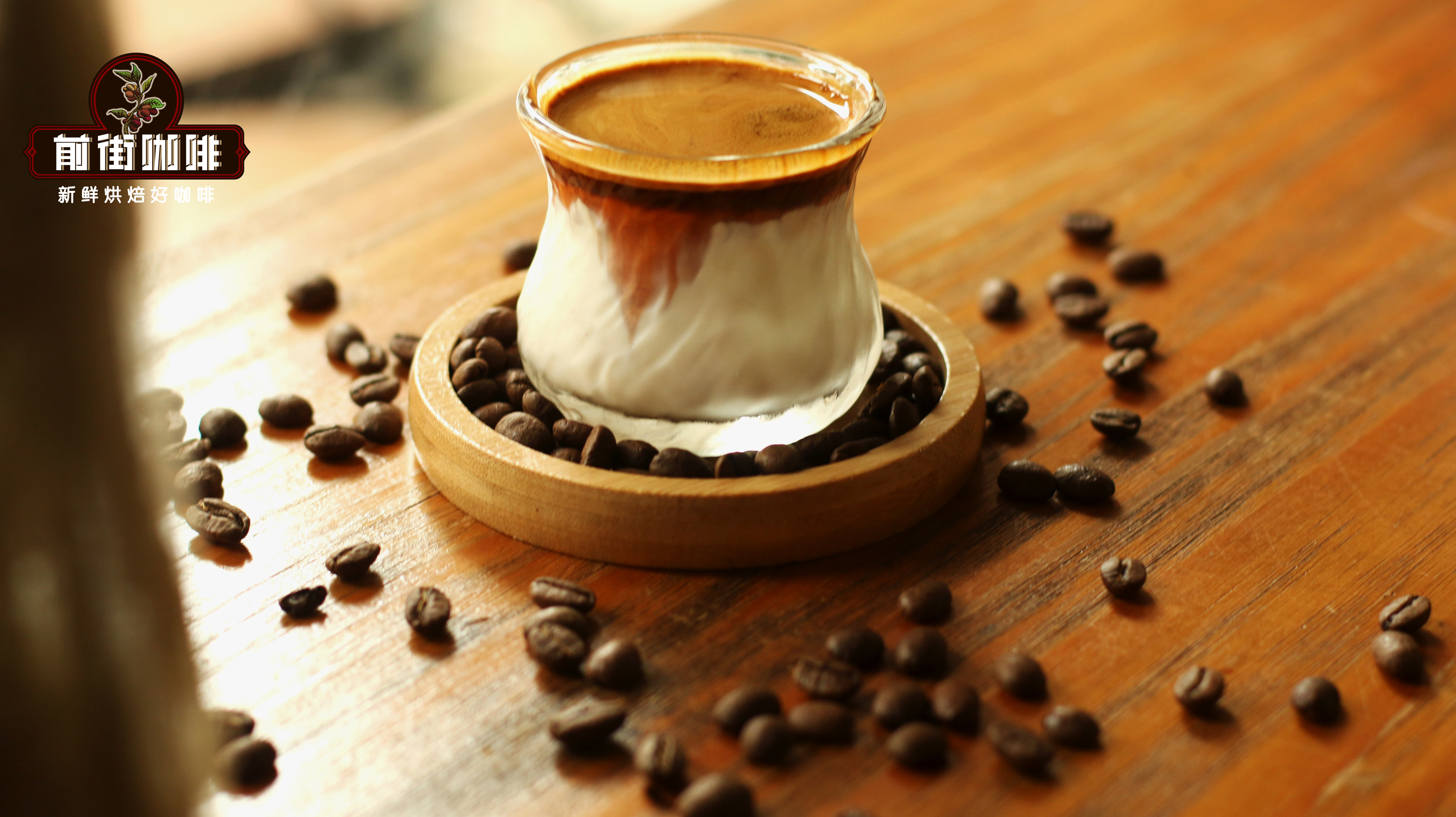
How Should You Drink a Dirty Coffee Correctly? A Full Analysis of Making Techniques and the Flavor and Mouthfeel Differences from Iced Latte
In recent years, Dirty coffee has quickly risen to fame, and many people who once loved lattes have switched camps. Unlike an iced latte, a Dirty is made by letting espresso and milk merge naturally, creating a fascinating layered gradient effect. The first sip delivers an intense coffee impact, which then turns into a smooth, sweet milky aroma—a true feast for both the eyes and the palate. Starting from the definition of a Dirty, this article will explain in detail how to make it, three key techniques, and its essential differences from an iced latte in terms of cup volume, mouthfeel, and flavor. At the same time, Front Street Coffee will also share how to choose suitable espresso beans and milk to help you make a perfectly layered, full-bodied Dirty at home. [more…]
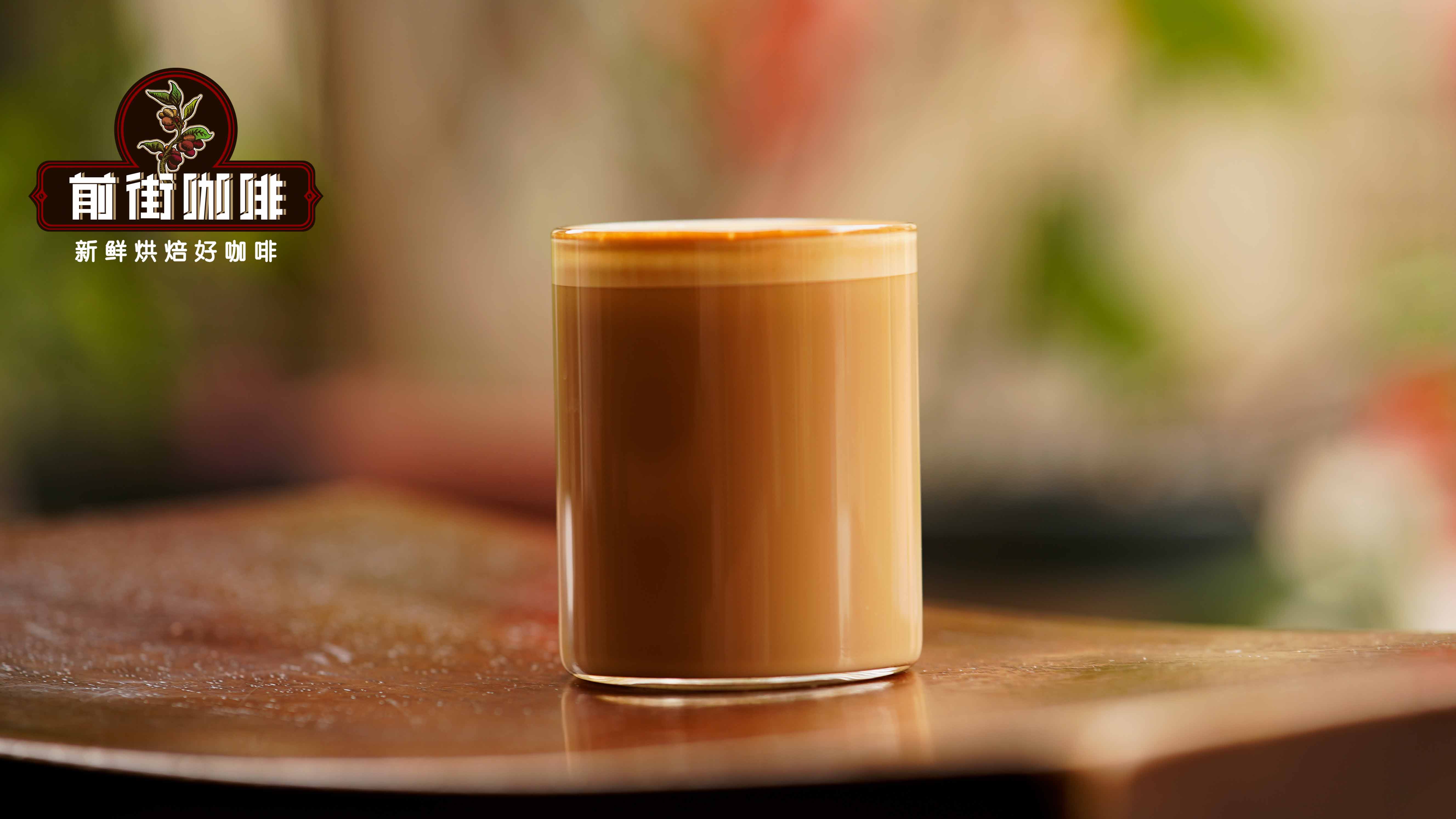
How Is a Dirty Different from a Flat White? A Clear Explanation from Brewing Principles to Espresso Bean Selection
The Dirty Coffee and the Flat White are two rather popular off-menu espresso drinks at Front Street Coffee. Although both are combinations of espresso and milk, they take completely different routes in terms of temperature, milk volume, milk foam thickness, cup type, and even the way they are enjoyed. Starting from the characteristics and differences of each, this article will break down the causes of the Dirty's layered effect and the key points of making it, explain the recipe approach behind the Flat White, and also touch on how to choose espresso beans with good value for money. Friends who love milk coffee might as well follow Front Street's steps and give it a try at home. [more…]
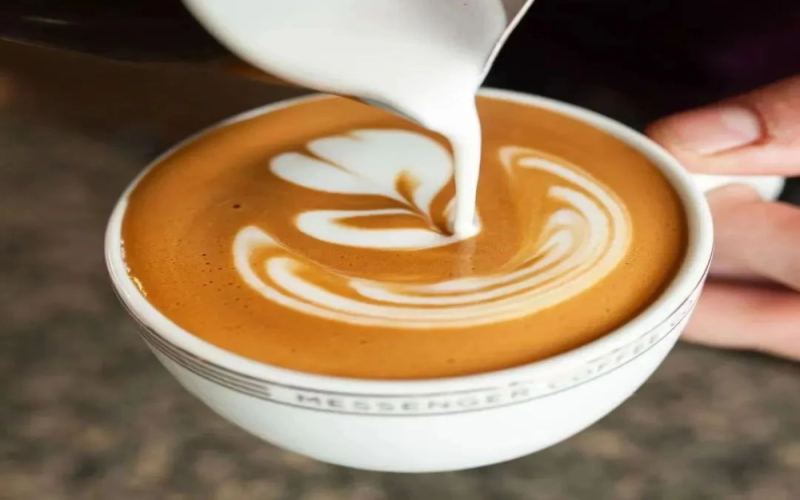
Espresso Milk Coffee | Why is Dirty coffee so popular? What is the recipe ratio for the internet-famous dirty coffee? What are the flavor characteristics of dirty?
It must be said that the ways to play with espresso are truly endlessly varied—just the combination of espresso and milk alone can create a great many coffee drinks. Dirty coffee is a very popular type of espresso drink born from the collision of espresso and milk. If you know a little about espresso-related knowledge, it is not hard to find that Di [more…]
How Do You Make Starbucks Iced Shaken Espresso? A Complete Three-Step Tutorial to Recreate Fancy Iced Coffee
On a sweltering summer day, a layered iced specialty coffee always turns heads. Starbucks' Iced Shaken Espresso, with its striking three-layer look of dark brown espresso, milk-tea-colored milk, and fluffy coffee foam, has become the top choice for many coffee lovers to recreate at home. This time, Front Street Coffee will walk you through the making logic of this drink: use espresso with ice cubes and vanilla syrup, shake it in a cocktail shaker to whip in air and build a thick foam layer, then pour in oat milk through the layers to create a unique texture where grain and coffee intertwine. From ingredient preparation to extraction parameters, shaking technique, tasting the finished drink, and ideas for flavor variations, this article restores the complete process step by step, so you can easily make your own refreshing yet rich Iced Shaken Espresso at home. [more…]
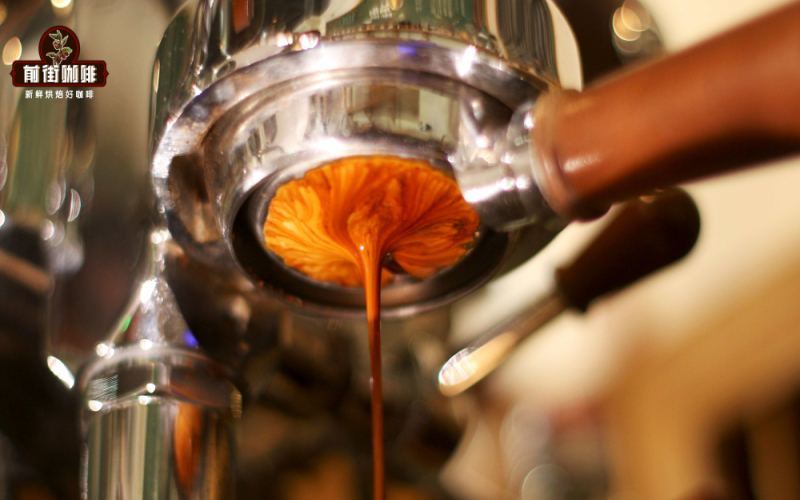
Ten Espresso Drinks: Methods and Differences — Italian Espresso Drinking Habits and Latte-to-Espresso Ratio Explained
Espresso is a staple category in the vast majority of coffee shops, but its family is far more than just Americano and Latte. Using the output plans of Front Street Coffee as a reference, this article sorts through the recipes and key preparation points of ten common espresso drinks one by one, including Espresso, Americano, Latte, Cappuccino, Flat White, Mocha, Dirty, Macchiato, Affogato, and Caramel Macchiato. The article also introduces Italians' habit of drinking espresso, the origin of Americano, common questions such as the number of espresso shots in a Latte, and provides specific parameters for each drink—such as dose, liquid weight, milk volume, and milk foam thickness—making it easy for coffee enthusiasts to replicate at home. [more…]

How can the flavor of cold brew coffee be described accurately? A full analysis of its mellow, neither sour nor astringent taste, plus brewing and storage
The reason ice drip coffee is favored by so many enthusiasts lies in its smooth entry, rich and full body, balanced acidity and sweetness without bitterness or astringency. If coffee beans with fermented notes are chosen, it can also present a rich aroma similar to chilled fruit wine. Starting from the production standards of Front Street stores, this article fully sorts out the ice drip coffee making process, including equipment selection, grind size control, dripping flow rate and coffee-to-water ratio, and further explains the key role of cold brew fermentation in enhancing flavor, as well as the tasting period and bean pairing suggestions. Whether you are a beginner who has just gotten an ice drip pot or an advanced player who wants to refine the flavor, you can find practical operational points and bases for flavor judgment here. [more…]
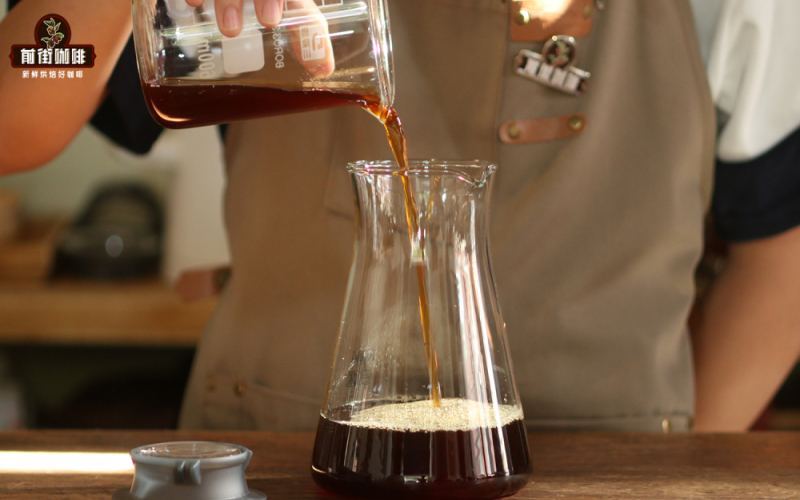
Is Cold Brew Coffee Healthy? How Long Can Iced Coffee Last in the Fridge, and Is It Still Drinkable After 10 Days?
More and more coffee lovers are starting to make cold brew and ice drip coffee at home. This type of low-temperature extracted iced coffee has a refreshing taste, low bitterness, is refreshing and healthy, but many people ask the same question: how long can iced coffee actually be stored in the refrigerator? Is it still drinkable after 10 days? This article will start from Front Street Coffee's practical experience and explain in detail the differences between cold brew and ice drip, the required equipment, coffee bean selection, post-production handling methods, and the respective storage periods and best tasting windows for ice drip and cold brew, helping you enjoy iced coffee safely and deliciously. [more…]
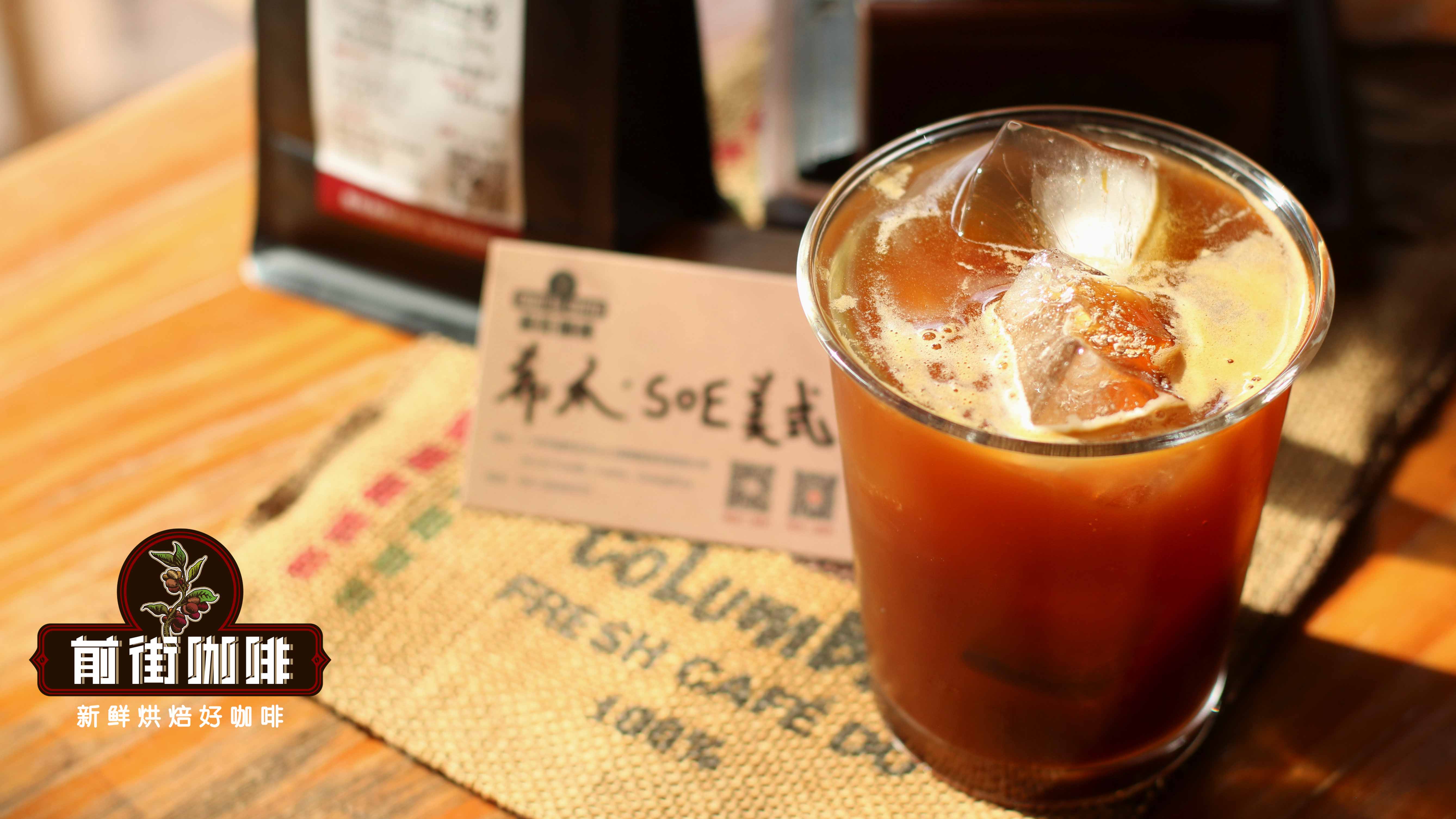
Easily Make Iced Americano, Iced Latte, Cold Brew, and Cold Drip at Home: A Complete Guide from Bean Selection to Extraction
On a scorching summer day, a glass of iced coffee always brings refreshing, invigorating delight. Iced Americano, iced latte, cold brew, and iced drip—these four popular iced coffees each have their own merits: the iced Americano uses espresso plus ice water to deliver zero-guilt refreshment, the iced latte wraps the richness of coffee in milk, while cold brew and iced drip rely on low-temperature extraction to fully release coffee's roundness, fullness, and clean flavors. This article walks you through recreating café-quality iced coffee step by step, from brewing methods and equipment selection to coffee bean recommendations, and shares Front Street Coffee's Classic Blend, Strawberry Candy, as well as bean varieties suited to iced drinks such as Butterfly, Red Cherry, and Mozart, helping you find your own summer flavor. [more…]

How to Make Cold Brew Coffee Taste Great? A Complete Guide from Origins and Grind Size to Coffee-to-Water Ratio and Front Street Coffee Recipes
Cold brew coffee is a staple drink in summer cafés. Its production takes a long time, so it usually needs to be reserved or prepared in advance. Its flavor differs noticeably from other brewing methods, and one taste often leaves a lasting impression. In this article, Front Street Coffee discusses the origins, production methods, and recipes of cold brew coffee, introducing key steps such as a 1:10 coffee-to-water ratio, grind size calibration, pre-infusion, drip rate control, and refrigerated fermentation, and shares four recipes: classic cold brew, a crisp and clean type, a sweet and pleasant type, and a wine-like type, to help coffee lovers reliably recreate it at home. [more…]

Making Cold Brew Coffee at Home in Summer: A Full Guide to Bean Selection and Simple Brewing Methods
On a scorching summer day, a glass of refreshing cold brew coffee is a favorite among many coffee lovers. Compared with iced pour-over, cold drip, or iced Americano, cold brew has a lower barrier to entry and can be easily made at home. This article starts with the extraction principles of cold brew, explains why light-to-medium roast coffee beans are more suitable for cold water immersion, and recommends a variety of Front Street Coffee beans, covering different flavor directions such as floral, berry, citrus, and creamy. It then breaks down in detail the coffee-to-water ratio, grind size, steeping time, and filtration steps, and answers common questions such as whether extraction can be done at room temperature and how long it can be stored refrigerated, so you can consistently make clean, full-bodied iced coffee at home. [more…]
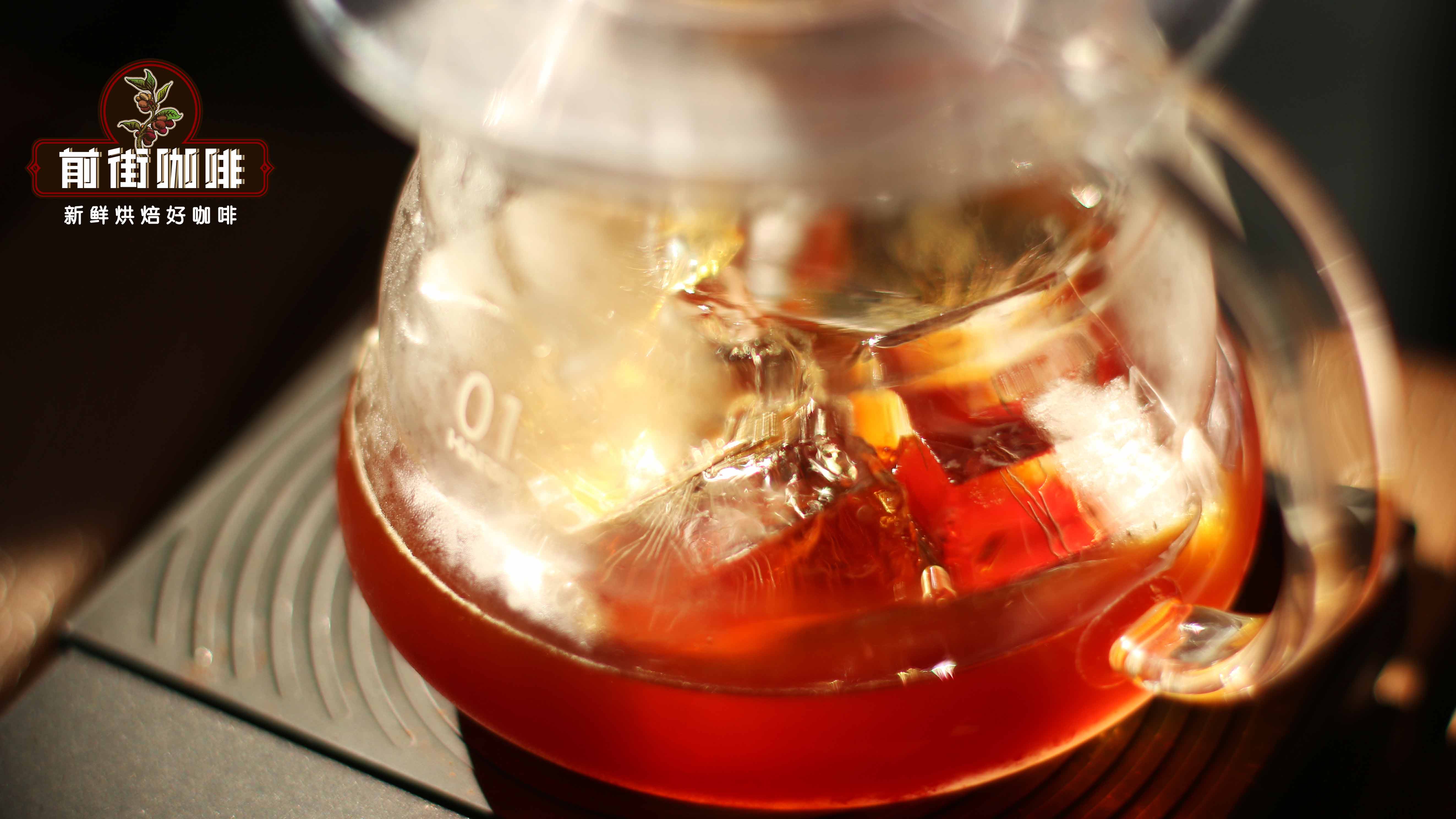
A Complete Guide to Making Iced Pour-Over Coffee: Ratios, Parameters, and Brewing Steps for Rapid-Chill Extraction
Iced pour-over coffee is not simply pouring hot coffee over ice cubes, but a brewing method known as "flash-chilled pour-over"—using ice to rapidly cool the hot coffee liquid in a short time. However, if you directly use the parameters of a regular hot pour-over, the final product often becomes weak and tasteless. To solve this problem, you need to adjust three core parameters: coffee-to-water ratio, grind size, and water temperature. Front Street has summarized a practical formula: coffee grounds (fine grind) + 10 times hot water + 5 times ice. This article will break down the adjustment logic of iced pour-over in detail, offer suggestions on choosing a dripper and coffee beans, and use an Ethiopian natural bean as an example to provide complete brewing parameters and staged pouring steps. [more…]
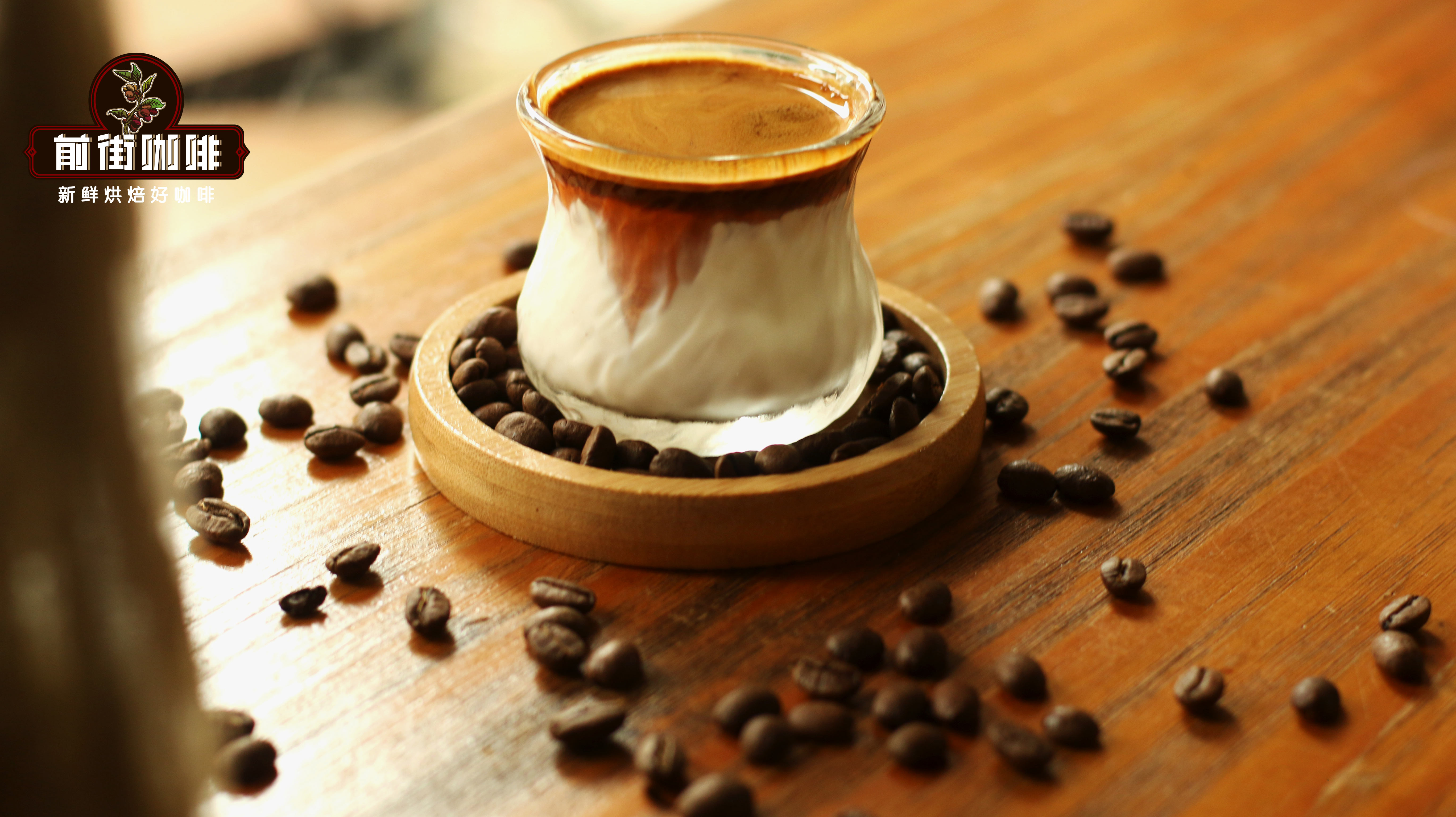
Dirty Coffee Recipe Ratio | How Can Coffee Beginners Make a Dirty Coffee? What's the Milk-to-Coffee Ratio for a Dirty Coffee? Which Coffee Beans Are Suitable for Making a Dirty Coffee?
Introduction: Dirty coffee burst onto the scene a few years ago, converting many latte loyalists into Dirty devotees. Unlike iced latte, Dirty coffee offers a visual and taste-bud double delight as you watch the espresso and milk create a gradient effect, and with one sip you go from rich coffee to sweet milk. [more…]
Analysis of the Flavor Differences Between Ice Bock Latte and Regular Latte, and a Detailed Guide to Making Ice Bock Milk at Home
In recent years, ice bock milk coffee has set off a craze in the coffee world, with many cafés offering it as a signature product, and the refrigerated refined milk launched by Biro further fueled this trend. But even before that, some coffee shops were already using homemade ice bock milk to make drinks. So what exactly is ice bock? How does it differ in flavor from an ordinary latte? This article will start with the origin and principles of ice bock, teach you step by step how to make ice bock milk at home, and share Front Street Coffee's review of the flavor characteristics of ice bock milk, as well as its excellent performance when paired with espresso to make a Dirty. [more…]
The Correct Way to Drink a Dirty Coffee | How Do You Make a Dirty with Distinct Layers? Does the Shape of the Cup Affect the Taste and Mouthfeel of a Dirty Coffee?
In recent years, a type of iced milk coffee called Dirty has become increasingly popular. The warm, rich espresso on top blends with the sweet, delicious cold milk, creating a unique mouthfeel of alternating hot and cold. Its photogenic good looks are an added bonus, and many cafés have added it to their regular menus. What is Dirty coffee? [more…]

What Is a Latte? A Detailed Guide to Making Iced Latte at Home and Milk Ratios
As midsummer arrives, icy drinks become the top choice for beating the heat, and a glass of iced coffee is a favorite for many. Rather than going out to buy one, why not make an iced latte at home yourself? From the professional perspective of Front Street Coffee, this article will introduce the definition of a latte and explain in detail how to make an iced latte, including selecting coffee beans, choosing the right milk, and the specific steps for each stage. We will also recommend Front Street Coffee's specialty blend and Front Street Strawberry Candy espresso blend beans, which are suitable for making iced lattes, to help you easily recreate a well-balanced, silky iced latte at home. [more…]

Key Tips for Making Summer Pour-Over Iced Coffee: How to Bring Out Floral, Fruity Aromas and a Juicy Mouthfeel
On a scorching summer day, a glass of iced pour-over coffee both cools you down and quenches your thirst while delighting your taste buds. However, brewing an iced coffee that is both refreshingly cold and rich in floral and fruity flavors is not something you can achieve by simply adding ice. This article starts with Front Street Coffee's Kaffa Forest, a washed bean, and explains in detail how to choose beans, control water temperature, adjust pouring techniques, and incorporate stirring motions to bring out a juicy, sweet-and-tart cup with notes of yellow peach, sweet orange, and pomelo. The article also provides specific three-stage pouring parameters and step-by-step instructions to help coffee enthusiasts easily recreate a glass of fruity iced pour-over at home. [more…]

Common Types of Italian Coffee | What Are the Classic Milk Coffee Recipes? What's the Difference Between a Latte, Macchiato, Cappuccino, and Dirty?
Espresso is a must-have beverage in every café. Many people's first impression of espresso is that it's unbearably bitter. In fact, espresso isn't limited to such bitter shots. If you want an espresso that isn't bitter and suits your taste, the first thing you need to understand is the different types of espresso. Front Street Cof [more…]