







Search Results for: Castillo variety
Colombia Finca San Jose Pour-Over Coffee: Flavor Analysis of Rum Barrel Fermentation and Castillo Variety
Located in the Caldas region, Hacienda San José has infused the Castillo variety with distinctive notes of liquor and tropical fruit through its unique refined washed rum barrel fermentation process. This article will guide you through the bean's origin background, processing details, and the development of the Castillo variety in Colombia, while also sharing the brewing parameters and cupping flavor profile recommended by Front Street Coffee. [more…]
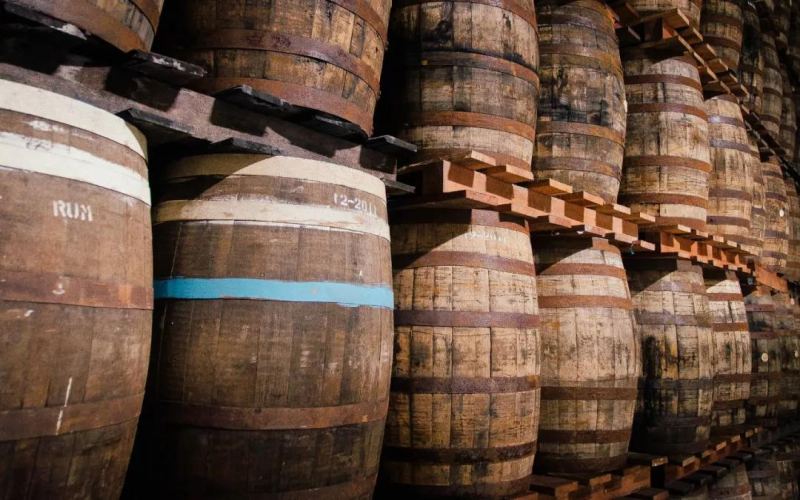
San Jose Estate Rum Barrel Fermented Coffee Bean Analysis: Colombia Castillo Variety Flavor Review
Colombian coffee occupies an important place in the global specialty coffee landscape thanks to its exceptional natural conditions and refined cultivation techniques. This article focuses on a Front Street Colombian coffee bean that uses a special processing method—a refined washed rum-process coffee from Finca San Jose. Finca San Jose is located in the Caldas region of central Colombia, with a century-old heritage and 18 hectares of cultivated land, abundant sunshine year-round, and an average temperature of 22°C, providing an ideal environment for coffee cultivation. This bean uses the Castillo variety, undergoes low-temperature fermentation in oak barrels, and is then washed and dried, presenting a rich flavor profile interwoven with rum truffle, rum, tropical fruit, and maple syrup, with a creamy, smooth, and balanced mouthfeel. The following sections will introduce the estate background, processing technique, variety characteristics, as well as V60 brewing parameters and flavor evaluation in detail. [more…]
An In-Depth Analysis of the Colombia Finca San José Castillo Rum Barrel Fermented Washed Coffee
Castillo is a variety bred by Colombia's coffee research institute to enhance disease resistance, and it has now become the country's main cultivated variety. From the perspective of Front Street Coffee, this article systematically reviews Castillo's hybrid origins and the terroir conditions of Colombia's four major southern production regions, then focuses on Finca San Jose—the birthplace of the barrel fermentation processing method—explaining in detail the process of its refined washed processing combined with rum barrel fermentation, and compares this bean with Finca El Paraiso Cherry coffee through cupping, along with roasting and brewing sharing, presenting coffee enthusiasts with a complete guide to the production region and processing method. [more…]
A Complete Guide to Colombian Coffee Varieties, Grading, and Regions: Flavor Secrets from Caturra to Castillo
Colombia is the world's third-largest coffee producer, and its coffee is renowned for its bright acidity, pronounced sweetness, and rich, layered flavors. From Caturra to Colombia to Castillo, the evolution of varieties reflects the ongoing efforts of the FNC and Cenicafe to combat leaf rust and berry disease. This article will outline the evolution of Colombian coffee varieties, the distribution of major growing regions, and grading standards, and, combined with Front Street Coffee's brewing practices, help you understand why coffee nurtured by this stretch of the Andes can present notes of rose, berry jam, and a chocolate finish. [more…]
Colombian Coffee Beans: A Comprehensive Analysis of Varieties, Flavors, and Grading Standards—From Caturra to Castillo
Colombian coffee holds a pivotal place in the global specialty coffee landscape, where its favorable terroir—low latitude and high altitude—nurtures coffee beans with rich, layered flavors. From traditional Caturra to the disease-resistant new variety Castillo, Colombia's coffee varieties have undergone decades of evolution. The National Federation of Coffee Growers' strict control over export quality has also given rise to a detailed grading system. Starting from Front Street Coffee's blending experience, this article sorts out the variety lineage, producing regions, and grade determination methods of Colombian coffee, helping coffee enthusiasts gain a more systematic understanding of the unique charm of this major South American coffee country. [more…]
Analysis of Robusta and Arabica Hybrid Varieties: Introduction to Timor, Catimor, Castillo, and Yunnan Small-Bean Catimor
The coffee world is mainly divided into three major species: Arabica, Robusta, and Liberica, with the first two dominating commercial cultivation. Robusta originated in Congo, West Africa, and has strong adaptability, high caffeine content, a full-bodied flavor, and rich oils, and is often used in espresso blends and instant coffee. To incorporate its disease-resistant genes, coffee breeders crossed Robusta with Arabica, giving rise to a series of varieties such as Timor Hybrid, Catimor, and Castillo. This article will analyze the origins and characteristics of these varieties one by one, and introduce the Yunnan small-bean Catimor produced by Front Street Coffee, guiding you through the complete thread from variety to cup. [more…]
Flavor Analysis of Colombia Finca El Paraiso Sakura Anaerobic Beans and Castillo Variety Characteristics
Front Street Coffee has previously offered several Colombian coffee beans, among which the Sakura anaerobic beans from Finca El Paraiso have a unique aroma with a faint hint of mugwort. This article will guide you through the background of Finca El Paraiso, the characteristics of the Castillo variety, and Front Street's cupping and brewing process for this Sakura coffee. In addition, Front Street also evaluated the Strawberry Yogurt double anaerobic washed beans from the same estate and attempted to make them into an SOE. Through this article, you will gain an in-depth understanding of the flavor performance of Finca El Paraiso coffee and Front Street's selection standards. [more…]
Colombian Supremo Specialty Coffee Bean Analysis: A Complete Guide from Origin and Variety to Brewing Flavor
Colombia ranks third in global coffee production, and its favorable growing environment of low latitude and high altitude produces coffee beans of outstanding quality. Drawing on Front Street Coffee's espresso blending experience, this article sorts out the flavor differences between Brazilian and Colombian coffee, offers an in-depth introduction to the evolution of the Colombian Caturra and Colombian varieties, and explains how Castillo became today's dominant variety. It also details the screen size standards and grading system of the Supremo grade, and includes the three-stage brewing parameters and flavor description for Front Street Cherry Castillo coffee beans, providing coffee lovers with a complete framework for understanding Colombian specialty coffee. [more…]
What makes Colombia Finca El Paraiso coffee so unique? A flavor analysis of the Castillo double anaerobic washed pour-over
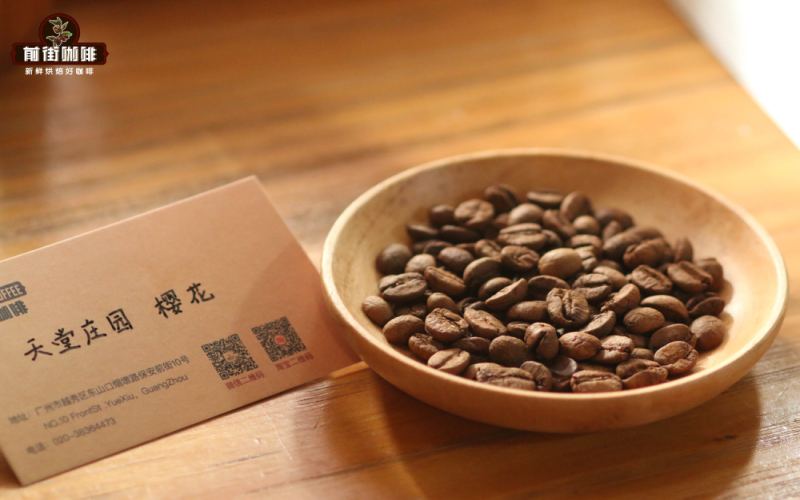
Colombia is an important origin for specialty coffee in the world, and the high-altitude terroir of its Cauca region has nurtured many distinctive coffee estates. The Colombia Finca El Paraiso Cherry Blossom coffee beans launched by Front Street Coffee stores use a double anaerobic washed process and the Castillo variety, presenting fruity sweet-and-sour notes reminiscent of berries, raspberries, and strawberry jam, accompanied by a wormwood-like spice aroma, with a uniquely distinctive mouthfeel. This article will take an in-depth look at Finca El Paraiso's producing region environment, variety characteristics, and processing techniques, as well as the roasting and pour-over methods customized by Front Street for this coffee, bringing you a comprehensive understanding of this coffee's flavor code from origin to cup. [more…]
Colombia Finca El Paraiso Double Anaerobic Washed Castillo Coffee: Full Flavor and Brewing Guide
Located in the Cauca region of Colombia, Finca El Paraiso is run by Diego Samuel and has focused on specialty coffee exploration since its founding in 2008. Its double anaerobic washed Castillo coffee beans, introduced to China by Front Street Coffee, present fruity sweetness and acidity reminiscent of berries, raspberries, and strawberry jam, accompanied by notes of mugwort and spice, with extremely high flavor distinctiveness. This article will discuss Finca El Paraiso's regional terroir, processing techniques, variety characteristics, as well as Front Street's roasting and brewing recommendations, helping coffee enthusiasts fully understand the flavor sources and extraction key points of this bean, while providing reusable pour-over parameter references. [more…]
A Complete Analysis of Colombian Coffee Flavor and Mouthfeel: From Regional Terroir to a Full Guide on Caturra and Castillo Varieties
Colombia is one of the few origins in the world sold as a single-origin coffee under its country name, and together with Brazil it ranks among the world's top three coffee exporters, accounting for about 15% of global production. Unlike Brazil, which relies on technology-driven cultivation, Colombia owes its clear, rich, fruit-and-acidity-laced coffees to the volcanic soils, abundant rainfall and diverse terrain of the Andes. This article systematically reviews Colombia's major producing regions—from Bucaramanga in the north to Santander, Huila, Cauca and Nariño in the south—explains the flavor differences among them, introduces the diverse varieties such as Typica, Caturra and Castillo, and includes the brewing parameters and flavor descriptions for several Front Street Coffee Colombian beans, helping coffee lovers gain a comprehensive understanding of the appeal of this South American origin. [more…]
Flavor Analysis and Brewing Parameters of Colombia Finca El Paraiso SOE Double Anaerobic Washed Coffee Beans
Colombia, as the world's third-largest coffee producer, holds a special position in the international coffee market thanks to government regulations restricting the country to growing only Arabica varieties and the support of NFC institutions. Recently, Luckin Coffee launched its Little Black Cup series, featuring a Finca El Paraiso SOE, bringing this estate in the Cauca region into the spotlight. Finca El Paraiso was founded by Diego Samuel in 2008, starting as a small 2.5-hectare family estate, and rose to fame in a regional competition in 2015 through technological innovation. Front Street Coffee's bean list happens to include a Finca El Paraiso Sakura coffee bean, produced using a double anaerobic washed process, of the Castillo variety. This article will provide a detailed interpretation of this bean, covering its regional background, the principles of its processing method, variety characteristics, roasting approach, and pour-over brewing plan. [more…]

Analysis of the Flavor Characteristics and Pour-Over Parameters of Colombia Finca San José Oak Barrel Fermented Coffee Beans
In the specialty coffee world, barrel-fermented processing methods have attracted considerable attention in recent years, and the origins of this technique can be traced back to Finca San José in Colombia. The third-generation female owner of the estate was the first to try placing green coffee beans into rum oak barrels for low-temperature fermentation, pioneering a distinctive processing method. This article will provide a comprehensive introduction to Finca San José's regional background, the development of the Castillo variety, the specific process of fine washing combined with rum barrel fermentation, and compare its flavor differences with the barrel-aged beans from Finca Moca in Honduras. At the same time, Front Street Coffee will share the optimal extraction parameters and flavor performance of this bean through brewing experiments at three different water temperatures, helping coffee enthusiasts gain a deeper understanding of this unique Colombian coffee. [more…]
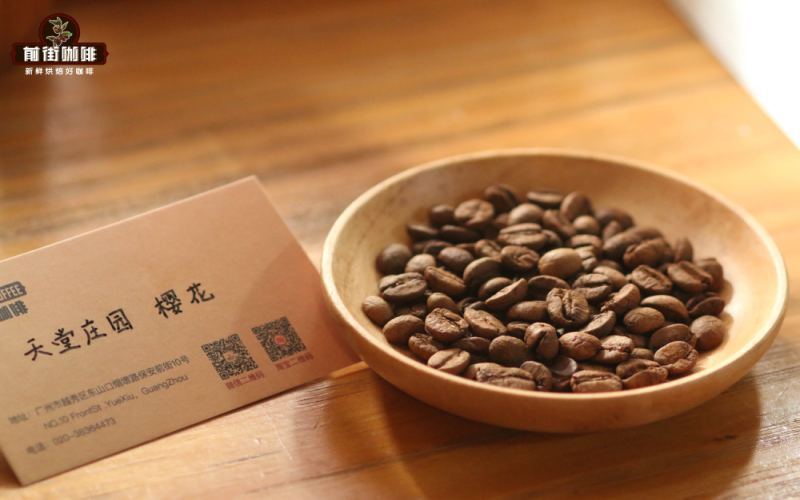
Flavor Analysis of Colombia Finca El Paraiso Sakura Coffee Beans and V60 Brewing Parameter Guide
The Sakura coffee beans from Finca El Paraiso that I got from Front Street Coffee—though named Sakura—display a rich aroma in cupping that interweaves basil, rosemary, chamomile, and strawberry jam, leading many tasters to joke that it resembles a pot of herbal tea. This article will guide you through the origin background of these beans—the Cauca region of Colombia and Finca El Paraiso—introduce the characteristics of the Castillo variety and the double anaerobic washed processing method, and reveal Front Street Coffee's roasting curve, cupping report, and V60 three-stage brewing method to help you fully recreate the optimal flavor expression of this coffee. [more…]
Why Are Colombia Finca El Paraiso Coffee Beans So Highly Regarded? Front Street Cherry Blossom SOE Flavor Analysis
Recently, Luckin Coffee's launch of the Small Black Cup Finca El Paraiso SOE has brought this Colombian estate into the public eye. As early as 2019, Finca El Paraiso made a name for itself in the specialty coffee scene thanks to its special processing methods, with its Sakura Series and Strawberry Series being especially sought after. The Colombia Finca El Paraiso Sakura coffee beans selected by Front Street Coffee use the Castillo variety and a double anaerobic washed process, presenting a unique flavor profile of mugwort, berries, spices, and strawberry jam. This article will guide you through the estate's background, variety characteristics, and processing details, share Front Street's roasting data and brewing suggestions, and finally explore how this bean performs as an SOE, for the reference of coffee enthusiasts. [more…]
Flavor Analysis and Pour-Over Parameters Guide for Colombia San Caldas San José Estate Oak Barrel Fermented Coffee Beans
In the world of specialty coffee, barrel-fermentation processing has attracted much attention in recent years, and the pioneer of this technique was not Honduras' Moca estate, but rather El Finca San José in Colombia's San Caldas region. In a moment of inspiration, the estate's third-generation female owner placed green coffee beans into rum oak barrels for low-temperature fermentation. After repeated experiments, she ultimately created the distinctive rum barrel-fermented coffee. This article will guide you through the background of Finca San José, the birth of barrel fermentation, the origins of the Castillo variety, and Front Street Coffee's pour-over performance and brewing recommendations for this bean at different water temperatures, helping you gain a more comprehensive understanding of this uniquely flavored Colombian specialty coffee. [more…]
A Complete Guide to Colombian Coffee Bean Flavors: Castillo, Caturra Characteristics and Main Processing Methods Compared
Colombia is located in the northwest of South America, with a mild and humid climate that provides an ideal growing environment for coffee trees and has shaped the balanced, elegant style of local coffee. This article will explore the flavor characteristics and processing methods of Colombian coffee beans, focusing on the flavor differences between Front Street Coffee's Sidra and Front Street Coffee's Ombligon, and reviewing how washed, semi-washed, and anaerobic fermentation processes affect coffee performance. At the same time, the article will also share Front Street Coffee's Colombian coffee brewing parameters and techniques to help coffee lovers more fully understand this producing country known as the "coffee gentleman." [more…]
Colombia Finca El Paraiso Sakura Coffee Beans: A Complete Guide to Double Anaerobic Washed Processing and SOE Flavor
The launch of Luckin's Little Black Cup Finca El Paraiso SOE brought this Colombian estate into the public eye. As early as 2019, Finca El Paraiso made a name for itself in the specialty coffee scene with its special processing methods, with its strawberry and cherry blossom series standing out in particular. The Colombian Finca El Paraiso Cherry Blossom coffee beans selected by Front Street Coffee use a double anaerobic washed process, are of the Castillo variety, and in cupping present a complex flavor profile of mugwort, berries, fermented aromas, and strawberry jam. This article will thoroughly break down the whole story of this bean—from the estate's background, variety origins, and processing techniques to the roasting curve and brewing parameters—and explore its performance as an SOE. [more…]
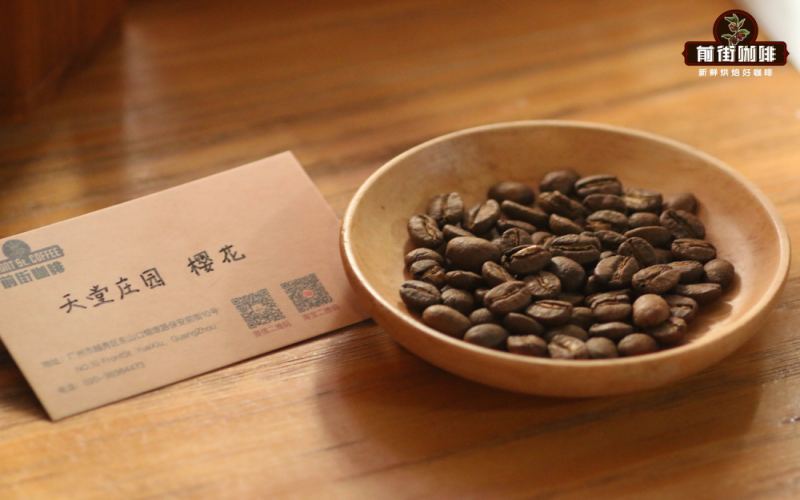
Colombia Finca El Paraiso Double Anaerobic Washed Coffee Beans: Variety Characteristics, Roasting Recommendations, and Pour-Over Brewing Guide
Luckin Coffee's recent launch of the Finca El Paraiso SOE has brought this Colombian coffee into more people's view. Finca El Paraiso is located in Colombia, and its owner, Diego Samuel, has been managing this land since 2008. Through continuous research into the production methods of specialty flavors, he won first place in a regional competition in 2015. Front Street Coffee has also imported the estate's Cherry coffee beans, which use a double anaerobic washed process and are of the Castillo variety. Front Street presents its authentic flavor with a light roast, and in cupping one can perceive notes of mugwort, basil, mint, berries, and osmanthus. This article will guide you through the background of Finca El Paraiso, its processing methods, and variety characteristics, and share Front Street's brewing parameters and extraction insights to help you better savor this unique anaerobically processed coffee. [more…]
Colombian Coffee Supremo Grade Flavor Analysis and Brewing Tasting Guide
Colombia ranks third in the world in coffee production, and its low-latitude, high-altitude growing environment creates superior quality. From Caturra to the Colombia variety, and then to the evolution of Castillo, Colombia's coffee industry has continually innovated while fighting diseases such as leaf rust. This article systematically sorts out the variety lineage of Colombian coffee, the distribution of major producing regions, and the classification standards of the Supremo grade, and combines Front Street Coffee's brewing plan to give you an in-depth understanding of the unique charm of this South American specialty coffee—from rose floral aromas to berry jam flavors, from nutty notes to caramel sweetness, all in one go explaining the key points of tasting Colombian coffee. [more…]