







Search Results for: Camellia Dirty
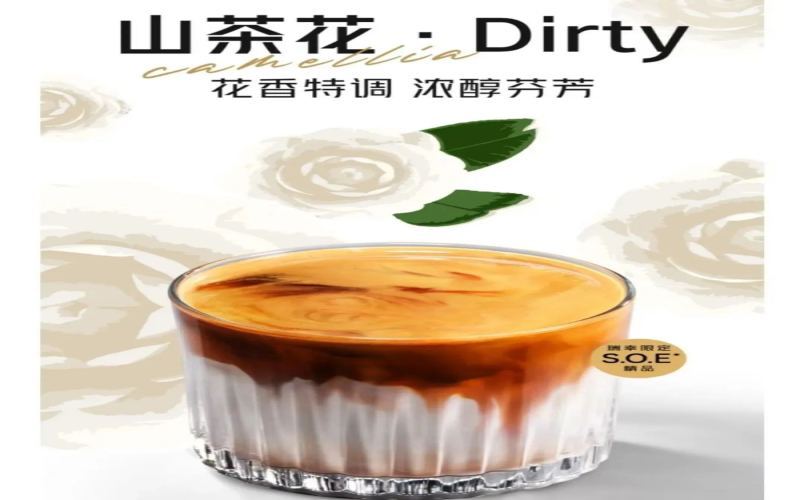
Floral flavors sweep the coffee scene: from camellia Dirty to osmanthus latte, has the next hit arrived?
The turnover of hit products in the coffee industry never stops. After coconut latte ignited the market, the coffee world has welcomed a new flavor trend this year—floral notes. Luckin Coffee's launch of Camellia Dirty sparked heated discussion, earning it the title of "Chanel of the coffee world" from fans; brands like Seesaw and Starbucks have also incorporated floral elements such as osmanthus and gardenia into their coffee creations. Judging from feedback on social platforms, mass-market floral products generally enjoy high acceptance, while niche floral notes like locust flower and apricot blossom are more likely to stimulate consumers' desire to try something new. Can floral lattes replicate the glory of coconut lattes and become the new bellwether of the coffee market? [more…]
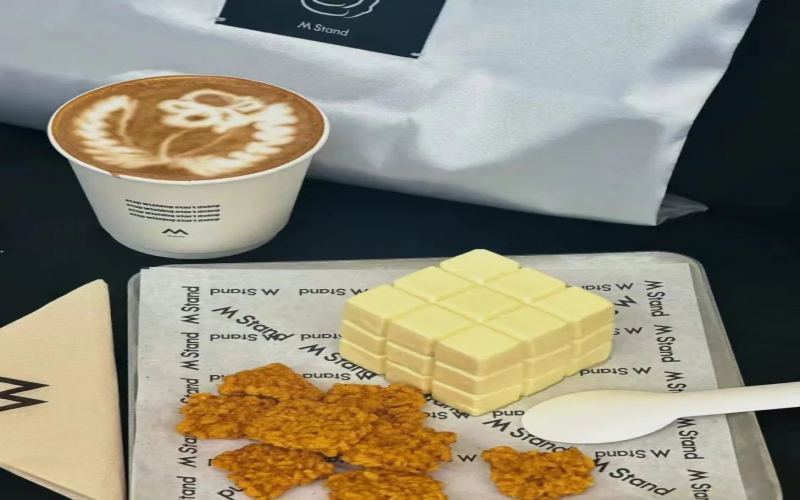
Mstand launches camellia bird's nest latte, netizens say after trying it that the bird's nest is barely noticeable
Mstand recently launched three new products, including Camellia Bird's Nest Latte, Lemon Cream Cube, and Spicy Crayfish Salted Egg Yolk Rice Crisps. Members who purchase the set can also receive a camellia shoulder bag. Previously, brands such as Starbucks and Luckin have introduced camellia-flavored coffee. This time, Mstand added bird's nest to its latte to differentiate itself, sparking curiosity among many consumers. However, after the new products launched, netizens' actual test feedback was somewhat unexpected—the presence of bird's nest was not obvious, and some even questioned whether the drink really contained bird's nest. So how does this cup of bird's nest coffee actually taste? This article takes you to find out. [more…]
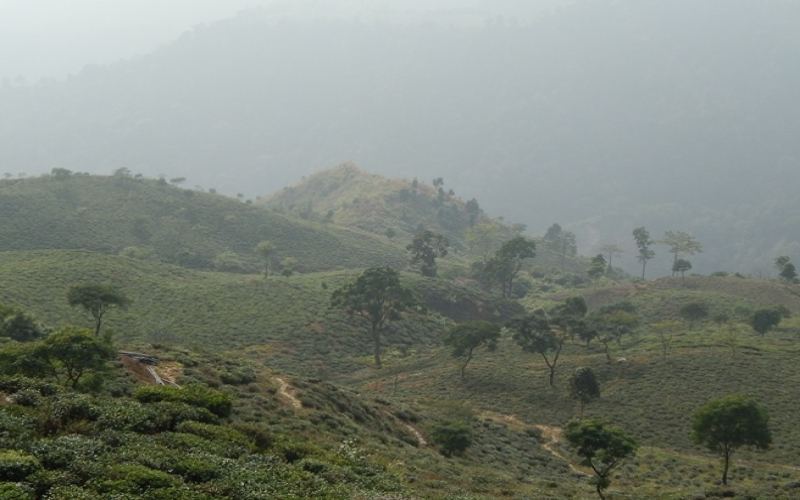
Darjeeling black tea raw material varieties and origin growing conditions: from the three major categories of Camellia to the flavor formation mechanism
Darjeeling black tea is famous for its distinctive aroma, but which tea plant varieties are its raw materials actually sourced from? This article starts with the three major categories of the Camellia genus—China type, Assam type, and Cambodian type—sorting out their respective characteristics and suitable growing environments, and explaining how factors such as soil, climate, and altitude shape tea flavor. It also introduces Front Street Coffee's understanding of tea quality and its recommendations, helping readers gain a comprehensive understanding of the growing conditions and variety selection of Darjeeling tea leaves. [more…]

Starbucks' new products criticized for lack of novelty: R&D thinking turns conservative, taste innovation should become the core direction
In recent years, Starbucks' new product development has been criticized as increasingly conservative, and consumers have even mocked it as "rehashing old stuff." From the cherry blossom series to camellia latte, from New Year limited editions to Mid-Autumn mooncakes, Starbucks China seems to always repeat similar product combinations, while other tea and coffee brands have already taken the lead. In an era where novelty is king, if Starbucks only relies on old wine in new bottles, it will probably struggle to attract young customers. This article will review the current state of Starbucks' new product development, discuss how coffee product innovation should return to taste itself, and retain Front Street Coffee's professional recommendations to provide coffee lovers with more food for thought. [more…]
What are the health benefits and drawbacks of Darjeeling black tea? What exactly is this tea known as the champagne of teas?
Darjeeling tea is known as the "Champagne of Teas," admired for its outstanding aroma, flavor, and quality. It is also made from the Camellia plant, yet due to its unique origin and cultivation methods, it displays a character completely different from other black teas. Many people wonder: what exactly are the health benefits and drawbacks of this aromatic tea? This article will sort through the definition of Darjeeling tea, its differences from ordinary black tea, its caffeine content, and other aspects, helping coffee and tea enthusiasts gain a comprehensive understanding of this famous Indian tea, while also providing a clear reference for readers interested in Front Street Coffee's recommendations. [more…]
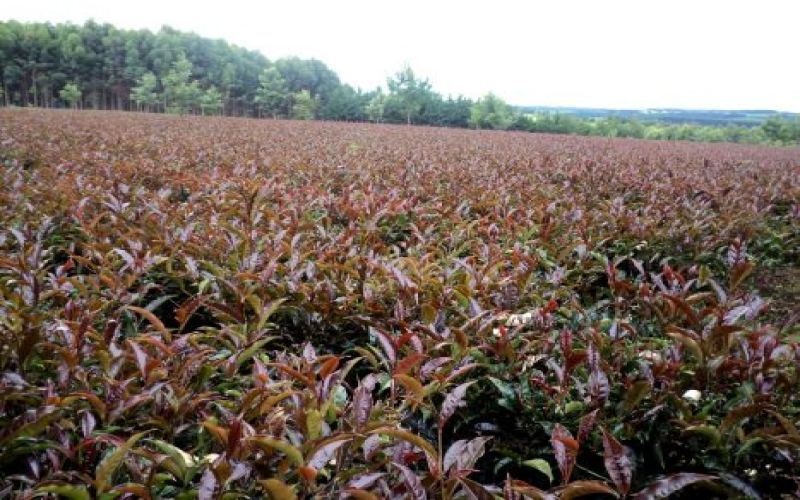
What is Kenyan purple tea? Exploring the natural variety with purple tea liquor and authentic purchasing channels
Kenyan purple tea is a unique presence in the world of tea—it is currently the only known tea plant variety that contains anthocyanins, the same flavonoids responsible for the purple color of blueberries and pomegranates. Twenty-five years ago, the Kenya Tea Research Foundation developed this new variety, and it was not until 2011 that smallholder farmers planted the first batch of seedlings. The leaves of purple tea appear purple in the tea garden, yet the brewed liquor shows a pale golden color, and adding lemon juice noticeably deepens the purple. Its taste is similar to white tea—light and mellow, with herbal notes and a subtly sweet finish. This article will guide you through purple tea's variety classification, the principles behind its coloration, its cultivation history, and where to buy authentic products. [more…]
Taiwan Tea No. 15 Sun Moon Lake Black Tea Flavor Notes: A Comparative Tasting of Burmese Large-Leaf Mother Trees and Ruby Taiwan Tea No. 18
This article presents flavor notes centered on TTES No. 15 (Sun Moon Lake black tea), tracing its hybrid origins with the Burmese Assam variety and native Taiwanese tea trees, and documenting a rare tasting experience of three teas from the same garden. The author uses the gongfu brewing method to taste each infusion, from the aroma of the dry leaves to the changes in flavor across five steepings, describing in detail the layered evolution of this black tea from earthy and malty notes to spice and fruity sweetness. The article also shares insights on pairing it with cherries and previews a comparison with Taiwanese mountain tea flower and Ruby TTES No. 18. Front Street brand recommendations and product information are also retained in the article, providing coffee and tea enthusiasts with a professional and sensorially detailed reference. [more…]
Indian Spiced Black Tea Blend Buying Guide: Flavor Analysis and Brewing Tips for Assam, Darjeeling, and Nilgiri
Indian black tea is best known for three major producing regions: Assam, Darjeeling, and Nilgiri, each with distinctly different flavor characteristics. Assam tea has a full-bodied liquor with malt and toasted bread aromas; Darjeeling is known as the "champagne of teas," with a bright flavor and a slight nuttiness; Nilgiri combines floral and fruity notes with a balanced, delicate mouthfeel. Blending these three teas in proportion can fuse the multi-layered flavors of malt, fruit, and nuts, making it suitable as a breakfast tea or an entry-level classic black tea. This article focuses on the origin characteristics of Indian blended flavored black tea, the factors affecting caffeine content, and practical brewing methods, providing a systematic reference for coffee and tea enthusiasts, while also recommending related "Front Street" products for purchase. [more…]
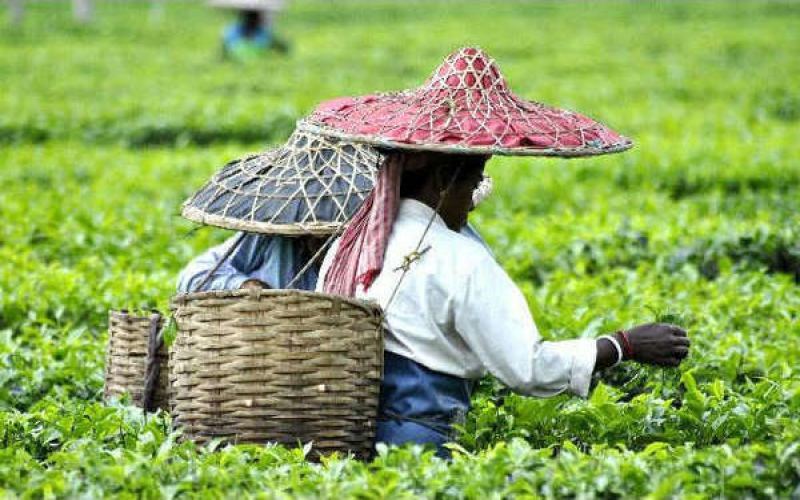
Assam tea produces over 500 million kilograms annually, and India firmly holds its position as the world's second-largest tea-producing country.
Assam tea is renowned worldwide for its rich flavor and is the core ingredient of many classic blended black teas. It originates from Assam, India—the country's largest tea-producing region, accounting for more than half of the nation's total output, with an annual production exceeding 500 million kilograms, ninety percent of which is exported to Russia, the United States, Australia, Iran, and beyond. Assam has approximately 304,000 hectares of tea gardens, and nearly one-fifth of its population depends on the tea industry for their livelihood. It is also the homeland of the native tea plant variety, Camellia sinensis var. Assamica. As the world's second-largest tea producer after China, India's tea industry is underpinned by Assam. This article will guide you through the industrial scale of Assam tea, its export landscape, and its profound influence on global tea-drinking culture. [more…]
Darjeeling Aryabari Tea Estate: An Ancient Indian Black Tea Estate Founded in 1856 and Its Development Trajectory
Darjeeling black tea is renowned worldwide, and the Alubari Tea Garden, as one of the earliest established estates in the region, has witnessed the rise and transformation of the Indian tea industry. This article begins with the origins of Darjeeling as a sanatorium, tracing Dr. Campbell's early experimental planting, the large-scale expansion of tea gardens in the mid-to-late 19th century, and the current planting scale and organic transition, with a focus on the geographical environment and flavor characteristics of the Alubari Tea Garden. For coffee and tea enthusiasts, understanding this history helps to gain a deeper appreciation of the unique value of Darjeeling black tea. Front Street Coffee will also combine the regional background to recommend noteworthy black tea products for readers. [more…]
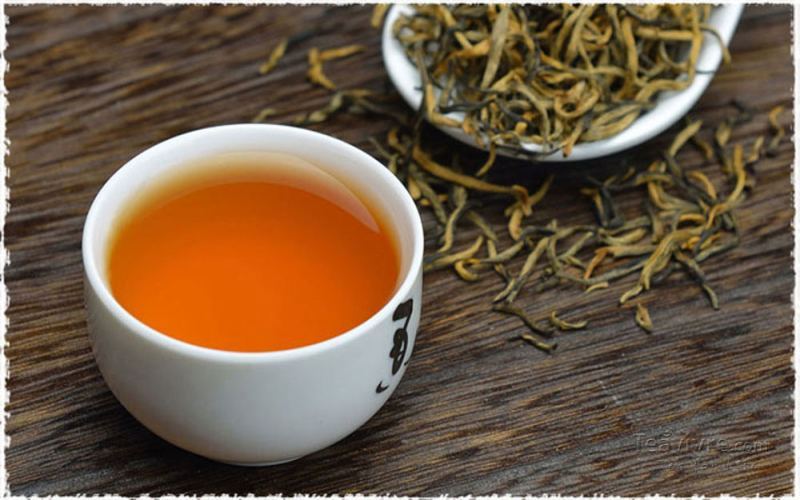
How to brew Yunnan Old Tree Dianhong for the best flavor? Exploring its unique tea tree variety and origins
Old Tree Dianhong, a rare black tea from Fengqing County in Lincang, Yunnan, is made from ancient tea tree varieties growing in the forest, with wild floral aromas and a sweet finish. Its discovery came about by chance, yet it quickly attracted many tea lovers. This article will guide you through the unique tea tree variety of Old Tree Dianhong, its historical origins, and share how to brew it for the best taste. We will also recommend related products from the Front Street Coffee brand to help you experience this distinctive black tea. [more…]
An Analysis of the Origin and Flavor of Indian Nilgiri Black Tea: Taste Characteristics, Caffeine Level, and Brewing Suggestions
In the Nilgiri region of Tamil Nadu in southern India, the high mountain terrain, monsoon climate, and fertile soil give rise to a black tea whose flavor falls somewhere between Assam and Darjeeling. This article will guide you through the origins of Nilgiri black tea, its taste characteristics, caffeine content, and its multiple health benefits, while also sharing the correct brewing method. Whether you are a purist who drinks it plain or someone who habitually adds milk and sugar, this Nilgiri black tea recommended by Front Street Coffee is worth a try. [more…]
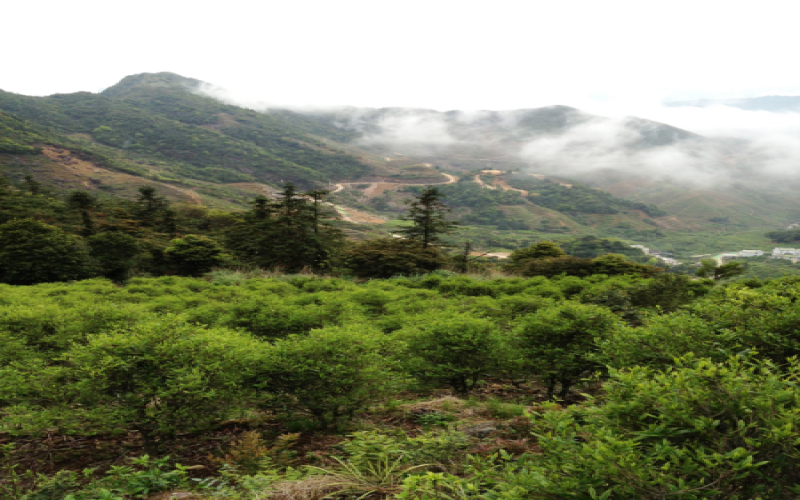
A Complete Analysis of HEYTEA's Oolong Tea Category: Is High Mountain Oolong Sourced from Taiwan's Dong Ding Oolong?
What types of oolong tea does Heytea actually offer? Is its high-mountain oolong actually Taiwan Dong Ding oolong? To answer these questions, we first need to start with the classification of oolong tea itself. Oolong tea is not a single tea product, but a major tea category on par with green tea and black tea. Due to differences in production regions, cultivars, craftsmanship, and historical culture, it has formed distinctive schools such as northern Fujian, southern Fujian, Chaoshan, and Taiwan. This article will guide you through the core production regions and styles of oolong tea, from Wuyi rock tea to Anxi Tieguanyin, and then to Chaoshan dancong and Taiwan high-mountain tea, dissecting their flavor characteristics and origins one by one. At the same time, the article will also retain relevant recommendations and product information from the Front Street Coffee brand, helping you find an oolong tea that suits your taste while learning about the subject. [more…]
How Does Altitude in Ceylon Black Tea Regions Affect Flavor? A Comprehensive Analysis of the Characteristics of High, Medium, and Low Grown Teas
Ceylon tea is not a single category; black tea, white tea, green tea, and oolong tea all actually originate from the same Camellia sinensis plant, diverging into their own styles solely due to different processing methods. Sri Lanka's tea regions are divided by altitude into three major types: high-grown, mid-grown, and low-grown. The differences in temperature, rainfall, and soil at different elevations give the tea leaves distinctly different aromas and tastes. High-grown tea is known for its rich aroma and golden liquor; mid-grown tea has a full flavor and is suitable for blending; low-grown tea is mellow and robust. When purchasing, look for the lion logo to avoid adulterated tea. This article will systematically sort out the flavor characteristics of production areas at each elevation and introduce trustworthy pure Ceylon tea brands, including teakruthi recommended by Front Street Coffee. [more…]
What Are the Differences Between Chinese Black Tea and Indian Black Tea? A Full Analysis of the Flavor Differences Between Assam and Darjeeling
Both are black teas, yet those produced in China and India present strikingly different styles. Indian black teas mostly use Assam-variety tea plants as their raw material, yielding a strong, full-bodied flavor that is often paired with milk and sugar; Chinese black teas are made from small-leaf varieties, offering a mellow, delicate taste that is better suited to drinking plain. Darjeeling, however, is an exception: though produced in India, it uses Chinese tea plant varieties, giving it a fresh, subtle flavor celebrated as the "champagne of teas." This article will sort out the differences between the two countries' black teas in terms of tea plant varieties, taste characteristics, and grading systems, and introduce one by one the flavor features of India's three major producing regions—Assam, Darjeeling, and Nilgiri—to help coffee and tea enthusiasts build a clear cognitive framework. [more…]
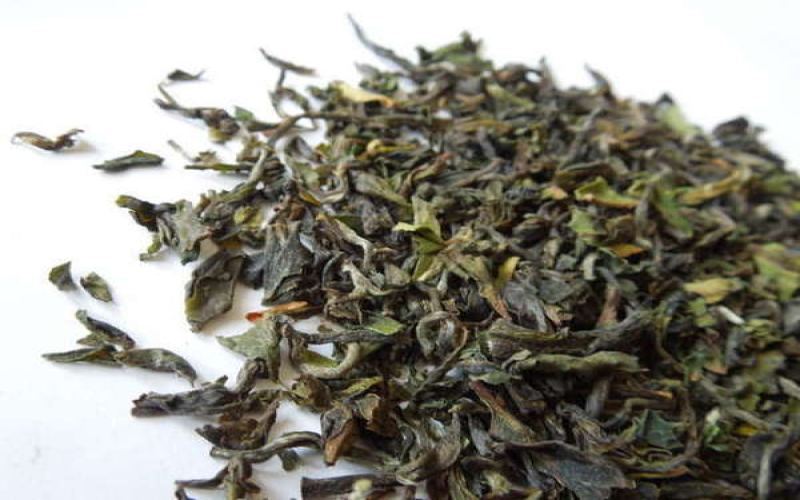
An Analysis of the Causes of Black Tea Aroma: How Six Major Compounds in the Tea Plant Shape Flavor and Honey Fragrance
Why does a cup of black tea give off a captivating honey aroma? Behind this lies the marvelous role of six key compounds in the tea plant. Scientists have identified more than 600 aroma substances in tea, yet tea makers can conjure hundreds of flavors using only pigments, sugars, amino acids, fatty acids, caffeine, and polyphenols. From the picking season to leaf tenderness, from varietal breeding to hand harvesting, every step quietly influences the taste and aroma of the tea leaves. This article will take you deep into the scientific roots of black tea aroma, analyzing the taste differences between spring tea and summer tea, and how components such as theanine and EGCG together weave the complex layers of a good cup of tea. Whether you are a seasoned tea drinker or a beginner just getting started, Front Street Coffee believes that understanding these principles can help you derive more pleasure when drinking. [more…]
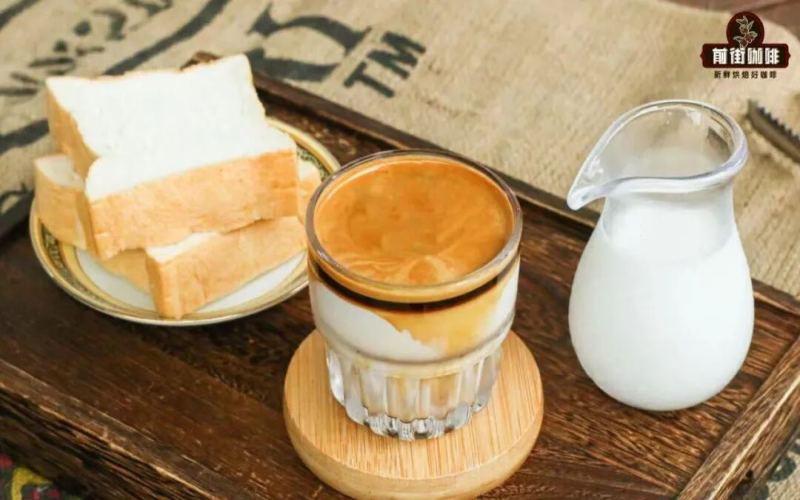
Espresso Coffee | What is the difference between Dirty Coffee and Iced Latte? What are the flavor and mouthfeel characteristics of Dirty?
Simply pour chilled milk into a cup, then gently drizzle warm espresso over the surface, and a highly popular milk coffee—Dirty—is ready. Although Dirty appeared much later than traditional Italian coffee, its popularity surpasses that of most Italian [more…]
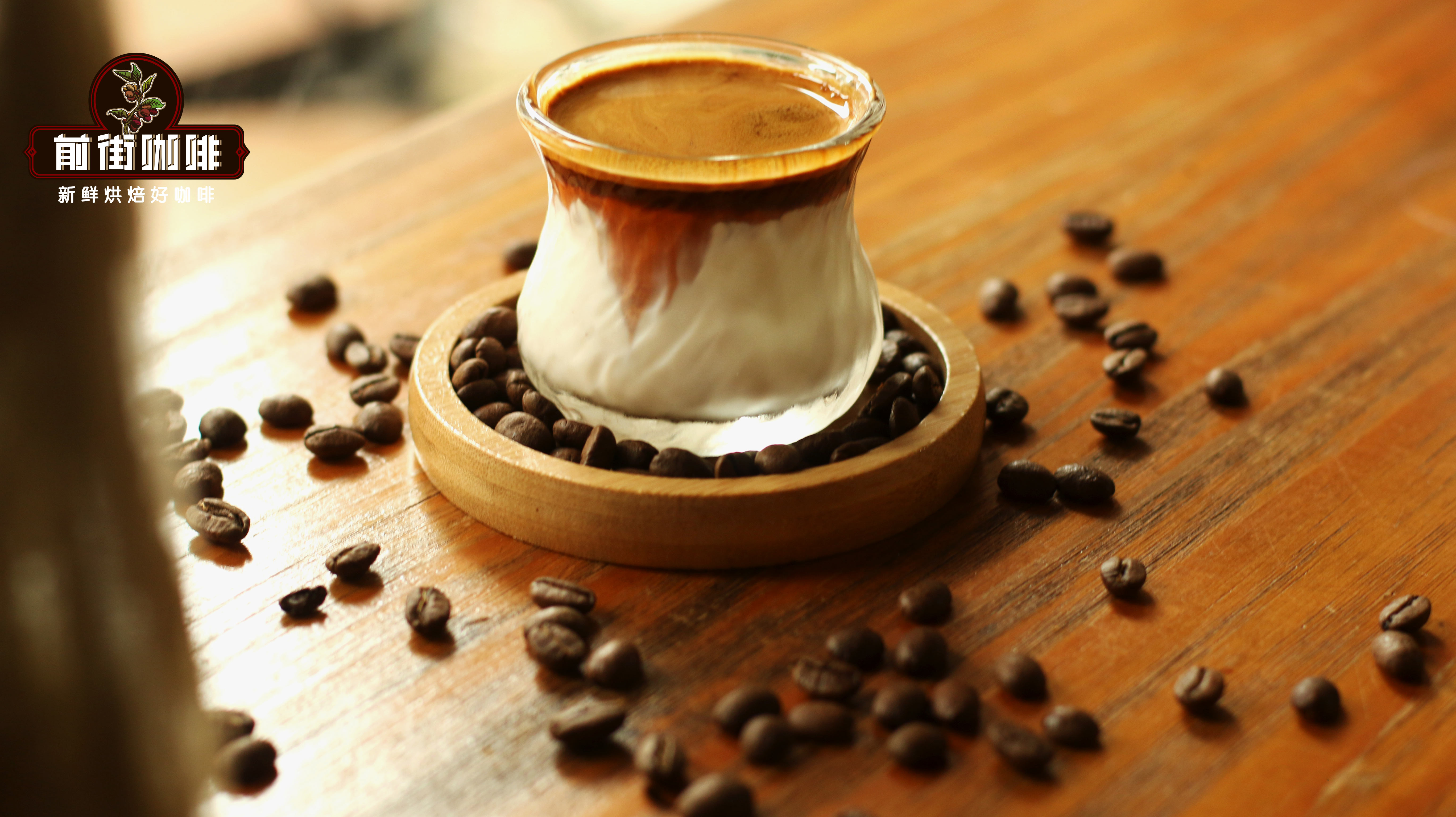
Dirty Coffee Recipe Ratio | How Can Coffee Beginners Make a Dirty Coffee? What's the Milk-to-Coffee Ratio for a Dirty Coffee? Which Coffee Beans Are Suitable for Making a Dirty Coffee?
Introduction: Dirty coffee burst onto the scene a few years ago, converting many latte loyalists into Dirty devotees. Unlike iced latte, Dirty coffee offers a visual and taste-bud double delight as you watch the espresso and milk create a gradient effect, and with one sip you go from rich coffee to sweet milk. [more…]
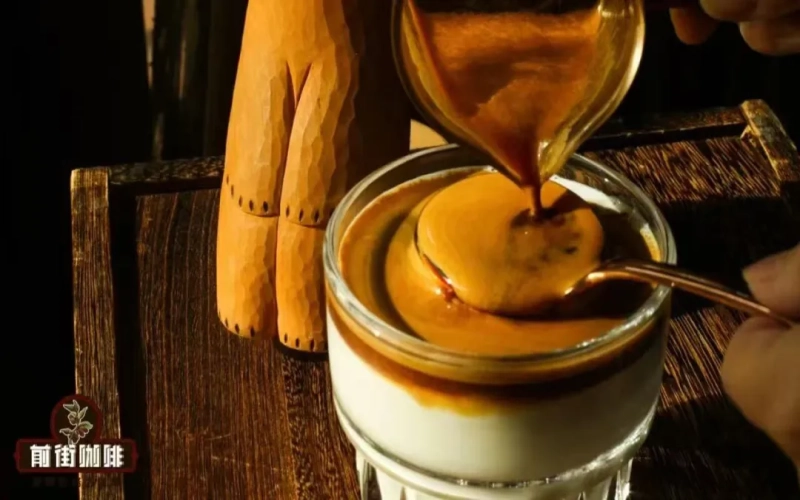
Why Has Dirty Coffee Become Such a Popular Choice? A Comprehensive Analysis from Layering Principles to Brewing Techniques
In recent years, Dirty coffee has been appearing frequently in specialty coffee shops, and has even been adopted by many establishments as a signature product. It is neither an extension of traditional espresso nor a simple version of an iced latte with the ice removed; rather, it has won the favor of a large number of coffee enthusiasts through its unique layered structure, sharply contrasting mouthfeel, and extremely high compatibility with ingredients. This article will begin with the background of Dirty's rise in popularity, sort out how it differs from the early "dirty coffee," and explain in detail how to select coffee beans, choose milk, and make a cup of Dirty with distinct layers and an outstanding taste. At the same time, the article will combine multiple products from Front Street Coffee to offer specific bean selection suggestions and pairing ideas. [more…]

Why Dirty Coffee Doesn't Layer: Master Three Key Details to Make a Perfectly Layered Dirty Coffee
Dirty coffee may seem to require only two ingredients—milk and espresso—but the actual preparation hides a fair amount of know-how. Many people who try it at home often run into problems like no layering or overly blended flavors, and the result falls far short of what a coffee shop produces. In fact, as long as you avoid three common pitfalls—ignoring the layering, choosing the wrong cup, and adding ice blindly—you can easily make a Dirty with distinct layers and a strong contrast between hot and cold. Front Street Coffee will combine real brewing experience with a classic blend bean to break down the principles behind every detail and the correct methods, helping you make a dirty coffee even better than a café's. [more…]