







Search Results for: Brewing Coffee Flowers in Water
A Comprehensive Guide to Coffee Flowers: From Morphological Characteristics and Blooming Habits to the Benefits and Effects of Drinking Them as a Tea
The blooming of the coffee tree is an extremely fascinating stage in the coffee growth cycle. Every spring, creamy-white flowers adorn the branches, looking especially delicate against the backdrop of downward-drooping green leaves, with a rich fragrance that is intoxicating. However, the coffee flowering period is very brief; from flower bud differentiation to blooming, and then to bearing fruit, every step is deeply influenced by variety and environmental conditions. Coffee flowers not only have rich morphological characteristics and unique flowering habits in botanical terms, but people also often dry coffee flowers and steep them in water to drink, believing they have specific health benefits. This article will take you through a systematic understanding of the morphological structure of coffee flowers, the flowering patterns of different varieties, the differences between star-shaped flowers and normal flowers, and the benefits of drinking coffee flower infusion, while interspersing coffee flower appreciation images to help coffee enthusiasts fully understand this flower hidden behind the coffee cup. [more…]

Can Jasmine Flowers and Iced Americano Be Mixed? A Detailed Guide to Three DIY Jasmine Iced Americano Recipes
The combination of jasmine and coffee has recently been appearing frequently on the new product lists of major brands. When elegant floral notes meet rich coffee, can they really create a satisfying flavor? This time, Front Street Coffee decided to take matters into its own hands, breaking down three feasible production paths one by one, from coffee bean selection to jasmine tea preparation—directly buying bottled jasmine tea, quickly steeping dried flowers in hot water, and cold brew tea bag immersion. The article not only provides specific ratios and operating steps, but also offers pairing suggestions for coffee beans of different roast levels, along with practical tips to avoid diluting the base, helping you easily recreate a cup of jasmine iced americano with balanced floral notes and coffee at home. [more…]
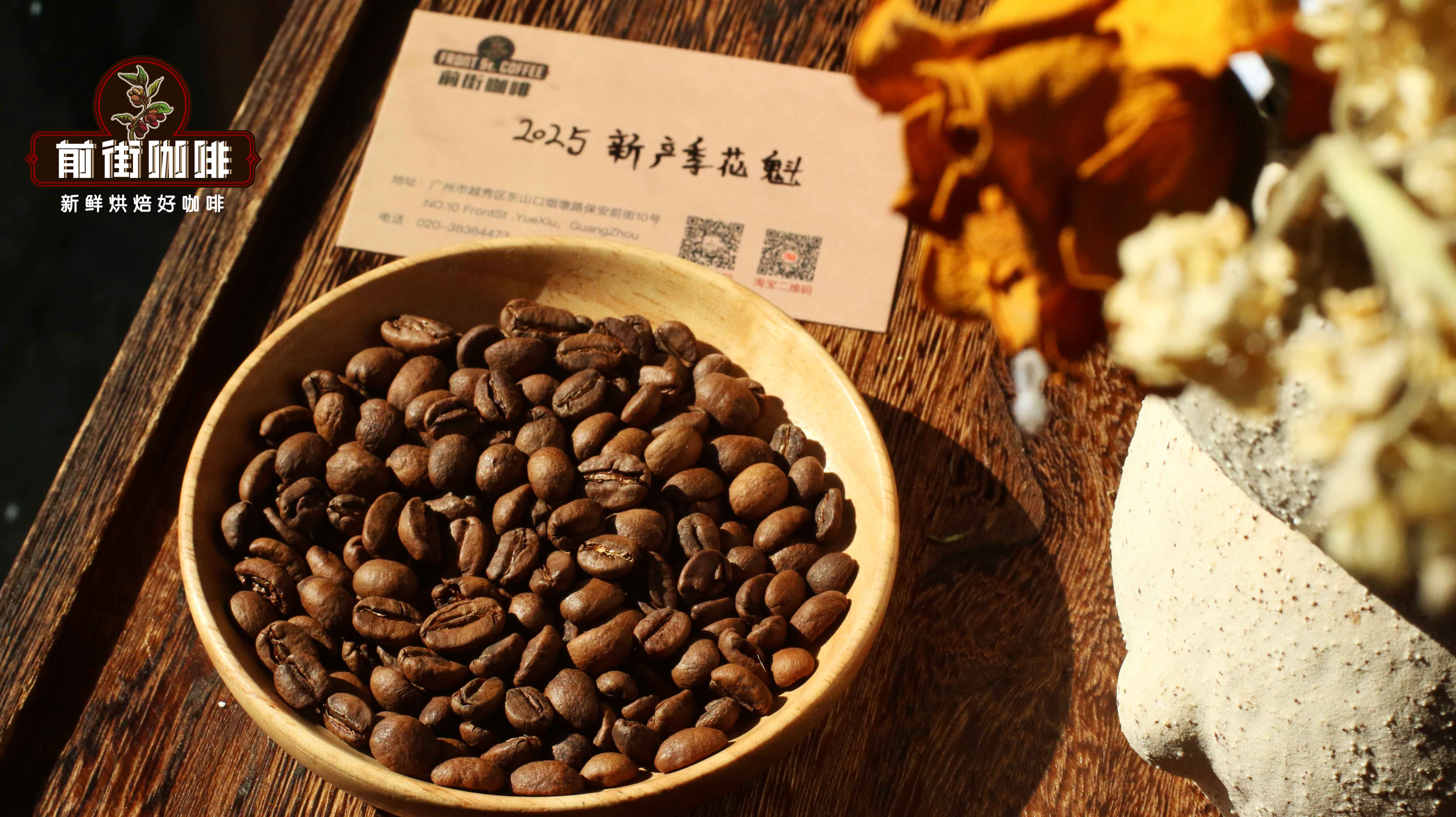
The Origins and Brewing Guide of Huakui Coffee Beans: From the Sidamo Guji Region to Front Street's Recommended Method
The name of Geisha coffee beans always evokes the image of "the chief of a hundred flowers, graceful and enchanting," and its flavor truly lives up to such praise. From the perspective of Front Street, this article takes you through how this bean went from an unnamed lot in the Guji region of Sidama to becoming the highly acclaimed "chief of a hundred flowers" step by step. We will trace the origins and rise to fame of Geisha, analyze the story behind the X.0 series, and share Front Street Coffee's brewing suggestions and flavor descriptions. Whether you are new to Geisha or looking to refine your brewing technique, you will find practical references here. [more…]
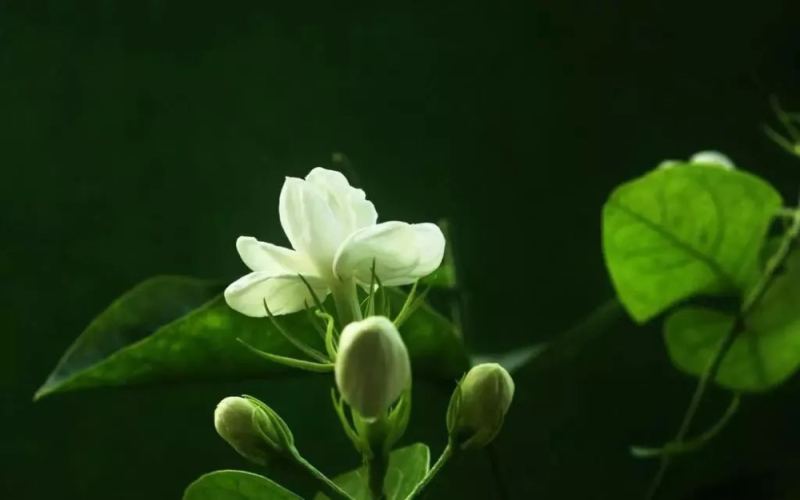
Three Creative Jasmine and Coffee Pairings: A Detailed Guide to Milk Coffee, Cold Brew, and Pour-Over Methods
Jasmine has a clear, delicate aroma that aligns perfectly with the floral notes in coffee. Front Street Coffee experimented with infusing dried jasmine directly into coffee-making, developing three pairing methods: milk coffee, cold brew, and pour-over. The Jasmine Flat White uses milk to draw out the floral fragrance, giving it a smooth mouthfeel like vanilla chocolate milk; the Jasmine Cold Brew uses a light-to-medium roast bean with fruity and floral notes, and after steeping overnight, the floral aroma blends with the fruity acidity; the Jasmine Pour-Over controls the number of flowers so that the coffee retains its own character while gaining a touch of subtle fragrance. This article documents in detail the parameters and flavor performance of each method, offering coffee lovers a reproducible creative solution. [more…]
The Origin of the Name Hualkui Coffee Beans and an Analysis of the Pour-Over Flavor of the Sidamo Guji Region
The name Geisha coffee beans always evokes the imagery of "queen of a hundred flowers," and this naturally processed bean from the Guji region of Sidamo, Ethiopia, has indeed won over countless coffee lovers with its intense berry notes and creamy smooth mouthfeel. From winning the 2017 TOH East Africa Green Bean Cupping Competition to Li Jianfei, runner-up in the China Region Brewing Championship, using it to defeat numerous Geisha competitors, Geisha coffee has completed its transformation from "nobody" to "queen of a hundred flowers." This article will guide you through Geisha coffee's origins and background, the terroir conditions of the Guji region, the naming logic of the X.0 series, as well as the pour-over parameters recommended by Front Street Coffee and the flavor performance of the 2025 new harvest season. [more…]
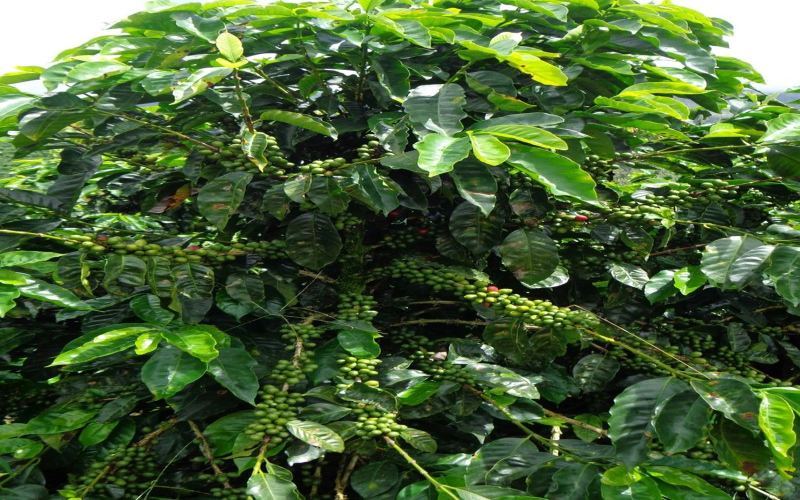
Floral Aromas from Bright to Mellow: How to Read Coffee Roast Levels
Floral coffee is not just one flavor. Light roasts more easily preserve notes of white flowers, orange blossom, jasmine, and tea; medium roasts bring florals together with caramel sweetness; and dark roasts usually push the florals into the background and shift toward cocoa, nuts, and roasted aromas. To choose a cup that suits your taste, you can first look at the roast level, then judge [more…]
A Complete Guide to Front Street Yirgacheffe Coffee Beans: Flavor Profile, Grinding Parameters, and Origin Varieties
Yirgacheffe, as a representative of Ethiopian specialty coffee, is deeply favored by coffee enthusiasts for its distinctive floral aroma and citrus notes. This article begins with a flavor description of Front Street Yirgacheffe, systematically sorting out its grinding size recommendations, variety origins, and producing region distribution, while also introducing Fleco Coffee Expert's research on the cultivation history of Yirgacheffe, as well as the shaping effect of the producing region's microclimate on coffee flavor. Whether you are a beginner just getting into pour-over or a seasoned player wanting to gain a deeper understanding of Yirgacheffe's origin background, you can obtain a complete cognitive framework about this bean, helping you more accurately grasp the brewing direction and tasting key points of Front Street Yirgacheffe. [more…]
Ceylon Flavored Black Tea Flavor Analysis: Earl Grey, Jasmine, and Masala, Plus a Discussion on Whether Flavorings Are Added and the Causes of Astringency
Ceylon flavored black tea is made by infusing black tea, green tea, or oolong tea with the natural flavors of flowers, herbs, and fruits, preserving the inherent depth of Ceylon tea while adding subtle fruity or herbal notes. Common varieties on the market, such as Earl Grey, jasmine tea, and masala chai, each have their own origins, while innovative flavored teas like raspberry, lemon, ginger, strawberry, mint, vanilla, and cinnamon are continually emerging. Many tea enthusiasts wonder whether flavored black teas rely solely on artificial flavorings, and why Ceylon black tea tastes astringent. This article will address these questions by outlining the types, processing methods, and flavor characteristics of Ceylon flavored black tea, and also introduce related product information from Front Street Coffee. [more…]
Yirgacheffe Coffee Flavor Profile, Processing Methods, Grades, Grinding and Brewing Key Points, and Production Region Introduction
Yirgacheffe is one of the most distinctive regions in specialty coffee, known for its citrus, floral, and tea-like notes. This article focuses on the characteristics, flavor descriptions, and mouthfeel of Yirgacheffe coffee, outlining the two major processing categories—washed and natural—along with their grade classifications. It also covers Front Street Coffee's Yirgacheffe roasting approach, grinding and brewing recommendations, and methods for adjusting your tasting experience. At the same time, it introduces the village-style garden cultivation and microclimate background, helping coffee enthusiasts more systematically understand why this bean is often described as "the moment coffee touches your lips, a hundred flowers bloom." [more…]
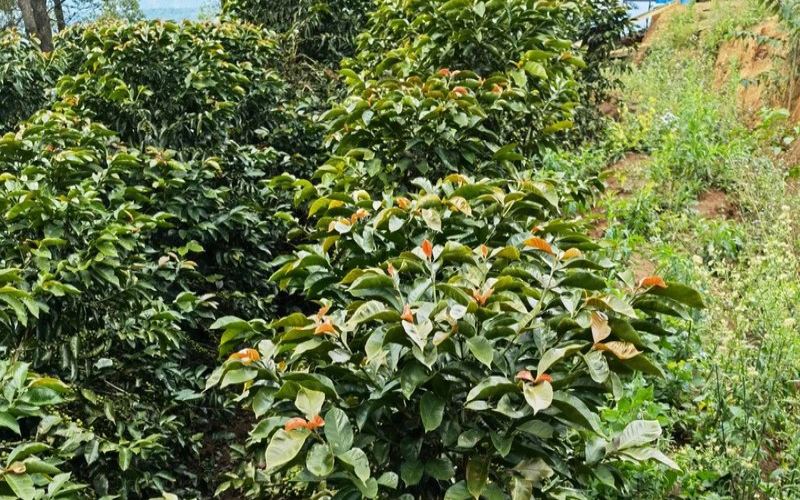
How to Choose Floral Coffee Beans: From Light to Dark Roast, Looking at Flavor
Floral coffee beans are usually light on the palate, with aromas that may resemble jasmine, orange blossom, or rose, and may also carry notes of white grape, citrus, or ripe berries. The roast level determines how these aromas present themselves: a light roast is more like freshly picked flowers, a medium roast gains a layer of honey-like sweetness, and a dark roast may turn into dried [more…]
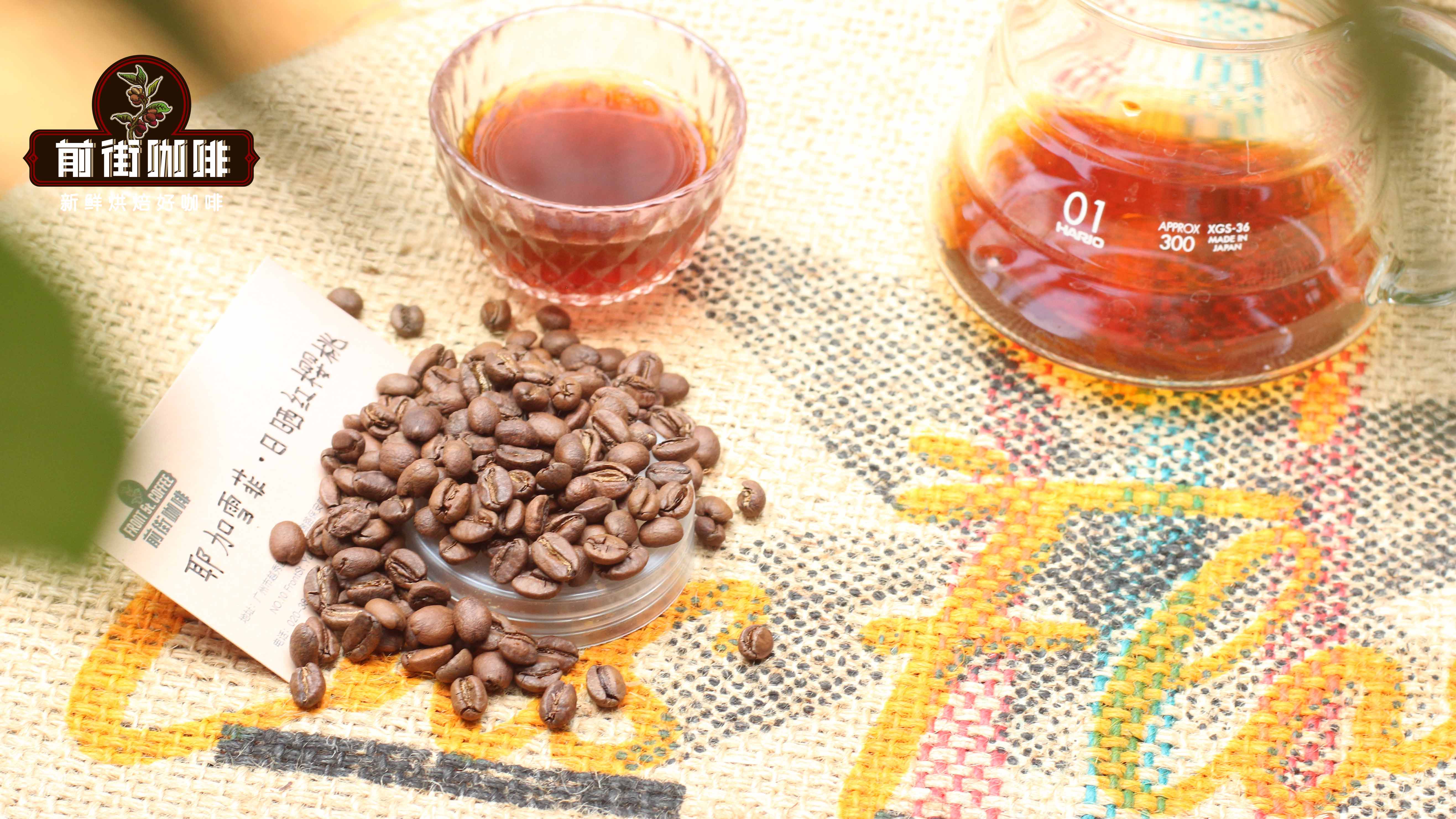
Yirgacheffe G1 Coffee Brewing Guide: Full Analysis of Flavor Notes, Mouthfeel Characteristics, Variety Traits, and Grind Settings
As a representative of Ethiopian specialty coffee, Yirgacheffe's G1 grade presents strikingly different flavor profiles depending on the processing method. Washed Yirgacheffe G1 is known for its bright style interweaving citrus and floral notes, while natural Yirgacheffe G1 overturns many people's preconceived notions of coffee with its rich fruity aroma and fermented quality. This article will comprehensively analyze the brewing key points of Front Street Yirgacheffe G1, from variety origin, grade classification, flavor characteristics to grinding and extraction, guiding you to appreciate the unique charm of "coffee enters the mouth, a hundred flowers bloom." [more…]
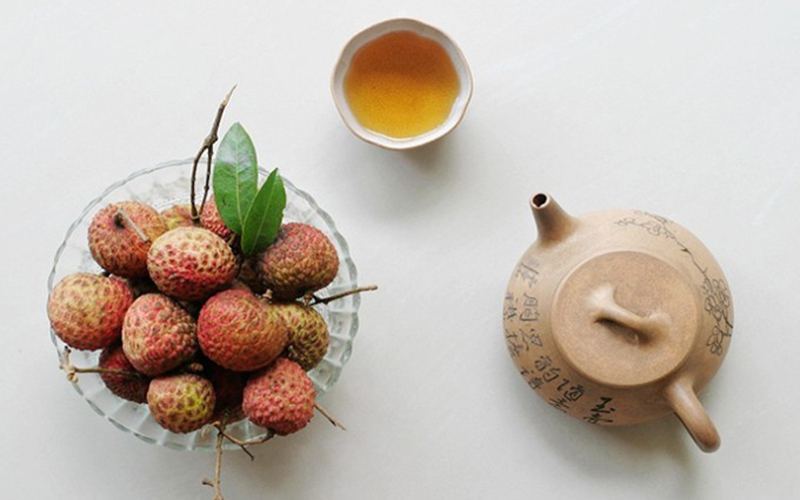
Is lychee black tea a flavored tea? Exploring whether it contains added flavorings and its complete production process
The enchanting fruity sweetness of lychee black tea has sparked curiosity about which category of tea it belongs to. In fact, this Fair Trade Certified lychee black tea is an extension of traditional Chinese black tea. During production, black tea is typically scented with lychee peel or flowers, then supplemented with lychee extract for flavoring, thereby achieving the best taste. Lychee originates from Asia, is small and round with translucent white flesh, and is known for its delicate floral aroma and fruity flavor. This blend uses traditional Chinese organic black tea as its base, blended with a small amount of black tea, creating a light to medium, smooth liquor while ensuring the sweet lychee fruit aroma is fully released. Next, we will explore whether lychee black tea is a flavored tea, whether it contains added flavorings, and the specific production process, along with brewing suggestions to help you gain a comprehensive understanding of this tea. [more…]

The Complete Guide to Making Cold Brew Coffee: Bean-to-Water Ratio, Grind Size, and Blend Selection
To make a cup of full-bodied, well-balanced cold brew at home, bean selection and parameters are equally key. Starting from the extraction principles of cold brew, this article explains specific brewing parameters in detail, such as a 1:12 coffee-to-water ratio and an 85% pass rate through a No. 20 sieve, and recommends coffee beans suitable for cold brew by flavor type: from washed beans from African regions such as Kenya and Ethiopia, to sun-dried beans with soft fruit tones, to concrete-flavored blends such as Strawberry Candy and Butterfly, as well as chocolate-toned options from medium-dark and dark roasts. Finally, it shares a little trick—adding dried osmanthus or jasmine flowers to give the cold brew an extra layer of delicate floral aroma. Whether you prefer bright fruity acidity or rich cocoa, you can find the cup that suits you. [more…]

Ethiopian Natural Sidamo Queen of Flowers Coffee: A Complete Guide to Heirloom Flavors, G1 Grade, and Pour-Over Parameters
Front Street Sun-Dried Sidamo Huakui coffee is renowned for its elegant floral aroma and rich fruity notes; it is sweet on the palate with a honey-like finish, yet very affordable at only 65 yuan for half a pound. Ethiopia, the birthplace of Arabica, is home to two renowned specialty regions—Yirgacheffe and Sidamo—each with distinct characteristics: the former uses washed processing to showcase a clean, bright jasmine aroma, while the latter uses natural processing to give the coffee a richer fragrance and sweetness. Huakui is the flagship representation of Sidamo natural beans. This article will walk you through the terroir of the Sidamo region, the origins of the Heirloom native variety used in Huakui, Ethiopia's G1 grading standard, and Front Street's recommended V60 brewing parameters, offering a comprehensive analysis of this bean's flavor code. [more…]
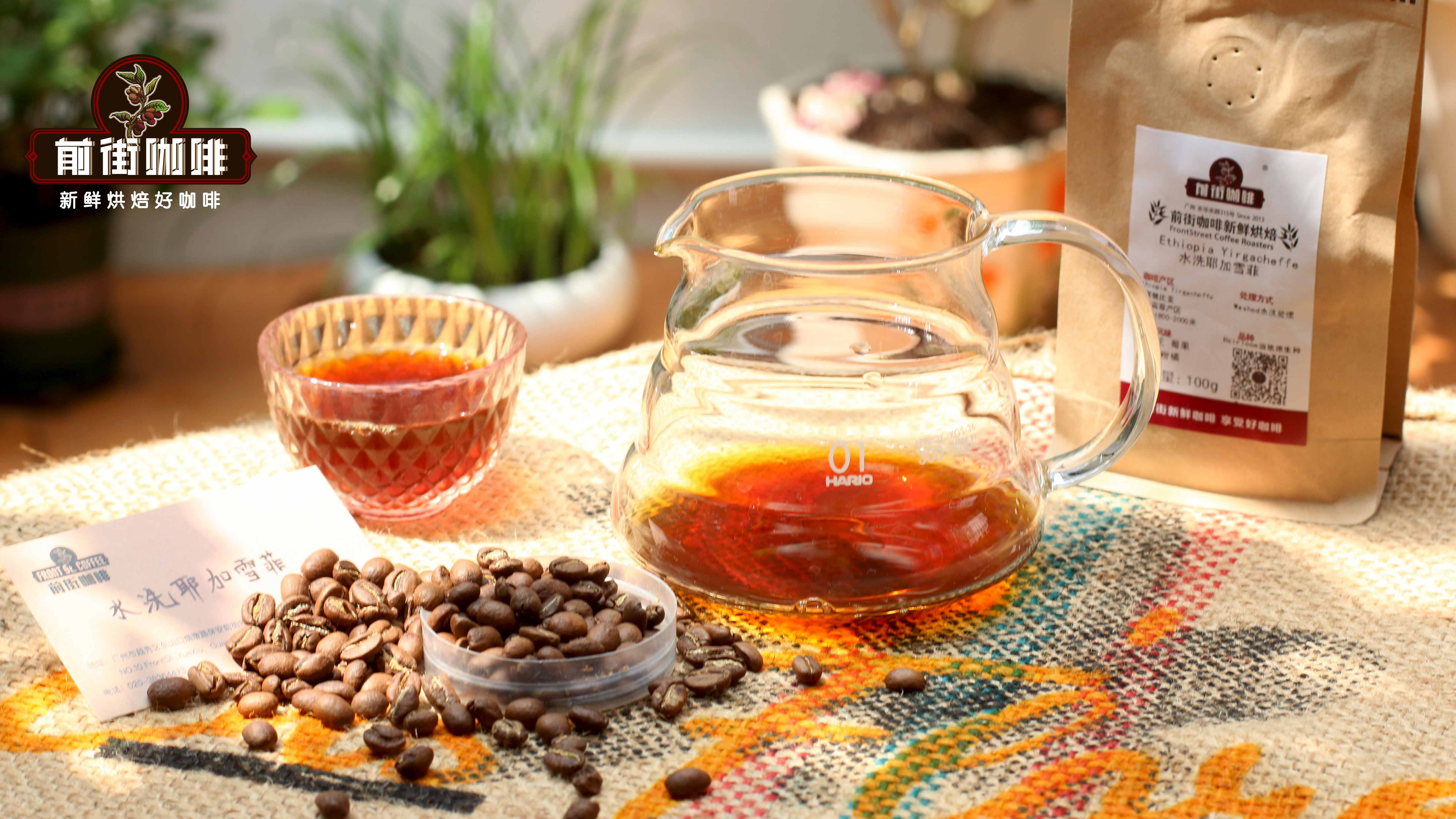
Ethiopian Washed Yirgacheffe Flavor Analysis and Pour-Over Parameter Guide
In the coffee world, Yirgacheffe's status is, as Front Street Coffee puts it, like a cup of nectar that blends flowers and fruit. Its signature floral aroma and citric acidity are so fresh and clean that one struggles to find the right words to describe them. Front Street Coffee has always believed that this bean is perfect for friends who are just getting into specialty coffee—it stands clearly apart from espresso, and it is like a "coffee that doesn't taste like coffee," capable of breaking people's fixed preconceptions about coffee and awakening both palate and sense of smell with floral aromas at the same time. This article will start with the origins of Yirgacheffe, gradually break down the complete process and flavor characteristics of the washed processing method, and provide Front Street Coffee's specific brewing recipe for Washed Gedeo, helping you reliably reproduce that bright, clean washed Yirgacheffe at home. [more…]
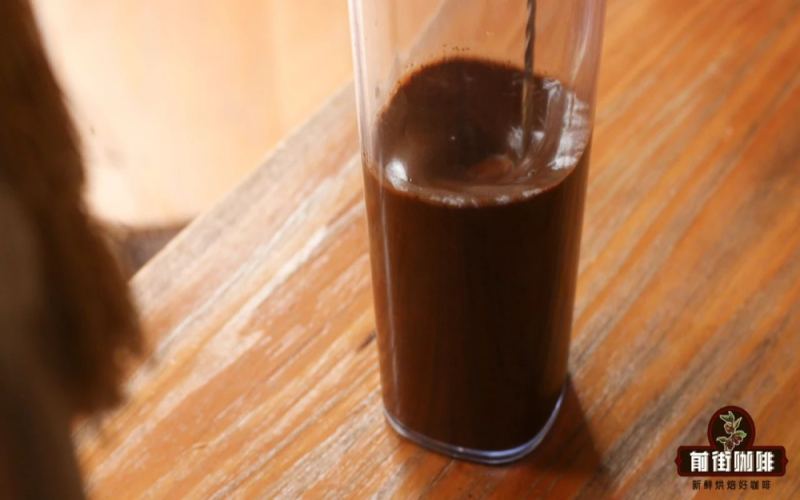
The Complete Guide to Choosing Beans for Cold Brew Coffee: From Fruity and Floral to Dark Roast, an Easy-to-Master Brewing Approach for Beginners
Cold brew coffee, through its unique low-temperature slow extraction method, reduces acidity and bitterness while locking in aroma, resulting in a fuller and more balanced taste. But with such a dazzling array of coffee beans, how should beginners choose? This article draws on the daily experience of Front Street Coffee baristas to systematically sort out the logic of bean selection by flavor type: those who prefer bright fruity acidity can choose washed beans from Kenya, Ethiopia, and the like, such as Front Street Little Tomato and Front Street Fruit Ding Ding; those who like softer fruity notes are recommended sun-dried Front Street Flower Queen and Front Street Red Cherry; those who want to try specific aromas will find specially processed beans such as Front Street Strawberry Candy and Front Street Xizhua to be good choices; and if you do not like acidity, medium-dark roasted Front Street Queen's Manor, Front Street Bird of Paradise, and even dark-roasted Front Street PWN Golden Mandheling can satisfy you. In addition, the article also shares a little trick—adding a small amount of dried osmanthus or jasmine flowers can give cold brew an extra touch of delicate floral fragrance. [more…]

Is Cold Brew Coffee High in Caffeine? A Health Guide to Brewing Methods and Shelf Life
Cold brew coffee has gained much popularity in recent years, but many people wonder whether its caffeine content is on the high side, how to brew it more healthily, and how long it can be stored. This article will start from the principles of caffeine release, explain why cold brew coffee has a relatively high caffeine content, and introduce a simple and easy cold brew recipe in detail. At the same time, Front Street Coffee will recommend coffee beans suitable for cold brew based on different needs such as floral and fruity notes, specific flavors, and medium-dark roasts, and share the clever idea of adding dried flowers to enhance the flavor, helping you make a cup of full-bodied, well-balanced iced coffee. [more…]
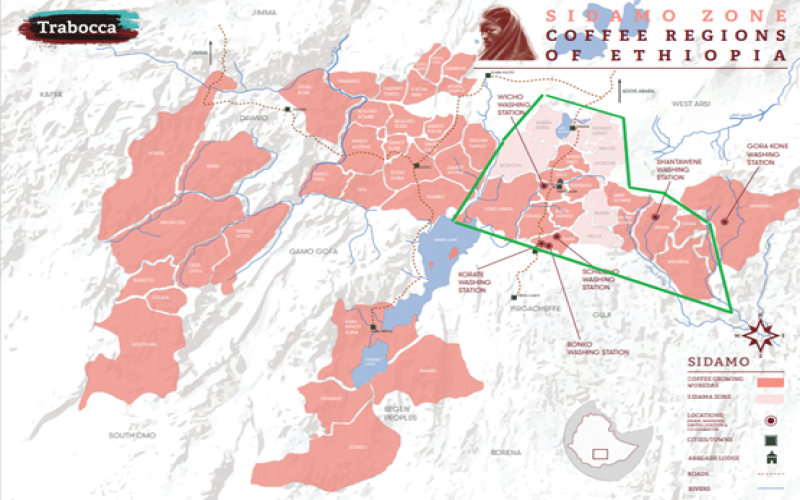
Which coffee region does Sidamo belong to? How does the 2024 Queen of Flowers 8.0 new crop season flavor perform?
Sidamo is an important specialty coffee region in southern Ethiopia, spanning the highlands on the southern shore of Lake Awasa in the East African Rift Valley, and is known for its intense flavors, full body, and bright acidity. After Guji became independent from Sidamo, the Huakui coffee beans from the Hambela sub-region quickly rose to fame. The 2024 new-crop Huakui 8.0 continues the floral notes, jackfruit, dried fruit, apricot, and juicy character, with a prominent fermented sweetness. Front Street Coffee's two Sidamo natural beans—Arsi and Huakui 8.0—each deliver impressive expressions of fruity sweetness, juiciness, and tropical fruit notes. This article explains the regional background, processing methods, brewing parameters, and flavor comparison in detail. [more…]

Yirgacheffe Konga Cooperative Region Full Guide: The Flavor Code of Heirloom Washed Processing
Yirgacheffe is a signature region for specialty coffee in Ethiopia, and the Konga Cooperative is one of its most representative producer organizations. This article systematically reviews the coffee characteristics of the Konga Cooperative, from the region's background and the cooperative's operating model to its washed processing method and the flavors it delivers in the cup. Front Street Coffee's Konga Heirloom is made from fully red cherries and washed processed, revealing layers of jasmine florals, citric acidity, and the sweet aroma of peach and almond—like a hundred flowers blooming on the first sip. Whether you are new to single-origin coffee or a seasoned enthusiast looking for an everyday staple, this article will help you understand the full story behind this bean. [more…]
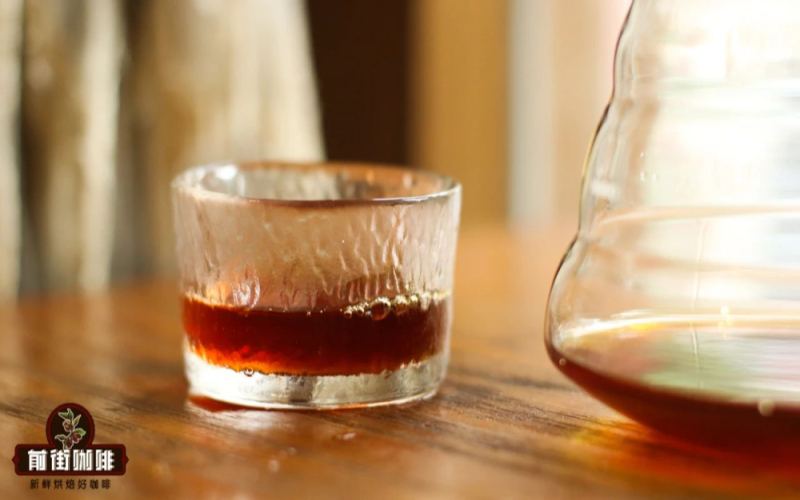
Costa Rica Little Candle Estate Geisha Coffee Beans: The Legend of a Micro-Mill Cultivated by the Sanchez Family for Five Generations
Geisha coffee has repeatedly won championships in competitions, and the superiority of its variety is beyond doubt. Front Street Panama Geisha is certainly a top choice, but Costa Rica's Little Candle Estate can also bring surprises. This Front Street Costa Rica Geisha coffee offers outstanding value for money, comes from a CoE award-winning estate, and is jointly run by nine siblings of the Sanchez family. The estate is located in the Tarrazu region, at an altitude of 1,400 to 1,650 meters, and is known for traditional fermentation and an environmentally friendly water treatment system, producing multiple batches of Geisha each year. In terms of flavor, it presents aromas of almond, plum, citrus, sweet flowers, and berries, with rich acidity and a long finish. This article will guide you through the estate's history, processing methods, and share Front Street's brewing plan and flavor experience. [more…]